
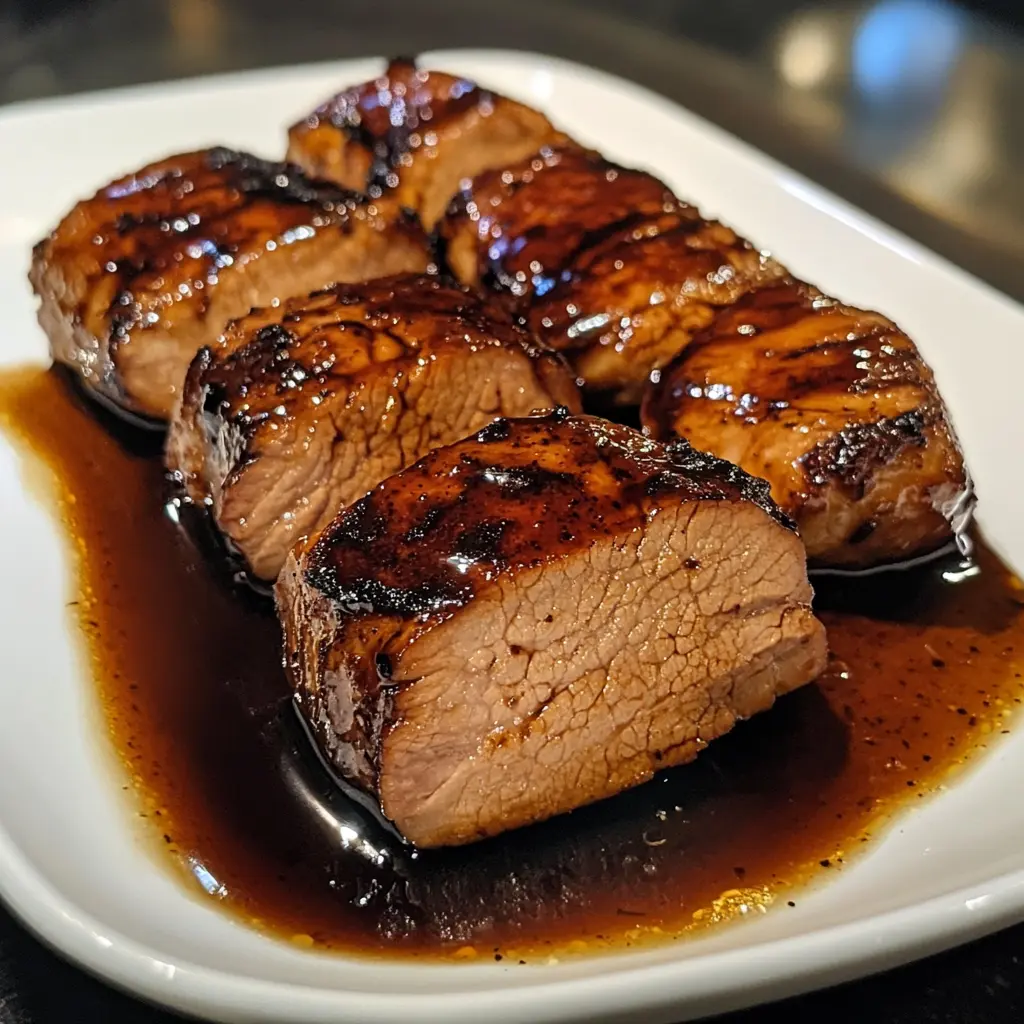
Brown Sugar Balsamic Glazed Pork Tenderloin: The Ultimate Guide to Perfect Flavor
The combination of sweet brown sugar and tangy balsamic creates an irresistible glaze that transforms ordinary pork tenderloin into an extraordinary culinary masterpiece. This Brown Sugar Balsamic Glazed Pork Tenderloin delivers restaurant-quality flavors with simple ingredients and straightforward techniques. Moreover, this recipe offers a perfect balance of sweet and savory notes that will impress both family and guests alike.
Why Brown Sugar Balsamic Glazed Pork Tenderloin Works
Brown Sugar Balsamic Glazed Pork Tenderloin succeeds because it combines complementary flavors that enhance the natural taste of pork. The brown sugar caramelizes during cooking, creating a beautiful golden exterior. Additionally, balsamic vinegar adds depth and complexity while tenderizing the meat through its natural acidity.
Furthermore, pork tenderloin provides an ideal canvas for this glaze combination. This lean cut absorbs flavors beautifully while maintaining its tender texture. The cooking process allows the glaze to penetrate the meat, ensuring every bite delivers consistent flavor.
Essential Ingredients and Their Benefits
Primary Ingredients
The foundation of this Brown Sugar Balsamic Glazed Pork Tenderloin requires carefully selected ingredients that work together harmoniously:
-
Pork Tenderloin: Choose 1-2 pounds of fresh, high-quality tenderloin for optimal results
-
Brown Sugar: Provides sweetness and creates beautiful caramelization
-
Balsamic Vinegar: Adds tangy depth and natural meat tenderizing properties
-
Soy Sauce: Contributes umami flavors and enhances browning
-
Garlic: Fresh minced garlic delivers aromatic complexity
-
Olive Oil: Creates moisture and helps distribute seasonings evenly
Supporting Seasonings
Additionally, these seasonings elevate the overall flavor profile significantly:
-
Dried Sage: Complements pork with earthy, herbaceous notes
-
Salt and Pepper: Essential for proper seasoning and flavor enhancement
-
Cornstarch: Thickens the glaze to perfect consistency
-
Dijon Mustard: Optional ingredient that adds subtle tanginess
Nutritional Powerhouses
Meanwhile, balsamic vinegar offers impressive health benefits beyond flavor. This ingredient contains antioxidants that protect against free radicals. Similarly, it supports heart health by potentially reducing cholesterol levels. Furthermore, balsamic vinegar may aid in blood sugar control and digestive health.
Step-by-Step Cooking Instructions
Preparation Phase
First, remove the pork tenderloin from refrigeration 30 minutes before cooking. This step ensures even cooking throughout the meat. Next, trim any visible fat or silver skin using a sharp knife. Subsequently, pat the tenderloin completely dry with paper towels.
Then, create the seasoning mixture by combining sage, salt, pepper, and minced garlic. Afterward, rub this mixture thoroughly over the entire tenderloin surface. Finally, drizzle with olive oil and massage gently to distribute seasonings evenly.
Oven Method
Preheat your oven to 400°F for optimal cooking results. Line a baking sheet with foil for easy cleanup. Place the seasoned tenderloin on the prepared baking sheet. Insert a meat thermometer into the thickest portion of the meat.
Roast the Brown Sugar Balsamic Glazed Pork Tenderloin for 20-25 minutes initially. Monitor the internal temperature carefully throughout cooking. The meat reaches doneness when it achieves 145°F internal temperature.
Slow Cooker Alternative
Alternatively, use a slow cooker for hands-off preparation. Place the seasoned tenderloin in the slow cooker with ½ cup water. Cook on low heat for 6-8 hours until tender. This method produces incredibly tender results with minimal effort required.
During the final hour of slow cooking, prepare the glaze separately. Then, apply the glaze and finish cooking until the meat reaches proper temperature.
Perfecting Your Glaze
Creating the Base
Start by combining brown sugar, balsamic vinegar, and soy sauce in a small saucepan. Add ¼ cup water to prevent burning during cooking. Heat this mixture over medium-low heat while stirring constantly.
Next, create a cornstarch slurry by mixing cornstarch with cold water. This step prevents lumps from forming in your glaze. Gradually add the slurry to the saucepan while whisking continuously.
Achieving Perfect Consistency
Continue cooking the glaze for 4-6 minutes until it thickens noticeably. The mixture should coat the back of a spoon when properly reduced. Watch carefully to prevent burning or boiling over during this process.
Remove the glaze from heat once it reaches syrup-like consistency. Allow it to cool slightly before applying to the cooked tenderloin. The glaze will continue thickening as it cools naturally.
Application Techniques
Apply half the glaze during the final 5 minutes of cooking. Reserve the remaining glaze for serving alongside the sliced meat. This two-step application ensures maximum flavor penetration and attractive presentation.
Temperature and Timing Guidelines
Internal Temperature Standards
The USDA recommends cooking pork tenderloin to 145°F internal temperature. Use a reliable meat thermometer for accurate readings. Insert the probe into the thickest portion of the tenderloin for best results.
Allow the meat to rest for 3 minutes after reaching target temperature. This resting period allows juices to redistribute throughout the meat. Subsequently, the internal temperature may rise an additional 5°F during resting.
Cooking Time Variables
Cooking times vary based on tenderloin size and thickness. Check smaller tenderloins (under 1 pound) at 20 minutes. Test 1-pound tenderloins around 25 minutes. Examine larger pieces (over 1 pound) at 30 minutes.
Furthermore, oven variations affect cooking times significantly. Use the meat thermometer rather than relying solely on time estimates. This approach guarantees perfectly cooked Brown Sugar Balsamic Glazed Pork Tenderloin every time.
Nutritional Benefits
Protein Powerhouse
Pork tenderloin delivers exceptional protein content with minimal calories. A 6-ounce serving provides approximately 36 grams of high-quality protein. This lean cut contains all essential amino acids required for muscle maintenance and growth.
Additionally, the protein content reaches 26% by fresh weight in cooked pork. When dried, lean pork protein content can achieve 89% composition. This makes Brown Sugar Balsamic Glazed Pork Tenderloin an excellent choice for fitness enthusiasts.
Essential Nutrients
Moreover, pork tenderloin supplies vital vitamins and minerals. Key nutrients include iron for oxygen transport, magnesium for muscle function, and niacin for energy metabolism. The meat also provides thiamin, riboflavin, and vitamin B6 for nervous system support.
Furthermore, pork contains significant amounts of phosphorus, potassium, and zinc. These minerals support bone health, heart function, and immune system strength respectively.
Balsamic Vinegar Benefits
Meanwhile, balsamic vinegar contributes additional health advantages. This ingredient contains polyphenol antioxidants that support cardiovascular health. Research suggests balsamic vinegar may help regulate blood sugar levels and improve insulin sensitivity.
Additionally, balsamic vinegar provides antimicrobial properties and digestive support. The acetic acid content promotes healthy gut bacteria balance while aiding nutrient absorption.
Serving Suggestions and Side Dishes
Classic Accompaniments
Brown Sugar Balsamic Glazed Pork Tenderloin pairs beautifully with roasted vegetables. Consider serving alongside roasted Brussels sprouts, carrots, or sweet potatoes. These vegetables complement the sweet-savory glaze perfectly while adding nutritional variety.
Rice pilaf or wild rice provides excellent starch accompaniment. The grains absorb the delicious glaze drippings wonderfully. Alternatively, serve with garlic mashed potatoes or herb-roasted fingerling potatoes for comfort food appeal.
Fresh Salad Options
Light salads balance the richness of the glazed pork effectively. Mixed greens with dried cranberries and toasted nuts create textural contrast. Drizzle with simple vinaigrette to maintain flavor harmony throughout the meal.
Alternatively, prepare a warm grain salad with quinoa, herbs, and seasonal vegetables. This option adds fiber and additional nutrients while complementing the meat’s flavors naturally.
Bread and Grain Choices
Crusty artisan bread allows guests to enjoy every drop of glaze. Focaccia or ciabatta provides sturdy texture for soaking up sauce. Meanwhile, dinner rolls offer more traditional presentation options for family-style dining.
Storage and Reheating Tips
Proper Storage Methods
Store leftover Brown Sugar Balsamic Glazed Pork Tenderloin in airtight containers within two hours of cooking. Refrigerate for up to four days maximum freshness. Slice the meat before storing for easier portion control and faster reheating.
Keep any remaining glaze separately in the refrigerator for up to one week. This separation prevents the meat from becoming soggy during storage. Label containers with preparation dates for food safety tracking.
Reheating Techniques
Reheat sliced pork gently in a covered skillet over medium-low heat. Add a splash of chicken broth to prevent drying out. Warm until heated through, approximately 3-4 minutes per side depending on thickness.
Alternatively, reheat in the oven at 325°F for 10-15 minutes. Cover with foil to retain moisture during reheating process. Check internal temperature reaches 165°F for food safety compliance before serving.
Freezing Guidelines
Freeze cooked pork tenderloin for up to three months in freezer-safe containers. Wrap tightly in plastic wrap, then place in freezer bags for double protection. Thaw overnight in refrigerator before reheating using methods described above.
Common Mistakes to Avoid
Temperature-Related Errors
Avoid overcooking pork tenderloin, which results in dry, tough meat. Use a meat thermometer rather than guessing doneness by appearance alone. Remove from heat at exactly 145°F internal temperature for optimal juiciness.
Conversely, undercooking poses food safety risks despite modern pork production standards. Never serve pork below the recommended internal temperature of 145°F.
Glaze Application Issues
Don’t apply glaze too early in the cooking process. Sugar burns easily at high temperatures, creating bitter flavors and unappealing appearance. Apply glaze only during final cooking minutes for best results.
Additionally, avoid making glaze too thin or too thick. Proper consistency should coat meat without running off completely. Adjust with additional cornstarch slurry or liquid as needed during preparation.
Resting and Slicing Problems
Never skip the resting period after cooking completion. This crucial step allows juices to redistribute throughout the meat fibers. Cutting immediately results in significant juice loss and drier texture.
Furthermore, slice against the grain for maximum tenderness. Use a sharp knife and cut at slight angles for attractive presentation. Arrange slices overlapping slightly on serving platters for professional appearance.
Variations and Substitutions
Brown Sugar Alternatives
Replace brown sugar with coconut sugar for subtle coconut flavor notes. Maple syrup creates different sweetness profiles while maintaining caramelization properties. Honey produces similar results with floral undertones that complement pork beautifully.
For lower-calorie options, consider stevia-based brown sugar replacements. These alternatives provide sweetness without added calories or carbohydrates. Monk fruit sweeteners offer another zero-calorie option with excellent baking properties.
Vinegar Substitutions
Apple cider vinegar substitutes well for balsamic in this recipe. It provides similar acidity levels with different flavor complexity. Red pepper vinegar adds heat alongside tang for spicier variations of Brown Sugar Balsamic Glazed Pork Tenderloin.
Herb and Spice Modifications
Experiment with different herb combinations beyond sage. Fresh rosemary creates Mediterranean flavors when chopped finely. Thyme pairs excellently with pork while adding earthy complexity to the overall dish profile.
Spice variations include smoked paprika for subtle smoke flavors. Chinese five-spice powder creates Asian-inspired variations that complement soy sauce beautifully. Fennel seeds ground fresh add subtle licorice notes that enhance the sweet glaze.
Frequently Asked Questions
How do I know when my Brown Sugar Balsamic Glazed Pork Tenderloin is done?
The most reliable method involves using a meat thermometer inserted into the thickest portion. The internal temperature should reach exactly 145°F for safe consumption. Allow three minutes of resting time after reaching target temperature for optimal results.
Can I make the glaze ahead of time?
Yes, prepare the balsamic glaze up to three days in advance. Store covered in the refrigerator until ready to use. Reheat gently before applying to maintain proper consistency and flow characteristics.
What if my glaze becomes too thick during cooking?
Add small amounts of water or chicken broth while whisking constantly. Heat gently to incorporate additional liquid thoroughly. The glaze should coat the back of a spoon when properly prepared.
How long should I marinate the pork tenderloin?
Marinate for at least 8 hours or overnight for maximum flavor penetration. However, avoid marinating longer than 24 hours, as acid in balsamic vinegar may begin breaking down meat proteins excessively.
Can I cook this recipe on the grill instead of the oven?
Absolutely! Grill over medium heat for approximately 20 minutes, turning occasionally. Apply glaze during the final 5 minutes of cooking. Monitor internal temperature carefully to prevent overcooking on the grill.
What sides work best with this dish?
Roasted vegetables, rice pilaf, and fresh salads complement the sweet-savory flavors perfectly. Choose lighter sides to balance the richness of the glazed pork effectively throughout the meal.
This Brown Sugar Balsamic Glazed Pork Tenderloin recipe transforms simple ingredients into an elegant, flavorful meal that satisfies both weeknight dinners and special occasions. The combination of proper technique, quality ingredients, and careful temperature monitoring ensures consistently delicious results every time you prepare this dish.
Ready to create this impressive main course? Start by gathering your ingredients and preheating your oven – your family will thank you for this sweet and savory masterpiece that brings restaurant-quality flavors to your home kitchen.
Print
Brown Sugar Balsamic Glazed Pork Tenderloin
Description
Brown Sugar Balsamic Glazed Pork Tenderloin
Ingredients
-
2 pork tenderloins (about 1 lb each)
-
1 tsp salt
-
½ tsp black pepper
-
1 tsp garlic powder
-
1 tsp onion powder
-
1 tbsp olive oil
-
½ cup brown sugar
-
¼ cup balsamic vinegar
-
1 tbsp soy sauce
-
1 tbsp Dijon mustard
-
2 cloves garlic, minced
Instructions
-
Preheat oven to 400°F (200°C). Line a baking dish with foil or parchment paper.
-
Season the pork with salt, pepper, garlic powder, and onion powder.
-
Sear the tenderloins in a skillet with olive oil over medium-high heat until browned on all sides, about 2–3 minutes per side.
-
Transfer pork to the prepared baking dish.
-
In a small saucepan, combine brown sugar, balsamic vinegar, soy sauce, Dijon mustard, and minced garlic. Bring to a simmer over medium heat, stirring until the sugar dissolves.
-
Brush half of the glaze over the pork tenderloins.
-
Bake for 20–25 minutes or until internal temperature reaches 145°F (63°C).
-
Brush with remaining glaze and let rest for 5 minutes before slicing.
-
Serve warm, spooning extra glaze over the top for a glossy finish.