
Brown Sugar Glazed Meatloaf: The Ultimate Comfort Food Guide
Introduction
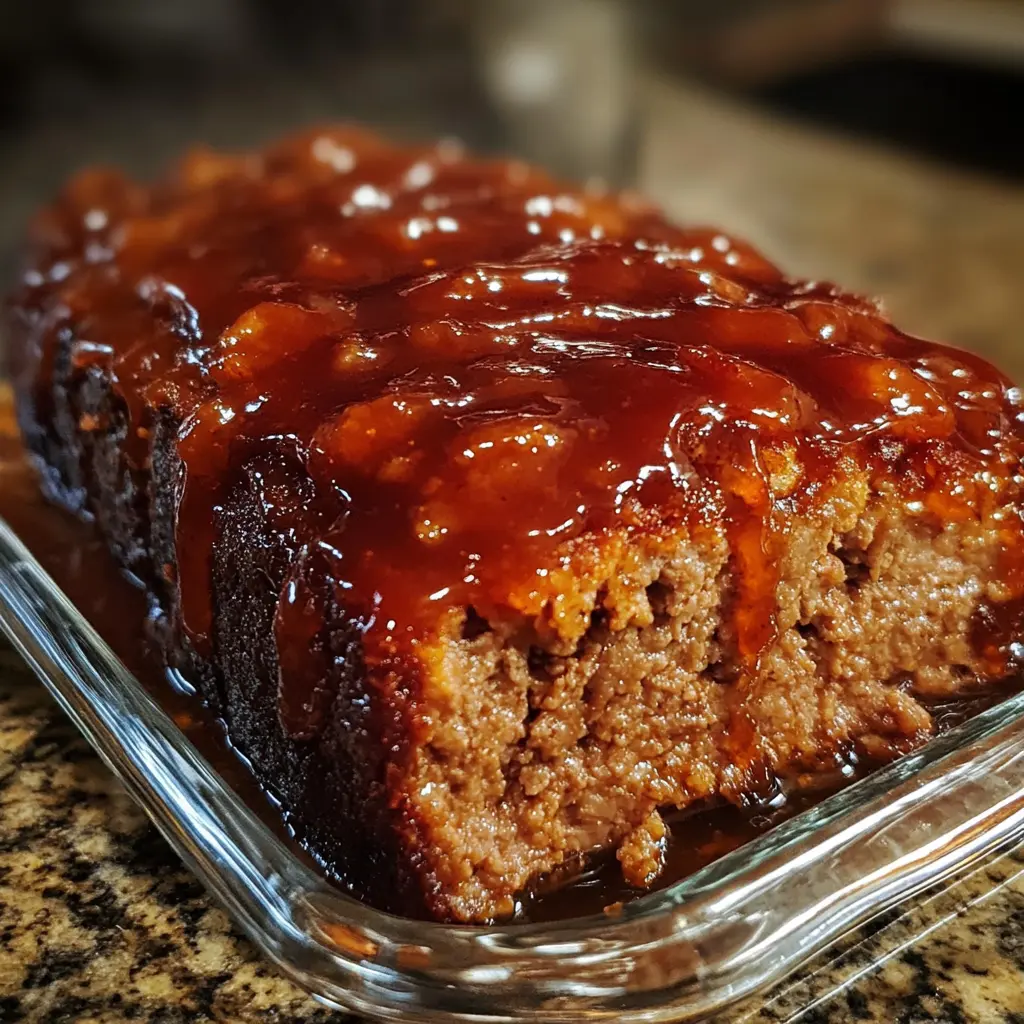
Brown sugar glazed meatloaf transforms a classic comfort dish into something truly spectacular. This timeless recipe combines savory ground beef with a sweet, caramelized glaze that creates an irresistible combination of flavors and textures. The brown sugar glaze adds a delicious sweetness that perfectly balances the hearty meat, making every bite memorable.
Whether you’re cooking for a weeknight family dinner or preparing a special meal, this dish delivers satisfaction every time. The sticky, flavorful coating creates a beautiful caramelized crust while keeping the inside incredibly tender and juicy.
What Makes Brown Sugar Glazed Meatloaf Special
The secret to exceptional brown sugar glazed meatloaf lies in the perfect harmony between the savory meat mixture and the sweet glaze. Unlike traditional meatloaf recipes, this version features a distinctive brown sugar coating that caramelizes during baking, creating a glossy finish and complex flavor profile.
The glaze typically combines brown sugar with ketchup and Worcestershire sauce, creating a tangy-sweet sauce that penetrates the meat while forming a delicious crust. This combination provides depth and richness that elevates the entire dish beyond ordinary meatloaf.
Additionally, the glaze serves a practical purpose by sealing in moisture and preventing the surface from drying out during the extended baking time. The result is a perfectly cooked meatloaf with incredible texture throughout.
Essential Ingredients for Perfect Meatloaf
Ground Beef Selection
Choosing the right ground beef makes all the difference in your final result. The ideal ratio is 80/20, meaning eighty percent lean meat and twenty percent fat. This balance ensures your meatloaf stays moist and flavorful without becoming greasy.
The fat content is crucial because it provides juiciness and enhances the overall taste. Leaner options may result in a drier texture, while higher fat content can make the dish overly heavy.
Binding Ingredients
The binding agents hold your meatloaf together and prevent it from falling apart. Eggs serve as the primary binder, acting like glue to keep everything cohesive. Most recipes call for two large eggs for approximately two pounds of ground beef.
Breadcrumbs or crushed crackers absorb excess moisture while adding structure. Italian breadcrumbs provide extra seasoning, while plain options offer more control over flavoring. Saltine crackers are a traditional choice that many home cooks prefer.
Milk helps keep the breadcrumbs moist and contributes to the tender texture. The breadcrumbs soak up the milk, creating a panade that keeps your meatloaf from becoming dense.
Seasonings and Aromatics
Classic seasonings include salt, black pepper, and onion, which form the flavor foundation. Ground ginger adds warmth and depth to the meat mixture. Finely chopped onions provide moisture and sweetness as they cook.
Additional seasonings can include garlic powder, paprika, or Italian herbs depending on your preferences. The key is balancing the seasonings without overpowering the natural beef flavor.
Brown Sugar Glaze Components
The glaze requires just three essential ingredients that work together beautifully. Brown sugar provides the characteristic sweetness and creates the caramelized coating. Dark brown sugar offers a richer molasses flavor compared to light brown sugar.
Ketchup adds tanginess and helps the glaze adhere to the meat surface. Worcestershire sauce brings umami depth and savory notes that complement the sweetness.
Step-by-Step Preparation Guide
Preparing the Meat Mixture
Start by preheating your oven to 350°F, which is the optimal temperature for even cooking. In a large mixing bowl, combine the ground beef with eggs, milk, and crushed crackers or breadcrumbs.
Add your seasonings including salt, pepper, chopped onion, and ground ginger. Mix everything together using clean hands or a wooden spoon, working until the ingredients are evenly distributed.
Continue kneading the mixture until it forms a cohesive ball. This extra step activates the meat proteins, which helps the loaf hold together better and retain more juices. The process takes just one additional minute but significantly improves the final texture.
Shaping the Loaf
Form the meat mixture into a loaf shape that fits your baking pan. A good guideline is approximately nine inches by four inches, though the exact dimensions can vary. Wider, flatter loaves cook more evenly than tall, narrow ones.
You can use a traditional loaf pan or shape the meatloaf freeform on a baking sheet. Many cooks prefer the baking sheet method because it allows the glaze to caramelize on all sides. Using parchment paper makes cleanup easier and prevents sticking.
Applying the Glaze
Generously spread the brown sugar glaze mixture over the top of the shaped loaf. Allow the sauce to drip down the sides naturally, as this helps keep the entire meatloaf moist while adding flavor to all surfaces.
Some recipes suggest applying the glaze about twenty-five minutes into baking rather than at the beginning. This timing allows the meat to set slightly before adding the sweet coating. However, many traditional recipes apply it immediately with excellent results.
Consider doubling the glaze recipe so you have extra sauce for serving alongside the finished dish. The additional sauce is perfect for drizzling over individual slices.
The Perfect Brown Sugar Glaze
Basic Three-Ingredient Glaze
The simplest version combines one cup of brown sugar with half a cup of ketchup and two tablespoons of Worcestershire sauce. Mix these ingredients thoroughly in a small bowl until the sugar dissolves and the mixture becomes smooth.
This classic combination creates a balanced sweet and tangy flavor that complements the beef perfectly. The brown sugar caramelizes during baking, creating a beautiful glazed appearance.
Enhanced Glaze Variations
For additional complexity, you can add spices like ground cinnamon, ginger, or smoked paprika. A touch of honey brings floral notes and extra glossiness. Orange juice adds brightness and acidity that cuts through the richness.
Mustard provides sharpness and helps balance the sweetness. Apple cider vinegar contributes tanginess and prevents the glaze from being overly sweet. Ground black pepper adds a subtle heat that enhances all the other flavors.
Glaze Application Techniques
Apply the glaze thickly and evenly across the entire top surface. Use a spoon or pastry brush to spread it carefully, ensuring complete coverage. The glaze should be generous enough to create a substantial coating.
If applying partway through cooking, remove the meatloaf from the oven carefully and work quickly to minimize heat loss. Return it to the oven promptly to continue the baking process.
Cooking Temperature and Time
Optimal Oven Temperature
Baking at 350°F is the standard recommendation for meatloaf. This temperature allows the fats and connective tissues to break down gradually, resulting in a moist and tender texture. The moderate heat ensures the center cooks through before the exterior becomes overdone.
Some recipes suggest temperatures up to 375°F for slightly faster cooking, but 350°F provides the most consistent results. The lower temperature approach is particularly beneficial for achieving even cooking throughout.
Cooking Duration
For a typical two-pound meatloaf, expect a total cooking time of approximately sixty minutes. However, the exact time varies based on the loaf’s thickness and your specific oven. Wider, flatter loaves cook faster than taller ones.
Rather than relying solely on time, always verify doneness with a thermometer. This ensures food safety while preventing overcooking.
Internal Temperature Guidelines
The safe internal temperature for ground beef is 160°F according to USDA standards. However, because of carryover cooking, you should remove the meatloaf from the oven when it reaches 155°F. During the resting period, the temperature will continue rising to reach the safe 160°F mark.
Insert an instant-read thermometer into the thickest part of the loaf to check the temperature accurately. Avoid touching the pan bottom, as this can give a false reading. Some cooks use a leave-in probe thermometer to monitor the temperature throughout cooking without opening the oven.
Resting Period
After removing the meatloaf from the oven, let it rest for ten to fifteen minutes before slicing. This resting time allows the juices to redistribute throughout the meat, ensuring every slice is moist and flavorful.
Use the maximum temperature function on your thermometer during the rest to confirm the internal temperature reaches 160°F. The carryover cooking during this period completes the cooking process safely.
Tips for Moist and Flavorful Results
Shape and Size Matters
Create a loaf that is approximately five inches wide rather than tall and narrow. This wider shape promotes even cooking and prevents the center from remaining undercooked while the edges dry out. The flatter profile also increases the surface area for the delicious glaze.
Don’t Overmix
While you want ingredients thoroughly combined, overmixing can make the texture dense and tough. Mix just until everything is evenly distributed, then knead briefly to activate the proteins. This balance creates the ideal texture.
Use Parchment Paper
Line your baking sheet with parchment paper for easy cleanup and to prevent the glaze from sticking. This simple step makes serving much easier and preserves the beautiful glazed exterior.
Check Temperature Early
Start checking the internal temperature about ten minutes before you expect it to be done. This prevents accidentally overcooking the meatloaf, which would dry it out. Pull it from the oven as soon as it reaches 155°F for perfect results.
Double the Glaze
Making extra glaze allows you to serve additional sauce on the side. Many people love the sweet and tangy flavor so much they want more with their servings. The extra sauce also helps if portions seem dry.
Let It Rest
Never skip the resting period, even if you’re hungry. Those ten minutes make a significant difference in moisture retention and slicing ease. Cutting too early causes all the juices to run out onto the cutting board.
Nutritional Benefits
Protein Powerhouse
Meatloaf is an excellent source of high-quality protein, essential for muscle growth, repair, and overall body function. A typical serving provides approximately fourteen to twenty-six grams of protein depending on portion size. This makes it a satisfying main dish that keeps you full for hours.
Protein is crucial for maintaining healthy muscles, bones, and tissues throughout your body. It also plays important roles in enzyme and hormone production.
Essential Minerals
Ground beef provides significant amounts of iron, which is necessary for oxygen transport and red blood cell production. The iron from animal sources is easily absorbed by your body, making it particularly beneficial for preventing anemia.
Zinc supports immune system function, wound healing, and protein synthesis. Beef is one of the best dietary sources of this important mineral. Selenium acts as an antioxidant and supports thyroid function.
B Vitamins
Meatloaf contains various B vitamins, particularly vitamin B12, which is essential for energy production, brain health, and nervous system function. Beef is one of the few natural food sources of this crucial vitamin.
Niacin supports metabolism and helps convert food into usable energy. Other B vitamins present contribute to cognitive function and overall wellness.
Balanced Nutrition
A typical serving contains approximately 250 to 280 calories, making it a reasonable option for most meal plans. The macronutrient breakdown includes protein, fats, and carbohydrates from the breadcrumbs and glaze.
While meatloaf does contain saturated fat, choosing 80/20 ground beef provides a good balance between flavor and leanness. The dish also supplies calcium and potassium in smaller amounts.
Serving Suggestions
Classic Side Dishes
Mashed potatoes are the quintessential pairing for brown sugar glazed meatloaf. The creamy texture complements the meat’s heartiness perfectly. Green beans or roasted vegetables add color and nutritional balance to your plate.
Cornbread or dinner rolls soak up the extra glaze beautifully. A fresh garden salad provides a light contrast to the rich main dish. Mac and cheese creates an indulgent comfort food feast.
Presentation Ideas
Slice the meatloaf into thick portions, approximately one inch each. Arrange slices on a platter and drizzle with the extra brown sugar glaze. Garnish with fresh herbs like rosemary or parsley for visual appeal.
For family-style serving, bring the whole loaf to the table and slice as needed. This presentation keeps the meatloaf warmer longer. Individual plates can be garnished with a small sprig of herbs.
Leftover Transformations
Cold meatloaf makes excellent sandwiches on hearty bread with lettuce and tomato. Crumble leftover portions into pasta sauce for a quick meat sauce. Dice and add to scrambled eggs for a protein-packed breakfast.
Reheat slices with additional glaze for quick weeknight meals. Cube the meatloaf and skewer with vegetables for unique appetizers. Layer slices in a casserole with cheese and vegetables for a new dish.
Storage and Freezing Instructions
Refrigerator Storage
Store leftover meatloaf in an airtight container in the refrigerator for up to two days. Allow the meatloaf to cool completely before storing to prevent condensation buildup. Wrap individual portions in plastic wrap for convenient single servings.
For optimal freshness, store the meatloaf separate from any extra glaze. Keep the temperature at or below 40°F to prevent bacterial growth. Properly stored meatloaf maintains its quality and flavor during refrigeration.
Freezing Cooked Meatloaf
Freeze cooked meatloaf for up to six months in airtight packaging. Let the meatloaf cool completely to room temperature before wrapping. Wrap tightly in plastic wrap first, then cover with aluminum foil for extra protection against freezer burn.
Place the wrapped meatloaf in a freezer-safe bag and squeeze out excess air. Label the package with the date so you know when it was frozen. Store at 0°F or below for best quality.
For the glaze, consider flash-freezing the meatloaf first before wrapping to prevent the sticky coating from transferring to the packaging. This extra step preserves the beautiful glazed appearance.
Freezing Uncooked Meatloaf
You can also freeze uncooked meatloaf for future convenience. Prepare the meat mixture completely and form it into a loaf shape. Wrap tightly in plastic wrap and aluminum foil, then place in a freezer bag.
Freeze for up to six months using the same temperature guidelines. When ready to cook, thaw in the refrigerator overnight before baking. Apply the glaze just before baking for the freshest flavor.
Reheating Instructions
Reheat refrigerated meatloaf slices in the oven at 350°F until they reach an internal temperature of 165°F. This typically takes twenty-five to thirty minutes depending on portion size. Cover with foil to prevent drying during reheating.
For microwave reheating, place slices on a microwave-safe plate and cover to retain moisture. Heat on medium power in short intervals, checking frequently until the temperature reaches 165°F. Microwave reheating is faster but may affect texture slightly.
Common Mistakes to Avoid
Using Too Lean Ground Beef
Selecting ground beef that is too lean results in a dry, crumbly texture. The fat content provides moisture and flavor that make meatloaf enjoyable. Stick with 80/20 ground beef for the best balance.
Skipping the Resting Period
Cutting into meatloaf immediately after baking causes all the juices to escape. The resting period allows those juices to redistribute throughout the meat. Wait at least ten minutes before slicing for optimal results.
Overpacking the Meat
Compacting the meat mixture too tightly creates a dense, tough texture. Mix and shape gently while still maintaining cohesion. The goal is a tender, not compressed, final product.
Incorrect Internal Temperature
Relying on cooking time alone rather than checking temperature leads to either undercooked or overcooked results. Always use a meat thermometer to verify doneness. Remove the meatloaf at 155°F to account for carryover cooking.
Neglecting the Glaze
Using too little glaze means missing out on the signature flavor and moisture. Apply generously and consider making extra for serving. The glaze is what makes this version special.
Wrong Pan Choice
Using a pan that is too small forces you to shape a tall, narrow loaf that cooks unevenly. Choose a pan that allows for a wider, flatter shape. This promotes even cooking throughout.
Variations and Customizations
Meat Combinations
Try combining ground beef with ground pork for added moisture and flavor depth. A mix of eighty percent beef and twenty percent pork creates excellent results. Some cooks add ground turkey for a leaner option while maintaining juiciness.
Vegetable Additions
Incorporate finely diced bell peppers, celery, or carrots into the meat mixture for extra nutrition and moisture. Sautéed mushrooms add an earthy flavor and meaty texture. Shredded zucchini keeps the loaf incredibly moist.
Cheese Variations
Add shredded cheddar, mozzarella, or parmesan cheese to the meat mixture for extra richness. Create a stuffed version by layering cheese in the center before baking. Sharp cheddar pairs particularly well with the sweet glaze.
Spice Adjustments
Increase the black pepper for more heat, or add cayenne for a spicy kick. Smoked paprika provides a subtle smoky flavor without overwhelming the sweetness. Italian herbs create a more Mediterranean profile.
Glaze Alternatives
Experiment with maple syrup instead of brown sugar for a different sweetness. Add a tablespoon of Dijon mustard to the glaze for tanginess. Orange juice and zest brighten the flavor profile.
Mini Meatloaves
Form the mixture into individual portions for faster cooking and built-in portion control. Mini loaves bake in approximately thirty to forty minutes. They’re perfect for meal prep and freezing individual servings.
FAQs
What is brown sugar glazed meatloaf?
Brown sugar glazed meatloaf is a classic comfort food dish made with ground beef, binding ingredients, and seasonings, topped with a sweet and tangy glaze featuring brown sugar, ketchup, and Worcestershire sauce. The glaze caramelizes during baking, creating a flavorful crust while keeping the meat moist and tender.
What temperature should meatloaf be cooked at?
Meatloaf should be baked at 350°F for optimal results. This moderate temperature allows even cooking throughout while preventing the exterior from drying out. The internal temperature should reach 160°F for food safety.
How long does it take to cook a 2-pound meatloaf?
A two-pound meatloaf typically takes approximately sixty minutes to cook at 350°F. However, cooking time varies based on the loaf’s thickness and shape. Always verify doneness with a meat thermometer rather than relying solely on time.
Can I make meatloaf ahead of time?
Yes, you can prepare meatloaf ahead by assembling the mixture and refrigerating it unbaked for up to twenty-four hours before cooking. You can also freeze uncooked meatloaf for up to six months. Alternatively, bake completely and refrigerate for up to two days or freeze for six months.
What makes meatloaf moist and not dry?
Several factors contribute to moist meatloaf including using 80/20 ground beef, adding breadcrumbs that absorb and retain moisture, incorporating eggs and milk, not overcooking, and allowing proper resting time. The brown sugar glaze also seals in moisture during baking.
Why does my meatloaf fall apart?
Meatloaf falls apart when it lacks sufficient binding ingredients like eggs and breadcrumbs. Overmixing or undermixing the ingredients can also cause structural issues. Not kneading the mixture enough to activate the meat proteins results in poor cohesion.
Can I freeze meatloaf with the glaze on it?
Yes, you can freeze meatloaf with the glaze already applied. For best results, flash-freeze the glazed meatloaf uncovered first, then wrap it tightly once the glaze is solid. This prevents the sticky glaze from transferring to the wrapping material.
What sides go well with brown sugar glazed meatloaf?
Classic sides include mashed potatoes, green beans, roasted vegetables, cornbread, dinner rolls, and garden salads. Mac and cheese, glazed carrots, and coleslaw also pair beautifully with the sweet and savory flavors.
Conclusion
Brown sugar glazed meatloaf represents the perfect marriage of sweet and savory flavors in a classic comfort food dish. The caramelized brown sugar glaze elevates ordinary meatloaf into something truly special, creating a beautiful presentation and unforgettable taste.
By following proper techniques including using 80/20 ground beef, incorporating quality binding ingredients, baking at 350°F, and monitoring internal temperature carefully, you’ll achieve consistently excellent results. The key is patience during cooking and resting to ensure maximum moisture and flavor.
Whether you’re serving it for a weeknight family dinner or preparing meals in advance through freezing, this versatile recipe delivers satisfaction every time. The combination of practical preparation, nutritional benefits, and incredible taste makes brown sugar glazed meatloaf a recipe worth mastering.
Ready to create your own delicious brown sugar glazed meatloaf? Gather your ingredients, preheat your oven, and experience the magic of this timeless recipe. Your family will be asking for seconds before you know it.
Print
Brown Sugar Glazed Meatloaf
Description
Brown Sugar Glazed Meatloaf
Servings: 6
Prep Time: 10 minutes
Cook Time: 55–60 minutes
Calories: ~520 per serving
Ingredients
Meatloaf
-
2 lbs ground beef
-
1 small onion, finely diced
-
2 cloves garlic, minced
-
2 large eggs
-
1 cup breadcrumbs
-
½ cup milk
-
1 tbsp Worcestershire sauce
-
1 tsp garlic powder
-
1 tsp onion powder
-
1 tsp paprika
-
1 tsp salt
-
½ tsp black pepper
Brown Sugar Glaze
-
½ cup ketchup
-
⅓ cup brown sugar
-
1 tbsp mustard
-
1 tbsp apple cider vinegar
-
½ tsp garlic powder
Instructions
-
Prep the meatloaf mixture:
In a large bowl, combine ground beef, onion, garlic, eggs, breadcrumbs, milk, Worcestershire sauce, and all seasonings. Mix gently until just combined. -
Shape the loaf:
Form into a loaf shape and place on a lined or greased baking sheet OR use a loaf pan. -
Make the glaze:
Whisk together ketchup, brown sugar, mustard, vinegar, and garlic powder. -
Glaze & bake:
Spread half the glaze over the meatloaf.
Bake at 350°F (175°C) for 45 minutes.
Add the remaining glaze and bake 10–15 more minutes until cooked through. -
Rest:
Let the meatloaf rest 10 minutes before slicing. -
Serve:
Pair with mashed potatoes, green beans, or roasted veggies.