
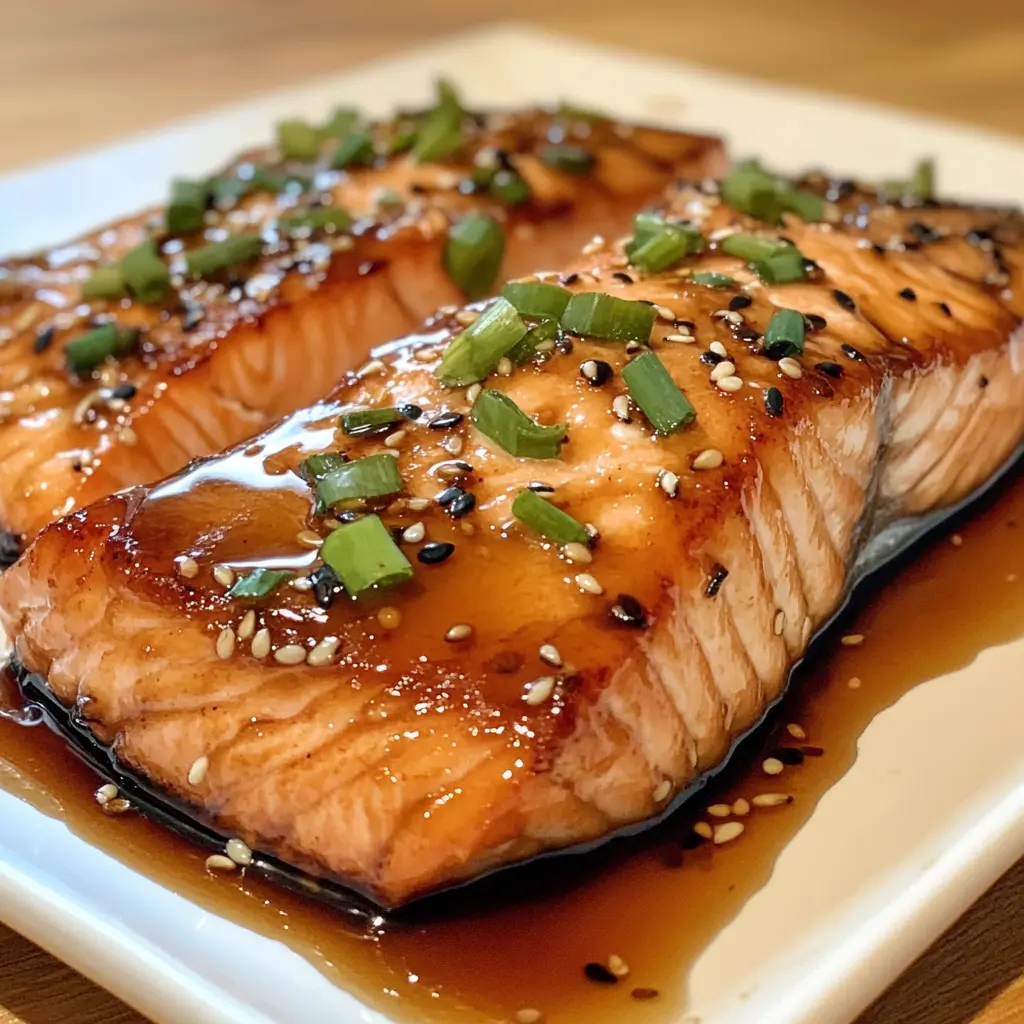
Brown Sugar Soy Glazed Salmon: A Delicious and Nutritious Dinner Solution
Introduction
Brown sugar soy glazed salmon is a dish that combines stunning simplicity with exceptional flavor. This Asian-inspired preparation transforms ordinary salmon fillets into a restaurant-quality meal that impresses family and guests alike. The glaze creates a glossy, caramelized exterior while the salmon stays moist and tender inside.
If you’re searching for an easy yet elegant dinner option, brown sugar soy glazed salmon delivers on every front. This recipe takes just 20-25 minutes from start to finish. The sweet and savory glaze complements the salmon’s natural richness perfectly. Additionally, this dish provides impressive health benefits without requiring advanced cooking skills.
Target Keyword: Brown sugar soy glazed salmon is increasingly popular among home cooks seeking quick, nutritious meals. The combination of brown sugar, soy sauce, garlic, and lemon juice creates an irresistible glaze. Moreover, this preparation method works beautifully for weeknight dinners or special occasions. Understanding how to master this technique will elevate your cooking repertoire significantly.
Why Brown Sugar Soy Glazed Salmon is Perfect for Dinner
Brown sugar soy glazed salmon offers multiple advantages for busy cooks. First, the preparation requires minimal active cooking time. Second, you likely have most ingredients already in your pantry. Third, the results look and taste restaurant-quality.
This dish appeals to diverse dietary preferences. It works perfectly for those following low-carb, gluten-free, or balanced nutrition plans. The Asian-inspired flavors satisfy cravings for takeout without the delivery wait time. Consequently, brown sugar soy glazed salmon has become a weeknight favorite for thousands of home cooks.
The versatility of soy-glazed salmon extends to various cooking methods. Whether you bake, broil, or pan-sear, the results remain consistently delicious. Furthermore, this dish accommodates different serving styles for casual family dinners or formal entertaining. The elegant presentation makes brown sugar soy glazed salmon suitable for date nights at home.
Understanding the Key Ingredients in Soy Glaze
Brown Sugar: Sweetness and Caramelization
Brown sugar forms the foundation of this glaze’s signature sweetness. The molasses content in brown sugar adds depth beyond ordinary white sugar. When heated, brown sugar caramelizes beautifully, creating a glossy coating on the salmon. Additionally, the caramelized brown sugar balances the salt from soy sauce perfectly. This balance between sweet and salty flavors defines successful Asian-inspired glazes.
Soy Sauce: Umami and Depth
Soy sauce brings essential umami flavor to the glaze. Umami adds savory depth that makes the dish more satisfying and complex. The salt content in soy sauce helps season the salmon evenly. Traditional soy sauce contains fermented soybeans, creating layers of flavor that enhance the overall dish. For best results, choose quality soy sauce from reputable brands.
Garlic: Aromatic Complexity
Fresh minced garlic adds aromatic punch to the glaze. Garlic mellows when cooked, becoming sweet and mellow rather than harsh. The garlic infuses throughout the salmon during cooking, enhancing every bite. Typically, two to three cloves of minced garlic work perfectly for a standard batch. Fresh garlic always outperforms powdered alternatives in this preparation.
Lemon Juice: Brightness and Balance
Fresh lemon juice brightens the glaze with acidity and citrus notes. The acid cuts through the richness of the salmon naturally. Lemon juice also prevents the glaze from becoming overly sweet or cloying. Additionally, lemon juice adds antioxidants and nutritional value to the overall dish. Always use fresh lemon juice rather than bottled versions for superior flavor.
Olive Oil: Richness and Texture
Quality olive oil contributes richness and helps distribute flavors evenly. The oil creates a silky glaze consistency that adheres beautifully to the salmon. Moreover, olive oil contains heart-healthy monounsaturated fats. The oil ensures the glaze coats the salmon completely during cooking. Extra virgin olive oil provides superior flavor compared to refined varieties.
Health Benefits of Salmon
Omega-3 Fatty Acids for Heart Health
Salmon contains exceptional amounts of long-chain omega-3 fatty acids. Specifically, salmon provides EPA (eicosapentaenoic acid) and DHA (docosahexaenoic acid). A 3.5-ounce portion of salmon delivers approximately 2.3 grams of these beneficial fatty acids. These omega-3s work actively to reduce inflammation throughout the body. Additionally, omega-3 fatty acids lower blood pressure and decrease cardiovascular disease risk factors significantly.
Research demonstrates that consuming two servings of salmon weekly increases omega-3 blood levels substantially. The American Heart Association recommends eating fatty fish twice per week for optimal health. Regular salmon consumption also lowers triglyceride levels, another important cardiovascular marker. Furthermore, omega-3s support brain health and cognitive function throughout life.
Protein for Muscle Development
Salmon provides complete protein containing all essential amino acids. This protein supports muscle growth, repair, and maintenance effectively. Additionally, protein increases satiety, helping you feel fuller longer after meals. Including salmon in your diet supports fitness goals and overall body composition.
Selenium for Cellular Health
Salmon delivers impressive amounts of selenium, an often-overlooked nutrient. Selenium participates in DNA synthesis and thyroid hormone metabolism. Furthermore, selenium supports reproductive health and immune function. The mineral also acts as an antioxidant, protecting cells from damage.
Vitamin D and Additional Nutrients
Salmon naturally contains vitamin D, crucial for bone health and immune function. The fish also provides B vitamins, phosphorus, and other essential minerals. These nutrients work synergistically to support overall wellness. Regular salmon consumption contributes substantially to meeting daily nutrient requirements.
Step-by-Step Guide to Making Brown Sugar Soy Glazed Salmon
Ingredients You’ll Need
For the Glaze:
-
1/4 cup brown sugar, packed
-
1/4 cup soy sauce
-
3 tablespoons olive oil
-
2 tablespoons fresh lemon juice
-
3 cloves garlic, minced
-
1 teaspoon Dijon mustard
-
1/4 teaspoon ground black pepper
-
1/4 teaspoon salt
-
1/4 teaspoon red pepper flakes (optional)
For the Salmon:
-
2 pounds salmon fillets (or 4 individual 6-ounce fillets)
-
Salt and pepper for seasoning
-
Fresh parsley or green onions for garnish (optional)
Preparation Instructions
Step 1: Prepare Your Workspace
Gather all ingredients and cooking equipment before beginning. This approach prevents scrambling mid-recipe. Pat salmon fillets dry with paper towels. Dry salmon ensures better browning and glaze adherence. Line your baking sheet with parchment paper or aluminum foil for easy cleanup.
Step 2: Make the Glaze
Combine brown sugar, soy sauce, olive oil, lemon juice, and minced garlic in a small mixing bowl. Whisk ingredients together until the brown sugar dissolves completely. Add Dijon mustard, ground black pepper, and salt to the mixture. Whisk again until the glaze reaches uniform consistency. If using red pepper flakes, add them now for optional heat. Set the glaze aside temporarily.
Step 3: Season the Salmon
Sprinkle salt and pepper lightly across both sides of salmon fillets. Avoid over-seasoning, as the glaze provides significant saltiness already. The light seasoning layer enhances the salmon’s natural flavors. Place prepared fillets on your lined baking sheet. Arrange them skin-side down for even cooking.
Step 4: Apply the Glaze
Pour the prepared glaze evenly over the salmon fillets. Use the back of a spoon to spread the glaze across the surface. Ensure every salmon fillet receives adequate glaze coverage. You can reserve a small amount of glaze for basting during cooking if desired.
Cooking Methods: Baking vs. Broiling vs. Pan-Searing
Baking Method (Recommended for Beginners)
Preheat your oven to 375°F. Place the glazed salmon on a baking sheet. Cover loosely with aluminum foil to prevent drying. Bake for 15-20 minutes until the salmon flakes easily with a fork. Internal temperature should reach 145°F at the thickest point. Remove from oven and serve immediately with fresh garnishes.
The baking method provides consistent, reliable results with minimal intervention. This approach works excellently for cooking multiple fillets simultaneously. The gentle, even heat preserves the salmon’s moisture beautifully. Additionally, the glaze caramelizes gradually, creating a glossy, appealing finish.
Broiling Method (Fastest Option)
Set your broiler to high. Line a baking sheet with aluminum foil and spray with cooking spray. Place glazed salmon fillets on the prepared sheet. Position the sheet about 4-6 inches from the broiler element. Broil for 8-10 minutes until the salmon flakes easily with a fork. Monitor closely to prevent burning. Baste occasionally with extra glaze for enhanced flavor.
The broiling method produces the fastest results. The intense overhead heat caramelizes the glaze quickly. However, broiling requires attentive monitoring to prevent overcooking. This method works particularly well for thinner salmon fillets or individual portions.
Pan-Searing Method (For Textured Crust)
Heat vegetable oil in a large skillet over medium-high heat. Pat salmon fillets completely dry before searing. Place fillets skin-side down and sear for 3-4 minutes until golden brown. Flip carefully and sear the other side for 2-3 minutes. Reduce heat to low and add the glaze. Simmer for 1 minute, spooning glaze over the salmon.
Pan-searing creates a beautiful golden crust while keeping the interior tender. This method allows you to control the cooking process actively. The result is crispy-edged salmon with perfectly cooked centers. Additionally, pan-searing works wonderfully when you want to maintain skin texture.
Tips for Perfect Results Every Time
Use Fresh, Quality Salmon
Start with the freshest salmon available from your market. Fresh salmon has a mild oceanic smell, not a strong fishy odor. Choose fillets of uniform thickness for even cooking. Look for firm, shiny flesh without any discoloration. Quality salmon makes an enormous difference in the final dish.
Don’t Overcook the Salmon
Overcooked salmon becomes dry and loses its tender texture. Salmon continues cooking slightly after removal from heat. Remove it when internal temperature reaches 145°F at the thickest point. Use a meat thermometer for precision rather than guessing. If unsure, slightly undercook rather than overcooking.
Bring Salmon to Room Temperature
Remove salmon from refrigeration 10 minutes before cooking. Room-temperature salmon cooks more evenly throughout. Cold salmon often has raw centers while exteriors overcook. This simple step dramatically improves cooking consistency.
Balance the Glaze Components
Taste the glaze before applying to salmon. Adjust sweetness or saltiness to your preference. If too sweet, add more soy sauce or lemon juice. If too salty, add more brown sugar or olive oil. Finding your perfect balance creates personalized results.
Use Parchment Paper for Easy Cleanup
Parchment paper prevents sticking and simplifies cleanup significantly. No special preparation or cooking spray is necessary. Your salmon releases easily without damage. Additionally, parchment paper prevents the glaze from sticking to your pan.
Serving Suggestions and Pairings
Complementary Vegetables
Brown sugar soy glazed salmon pairs beautifully with steamed or roasted vegetables. Consider serving alongside:
-
Steamed broccoli with sesame seeds
-
Roasted baby bok choy with garlic
-
Steamed green beans with ginger
-
Roasted brussels sprouts
-
Stir-fried snap peas
These vegetable sides provide color, nutrition, and textural contrast. The mild flavors complement rather than compete with the glazed salmon. Roasting vegetables intensifies their natural sweetness, echoing the glaze’s flavor profile.
Grain Accompaniments
Serve brown sugar soy glazed salmon alongside various grains. Popular options include:
-
Jasmine or white rice
-
Brown rice with sesame oil
-
Cauliflower rice for low-carb options
-
Quinoa for complete protein
-
Soba noodles for Asian-inspired presentations
Grains absorb the flavorful glaze that naturally drips from the salmon. This approach maximizes the overall flavor experience of your meal. Choose grains based on your dietary preferences and nutritional goals.
Sauce and Condiment Pairings
Consider serving small bowls of supplementary condiments:
-
Sriracha mayo for spicy kick
-
Ponzu sauce for additional umami
-
Wasabi for heat enthusiasts
-
Pickled ginger for palate cleansing
-
Sesame paste for nuttiness
These additions allow diners to customize their experience further. Guests appreciate having flavor options available at the table.
Beverage Pairing Suggestions
Pair brown sugar soy glazed salmon with:
-
Sparkling ginger beverage for complementary spice
-
Iced green tea for light refreshment
-
Fresh citrus juice for brightness
-
Ginger ale for gentle sweetness
-
Coconut water for hydration
These beverages enhance the meal’s overall experience without overwhelming the salmon’s delicate flavors.
Storage and Reheating Instructions
Refrigerator Storage
Store leftover brown sugar soy glazed salmon in an airtight container. Properly stored salmon stays fresh for 3-4 days. Cool the salmon completely before refrigerating. Stack pieces carefully to prevent breaking. The glaze solidifies when chilled, creating a protective coating.
Freezing for Long-Term Storage
Freeze leftover salmon in airtight freezer containers for up to two months. Flash-freeze salmon on a baking sheet first for easier separation. Once frozen solid, transfer to labeled freezer bags. Remove air completely to prevent freezer burn. Proper freezing maintains quality significantly better than extended refrigeration.
Reheating Methods
Oven Method (Recommended):
Preheat oven to 325°F. Place salmon on a baking sheet loosely covered with foil. Heat for 8-10 minutes until warmed through. This gentle method preserves moisture and texture.
Microwave Method (Quickest):
Place salmon on a microwave-safe plate. Cover loosely with damp paper towel. Microwave on 50% power for 1-2 minutes until heated through. Avoid using full power, which can dry out the salmon.
Stovetop Method:
Heat a skillet over low heat. Add a small amount of oil. Gently warm the salmon for 2-3 minutes, stirring occasionally. This method allows direct control over temperature.
Frequently Asked Questions
Can I Make Brown Sugar Soy Glazed Salmon Ahead of Time?
Yes, absolutely. Prepare the glaze up to one day in advance and store refrigerated. You can also glaze the salmon and refrigerate for up to 4 hours before cooking. This preparation works excellently for entertaining guests. The marinating time allows flavors to penetrate the salmon more deeply. Simply bring to room temperature before cooking.
What Type of Salmon Works Best for This Recipe?
Both Atlantic and Pacific salmon varieties work beautifully. Wild salmon offers more intense flavor but may be pricier. Farmed salmon provides milder taste at more economical prices. Either option pairs successfully with the brown sugar soy glaze. Choose what fits your budget and flavor preferences best.
Is Brown Sugar Soy Glazed Salmon Gluten-Free?
Most standard soy sauce contains gluten from wheat products. For gluten-free brown sugar soy glazed salmon, substitute tamari sauce instead. Tamari contains no gluten despite resembling traditional soy sauce. Check all glaze ingredient labels for hidden gluten sources. With careful ingredient selection, this dish easily accommodates gluten-free diets.
How Can I Adjust the Recipe for Dietary Restrictions?
For lower sodium versions, use low-sodium soy sauce. For paleo diets, substitute coconut sugar for brown sugar. For keto diets, replace brown sugar with erythritol or stevia. These swaps maintain the glaze’s essential flavor profile while meeting specific dietary needs. Experiment to discover your preferred variations.
Can I Double or Triple This Recipe for Larger Groups?
Absolutely, the recipe scales beautifully for entertaining. Multiply all ingredients proportionally for your group size. Adjust cooking time slightly based on fillet thickness. Larger baking sheets may require extended baking time. Check doneness using a meat thermometer regardless of batch size.
What Sides Pair Best with Brown Sugar Soy Glazed Salmon?
Asian-inspired vegetables complement this dish perfectly. Consider steamed bok choy, roasted snap peas, or stir-fried mushrooms. Serve alongside jasmine rice or soba noodles for a complete meal. Crispy vegetables provide textural contrast with the tender salmon.
Can I Use Frozen Salmon for This Recipe?
Yes, frozen salmon works well with advance planning. Thaw salmon overnight in the refrigerator before cooking. Never use frozen salmon directly without thawing first. Proper thawing ensures even cooking throughout. Check the salmon’s internal temperature to confirm complete thawing.
How Spicy Can I Make Brown Sugar Soy Glazed Salmon?
Control heat level through red pepper flakes, sriracha, or ginger additions. Start with 1/4 teaspoon red pepper flakes for subtle heat. Increase gradually to your preferred spice level. Remember that heat intensifies as the glaze concentrates during cooking. Taste the uncooked glaze before applying to salmon.
Conclusion
Brown sugar soy glazed salmon represents the perfect intersection of simplicity, nutrition, and impressive flavors. This Asian-inspired dish transforms basic ingredients into restaurant-quality results within 20-25 minutes. The combination of brown sugar, soy sauce, garlic, lemon juice, and quality salmon creates an irresistible meal that satisfies both casual weeknight dinners and special entertaining occasions.
The health benefits of consuming brown sugar soy glazed salmon extend far beyond taste pleasure. Salmon’s omega-3 fatty acids support heart health, brain function, and overall wellness. Each serving delivers complete protein, selenium, vitamin D, and numerous other essential nutrients. Incorporating salmon into your regular meal rotation makes a genuine difference in long-term health outcomes.
Whether you choose baking, broiling, or pan-searing methods, success comes easily with proper technique understanding. The tips and guidelines provided ensure consistent, delicious results every time. Storage and reheating options make this dish practical for busy schedules and meal planning. Scaling the recipe for entertaining becomes effortless when you understand the fundamental principles.
Starting today, master the art of brown sugar soy glazed salmon. Gather your ingredients, follow the step-by-step instructions, and experience restaurant-quality results at home. Your family will request this dish regularly once they taste it. Impress guests with elegance and flavor that belies the recipe’s simplicity. Make brown sugar soy glazed salmon your go-to dinner solution for delicious, nutritious, memorable meals.
Print
Brown Sugar Soy Glazed Salmon
Description
Brown Sugar Soy Glazed Salmon
Ingredients
-
4 salmon fillets (about 6 oz each)
-
Salt and black pepper, to taste
-
2 tbsp olive oil
-
¼ cup brown sugar
-
¼ cup soy sauce
-
2 tbsp Dijon mustard
-
1 tbsp lemon juice
-
2 cloves garlic, minced
-
1 tsp grated fresh ginger (optional)
-
1 tbsp cornstarch + 2 tbsp water (optional, for thicker glaze)
-
Chopped green onions or sesame seeds, for garnish
Instructions
-
Season salmon with salt and pepper on both sides.
-
In a small bowl, whisk together brown sugar, soy sauce, Dijon mustard, lemon juice, garlic, and ginger until well combined.
-
Heat olive oil in a large skillet over medium-high heat. Add salmon fillets skin-side down and sear for 3–4 minutes.
-
Flip salmon and pour the glaze mixture over the fillets.
-
Reduce heat to medium and cook for another 3–4 minutes, spooning sauce over the salmon until it’s cooked through and the glaze thickens.
-
(Optional) For a thicker glaze, remove salmon, stir in cornstarch mixture, and simmer 1–2 minutes until the sauce is glossy.
-
Serve salmon drizzled with glaze and garnished with green onions or sesame seeds.