
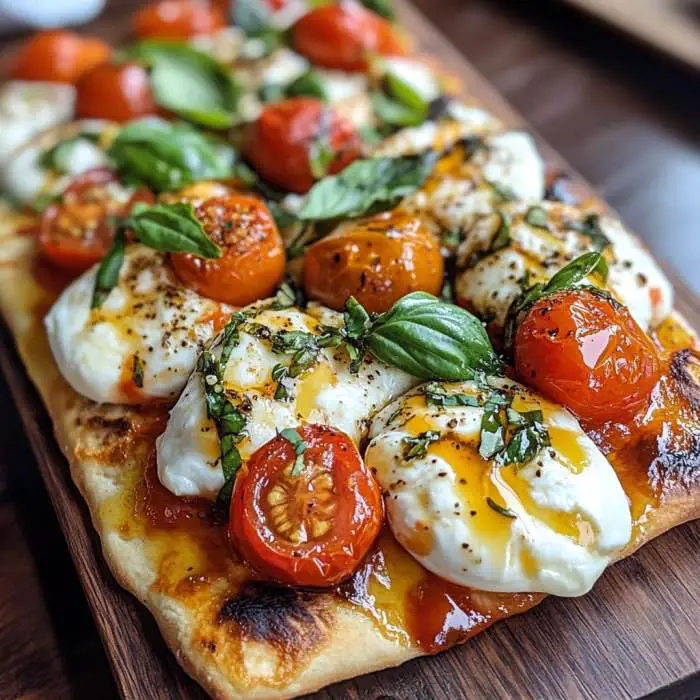
Burrata and Tomato Flatbread with Basil: The Ultimate Summer Recipe Guide
Creating the perfect burrata and tomato flatbread with basil transforms simple ingredients into an extraordinary culinary experience. This beloved combination showcases the creamy richness of burrata cheese alongside the bright acidity of ripe tomatoes and aromatic fresh basil. Whether you’re hosting a summer gathering or seeking a satisfying weeknight dinner, this flatbread delivers restaurant-quality results in your home kitchen.
The beauty of burrata and tomato flatbread with basil lies in its elegant simplicity. Furthermore, this dish celebrates seasonal ingredients at their peak freshness. Additionally, the contrast between textures and flavors creates a harmonious balance that appeals to both casual diners and food enthusiasts.
What Makes Burrata and Tomato Flatbread Special
Burrata and tomato flatbread with basil represents the essence of Italian-inspired cuisine. The creamy, buttery center of burrata cheese creates a luxurious foundation that complements the tangy sweetness of ripe tomatoes. Meanwhile, fresh basil adds an aromatic element that ties everything together.
The Perfect Flavor Profile
This flatbread achieves its exceptional taste through careful ingredient selection. The mild, creamy flavor of burrata cheese provides richness without overwhelming other components. Similarly, the natural sweetness of quality tomatoes balances the saltiness of the cheese. Fresh basil contributes a peppery, slightly sweet note that enhances both primary ingredients.
Textural Contrast
The appeal of this dish extends beyond flavor alone. The crispy, chewy flatbread base contrasts beautifully with the creamy burrata interior. Additionally, the juicy tomatoes provide bursts of moisture that complement the rich cheese. Fresh basil leaves add a subtle textural element while contributing their distinctive aroma.
Seasonal Versatility
Although summer represents the ideal season for this flatbread, quality ingredients make it enjoyable year-round. During peak tomato season, use garden-fresh varieties for maximum flavor. In cooler months, cherry tomatoes or greenhouse varieties maintain the dish’s integrity.
Essential Ingredients for Perfect Flatbread
Creating exceptional burrata and tomato flatbread with basil requires attention to ingredient quality. Each component plays a crucial role in the final result. Therefore, selecting the best possible ingredients significantly impacts your flatbread’s success.
Burrata Cheese Selection
Premium burrata cheese forms the heart of this recipe. Look for fresh burrata with a smooth, pristine exterior and creamy interior. The cheese should feel soft to the touch without being overly runny. Additionally, purchase burrata close to your preparation date for optimal freshness and flavor.
Quality burrata typically comes packaged in liquid, which helps maintain moisture and freshness. Furthermore, imported Italian burrata often provides superior taste and texture compared to domestic alternatives. However, many local dairies now produce excellent burrata that rivals imported versions.
Tomato Varieties and Preparation
The tomato selection significantly influences your flatbread’s flavor profile. During summer months, choose vine-ripened tomatoes with deep color and aromatic fragrance. Cherry tomatoes offer concentrated sweetness, while larger varieties provide juicier texture.
Roma tomatoes work exceptionally well due to their lower moisture content and intense flavor. Similarly, heirloom varieties add visual appeal and complex taste profiles. Regardless of variety, ensure tomatoes feel firm yet yield slightly to gentle pressure.
Fresh Basil Considerations
Fresh basil leaves provide the aromatic finish that elevates this flatbread. Select basil with vibrant green leaves free from dark spots or wilting. The leaves should feel tender yet sturdy enough to maintain their shape during assembly.
Store fresh basil properly to preserve its quality. Keep stems in water like fresh flowers, covering leaves with a plastic bag. Alternatively, wrap basil loosely in damp paper towels and refrigerate for short-term storage.
Flatbread Base Options
The foundation of your burrata and tomato flatbread with basil can vary based on preference and time constraints. Homemade flatbread dough provides the most control over texture and flavor. However, store-bought alternatives offer convenience without sacrificing quality.
Consider naan bread, focaccia, or pre-made pizza dough as suitable alternatives. Each option brings unique characteristics to the final dish while maintaining the essential elements that make this recipe special.
Complete Step-by-Step Recipe
This comprehensive recipe guide ensures your burrata and tomato flatbread with basil achieves restaurant-quality results. Following these detailed instructions helps avoid common pitfalls while maximizing flavor development.
Ingredients List
For the Flatbread Dough:
-
2 cups all-purpose flour
-
1 teaspoon active dry yeast
-
1 teaspoon salt
-
3/4 cup warm water
-
2 tablespoons olive oil
-
1 teaspoon sugar
For the Toppings:
-
8 oz fresh burrata cheese
-
2 large ripe tomatoes or 1 cup cherry tomatoes
-
1/4 cup fresh basil leaves
-
2 tablespoons extra-virgin olive oil
-
1 clove garlic, minced
-
Salt and black pepper to taste
-
Optional: balsamic glaze for drizzling
Preparation Steps
Step 1: Prepare the Dough
Begin by activating the yeast in warm water with sugar. The water temperature should feel comfortably warm to touch, approximately 100-110°F. Allow the mixture to sit for 5-10 minutes until foamy, indicating active yeast.
Combine flour and salt in a large mixing bowl. Create a well in the center and add the activated yeast mixture along with olive oil. Mix ingredients until a rough dough forms, then knead on a floured surface for 8-10 minutes until smooth and elastic.
Place the dough in an oiled bowl, cover with a damp cloth, and let rise in a warm location for 1-2 hours until doubled in size. This rising process develops flavor and creates the desired texture in your finished flatbread.
Step 2: Prepare the Toppings
While the dough rises, prepare your toppings. Slice tomatoes into 1/4-inch thick rounds if using large varieties, or halve cherry tomatoes. Season tomato slices with salt and let them drain on paper towels for 15-20 minutes. This step removes excess moisture that could make your flatbread soggy.
Remove burrata from refrigeration 30 minutes before assembly to allow it to reach room temperature. This ensures optimal creaminess and easier spreading during assembly.
Wash and dry basil leaves thoroughly. Keep them whole for assembly, as tearing can cause bruising and reduce their aromatic impact.
Step 3: Shape and Pre-Bake
Preheat your oven to 475°F (245°C). If using a pizza stone, place it in the oven during preheating for optimal heat distribution.
Punch down the risen dough and divide it in half for two smaller flatbreads or keep whole for one large version. Roll or stretch the dough into desired shapes, aiming for 1/4-inch thickness. The dough should be thin enough to crisp but thick enough to support toppings.
Brush the shaped dough with olive oil and pre-bake for 5-7 minutes until lightly golden but not fully cooked. This partial baking prevents soggy bottoms while ensuring even cooking throughout.
Step 4: Assembly Process
Remove the pre-baked flatbread from the oven and let it cool slightly for easier handling. Brush the surface with minced garlic mixed with olive oil, creating a flavorful base for your toppings.
Tear the burrata into bite-sized pieces and distribute evenly across the flatbread surface. The cheese will melt and spread during the final baking phase, so avoid overcrowding any single area.
Arrange the prepared tomato slices over the burrata, ensuring even distribution for consistent flavor in every bite. Season lightly with salt and black pepper to enhance natural flavors.
Step 5: Final Baking
Return the assembled flatbread to the oven for 8-12 minutes until the crust achieves golden-brown color and the burrata begins to bubble. The exact timing depends on your oven and desired level of crispness.
Monitor closely during the final minutes to prevent over-browning. The goal is achieving a crispy exterior while maintaining creamy burrata centers.
Step 6: Finishing Touches
Remove the flatbread from the oven and immediately scatter fresh basil leaves across the surface. The residual heat will slightly wilt the basil, releasing its aromatic oils without completely cooking the leaves.
Drizzle with additional extra-virgin olive oil and optional balsamic glaze for enhanced flavor and visual appeal. Let the flatbread rest for 2-3 minutes before slicing to allow flavors to meld.
Mastering Burrata Selection
Understanding burrata cheese characteristics ensures your burrata and tomato flatbread with basil achieves optimal results. This knowledge helps you select the best product while avoiding common selection mistakes that compromise final quality.
Understanding Burrata Structure
Burrata consists of an outer shell made from mozzarella and an interior filled with stracciatella and cream. The outer shell should feel firm yet pliable, while the interior remains creamy and flowing. This unique structure creates the textural contrast that makes burrata special.
Fresh burrata typically weighs between 4-8 ounces per ball. Larger versions may contain more liquid interior, while smaller sizes offer better portion control for individual servings. Consider your recipe requirements when selecting appropriate sizes.
Freshness Indicators
Several visual and tactile cues indicate burrata freshness. The exterior should appear bright white without yellowing or dark spots. Additionally, the surface should feel smooth and slightly damp from its storage liquid.
Fresh burrata yields gently to pressure without feeling mushy or overly soft. The packaging liquid should appear clear or slightly cloudy, never discolored or foul-smelling. Trust your senses when evaluating burrata quality.
Storage and Handling
Proper storage maintains burrata quality until use. Keep refrigerated in its original packaging until ready to serve. The storage liquid helps preserve moisture and prevents the exterior from drying out.
Remove burrata from refrigeration 30-45 minutes before serving to allow it to reach room temperature. This timing ensures optimal creaminess and easier handling during assembly. Cold burrata may be difficult to tear and spread evenly.
Serving Size Considerations
Plan approximately 2-3 ounces of burrata per serving for flatbread applications. This quantity provides adequate richness without overwhelming other flavors. Additionally, this portion size ensures each slice contains sufficient cheese for optimal taste balance.
For larger gatherings, calculate total needs based on guest count and appetites. Having slightly more burrata available allows for generous portions while ensuring no guest feels shortchanged.
Choosing and Preparing Tomatoes
Tomato selection and preparation significantly impact your burrata and tomato flatbread with basil success. Understanding various tomato types and proper preparation techniques ensures optimal flavor and texture in your finished dish.
Seasonal Selection Strategies
Summer represents peak tomato season when vine-ripened varieties offer maximum flavor and nutrition. During this period, choose locally grown tomatoes for superior taste and reduced environmental impact. Visit farmers markets for access to heirloom varieties not typically available in grocery stores.
In off-season months, cherry tomatoes often provide better flavor than large greenhouse varieties. These smaller tomatoes concentrate their flavors more effectively and maintain better texture after cooking. Additionally, they’re available year-round with more consistent quality.
Variety Characteristics
Different tomato varieties contribute unique characteristics to your flatbread. Roma tomatoes offer meaty texture with lower moisture content, making them ideal for avoiding soggy crusts. Their concentrated flavor intensifies during cooking without becoming watery.
Cherry tomatoes provide bursts of sweetness that complement creamy burrata beautifully. Their small size allows for even distribution across the flatbread surface. Furthermore, their skins hold their shape well during baking.
Heirloom varieties offer complex flavor profiles and visual appeal through varied colors and shapes. Varieties like Brandywine or Cherokee Purple add sophisticated taste elements that elevate the overall dish.
Preparation Techniques
Proper tomato preparation prevents excess moisture from compromising your flatbread base. Slice larger tomatoes into 1/4-inch thick rounds for optimal cooking and presentation. Thicker slices may not cook through properly, while thinner cuts may disintegrate.
Salt tomato slices and let them drain on paper towels for 15-20 minutes before assembly. This process removes excess water through osmosis while concentrating flavors. Pat the slices dry before adding to your flatbread.
For cherry tomatoes, halving them allows interior moisture to escape during baking while maintaining their shape and visual appeal. Additionally, halved cherry tomatoes distribute more evenly across the flatbread surface.
Flavor Enhancement Methods
Several techniques can enhance tomato flavor in your burrata and tomato flatbread with basil. Lightly roasting tomatoes before assembly concentrates their natural sweetness while reducing moisture content. This method works particularly well with cherry tomatoes.
Seasoning tomatoes with salt, pepper, and herbs before assembly allows flavors to develop during the resting period. The salt draws out natural juices while concentrating flavors through evaporation.
Consider using different tomato varieties on the same flatbread for visual interest and complex flavor profiles. Combining Roma tomatoes with cherry varieties creates textural contrast while broadening the taste spectrum.
Flatbread Dough Techniques
Mastering flatbread dough preparation ensures your burrata and tomato flatbread with basil achieves the perfect balance of crispy exterior and tender interior. These techniques help you create restaurant-quality results consistently.
Dough Development Fundamentals
Proper gluten development creates the structure necessary for excellent flatbread texture. Knead the dough thoroughly until it becomes smooth and elastic, typically requiring 8-10 minutes of hand kneading or 5-6 minutes with a stand mixer.
The windowpane test helps determine adequate gluten development. Stretch a small piece of dough thin enough to see light through it without tearing. If the dough tears easily, continue kneading until it passes this test.
Fermentation and Flavor Development
Longer fermentation periods develop complex flavors in your flatbread dough. Allow the dough to rise slowly in a cool environment for enhanced taste development. Cold fermentation in the refrigerator for 24-48 hours creates superior flavor profiles.
During fermentation, enzymes break down proteins and starches, creating amino acids and sugars that contribute to browning and flavor development during baking. This process distinguishes homemade flatbread from commercial alternatives.
Shaping Techniques
Proper shaping ensures even cooking and attractive presentation. Allow the dough to rest at room temperature for 30 minutes before shaping to relax gluten strands. This rest period makes the dough easier to stretch without springing back.
Use your hands rather than a rolling pin when possible to maintain air bubbles that create texture in the finished flatbread. Gentle stretching preserves the dough’s structure while achieving desired thickness.
Aim for consistent thickness throughout the flatbread to ensure even cooking. Thicker areas may remain doughy while thinner sections become overly crispy. Pay attention to edges, which tend to cook faster than centers.
Temperature and Timing Considerations
High oven temperatures create the rapid heat necessary for proper flatbread texture. Preheat your oven to at least 450°F, though 475-500°F produces superior results. Use a pizza stone if available for even heat distribution.
Pre-baking the flatbread base for 5-7 minutes before adding toppings prevents soggy bottoms while ensuring thorough cooking. This technique is particularly important when using moisture-rich toppings like tomatoes and burrata.
Monitor the final baking phase carefully, as flatbreads can transition from perfectly golden to overcooked quickly at high temperatures. Look for golden-brown coloring on the bottom and edges as indicators of doneness.
Assembly and Baking Secrets
Successful assembly and baking techniques ensure your burrata and tomato flatbread with basil achieves optimal texture, flavor distribution, and visual appeal. These professional methods help avoid common mistakes while maximizing results.
Strategic Layering Approach
The order of ingredient placement significantly affects the final result. Start with a light brushing of olive oil mixed with minced garlic to create a flavorful barrier between the dough and toppings. This layer prevents moisture absorption while adding aromatic depth.
Distribute burrata pieces evenly across the surface, leaving small gaps for even heat circulation. Avoid placing cheese too close to edges, where it may slide off during baking. The cheese will melt and spread, filling gaps naturally.
Position tomato slices strategically to balance flavors across the entire flatbread. Overlap slightly if necessary, but avoid thick layers that may prevent proper cooking. Consider the visual pattern for attractive presentation.
Temperature Control Mastery
Consistent oven temperature ensures even cooking throughout your flatbread. Use an oven thermometer to verify actual temperatures, as many home ovens vary from their settings. Adjust accordingly to maintain the required 475°F baking temperature.
Position your oven rack in the lower third to promote bottom crisping while preventing top burning. If using a pizza stone, place it on this rack during the preheating phase for optimal heat absorption.
Monitor the flatbread closely during the final baking minutes. The high temperature can cause rapid browning, requiring quick removal to prevent overcooking. Look for golden-brown crust edges and bubbling cheese as doneness indicators.
Moisture Management Strategies
Excess moisture represents the primary challenge in flatbread baking. Pre-treating tomatoes with salt removes surface water while concentrating flavors. Additionally, the pre-baking phase creates a moisture barrier in the dough.
Avoid overloading the flatbread with toppings, which can introduce too much moisture and prevent proper crisping. Less is often more when creating balanced flatbread with optimal texture contrast.
Consider using a perforated pizza pan or baking sheet with holes to promote air circulation around the flatbread bottom. This equipment helps achieve crispy bottoms even without a pizza stone.
Timing Coordination
Coordinate all preparation elements to ensure smooth assembly and optimal results. Have all toppings prepared and at room temperature before beginning the final assembly phase. Cold ingredients can lower dough temperature and affect cooking times.
Time the pre-baking phase to coincide with topping preparation completion. The warm, partially cooked dough provides the ideal surface for cheese and tomato application while maintaining workability.
Plan the final baking phase when you’re ready to serve immediately. Flatbread achieves optimal texture and temperature when served fresh from the oven, before moisture can compromise crispness.
Serving Suggestions and Pairings
Thoughtful serving presentations and complementary pairings enhance the enjoyment of your burrata and tomato flatbread with basil. These suggestions help create memorable dining experiences while showcasing the dish’s versatility.
Presentation Techniques
Slice your flatbread into appropriate portions immediately after adding fresh basil and final drizzles. Use a sharp knife or pizza wheel to create clean cuts that maintain visual appeal. Consider diagonal cuts for modern presentation or traditional rectangular portions for casual serving.
Arrange slices on a wooden cutting board or warm serving platter to maintain temperature while adding rustic charm. The natural wood tones complement the flatbread’s colors beautifully while providing an informal, welcoming presentation style.
Garnish the serving area with additional fresh basil sprigs and cherry tomatoes for color contrast and aromatic appeal. These elements suggest freshness while reinforcing the dish’s primary flavors through visual cues.
Complementary Side Dishes
Simple salads provide refreshing contrast to the rich, creamy elements in burrata and tomato flatbread with basil. Consider arugula salads with lemon vinaigrette or mixed greens with balsamic dressing. The bitter greens balance the cheese’s richness while adding textural variety.
Roasted vegetables offer additional Mediterranean flavors that complement the flatbread beautifully. Zucchini, bell peppers, or eggplant roasted with herbs create harmonious flavor profiles while adding nutritional value to the meal.
Soup pairings work particularly well during cooler weather. Light vegetable soups or tomato-based varieties echo the flatbread’s flavors while providing warming comfort. Avoid heavy, cream-based soups that might compete with the burrata’s richness.
Beverage Considerations
Light, refreshing beverages complement this flatbread’s rich and savory characteristics. Sparkling water with lemon or cucumber provides palate cleansing between bites while maintaining hydration during social dining situations.
Fresh fruit juices, particularly those with citrus elements, offer bright acidity that balances the creamy cheese components. Consider freshly squeezed lemonade, orange juice, or mixed fruit combinations for optimal flavor harmony.
Herbal iced teas provide aromatic complexity that enhances the basil’s herbal notes. Mint tea, in particular, creates interesting flavor bridges while offering cooling refreshment during warm weather dining.
Seasonal Adaptations
Summer serving focuses on capitalizing on peak ingredient seasons. Serve outdoors when possible, taking advantage of warm weather and fresh air. The casual nature of flatbread makes it ideal for patio dining or picnic settings.
During cooler months, warm serving plates before presentation to maintain optimal temperatures longer. Additionally, consider pairing with heartier elements like roasted vegetables or warm salads to create more substantial meals.
Holiday adaptations might include decorative presentations using colored tomato varieties or creative basil arrangements. These touches make the dish appropriate for special occasions while maintaining its essential character.
Storage and Reheating Tips
Proper storage and reheating techniques help you enjoy leftover burrata and tomato flatbread with basil while maintaining quality and food safety. These methods preserve texture and flavor as much as possible.
Short-Term Storage Solutions
Refrigerate leftover flatbread within two hours of preparation to maintain food safety standards. Wrap individual portions in aluminum foil or place in airtight containers to prevent moisture loss and flavor absorption from other foods.
Store flatbread portions separately from unused ingredients when possible. Fresh basil, in particular, should be kept in proper herb storage conditions rather than on leftover flatbread, where it may become wilted or discolored.
Label storage containers with preparation dates to track freshness duration. Properly stored flatbread maintains quality for 2-3 days in refrigeration, though texture will gradually decline over time.
Freezing Considerations
Freezing cooked flatbread with fresh toppings presents challenges due to moisture content changes during thawing. The burrata cheese and tomatoes may release excess water, compromising texture significantly.
If freezing becomes necessary, consider freezing only the baked flatbread base without toppings. Add fresh burrata, tomatoes, and basil after reheating for better results. Wrap bases tightly in plastic wrap and aluminum foil before freezing.
Frozen flatbread bases maintain quality for up to three months when properly wrapped and stored at consistent freezer temperatures. Thaw gradually in refrigeration before reheating to prevent condensation issues.
Reheating Methods
Oven reheating provides the best texture restoration for leftover flatbread. Preheat your oven to 350°F and place flatbread pieces on a baking sheet. Heat for 5-8 minutes until warmed through and slightly crispy.
Avoid microwave reheating, which creates soggy textures and uneven heating patterns. The high moisture content in burrata and tomatoes makes microwave reheating particularly problematic for maintaining quality.
For single portions, toaster oven reheating offers convenience while maintaining better texture than microwave methods. Use medium heat settings and monitor closely to prevent over-browning or drying.
Quality Assessment Guidelines
Evaluate leftover flatbread quality before consuming. Look for signs of spoilage including off odors, mold growth, or significant texture deterioration. The high moisture content in toppings makes this dish more susceptible to rapid quality decline.
Fresh basil typically shows quality loss first, becoming dark or slimy when past its prime. Remove compromised basil before reheating and replace with fresh leaves for better presentation and flavor.
Trust sensory evaluation when determining whether leftovers remain safe and enjoyable. When in doubt, prepare fresh flatbread rather than risking food safety or disappointing dining experiences.
Nutritional Benefits
Understanding the nutritional profile of burrata and tomato flatbread with basil helps you appreciate its place in a balanced diet while making informed dietary choices. This analysis covers key nutrients and health considerations.
Protein Content Analysis
Burrata cheese provides high-quality complete protein containing all essential amino acids necessary for body functions. Each serving typically contains 12-15 grams of protein, supporting muscle maintenance and satiety levels throughout the day.
The protein in burrata offers superior bioavailability compared to plant-based sources, meaning your body can efficiently utilize these amino acids for various physiological processes. This characteristic makes the flatbread more nutritionally substantial than vegetable-only alternatives.
Combine this flatbread with additional protein sources throughout the day to meet individual protein requirements based on activity levels, age, and health goals. The cheese protein provides an excellent foundation for balanced meal planning.
Calcium and Mineral Contributions
Burrata cheese delivers significant calcium content, supporting bone health and various metabolic functions. Each serving provides approximately 200-250mg of calcium, representing about 20% of daily recommended intake for most adults.
Additionally, burrata contains phosphorus, which works synergistically with calcium for bone health and energy metabolism. The cheese also provides trace amounts of zinc, selenium, and other minerals essential for immune function and cellular health.
The mineral content in burrata surpasses many other protein sources, making this flatbread a nutrient-dense option when included as part of varied dietary patterns focusing on whole food ingredients.
Vitamin and Antioxidant Profile
Fresh tomatoes contribute significant vitamin C content, supporting immune function and collagen synthesis. The lycopene in tomatoes provides powerful antioxidant properties that may offer protective health benefits when consumed regularly.
Cooking tomatoes slightly, as occurs during flatbread baking, actually increases lycopene bioavailability. This means your body can absorb and utilize more of these beneficial compounds compared to raw tomato consumption.
Fresh basil adds vitamin K for bone health and blood clotting function, while also contributing various volatile oils with potential anti-inflammatory properties. The herb’s antioxidant compounds complement those found in tomatoes for enhanced nutritional value.
Carbohydrate and Energy Considerations
The flatbread base provides complex carbohydrates for sustained energy release, particularly when made with whole grain flours. These carbohydrates help stabilize blood sugar levels compared to refined sugar sources.
Consider the total caloric content when incorporating this flatbread into daily meal planning. Each serving typically contains 300-400 calories, depending on portion size and preparation methods used.
Balance the flatbread’s energy density with physical activity levels and overall daily caloric needs. The combination of protein, fat, and carbohydrates provides sustained satiety that may help with portion control in subsequent meals.
Creative Variations
Exploring creative variations of burrata and tomato flatbread with basil allows you to adapt this recipe to different preferences, dietary needs, and seasonal ingredient availability while maintaining its essential appeal.
Seasonal Ingredient Adaptations
Spring variations might incorporate asparagus spears, pea shoots, or early herbs like chives and parsley. These ingredients complement the basic recipe while celebrating spring’s fresh, green flavors. Additionally, spring onions can add mild pungency that enhances without overwhelming.
Summer opens possibilities for additional vegetables like zucchini ribbons, corn kernels, or colorful bell pepper strips. These additions increase nutritional value while adding visual interest through varied colors and textures.
Fall adaptations could include roasted butternut squash, caramelized onions, or sage leaves instead of basil. These warming flavors suit cooler weather while maintaining the recipe’s comfort food appeal.
Protein Additions
Prosciutto or other cured meats create heartier versions suitable for main course dining. Add these proteins sparingly to avoid overwhelming the delicate burrata flavor, focusing on quality over quantity for best results.
Grilled chicken breast, sliced thin and seasoned simply, transforms this flatbread into a substantial meal. The mild chicken flavor complements rather than competes with the cheese and tomatoes.
For vegetarian protein options, consider white beans, chickpeas, or marinated tofu. These additions increase nutritional density while maintaining the recipe’s Mediterranean-inspired character.
Cheese Alternatives and Combinations
When burrata isn’t available, fresh mozzarella provides similar creamy texture with slightly different flavor profiles. Tear the mozzarella into irregular pieces to mimic burrata’s rustic appearance and distribution.
Ricotta cheese mixed with herbs creates a lighter alternative with different textural characteristics. This substitution reduces richness while maintaining the creamy element essential to the recipe’s success.
Goat cheese offers tangy complexity that pairs beautifully with tomatoes and basil. Use it sparingly due to its stronger flavor profile, allowing it to enhance rather than dominate the overall taste.
Sauce and Spread Variations
Pesto made from basil, olive oil, and pine nuts (without traditional cheese additions) creates an intensely herbal base that amplifies the basil theme throughout the flatbread.
Sun-dried tomato paste adds concentrated tomato flavor while providing a different textural element. Spread it lightly across the flatbread base before adding fresh toppings for layered taste complexity.
Olive tapenade introduces briny, Mediterranean flavors that complement the other ingredients while adding sophisticated taste notes. Use it judiciously to avoid overpowering more delicate flavors.
Gluten-Free Adaptations
Cauliflower crust provides a low-carb, gluten-free base that maintains the recipe’s essential character while accommodating dietary restrictions. The neutral flavor allows toppings to remain the focus.
Almond flour flatbread offers nutty undertones that complement Mediterranean flavors while providing protein and healthy fats. This option suits various dietary approaches including ketogenic and paleo lifestyles.
Chickpea flour creates protein-rich, gluten-free bases with slightly different flavors that work well with the burrata and tomato combination. This alternative adds nutritional value while maintaining satisfying textures.
Common Mistakes to Avoid
Learning from common pitfalls helps ensure your burrata and tomato flatbread with basil achieves consistent success. Understanding these issues allows you to prevent problems before they occur.
Moisture Management Errors
Excessive moisture represents the most frequent cause of disappointing flatbread results. Failing to drain tomatoes properly leads to soggy crusts that compromise the entire eating experience. Always salt tomatoes and allow drainage time for optimal results.
Using burrata straight from refrigeration without tempering creates uneven melting and difficult handling during assembly. Room temperature cheese spreads more evenly and integrates better with other components.
Overloading flatbread with toppings, particularly moisture-rich ones, prevents proper cooking and creates structural instability. Practice restraint to achieve better balance between flavors and textures.
Temperature-Related Problems
Insufficient oven preheating results in inadequate crust development and uneven cooking patterns. Always allow full preheating time, particularly when using pizza stones that require extended heating periods for optimal performance.
Baking at temperatures too low prevents proper crisping while potentially overcooking cheese toppings. High heat creates the rapid cooking necessary for textural contrast between crispy crust and creamy cheese.
Removing flatbread from the oven too early leaves dough undercooked, while excessive baking creates tough, dried results. Learn to recognize visual cues indicating proper doneness for consistent results.
Assembly Timing Issues
Assembling flatbread too far in advance allows moisture to penetrate the crust before baking, resulting in soggy textures. Complete assembly just before the final baking phase for optimal results.
Adding fresh basil before baking causes unnecessary wilting and potential burning. Reserve fresh herbs for post-baking application to maintain their color, texture, and aromatic properties.
Failing to coordinate preparation timing leads to rushed assembly or cold components that affect final results. Plan preparation steps to ensure smooth, timely execution without compromising quality.
Ingredient Quality Compromises
Using poor-quality burrata significantly impacts the final result, as this cheese forms the dish’s centerpiece. Invest in premium burrata from reputable sources for noticeable quality improvements.
Selecting underripe or overripe tomatoes creates flavor imbalances that affect overall enjoyment. Learn to identify optimal ripeness indicators for consistent flavor results.
Substituting dried basil for fresh eliminates much of the aromatic appeal that makes this flatbread special. Fresh herbs provide irreplaceable flavor and visual elements essential to authenticity.
Portion and Serving Mistakes
Cutting flatbread while too hot causes cheese to run and creates messy serving situations. Allow brief cooling to set the cheese while maintaining optimal serving temperature.
Inappropriate portion sizing leads to either insufficient servings for gatherings or excessive leftovers that don’t reheat well. Calculate serving sizes based on meal role and guest appetites.
Failing to provide appropriate serving tools makes consumption difficult and messy. Ensure proper utensils and serving surfaces are available for comfortable dining experiences.
Frequently Asked Questions
Can I make burrata and tomato flatbread with basil ahead of time?
While best served fresh, you can prepare components in advance for easier assembly. Make flatbread dough up to 24 hours ahead and refrigerate. Prepare tomatoes by slicing and salting them up to 2 hours before assembly. However, complete assembly and baking should occur just before serving for optimal texture and temperature.
What’s the best way to store leftover flatbread?
Refrigerate leftover burrata and tomato flatbread with basil within 2 hours of preparation. Wrap portions in aluminum foil or store in airtight containers for up to 3 days. For best results when reheating, use a 350°F oven for 5-8 minutes rather than microwaving, which creates soggy textures.
Can I use regular mozzarella instead of burrata?
Fresh mozzarella makes an excellent substitute when burrata isn’t available. Tear it into irregular pieces and distribute evenly across the flatbread. While you’ll miss burrata’s creamy center, fresh mozzarella provides similar mild flavor and melting characteristics that work well in this recipe.
How do I prevent my flatbread from becoming soggy?
Prevent soggy flatbread by salting tomato slices and draining them for 15-20 minutes before use. Pre-bake the flatbread base for 5-7 minutes before adding toppings. Additionally, avoid overloading with toppings and ensure your oven temperature reaches at least 450°F for proper crisping.
What other herbs work well besides basil?
While basil is traditional, oregano, thyme, or fresh parsley make excellent alternatives. Arugula adds a peppery bite when used as a garnish after baking. For fall variations, sage leaves complement the cheese and tomatoes beautifully. Always use fresh herbs rather than dried for optimal flavor and visual appeal.
Is this flatbread suitable for vegetarians?
Yes, burrata and tomato flatbread with basil is completely vegetarian when made with traditional ingredients. Ensure your burrata comes from vegetarian-friendly cheese makers if this is a concern. The recipe contains no meat products and celebrates Mediterranean vegetarian cuisine traditions.
Conclusion
Creating exceptional burrata and tomato flatbread with basil requires attention to ingredient quality, proper techniques, and timing coordination. This comprehensive guide provides the knowledge necessary to achieve restaurant-quality results in your home kitchen. The combination of creamy burrata, ripe tomatoes, and fresh basil creates a harmonious balance that celebrates simple ingredients at their finest.
Success with this recipe depends on understanding each component’s role and how they work together. From selecting premium burrata and perfectly ripe tomatoes to mastering dough preparation and assembly timing, every detail contributes to the final result. Additionally, the techniques covered help you avoid common mistakes while building confidence for consistent success.
The versatility of burrata and tomato flatbread with basil makes it suitable for various dining occasions, from casual weeknight dinners to elegant entertaining. Furthermore, the seasonal adaptations and creative variations ensure this recipe remains interesting and relevant throughout the year.
Whether you’re new to flatbread making or looking to refine your technique, this guide provides the foundation for creating memorable dining experiences. The combination of detailed instructions, professional tips, and troubleshooting advice ensures your success while encouraging culinary creativity.

Burrata and Tomato Flatbread with Basil
Description
Ingredients
For the Flatbread:
-
2 store-bought naan flatbreads or pizza dough
-
2-3 tablespoons extra virgin olive oil
-
Salt and freshly ground black pepper
For the Toppings:
-
8 ounces burrata cheese (2 balls), drained and patted dry
-
1 pint cherry or grape tomatoes, halved
-
1/4 cup fresh basil leaves, torn or roughly chopped
-
2 tablespoons balsamic glaze
-
Flaky sea salt (such as Maldon) for finishing
-
Red pepper flakes (optional)
For Enhanced Tomato Marinade (Optional):
-
2-3 garlic cloves, finely minced
-
1 tablespoon extra virgin olive oil
-
1/2 teaspoon salt
-
1/4 teaspoon freshly cracked pepper
Instructions
Prepare the Base:
-
Preheat oven to 375-400°F. Line a large baking sheet with parchment paper.
-
Brush both flatbreads generously with olive oil and season with salt and pepper. For extra flavor, rub with a garlic clove if desired.
-
Par-bake the flatbreads for 5-8 minutes until lightly crispy and heated through. Remove from oven and let cool slightly.
Prepare the Toppings:
-
While flatbreads bake, prepare the tomatoes. For enhanced flavor, combine halved cherry tomatoes with minced garlic, olive oil, salt, pepper, and half the torn basil in a bowl. Let marinate for 15 minutes to 1 hour.
-
Pat the burrata cheese completely dry with paper towels to prevent excess moisture. Tear into smaller, bite-sized pieces.
Assemble and Final Bake:
-
Distribute the torn burrata evenly across both flatbreads. Arrange the tomato halves (drained if marinated) around the burrata, slightly overlapping for visual appeal.
-
Return to oven and bake for an additional 8-10 minutes, or until the burrata is warmed through and slightly melted.
Finishing Touches:
-
Remove from oven and immediately top with remaining fresh basil leaves. Drizzle generously with balsamic glaze.
-
Finish with a sprinkle of flaky sea salt, freshly cracked pepper, and red pepper flakes if desired. Serve immediately while warm.