
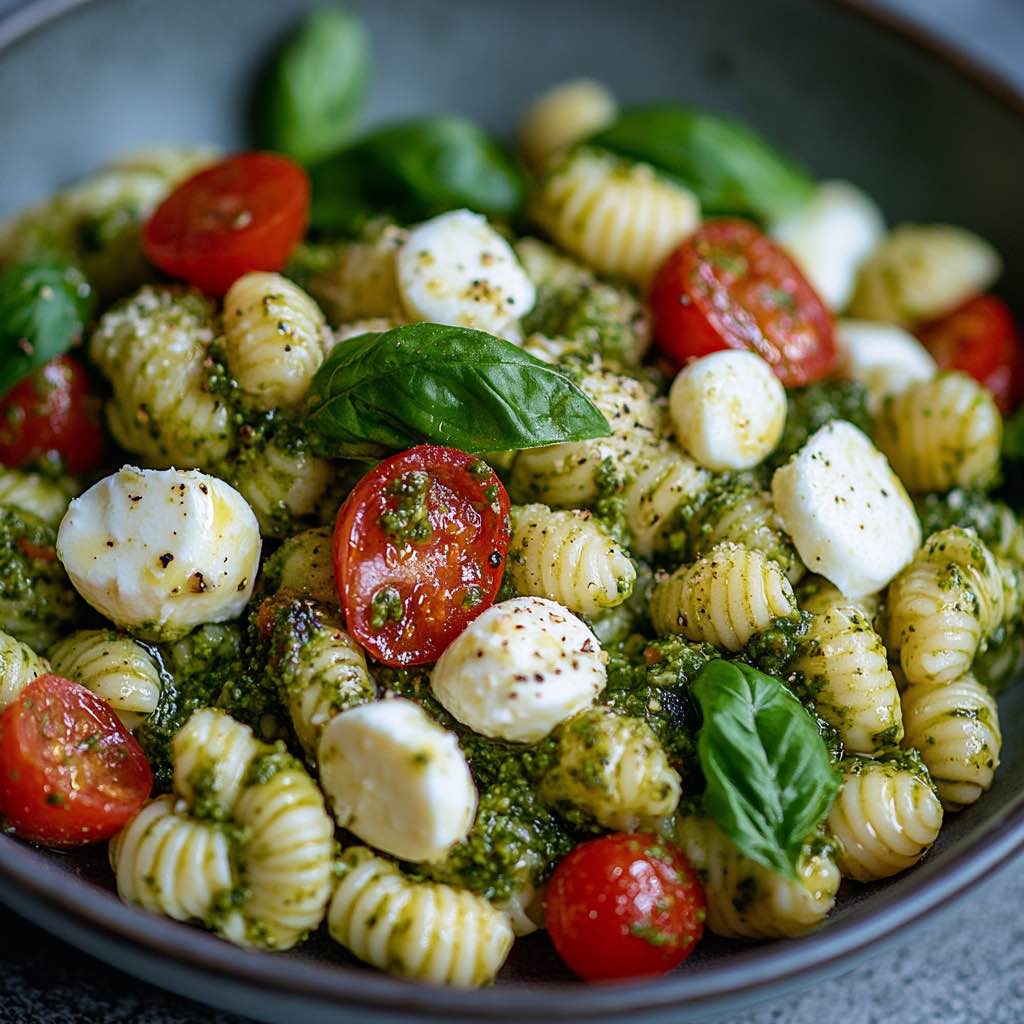
The Ultimate Pesto Pasta Salad with Mozzarella Pearls: A Fresh and Flavorful Summer Favorite
Summer gatherings call for dishes that are both refreshing and satisfying, and nothing delivers quite like a perfectly crafted Pesto Pasta Salad with Mozzarella Pearls. This vibrant dish combines the aromatic freshness of homemade basil pesto with creamy mozzarella pearls and perfectly cooked pasta, creating a harmonious blend of flavors and textures that will become your go-to recipe for potlucks, barbecues, and family dinners.
What Makes Pesto Pasta Salad with Mozzarella Pearls Special
The magic of Pesto Pasta Salad with Mozzarella Pearls lies in its perfect balance of flavors and textures. Unlike traditional mayonnaise-based pasta salads, this version relies on the bright, herbaceous flavors of fresh basil pesto to coat each ingredient.
The Flavor Profile
The combination creates a symphony of tastes that dance on your palate. Fresh basil provides an aromatic foundation, while garlic adds depth and complexity. Pine nuts contribute a subtle nuttiness that complements the creamy mozzarella pearls perfectly.
Additionally, the pasta serves as a neutral canvas that absorbs the pesto’s flavors while providing satisfying substance. The mozzarella pearls add bursts of creamy richness that contrast beautifully with the bright acidity of cherry tomatoes and the crunch of fresh vegetables.
Texture Contrast
What sets this dish apart is the incredible variety of textures in every bite. The tender pasta provides the foundation, while the mozzarella pearls offer creamy pockets of indulgence. Fresh vegetables add satisfying crunch, and the pesto creates a silky coating that binds everything together harmoniously.
Essential Ingredients for Perfect Results
Creating an exceptional Pesto Pasta Salad with Mozzarella Pearls requires careful attention to ingredient selection. Each component plays a crucial role in the final dish’s success.
Core Ingredients
Pasta Selection:
-
1 pound of pasta (rotini, penne, or fusilli work best)
-
These shapes hold the pesto effectively in their curves and crevices
Fresh Basil Pesto:
-
2 cups fresh basil leaves (packed)
-
3 cloves garlic, minced
-
1/2 cup pine nuts (toasted for extra flavor)
-
3/4 cup extra-virgin olive oil
-
3/4 cup freshly grated Parmesan cheese
-
Salt and black pepper to taste
Mozzarella Component:
-
8 ounces fresh mozzarella pearls (also called ciliegine)
-
These small, bite-sized mozzarella balls are perfect for pasta salad
Vegetable Additions
Essential Vegetables:
-
2 cups cherry tomatoes (halved for better integration)
-
1 medium red onion (thinly sliced for mild flavor)
-
1 cup baby spinach leaves (for added nutrition and color)
Optional Enhancements:
-
1/2 cup sun-dried tomatoes (chopped, for concentrated flavor)
-
1/2 cup roasted red peppers (for sweetness and color)
-
1/2 cup black olives (for Mediterranean flair)
-
1/4 cup fresh herbs (oregano, thyme, or parsley)
Quality Considerations
Ingredient quality directly impacts the final dish. Therefore, choose the freshest basil available, preferably organic if possible. Similarly, opt for high-quality mozzarella pearls from a reputable source, as they significantly affect the overall taste and texture.
Moreover, using extra-virgin olive oil ensures the best flavor in your pesto. The oil should taste clean and fruity, without any bitter aftertaste that could overpower the delicate basil.
Step-by-Step Recipe Instructions
Creating the perfect Pesto Pasta Salad with Mozzarella Pearls involves several key steps that build upon each other. Following this methodical approach ensures consistent, delicious results every time.
Preparation Phase
Step 1: Prepare the Pasta
First, bring a large pot of salted water to a rolling boil. The water should taste like seawater – this seasons the pasta as it cooks. Add the pasta and cook according to package directions until al dente, typically 8-10 minutes.
Subsequently, drain the pasta thoroughly and rinse with cold water to stop the cooking process. This prevents overcooking and helps achieve the ideal texture for pasta salad.
Step 2: Cool the Pasta
While the pasta is still slightly warm, toss it with a small amount of olive oil to prevent sticking. Spread it on a large baking sheet and let it cool completely, approximately 15-20 minutes.
Pesto Preparation
Step 3: Make Fresh Pesto
In a food processor, combine fresh basil leaves, minced garlic, and toasted pine nuts. Pulse several times to roughly chop the ingredients.
Next, with the processor running, slowly drizzle in the olive oil until the mixture forms a smooth paste. Add the grated Parmesan cheese and pulse to combine. Season with salt and pepper to taste.
Step 4: Adjust Consistency
The pesto should coat the back of a spoon but still flow easily. If it’s too thick, add more olive oil gradually. Conversely, if it’s too thin, add more Parmesan cheese or pine nuts.
Assembly Process
Step 5: Combine Base Ingredients
In a large mixing bowl, combine the cooled pasta with the fresh pesto. Toss thoroughly to ensure every piece of pasta is well-coated. The pesto should distribute evenly throughout.
Step 6: Add Mozzarella and Vegetables
Gently fold in the mozzarella pearls, being careful not to break them. Then add the halved cherry tomatoes, sliced red onion, and baby spinach leaves.
Step 7: Final Seasoning
Taste the salad and adjust seasoning as needed. You might need additional salt, pepper, or even a squeeze of fresh lemon juice to brighten the flavors.
Finishing Touches
Step 8: Rest and Meld
Cover the bowl and refrigerate the Pesto Pasta Salad with Mozzarella Pearls for at least 30 minutes. This allows the flavors to meld and develop properly.
Before serving, let the salad come to room temperature for about 15 minutes. This enhances the flavors and makes the dish more enjoyable to eat.
Making the Perfect Basil Pesto
The foundation of exceptional Pesto Pasta Salad with Mozzarella Pearls lies in creating outstanding basil pesto. This section explores the techniques and secrets that separate good pesto from extraordinary pesto.
Basil Selection and Preparation
Choosing the Right Basil:
Sweet basil (Genovese) produces the most traditional and flavorful pesto. Look for leaves that are bright green, aromatic, and free from dark spots or wilting. Young, tender leaves typically offer the best flavor profile.
Additionally, avoid washing basil if possible, as excess moisture can dilute the pesto’s flavor. Instead, gently wipe leaves with a damp paper towel if cleaning is necessary.
Preparation Techniques:
Remove basil leaves from stems carefully to avoid bruising. Bruised leaves can impart a bitter flavor to the finished pesto. Handle the leaves gently throughout the entire process.
The Pesto-Making Process
Toast the Pine Nuts:
Toasting pine nuts significantly enhances their flavor and adds depth to the pesto. Heat them in a dry skillet over medium heat, stirring frequently, until they’re golden brown and fragrant. This process typically takes 3-4 minutes.
Processing Order Matters:
Start by pulsing the garlic and pine nuts together until roughly chopped. Then add the basil leaves gradually, pulsing between additions. This prevents the basil from becoming overly processed and maintains some texture.
Oil Integration:
With the food processor running, slowly drizzle the olive oil through the feed tube. This creates a proper emulsion and ensures smooth consistency. The gradual addition prevents the mixture from becoming too oily or separating.
Flavor Enhancement Tips
Salt Timing:
Add salt after processing the basil but before adding the Parmesan cheese. Salt helps break down the basil cell walls, releasing more flavor compounds.
Cheese Considerations:
Use freshly grated Parmesan cheese rather than pre-grated varieties. Fresh cheese provides better flavor and texture. Add it last to prevent the processor’s heat from affecting its taste.
Acid Balance:
While traditional pesto doesn’t include acid, a small squeeze of fresh lemon juice can brighten the flavors, especially in pasta salad applications. Add it sparingly and taste as you go.
Choosing the Right Pasta Shape
The pasta shape significantly impacts how well your Pesto Pasta Salad with Mozzarella Pearls holds together and how the flavors distribute throughout the dish. Understanding pasta shapes helps create the best possible result.
Recommended Pasta Shapes
Rotini (Corkscrew Pasta):
This spiral-shaped pasta excels at holding pesto in its curves and grooves. The twisted design creates multiple surfaces for the sauce to cling to, ensuring every bite is flavorful.
Penne:
The tubular shape with angled cuts allows pesto to collect inside the tubes while the ridged exterior provides additional sauce-holding capability. Penne creates an excellent texture contrast with mozzarella pearls.
Fusilli:
Similar to rotini but with tighter spirals, fusilli offers exceptional sauce retention. The corkscrew shape complements the round mozzarella pearls both visually and texturally.
Pasta Cooking Guidelines
Al Dente Importance:
Cooking pasta to al dente texture is crucial for pasta salad success. Overcooked pasta becomes mushy and absorbs too much dressing, while undercooked pasta remains unpleasantly firm.
Cooling Process:
Proper cooling prevents the pasta from continuing to cook and helps it maintain its ideal texture. Rinse with cold water immediately after draining, then toss with a small amount of olive oil.
Size Considerations:
Choose pasta shapes that are similar in size to your mozzarella pearls. This creates visual harmony and ensures consistent distribution throughout the salad.
Testing for Doneness
The pasta should offer slight resistance when bitten but not be crunchy. It should hold its shape well when mixed with other ingredients and not break apart during serving.
Mozzarella Pearls: The Star Ingredient
Mozzarella pearls (ciliegine) are the distinctive element that elevates this Pesto Pasta Salad with Mozzarella Pearls from ordinary to extraordinary. Understanding how to select, prepare, and incorporate these delicate cheese spheres is essential for success.
Understanding Mozzarella Pearls
What Are Mozzarella Pearls?
Mozzarella pearls are small, bite-sized balls of fresh mozzarella cheese, typically measuring about 1/2 inch in diameter. They’re made using traditional mozzarella-making techniques but formed into small, uniform spheres.
Fresh vs. Processed:
Always choose fresh mozzarella pearls over processed versions. Fresh varieties offer superior texture, flavor, and melting qualities. They should feel soft but not mushy and have a clean, milky aroma.
Selection Criteria
Quality Indicators:
Look for mozzarella pearls that are uniformly white with a smooth, unblemished surface. They should be stored in their own whey or brine, which helps maintain freshness and flavor.
Texture Assessment:
Quality mozzarella pearls should feel firm but yielding when gently pressed. They shouldn’t be hard or rubbery, nor should they feel overly soft or falling apart.
Packaging Considerations:
Choose products with clear expiration dates and proper refrigeration. Avoid packages with cloudy liquid or off-odors, as these indicate spoilage.
Preparation and Handling
Draining Process:
Remove mozzarella pearls from their packaging liquid and gently pat them dry with paper towels. Excess moisture can dilute the pesto and make the salad watery.
Temperature Considerations:
Allow mozzarella pearls to come to room temperature before adding to the pasta salad. Cold cheese can cause the pesto to thicken and not distribute evenly.
Gentle Incorporation:
Fold mozzarella pearls into the pasta salad gently to prevent breaking them. Their delicate structure requires careful handling to maintain their appealing round shape.
Storage and Freshness
Optimal Storage:
Keep unused mozzarella pearls in their original liquid in the refrigerator. Use within 2-3 days of opening for best quality and food safety.
Signs of Spoilage:
Discard mozzarella pearls that develop an off-odor, slimy texture, or unusual discoloration. Fresh mozzarella is highly perishable and requires careful attention to freshness.
Vegetable Additions and Variations
The vegetables in Pesto Pasta Salad with Mozzarella Pearls provide essential color, nutrition, and textural contrast. Selecting and preparing vegetables properly enhances both the visual appeal and nutritional value of the dish.
Essential Vegetable Components
Cherry Tomatoes:
These small, sweet tomatoes add bursts of acidity that balance the rich pesto and creamy mozzarella. Choose firm, ripe tomatoes with bright color and no soft spots.
Cut cherry tomatoes in half to prevent them from rolling around the bowl and to allow their juices to mingle with the pesto. This creates better flavor integration throughout the salad.
Red Onion:
Thinly sliced red onion provides a sharp contrast to the other mild flavors. The purple color also adds visual appeal to the finished dish.
To reduce the onion’s bite, soak the sliced pieces in cold water for 10 minutes before adding to the salad. This mellows the flavor while maintaining the beneficial crunch.
Baby Spinach:
Fresh spinach leaves add nutritional value and beautiful green color that complements the basil pesto. Choose tender, young leaves without yellowing or wilting.
Optional Vegetable Enhancements
Sun-Dried Tomatoes:
These concentrated flavor bombs add Mediterranean flair and intense tomato taste. Choose oil-packed varieties for better texture, and chop them coarsely before adding.
Roasted Red Peppers:
Sweet roasted peppers contribute vibrant color and smoky flavor. You can roast your own or use high-quality jarred versions. Cut them into strips that complement the pasta shape.
Artichoke Hearts:
Marinated artichoke hearts add sophisticated flavor and interesting texture. Choose hearts packed in oil rather than water for better flavor integration.
Seasonal Variations
Spring Additions:
Fresh asparagus (blanched and chopped), peas, and tender spring onions work beautifully in spring versions of this salad.
Summer Options:
Zucchini ribbons, fresh corn kernels, and bell peppers celebrate summer’s bounty while maintaining the dish’s fresh character.
Fall Adaptations:
Roasted butternut squash cubes and toasted pumpkin seeds create autumn-inspired variations that add warmth and richness.
Preparation Techniques
Blanching Method:
Some vegetables benefit from brief blanching to improve digestibility and color. Plunge them into boiling water for 1-2 minutes, then immediately transfer to ice water to stop cooking.
Roasting Enhancement:
Roasting vegetables like bell peppers or zucchini before adding them concentrates flavors and adds appealing caramelized notes.
Storage and Make-Ahead Tips
Proper storage techniques ensure your Pesto Pasta Salad with Mozzarella Pearls maintains its quality and safety. Understanding these principles helps you plan ahead for entertaining and meal prep.
Immediate Storage Guidelines
Refrigeration Requirements:
Store the completed salad in the refrigerator within 2 hours of preparation. The combination of dairy and vegetables requires consistent cold temperatures to prevent bacterial growth.
Container Selection:
Use airtight containers to prevent the salad from absorbing refrigerator odors and to maintain moisture levels. Glass or high-quality plastic containers work best.
Surface Protection:
Press plastic wrap directly onto the salad’s surface before covering with a lid. This prevents air exposure and helps maintain the pesto’s vibrant green color.
Make-Ahead Strategies
Component Preparation:
Prepare individual components separately for maximum freshness. Cook and cool the pasta, make the pesto, and prep vegetables up to 24 hours in advance.
Assembly Timing:
Combine the pasta with pesto up to 4 hours before serving, but add delicate ingredients like mozzarella pearls and fresh vegetables just before serving to maintain their texture.
Pesto Preservation:
Store leftover pesto with a thin layer of olive oil on top to prevent oxidation and color changes. This technique helps maintain the bright green appearance.
Duration and Quality
Optimal Consumption Window:
Consume Pesto Pasta Salad with Mozzarella Pearls within 2-3 days for best quality and food safety. After this time, the vegetables may become soggy and flavors may deteriorate.
Quality Indicators:
Fresh salad should have bright colors, firm vegetables, and aromatic pesto. Discard if you notice off-odors, slimy textures, or significant color changes.
Serving Temperature
Temperature Guidelines:
Remove the salad from refrigeration 15-20 minutes before serving to allow flavors to develop and cheese to soften slightly. This enhances the overall eating experience.
Safety Considerations:
Don’t leave the salad at room temperature for more than 2 hours, or 1 hour if the ambient temperature exceeds 90°F. This prevents bacterial growth and ensures food safety.
Serving Suggestions and Pairings
Presenting Pesto Pasta Salad with Mozzarella Pearls beautifully and pairing it with complementary dishes creates memorable dining experiences. These suggestions help you create cohesive menus for various occasions.
Presentation Ideas
Serving Vessel Selection:
Choose serving bowls that showcase the salad’s colorful ingredients. White or neutral-colored bowls allow the vibrant greens, reds, and whites to stand out beautifully.
Garnish Options:
Fresh basil leaves, additional mozzarella pearls, or a drizzle of high-quality olive oil make elegant finishing touches. Toasted pine nuts also add visual appeal and extra flavor.
Individual Serving Style:
For formal occasions, consider serving individual portions in small bowls or on plates, garnished with fresh herbs and a few cherry tomatoes.
Menu Pairing Suggestions
Grilled Protein Options:
This pasta salad pairs excellently with grilled chicken, salmon, or shrimp. The fresh flavors complement rather than compete with simple grilled preparations.
Bread Accompaniments:
Serve alongside crusty Italian bread, focaccia, or garlic breadsticks. These breads absorb any extra pesto flavors and provide satisfying substance.
Additional Salad Options:
Complement with a simple green salad dressed with balsamic vinaigrette, or a caprese salad that echoes the Italian flavors.
Occasion-Specific Adaptations
Picnic Preparation:
For outdoor events, pack the salad in insulated containers with ice packs. Bring serving utensils and small bowls for easy distribution.
Potluck Considerations:
This salad travels well and appeals to most palates. Bring recipe cards if guests request the preparation method, as this dish often generates requests for the recipe.
Holiday Applications:
The red, white, and green colors make this salad perfect for Christmas gatherings or Italian-themed celebrations.
Portion Planning
Serving Size Guidelines:
Plan for approximately 1 cup per person as a side dish, or 1.5 cups per person if serving as a main course. These guidelines help with quantity planning for events.
Scaling Recipes:
The recipe scales easily for larger groups. Maintain the same proportions of ingredients regardless of batch size to ensure consistent flavor balance.
Nutritional Benefits
Pesto Pasta Salad with Mozzarella Pearls offers numerous nutritional advantages while delivering exceptional taste. Understanding these benefits helps you appreciate this dish as both delicious and health-conscious.
Macronutrient Profile
Carbohydrate Content:
The pasta provides complex carbohydrates that offer sustained energy. Whole grain pasta options increase fiber content and provide additional B vitamins.
Protein Sources:
Mozzarella pearls and Parmesan cheese contribute high-quality protein essential for muscle maintenance and satiety. Pine nuts also add plant-based protein to the mix.
Healthy Fats:
Extra-virgin olive oil and pine nuts provide monounsaturated fats that support heart health and help absorb fat-soluble vitamins from the vegetables.
Micronutrient Highlights
Vitamin Content:
Fresh basil contains vitamin K, vitamin A, and vitamin C. These nutrients support bone health, immune function, and antioxidant protection.
Mineral Benefits:
The dish provides calcium from the cheese, iron from the spinach, and potassium from the tomatoes. These minerals support bone health, oxygen transport, and blood pressure regulation.
Antioxidant Properties:
Tomatoes contribute lycopene, a powerful antioxidant linked to heart health and cancer prevention. Basil provides additional antioxidant compounds that combat cellular damage.
Dietary Considerations
Vegetarian-Friendly:
This recipe naturally accommodates vegetarian diets while providing complete nutrition. The combination of dairy and nuts ensures adequate protein intake.
Gluten-Free Adaptations:
Substitute gluten-free pasta to accommodate celiac disease or gluten sensitivity without compromising flavor or nutritional value.
Portion Control Benefits:
The combination of protein, healthy fats, and complex carbohydrates promotes satiety, helping with portion control and weight management goals.
Health-Conscious Modifications
Reduced-Fat Options:
Use part-skim mozzarella and reduce olive oil slightly to lower the calorie content while maintaining flavor and satisfaction.
Vegetable Boost:
Increase the vegetable content to enhance fiber, vitamins, and minerals while adding volume without significantly increasing calories.
Troubleshooting Common Issues
Even experienced cooks occasionally encounter challenges when preparing Pesto Pasta Salad with Mozzarella Pearls. Understanding common problems and their solutions ensures consistent success.
Pesto-Related Problems
Bitter Pesto:
Bitterness typically results from over-processing the basil or using poor-quality olive oil. Process basil minimally and taste your olive oil before using. Additionally, remove any thick basil stems, which can contribute bitterness.
Pesto Color Changes:
Oxidation causes pesto to turn brown. Minimize air exposure by pressing plastic wrap directly onto the surface. Adding a small amount of lemon juice helps preserve color, though use sparingly to avoid altering the flavor significantly.
Thick or Thin Consistency:
Adjust pesto consistency by adding olive oil gradually for thinning, or additional nuts and cheese for thickening. The ideal consistency should coat pasta without being runny or paste-like.
Pasta Texture Issues
Mushy Pasta:
Overcooking causes mushiness that can’t be corrected. Always cook to al dente and rinse with cold water immediately after draining. Test pasta frequently during cooking to achieve the perfect texture.
Sticky Pasta:
Under-salted cooking water or inadequate rinsing leads to sticky pasta. Use generously salted water and rinse thoroughly with cold water after cooking. Toss with a small amount of olive oil while still warm.
Dry Pasta Salad:
If the finished salad seems dry, add more pesto or a drizzle of olive oil. The pasta continues absorbing liquid as it sits, so expect to adjust the moisture level before serving.
Ingredient Integration Problems
Uneven Distribution:
Poor mixing techniques result in pockets of plain pasta and overly dressed areas. Mix gently but thoroughly, ensuring all pasta pieces are coated. Use a large mixing bowl to facilitate proper distribution.
Broken Mozzarella Pearls:
Rough handling or adding cold cheese to hot pasta causes breaking. Allow cheese to reach room temperature and fold it in gently at the end of the mixing process.
Watery Salad:
Excess moisture from vegetables or cheese liquid dilutes the pesto. Pat mozzarella pearls dry and ensure vegetables are properly drained before adding to the salad.
Prevention Strategies
Temperature Management:
Allow all ingredients to reach similar temperatures before combining. This prevents thermal shock that can affect textures and mixing quality.
Timing Coordination:
Prepare components in logical order, allowing adequate cooling time for cooked elements. This prevents premature wilting of delicate ingredients.
Quality Control:
Taste and adjust seasoning at each step rather than only at the end. This ensures balanced flavors throughout the preparation process.
Seasonal Variations
Adapting Pesto Pasta Salad with Mozzarella Pearls to seasonal ingredients keeps the dish exciting throughout the year while taking advantage of peak produce quality and availability.
Spring Variations
Fresh Spring Vegetables:
Incorporate tender asparagus spears, blanched and cut into bite-sized pieces. Fresh peas and pea shoots add sweetness and vibrant color that complement the basil pesto beautifully.
Herb Enhancements:
Spring herbs like chives, dill, and fresh parsley can supplement or partially replace basil in the pesto. This creates unique flavor profiles while maintaining the dish’s essential character.
Lighter Preparations:
Reduce the cheese content slightly and increase fresh vegetables for a lighter spring version that celebrates the season’s delicate flavors.
Summer Adaptations
Peak Summer Produce:
Take advantage of summer’s bounty by adding fresh corn kernels, diced bell peppers, and the best tomatoes of the season. These ingredients are at their flavorful peak during summer months.
Cooling Elements:
Add cucumber ribbons or diced cucumber for extra refreshing crunch. The high water content helps create a cooling effect perfect for hot summer days.
Outdoor Serving:
Summer versions travel well to picnics and barbecues. Consider adding ingredients that hold up well in heat, such as roasted red peppers or sun-dried tomatoes.
Fall Modifications
Roasted Vegetables:
Incorporate roasted butternut squash cubes or roasted bell peppers to add warmth and depth appropriate for cooler weather. The caramelization from roasting enhances natural sweetness.
Heartier Additions:
Add toasted pumpkin seeds or chopped walnuts for extra richness and satisfying crunch. These nuts complement the traditional pine nuts while adding seasonal flair.
Warming Spices:
A pinch of red pepper flakes or freshly ground black pepper adds warmth without overwhelming the delicate pesto flavors.
Winter Versions
Preserved Ingredients:
When fresh vegetables are less available, high-quality sun-dried tomatoes, marinated artichoke hearts, and preserved roasted peppers maintain the dish’s Mediterranean character.
Heartier Pasta Shapes:
Consider using larger pasta shapes like rigatoni or shells that can hold more of the warming ingredients and create a more substantial dish.
Indoor Comfort:
Winter versions can be served slightly warm rather than cold, making them more appealing during colder months while maintaining food safety standards.
Frequently Asked Questions
Can I make Pesto Pasta Salad with Mozzarella Pearls ahead of time?
Yes, you can prepare this dish up to 24 hours in advance. However, for best results, combine the pasta with pesto up to 4 hours before serving, then add the mozzarella pearls and fresh vegetables just before serving to maintain optimal texture and freshness.
What’s the best way to prevent the pesto from turning brown?
To prevent oxidation, press plastic wrap directly onto the pesto’s surface before refrigerating. Additionally, adding a thin layer of olive oil on top creates a barrier against air exposure. Store any leftover pesto with these protective measures in place.
Can I substitute different types of cheese for the mozzarella pearls?
While mozzarella pearls are ideal for this recipe, you can substitute with cubed fresh mozzarella, small pieces of burrata, or even feta cheese for a different flavor profile. However, these substitutions will change the dish’s character somewhat.
How long does Pesto Pasta Salad with Mozzarella Pearls keep in the refrigerator?
The salad maintains best quality for 2-3 days when stored properly in an airtight container. After this time, the vegetables may become soggy and the overall quality diminishes. Always check for signs of spoilage before consuming.
Can I freeze this pasta salad?
Freezing is not recommended because the mozzarella and vegetables will change texture significantly upon thawing. The pesto may also separate, and the overall quality will be compromised. This dish is best enjoyed fresh or within a few days of preparation.
What’s the best pasta shape for holding the pesto?
Rotini, fusilli, and penne work best because their curves, spirals, and tubes trap the pesto effectively. These shapes ensure every bite is well-coated and flavorful. Avoid long, smooth pasta shapes that don’t hold sauce well.
How can I make this dish gluten-free?
Simply substitute your favorite gluten-free pasta for the regular pasta. Rice-based, corn-based, or chickpea pasta work well. Cook according to package directions, as gluten-free pasta often has different cooking times and requirements.
Is it safe to leave this salad out during a party?
For food safety, don’t leave the salad at room temperature for more than 2 hours, or 1 hour if the temperature exceeds 90°F. The dairy content requires consistent refrigeration to prevent bacterial growth and ensure guest safety.
The perfect Pesto Pasta Salad with Mozzarella Pearls combines the freshest ingredients with thoughtful preparation techniques to create a dish that’s both visually stunning and incredibly delicious. This versatile recipe adapts beautifully to seasonal variations, dietary preferences, and different serving occasions while maintaining its essential character of fresh, vibrant flavors.
Whether you’re preparing this dish for a casual family dinner, an elegant potluck, or a special celebration, the combination of aromatic basil pesto, creamy mozzarella pearls, and perfectly cooked pasta creates a memorable culinary experience. The key lies in using high-quality ingredients, proper preparation techniques, and understanding how each component contributes to the final dish.
By following the comprehensive guidelines and tips provided in this article, you’ll consistently create exceptional results that will have guests requesting your recipe. Remember to taste and adjust seasonings throughout the preparation process, and don’t hesitate to make the seasonal adaptations that best suit your preferences and available ingredients.
Pesto Pasta Salad with Mozzarella Pearls
Description
Ingredients
For the Pasta Salad:
-
1 pound short pasta (fusilli, penne, farfalle, or orecchiette work best)
-
1/2 to 2/3 cup basil pesto (homemade or store-bought)
-
8-16 ounces mozzarella pearls, ciliegine, or bocconcini, drained and halved
-
1-3 cups cherry or grape tomatoes, halved
-
1/2 cup fresh basil leaves, torn or chopped
-
2-3 tablespoons extra virgin olive oil
-
2 tablespoons lemon juice
-
Salt and freshly ground black pepper to taste
-
1/4 cup grated Parmesan cheese (optional)
-
1/2 teaspoon red pepper flakes (optional)
For Homemade Pesto Dressing (Optional):
-
1 1/2 cups fresh basil leaves, loosely packed
-
1/3 cup pine nuts or sliced almonds
-
2 small garlic cloves, minced
-
2 tablespoons lemon juice
-
2 tablespoons grated Parmesan cheese
-
1/2 teaspoon kosher salt
-
1/4 teaspoon black pepper
-
1/3 cup extra virgin olive oil
Instructions
Prepare the Pasta:
-
Bring a large pot of generously salted water to a boil. Cook pasta according to package directions until al dente, about 1 minute less than suggested for a firmer texture.
-
Reserve 1 cup of pasta cooking water before draining. Drain pasta in a colander and rinse lightly with cold water to stop cooking. Allow to cool for about 10 minutes so it won’t melt the cheese.
Make Homemade Pesto (if using):
-
In a food processor, combine basil leaves, pine nuts, garlic, lemon juice, Parmesan cheese, salt, and pepper. Pulse 4-5 times to roughly chop.
-
With the processor running, slowly drizzle in olive oil through the feed tube until the mixture becomes creamy. Stop to scrape sides once during processing.
Assemble the Salad:
-
In a large mixing bowl, combine cooled pasta with pesto, tossing until evenly coated. If the mixture seems dry, add a splash of reserved pasta water or olive oil.
-
Gently fold in halved cherry tomatoes and mozzarella pearls. Season with salt, pepper, and red pepper flakes if desired.
-
Add half of the fresh basil and toss gently. Transfer to a serving dish.
Final Touches:
-
For best flavor, refrigerate for at least 30 minutes or up to overnight. Remove from refrigerator 30 minutes before serving.
-
Just before serving, drizzle with lemon juice and remaining olive oil. Stir in remaining fresh basil and top with grated Parmesan if desired.
Tips for Success
Pasta Choice: Short pasta shapes with nooks and crannies like fusilli, penne, or farfalle work best as they hold the pesto and catch the other ingredients.
Mozzarella Pearls: These small, bite-sized mozzarella balls ensure cheese in every bite. If unavailable, cut fresh mozzarella into small cubes.
Make-Ahead Option: Prepare the salad up to 8 hours in advance, using only half the pesto initially. Add remaining pesto just before serving to maintain vibrant color and flavor.
Storage: This pasta salad keeps well in the refrigerator for up to 3 days. The flavors actually improve after the first day as ingredients meld together.
Serving Temperature: This salad is delicious served at room temperature or slightly chilled. Avoid serving it ice-cold as the flavors are more pronounced at room temperature.