
Cajun Crawfish Étouffée: The Ultimate Guide to Louisiana’s Beloved Seafood Dish
Introduction
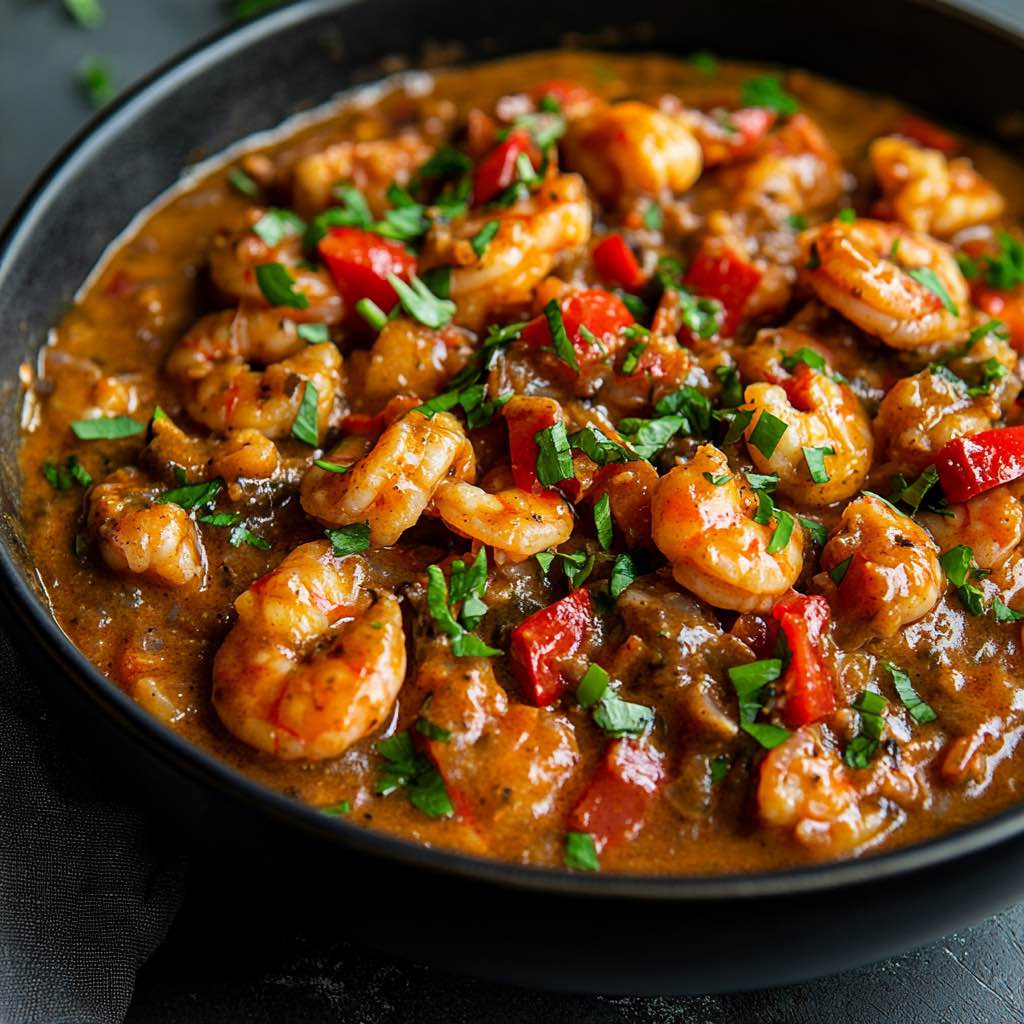
Cajun Crawfish Étouffée represents the heart and soul of Louisiana cuisine. This iconic dish features tender crawfish tails smothered in a rich, buttery sauce that showcases the unique flavors of the bayou. The name “étouffée” comes from the French word meaning “smothered” or “suffocated,” perfectly describing the cooking technique that makes this dish so special. With its velvety texture and bold seasonings, Cajun Crawfish Étouffée has become a beloved staple in restaurants and homes across Louisiana and beyond.
What is Cajun Crawfish Étouffée?
Cajun Crawfish Étouffée is a classic Louisiana dish that consists of crawfish cooked in their own juices with seasonings and served over rice. This dish employs a smothering technique popular in Cajun and Creole cooking throughout south Louisiana. The result is a thick, gravy-like sauce that envelops plump crawfish tails in layers of flavor.
Unlike its soup-like cousins, authentic étouffée maintains a stew-like consistency. The sauce is built on a foundation of roux combined with the “holy trinity” of vegetables. This creates a rich coating that clings to each piece of crawfish rather than swimming in broth.
The dish has become most popular in New Orleans and the Acadiana region. Additionally, it is enjoyed in coastal counties of Mississippi, Alabama, northern Florida, and eastern Texas. Whether made with a blond or brown roux, Cajun Crawfish Étouffée showcases the versatility and depth of Louisiana’s culinary traditions.
The Rich History of Étouffée
Origins in Breaux Bridge
The story of Cajun Crawfish Étouffée began in Breaux Bridge, Louisiana, during the early twentieth century. In the 1920s, Yolie and Marie Hébert, daughters of the Hébert Hotel owners, served what they initially called a crawfish courtbouillon. They passed this recipe to Aline Guidry Champagne, a member of the family that owned Guidry’s Place and the Rendezvous Club and Restaurant.
Evolution of the Recipe
In the late 1940s, Champagne modified the original recipe significantly. She removed tomatoes, garlic, and celery, creating a simpler version. While cooking this dish in the restaurant kitchen, she told customers in Cajun French, “J’étouffe les écrevisses”. These customers not only ordered the dish but brought others who requested it specifically.
Crawfish étouffée was officially added to the Rendezvous Club menu in 1950. When Pat Huval bought Guidry’s Place in 1952 and renamed it Pat’s Restaurant, the dish became a favorite of visitors from across the country. Even Louisiana governors including Earl Long, Jimmie Davis, John McKeithen, Edwin Edwards, and Kathleen Blanco enjoyed this specialty.
Spread to Lafayette
Lafayette also became known for exceptional Cajun Crawfish Étouffée. Don’s Seafood Inn (later Don’s Seafood and Steak House) led efforts to promote the region’s cuisine. In 1958, the restaurant published a cookbook called “Don’s Secrets” that contained one of the first printed recipes for crawfish étouffée.
Understanding Key Ingredients
Crawfish Selection
The star of Cajun Crawfish Étouffée is, naturally, the crawfish. Fresh Louisiana crawfish tails provide the best flavor and texture. During peak season, nothing compares to fresh-picked tail meat. However, frozen cooked Louisiana crawfish tails work excellently when fresh options are unavailable.
When purchasing crawfish, look for tail meat that includes the fat. This yellow fat adds tremendous richness to the dish. Premium select tails typically contain approximately 60-80 tails per pound, while regular portions include 125-150 tails per pound. For the best results, buy from authentic sellers offering products with a pleasant smell and firm texture.
Stock Options
Crawfish stock elevates étouffée from good to exceptional. Making homemade crawfish stock involves simmering crawfish shells and heads in water to create an intense, flavorful base. For a quick DIY version, sauté crawfish shells with onions, garlic, celery, and aromatics like bay leaf and thyme. Then, simmer with water for 20 minutes and strain.
Seafood stock or chicken stock serve as excellent alternatives when crawfish stock is not available. These options still provide depth without overpowering the delicate crawfish flavor.
The Holy Trinity of Cajun Cooking
What Comprises the Holy Trinity
The Cajun holy trinity consists of three essential vegetables: bell pepper, onion, and celery. This trio forms the foundation of almost every traditional recipe in Louisiana cuisine. When combined properly, these aromatics create the complex flavors that define Cajun and Creole dishes.
Proper Ratios and Preparation
The traditional ratio uses equal parts of each vegetable in a 1:1:1 proportion. However, many local chefs prefer 2 cups onion to 1½ cups celery to 1¼ cups green bell pepper. All vegetables should be finely chopped to ensure even cooking and proper flavor release.
Cooking Technique
To prepare the holy trinity, start by heating fat in a skillet over medium heat. Add the chopped vegetables and sauté, stirring just enough to prevent burning. As heat breaks down these vegetables, their trapped liquids release onto the hot surface. The water evaporates, leaving behind residual sugars that caramelize the vegetables until achieving desirable richness.
This process takes approximately 30 minutes for full caramelization. The intensity of flavor depends directly on the length of the sauté. Consequently, patience during this step rewards home cooks with deeper, more complex flavors.
Mastering the Perfect Roux
Understanding Roux Colors
Roux serves as the thickening agent and flavor base for Cajun Crawfish Étouffée. The color of roux determines much of the finished dish’s flavor. A blond roux cooks for approximately 5 minutes to remove the raw flour taste and add a slightly nutty flavor. A brown roux requires 30 to 35 minutes of cooking to deepen both color and flavor.
Creating a Blond Roux
For traditional étouffée, many chefs prefer a blond to golden roux. Start by melting butter in a large skillet over medium heat. Add an equal amount of flour and whisk continuously. Continue cooking and stirring constantly for 10-15 minutes until the mixture turns golden, resembling the color of peanut butter.
Critical Techniques
Never walk away from the stove while making roux, as it burns quickly. Therefore, constant stirring is essential to prevent scorching. The roux should be smooth and gloopy before adding liquid. If lumps form, whisk vigorously to break them apart before proceeding.
Step-by-Step Recipe Guide
Ingredients List
Here are the ingredients needed for authentic Cajun Crawfish Étouffée:
-
½ cup (1 stick) unsalted butter, plus 4 tablespoons extra
-
2 cups diced yellow onion
-
1 cup diced green bell pepper
-
1 cup diced celery
-
1 tablespoon minced garlic
-
¼ cup all-purpose flour
-
1½ to 2 cups seafood or crawfish stock
-
1 teaspoon cayenne pepper
-
2-3 teaspoons Cajun or Creole seasoning
-
2 pounds Louisiana crawfish tail meat
-
Kosher salt and freshly ground black pepper to taste
-
Hot sauce to taste
-
¼ cup chopped flat-leaf parsley
-
1 cup diced green onion tops
-
6 cups cooked Louisiana long-grain white rice
Preparation Steps
Sauté the Holy Trinity: Melt 4 tablespoons of butter in a large cast iron skillet or Dutch oven over medium heat. Add the onion, celery, and bell pepper. Cook for 5-8 minutes until the vegetables become tender and translucent. Add the garlic and cook for another minute. Remove vegetables to a bowl and set aside.
Make the Roux: Reduce heat to medium-low. Add the remaining ½ cup butter to the pan and allow it to melt completely. Whisk in the flour until smooth. Cook while whisking continuously for 10-15 minutes until the roux turns golden. Watch carefully to prevent burning.
Build the Sauce: Slowly add the stock while whisking constantly to maintain smoothness. Continue stirring until the mixture is completely smooth and lump-free. Return the sautéed vegetables to the pan. Add the cayenne pepper, Cajun seasoning, and other seasonings.
Simmer and Thicken: Bring the mixture to a boil, then reduce heat to a simmer. Cook on low for 10-15 minutes, stirring occasionally. The sauce should reach a gravy-like consistency. If needed, adjust thickness by adding more stock or a flour slurry.
Add Crawfish: Stir in the crawfish tails gently. Cook for 3-4 minutes just until warmed through. Avoid overcooking, as crawfish can become tough and rubbery.
Finish and Serve: Taste and adjust seasonings with salt, pepper, and hot sauce as needed. Stir in the chopped parsley and green onion tops. Serve immediately over hot cooked white rice.
Health Benefits and Nutrition
Nutritional Profile
Crawfish offers impressive nutritional benefits for health-conscious diners. A 3-ounce serving of crawfish contains only 65-77 calories with 14-16 grams of protein. Moreover, crawfish contains virtually no carbohydrates and less than 1 gram of fat. This makes Cajun Crawfish Étouffée an excellent choice for low-carb and ketogenic diets.
Vitamin and Mineral Content
Crawfish serves as an excellent source of essential nutrients. These shellfish are rich in phosphorus, providing 36.5% of the recommended daily intake. Additionally, crawfish contains significant amounts of selenium, copper, manganese, vitamin B12, iron, zinc, magnesium, and calcium.
Specific Health Benefits
Promotes Heart Health: Crawfish contains copper, selenium, and antioxidants that support healthy blood vessels. These compounds reduce inflammation and prevent oxidative damage to the cardiovascular system.
Supports Muscle Function: The protein, magnesium, and phosphorus in crawfish aid muscle repair, growth, and contraction. Therefore, this dish supports overall muscle function and athletic performance.
Enhances Immune Function: Selenium and zinc found in crawfish support immune function. These minerals promote antibody production and aid in activating immune cells. Consequently, regular consumption helps the body fight infections and illnesses.
Reduces Chronic Disease Risk: Crawfish contains antioxidants that help neutralize harmful free radicals. This action reduces oxidative stress and lowers the risk of chronic diseases such as cancer and cardiovascular disease.
Tips for Buying and Storing Crawfish
Fresh vs. Frozen Options
Crawfish tails are available fresh, frozen, or canned. For the freshest option, buy live crawfish from nearby seafood markets. Many stores sell pre-boiled, frozen, and ready-to-eat crawfish in vacuum packs. Par-boiled frozen crawfish tails work perfectly for étouffée and other recipes.
Quality Indicators
When purchasing crawfish, select products from authentic sellers. Look for crawfish with a pleasant smell, firm shell or texture, and intact pieces. Premium select tail meat offers larger pieces for a more luxurious presentation.
Storage Guidelines
Frozen crawfish tails may partially thaw during shipping. Simply refreeze them upon arrival without concern. Store frozen crawfish tails in the freezer until ready to use. For best quality, use within three months of purchase.
Leftover Storage
Crawfish étouffée leftovers can be kept in an airtight container in the refrigerator for 3-4 days. Reheat gently over medium heat in a pot on the stove. For longer storage, let the dish cool completely, then transfer to a freezer-safe container. Freeze for up to 3 months. Thaw completely overnight in the refrigerator before reheating.
Common Mistakes to Avoid
Overcooking the Crawfish
One of the most common errors is overcooking the crawfish tails. Since most purchased crawfish tails are already cooked, they only need warming through. Excessive cooking makes the tender meat tough and rubbery. Add crawfish during the final 3-4 minutes of cooking time.
Making the Sauce Too Soupy
Authentic Cajun Crawfish Étouffée should have a thick, gravy-like consistency rather than a soup-like texture. The sauce should coat the crawfish and cling to the rice. If the mixture becomes too thin, create a slurry by mixing a tablespoon of flour with some of the hot liquid. Stir this back into the pot and cook until thickened.
Burning the Roux
Roux burns easily and requires constant attention. Never leave the stove during roux preparation. If black specks appear or a burnt smell develops, discard the roux and start over. There is no way to salvage burnt roux, and it will ruin the entire dish.
Inadequate Seasoning
Cajun Crawfish Étouffée should be boldly flavored with proper seasoning. Taste the sauce before adding crawfish and adjust with salt, pepper, cayenne, and hot sauce. Remember that rice dilutes flavors, so the sauce should taste slightly overseasoned on its own. Check out our guide on [Cajun Seasoning Blends] for more flavor tips.
Serving Suggestions and Pairings
Rice Options
Traditional Louisiana long-grain white rice serves as the classic base for Cajun Crawfish Étouffée. Cook the rice according to package directions and serve hot. For variety, try serving étouffée over cheesy grits for a different textural experience.
Garnishes
Fresh garnishes brighten the rich flavors of étouffée. Sprinkle chopped flat-leaf parsley and sliced green onion tops over each serving. These fresh herbs add color and a subtle onion flavor that complements the dish.
Side Dishes
Complete the meal with traditional Louisiana sides. Crusty French bread works perfectly for soaking up every drop of the flavorful sauce. A simple green salad with vinaigrette provides a refreshing contrast. Roasted or steamed vegetables like green beans or asparagus add nutritional balance.
Condiments
Keep hot sauce on the table for diners who prefer extra heat. Louisiana-style hot sauce complements the dish without overpowering the crawfish flavor.
Recipe Variations
Shrimp Étouffée
Substitute shrimp for crawfish to create a delicious variation. Use the same technique and seasonings. Shrimp étouffée offers similar flavors with a slightly different texture and taste profile.
Crab Étouffée
Lump crabmeat creates an elegant version of this classic dish. Follow the same preparation method, adding crabmeat at the end to preserve its delicate texture.
Tomato-Based Version
Some Creole-style recipes include tomatoes for a different flavor profile. Add one cup of chopped tomatoes along with the holy trinity vegetables. This creates a slightly tangier, more robust sauce.
Lighter Version
For a lighter option, reduce the butter by half and use more stock. This decreases calories and fat while maintaining flavor. The dish will have a thinner consistency but still tastes delicious.
Frequently Asked Questions
What does étouffée mean?
Étouffée is a French word meaning “smothered” or “suffocated”. This refers to the cooking technique where ingredients are cooked in their own juices with minimal added liquid.
Can I make Cajun Crawfish Étouffée ahead of time?
Yes, étouffée can be made ahead and reheated. Store in the refrigerator for up to 4 days or freeze for up to 3 months. Reheat gently on the stovetop, adding a splash of stock if needed to restore consistency.
What is the difference between étouffée and gumbo?
Étouffée has a thick, gravy-like consistency and typically features one type of seafood. Gumbo is soup-like and usually contains multiple proteins and vegetables. Additionally, gumbo often includes okra or filé powder for thickening.
Can I use frozen crawfish tails?
Absolutely, frozen Louisiana crawfish tails work excellently in étouffée. They are convenient, available year-round, and maintain good quality. Simply thaw before using or add frozen and cook a few minutes longer.
How spicy is Cajun Crawfish Étouffée?
The heat level varies based on personal preference. Start with moderate amounts of cayenne pepper and Cajun seasoning. Adjust to taste with hot sauce at the end. The dish should have a gentle heat that enhances rather than overwhelms.
What is the holy trinity in Cajun cooking?
The holy trinity consists of equal parts diced onion, celery, and bell pepper. This vegetable combination forms the aromatic base for most Cajun and Creole dishes.
Conclusion
Cajun Crawfish Étouffée stands as a testament to Louisiana’s rich culinary heritage. This beloved dish combines simple ingredients with time-honored techniques to create extraordinary flavors. From its humble origins in Breaux Bridge to its current status as a Louisiana icon, étouffée showcases the best of Cajun cooking.
By mastering the holy trinity, perfecting the roux, and selecting quality crawfish, home cooks can recreate this restaurant favorite. Furthermore, the dish offers impressive nutritional benefits with high protein and low calories. Whether serving for a special occasion or weeknight dinner, Cajun Crawfish Étouffée delivers satisfying comfort food that celebrates Louisiana’s unique food culture.
Print
Cajun Crawfish Étouffée
Description
Cajun Crawfish Étouffée
Ingredients:
-
1 lb crawfish tails (cooked, peeled, with fat if possible)
-
1 stick (½ cup) unsalted butter
-
¼ cup all-purpose flour
-
1 cup onion, finely chopped
-
½ cup green bell pepper, finely chopped
-
½ cup celery, finely chopped
-
3 cloves garlic, minced
-
1 ½ cups seafood or chicken stock
-
1 tbsp Cajun seasoning (or to taste)
-
1 tsp paprika
-
¼ tsp cayenne pepper (optional, for heat)
-
1 tsp Worcestershire sauce
-
2 green onions, sliced
-
2 tbsp fresh parsley, chopped
-
Salt and black pepper, to taste
-
Cooked white rice, for serving
Instructions:
1. Make the Roux:
In a large skillet or Dutch oven, melt butter over medium heat.
Whisk in the flour and cook, stirring constantly, until it turns a light caramel color — about 5–7 minutes.
(Be careful not to burn it!)
2. Add the Vegetables:
Stir in onion, bell pepper, and celery (the Cajun “holy trinity”).
Cook for 5 minutes, until softened, then add garlic and sauté another minute.
3. Season and Simmer:
Add Cajun seasoning, paprika, cayenne, Worcestershire sauce, and a little salt and pepper.
Gradually whisk in the seafood or chicken stock, stirring until smooth.
Simmer on low heat for 10 minutes, stirring occasionally, until thickened.
4. Add Crawfish:
Gently stir in the crawfish tails and any fat or juices from the package.
Simmer for 5–10 minutes, allowing flavors to meld and the crawfish to heat through.
Avoid overcooking — you want them tender, not rubbery.
5. Finish and Serve:
Stir in green onions and parsley just before serving.
Taste and adjust seasoning if needed.
Serve hot over a bed of fluffy white rice.