
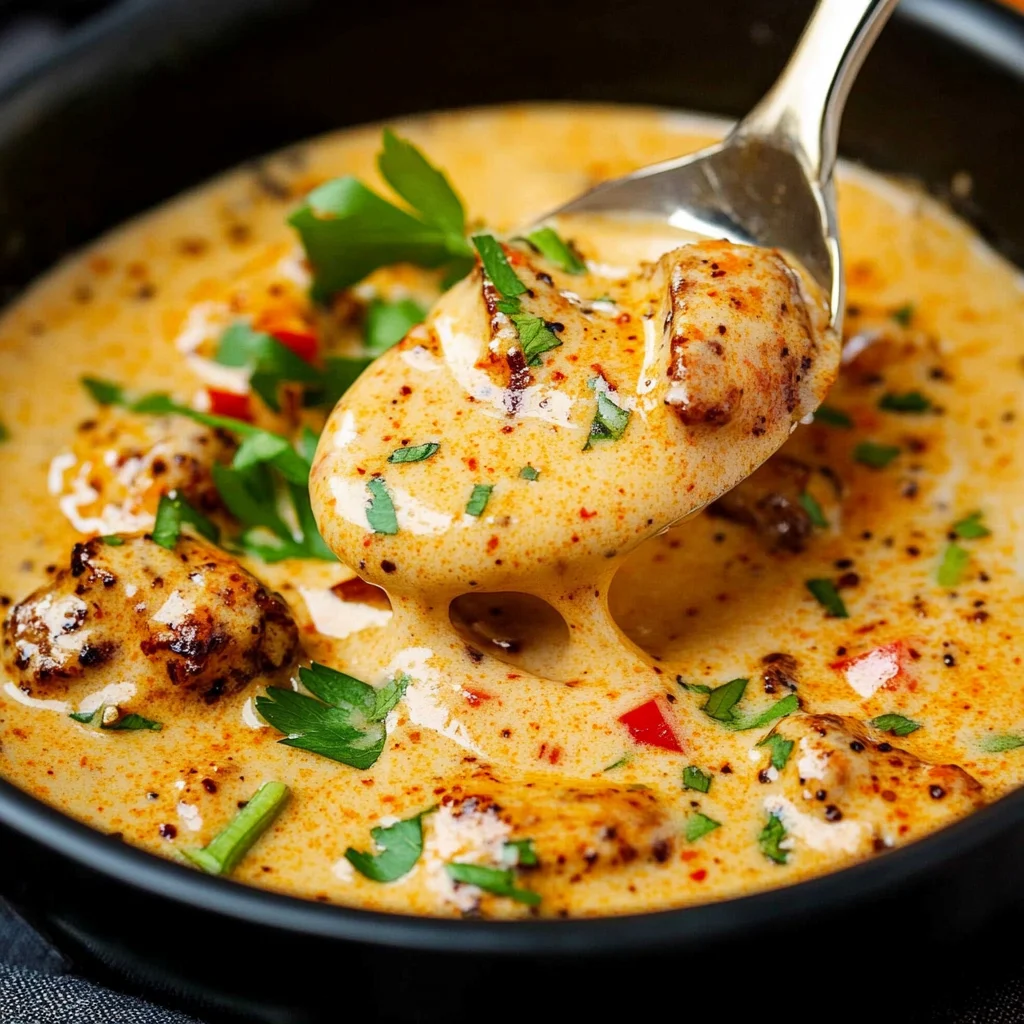
Cajun Cream Sauce: The Ultimate Guide to Louisiana’s Creamy, Spicy Delight
Cajun cream sauce transforms ordinary meals into extraordinary culinary experiences. This rich, velvety sauce combines the bold flavors of Louisiana Cajun seasoning with heavy cream, creating a perfect balance of heat and smoothness. Whether you’re drizzling it over pasta, chicken, or seafood, this versatile sauce brings restaurant-quality flavor to your home kitchen without any complicated techniques.
What Is Cajun Cream Sauce?
Cajun cream sauce represents the perfect marriage between Louisiana’s bold spice traditions and French culinary techniques. This sauce features heavy cream as its base, infused with Cajun seasonings that include paprika, cayenne pepper, garlic powder, and various herbs.
The sauce originated in Louisiana kitchens where cooks combined traditional French cream sauces with local Cajun spices. Today, it remains a staple in Southern cooking and has gained popularity across America and beyond.
Key Characteristics
The defining features of Cajun cream sauce include its smooth, silky texture and balanced heat level. The cream tames the spice blend while the seasonings prevent the sauce from becoming too rich. This creates a harmonious flavor profile that enhances rather than overpowers your dishes.
The color ranges from pale cream to light orange, depending on paprika content. The consistency should coat the back of a spoon without being too thick or too thin. Additionally, the sauce should have visible speckles from the various seasonings.
Essential Ingredients for Authentic Cajun Cream Sauce
Creating authentic Cajun cream sauce requires quality ingredients that work together to build complex flavors. Each component plays a specific role in the final product.
Core Ingredients
Heavy Cream: This forms the foundation of your sauce. Heavy cream contains at least 36% milk fat, which prevents curdling and creates that luxurious texture. Half-and-half or light cream won’t produce the same results.
Butter: Unsalted butter adds richness and helps create the initial roux or flavor base. It also contributes to the sauce’s glossy finish and smooth mouthfeel.
Garlic: Fresh garlic cloves provide aromatic depth. Minced garlic releases more flavor than whole cloves and distributes evenly throughout the sauce.
Cajun Seasoning Blend: This typically includes paprika, cayenne pepper, garlic powder, onion powder, dried thyme, dried oregano, black pepper, and salt.
Supporting Ingredients
Chicken or Vegetable Stock: Adding a small amount of stock deepens the flavor profile. It also helps thin the sauce to your preferred consistency while maintaining taste integrity.
Parmesan Cheese: Grated Parmesan adds savory notes and helps thicken the sauce naturally. Use freshly grated cheese rather than pre-grated for better melting and flavor.
Fresh Herbs: Parsley, thyme, or green onions add brightness. These fresh elements balance the richness and provide color contrast.
Lemon Juice: A small squeeze brightens the entire sauce. Acid cuts through the cream’s heaviness and enhances other flavors.
The Science Behind Perfect Cream Sauce
Understanding the chemistry of cream sauces helps you achieve consistent results. Several scientific principles govern how ingredients interact during cooking.
Emulsification Process
Cream sauces are emulsions where fat droplets suspend in liquid. The milk proteins in cream act as emulsifiers, keeping everything combined. Therefore, gentle heat and proper stirring maintain this delicate balance.
Heat causes proteins to denature and form networks that trap fat droplets. Too much heat breaks these networks, causing separation. Consequently, medium-low heat works best for cream sauce preparation.
Temperature Control
Heavy cream contains proteins that curdle at high temperatures. Keeping your heat moderate prevents this common problem. Moreover, gradual temperature changes help maintain smooth consistency.
The ideal cooking temperature ranges between 160°F and 180°F. Above 180°F, proteins begin to coagulate rapidly. This creates an unpleasant, grainy texture that cannot be fixed.
Fat and Flavor Distribution
Fat carries flavor compounds throughout the sauce. The high fat content in heavy cream ensures spices distribute evenly. Furthermore, fat-soluble flavor molecules from the Cajun seasonings dissolve better in cream than in water-based liquids.
This explains why Cajun cream sauce tastes more intense than the same spices mixed with broth alone. The fat amplifies and carries those flavors directly to your taste buds.
Step-by-Step Cajun Cream Sauce Recipe
This comprehensive recipe produces approximately 2 cups of Cajun cream sauce. The entire process takes about 15 minutes from start to finish.
Ingredients
-
2 tablespoons unsalted butter
-
4 garlic cloves, minced
-
2 tablespoons Cajun seasoning
-
2 cups heavy cream
-
1/4 cup chicken or vegetable stock
-
1/2 cup freshly grated Parmesan cheese
-
1 tablespoon fresh lemon juice
-
2 tablespoons fresh parsley, chopped
-
Salt to taste
Instructions
Step 1: Prepare Your Ingredients
Measure all ingredients before you begin cooking. Mince the garlic finely to ensure even distribution. Grate the Parmesan cheese freshly for optimal melting. Chop the parsley and set aside for finishing.
Step 2: Create the Flavor Base
Melt butter in a large skillet over medium heat. Once the butter foams, add minced garlic. Sauté for 30 seconds until fragrant but not browned. Burned garlic creates bitterness that ruins the sauce.
Step 3: Add Cajun Seasoning
Sprinkle Cajun seasoning over the garlic butter. Stir constantly for 30 seconds. This toasting process releases essential oils from the spices and deepens their flavors significantly.
Step 4: Incorporate the Cream
Pour heavy cream into the skillet slowly. Stir continuously to prevent the garlic from clumping. The cream should reach a gentle simmer, not a rolling boil.
Step 5: Add Stock
Pour in the stock and stir well. The stock adds depth without making the sauce too thick. Continue stirring to combine all elements thoroughly.
Step 6: Simmer and Reduce
Reduce heat to medium-low. Let the sauce simmer gently for 5-7 minutes. Stir occasionally to prevent sticking. The sauce should reduce by about one-quarter of its original volume.
Step 7: Add Cheese
Remove the skillet from direct heat. Add Parmesan cheese gradually while stirring. The residual heat melts the cheese without causing it to become stringy or separate.
Step 8: Finish with Brightness
Stir in lemon juice and fresh parsley. Taste and adjust seasoning with salt if needed. The lemon juice adds essential brightness that balances the richness.
Step 9: Serve Immediately
Use the sauce right away for best results. The texture remains smoothest when freshly made. However, you can hold it on very low heat for up to 30 minutes.
Common Mistakes and How to Avoid Them
Even experienced cooks encounter problems when making cream sauces. Recognizing these pitfalls helps you achieve perfect results every time.
Curdling and Separation
High heat causes cream to curdle and separate. Always use medium-low heat for cream sauces. Moreover, never let the sauce reach a full boil after adding cream.
If your sauce begins to separate, immediately remove it from heat. Whisk in a tablespoon of cold cream to bring the temperature down. This often saves a breaking sauce.
Excessive Thickness
Over-reduction creates an overly thick sauce. Watch the consistency carefully during simmering. Additionally, you can thin thick sauce with small amounts of stock or cream.
Remember that the sauce continues to thicken as it cools. Therefore, aim for a slightly thinner consistency than your target. The sauce will reach perfect thickness as it reaches serving temperature.
Insufficient Seasoning
Cajun cream sauce should have bold, noticeable flavor. Don’t be timid with the Cajun seasoning. Taste frequently and adjust the spice level to your preference.
Keep in mind that cream mutes spice intensity. What seems well-seasoned in a small taste might feel bland over a full plate of pasta.
Lumpy Texture
Lumps form when cheese clumps or flour isn’t properly incorporated. Always add cheese off heat and stir continuously. Furthermore, use freshly grated cheese rather than pre-shredded varieties containing anti-caking agents.
If you’re using flour to thicken, create a smooth paste with butter first. This roux prevents flour lumps from forming in the finished sauce.
Variations and Flavor Customizations
Cajun cream sauce adapts beautifully to different preferences and dietary needs. These variations maintain the sauce’s essential character while offering unique twists.
Spice Level Adjustments
Mild Version: Reduce cayenne pepper in your Cajun seasoning. Add extra paprika for color without heat. This version works well for families with children.
Extra Spicy: Increase cayenne pepper or add hot sauce to taste. Fresh jalapeños or serrano peppers provide additional kick. Remember to remove seeds if you want heat without overwhelming spice.
Smoky Variation: Replace regular paprika with smoked paprika. This adds depth and complexity. Alternatively, add a small amount of liquid smoke for pronounced smokiness.
Protein-Enhanced Versions
Cajun Chicken Cream Sauce: Add diced cooked chicken directly to the sauce. The chicken absorbs the flavors while making the sauce more substantial. This creates a complete meal when served over pasta.
Seafood Cajun Cream Sauce: Fold in cooked shrimp, crabmeat, or crawfish. Seafood pairs naturally with Cajun flavors. Add the seafood just before serving to prevent overcooking.
Sausage Addition: Slice Andouille sausage and brown it before making the sauce. The sausage fat adds flavor to the cream base. This variation is particularly popular in Louisiana cooking.
Vegetable Enhancements
Bell peppers, onions, and celery form the “holy trinity” of Cajun cooking. Sauté these vegetables before adding cream. They contribute texture and authentic Louisiana flavor.
Mushrooms add earthiness that complements the spices. Spinach or kale provide nutrition and color. Fold greens in during the final minutes of cooking so they wilt without becoming mushy.
Dairy-Free Alternatives
Coconut cream creates a surprisingly authentic dairy-free version. Use full-fat coconut cream from a can. The richness mimics heavy cream while adding subtle sweetness.
Cashew cream offers another option. Blend soaked cashews with water until smooth. This neutral-tasting base accepts Cajun seasonings well.
For a lighter option, try using half heavy cream and half Greek yogurt. Add the yogurt off heat to prevent curdling. This reduces calories while maintaining creaminess.

Best Dishes to Serve with Cajun Cream Sauce
Cajun cream sauce enhances numerous dishes across various cuisines. Its versatility makes it a valuable addition to your cooking repertoire.
Pasta Dishes
Cajun Pasta: Toss the sauce with fettuccine, penne, or bow-tie pasta. Add grilled chicken or shrimp for protein. Garnish with fresh parsley and extra Parmesan.
Cajun Mac and Cheese: Combine the sauce with cooked macaroni and additional cheese. Bake until bubbly for a Southern twist on comfort food. Top with breadcrumbs for textural contrast.
Stuffed Shells: Fill pasta shells with ricotta mixture. Cover with Cajun cream sauce instead of traditional marinara. Bake until the sauce bubbles around the edges.
Protein Applications
Chicken Dishes: Pour sauce over grilled, baked, or pan-seared chicken breasts. The cream complements chicken’s mild flavor perfectly. Alternatively, use it as a dipping sauce for chicken tenders.
Pork Preparations: Serve with pork chops, tenderloin, or pulled pork. The sauce’s richness pairs well with pork’s natural sweetness. Check out our guide on [insert link to pork recipes].
Fish and Seafood: Drizzle over grilled salmon, tilapia, or catfish. The sauce also works beautifully with shrimp, scallops, and lobster. Seafood’s delicate flavor benefits from the bold Cajun spices.
Vegetable and Side Dishes
Roasted Vegetables: Use as a dipping sauce for roasted asparagus, broccoli, or cauliflower. The sauce transforms simple vegetables into restaurant-worthy sides.
Baked Potatoes: Top loaded baked potatoes with Cajun cream sauce. Add bacon bits, cheese, and green onions for ultimate indulgence.
Rice Dishes: Serve over white rice, brown rice, or cauliflower rice. The sauce soaks into the grains, flavoring each bite. This creates a simple yet satisfying meal.
Breakfast Applications
Surprisingly, Cajun cream sauce works in breakfast dishes too. Drizzle over breakfast potatoes or hash browns. Use as a topping for savory breakfast crepes. Mix into scrambled eggs for a spicy morning twist.
Storage and Reheating Tips
Proper storage extends your Cajun cream sauce’s usability. Following these guidelines ensures food safety and maintains quality.
Refrigeration Guidelines
Cool the sauce to room temperature before refrigerating. Transfer to an airtight container within two hours of cooking. Label with the date for reference.
Store in the refrigerator for up to four days. Keep the temperature at 40°F or below. Place the container toward the back of the refrigerator where temperature remains most stable.
Before using refrigerated sauce, check for signs of spoilage. Discard if you notice off odors, mold, or unusual color changes.
Freezing Instructions
Cajun cream sauce freezes reasonably well, though the texture may change slightly. Pour cooled sauce into freezer-safe containers, leaving one inch of headspace for expansion.
Alternatively, freeze in ice cube trays for portion control. Once frozen solid, transfer cubes to freezer bags. This method allows you to thaw only what you need.
Frozen Cajun cream sauce maintains quality for up to three months. Beyond this timeframe, flavor and texture deteriorate. Label containers with freezing dates to track freshness.
Reheating Methods
Stovetop Method: Place sauce in a saucepan over low heat. Stir constantly while heating. Add a splash of cream or stock if the sauce seems too thick.
Microwave Method: Transfer sauce to a microwave-safe bowl. Heat in 30-second intervals, stirring between each. This prevents hot spots and ensures even warming.
Double Boiler Method: For the gentlest reheating, use a double boiler. This indirect heat prevents scorching and maintains smooth texture. Stir occasionally until warmed through.
Never reheat Cajun cream sauce more than once. Repeated heating compromises texture and increases food safety risks. Heat only the amount you plan to use immediately.
Nutritional Information and Dietary Modifications
Understanding Cajun cream sauce’s nutritional profile helps you make informed dietary choices. This section also explores healthier alternatives.
Standard Nutritional Profile
A typical serving (1/4 cup) of Cajun cream sauce contains approximately:
-
Calories: 200-250
-
Total Fat: 20-24g
-
Saturated Fat: 12-15g
-
Cholesterol: 60-75mg
-
Sodium: 300-400mg
-
Carbohydrates: 3-5g
-
Protein: 3-4g
These values vary based on specific ingredients and portions. The high fat content comes primarily from heavy cream and butter. Consequently, this sauce works best as an occasional indulgence rather than an everyday choice.
Lightened Versions
Reduced-Fat Option: Replace half the heavy cream with evaporated milk. This cuts calories and fat significantly. However, the texture will be slightly thinner.
Lower Sodium: Make your own Cajun seasoning to control salt content. Many commercial blends contain excessive sodium. Homemade versions taste fresher and allow customization.
Portion Control: Use the sauce as a drizzle rather than drowning your food. A little goes a long way in terms of flavor. This approach satisfies cravings while reducing caloric intake.
Allergen Considerations
Dairy-Free: Substitute coconut cream or cashew cream as mentioned earlier. Nutritional yeast can replace Parmesan cheese for a cheesy flavor without dairy.
Gluten-Free: Standard Cajun cream sauce is naturally gluten-free. However, always check your Cajun seasoning blend ingredients. Some commercial varieties contain fillers or anti-caking agents with gluten.
Low-Carb and Keto: This sauce fits well into low-carb and ketogenic diets. The high fat content and minimal carbohydrates align with these eating patterns. Just watch overall portion sizes.
Professional Tips for Restaurant-Quality Results
These advanced techniques elevate your Cajun cream sauce from good to exceptional. Professional chefs use these methods to ensure consistent, high-quality results.
Temperature Management
Use a cooking thermometer to monitor your sauce temperature. Keep it between 160°F and 180°F during cooking. This precision prevents curdling while allowing proper reduction.
Remove the pan from heat before reaching your target thickness. The residual heat continues cooking the sauce. This technique prevents over-reduction that occurs when you cook until perfect on the stove.
Ingredient Quality Matters
Invest in high-quality heavy cream with at least 36% milk fat. Ultra-pasteurized cream works but fresh cream produces superior flavor. The difference becomes especially noticeable in simple cream sauces.
Use fresh garlic instead of pre-minced varieties from jars. Fresh garlic provides aromatic complexity that jarred versions cannot match. Similarly, freshly grated Parmesan melts more smoothly than pre-grated cheese.
Flavor Layering
Build flavors in stages rather than adding everything at once. Toast the Cajun spices in butter before adding cream. This step releases essential oils and intensifies the spices’ impact.
Add lemon juice at the end rather than during cooking. Heat destroys vitamin C and diminishes bright citrus notes. Final addition preserves that fresh, acidic punch that balances richness.
Consistency Control
For thicker sauce, simmer longer to increase reduction. Alternatively, add a cornstarch slurry (equal parts cornstarch and cold water). Mix thoroughly before adding to prevent lumps.
For thinner sauce, add stock or cream in small increments. Whisk constantly while adding liquid. This prevents sudden consistency changes that make adjustments difficult.
Presentation Techniques
Warm your serving plates before plating. Cold plates cause the sauce to congeal quickly. Room temperature or warmed plates maintain proper sauce consistency.
Drizzle the sauce artistically rather than pouring it directly over food. This technique shows off both the sauce and the dish beneath it. Professional presentations always consider visual appeal alongside flavor.
Cajun Cream Sauce in Different Cuisines
While rooted in Louisiana cooking, Cajun cream sauce has inspired variations across multiple culinary traditions. These fusion applications demonstrate the sauce’s adaptability.
Italian-Cajun Fusion
Combine Cajun cream sauce with Italian ingredients for unique dishes. Add sun-dried tomatoes and fresh basil. Serve over tortellini or ravioli for a cross-cultural experience.
This fusion highlights how Italian cream sauces and Cajun flavors complement each other. Both traditions value bold seasoning and rich textures. The combination creates something greater than either tradition alone.
Asian-Influenced Variations
Add ginger, lemongrass, or Thai basil to Cajun cream sauce. These aromatics create an East-meets-South fusion. Serve over rice noodles or with stir-fried vegetables.
Coconut cream naturally bridges Cajun and Asian flavors. The sweetness complements the spice while maintaining tropical notes. This variation works particularly well with curry-influenced Cajun seasonings.
Mexican-Cajun Crossover
Incorporate cilantro, lime juice, and cumin into your Cajun cream sauce. Top enchiladas or quesadillas for a unique twist. The acid from lime brightens the cream while complementing the spices.
This fusion makes sense given both cuisines’ love of bold flavors. Mexican and Cajun cooking share similar spice profiles despite different cultural origins. Both traditions embrace heat, garlic, and layered seasonings.
Troubleshooting Common Problems
Even with careful preparation, issues occasionally arise. These solutions help you rescue problem sauces or prevent future difficulties.
Grainy Texture
Graininess usually results from overheated cheese or cream. Lower your heat immediately if you notice this developing. Whisk in cold cream to reduce temperature quickly.
Prevent this problem by adding cheese off heat. The residual warmth melts cheese without causing protein separation. Patience during this step ensures smooth results.
Bland Flavor
Underseasoned sauce disappoints after all your effort. Remember that cream dulls flavors significantly. Therefore, season more boldly than you might initially think appropriate.
Taste your sauce multiple times during cooking. Adjust seasonings gradually, allowing each addition to integrate before assessing. Don’t forget that salt enhances other flavors even if you’re watching sodium intake.
Too Spicy
Excessive heat overwhelms rather than enhances. Add more cream to dilute the spice level. Alternatively, stir in a spoonful of sour cream or Greek yogurt.
A small amount of honey or sugar can also temper excessive heat. The sweetness balances capsaicin from cayenne pepper. Add conservatively and taste frequently.
Broken Sauce
A broken sauce appears curdled or separated. This usually results from temperature shock or excessive heat. Remove from heat immediately when you notice separation beginning.
Whisk vigorously while adding cold cream one tablespoon at a time. This often re-emulsifies the sauce. Alternatively, blend the sauce briefly with an immersion blender to force re-combination.
Frequently Asked Questions
Can I make Cajun cream sauce ahead of time?
Yes, you can prepare Cajun cream sauce up to two days ahead. Store it in an airtight container in the refrigerator. Reheat gently on the stovetop, stirring constantly. Add a splash of cream or stock if needed to restore the original consistency.
How do I make Cajun seasoning from scratch?
Combine 2 tablespoons paprika, 1 tablespoon garlic powder, 1 tablespoon onion powder, 2 teaspoons cayenne pepper, 2 teaspoons dried oregano, 2 teaspoons dried thyme, 1 teaspoon black pepper, and 1 teaspoon salt. Mix thoroughly and store in an airtight container. Adjust cayenne based on your heat preference.
What’s the difference between Cajun and Creole cream sauce?
Cajun cream sauce typically uses bolder spices and less tomato. Creole versions often include tomatoes and tend toward milder seasoning. However, these distinctions have blurred over time. Both styles emphasize rich, creamy textures with Louisiana-inspired flavors.
Can I use milk instead of heavy cream?
Milk produces a much thinner sauce that lacks richness. If you must substitute, use whole milk and add a cornstarch slurry for thickening. However, the flavor and texture won’t match the authentic version. Half-and-half provides a better compromise if you’re watching calories.
Why did my sauce curdle?
Curdling occurs when proteins in cream overheat and separate. This happens above 180°F or when acid is added to hot cream. Prevent curdling by using medium-low heat and adding lemon juice off heat. Always stir constantly during cooking.
How can I make my Cajun cream sauce thicker?
Simmer the sauce longer to reduce liquid through evaporation. Alternatively, mix one tablespoon cornstarch with two tablespoons cold water. Stir this slurry into the simmering sauce. The sauce will thicken within minutes. Adding more Parmesan cheese also increases thickness naturally.
Conclusion
Cajun cream sauce brings Louisiana’s bold flavors into your kitchen with surprising ease. This versatile sauce enhances countless dishes from pasta and chicken to seafood and vegetables. The combination of rich cream and spicy Cajun seasonings creates a balanced profile that satisfies diverse palates.
Success with Cajun cream sauce depends on temperature control, quality ingredients, and proper seasoning. Start with medium-low heat and adjust spices to your preference. Remember that cream dulls flavors, so season more boldly than you might expect.
Whether you’re cooking for weeknight dinners or special occasions, this sauce delivers restaurant-quality results. The simple ingredient list and quick preparation time make it accessible for cooks at all skill levels. Moreover, the numerous variations ensure you’ll never grow tired of this Southern classic.

Cajun Cream Sauce
Description
Cajun Cream Sauce
Ingredients
• 2 tbsp butter
• 2 tbsp olive oil
• 3 cloves garlic, minced
• 1 tbsp Cajun seasoning (plus a little extra to taste)
• 1 cup heavy cream
• 1 cup chicken broth
• 1⁄2 cup freshly grated Parmesan
• Salt and black pepper to taste
• Optional: pinch of smoked paprika or cayenne for more heat
• Optional: chopped parsley or green onions for garnish
Instructions
-
Warm up a skillet over medium heat. Add butter and olive oil until melted and shimmering in a very show-off way.
-
Stir in garlic and Cajun seasoning. Let them bloom for about 30 seconds so the flavor goes full fireworks.
-
Pour in chicken broth and simmer a couple minutes. That reduces the sauce and locks in savory goodness.
-
Stir in the heavy cream and Parmesan. Let it gently bubble until creamy and slightly thick. You want it to coat a spoon like it’s bragging.
-
Taste and adjust with salt, pepper, and extra Cajun seasoning if you’re living spicy today.
-
Remove from heat and finish with parsley or green onions for a little freshness.