Introduction
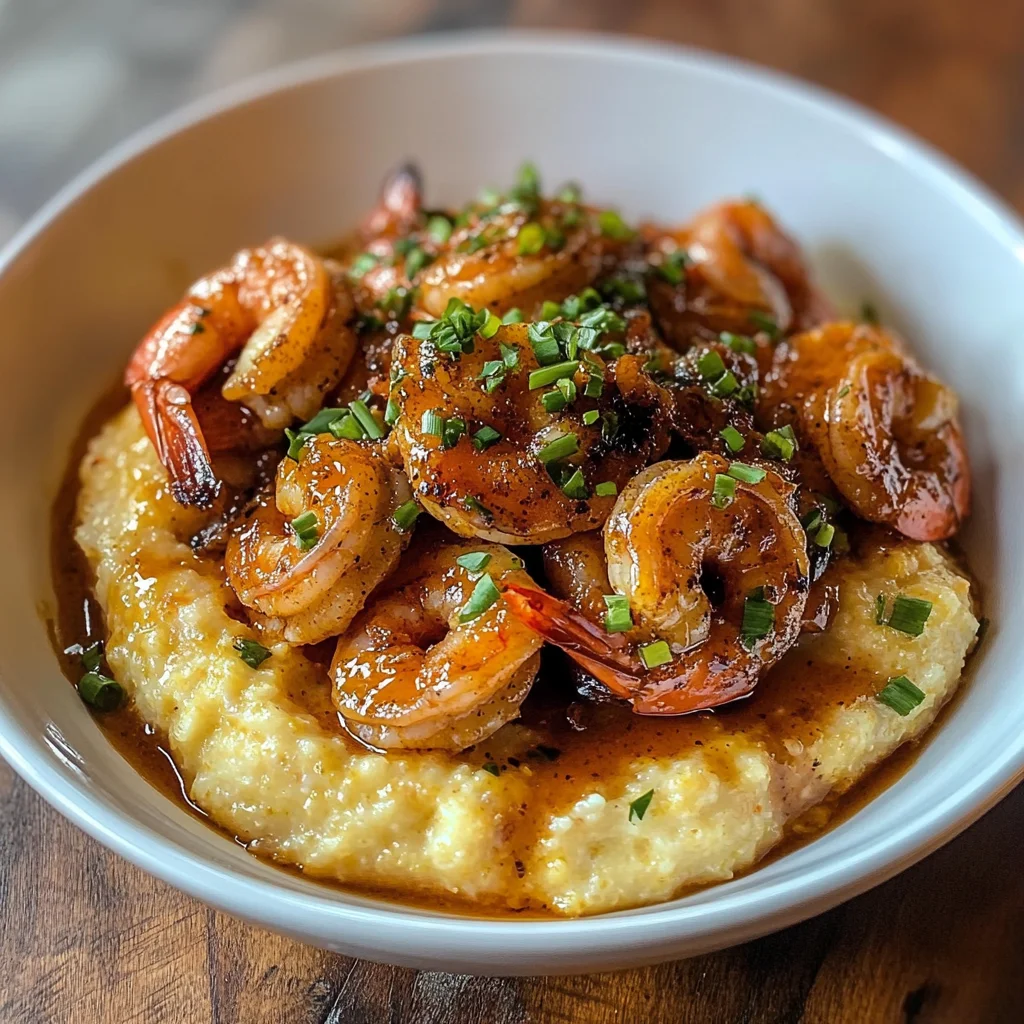
Cajun Honey Butter Shrimp and Grits represents the pinnacle of Southern comfort cuisine. This dish combines tender, spice-coated shrimp with a luscious honey butter sauce served over creamy cheese grits. The result is a harmonious blend of sweet, savory, and spicy flavors that creates an unforgettable dining experience.
This classic Southern specialty has evolved from humble fisherman’s breakfast to an elegant dish served in restaurants nationwide. The combination of succulent shrimp, rich butter, sweet honey, and bold Cajun spices creates layers of complex flavor. Meanwhile, the creamy grits provide the perfect canvas to showcase this spectacular sauce.
The Rich History Behind Shrimp and Grits
Origins in the Low Country
Shrimp and grits originated in the coastal low-country region of South Carolina during the early 19th century. The dish was originally called “breakfast shrimp” or “shrimp and hominy” by fishermen who needed a hearty, filling meal to start their day. This simple yet satisfying combination quickly became a staple throughout coastal communities.
Cultural Significance and Evolution
The roots of this beloved dish extend even further back in history. Enslaved Africans brought the tradition of combining corn and shellfish from West Africa. They were seeking familiar flavors in an unfamiliar environment. The indigenous Muskogee tribe contributed grits, made from ground cornmeal, which became foundational to Southern cuisine.
Modern Renaissance
While shrimp and grits appeared in cookbooks throughout the 1900s, the dish didn’t achieve widespread recognition until recent decades. Today, Cajun Honey Butter Shrimp and Grits represents a modern interpretation that adds sweet and spicy elements to the traditional preparation. Creative chefs have elevated this once-simple fisherman’s breakfast into restaurant-quality cuisine.
Understanding the Key Components
The Foundation: Stone-Ground Grits
Grits form the essential base of this dish. These coarsely ground corn kernels create a creamy, porridge-like consistency when cooked properly. Stone-ground varieties retain the most nutrients and deliver authentic corn flavor. The texture should be smooth yet substantial enough to support the shrimp and sauce.
The Star: Fresh Shrimp
Medium-sized shrimp work best for Cajun Honey Butter Shrimp and Grits. They should be peeled and deveined before cooking. Fresh or properly frozen shrimp both deliver excellent results. The shrimp provides lean protein while absorbing the bold Cajun spices and sweet honey butter sauce.
The Flavor Profile: Cajun Seasoning
Cajun seasoning brings the distinctive spicy-smoky character to this dish. This blend typically includes paprika, cayenne pepper, garlic powder, onion powder, black pepper, and white pepper. The combination creates complexity and depth. Each spice contributes unique flavor notes that complement the sweet honey butter.
The Sauce: Honey Butter Magic
The honey butter sauce distinguishes this recipe from traditional preparations. This luscious mixture combines melted butter with pure honey, creating a sweet-savory glaze. The science behind this pairing lies in complementary chemical properties. Butter’s milk fat globules carry flavor compounds while honey’s natural sugars dissolve readily.
Essential Ingredients for Success
For the Creamy Cheese Grits
-
4 cups chicken stock or vegetable broth
-
1 cup stone-ground corn grits
-
1 cup smoked gouda cheese, freshly shredded
-
¼ cup heavy cream
-
2 tablespoons salted butter
-
Kosher salt and black pepper to taste
For the Cajun Honey Butter Shrimp
-
1 pound raw medium shrimp, peeled and deveined
-
1½ tablespoons Cajun seasoning
-
8 tablespoons (1 stick) unsalted butter, cut into cubes
-
1 small shallot, finely chopped
-
4 cloves garlic, finely minced
-
¼ cup pure honey
-
1 tablespoon fresh lemon juice
-
1 teaspoon Dijon mustard
-
1 teaspoon brown sugar
Optional Garnishes
-
Fresh parsley, chopped
-
Green onions, sliced
-
Extra shredded cheese
-
Lemon wedges
Step-by-Step Preparation Guide
Preparing Your Ingredients
Start by organizing all ingredients before cooking begins. Pat the shrimp completely dry using clean paper towels. Moisture prevents proper browning and seasoning adherence. Measure the Cajun seasoning and have it ready for application. Shred the gouda cheese freshly rather than using pre-shredded varieties.
Finely mince the garlic and shallot to ensure even distribution throughout the sauce. Cut the butter into uniform cubes so it melts evenly. Have the honey, lemon juice, and other sauce ingredients measured and within reach. This preparation ensures smooth cooking without scrambling for ingredients mid-recipe.
Cooking the Grits to Perfection
Bring the chicken stock to a rolling boil in a large saucepan over high heat. Reduce heat to low and gradually whisk in the grits in a steady stream. This prevents clumping and ensures smooth texture. Stir frequently to prevent sticking and burning on the bottom.
Cook the grits for 10-15 minutes, stirring regularly. The grits should absorb the liquid and become tender. Taste test to ensure they’re no longer gritty. If the grits remain hard, add additional liquid and continue cooking. Once tender, stir in the butter, heavy cream, and shredded smoked gouda cheese. Season with salt and pepper. Keep warm on the lowest heat setting while preparing the shrimp.
Seasoning and Cooking the Shrimp
Toss the dried shrimp with Cajun seasoning in a bowl, coating evenly. Let the seasoned shrimp rest at room temperature for 5-10 minutes. This allows the spices to adhere properly. Heat a 12-inch high-sided skillet over medium heat. The large surface area prevents overcrowding.
Add half the butter to the hot skillet and let it melt completely. Arrange the seasoned shrimp in a single layer without overlapping. Cook for 2-3 minutes on the first side without moving them. This develops a beautiful sear and allows the Cajun spices to slightly blacken. Flip each shrimp and cook for another 1-2 minutes until they turn pink and opaque.
Creating the Honey Butter Sauce
Once the shrimp are cooked through, transfer them temporarily to a clean plate. Add the chopped shallot and minced garlic to the same skillet. Sauté for 30-60 seconds until fragrant but not browned. Add the remaining butter cubes, allowing them to melt into the pan drippings.
Stir in the honey, lemon juice, Dijon mustard, and brown sugar. Whisk constantly to create an emulsified sauce. The mixture should become glossy and smooth. Scrape up any browned bits from the pan bottom, as these add tremendous flavor. Return the cooked shrimp to the skillet and toss to coat completely in the honey butter sauce.
Perfecting Your Cajun Seasoning
Commercial vs. Homemade Blends
Store-bought Cajun seasonings offer convenience and consistency. Popular brands include Tony Chachere’s and Slap Ya Mama. However, homemade blends allow complete control over heat levels and salt content. Making your own Cajun seasoning takes only minutes and yields superior freshness.
Essential Spice Components
A proper Cajun seasoning blend contains multiple complementary spices. Paprika and smoked paprika form the base, providing color and mild sweetness. Cayenne pepper delivers the characteristic heat. Garlic powder and onion powder add savory depth. Black pepper and white pepper contribute different types of heat and complexity.
Creating Your Custom Blend
Mix 2 tablespoons each of regular paprika and smoked paprika with 1½ tablespoons kosher salt. Add 1 tablespoon black pepper and 2 teaspoons each of garlic powder and cayenne pepper. Include 1 teaspoon ground white pepper for extra complexity. Combine all seasonings thoroughly in an airtight container. Store in a cool, dry place for up to six months.
Adjusting Heat Levels
The cayenne pepper primarily determines spice intensity in Cajun seasoning. Start with less cayenne if you prefer milder heat. You can always add more when seasoning the shrimp. Conversely, increase cayenne or add crushed red pepper flakes for extra kick. Taste and adjust until you achieve your preferred heat level for Cajun Honey Butter Shrimp and Grits.
Achieving Creamy, Restaurant-Quality Grits
Selecting the Right Grits
Stone-ground grits deliver the best flavor and texture. They retain the corn’s hull and germ, preserving fiber and B vitamins. Quick grits cook faster but sacrifice some texture and nutrition. Instant grits are convenient but lack the authentic taste and creamy consistency desired for Cajun Honey Butter Shrimp and Grits.
The Liquid Ratio Secret
The liquid-to-grits ratio determines final consistency. Most recipes call for a 4:1 ratio of liquid to grits. Using chicken stock instead of water adds tremendous flavor depth. Some cooks combine stock with milk or cream for extra richness. The grits will thicken as they cool, so keep extra warm liquid nearby for adjustment.
Cooking Technique Matters
Constant stirring prevents lumps and ensures even cooking. Add grits to boiling liquid in a slow, steady stream while whisking vigorously. Reduce heat immediately to prevent scorching. Stir frequently throughout cooking, scraping the bottom and corners of the pan. This prevents sticking and promotes even heat distribution.
The Cheese Factor
Adding cheese transforms basic grits into luxurious comfort food. Smoked gouda provides sophisticated flavor that complements Cajun spices beautifully. Sharp cheddar offers tangy richness. Parmesan adds nutty, salty notes. Stir cheese in at the end, off heat, allowing residual warmth to melt it smoothly. Add butter and cream last for ultimate silkiness.
Mastering the Honey Butter Sauce
Temperature Control Essentials
Proper temperature prevents sauce separation and burning. Cook over medium heat rather than high to avoid scorching the honey. The butter should melt slowly and incorporate smoothly. If the heat is too high, the honey can caramelize too quickly and become bitter. Maintain gentle heat throughout sauce preparation.
Achieving Perfect Emulsification
The key to smooth honey butter sauce lies in gradual incorporation. Add honey to melted butter slowly while whisking constantly. This creates a stable emulsion where fat and sugar molecules bind together. The addition of lemon juice and mustard provides acidity that helps stabilize the mixture. Scrape pan drippings into the sauce for concentrated flavor.
Balancing Sweet and Savory
The honey butter sauce should complement rather than overpower the Cajun-seasoned shrimp. Start with the recommended honey amount and adjust to taste. The brown sugar adds depth and slight molasses notes. Lemon juice provides brightness that cuts through richness. Dijon mustard adds subtle tang and helps emulsify the sauce.
Consistency Adjustments
The sauce should coat the shrimp in a glossy glaze without being too thin or thick. If the sauce seems too thick, add a tablespoon of chicken stock or water. If it’s too thin, continue cooking for another minute to reduce slightly. Remember that the sauce will thicken slightly as it cools on the plate.
Cheese Selection and Pairing Tips
Smoked Gouda Excellence
Smoked gouda stands out as the premier cheese choice for Cajun Honey Butter Shrimp and Grits. This Dutch cheese offers creamy texture and sophisticated smoky flavor. The smokiness complements Cajun spices without competing. Gouda melts smoothly without becoming grainy or stringy. Its mild nuttiness enhances rather than overwhelms the dish.
Sharp Cheddar Alternative
Sharp cheddar provides a more traditional Southern approach. This classic choice delivers tangy, bold flavor that stands up to spicy Cajun seasoning. Use aged sharp cheddar for maximum flavor impact. The sharper the cheddar, the less you need to achieve full flavor. White or orange cheddar both work equally well.
Parmesan and Pecorino Options
Italian hard cheeses add different dimension to grits. Freshly grated Parmesan contributes nutty, salty complexity. Pecorino Romano offers sharper, more pungent flavor. These cheeses work especially well when combined with other varieties. Try mixing Parmesan with smoked gouda for sophisticated depth.
Cheese Combinations
Don’t limit yourself to single cheese varieties. Combining cheeses creates more complex flavor profiles. Mix smoked gouda with sharp cheddar for balanced taste. Combine cream cheese with sharp cheddar for extra creaminess. Add Parmesan to any combination for salty, umami notes. The cheese mixture elevates Cajun Honey Butter Shrimp and Grits to new heights.
Nutritional Benefits and Health Considerations
Protein Powerhouse
Shrimp provides exceptional protein content with minimal calories. A 3-ounce serving delivers approximately 20 grams of high-quality protein. This makes shrimp one of the most protein-dense seafood options available. The protein supports muscle maintenance, tissue repair, and overall body functions. At only 84 calories per serving, shrimp offers excellent nutritional value.
Essential Vitamins and Minerals
Shrimp contains numerous vital nutrients beyond protein. It’s an excellent source of vitamin B12, selenium, zinc, iron, iodine, and phosphorus. These nutrients support immune function, thyroid health, and energy metabolism. Selenium acts as a powerful antioxidant. Iodine supports proper thyroid function.
Grits Nutritional Profile
Grits provide important health benefits when prepared properly. They’re naturally gluten-free, making them suitable for people with celiac disease or gluten sensitivity. Enriched grits offer substantial iron, with one serving providing significant daily value percentage. They contain folate, which helps produce red blood cells and prevents anemia.
B Vitamin Benefits
Both shrimp and grits contribute B vitamins essential for health. These vitamins support healthy metabolism, nervous system function, and energy levels. Grits provide niacin, thiamin, riboflavin, and folate. The combination of shrimp and grits in one dish delivers comprehensive B vitamin coverage. This supports overall wellness and vitality.
Antioxidant Content
Grits contain lutein and zeaxanthin, antioxidants that protect eye health. These compounds may help reduce risk of age-related vision problems. Meanwhile, the healthy fats in butter help absorb these fat-soluble antioxidants. Combined with vitamin-rich shrimp, Cajun Honey Butter Shrimp and Grits offers more nutrition than expected.
Heart-Healthy Considerations
Grits are naturally low in fat and cholesterol. They provide complex carbohydrates for sustained energy without blood sugar spikes. The fiber content in stone-ground grits supports digestive health and heart function. When paired with lean protein from shrimp, this dish can fit into a heart-conscious eating plan.
Portion Control and Balance
While Cajun Honey Butter Shrimp and Grits offers nutritional benefits, portion size matters. The butter and cheese add significant calories and saturated fat. Enjoy this dish as an occasional indulgence rather than daily fare. Balance it with vegetables or a side salad. Use reduced-fat cheese and less butter for lighter versions.
Common Mistakes to Avoid
Overcooking the Shrimp
The most frequent error is cooking shrimp too long. Overcooked shrimp become rubbery and tough. Watch for the moment they turn pink and opaque. This typically takes only 2-3 minutes per side. Remove shrimp from heat immediately when cooked through. Residual heat continues cooking them even off the burner.
Underseasoning the Components
Each element of Cajun Honey Butter Shrimp and Grits needs proper seasoning. Don’t rely solely on the Cajun spice to flavor everything. Season the grits adequately with salt and pepper. Taste and adjust before serving. The honey butter sauce should balance sweet, tangy, and savory notes. Layer flavors throughout the dish.
Using Instant Grits
Instant grits compromise texture and flavor. They cook quickly but lack the creamy consistency and authentic corn taste. Stone-ground or regular grits deliver vastly superior results. The extra cooking time is worth the improved quality. Your Cajun Honey Butter Shrimp and Grits deserves the best foundation possible.
Crowding the Pan
Placing too many shrimp in the skillet at once prevents proper browning. The shrimp will steam rather than sear. This results in pale, rubbery texture without caramelized edges. Cook in batches if necessary to maintain a single layer. Proper spacing allows the Cajun seasoning to develop its characteristic blackened appearance.
Skipping the Pan Drippings
The browned bits stuck to the pan after cooking shrimp contain concentrated flavor. These fond particles dissolve into the honey butter sauce, adding depth. Always scrape them up while making the sauce. They contribute savory notes that balance the honey’s sweetness perfectly. Never waste these flavor nuggets.
Adding Cheese Too Early
Stirring cheese into boiling grits can cause separation and graininess. Remove grits from heat before adding cheese. Let the temperature drop slightly, then stir in cheese gradually. The residual heat melts it smoothly without breaking the proteins. This technique ensures silky, creamy grits every time.
Storage and Reheating Guidelines
Proper Storage Methods
Store leftover Cajun Honey Butter Shrimp and Grits components separately for best results. Place cooled grits in an airtight container and refrigerate for up to 3 days. Store the shrimp and sauce together in a separate container. Refrigerate seafood leftovers within 2 hours of cooking. Consume refrigerated shrimp within 1-2 days for optimal safety and quality.
Freezing Considerations
Grits freeze well for up to 3 months in freezer-safe containers. Portion into individual servings before freezing for convenient thawing. Unfortunately, cooked shrimp doesn’t freeze well after preparation. The texture becomes mushy and unappetizing upon reheating. Freeze only the grits component if you need longer storage.
Reheating Grits Successfully
Refrigerated grits thicken considerably as they cool. Add liquid when reheating to restore creamy consistency. Place grits in a saucepan with chicken stock or milk. Heat over low-medium heat, stirring constantly. Add liquid gradually until you achieve the desired consistency. Stir in a pat of butter for extra richness.
Reheating Shrimp Carefully
Reheated shrimp easily becomes overcooked and rubbery. Use gentle heat and minimal time. Place the shrimp and sauce in a skillet over low heat. Warm just until heated through, about 2-3 minutes. Alternatively, microwave in 30-second intervals, stirring between each. Stop heating once the shrimp feels warm to the touch.
Serving Suggestions and Variations
Presentation Techniques
Serve Cajun Honey Butter Shrimp and Grits in wide, shallow bowls for restaurant-quality presentation. Spoon creamy grits into the center of each bowl first. Arrange the glazed shrimp attractively on top of the grits. Drizzle extra honey butter sauce over everything. Garnish with freshly chopped parsley and sliced green onions.
Complementary Side Dishes
This rich main course pairs beautifully with lighter sides. Serve with a crisp green salad dressed with lemon vinaigrette. Steamed or roasted vegetables provide color and freshness. Collard greens offer traditional Southern accompaniment. Cornbread or biscuits complete the comfort food experience. Keep sides simple to let the Cajun Honey Butter Shrimp and Grits shine.
Spice Level Adjustments
Customize heat levels to suit different preferences. Reduce Cajun seasoning for milder versions suitable for children. Add extra cayenne pepper or hot sauce for spice lovers. Drizzle hot honey over the finished dish for sweet-spicy contrast. Include sliced jalapeños in the sauce for fresh heat. Offer hot sauce on the side for individual customization.
Protein Variations
While shrimp is traditional, other proteins work wonderfully. Substitute chicken breast cut into bite-sized pieces. Use spicy Andouille sausage sliced into coins. Try blackened catfish or tilapia fillets. Combine shrimp with sausage for surf-and-turf style. Each protein absorbs the honey butter sauce beautifully.
Vegetarian Adaptations
Create meatless versions of this Southern classic. Replace shrimp with meaty mushrooms like portobello or oyster varieties. Season cauliflower florets with Cajun spices and roast until caramelized. Use plant-based butter and vegetable stock for completely vegan grits. Add black-eyed peas or chickpeas for protein. The honey butter sauce works beautifully with vegetables.
Breakfast Version
Transform Cajun Honey Butter Shrimp and Grits into an impressive brunch dish. Top with a perfectly poached or fried egg. The runny yolk adds richness and creates additional sauce. Serve with crispy bacon strips alongside. Add sautéed bell peppers and onions for extra substance. This hearty breakfast will energize your entire day.
Frequently Asked Questions
What type of grits should I use for Cajun Honey Butter Shrimp and Grits?
Stone-ground grits deliver the best flavor and texture for this dish. They retain more nutrients and authentic corn taste than instant varieties. Regular grits also work well if stone-ground aren’t available. Avoid instant grits as they lack the creamy consistency needed. Plan for 15-20 minutes of cooking time for proper grits.
Can I make this dish ahead of time?
You can partially prepare Cajun Honey Butter Shrimp and Grits in advance. Cook the grits up to 2 days ahead and refrigerate. Prepare the Cajun seasoning blend beforehand. However, cook the shrimp just before serving for best texture and flavor. Shrimp takes only minutes to prepare, making last-minute cooking manageable.
How do I know when shrimp are perfectly cooked?
Properly cooked shrimp turn pink and opaque throughout. They curl into a loose “C” shape when done perfectly. Overcooked shrimp curl tightly into an “O” shape and become rubbery. The cooking time is typically 2-3 minutes per side for medium shrimp. Remove from heat immediately when they change color completely.
What cheese works best in the grits?
Smoked gouda provides sophisticated flavor that complements the Cajun spices perfectly. Sharp cheddar offers traditional Southern taste. Combination of cheeses creates more complex flavor. Use freshly shredded cheese rather than pre-shredded for smoothest melting. Add cheese off heat to prevent graininess.
Can I adjust the sweetness of the honey butter sauce?
Absolutely adjust the honey amount to match your preferences. Start with less honey if you prefer less sweet. Add gradually and taste as you go. The brown sugar contributes additional sweetness, so reduce that as well. Balance sweetness with extra lemon juice for brighter flavor.
Is this dish gluten-free?
Pure corn grits are naturally gluten-free. Check that your grits are processed in a gluten-free facility to avoid cross-contamination. Verify that your Cajun seasoning doesn’t contain gluten-based fillers. The remaining ingredients in Cajun Honey Butter Shrimp and Grits are naturally gluten-free.
What size shrimp should I buy?
Medium-sized shrimp work ideally for this recipe. They’re labeled as 41-50 count per pound. Large shrimp (31-40 count) also work well. Avoid tiny shrimp as they overcook too easily. Very large shrimp may need slightly longer cooking time. Adjust timing based on size.
Can I use frozen shrimp?
Frozen shrimp works perfectly for Cajun Honey Butter Shrimp and Grits. Thaw completely in the refrigerator overnight before using. Pat thoroughly dry with paper towels to remove excess moisture. This ensures proper browning and seasoning adherence. Quality frozen shrimp often surpasses “fresh” shrimp at inland markets.
Conclusion
Cajun Honey Butter Shrimp and Grits represents the perfect marriage of Southern tradition and modern flavor innovation. This dish combines creamy cheese grits with succulent Cajun-spiced shrimp bathed in luscious honey butter sauce. The result is comfort food that satisfies on every level.
The rich history of shrimp and grits connects us to coastal Carolina fishing communities and African American culinary traditions. Today’s honey butter variation adds contemporary sweetness that balances Cajun heat beautifully. Each component contributes essential flavor and texture to create a harmonious whole.
Success lies in mastering individual elements: creamy stone-ground grits, perfectly cooked shrimp, balanced Cajun seasoning, and smooth honey butter sauce. Taking time with each step ensures restaurant-quality results at home. The nutritional benefits of protein-rich shrimp and vitamin-packed grits make this indulgent dish surprisingly wholesome.
Whether serving Cajun Honey Butter Shrimp and Grits for special occasions or weeknight dinners, this recipe delivers impressive results. The combination of sweet honey, rich butter, spicy Cajun seasoning, and creamy grits creates unforgettable flavor. Try this Southern classic tonight and experience why it has captivated food lovers for generations.
Ready to bring Southern comfort to your kitchen? Gather your ingredients and start cooking this spectacular Cajun Honey Butter Shrimp and Grits recipe today!
Print
Cajun Honey Butter Shrimp and Grits
- Total Time: 30 minutes
- Yield: 2 1x
Ingredients
For the Grits:
1 cup quick-cooking grits
4 cups water or chicken broth
2 tablespoons butter
Salt, to taste
1/4 cup grated Parmesan cheese (optional)
For the Shrimp:
1 lb (450 g) large shrimp, peeled and deveined
2 tablespoons butter
1 tablespoon honey
1 teaspoon Cajun seasoning
1/2 teaspoon garlic powder
Salt and black pepper, to taste
Lemon wedges, for serving
Fresh parsley, chopped, for garnish
Instructions
1. Cook the Grits
-
In a medium saucepan, bring water or broth to a boil.
-
Stir in grits, reduce heat to low, and cook according to package instructions (usually 5–7 minutes).
-
Stir in butter, Parmesan, and salt. Keep warm.
2. Cook the Shrimp
-
In a skillet, melt butter over medium heat.
-
Add shrimp, Cajun seasoning, garlic powder, salt, and pepper. Cook 2–3 minutes per side until shrimp are pink and opaque.
-
Drizzle honey over the shrimp and toss to coat. Remove from heat.
3. Assemble the Dish
-
Spoon creamy grits onto plates or bowls.
-
Top with honey butter shrimp.
-
Garnish with chopped parsley and serve with lemon wedges.
Notes
Spice level: Adjust Cajun seasoning to your preferred heat level.
Make ahead: Grits can be cooked ahead of time and reheated with a splash of milk or broth.
Add-ons: Stir in cooked bacon bits, scallions, or sautéed bell peppers for extra flavor.
Serving suggestion: Serve with crusty bread or a side salad for a full meal.
- Prep Time: 10
- Cook Time: 20
Nutrition
- Calories: 520