
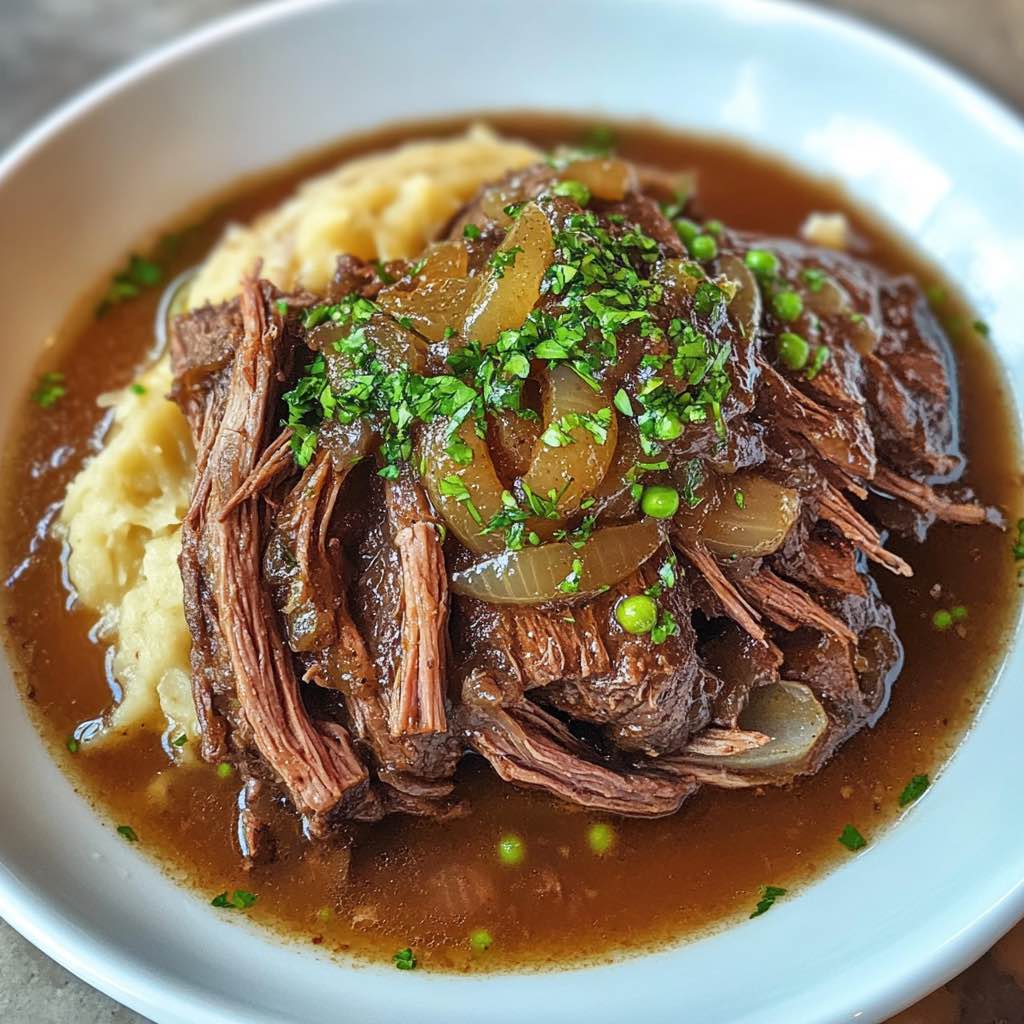
French Onion Pot Roast: A Savory Comfort Food Classic
French onion pot roast combines the rich, caramelized flavors of French onion soup with tender, slow-cooked beef. This alcohol-free comfort food delivers restaurant-quality results in your own kitchen. Moreover, this hearty dish transforms simple ingredients into an extraordinary meal that satisfies even the most discerning palates.
Table of Contents
-
What Makes French Onion Pot Roast Special
-
Essential Ingredients for French Onion Pot Roast
-
Step-by-Step French Onion Pot Roast Recipe
-
Tips for Perfect French Onion Pot Roast
-
Serving Suggestions and Side Dishes
-
Nutritional Benefits
-
Storage and Reheating Instructions
-
Variations and Substitutions
-
Troubleshooting Common Issues
-
Frequently Asked Questions
What Makes French Onion Pot Roast Special
French onion pot roast stands out because it marries two beloved comfort foods. First, it captures the essence of French onion soup’s deep, savory flavors. Then, it combines these flavors with the tender satisfaction of slow-cooked pot roast.
The magic happens during the caramelization process. Sweet onions slowly transform into golden, jammy perfection. This process creates complex flavors that penetrate every fiber of the beef. Additionally, the cooking method ensures the meat becomes fork-tender while absorbing all the rich onion goodness.
Unlike traditional pot roast recipes, this version elevates the humble onion to star status. Furthermore, the absence of alcohol makes this dish accessible to everyone. Families can enjoy this sophisticated flavor profile without any concerns about alcohol content.
The slow cooking process allows flavors to meld beautifully. Meanwhile, the natural sugars in onions create a rich, savory-sweet sauce. This combination results in a dish that’s both elegant and comforting.
Essential Ingredients for French Onion Pot Roast
Creating exceptional French onion pot roast requires quality ingredients and proper preparation. Each component plays a crucial role in developing the final flavor profile.
The Beef
Choose a chuck roast weighing 3-4 pounds for optimal results. Chuck roast contains enough marbling to stay moist during long cooking. Additionally, this cut becomes incredibly tender when cooked slowly. Alternative cuts include bottom round or shoulder roast.
Look for meat with good marbling throughout. The white streaks of fat will render during cooking, keeping the meat juicy. Furthermore, a well-marbled roast produces more flavorful results than lean cuts.
The Onions
Yellow onions work best for French onion pot roast. They contain natural sugars that caramelize beautifully during cooking. Plan on using 4-5 large yellow onions for one roast. Sweet onions like Vidalia can substitute for extra sweetness.
Slice onions uniformly for even cooking. Thick slices hold their shape better during the long cooking process. Moreover, consistent sizing ensures uniform caramelization throughout the dish.
Essential Seasonings
Fresh thyme adds earthy, aromatic notes that complement the onions perfectly. Bay leaves contribute subtle depth to the cooking liquid. Additionally, garlic powder enhances the savory profile without overpowering other flavors.
Salt and black pepper form the foundation of seasoning. Use kosher salt for better control over saltiness. Fresh cracked black pepper provides more complex flavor than pre-ground varieties.
Cooking Liquids
Beef broth serves as the primary cooking liquid. Choose low-sodium varieties to control salt levels. Additionally, the broth should be rich and flavorful to enhance the final dish.
Some recipes benefit from adding a splash of beef stock concentrate. This intensifies the meaty flavors without adding excessive liquid. Furthermore, tomato paste adds umami depth and slight acidity that balances the sweet onions.
Step-by-Step French Onion Pot Roast Recipe
This comprehensive recipe produces tender, flavorful French onion pot roast every time. Follow each step carefully for restaurant-quality results at home.
Preparing the Onions
Begin by slicing 4-5 large yellow onions into half-moons. Cut each onion from pole to pole, not across the equator. This cutting method helps onions hold their shape during cooking. Additionally, uniform slices ensure even caramelization.
Heat 2 tablespoons of olive oil in a large Dutch oven over medium heat. Add the sliced onions and cook slowly, stirring occasionally. The caramelization process takes 25-30 minutes for proper development. During this time, onions transform from sharp and pungent to sweet and golden.
Season the onions with salt during cooking to draw out moisture. This helps achieve better caramelization. Furthermore, stirring prevents burning while allowing natural sugars to develop. The onions are ready when they’re golden brown and jammy in texture.
Searing the Roast
Pat the chuck roast dry with paper towels before seasoning. Moisture prevents proper browning, so this step is crucial. Season generously with salt and pepper on all sides. Let the seasoned roast sit at room temperature for 30 minutes before cooking.
Heat 2 tablespoons of oil in the Dutch oven over medium-high heat. Sear the roast on all sides until deep brown crust forms. This process typically takes 3-4 minutes per side. Proper searing creates fond, which adds tremendous flavor to the final dish.
Remove the seared roast and set aside temporarily. The browning process creates delicious bits on the bottom of the pot. These fond bits will dissolve into the cooking liquid, enhancing overall flavor.
Building the Flavor Base
Return the caramelized onions to the Dutch oven if removed. Add minced garlic and cook for 30 seconds until fragrant. Then, add tomato paste and cook for another minute. This cooking process removes the raw taste from tomato paste.
Gradually add beef broth while scraping up any browned bits from the bottom. The liquid should cover about two-thirds of the roast when returned. Additionally, add fresh thyme sprigs and bay leaves for aromatic complexity.
Nestle the seared roast back into the onion mixture. The liquid level should reach partway up the sides of the meat. If needed, add more broth or water to achieve proper coverage.
Slow Cooking Process
Cover the Dutch oven with a tight-fitting lid. Cook in a preheated 325°F oven for 2.5-3 hours. The low temperature ensures gentle cooking that breaks down tough connective tissues. Meanwhile, the covered pot retains moisture for tender results.
Check the roast after 2 hours by testing with a fork. Properly cooked meat should shred easily when pierced. If resistance remains, continue cooking in 30-minute intervals until tender. Additionally, turn the roast once during cooking for even results.
The finished French onion pot roast should be fork-tender throughout. The onions will have melted into a rich, savory gravy. Furthermore, the cooking liquid reduces and concentrates during the long cooking process.
Tips for Perfect French Onion Pot Roast
Achieving perfect French onion pot roast requires attention to detail and proper technique. These professional tips ensure consistently excellent results every time you prepare this dish.
Temperature Control
Maintain steady oven temperature throughout cooking. Fluctuations can cause uneven results or tough meat. Use an oven thermometer to verify accuracy, as many ovens run hot or cold. Additionally, avoid opening the oven door frequently, which causes temperature drops.
The internal temperature of finished pot roast should reach 195-205°F for optimal tenderness. At this temperature, collagen fully converts to gelatin. This conversion creates the characteristic fall-apart texture that defines excellent pot roast.
Onion Caramelization Secrets
Patience during onion caramelization pays dividends in flavor development. Rush this process, and the onions won’t develop proper sweetness and depth. Cook over medium heat to prevent burning while allowing natural sugars to develop slowly.
Add a pinch of salt early in the caramelization process. Salt draws out moisture, which evaporates and concentrates flavors. Furthermore, occasional stirring prevents sticking while promoting even browning throughout the onion slices.
If onions start browning too quickly, reduce heat slightly. The goal is gradual caramelization, not rapid browning. Properly caramelized onions should be golden brown and smell sweet and nutty.
Searing Techniques
Ensure the roast is completely dry before searing. Pat with paper towels and let air-dry for best results. Moisture creates steam, which prevents proper browning. Additionally, season just before searing to prevent salt from drawing out moisture.
Use enough oil to coat the bottom of the Dutch oven lightly. Too little oil causes sticking, while too much prevents proper contact with the pot. The oil should shimmer but not smoke when ready for searing.
Don’t move the roast during searing until a crust forms naturally. Forcing movement tears the surface and prevents proper browning. Let each side develop a deep brown crust before turning.
Liquid Management
The cooking liquid level significantly impacts final results. Too much liquid dilutes flavors and prevents proper concentration. Too little liquid may cause burning or drying out during the long cooking process.
Aim for liquid that reaches two-thirds up the sides of the roast. This level allows for some evaporation while maintaining adequate moisture. Additionally, the exposed portion of the roast browns slightly during cooking.
If liquid levels drop too low during cooking, add warm broth gradually. Cold liquid can shock the cooking process and affect final texture. Furthermore, check liquid levels periodically through the cooking process.
Serving Suggestions and Side Dishes
French onion pot roast pairs beautifully with various side dishes that complement its rich, savory flavors. Choose accompaniments that balance the dish’s intensity while adding textural variety to the meal.
Classic Accompaniments
Creamy mashed potatoes provide the perfect base for the rich onion gravy. The smooth texture contrasts beautifully with the tender, shredded meat. Additionally, potatoes absorb the flavorful cooking liquid, creating a cohesive meal experience.
Roasted root vegetables add color and earthiness to the plate. Carrots, parsnips, and turnips work particularly well. These vegetables can roast in the same oven while the pot roast finishes cooking. Furthermore, their natural sweetness complements the caramelized onions perfectly.
Egg noodles or wide pasta shapes capture the savory gravy effectively. Cook pasta al dente to provide slight textural contrast. Additionally, buttered noodles add richness that harmonizes with the pot roast’s flavors.
Fresh Vegetable Options
Steamed green vegetables provide necessary color and nutritional balance. Green beans, broccoli, or asparagus work well as lighter accompaniments. Their crisp texture contrasts with the tender meat and soft onions. Moreover, these vegetables add vitamins and minerals to the meal.
A simple salad with mixed greens offers refreshing contrast to the rich main dish. Use a light vinaigrette dressing to cleanse the palate. Additionally, cherry tomatoes and cucumber add fresh, crisp elements to balance the meal’s richness.
Sautéed spinach with garlic makes an excellent quick side dish. The iron-rich greens complement the beef nutritionally. Furthermore, garlic ties into the French onion flavor profile while adding another layer of savory depth.
Bread and Grain Options
Crusty French bread allows guests to soak up the delicious gravy completely. Warm the bread slightly before serving for best results. Additionally, the bread’s texture provides satisfying contrast to the tender meat and soft onions.
Wild rice pilaf adds nutty flavors and interesting texture to the meal. The rice’s earthiness complements the caramelized onions beautifully. Furthermore, rice absorbs excess cooking liquid, making each bite flavorful and satisfying.
Check out our guide on [perfect mashed potato techniques] for the ideal accompaniment to your French onion pot roast.
Nutritional Benefits
French onion pot roast provides substantial nutritional value beyond its exceptional taste. This hearty dish delivers essential nutrients that support overall health and wellness.
Protein Content
Chuck roast supplies high-quality complete protein containing all essential amino acids. A typical serving provides 25-30 grams of protein, supporting muscle maintenance and growth. Additionally, beef protein has high bioavailability, meaning the body efficiently uses these nutrients.
Protein supports satiety, helping maintain stable blood sugar levels after meals. This macronutrient also plays crucial roles in immune function and tissue repair. Furthermore, adequate protein intake supports healthy metabolism and weight management goals.
The slow cooking process doesn’t diminish protein content significantly. However, it does make the protein more digestible by breaking down tough fibers. This improved digestibility benefits people with sensitive digestive systems.
Vitamin and Mineral Profile
Beef provides substantial amounts of B vitamins, particularly B12, niacin, and riboflavin. These vitamins support energy metabolism and nervous system function. Additionally, beef contains bioavailable iron, which prevents anemia and supports oxygen transport.
Zinc content in beef supports immune function and wound healing. This mineral also plays roles in taste and smell perception. Furthermore, beef provides selenium, an important antioxidant that protects cells from damage.
Onions contribute quercetin, a powerful antioxidant with anti-inflammatory properties. They also provide vitamin C, which supports immune function and collagen synthesis. Additionally, onions contain prebiotic fibers that support digestive health.
Cooking Method Benefits
The slow braising method preserves most nutrients while making them more bioavailable. Long, moist cooking breaks down connective tissues without significant nutrient loss. Additionally, this cooking method requires minimal added fats compared to other preparation methods.
The one-pot cooking style retains water-soluble vitamins that might otherwise be lost. These nutrients concentrate in the cooking liquid, which becomes part of the final dish. Furthermore, this cooking method enhances mineral absorption through improved food matrix breakdown.
Using minimal processing and whole food ingredients maximizes nutritional density. Fresh vegetables and herbs provide additional vitamins, minerals, and phytonutrients. Moreover, avoiding alcohol preserves the dish’s nutritional integrity while making it suitable for all dietary preferences.
Storage and Reheating Instructions
Proper storage and reheating techniques preserve French onion pot roast’s quality and safety. Follow these guidelines to enjoy leftovers that taste nearly as good as the original dish.
Refrigerator Storage
Cool the pot roast completely before refrigerating to prevent bacterial growth. Divide large quantities into smaller containers for faster cooling. Additionally, shallow containers cool more quickly than deep ones, improving food safety.
Store French onion pot roast in the refrigerator for up to 4 days maximum. Use airtight containers to prevent odor transfer and maintain moisture. Furthermore, label containers with the preparation date for easy tracking.
Separate the meat from the cooking liquid if planning longer storage. The meat and gravy can be stored in different containers if needed. This separation method allows for more flexible use of leftovers in various applications.
Freezing Guidelines
French onion pot roast freezes well for up to 3 months when properly packaged. Use freezer-safe containers or heavy-duty freezer bags for best results. Additionally, remove as much air as possible to prevent freezer burn and maintain quality.
Freeze the meat and gravy together for convenience, or separate them for versatility. Include enough cooking liquid to keep the meat moist during freezing. Furthermore, leave some headspace in containers to allow for expansion during freezing.
Label frozen portions clearly with contents and date. Use a permanent marker that won’t smudge in cold temperatures. Additionally, consider portioning into meal-sized quantities for easier thawing and use.
Reheating Methods
Thaw frozen pot roast in the refrigerator overnight for food safety. Never thaw at room temperature, which promotes bacterial growth. Additionally, plan ahead since complete thawing takes 12-24 hours depending on portion size.
Reheat French onion pot roast gently to preserve texture and prevent drying. Use low heat settings whether using stovetop, oven, or microwave methods. Furthermore, add small amounts of broth if the mixture seems dry during reheating.
For stovetop reheating, use medium-low heat and stir occasionally. Cover the pan to retain moisture and prevent surface drying. Additionally, add liquid gradually if needed to achieve desired consistency.
Oven reheating works well for larger portions. Cover tightly with foil and heat at 325°F until warmed through. This method takes longer but provides more even heating results. Moreover, this gentle reheating preserves the meat’s tender texture.
Variations and Substitutions
French onion pot roast adapts well to various dietary needs and flavor preferences. These modifications maintain the dish’s essential character while accommodating different requirements and tastes.
Meat Alternatives
Bottom round roast substitutes well for chuck roast in this recipe. This leaner cut requires slightly longer cooking time for tenderness. Additionally, add extra broth to compensate for the reduced fat content that keeps meat moist.
Pork shoulder creates an interesting variation with slightly different flavor profile. Use the same cooking methods and timing for similar results. Furthermore, pork’s natural sweetness complements the caramelized onions beautifully.
For smaller households, beef short ribs work excellently in this preparation. Reduce cooking time slightly due to the smaller size. Additionally, short ribs provide rich, beefy flavor that enhances the overall dish character.
Vegetable Modifications
Sweet onions like Vidalia or Walla Walla create a milder, sweeter flavor profile. These varieties caramelize more quickly due to higher sugar content. Additionally, they produce a more golden-colored final sauce.
Adding mushrooms enhances the umami flavors significantly. Cremini or button mushrooms work well when added with the onions. Furthermore, mushrooms contribute additional texture and earthy flavors that complement the beef.
Root vegetables can cook alongside the roast for a complete meal. Carrots, potatoes, and celery add nutritional value and flavor variety. Additionally, these vegetables absorb the rich cooking liquid, becoming incredibly flavorful.
Seasoning Variations
Herb substitutions can change the flavor profile while maintaining the dish’s integrity. Rosemary provides a more robust, piney flavor instead of thyme. Additionally, oregano offers Mediterranean notes that work surprisingly well.
Adding smoked paprika introduces subtle smoky flavors without overpowering the onions. Use sparingly, as this spice can quickly dominate other flavors. Furthermore, smoked paprika adds appealing color to the finished dish.
For heat lovers, a small amount of cayenne pepper or red pepper flakes works well. Add these spices gradually and taste as you go. Additionally, hot sauce can be offered as a table condiment for individual preference.
Dietary Adaptations
Reduce sodium by using low-sodium or no-salt-added broth and controlling added salt. Many people find that slow cooking concentrates flavors enough to reduce salt needs. Additionally, herbs and spices can compensate for reduced sodium levels.
For gluten-free diets, ensure all ingredients are certified gluten-free. Most whole ingredients naturally fit this requirement. Furthermore, serve with gluten-free bread or pasta if desired accompaniments are needed.
Lower-fat versions can use leaner cuts and trim visible fat before cooking. While this reduces richness slightly, proper seasoning maintains flavor appeal. Additionally, skimming fat from the cooking liquid reduces overall fat content.
Troubleshooting Common Issues
Even experienced cooks sometimes encounter challenges when preparing French onion pot roast. These solutions address the most common problems and help ensure successful results every time.
Tough Meat Problems
Insufficient cooking time is the most common cause of tough pot roast. Continue cooking until the meat shreds easily with a fork. Additionally, check that oven temperature is accurate, as low temperatures extend cooking time significantly.
Large roasts take longer to become tender than smaller ones. Plan extra time for roasts over 4 pounds. Furthermore, thick roasts cook more slowly than long, thin ones of the same weight.
Starting with the wrong cut of meat can cause toughness issues. Lean cuts like eye of round don’t have enough connective tissue for proper braising. Additionally, these cuts dry out rather than becoming tender during long cooking.
If meat remains tough after extended cooking, the temperature may be too high. High heat tightens proteins instead of breaking them down. Lower the oven temperature and continue cooking until tender.
Onion Caramelization Issues
Burned onions result from cooking over excessive heat or insufficient stirring. If burning occurs, start over with fresh onions. Additionally, clean the pot thoroughly to remove any burned bits that would bitter the dish.
Onions that won’t caramelize properly may have too much moisture. Ensure onions are dry before cooking and avoid overcrowding the pan. Furthermore, cook uncovered to allow moisture evaporation during the caramelization process.
Pale, undercooked onions lack the deep flavors essential to this dish. Continue cooking patiently until proper golden brown color develops. Additionally, resist the temptation to raise heat, which causes uneven browning.
Liquid Level Management
Too much liquid dilutes flavors and creates thin, watery gravy. Remove the lid during the final hour of cooking to allow excess liquid to evaporate. Additionally, strain the cooking liquid and reduce it on the stovetop if necessary.
Insufficient liquid can cause burning or drying during cooking. Add warm broth gradually if levels drop too low. Furthermore, check liquid levels every hour during cooking to prevent problems.
If the finished dish has too much liquid, remove the meat and vegetables. Simmer the cooking liquid uncovered until it reduces to desired consistency. Additionally, a slurry of cornstarch and cold water can thicken thin gravy quickly.
Seasoning Adjustments
Bland flavor often results from insufficient seasoning or underseasoned cooking liquid. Taste and adjust salt, pepper, and herbs as needed. Additionally, remember that long cooking can mellow flavors, requiring final seasoning adjustments.
Oversalted dishes can be balanced by adding unsalted broth or water to dilute. Additionally, adding acid like vinegar or lemon juice can help balance excessive saltiness naturally.
If herbs taste too strong, they may have been added too early or in excessive quantities. Remove visible herb pieces and dilute with additional broth if necessary. Furthermore, fresh herbs added at the end provide brighter flavors than those cooked throughout.
Frequently Asked Questions
How long does French onion pot roast take to cook?
French onion pot roast typically requires 2.5-3 hours of cooking time in a 325°F oven. The exact timing depends on the roast size and desired tenderness level. Additionally, larger roasts may need up to 4 hours for complete tenderness. Check for doneness by testing if the meat shreds easily with a fork.
Can I make French onion pot roast in a slow cooker?
Yes, French onion pot roast adapts well to slow cooker preparation. Sear the meat and caramelize onions in a skillet first, then transfer everything to the slow cooker. Cook on low for 6-8 hours or high for 3-4 hours. Additionally, use less liquid in slow cooker versions since less evaporation occurs.
What’s the best cut of beef for French onion pot roast?
Chuck roast is the ideal cut for French onion pot roast due to its marbling and connective tissue. These elements break down during slow cooking, creating tender, flavorful meat. Additionally, bottom round roast works as a leaner alternative, though it may require longer cooking time for optimal tenderness.
How do I know when the onions are properly caramelized?
Properly caramelized onions are golden brown and have a jammy, soft texture. The process takes 25-30 minutes over medium heat with occasional stirring. Additionally, caramelized onions smell sweet and nutty rather than sharp or pungent. They should hold their shape while being very soft and deeply colored.
Can I prepare French onion pot roast ahead of time?
French onion pot roast actually improves when made ahead of time, as flavors continue developing during storage. Prepare the dish completely, then refrigerate for up to 2 days before serving. Additionally, this make-ahead approach allows you to remove any excess fat that solidifies when chilled.
Why is my pot roast gravy too thin?
Thin gravy usually results from too much cooking liquid or insufficient reduction during cooking. Remove the lid during the final cooking hour to allow evaporation. Additionally, you can strain the cooking liquid and simmer it separately until it reaches desired thickness.
What should I do if my pot roast is still tough after cooking?
Continue cooking the pot roast until it reaches proper tenderness, checking every 30 minutes. Tough meat indicates insufficient cooking time or incorrect temperature. Additionally, ensure your oven temperature is accurate, as low temperatures significantly extend cooking time requirements.
Conclusion
French onion pot roast transforms humble ingredients into an extraordinary comfort food experience. This alcohol-free version delivers all the rich, savory flavors families crave while accommodating various dietary preferences and restrictions. The combination of perfectly caramelized onions and tender, slow-cooked beef creates a memorable meal that satisfies on multiple levels.
The key to success lies in patience during the caramelization process and proper cooking technique. Taking time to develop deep onion flavors and allowing sufficient cooking time ensures tender, flavorful results every time. Additionally, the versatility of this dish makes it suitable for both casual family dinners and special occasion meals.
This comprehensive guide provides all the information needed to master French onion pot roast preparation. From ingredient selection to troubleshooting common issues, these techniques ensure consistent, restaurant-quality results in your home kitchen. Furthermore, the various adaptations and serving suggestions allow customization to suit individual tastes and dietary needs.
French Onion Pot Roast
Description
Ingredients
For the Roast:
-
3-4 pounds beef chuck roast
-
2 teaspoons kosher salt
-
1 teaspoon freshly ground black pepper
-
3-4 tablespoons olive oil, divided
-
3 tablespoons butter
For the Onions and Sauce:
-
5-8 large yellow onions, thinly sliced
-
4-6 garlic cloves, minced
-
2 tablespoons brown sugar or maple syrup
-
2 tablespoons all-purpose flour
-
2½-3 cups beef broth
-
3 tablespoons Worcestershire sauce
-
1 teaspoon dried thyme
-
2 bay leaves
-
Fresh rosemary sprig
-
Salt and pepper to taste
Instructions
Prepare and Sear the Roast
Preheat oven to 325°F. Season the chuck roast generously with salt and pepper on all sides. Heat half the olive oil in a large Dutch oven over medium-high heat and sear the roast for 3 minutes per side until deeply browned. Remove and set aside on a plate.
Caramelize the Onions
Reduce heat to medium and add remaining olive oil and butter to the Dutch oven. Add the sliced onions, cover, and cook for 10-15 minutes, stirring occasionally, until tender and cooked down. Remove the lid and continue cooking for 15-25 minutes more, stirring regularly, until the onions are deeply caramelized and golden brown.
Build the Sauce
Add minced garlic, brown sugar, and thyme to the caramelized onions, cooking for 1-2 minutes until fragrant. Sprinkle flour over the onions and cook for another minute, creating a paste. scraping up any browned bits. Gradually whisk in the beef broth and Worcestershire sauce until smooth.
Braise the Roast
Return the seared roast to the Dutch oven and spoon the onion mixture over it. Add bay leaves and rosemary sprig. Cover with a tight-fitting lid and transfer to the preheated oven. Braise for 3-4 hours, or until the meat falls apart easily with a fork.
Finish and Serve
Carefully remove the tender roast from the Dutch oven and shred it with two forks. Return the shredded beef to the rich onion gravy and stir to combine. Serve over mashed potatoes, egg noodles, or with crusty bread to soak up the incredible sauce. The dish can also be topped with Gruyère cheese for an authentic French onion soup finish.