
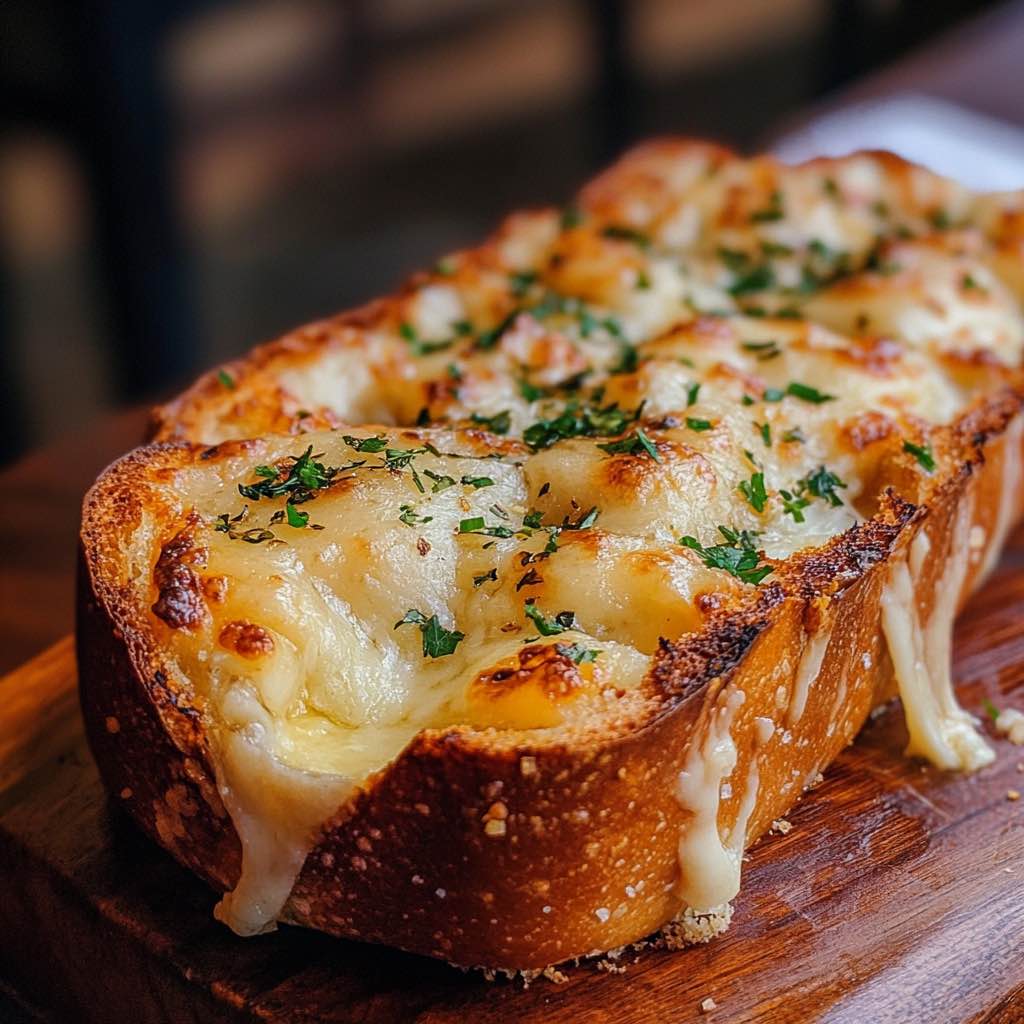
Cheese-Stuffed Garlic Bread: The Ultimate Guide to This Irresistible Comfort Food
Cheese-Stuffed Garlic Bread transforms a simple side dish into an unforgettable culinary experience that elevates any meal. This indulgent creation combines the aromatic appeal of garlic butter with gooey, melted cheese tucked between tender slices of bread. Moreover, it’s incredibly versatile, making it perfect for pasta nights, family gatherings, or simply satisfying your comfort food cravings. Whether you’re an experienced home cook or just starting your culinary journey, this guide will help you master every aspect of creating this beloved dish.
What Makes Cheese-Stuffed Garlic Bread Special
Cheese-Stuffed Garlic Bread stands apart from traditional garlic bread through its elevated texture and flavor profile. Instead of simply spreading cheese on top, this method involves cutting precise slices into the bread and filling each cut with generous amounts of cheese. Consequently, every bite delivers a perfect combination of crispy edges, soft interior, and melted cheese. The garlic butter seeps into every crevice, creating layers of rich, aromatic flavor. Additionally, the visual presentation makes it an impressive centerpiece that guests will remember long after the meal ends.
Essential Ingredients for Perfect Results
Creating exceptional Cheese-Stuffed Garlic Bread requires quality ingredients that work together harmoniously. The foundation includes a sturdy bread loaf, unsalted butter, fresh garlic, and your preferred cheese blend. Fresh parsley adds color and a subtle herbaceous note that balances the richness. Furthermore, seasonings like Italian herbs, garlic powder, onion powder, and black pepper enhance the overall flavor complexity. Salt helps bring all the flavors together, though you should adjust based on whether you use salted or unsalted butter. Each ingredient plays a specific role in achieving the perfect balance of taste and texture.
Key Ingredient Measurements
Most recipes call for approximately half a cup of softened butter per standard loaf. Garlic quantity can range from four cloves to twenty, depending on your preference for garlicky intensity. Cheese requirements typically fall between 2 to 2.5 cups of shredded varieties, with additional Parmesan for extra flavor. These proportions ensure every slice gets adequately coated and filled.
Choosing the Right Bread
The bread selection significantly impacts your final result. French bread, Italian loaves, and sourdough all work wonderfully because they provide sturdy structure and excellent flavor. Additionally, their crusty exteriors become delightfully crispy while maintaining a soft interior during baking. Round loaves create stunning presentations when sliced in a crosshatch pattern. Meanwhile, elongated loaves are easier to slice and serve individual portions. The bread should measure approximately 12 inches long and have enough density to hold the cheese without becoming soggy.
Bread Selection Considerations
Fresh bread works better than day-old varieties for this application. The bread should have a firm crust that won’t collapse under the weight of cheese and butter. Furthermore, avoid overly soft sandwich breads that lack the necessary structure. Check out our guide on [insert link] for more bread selection tips.
Best Cheeses for Stuffing
Mozzarella remains the most popular choice for Cheese-Stuffed Garlic Bread due to its excellent melting properties and mild flavor. This cheese melts at approximately 122°F (50°C), creating those irresistible cheese pulls everyone loves. However, combining multiple cheeses creates more complex flavor profiles. Colby Jack adds a slightly sharper taste while maintaining great meltability. Parmesan contributes a nutty, salty dimension that enhances the overall taste. Additionally, aged cheddar melts at a lower temperature of 104°F (40°C) and provides a bolder flavor.
Cheese Melting Science
Understanding cheese melting temperatures helps achieve perfect results every time. At around 90°F (32°C), the fat in cheese begins softening. When temperatures reach 130-160°F, maximum melting occurs. However, exceeding optimal temperatures causes proteins to firm up and squeeze out moisture, resulting in greasy, rubbery cheese. Therefore, moderate oven temperatures between 350-425°F work best for controlled melting.
Creating the Perfect Garlic Butter
The garlic butter mixture is the flavor foundation of Cheese-Stuffed Garlic Bread. Start by softening butter to room temperature, which ensures easy spreading and even distribution. Fresh garlic cloves provide the most robust flavor when minced or grated finely. Mix the butter with garlic, chopped fresh parsley, salt, and your chosen seasonings until thoroughly combined. Some recipes incorporate a tablespoon of olive oil for extra richness and moisture. The butter mixture should be creamy and spreadable, not melted, to prevent it from running off the bread.
Garlic Preparation Tips
Freshly minced garlic delivers superior flavor compared to pre-minced or powdered varieties. Use a microplane grater for the finest texture that distributes evenly throughout the butter. Additionally, crushing garlic releases more allicin, the sulfur compound responsible for garlic’s potent medicinal properties and distinctive taste. Garlic contains antioxidants that protect cells from oxidative stress while providing immune system support.
Step-by-Step Preparation Guide
Begin by preheating your oven to the appropriate temperature, typically between 350-425°F depending on your recipe. Meanwhile, prepare your garlic butter mixture and allow it to reach room temperature. Next, position your bread loaf on a cutting board and make diagonal cuts approximately one inch apart, slicing three-quarters through without cutting all the way to the bottom. Rotate the loaf and make another set of diagonal cuts perpendicular to the first, creating a diamond pattern. This crosshatch technique ensures maximum surface area for butter and cheese distribution.
Assembly Process
Carefully spread the garlic butter mixture into every cut, making sure no section remains uncoated. Subsequently, insert generous amounts of shredded cheese into each opening. Press the cheese down gently to secure it in place. Brush any remaining garlic butter over the top surface of the bread. Wrap the entire loaf in aluminum foil to prevent excessive browning during the initial baking phase. Place the wrapped bread on a baking sheet for easy handling.
Baking Tips and Temperature Guidelines
Different temperature approaches yield varying results. Baking at 350-375°F for 20-25 minutes allows the butter to penetrate deeply while the cheese melts gradually. Conversely, higher temperatures around 425°F create crispier edges and faster melting, ideal when time is limited. The optimal approach involves starting at a lower temperature with the bread wrapped in foil. After 15-20 minutes, remove the foil and increase the temperature to 400-425°F for the final 5-10 minutes. This two-stage process ensures thorough heating without burning.
Testing for Doneness
Your Cheese-Stuffed Garlic Bread is ready when the edges turn golden brown and the cheese bubbles visibly. The internal temperature should reach at least 190°F for proper bread structure. Additionally, the cheese should appear fully melted throughout all cuts. If the top browns too quickly before the cheese melts completely, tent it loosely with foil and continue baking.
Popular Variations and Flavor Combinations
Experimenting with different ingredients keeps Cheese-Stuffed Garlic Bread exciting. Add finely chopped jalapeños or red pepper flakes for a spicy kick that contrasts beautifully with the richness. Fresh herbs like basil, oregano, or rosemary complement the garlic wonderfully. Furthermore, incorporating cream cheese creates an even more decadent, creamy texture. Some variations include diced tomatoes, sun-dried tomatoes, or roasted red peppers for additional flavor dimensions. Green chilies provide a mild heat and fresh flavor that works particularly well with mozzarella.
International Inspirations
Italian-style variations incorporate pesto, sundried tomatoes, and fresh basil. Mediterranean versions feature feta cheese, olives, and oregano. Meanwhile, Tex-Mex interpretations combine cheddar, jalapeños, and cilantro for a southwestern twist. Each variation offers unique flavor profiles while maintaining the core appeal of cheese and garlic.
Serving Suggestions and Pairings
Cheese-Stuffed Garlic Bread pairs exceptionally well with pasta dishes, where it can soak up excess sauce. Serve it alongside soups and stews for a satisfying, complete meal. Additionally, it makes an impressive appetizer for parties and gatherings. The bread works beautifully with marinara or ranch dressing as dipping sauces. Furthermore, pair it with fresh salads to balance the richness. At family dinners, it often becomes the highlight that guests request repeatedly.
Presentation Ideas
Cut the bread into individual portions immediately before serving while still hot. Arrange pieces on a wooden board or platter for rustic appeal. Sprinkle fresh parsley over the top for a pop of color. Serve with small bowls of dipping sauce positioned strategically around the platter.
Storage and Reheating Instructions
Store leftover Cheese-Stuffed Garlic Bread in an airtight container in the refrigerator for up to three days. Alternatively, wrap it tightly in aluminum foil to maintain moisture. For longer storage, freeze individual portions wrapped in plastic wrap, then placed in freezer bags for up to three months. When reheating, avoid the microwave, which makes bread soggy and cheese rubbery. Instead, reheat in a 350°F oven for 10-15 minutes until warmed through. Cover loosely with foil to prevent excessive browning during reheating.
Common Mistakes to Avoid
Cutting completely through the bottom of the bread causes it to fall apart during assembly. Using pre-shredded cheese often results in less smooth melting due to anti-caking agents. Therefore, shred cheese fresh from the block for optimal results. Additionally, insufficient garlic butter distribution leaves dry spots that lack flavor. Overbaking causes the bread to become hard and the cheese to separate and become greasy. Furthermore, using melted butter instead of softened butter results in the mixture running off rather than coating properly.
Temperature-Related Mistakes
Placing cold bread directly into a hot oven can cause uneven cooking. Allow refrigerated bread to reach room temperature before baking. Conversely, baking at excessively high temperatures causes the exterior to burn before the interior heats adequately. Monitor the bread closely during the final minutes of baking to prevent burning.
Nutritional Considerations
While Cheese-Stuffed Garlic Bread is undeniably indulgent, it offers some nutritional benefits. Garlic provides powerful antioxidants and compounds that support cardiovascular health. Research shows garlic may help reduce blood pressure and cholesterol levels. Additionally, it contains sulfur compounds that support immune system function. The allicin in garlic forms when cloves are chopped or crushed and offers potential anti-inflammatory effects. Cheese contributes protein and calcium essential for bone health. However, moderation remains important due to the butter and cheese content providing significant calories and saturated fat.
Making Healthier Choices
Consider using whole grain or whole wheat bread for increased fiber content. Reduce butter quantities slightly and supplement with olive oil for healthier fats. Choose lower-fat cheese varieties or reduce the amount while maintaining flavor through increased herbs and spices. These modifications allow you to enjoy this treat while making more health-conscious decisions.
Frequently Asked Questions
What type of bread works best for Cheese-Stuffed Garlic Bread?
French bread, Italian loaves, and sourdough provide the ideal structure and texture. These varieties have crusty exteriors that become delightfully crispy while maintaining soft interiors. Choose bread that’s approximately 12 inches long with a firm crust.
Can I prepare Cheese-Stuffed Garlic Bread in advance?
Yes, assemble the bread completely with butter and cheese, then wrap tightly in foil. Refrigerate for up to 24 hours before baking. Add 5-10 minutes to the covered baking time since the bread starts cold. This makes it perfect for entertaining when you need to prepare ahead.
How do I prevent the cheese from becoming greasy?
Avoid excessively high temperatures that cause cheese proteins to seize and release fat. Bake at moderate temperatures between 350-425°F and monitor closely. Additionally, use freshly shredded cheese rather than pre-shredded varieties for better melting characteristics.
What’s the best way to cut the bread without cutting all the way through?
Place two wooden spoons or chopsticks on either side of the loaf as guides. Cut down until your knife hits the spoons, preventing cuts from going completely through. This simple trick ensures consistent, safe cutting every time.
Can I make Cheese-Stuffed Garlic Bread without fresh garlic?
While fresh garlic provides superior flavor, garlic powder works as a substitute. Use approximately one teaspoon of garlic powder per four fresh cloves. However, you’ll miss the characteristic pungency and health compounds that form when fresh garlic is crushed.
Conclusion
Cheese-Stuffed Garlic Bread represents the perfect combination of simplicity and indulgence that appeals to all ages. By selecting quality ingredients, following proper techniques, and understanding the science behind melting cheese and baking bread, you’ll achieve consistently impressive results. Furthermore, the versatility of this dish allows endless customization through different cheeses, herbs, and flavor additions. Whether serving it as a side dish, appetizer, or main attraction, Cheese-Stuffed Garlic Bread transforms ordinary meals into memorable occasions. The aromatic garlic combined with perfectly melted cheese creates an irresistible combination that keeps everyone coming back for more.
Ready to create your own perfect Cheese-Stuffed Garlic Bread? Gather your ingredients, follow these expert tips, and prepare to impress your family and friends with this restaurant-quality dish made right in your own kitchen. Start experimenting with different cheese combinations and seasonings to discover your signature version of this beloved comfort food classic.
Print
Cheese-Stuffed Garlic Bread
Description
Cheese-Stuffed Garlic Bread
Ingredients
-
1 large French baguette or Italian loaf
-
½ cup (1 stick) unsalted butter, softened
-
3 garlic cloves, minced
-
2 tablespoons fresh parsley, chopped
-
½ teaspoon salt
-
1 teaspoon Italian seasoning (optional)
-
1 ½ cups shredded mozzarella cheese
-
½ cup shredded cheddar or provolone (optional for extra flavor)
-
2 tablespoons grated Parmesan cheese
Instructions
1. Prepare the Garlic Butter
-
In a small bowl, combine softened butter, minced garlic, parsley, salt, and Italian seasoning.
-
Mix until smooth and fragrant.
2. Prep the Bread
-
Preheat oven to 375°F (190°C).
-
Using a serrated knife, slice the loaf lengthwise (like a sandwich), but don’t cut all the way through — leave it attached at one side.
-
Spread the garlic butter mixture generously on both sides of the inside of the loaf.
3. Add the Cheese
-
Stuff the inside with a mixture of mozzarella and cheddar (or provolone).
-
Sprinkle Parmesan cheese on top for extra flavor.
-
Wrap the loaf loosely in foil, leaving the top slightly open so it can crisp up.
4. Bake
-
Place on a baking sheet and bake for 15–20 minutes, until the cheese is melted and bubbly.
-
For a golden crust, open the foil completely and broil for 1–2 minutes at the end — watch carefully!
5. Serve
Slice and serve warm — perfect for dipping into marinara sauce, ranch, or alongside pasta, soups, or salads.