
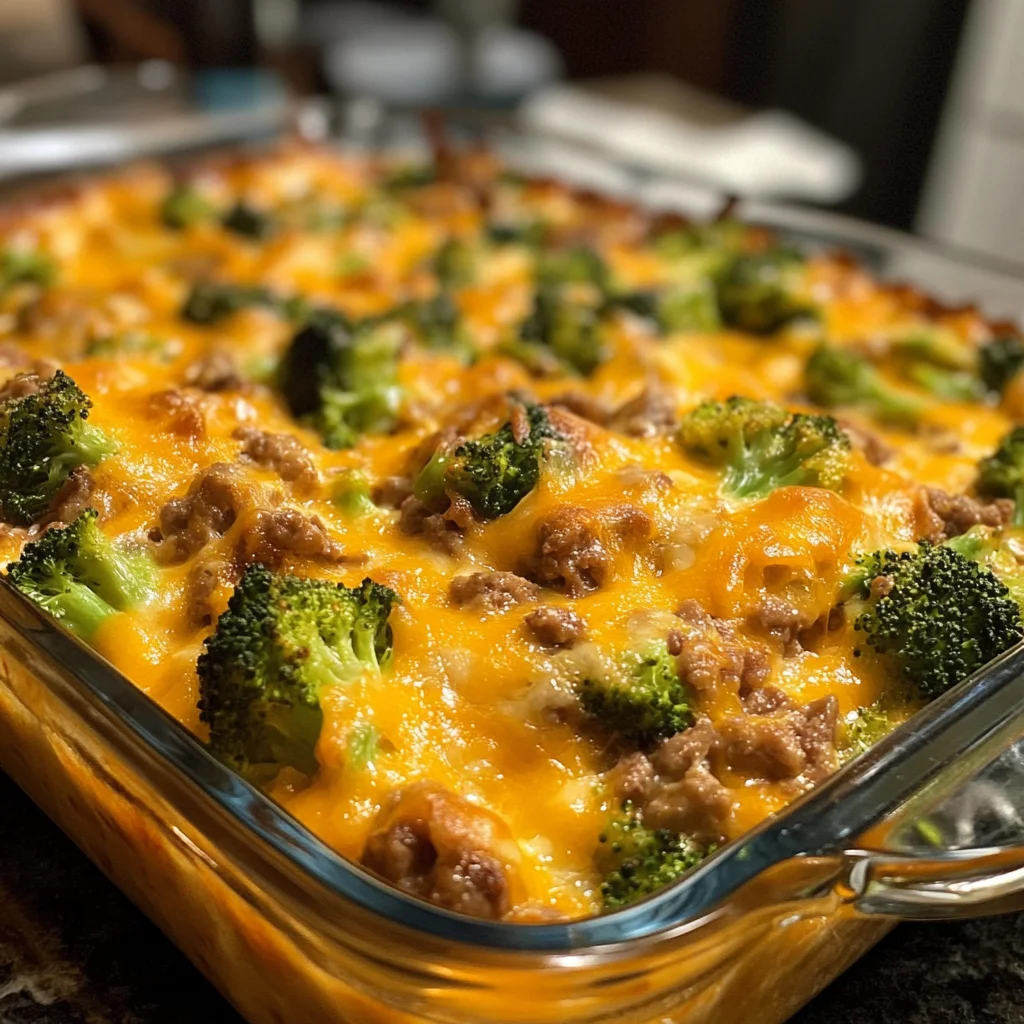
Cheesy Beef and Broccoli Casserole: The Ultimate Comfort Food for Busy Families
If you’re searching for a hearty, delicious, and family-friendly meal, look no further than a Cheesy Beef and Broccoli Casserole. This one-dish wonder combines savory ground beef, nutritious broccoli florets, and a rich, creamy cheese sauce that melts in your mouth. Whether you’re feeding picky eaters, meal prepping for the week, or simply craving comfort food, this casserole delivers on taste, nutrition, and convenience.
Why Cheesy Beef and Broccoli Casserole Is a Weeknight Winner
Busy families need meals that are quick, satisfying, and nutritious. A Cheesy Beef and Broccoli Casserole checks all these boxes with ease. This dish typically comes together in under 30 minutes of active cooking time, making it ideal for hectic evenings when you need dinner on the table fast. The beauty of casseroles lies in their simplicity—you can prepare most ingredients ahead of time and assemble everything in one baking dish.
Moreover, this casserole is incredibly versatile. You can customize it to suit dietary preferences, swap ingredients based on what’s in your pantry, and even freeze portions for future meals. The combination of protein-rich beef, fiber-packed broccoli, and calcium-loaded cheese creates a balanced meal that satisfies both adults and children. Additionally, the creamy cheese sauce binds everything together, creating a comforting texture that makes this dish irresistible.
Furthermore, casseroles are budget-friendly. Ground beef is typically affordable, and broccoli is available year-round at reasonable prices. By making a large batch, you can feed a family of four to six people without breaking the bank.
Nutritional Benefits of This Hearty Dish
Protein Power from Ground Beef
Ground beef serves as the primary protein source in this casserole. A 100-gram serving of ground beef provides approximately 24 grams of protein, which is essential for muscle repair, immune function, and overall health. Beef also contains important nutrients like vitamin B12, zinc, and iron, which support energy metabolism and red blood cell production. When you choose lean ground beef (85% lean or higher), you reduce the fat content while maintaining the protein benefits.
Broccoli’s Nutritional Superpowers
Broccoli is a nutritional powerhouse that adds both color and health benefits to your casserole. This cruciferous vegetable is rich in vitamin C, which supports immune health and skin integrity. A single serving of broccoli provides high amounts of vitamin K1, essential for blood clotting and bone health. Additionally, broccoli contains folate (vitamin B9), particularly important for pregnant individuals, as it supports normal tissue growth and cell function.
Broccoli also provides dietary fiber, which aids digestion and promotes feelings of fullness. The combination of protein from beef and fiber from broccoli creates a satisfying meal that keeps you energized throughout the evening.
Calcium and Nutrients from Cheese
The cheese component of this casserole adds not only flavor but also valuable nutrients. Cheeses like mozzarella, Parmesan, and cream cheese provide calcium, which is crucial for bone health. Furthermore, cheese contributes additional protein and healthy fats that enhance the dish’s overall nutritional profile. Using a combination of cheeses—such as mozzarella for stretch, Parmesan for sharpness, and cream cheese for creaminess—creates a complex flavor profile that elevates the entire dish.
Essential Ingredients for the Perfect Casserole
Main Components
Creating a memorable Cheesy Beef and Broccoli Casserole requires quality ingredients that work harmoniously together. Start with 1½ pounds of ground beef, which provides the hearty base for your casserole. Choose fresh broccoli florets (about 4 cups) for the best texture and flavor. Fresh broccoli maintains its structure better during baking compared to frozen varieties, though frozen can be used in a pinch.
For the cheese sauce, you’ll need heavy cream, cream cheese, Parmesan cheese, and mozzarella cheese. The heavy cream creates a rich, velvety texture, while cream cheese adds body and tang. Parmesan contributes a sharp, nutty flavor, and mozzarella provides that desirable cheese pull when you serve the dish.
Aromatics and Seasonings
Aromatics elevate your casserole from good to exceptional. Use chopped onions (about ⅓ cup) and minced garlic (1 teaspoon) to build a flavorful foundation. Season with salt, black pepper, Italian seasoning, and garlic powder to enhance the overall taste profile. For those who enjoy a bit of heat, optional red pepper flakes add a pleasant kick without overwhelming the dish.
Equipment Needed
To prepare this casserole efficiently, gather the following equipment: a large frying pan for browning the beef, a medium saucepan for blanching broccoli, and a 9×13-inch or 8×8-inch casserole dish for baking. Make sure your casserole dish is properly greased to prevent sticking.
Step-by-Step Preparation Guide
Browning the Beef
Begin by heating your frying pan over medium-high heat. Add the ground beef, chopped onions, and minced garlic to the pan. Break up the meat with a wooden spoon or spatula, stirring occasionally until the beef is fully cooked and no pink remains. This process typically takes 8-10 minutes. Once cooked, drain any excess fat by tilting the pan and using a spoon to remove it, or blot with paper towels. Season the beef mixture with Italian seasoning, garlic powder, salt, and pepper.
Preparing the Broccoli
While the beef browns, bring 6 cups of water to a boil in a medium saucepan. Add the broccoli florets and blanch them for 3-4 minutes until they’re bright green and slightly tender but still crisp. Blanching ensures the broccoli maintains its texture and doesn’t become mushy during baking. Drain the broccoli thoroughly in a colander and set aside.
Creating the Cheese Sauce
Return the saucepan to the stove and reduce heat to low. Add heavy cream, cream cheese, and Parmesan cheese to the pan. Whisk continuously until the cream cheese melts completely and the sauce becomes smooth and creamy. This step typically takes 3-5 minutes. Season the sauce with salt and pepper to taste. The cheese sauce should be thick enough to coat the back of a spoon but still pourable.
Assembling the Casserole
Preheat your oven to 375°F. In a large mixing bowl, combine the cooked beef mixture, blanched broccoli, and cheese sauce. Stir thoroughly until all ingredients are evenly coated with the sauce. Fold in one cup of shredded mozzarella cheese for extra creaminess. Transfer the mixture to your greased casserole dish, spreading it evenly. Top with the remaining mozzarella cheese, ensuring complete coverage for that golden, bubbly finish.
Baking to Perfection
Place the casserole in the preheated oven and bake uncovered for 20-22 minutes. You’ll know it’s ready when the cheese on top is melted, bubbly, and lightly browned around the edges. The casserole should be bubbling up the sides of the dish, indicating everything is heated through. After removing from the oven, let the casserole rest for 5-10 minutes before serving. This resting period allows the cheese sauce to set slightly, making it easier to cut and serve.
Tips for Making the Best Cheesy Beef and Broccoli Casserole
Don’t Overfill Your Dish
One common mistake when making casseroles is overfilling the baking dish. Casserole dishes should be filled no more than three-quarters full to prevent overflow during cooking. If your mixture exceeds the capacity of your chosen dish, simply use a second smaller dish or store the extra portion for another meal. Overfilling can result in spills that create a mess in your oven and uneven cooking.
Use the Right Cheese Combination
The type of cheese you choose significantly impacts the final result. For beef-based casseroles, cheeses with good melting properties work best. Mozzarella provides excellent stretch and mild flavor, while Parmesan adds sharpness and depth. Cream cheese contributes creaminess and helps bind the sauce together. Avoid using pre-shredded cheese when possible, as it often contains anti-caking agents that prevent smooth melting.
Prevent Overcooking the Broccoli
Broccoli can quickly become mushy if overcooked. To maintain its texture and nutritional value, blanch it for only 3-4 minutes before adding it to the casserole. The broccoli will continue cooking in the oven, so you want it slightly underdone at this stage. Properly cooked broccoli should be bright green and tender-crisp.
Layer Strategically
When assembling your casserole, proper layering ensures even distribution of flavors. Start by greasing the base of your dish, then add a small amount of sauce before incorporating your main ingredients. Mix the beef, broccoli, and cheese sauce together thoroughly before transferring to the baking dish, ensuring every bite contains all the components. Top with cheese last for that irresistible golden crust.
Let It Rest Before Serving
Patience pays off when it comes to casseroles. Allow your Cheesy Beef and Broccoli Casserole to rest for at least 5-10 minutes after removing it from the oven. This resting period allows the cheese sauce to thicken slightly and the flavors to meld together. Cutting into a piping hot casserole immediately can result in a runny, messy presentation.
Creative Variations to Try
Low-Carb and Keto-Friendly Version
For those following a low-carb or ketogenic diet, this casserole naturally fits the bill. Simply omit any starchy additions and focus on the beef, broccoli, and cheese components. You can increase the fat content by using full-fat cream cheese and adding extra butter or heavy cream to the sauce. The resulting dish is rich, satisfying, and perfectly aligned with low-carb eating patterns.
Rice and Broccoli Combination
Transform your casserole into a heartier meal by adding cooked rice. Use approximately 2 cups of cooked white or brown rice mixed with the beef and broccoli. This variation creates a more substantial dish that stretches further and provides additional carbohydrates for active families. The rice absorbs the cheese sauce beautifully, creating a creamy, risotto-like consistency.
Spicy Southwestern Twist
Add a southwestern flair by incorporating diced tomatoes, black beans, and Mexican-style seasonings. Replace Italian seasoning with cumin and chili powder, and top with pepper jack cheese instead of mozzarella. This variation brings bold flavors and additional fiber from the beans, creating a fusion dish that’s both familiar and exciting.
Cauliflower Addition
For extra vegetables and nutrients, substitute half the broccoli with cauliflower florets. The cauliflower provides a milder flavor while maintaining the nutritional benefits of cruciferous vegetables. This combination adds visual interest and increases the vegetable content of your casserole without overwhelming the beef and cheese flavors.
Storing and Reheating Your Casserole
Proper Storage Techniques
Leftover casserole can be stored in an airtight container in the refrigerator for up to 4 days. Allow the casserole to cool completely before transferring to storage containers to prevent condensation, which can make the dish soggy. Portion individual servings for convenient grab-and-go lunches throughout the week.
For longer storage, this casserole freezes beautifully. Wrap portions tightly in plastic wrap, then aluminum foil, or use freezer-safe containers. Properly stored, frozen casserole maintains quality for up to 3 months. Label containers with the date and contents for easy identification.

Reheating for Best Results
To reheat refrigerated portions, microwave individual servings for 2-3 minutes, stirring halfway through to ensure even heating. For oven reheating, cover the casserole with foil and bake at 350°F for 20-25 minutes until heated through. Remove the foil for the last 5 minutes to re-crisp the cheese topping.
When reheating frozen casserole, thaw overnight in the refrigerator first, then reheat using the methods above. Alternatively, you can reheat from frozen by increasing the oven time to 45-60 minutes, keeping the dish covered until the last 10 minutes.
Common Mistakes to Avoid
Skipping the Meat Draining Step
Failing to drain excess fat from cooked ground beef results in a greasy, unappetizing casserole. The excess fat floats to the top during baking, creating an oily layer that detracts from the dish’s appeal. Always take time to remove excess fat after browning the beef.
Overcooking in the Oven
Since all components are already cooked before assembly, the baking step merely needs to melt the cheese and heat everything through. Overbaking dries out the casserole and can cause the cheese to separate or become rubbery. Watch for bubbling around the edges and golden-brown cheese on top as signs of doneness.
Using Pre-Shredded Cheese Exclusively
While convenient, pre-shredded cheese contains cellulose powder to prevent clumping, which can result in a grainy sauce that doesn’t melt as smoothly. For the creamiest results, shred cheese from a block yourself. This extra step makes a noticeable difference in texture and flavor.
Not Seasoning Properly
Under-seasoning is a common pitfall in casserole cooking. Because the dish contains multiple components, each element needs appropriate seasoning. Taste your beef mixture and cheese sauce separately before combining, adjusting salt and pepper as needed. Remember that cheese adds saltiness, so account for this when seasoning.
Frequently Asked Questions
Can I make Cheesy Beef and Broccoli Casserole ahead of time?
Yes, absolutely. Assemble the casserole completely, cover tightly with plastic wrap or foil, and refrigerate for up to 24 hours before baking. When ready to cook, remove from the refrigerator and let sit at room temperature for 15-20 minutes, then bake as directed. You may need to add 5-10 extra minutes to the baking time since the dish will be cold.
What can I substitute for heavy cream?
If you don’t have heavy cream, half-and-half works as a lighter alternative, though the sauce will be slightly thinner. For a dairy-free version, use full-fat coconut milk or cashew cream. Keep in mind that these substitutions will alter the flavor profile slightly but still produce a creamy, satisfying result.
How do I know when my casserole is done?
Your casserole is done when the cheese on top is melted, bubbly, and lightly browned, and the edges are bubbling. An instant-read thermometer inserted into the center should read at least 165°F to ensure everything is heated through properly. Visual cues are typically reliable for this dish since all ingredients are pre-cooked.
Can I use frozen broccoli instead of fresh?
Yes, frozen broccoli works in this recipe. However, make sure to thaw it completely and squeeze out excess moisture before adding it to the casserole. Frozen broccoli can release water during baking, potentially making your dish watery if not properly drained. Fresh broccoli generally provides better texture, but frozen is a convenient alternative.
What side dishes pair well with Cheesy Beef and Broccoli Casserole?
This casserole is quite hearty on its own, but pairs beautifully with a simple green salad, garlic bread, or roasted vegetables. A light, acidic salad with vinaigrette dressing balances the richness of the cheese sauce. For extra comfort, serve alongside crusty bread for soaking up any extra sauce.
Final Thoughts
A Cheesy Beef and Broccoli Casserole represents everything we love about comfort food—it’s warm, satisfying, and brings families together around the dinner table. This versatile dish combines nutrition, convenience, and flavor in one pan, making it perfect for busy weeknights, potlucks, or meal prep sessions. The protein-rich beef provides sustained energy, while broccoli delivers essential vitamins and fiber. The creamy cheese sauce ties everything together with indulgent richness.
Whether you’re a seasoned home cook or just beginning your culinary journey, this casserole offers endless possibilities for customization. Experiment with different cheese combinations, add extra vegetables, or adjust seasonings to match your family’s preferences. The forgiving nature of casseroles means you can adapt this recipe to suit various dietary needs and ingredient availability.
Ready to create your own Cheesy Beef and Broccoli Casserole masterpiece? Gather your ingredients, preheat your oven, and discover why this classic comfort food has stood the test of time. Your family will thank you for putting this delicious, nutritious meal on the table tonight.
Print
Cheesy Beef and Broccoli Casserole
Description
Cheesy Beef and Broccoli Casserole
Servings: 4–6
Calories: ~580 kcal per serving
Prep Time: 10 mins
Cook Time: 25–30 mins
Total Time: 40 mins
Ingredients
-
1 lb (450 g) ground beef
-
1 tbsp olive oil
-
1 small onion, chopped
-
3 cloves garlic, minced
-
3 cups broccoli florets (fresh or frozen)
-
1 cup cooked rice (optional, for a heartier casserole)
-
1½ cups shredded cheddar cheese
-
½ cup shredded mozzarella cheese
-
½ cup sour cream
-
½ cup cream of mushroom soup (or cream of chicken)
-
½ tsp paprika
-
Salt and black pepper, to taste
-
Optional garnish: chopped green onions
Instructions
-
Preheat Oven:
Preheat oven to 375°F (190°C) and grease a 9×13-inch baking dish. -
Cook Beef:
In a skillet, heat olive oil over medium heat. Add ground beef, onion, and garlic. Cook until beef is browned and onions are soft. Drain excess fat. -
Steam Broccoli:
Lightly steam broccoli until just tender, about 3–4 minutes. -
Mix Casserole:
In a large bowl, combine cooked beef mixture, broccoli, rice (if using), sour cream, cream of mushroom soup, cheddar cheese, paprika, salt, and pepper. Mix well. -
Bake:
Transfer mixture to the prepared baking dish. Top with mozzarella cheese.
Bake 20–25 minutes until cheese is melted and bubbly. -
Serve:
Garnish with green onions and serve hot.