
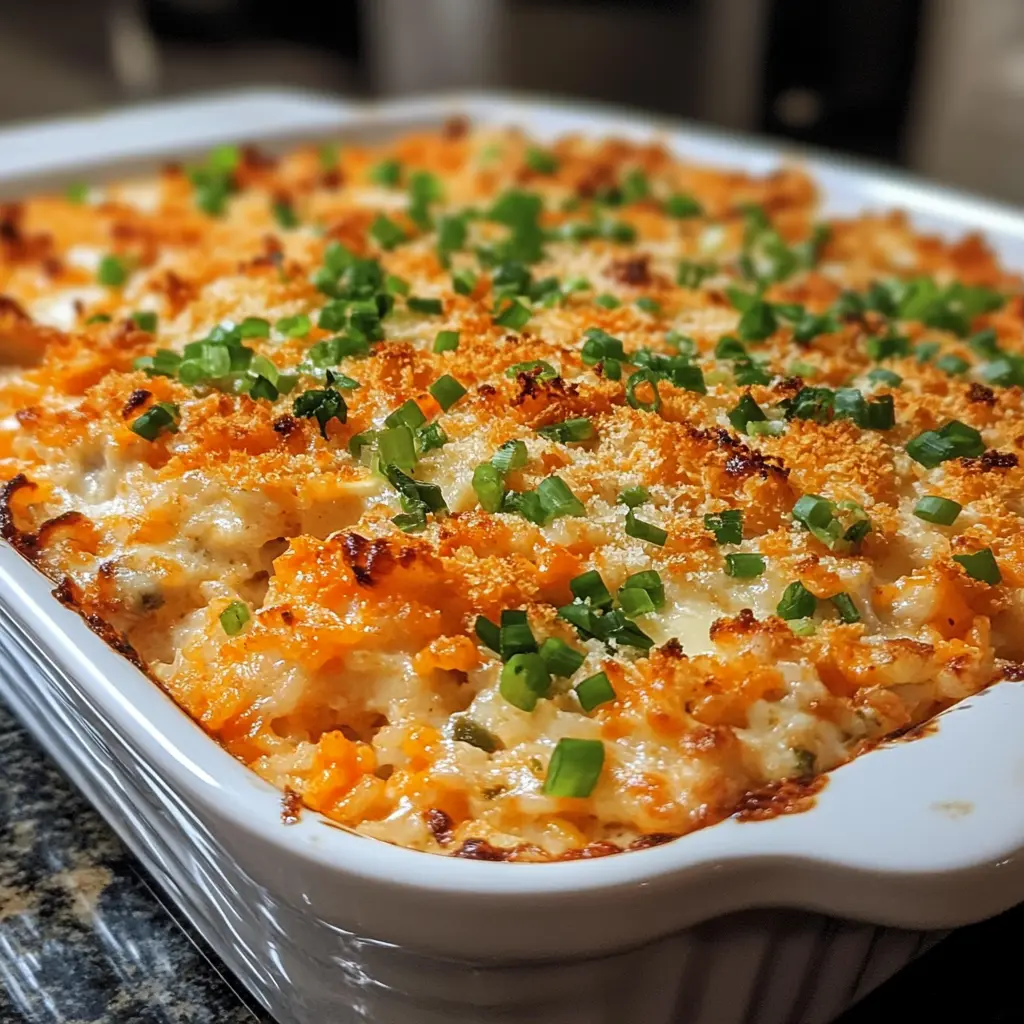
Cheesy Buffalo Chicken Rice Casserole: The Ultimate Comfort Food Guide
Are you searching for a family-friendly dinner that combines bold flavors with incredible comfort? This Cheesy Buffalo Chicken Rice Casserole delivers a perfect blend of tender chicken, fluffy rice, zesty buffalo sauce, and melted cheese in every satisfying bite. Whether you’re meal prepping for busy weeknights or hosting a casual gathering, this one-dish wonder brings restaurant-quality taste straight to your dinner table without the hassle.
Why This Casserole Deserves a Spot in Your Recipe Collection
The Cheesy Buffalo Chicken Rice Casserole stands out as a weeknight hero for several compelling reasons. First, it combines protein, carbohydrates, and vegetables in a single baking dish, simplifying both cooking and cleanup. Additionally, the bold buffalo flavor appeals to both adults and children, making it a crowd-pleaser for various occasions.
Furthermore, this dish offers exceptional versatility. You can adjust the heat level, swap ingredients based on what’s available, and easily double the recipe for larger gatherings. The casserole also freezes beautifully, allowing you to prepare multiple batches for convenient future meals.
Budget-conscious families particularly appreciate this recipe. Chicken remains one of the most affordable protein sources, and rice provides an economical base that stretches the dish further. Moreover, the simple ingredient list keeps grocery costs manageable without sacrificing flavor or satisfaction.
Time-Saving Benefits
Busy schedules demand efficient cooking solutions. This buffalo chicken rice casserole typically requires just 15 minutes of active preparation time. Meanwhile, the oven handles the rest of the work, freeing you to tackle homework help, household chores, or simply relax.
The one-pot cooking method further streamlines your evening routine. By combining all ingredients in a single dish, you minimize both prep work and post-dinner cleanup. Consequently, you’ll spend less time in the kitchen and more time enjoying quality moments with loved ones.
Essential Ingredients for Success
Creating an outstanding Cheesy Buffalo Chicken Rice Casserole begins with selecting quality ingredients. Each component plays a specific role in developing the dish’s signature flavor profile and satisfying texture.
Protein Foundation
Chicken breast serves as the primary protein source in this casserole. You’ll need approximately 2 to 3 cups of cooked, shredded chicken. Both freshly cooked chicken and rotisserie chicken work wonderfully, with rotisserie options offering a convenient shortcut.
The high-quality protein in chicken provides all nine essential amino acids necessary for muscle growth, repair, and overall health. Additionally, chicken breast remains naturally low in fat, particularly saturated fat, making it a heart-healthy choice for regular consumption.
Rice Selection
Long-grain white rice forms the hearty base of this casserole. You’ll typically use 1.5 to 2 cups of uncooked rice, which expands during cooking to create a fluffy, absorbent foundation. Alternatively, basmati rice offers a fragrant upgrade with its distinctive aroma and slightly nutty flavor.
Brown rice provides a whole-grain option for those seeking additional fiber and nutrients. However, remember that brown rice requires longer cooking times and may need extra liquid. Therefore, adjust your baking time accordingly when substituting whole grains.
Buffalo Sauce and Seasonings
Buffalo sauce delivers the casserole’s signature tangy, spicy kick. Most recipes call for ½ to ¾ cup of buffalo sauce, though you can adjust this amount based on your heat preference. Traditional buffalo sauce combines cayenne pepper hot sauce with butter, creating a balanced blend of heat and richness.
Garlic powder, onion powder, and black pepper enhance the overall flavor complexity. Fresh garlic and diced onions add aromatic depth when sautéed before mixing into the casserole. Additionally, celery provides authentic buffalo chicken flavor while contributing valuable fiber and nutrients.
Cheese Components
Multiple cheese varieties create the casserole’s indulgent, melty topping. Sharp cheddar cheese typically forms the base, contributing bold flavor and excellent melting properties. Most recipes incorporate 1 to 1.5 cups of shredded cheddar.
Blue cheese crumbles offer traditional buffalo chicken authenticity. Their pungent, tangy notes complement the spicy sauce perfectly. However, those who find blue cheese too strong can substitute with additional cheddar, Monterey Jack, or pepper jack cheese.
Creamy Binders
Several ingredients help bind the casserole together while adding creaminess. Cream of chicken soup provides convenience and rich texture. Alternatively, cottage cheese blended with buffalo sauce creates a protein-packed, lighter option.
Sour cream contributes tangy richness that balances the buffalo heat. Chicken broth keeps the rice moist during baking while infusing additional savory flavor throughout the dish.
Nutritional Benefits You’ll Love
The Cheesy Buffalo Chicken Rice Casserole offers more than just delicious taste—it provides substantial nutritional value. Understanding the health benefits helps you feel confident about serving this dish to your family.
Complete Protein Power
Chicken delivers exceptional protein quality. As a complete protein source, it contains all essential amino acids your body cannot produce independently. These amino acids prove vital for muscle repair, growth, and maintenance throughout all life stages.
A typical serving of this casserole provides approximately 20-25 grams of protein. This protein content supports stronger bones and muscles while decreasing the risk of age-related injuries and conditions like osteoporosis. Furthermore, protein increases satiety, helping you feel fuller for longer periods and reducing overall calorie intake.
Essential Vitamins and Minerals
Chicken stands out as an excellent source of B vitamins, particularly vitamin B6 and niacin. These vitamins support energy metabolism, helping your body convert food into usable fuel. Additionally, chicken provides selenium, phosphorus, and zinc—minerals that contribute to immune function and bone health.
The vegetables in this casserole add their own nutritional benefits. Celery offers fiber, vitamin K, and antioxidants. Onions contain compounds that support heart health and immune function. Moreover, adding extra vegetables like bell peppers or carrots increases the vitamin and mineral density even further.
Balanced Macronutrients
This casserole delivers well-balanced macronutrients. While the exact numbers vary based on recipe modifications, a standard serving typically contains approximately 325 calories, with a distribution of carbohydrates from rice, protein from chicken, and healthy fats from cheese.
The rice provides complex carbohydrates that deliver sustained energy throughout your day. Unlike simple sugars, these carbohydrates release glucose gradually, preventing energy crashes and supporting stable blood sugar levels. Consequently, this meal keeps you satisfied and energized for hours after eating.
Weight Management Support
Despite its indulgent taste, this casserole can fit into a balanced diet. The high protein content increases the thermic effect of food, meaning your body burns more calories during digestion. Additionally, protein’s satiating properties help prevent overeating and unnecessary snacking between meals.
You can further enhance the nutritional profile by making simple modifications. Using low-fat cheese reduces overall calorie content. Incorporating additional vegetables increases fiber while diluting calorie density. These adjustments allow you to enjoy comfort food while supporting your wellness goals.
Step-by-Step Cooking Instructions
Creating the perfect Cheesy Buffalo Chicken Rice Casserole follows a straightforward process. These detailed instructions ensure consistent, delicious results every single time.
Preparation Phase
Begin by preheating your oven to 350°F (175°C). This moderate temperature allows the rice to cook thoroughly while preventing the cheese topping from burning. Meanwhile, gather all your ingredients and equipment to streamline the cooking process.
Prepare your casserole dish by coating it with non-stick cooking spray or butter. A 9×13-inch baking dish works perfectly for standard recipes serving 6-8 people. Alternatively, you can use an oven-safe skillet for a one-pan approach that eliminates dish transfers.
Cooking the Rice Base
If using uncooked rice, you have two primary methods. The first involves cooking the rice directly in the casserole dish with the other ingredients. This method infuses the rice with buffalo flavor but requires precise liquid measurements.
Alternatively, prepare your rice according to package directions beforehand. This approach offers more control over rice texture and ensures perfectly cooked grains. Boil-in-bag rice varieties provide exceptional convenience for this method.
Building Flavor Layers
Heat olive oil in a large skillet over medium heat. Add diced onions and cook for 3-4 minutes until they begin softening and turning translucent. Subsequently, stir in minced garlic and cook for another minute until fragrant.
Add your cooked, shredded chicken to the skillet. Season with salt, black pepper, and any additional spices you prefer. Toss everything together, allowing the chicken to absorb the aromatic flavors from the vegetables.
Creating the Buffalo Mixture
In a large mixing bowl, combine cream of chicken soup, chicken broth, buffalo sauce, and sour cream. Whisk these ingredients together until smooth and well-blended. Alternatively, blend cottage cheese with buffalo sauce in a food processor for a lighter, protein-rich sauce.
Taste your buffalo mixture and adjust the heat level as needed. Adding more buffalo sauce increases spiciness, while additional sour cream mellows the heat. Remember, you can always add more spice, but you cannot remove it once mixed.
Assembly Process
Transfer your cooked rice to the prepared casserole dish, spreading it evenly across the bottom. Pour the buffalo sauce mixture over the rice, stirring gently to ensure even distribution. Next, fold in the seasoned chicken and vegetables.
Smooth the top surface with a spatula for even cooking. At this point, resist the urge to add cheese—the topping comes later in the cooking process. Cover the dish tightly with aluminum foil to trap moisture and promote thorough rice cooking.
Baking Guidelines
Place the covered casserole in your preheated oven. Bake for 40-50 minutes, checking around the 40-minute mark to assess doneness. The casserole is ready when the edges bubble and the rice has absorbed most of the liquid.
Remove the foil and sprinkle your cheese generously across the top surface. Return the uncovered dish to the oven for an additional 10-15 minutes. The cheese should melt completely and develop golden-brown spots in some areas.
Finishing Touches
Once the cheese reaches your desired level of melting and browning, remove the casserole from the oven. Allow it to rest for 5-10 minutes before serving. This resting period lets the casserole set slightly, making it easier to cut and serve clean portions.
Garnish with fresh chopped green onions, additional buffalo sauce drizzle, or ranch dressing. Fresh parsley adds a pop of color and herbaceous freshness that brightens the rich flavors. These final touches transform your buffalo chicken rice casserole from everyday dinner to restaurant-worthy presentation.
Pro Tips for Perfect Results
Mastering this Cheesy Buffalo Chicken Rice Casserole involves understanding key techniques that elevate the final product. These professional tips help you avoid common pitfalls while maximizing flavor and texture.
Rice Cooking Mastery
Getting the rice texture right proves crucial for casserole success. Using too much liquid creates mushy, unappetizing rice, while insufficient liquid leaves hard, crunchy grains. As a general rule, use a 2:1 ratio of liquid to rice when cooking in the casserole dish.
Rinsing rice before cooking removes excess starch. This step prevents the casserole from becoming gummy or sticky. Simply place rice in a fine-mesh strainer and run cold water over it until the water runs clear.
Chicken Preparation Wisdom
The quality and preparation of your chicken significantly impact the final dish. Rotisserie chicken offers unbeatable convenience and comes pre-seasoned for enhanced flavor. Simply remove the skin, shred the meat, and add it to your casserole.
When cooking chicken specifically for this recipe, poaching delivers the most tender, moist results. Place chicken breasts in simmering chicken broth with aromatics like garlic, onion, and herbs. Cook until the internal temperature reaches 165°F, then shred with two forks.
Buffalo Sauce Balancing
Achieving the perfect heat level requires understanding your audience’s preferences. Start with less buffalo sauce than the recipe calls for, then taste and add more as needed. Remember that heat intensifies during baking as flavors concentrate.
Balancing heat with cool, creamy elements prevents overwhelming spiciness. Increasing sour cream or adding extra cheese mellows the buffalo intensity while maintaining the signature tangy flavor. Additionally, serving with cooling accompaniments like ranch dressing provides relief for heat-sensitive diners.
Cheese Selection Strategy
Different cheeses melt and behave differently in casseroles. Pre-shredded cheese contains anti-caking agents that can affect melting quality. For the smoothest, creamiest results, shred cheese from a block yourself.
Combining multiple cheese types creates complex flavor profiles and ideal texture. Sharp cheddar provides bold taste and good melting properties. Monterey Jack adds creaminess, while pepper jack contributes additional heat. This layered approach delivers professional-quality results.
Temperature Control Tips
Oven temperature consistency matters significantly. Use an oven thermometer to verify your oven’s actual temperature matches the dial setting. Many ovens run hot or cold, affecting cooking times and final results.
Position your casserole on the middle oven rack for even heat distribution. Placing dishes too close to the top heating element risks burning the cheese before the rice finishes cooking. Conversely, bottom placement may leave the top undercooked.
Make-Ahead Efficiency
Preparing components in advance transforms this into an even quicker weeknight meal. Cook and shred chicken up to three days ahead, storing it in an airtight container in the refrigerator. Similarly, prepare your buffalo sauce mixture and refrigerate it separately.
Combine all components except the cheese topping the night before baking. Cover the assembled casserole tightly and refrigerate overnight. When ready to cook, add 10-15 minutes to the baking time to account for the cold start.
Customization Ideas and Variations
The versatility of Cheesy Buffalo Chicken Rice Casserole allows endless creative adaptations. These variations help accommodate different dietary needs, preferences, and ingredient availability.
Heat Level Adjustments
Modifying spiciness makes this dish accessible to everyone. For mild versions, reduce buffalo sauce by half and replace the remainder with ranch dressing or additional cream of chicken soup. This approach maintains the tangy flavor profile while significantly lowering heat intensity.
Conversely, heat enthusiasts can amplify the spice factor. Add diced jalapeños or crushed red pepper flakes to the rice mixture. Using extra-hot buffalo sauce or incorporating a dash of cayenne pepper satisfies those who crave serious heat.
Vegetable Enhancements
Adding more vegetables boosts nutritional value and creates textural interest. Diced bell peppers in red, yellow, or orange add sweetness and vibrant color. Frozen mixed vegetables work beautifully when stirred into the rice before baking.
Broccoli florets contribute fiber and vitamins while complementing the buffalo flavor. Steam them lightly before adding to prevent them from releasing excessive moisture. Corn kernels provide subtle sweetness that balances the spicy sauce beautifully.
Grain Alternatives
Swapping the rice base creates entirely different flavor and texture experiences. Quinoa offers a protein-rich, gluten-free alternative with a slightly nutty taste. Use the same liquid ratios but reduce baking time slightly, as quinoa cooks faster than rice.
Cauliflower rice transforms this casserole into a low-carb option. Since cauliflower contains more moisture than grain rice, reduce the liquid in your recipe by about one-third. This modification significantly cuts calories and carbohydrates while maintaining the essential buffalo chicken experience.
Protein Variations
While chicken remains traditional, other proteins work wonderfully in this casserole format. Shredded turkey breast provides similar texture and slightly leaner nutrition. Leftover Thanksgiving turkey finds perfect purpose in this flavorful dish.
Ground chicken or turkey creates a different texture profile. Brown the ground meat with onions and garlic before combining with other ingredients. This option costs less than chicken breasts while delivering comparable protein and satisfaction.
Topping Transformations
The cheese topping accepts numerous creative modifications. Crushed butter crackers or panko breadcrumbs add satisfying crunch. Mix these with melted butter before sprinkling over the cheese for a golden, crispy finish.
French-fried onions provide another crunchy topping option. Add them during the final 10 minutes of baking to prevent burning. This variation echoes classic green bean casserole while maintaining the buffalo theme.
Dietary Accommodations
Adapting this recipe for various dietary needs proves surprisingly simple. For dairy-free versions, use plant-based butter, cashew cream instead of sour cream, and dairy-free cheese alternatives. Many brands now offer excellent vegan cheese options that melt beautifully.
Gluten-free adaptations require minimal changes since rice naturally contains no gluten. Simply verify that your buffalo sauce and any condensed soup products carry gluten-free certification. Most major brands offer gluten-free versions of cream of chicken soup.
Make-Ahead and Freezer Instructions
The Cheesy Buffalo Chicken Rice Casserole excels as a freezer-friendly meal solution. Proper preparation and storage techniques ensure your frozen casseroles taste just as delicious as freshly baked versions.
Freezing Unbaked Casseroles
Assembling casseroles specifically for freezing maximizes convenience on busy evenings. Prepare the recipe completely through the assembly stage, stopping before the initial baking. Use disposable aluminum pans for ultimate convenience, eliminating concerns about tying up your bakeware.
Cover the assembled casserole first with plastic wrap, pressing it directly onto the surface to prevent freezer burn. Add a layer of aluminum foil over the plastic wrap for additional protection. Label clearly with the dish name, preparation date, and baking instructions.
Freezing Baked Casseroles
Already-baked casseroles freeze successfully and offer even faster reheating. Allow the casserole to cool completely to room temperature before freezing. Warm casseroles create condensation when wrapped, leading to ice crystal formation and texture degradation.
Portion individual servings in freezer-safe containers for grab-and-go convenience. This approach works perfectly for single-person households or those wanting quick lunch options. Individual portions thaw and reheat faster than full casseroles, saving time on busy days.
Optimal Freezer Duration
This casserole maintains excellent quality in the freezer for up to three months. Beyond this timeframe, the dish remains safe to eat but may experience texture changes and flavor diminishment. Mark your containers with preparation dates to track freshness easily.
Store frozen casseroles in the coldest section of your freezer, typically the back. Avoid placing them in the door, where temperature fluctuations occur most frequently. Consistent, cold temperatures preserve quality and prevent premature thawing.
Thawing Guidelines
Proper thawing ensures even reheating and optimal texture. Transfer frozen casseroles from the freezer to the refrigerator 24-48 hours before you plan to serve them. This slow thawing method maintains food safety while preserving the casserole’s quality.
Never thaw casseroles at room temperature. This practice creates ideal conditions for bacterial growth. If you forget to thaw ahead, bake the frozen casserole directly from the freezer, adding approximately 50% more time to the standard baking duration.
Reheating Strategies
Oven reheating produces the best results for frozen casseroles. Preheat your oven to 350°F and bake covered casseroles for 30 minutes. Remove the cover and continue baking for another 30 minutes until heated through and bubbling.
Insert an instant-read thermometer into the center to verify the casserole reaches 165°F throughout. This temperature ensures food safety while guaranteeing that every portion feels piping hot. Add fresh cheese during the final 10 minutes if the frozen topping appears dry or separated.
Batch Cooking Wisdom
Maximizing freezer meal efficiency involves strategic batch cooking. Double or triple your recipe, dividing the prepared mixture among multiple baking dishes. This approach takes only slightly more time than preparing a single casserole but yields multiple future meals.
Consider preparing various casserole recipes simultaneously during dedicated meal prep sessions. Stock your freezer with diverse options to prevent menu fatigue. This variety ensures you always have appealing choices ready, even during the busiest weeks.
Serving Suggestions That Shine
Pairing your Cheesy Buffalo Chicken Rice Casserole with complementary sides creates a complete, satisfying meal. These serving suggestions balance the dish’s bold flavors while adding nutritional variety.
Fresh Vegetable Sides
Cool, crisp vegetables provide perfect contrast to the warm, spicy casserole. A simple garden salad with mixed greens, cucumbers, and tomatoes offers refreshing balance. Dress it lightly with ranch or blue cheese dressing to echo the buffalo theme.
Steamed broccoli delivers nutrition without competing with the main dish’s flavors. The mild, slightly bitter vegetable cleanses the palate between bites of rich casserole. Similarly, roasted Brussels sprouts or green beans add satisfying texture and valuable fiber.
Bread Accompaniments
Warm bread provides a comforting vehicle for soaking up every drop of buffalo sauce. Dinner rolls, whether homemade or store-bought, add soft, buttery contrast. Garlic bread intensifies the savory elements, creating an indulgent pairing.
Cornbread muffins offer a slightly sweet counterpoint to the spicy casserole. Their crumbly texture and golden color add visual appeal to your dinner table. Texas toast works wonderfully for those preferring larger bread portions.
Cooling Elements
The heat in buffalo sauce demands cooling accompaniments. Ranch dressing remains the classic choice, offering creamy tanginess that tames spice. Set out a small bowl for drizzling over individual portions.
Blue cheese dressing provides traditional buffalo wing authenticity. Its bold, funky flavor complements the chicken while adding richness. Sour cream serves as a simpler alternative that many prefer, especially children.
Beverage Pairings
Selecting appropriate beverages enhances the dining experience. Cold milk works wonderfully for families with children, providing calcium and cooling relief. Iced tea offers refreshing sweetness that balances the savory, spicy flavors.
Sparkling water with lemon or lime adds sophistication without competing with the meal. The bubbles cleanse the palate between bites, while citrus notes brighten the rich casserole. Lemonade provides another family-friendly option that everyone enjoys.
Complete Meal Combinations
Creating a balanced plate involves thoughtful portion planning. Serve approximately one cup of casserole alongside a generous portion of vegetables. Add a dinner roll or small slice of cornbread to round out the meal.
For heartier appetites, increase the casserole portion while maintaining vegetable presence. This approach ensures satisfaction without excessive calorie intake. Consider the casserole’s richness when determining appropriate serving sizes.
Presentation Tips
Beautiful presentation elevates even simple weeknight dinners. Garnish individual servings with fresh chopped green onions for color contrast. A light drizzle of buffalo sauce across the top creates visual interest.
Serve the casserole in the baking dish at the table for rustic charm. Alternatively, plate individual portions in the kitchen for a more formal presentation. Either approach showcases your delicious buffalo chicken rice casserole beautifully.
Common Mistakes to Avoid
Understanding frequent pitfalls helps you achieve perfect results with your Cheesy Buffalo Chicken Rice Casserole. Awareness of these issues prevents disappointing outcomes and wasted ingredients.
Liquid Measurement Errors
The most common mistake involves incorrect liquid-to-rice ratios. Too much liquid creates soupy, unpleasant texture, while insufficient moisture leaves crunchy, undercooked rice. Always measure liquids precisely using proper measuring cups.
Different rice varieties absorb varying amounts of liquid. Long-grain white rice needs different ratios than brown rice or basmati. Consult package directions for your specific rice type and adjust casserole liquid accordingly.
Overbaking Issues
Leaving the casserole in the oven too long dries it out significantly. The edges become hard and crusty while the center loses moisture. Set a timer and check the casserole at the minimum recommended baking time.
Overbaked cheese develops an unappetizing rubbery texture. Remove the casserole as soon as the cheese melts and develops light golden spots. Residual heat continues cooking slightly even after removal from the oven.
Underseasoning Problems
Buffalo sauce provides heat but not necessarily sufficient salt. Taste your mixture before assembling the casserole and adjust seasoning as needed. Remember that cheese adds saltiness, so consider this when seasoning the base.
Bland rice undermines the entire dish. Season your cooking liquid with salt, garlic powder, or chicken bouillon. This step infuses flavor throughout the casserole rather than relying solely on the buffalo sauce.
Cheese Application Timing
Adding cheese too early results in a tough, overcooked topping. The cheese bakes for the entire duration, becoming dry and unappetizing. Always wait to add cheese during the final 10-15 minutes of baking.
Conversely, adding cheese too late means it doesn’t melt completely. The casserole finishes baking with partially melted, clumpy cheese on top. Find the sweet spot where cheese melts thoroughly without overcooking.
Temperature Misjudgments
Baking at temperatures higher than recommended seems like a time-saving shortcut. However, high heat cooks the exterior too quickly while leaving the interior undercooked. Stick with the recommended 350°F for even cooking throughout.
Cold casseroles straight from the refrigerator need adjusted baking times. Failing to account for cold start temperature leaves the center cool while the edges overcook. Add extra time or let the casserole sit at room temperature for 20-30 minutes before baking.
Storage and Reheating Guidelines
Proper storage extends the life of your Cheesy Buffalo Chicken Rice Casserole while maintaining quality. These guidelines ensure food safety and delicious leftovers.
Refrigerator Storage
Cool leftover casserole to room temperature within two hours of cooking. Leaving food at room temperature longer encourages bacterial growth. Transfer portions to airtight containers for optimal freshness.
Refrigerated casserole stays fresh for 3-4 days. Label containers with the date to track freshness easily. Store the casserole in the coldest part of your refrigerator, typically the back of the middle shelf.
Reheating Refrigerated Portions
Oven reheating provides the best texture for refrigerated casserole. Preheat your oven to 350°F and place portions in an oven-safe dish. Cover with foil and heat for 15-20 minutes until warmed through.
Microwave reheating offers speed and convenience for individual servings. Place a single portion in a microwave-safe container and heat on medium power in 1-minute intervals. Stir between intervals to distribute heat evenly.
Maintaining Moisture
Reheated casserole often dries out without proper technique. Add a tablespoon of chicken broth or water before reheating to restore moisture. Cover the dish during reheating to trap steam and prevent further drying.
Refresh the cheese topping by adding a small amount of fresh shredded cheese. This technique revives the casserole’s visual appeal and creates that freshly baked taste. Heat just until the new cheese melts for optimal results.
Food Safety Considerations
Never leave casserole at room temperature for extended periods. Bacteria multiply rapidly between 40°F and 140°F, the danger zone for food safety. Refrigerate or freeze leftovers promptly after meals.
Reheat all portions to an internal temperature of 165°F. Use a food thermometer to verify temperature rather than relying on appearance. This practice ensures harmful bacteria are eliminated completely.
Quality Assessment
Evaluate stored casserole before consuming. Discard any portions showing signs of mold, off odors, or unusual discoloration. When in doubt, throw it out—no meal is worth risking foodborne illness.
Properly stored casserole maintains quality throughout the recommended storage period. However, texture may soften slightly and flavors can intensify as ingredients marinate together. Many people find the flavors actually improve after a day in the refrigerator.
Frequently Asked Questions
Can I make Cheesy Buffalo Chicken Rice Casserole with uncooked chicken?
Yes, you can use raw chicken, but it requires modified preparation. Cut chicken into small, bite-sized pieces to ensure thorough cooking. Brown the raw chicken completely in your skillet before adding it to the casserole. This approach adds 10-15 minutes to your prep time but eliminates the need for pre-cooked chicken.
How do I reduce the spiciness in buffalo chicken casserole?
Several strategies effectively lower heat levels. Decrease the buffalo sauce quantity by half and replace it with ranch dressing or additional cream of chicken soup. Increasing dairy components like sour cream or cheese also mellows spiciness. Serving with cooling accompaniments like ranch dressing provides immediate heat relief.
What’s the best rice for buffalo chicken casserole?
Long-grain white rice works best for most preparations. It cooks evenly, absorbs flavors well, and maintains pleasant texture. Basmati rice offers aromatic appeal for an upgraded version. Brown rice provides more fiber but requires longer cooking time and additional liquid.
Can this casserole be made dairy-free?
Absolutely, with appropriate substitutions. Replace butter with plant-based alternatives and use dairy-free cheese shreds. Substitute coconut cream or cashew cream for sour cream. Verify your buffalo sauce is naturally dairy-free, as most brands are.
How long does buffalo chicken rice casserole last in the freezer?
Properly stored, this casserole maintains excellent quality for up to three months. Use airtight, freezer-safe containers or wrap thoroughly in plastic wrap and aluminum foil. Label with preparation dates to track freshness. Beyond three months, the casserole remains safe but may experience texture changes.
Should I cover the casserole while baking?
Yes, cover with foil for most of the baking time. This traps moisture and helps the rice cook thoroughly. Remove the foil during the final 10-15 minutes to allow the cheese to brown. Covering prevents excessive drying while promoting even cooking throughout.
Can I prepare this casserole in a slow cooker?
While traditional recipes call for oven baking, slow cooker adaptations work successfully. Combine all ingredients except cheese in your slow cooker. Cook on low for 3-4 hours until rice absorbs the liquid. Add cheese during the final 30 minutes for proper melting.
What can I substitute for cream of chicken soup?
Several alternatives provide similar creaminess. Make a simple white sauce with butter, flour, and chicken broth. Blended cottage cheese mixed with buffalo sauce creates a protein-rich option. Plain Greek yogurt thinned with chicken broth offers another healthy substitute.
Final Thoughts
The Cheesy Buffalo Chicken Rice Casserole delivers everything families crave in weeknight dinners: bold flavors, simple preparation, and satisfying comfort. This versatile dish accommodates various dietary needs while providing substantial nutrition through quality protein, complex carbohydrates, and essential vitamins. Whether you’re feeding picky eaters, meal prepping for busy weeks, or searching for crowd-pleasing potluck contributions, this casserole consistently delivers delicious results.
The combination of tender chicken, fluffy rice, tangy buffalo sauce, and melted cheese creates irresistible appeal. Moreover, the recipe’s flexibility allows endless customization based on your preferences and pantry contents. From heat adjustments to vegetable additions, you can tailor each batch to suit your specific needs.
Print
Cheesy Buffalo Chicken Rice Casserole
Description
Cheesy Buffalo Chicken Rice Casserole
Servings: 6
Calories: ~650 per serving
Prep Time: 15 minutes
Cook Time: 25 minutes
Total Time: 40 minutes
Ingredients
-
3 cups cooked rice (white or brown)
-
2 cups cooked shredded chicken (rotisserie works great)
-
1 cup buffalo wing sauce (adjust to heat preference)
-
1 (10.5 oz) can cream of chicken soup
-
1/2 cup ranch dressing
-
1/2 cup sour cream
-
1 1/2 cups shredded cheddar cheese (divided)
-
1/2 cup shredded mozzarella cheese
-
4 slices cooked bacon, crumbled
-
2 green onions, chopped (for garnish)
-
Salt and black pepper, to taste
Instructions
-
Preheat oven:
Set to 375°F (190°C). Lightly grease a 9×13-inch baking dish. -
Make the sauce:
In a large bowl, mix together buffalo sauce, cream of chicken soup, ranch dressing, sour cream, salt, and pepper. -
Assemble the casserole:
Stir in cooked rice, shredded chicken, 1 cup cheddar cheese, and mozzarella cheese. Mix until fully coated in the creamy sauce. -
Bake:
Spread the mixture evenly into the prepared dish. Top with remaining cheddar cheese and crumbled bacon.
Bake uncovered for 20–25 minutes, until hot and bubbly. -
Garnish and serve:
Sprinkle with chopped green onions and drizzle with extra ranch or buffalo sauce if desired. Serve warm and enjoy!