
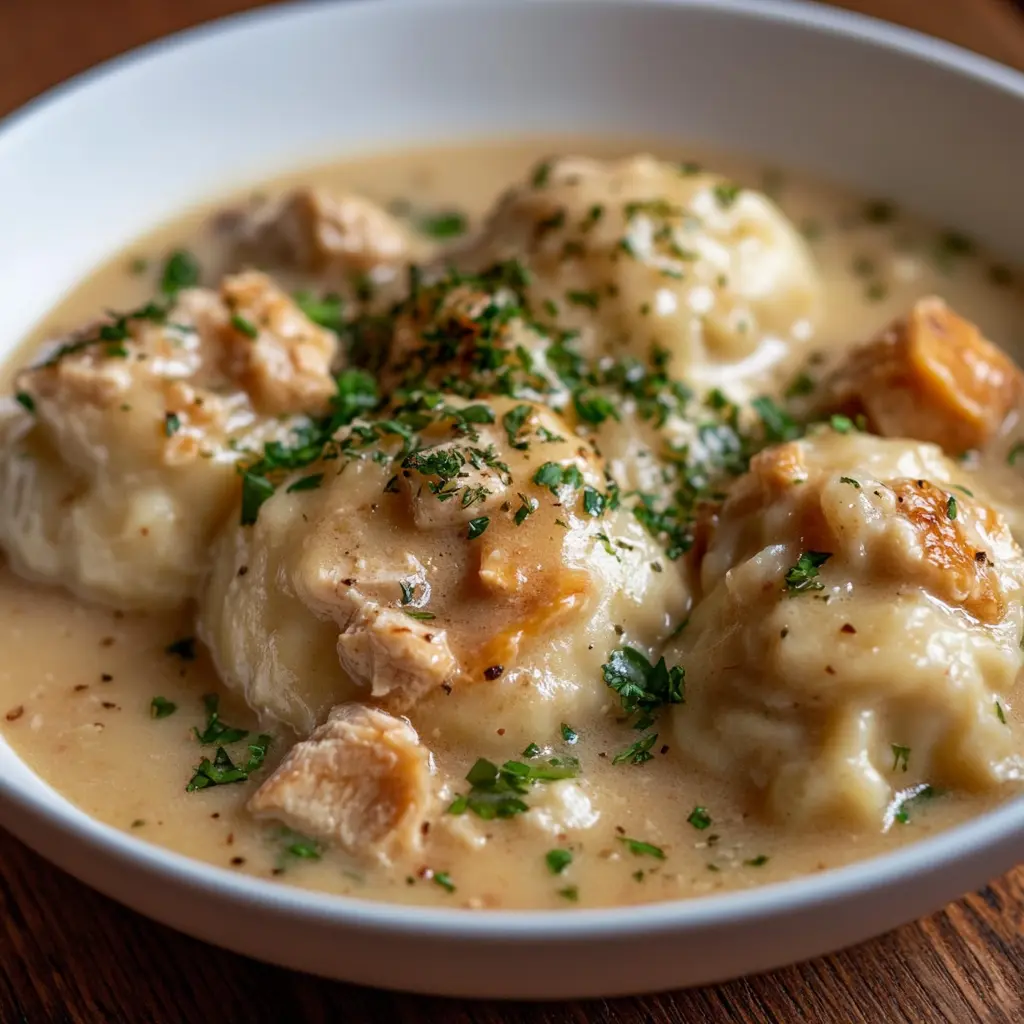
Chicken and Dumplings: The Ultimate Comfort Food Guide
There’s a certain magic that happens when simple ingredients transform into something extraordinary. Imagine, if you will, a chilly evening, a warm kitchen, and a steaming pot on the stove. Inside that pot lies a culinary hug, a dish that speaks the language of home and heart: chicken and dumplings. This isn’t just supper; oh no, it’s a spoonful of comfort, a bowl of history, and a recipe passed down through generations.
But what makes this deceptively simple dish so incredibly special? Is it the tender, falling-apart chicken? Perhaps it’s the fluffy, cloud-like dumplings that soak up the rich, savory broth? Truthfully, it’s all of that and so much more. In this ultimate guide, we’re going to dive spoon-first into the world of chicken and dumplings. We’ll unravel its fascinating history, explore the great “sliders vs. droppers” debate, and arm you with a fail-proof, old-fashioned recipe that will become a staple in your home. So, grab your favorite pot, and let’s get started on this delicious journey.
A Bowl of History: The Origins of Chicken and Dumplings
Ever wonder why a spoonful of chicken and dumplings feels like a warm blanket for your soul? Well, the answer is steeped in history, a tale of resourcefulness and comfort that spans continents and centuries. This dish, now a cornerstone of American comfort food, didn’t just appear out of thin air; its roots are wonderfully deep and practical.
From Hardtack to Dumplings: A Dish for Survival
Originally, the concept of the dumpling was born from sheer necessity. Furthermore, in times when food was scarce and every ingredient had to count, cooks became masters of stretching a meal. A single chicken, therefore, needed to feed a large family. By adding a simple, inexpensive dough to a pot of simmering broth and meat, they created a dish that was hearty, filling, and incredibly economical. Interestingly, the earliest ancestors of our dumplings might have been something like sailors’ hardtack—a durable, long-lasting biscuit that could be added to stews to soften it up. Over time, this practical solution evolved on land into the more delicate, purpose-made dough we know and love today.
A Global Comfort Food
Now, while we often think of it as a quintessentially Southern dish, the idea of cooking dough in a savory liquid is a truly global phenomenon. For instance, the Italians have their tender gnocchi, and cultures across Central Europe boast their own versions like spaetzle and nokedli. Meanwhile, in China, wontons swim in flavorful broths. Consequently, this universal approach to creating a satisfying meal highlights a shared culinary instinct across the world. Ultimately, the version that became a classic in the United States was heavily influenced by the cooking traditions of German, Dutch, and other European immigrants. They brought their cherished techniques with them, and these methods slowly melded into the fabric of American home cooking, particularly in the South and Midwest where it became a Sunday dinner legend.
The Great Dumpling Debate: Sliders vs. Droppers
Alright, let’s address the elephant in the room—or rather, the dumpling in the pot. Believe it or not, this beloved dish has a famous divide that can spark friendly debate in any kitchen. It all comes down to one crucial question: flat or puffy? Seriously, your answer might just reveal where you’re from!
Flat Dumplings (Sliders or Strip Dumplings)
First up, we have the flat dumplings. Often called “sliders” for the way they glide on your spoon, these are rolled out thin and cut into strips or squares. They have a denser, more noodle-like quality that’s absolutely divine. As they simmer, they become wonderfully silky and absorb a tremendous amount of that flavorful broth. This style is a huge hit in the Midwest and parts of the South, offering a hearty, spoon-coating experience that sticks to your ribs in the best way possible.
Puffy Dumplings (Droppers or Drop Dumplings)
On the other side of the ring, we have the puffy dumplings, also known as “droppers.” Instead of rolling, you simply scoop the dough and plop it right onto the simmering stew. The result? A fluffy, biscuit-like cloud that’s pillow-soft on the inside and slightly firm on the outside. This method, which relies on steam to cook the dough, is a hallmark of Southern chicken and dumplings. It creates a fantastic textural contrast between the light dumpling and the rich stew beneath. So, which team are you on?
The Ultimate Classic Chicken and Dumplings Recipe
Finally, the moment we’ve all been waiting for—let’s get cooking! This homemade chicken and dumplings recipe is a classic, designed for maximum flavor and foolproof results. It’s the kind of easy chicken and dumplings recipe you’ll want to make again and again.
Ingredients for the Stew and the Dumplings
For the Chicken Stew:
-
1 whole chicken (3-4 lbs) or 2 lbs of bone-in, skin-on thighs & breasts
-
2 tbsp olive oil or butter
-
1 large onion, diced
-
3 celery stalks, chopped
-
3 carrots, chopped
-
8 cups chicken broth (low sodium)
-
2 bay leaves
-
1 tsp dried thyme
-
Salt and black pepper to taste
For the Dumplings:
-
2 cups all-purpose flour
-
1 tbsp baking powder
-
1 tsp salt
-
1 cup whole milk (or buttermilk for tang)
-
4 tbsp unsalted butter, melted (or schmaltz for incredible flavor!)
Step-by-Step Instructions
Step 1: Poach the Chicken.
To begin, place the chicken in a large pot and cover it with broth and enough water to submerge it. Then, bring it to a boil before reducing the heat to a gentle simmer. Cook for about 45-60 minutes, or until the chicken is completely tender and falling off the bone.
Step 2: Shred the Chicken and Strain the Broth.
Once the chicken is cool enough to handle, carefully shred the meat, discarding the skin and bones. Importantly, don’t forget to strain the cooking broth and reserve it—you’ll need it later! This liquid gold is the foundation of your stew.
Step 3: Build the Stew.
Next, in the same pot, heat oil or butter over medium heat. Add the onion, celery, and carrots, cooking until they just begin to soften. Afterwards, pour in the reserved broth, add the shredded chicken, bay leaves, and thyme. Bring everything to a gentle simmer.
Step 4: Prepare the Dumpling Dough.
While the stew simmers, whisk together the flour, baking powder, and salt in a medium bowl. In another bowl, combine the milk and melted butter. Then, create a well in the center of the dry ingredients and pour the wet mixture in. Here’s the key: stir until just combined. A lumpy batter is absolutely perfect; overmixing is the enemy of fluffy dumplings!
Step 5: Cook the Dumplings.
Using a spoon, drop generous tablespoons of the dough onto the surface of the simmering stew. Now, here’s the hardest part: cover the pot tightly and DO NOT PEEK for 15-18 minutes. This steam is essential for cooking the dumplings through. Resist the urge!
Step 6: Final Seasoning and Serve.
Remove the lid—you should see beautiful, puffy dumplings. Discard the bay leaves, give it a gentle stir, and season generously with salt and black pepper. Finally, ladle into bowls, garnish with fresh parsley, and serve immediately.
Regional Twists and Modern Variations
Once you’ve mastered the classic, why not explore? Chicken and dumplings is a fantastically adaptable dish, with regional twists that tell a story of local ingredients and traditions.
Pennsylvania Dutch Chicken and Slippery Dumplings
Up in Pennsylvania Dutch country, you’ll find a unique version. Instead of flat or drop dumplings, they use “slippery” dumplings. These are made from a simple egg-based dough that’s rolled paper-thin and sliced into squares. The result is a slick, tender dumpling that offers a completely different, yet utterly delicious, textural experience.
Southern Style with a Creamy, Rich Broth
While some prefer a brothy base, many Southern versions feature a luxuriously creamy or milk-based broth. Sometimes, a splash of cream is added at the end, or a roux is used at the beginning to create a thicker, gravy-like consistency that coats every ingredient beautifully.
Adding Vegetables for a Hearty Twist
Many families swear by adding extra vegetables to the pot. A handful of frozen peas, sweet corn, or green beans tossed in during the last few minutes of cooking adds color, nutrition, and even more home-style flavor. It’s an easy way to make a complete meal in a single pot.
Pro Tips for the Perfect Pot
Want to take your dish from great to legendary? These little secrets make a world of difference.
The Secret of Schmaltz
For an unparalleled depth of flavor, use schmaltz (rendered chicken fat) in your dumpling dough instead of butter. It might sound fancy, but it’s a traditional old-fashioned trick that infuses every bite with the essence of chicken. It’s a total game-changer!
Don’t Peek!
We can’t stress this enough. Lifting the lid while the dumplings are steaming lets out precious heat and moisture, which can lead to dumplings that are doughy and undercooked in the middle. Trust the process and keep that lid on.
Resting the Dough
If you have a spare 10 minutes, let your dumpling dough rest after mixing. This allows the flour to fully hydrate and the baking powder to start working, resulting in a slightly lighter, more tender texture.
Adapting Your Chicken and Dumplings
Everyone should be able to enjoy this classic, regardless of dietary needs. Fortunately, it’s surprisingly easy to adapt.
Gluten-Free Chicken and Dumplings
You can absolutely make a fantastic gluten-free version! Simply substitute the all-purpose flour with a reliable 1:1 gluten-free flour blend. The results are remarkably similar, delivering all the comfort without the gluten.
Creamy vs. Brothy: It’s Your Call!
Prefer a stew that’s more like a soup? Use less roux or thickener. Craving something richer? Make a slurry with flour and water or a cornstarch slurry and stir it in at the end to thicken the broth to your desired consistency. The power is in your hands!
Frequently Asked Questions (FAQs)
What is the difference between chicken and dumplings and chicken pot pie?
This is a common point of confusion! While both are beloved comfort foods, the main difference is in the preparation. Chicken pot pie is baked in the oven with a pastry crust, either just on top or enclosing the filling. Chicken and dumplings, on the other hand, is cooked entirely on the stovetop, with the dough boiled or steamed directly in the simmering liquid.
Why are my dumplings gummy or tough?
Gummy or tough dumplings are almost always caused by two things: overmixing the dough or cooking at too high a temperature. Remember, mix the dough until it’s just combined—lumps are good! Also, ensure your stew is at a gentle simmer, not a rolling boil, when you add the dumplings. This gentle cooking ensures they cook through without becoming dense.
Can I make chicken and dumplings in a slow cooker or Instant Pot?
Absolutely! For a slow cooker, prepare the stew base and cook on low for 6-7 hours. Then, add the dumplings to the top, cover, and cook on high for another 60-90 minutes. For an Instant Pot, use the sauté function for the stew, then pressure cook for a short time (like 5 minutes) with the dumplings placed on a trudge above the liquid to steam. Always consult your appliance’s manual for best results.
How long does chicken and dumplings last in the fridge?
Properly stored in an airtight container, your leftovers will keep for 3 to 4 days. Be aware that the dumplings will continue to absorb broth, so you may need to add a splash of broth or water when reheating to get the consistency just right.
Conclusion: A Dish That Feeds the Soul
From its humble beginnings as a practical way to feed a family to its status as a legendary comfort food, chicken and dumplings has truly earned its place at the table. It’s a dish that connects us to the past, warms us in the present, and creates memories for the future. Whether you’re Team Slider or Team Dropper, a creamy fan or a brothy purist, the goal is always the same: to create something delicious and nourishing for the people you love. Now it’s your turn. Gather your ingredients, and get ready to make a classic.
Print
Chicken and Dumplings
Description
🍲 Chicken and Dumplings
Ingredients
For the soup:
-
2 tbsp butter
-
1 tbsp olive oil
-
1 medium onion, diced
-
2 carrots, sliced
-
2 celery stalks, sliced
-
3 garlic cloves, minced
-
6 cups chicken broth
-
1 cup milk or heavy cream
-
3 cups cooked shredded chicken (rotisserie or boiled)
-
1 tsp thyme (dried or fresh)
-
1 tsp parsley
-
Salt & black pepper, to taste
For the dumplings:
-
2 cups all-purpose flour
-
1 tbsp baking powder
-
1 tsp salt
-
¼ tsp black pepper
-
4 tbsp cold butter, cubed
-
1 cup buttermilk (or milk)
Instructions
-
Make the Soup Base:
-
In a large pot, heat butter and olive oil.
-
Sauté onion, carrots, and celery for about 5 minutes until softened.
-
Add garlic and cook for another minute.
-
-
Simmer the Broth:
-
Stir in chicken broth, thyme, parsley, salt, and pepper.
-
Bring to a boil, then reduce heat to low.
-
Stir in shredded chicken and milk/cream.
-
-
Prepare the Dumplings:
-
In a bowl, whisk together flour, baking powder, salt, and pepper.
-
Cut in cold butter until crumbly.
-
Stir in buttermilk until a soft dough forms (don’t overmix).
-
-
Cook the Dumplings:
-
Drop spoonfuls of dough directly into the simmering soup.
-
Cover the pot with a lid and cook on low heat for about 15 minutes without lifting the lid (steam cooks the dumplings).
-
-
Serve:
-
Once dumplings are fluffy and cooked through, sprinkle with extra parsley.
-
Serve hot and enjoy!
-