
Introduction & Deep History
The Piña Colada: More Than Just a Tropical Drink
Ah, close your eyes for a moment. Picture this: the warm, golden sun on your skin, the gentle rustle of palm leaves overhead, and the soft crush of sand between your toes. Now, imagine a frosty, creamy, impossibly smooth concoction placed in your hand. It’s sweet, it’s tangy, and it tastes like pure, unadulterated vacation. That, my friends, is the magic of the Piña Colada. Far more than a simple blend of pineapple and coconut, this iconic tropical cocktail is a passport to paradise and a cultural symbol steeped in surprisingly spirited history.
Speaking of history, believe it or not, the story of this beloved blended drink is as rich and textured as its flavor profile. It’s a tale of bartending brilliance, friendly rivalry, and even a swashbuckling pirate or two. So, pull up a virtual beach chair, and let’s embark on a journey to discover how this classic summer sip came to conquer the world.
The Origins of a Legend: A Trip to Puerto Rico
To truly understand the Piña Colada, we must first travel to the vibrant island of Puerto Rico, its undeniable spiritual home. Interestingly, the drink’s origin story isn’t a single, clear tale but rather a delightful mystery with two leading characters. Consequently, this ambiguity only adds to its legendary status.
The Two Main Claimants: Barrachina vs. Caribe Hilton
Firstly, the most widely accepted origin story credits Ramón “Monchito” Marrero Pérez. As the story goes, in 1954, Monchito was working as a bartender at the luxurious Caribe Hilton in San Juan. Tasked by his manager to create a new signature drink that captured the unique flavors of the island, he embarked on a mission. For three months, he meticulously experimented with various combinations. He ultimately landed on the perfect triumvirate: the sharp sweetness of fresh pineapple, the rich creaminess of Coco López (a then-recently invented cream of coconut), and the smooth, clear character of Puerto Rican rum. His creation was an instant hit with hotel guests, who then carried its fame across the globe.
However, another establishment in Old San Juan, the famed Barrachina restaurant, presents a compelling counter-claim. They assert that their bartender, Don Ramón Portas Mingot, first crafted the drink in 1963. According to their history, he was inspired to mix pineapple, coconut, and ice for a beautiful woman who frequented the bar. To this day, a plaque outside their building commemorates this version of events. So, who do you believe? Well, the plot, as they say, thickens even further!
Earlier Historical Precursors
Surprisingly, tales of a similar beverage predate both of these 20th-century claims by over a hundred years. Legend whispers of a fearsome Puerto Rican pirate named Roberto Cofresí. To boost the morale of his crew in the early 1800s, he allegedly served them a potent mixture of coconut, pineapple, and white rum. This proto-colada was meant to give his men courage and strength. After his capture in 1825, the recipe supposedly vanished with him. Was this the true, original inspiration? We may never know for sure.
The Rise to Global Fame: How the Piña Colada Conquered the World
Regardless of its precise origin point, the drink’s popularity within Puerto Rico soared throughout the 1960s and 70s. It became the must-order beverage for every tourist seeking an authentic taste of the island. Furthermore, its fame received an unimaginable boost in 1978 when the Puerto Rican government officially declared it the “national drink.”
Then, in 1979, a cultural tsunami hit. Songwriter Rupert Holmes released “Escape (The Piña Colada Song),” a catchy tune about a couple rediscovering love through a personal ad. The song’s chorus immortalized the drink, cementing its status as the ultimate symbol of relaxation and romantic getaway. Ironically, Holmes later admitted he’d never actually tried one before writing the hit! Ultimately, this perfect storm of tourism, official recognition, and pop culture alchemy propelled the Piña Colada from a local specialty to a global phenomenon. Today, it remains a timeless classic, forever evoking the carefree spirit of the tropics.
The Anatomy of an Authentic Piña Colada
Deconstructing the Classic: Ingredients of a Perfect Piña Colada
Alright, enough history—let’s get into the good stuff! Crafting the perfect Piña Colada isn’t just about tossing things in a blender; it’s an art form. Seriously, the difference between a good one and a mind-blowing one lies in your choices. Using top-shelf, authentic ingredients is the absolute key to unlocking that true tropical cocktail magic.
The Holy Trinity: Rum, Coconut, Pineapple
Think of these three as the unwavering foundation of your drink. Mess with one, and the whole delicious tower might just wobble!
Choosing the Right Rum
First up, the soul of the operation: the rum. Now, you might be wondering, does it matter? The answer is a resounding yes! While you can use a clear white rum for a cleaner profile, the authentic choice is a golden or aged Puerto Rican rum. Why? Because these rums are typically smoother and have subtle notes of vanilla and caramel that beautifully complement the sweet coconut and tangy pineapple. Brands like Don Q or Bacardi are classic, widely available choices that won’t steer you wrong. Using a dark, funky rum, on the other hand, can overpower the other delicate flavors.
Coco López: The Secret Weapon
This, right here, is the non-negotiable game-changer. Do not, I repeat, do not confuse cream of coconutwith coconut milk or coconut cream. This is the most common mistake people make! Coconut milk is unsweetened and thin, used in curries. Coconut cream is also unsweetened but much thicker. Coco López is a sweetened, syrupy, and luxuriously thick product that was literally invented for this drink. It’s what gives the Piña Colada its signature creamy body and iconic taste. You can find it in the mixer aisle or the international food section of most supermarkets.
Pineapple: Fresh vs. Canned vs. Juice
For the absolute best flavor, fresh pineapple juice is king. The bright, sharp, acidic punch of a freshly juiced pineapple cuts through the richness of the coconut like a dream. However, let’s be practical—juicing a pineapple isn’t always how you want to spend your pool time. Therefore, a high-quality, unsweetened pineapple juice from a carton or can is a fantastic and convenient alternative. Just please, avoid pineapple concentrate or syrup; they’re far too sweet and lack that essential tang.
The Supporting Cast: Ice and Garnish
Don’t you dare overlook these final touches! They play a crucial role in the overall experience.
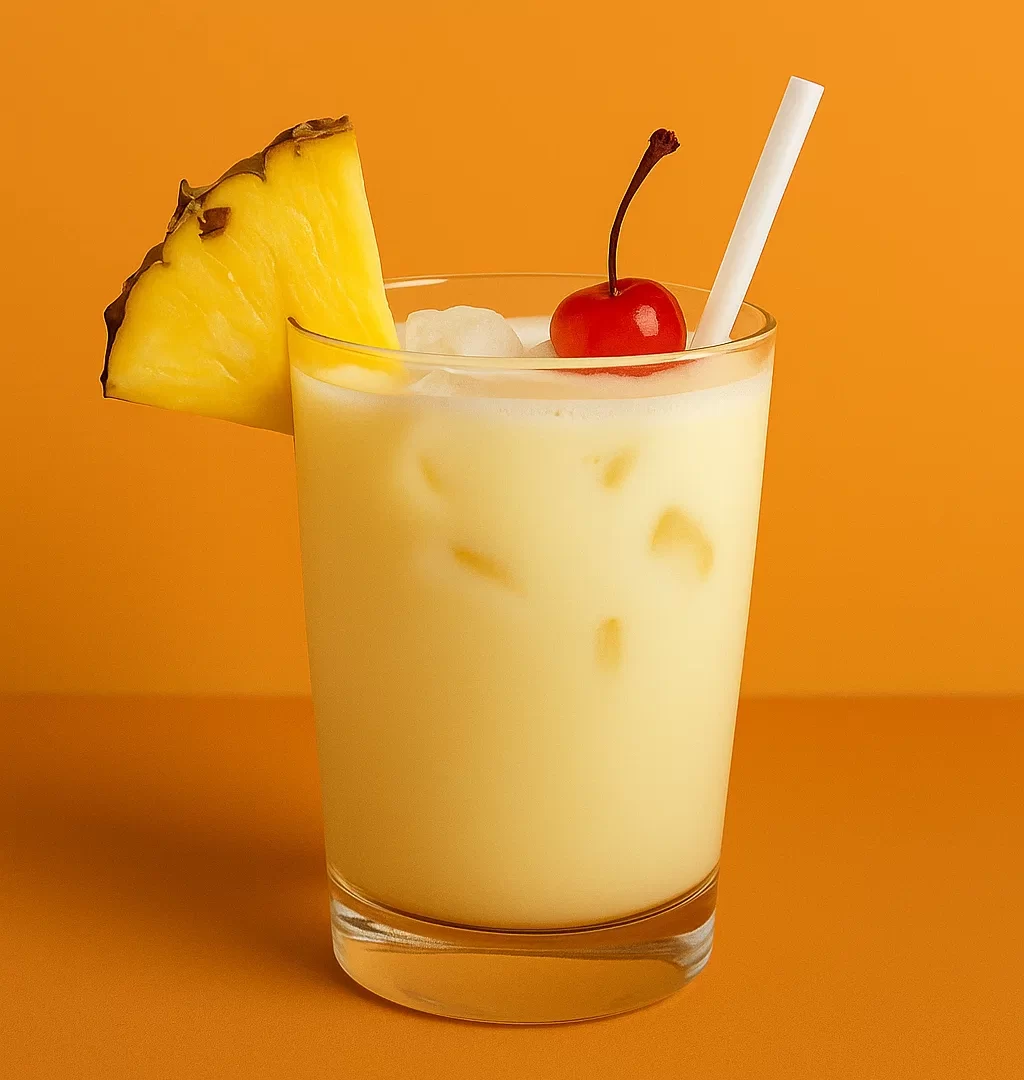
The ice must be standard cubed or, ideally, crushed ice. This ensures it blends into a perfectly slushy, smooth consistency without leaving large, unpalatable chunks. As for the garnish, tradition calls for a wedge of fresh pineapple and a bright red maraschino cherry speared onto a tiny cocktail umbrella. It’s kitsch, it’s fun, and it’s absolutely mandatory for the full effect!
Mastering the Method: Tools and Technique
You’ve gathered your A-team ingredients; now it’s time to unite them properly.
Blender vs. Shaken: The Great Debate
Let’s settle this once and for all: the authentic Piña Colada recipe is a blended drink. The high-powered vortex of a blender is what aerates the mixture, creating that wonderfully frothy, thick, and slushy texture we all crave. This is the method that earns the green bullet for authenticity.
That said, the “shaken” version exists for a reason. If you’re sans blender, you can shake the ingredients vigorously with ice. The result will be a smoother, more liquid, and less frozen drink—still delicious, but fundamentally different. Think of it as a Piña Colada’s elegant cousin.
Step-by-Step: The Authentic Piña Colada Recipe
Ready to make your own? Here’s the classic formula.
Ingredients:
-
2 oz gold Puerto Rican rum
-
2 oz Coco López (cream of coconut)
-
2 oz fresh or high-quality unsweetened pineapple juice
-
1 cup crushed ice
-
Pineapple wedge and cherry for garnish
Equipment:
-
A powerful blender
-
A measuring jigger
-
A hurricane or Collins glass
Instructions:
-
Combine the rum, Coco López, pineapple juice, and crushed ice in your blender.
-
Blend on high speed until the mixture is completely smooth and has a soft, slushy consistency. This usually takes about 30-45 seconds.
-
Pour everything, unstrained, into your glass.
-
Garnish enthusiastically with the pineapple wedge and cherry. Don’t forget the umbrella!
Variations, Pairings, and Modern Twists
Beyond the Classic: Delicious Piña Colada Variations
Once you’ve mastered the classic, a whole world of delicious variations opens up! The basic formula is incredibly versatile, welcoming a burst of other fruits and even different spirits. These frozen cocktailriffs are perfect for customizing your drink to your exact mood.
Frozen & Blended Twists
Feeling fruity? These twists are a fantastic way to experiment.
-
Strawberry Piña Colada: Simply add a handful of fresh or frozen strawberries to the blender. You’ll get a gorgeous pink hue and a wonderful berry flavor that pairs perfectly with the coconut.
-
Mango Piña Colada: For an even more tropical vibe, swap out some pineapple for sweet, ripe mango. It’s like a vacation in a glass times two!
-
Blue Hawaiian: Ready for a color change? This vibrant variant adds Blue Curaçao to the mix, creating a stunning aqua-blue drink that tastes just as fantastic as it looks.
-
Chi Chi: Believe it or not, you can make this drink without its traditional spirit. The Chi Chi simply substitutes vodka for the rum, resulting in a smoother, less sweet flavor profile that lets the coconut and pineapple really shine.
Shaken and Stirred Interpretations
Not in the mood for a frozen treat? No problem.
-
Piña Colada Martini: For a sophisticated, chilled take, combine the ingredients with ice in a cocktail shaker. Strain it into a chilled martini glass for a smooth and elegant sipping experience.
-
Piña Colada Punch: Hosting a party? Scale up the recipe significantly, mix it in a large punch bowl, and add a block of ice. It’s the ultimate crowd-pleaser for any summer gathering.
The Zero-Proof Wonder: Virgin Piña Colada
Absolutely! The virgin Piña Colada is a glorious and inclusive creation for everyone to enjoy. The recipe is identical; just omit the rum. The combination of rich cream of coconut and tangy pineapple juice over ice is so deliciously satisfying on its own that you won’t miss a thing. It’s a perfect non-alcoholic option for designated drivers, expectant mothers, or just anyone seeking a refreshing treat.
What to Eat with a Piña Colada: Food Pairing Ideas
This tropical cocktail is surprisingly food-friendly. Its sweet and creamy nature makes it an excellent partner for spicy, salty, and grilled foods.
Perfect Pairings:
-
Grilled Seafood: The smokiness from the grill complements the drink’s sweetness. Think grilled shrimp skewers or fish tacos with a squeeze of lime.
-
Spicy Dishes: The cooling effect of the drink is phenomenal at balancing heat. Try it with Jamaican jerk chicken or spicy Thai noodles.
-
Fresh Fruit & Light Apps: A simple platter of fresh fruit, cheese, and crackers allows the drink to be the star of the show.
The Piña Colada in Culinary Creations
The iconic flavor combination of pineapple and coconut has famously escaped the glass and inspired countless desserts and dishes. You can find Piña Colada flavor infused into everything from cakes and cupcakes to popsicles and smoothies. Some creative breakfast chefs even make Piña Colada oatmealor French toast, incorporating coconut milk and dried pineapple for a tropical start to the day.
FAQs, Fun Facts, and Conclusion
Piña Colada Frequently Asked Questions (FAQs)
What does “Piña Colada” mean?
Translated directly from Spanish, “piña” means pineapple and “colada” means strained. Therefore, the name originally referred to the fresh pineapple juice that was strained and used in the earliest versions of the drink. It’s a literal and beautiful description of a key ingredient!
Can I make a Piña Colada without a blender?
You can, but the texture will be different. The authentic method is blending. However, if you’re in a pinch, you can shake the liquid ingredients vigorously with ice in a cocktail shaker. Strain it into a glass over fresh ice for a chilled, smooth, but non-frozen version. A handheld milk frother can also help combine the ingredients before you pour them over ice.
What’s the difference between coconut cream, cream of coconut, and coconut milk?
This is crucial!
-
Coconut Milk: A canned or cartoned liquid resembling dairy milk, used in cooking. It is unsweetened and relatively thin.
-
Coconut Cream: Also unsweetened and canned, but it’s much thicker and richer than coconut milk, as it contains a higher concentration of coconut flesh.
-
Cream of Coconut (e.g., Coco López): This is a sweetened, syrup-like product specifically designed for cocktails. It is the essential ingredient for an authentic Piña Colada.
How can I make a healthier Piña Colada?
You can lighten it up a few ways! Use a “light” version of cream of coconut, ensure your pineapple juice is 100% unsweetened, and add a bit more ice to increase the volume without adding calories. You can also use a natural sweetener like agave nectar sparingly instead of the pre-sweetened cream. Remember, it’s inherently an indulgent treat, but every little bit helps!
Is the Piña Colada the official drink of Puerto Rico?
Yes, it absolutely is! The government of Puerto Rico officially declared the Piña Colada the official national drink in 1978. This official declaration solidifies its importance to the island’s culture and history. You can read more about its significance on the official national drink of Puerto Rico tourism page.
Fun Facts and Trivia
-
The world’s largest Piña Colada was made in Puerto Rico in 2010, weighing in at a staggering 1,500 gallons!
-
July 10th is National Piña Colada Day. Mark your calendars!
-
The “Piña Colada Song” was Rupert Holmes’ only number-one hit on the Billboard charts.
-
For more on the fascinating etymology of the name ‘Piña Colada’, its history is as rich as its flavor.
Conclusion: Your Signature Summer Sip
And there you have it—the complete, frosty lowdown on the world’s most beloved tropical escape in a glass. From its disputed origins in the bustling bars of San Juan to its reign as a global pop-culture icon, the Piña Colada has truly earned its status. We’ve deconstructed its perfect anatomy, explored endless variations, and even uncovered its culinary reach.
The history of blended cocktails like this one shows just how a simple invention can become a timeless tradition. So, what are you waiting for? You’re now an expert. Grab your blender, put on some island tunes, and mix up a taste of paradise. Your signature summer sip awaits. Cheers
Piña Colada
Description
Piña Colada
Ingredients (per drink):
-
2 oz light rum
-
1 oz cream of coconut (like Coco López)
-
1 oz coconut milk (optional, for extra creaminess)
-
4 oz pineapple juice
-
1–1½ cups ice (crushed or cubed)
-
Pineapple wedge & maraschino cherry (for garnish)
Instructions:
-
Blend:
In a blender, combine rum, cream of coconut, coconut milk, pineapple juice, and ice. Blend until smooth and frosty. -
Serve:
Pour into a chilled hurricane or highball glass. -
Garnish:
Top with a pineapple wedge and cherry. Add a paper umbrella for the classic tiki vibe.