
Chicken Spinach Lemon Parmesan Pasta: The Ultimate Guide to a Fresh, Creamy, and Vibrant Dish
Introduction
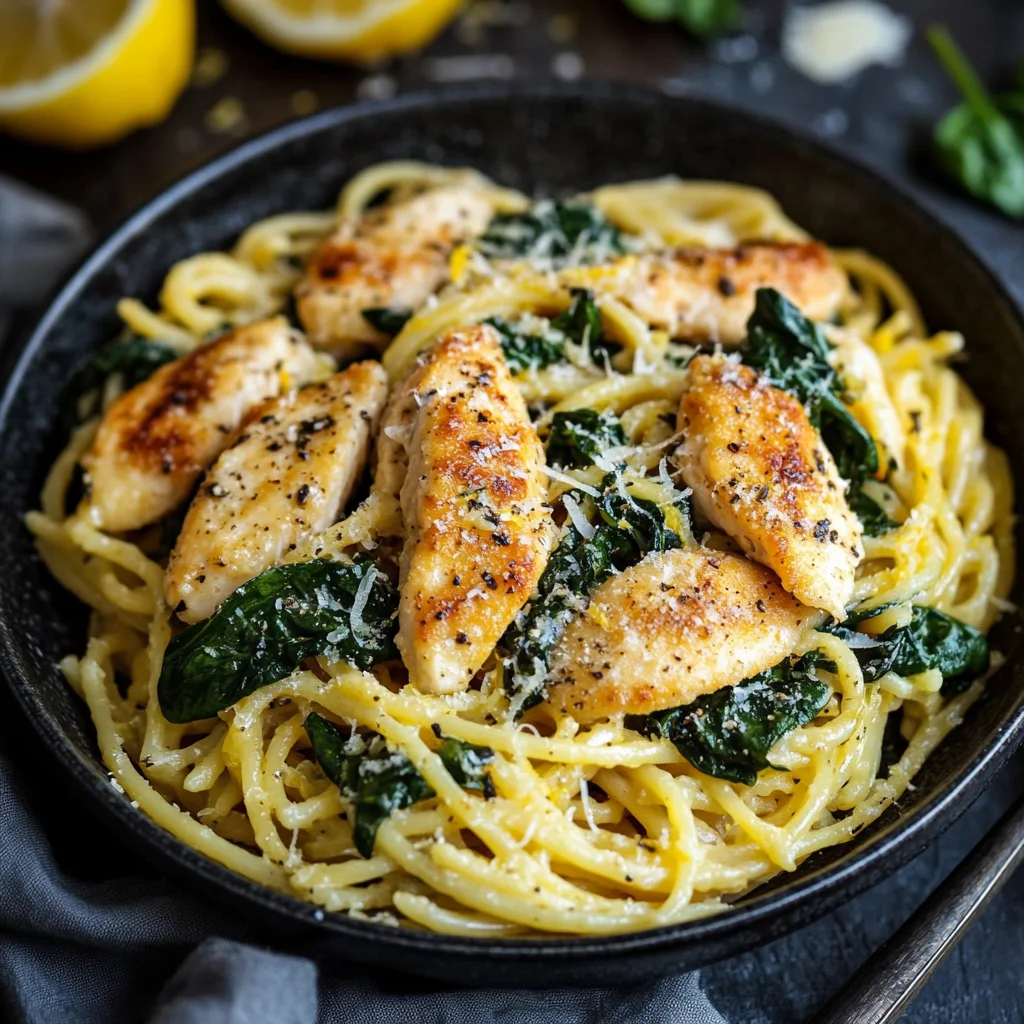
Chicken Spinach Lemon Parmesan Pasta combines tender chicken, fresh spinach, and bright lemon in a creamy Parmesan sauce. This dish delivers restaurant-quality flavors in under 30 minutes. The combination creates a balanced meal with protein, vegetables, and carbohydrates all in one bowl.
This pasta recipe works perfectly for busy weeknights or special occasions. The lemon adds brightness while the Parmesan creates richness. Fresh spinach wilts into the sauce, adding color and nutrients.
What Makes Chicken Spinach Lemon Parmesan Pasta Special
This pasta dish stands out because of its flavor balance. The lemon cuts through the richness of cream and cheese. The spinach adds a mild, earthy taste that complements the savory chicken.
The texture variety makes each bite interesting. Tender chicken pieces contrast with the soft pasta. The sauce clings to every strand, delivering flavor throughout.
This recipe offers flexibility for different skill levels. Beginners can follow simple steps while experienced cooks can add personal touches. The ingredient list remains accessible, with most items already in your kitchen.
Essential Ingredients
Protein
Boneless, skinless chicken breasts provide lean protein. Cut them into bite-sized pieces for even cooking. Season with salt and pepper before cooking to build flavor.
Pasta
Choose pasta shapes that hold sauce well. Penne, shells, or fettuccine work beautifully. Cook the pasta to al dente texture so it doesn’t become mushy.
Vegetables
Fresh spinach leaves wilt quickly in the hot sauce. Use about 4 cups, knowing it will reduce significantly. Baby spinach offers tender texture and mild flavor.
Aromatics
Minced garlic adds depth to the sauce. Use 3-4 cloves for noticeable flavor. Fresh garlic tastes better than pre-minced varieties.
Dairy Components
Heavy cream creates a rich, smooth sauce. It coats the pasta without feeling heavy. Whole milk can substitute for a lighter option.
Freshly grated Parmesan cheese melts smoothly into the sauce. Pre-shredded cheese contains anti-caking agents that affect texture. Aim for about 1 cup of grated cheese.
Citrus
Fresh lemon juice and zest brighten the entire dish. One large lemon provides enough for both. The zest contains oils that add intense lemon flavor.
Liquids
Chicken broth helps create the sauce base. It adds savory depth. Reserve some pasta cooking water as a backup for thinning the sauce.
Fats
Olive oil works for sautéing the chicken. Butter can be added to the sauce for extra richness. Use 2-3 tablespoons total.
Nutritional Benefits
Protein Content
Chicken breast provides lean protein essential for muscle maintenance. A typical serving offers about 38 grams of protein. Parmesan cheese adds another 15 grams per 1.5-ounce serving.
Vitamin-Rich Spinach
Spinach ranks as an extremely nutrient-rich vegetable. It contains high amounts of vitamins A, C, and K. One cup provides 34% of the daily recommended vitamin C.
The leafy green also delivers folate, essential for cell function and tissue growth. Pregnant women particularly benefit from this nutrient. Iron in spinach helps create hemoglobin, which transports oxygen throughout the body.
Calcium Benefits
Parmesan cheese provides 38% of the daily calcium value per 1.5-ounce serving. Calcium strengthens bones and teeth while preventing osteoporosis. Spinach also contains calcium, though the body absorbs it less easily than dairy sources.
Healthy Fats
Olive oil contains heart-healthy monounsaturated fats. These fats support cardiovascular health. The fats in cheese help absorb fat-soluble vitamins.
Antioxidant Power
Spinach contains plant compounds like lutein and zeaxanthin that improve eye health. Quercetin may ward off infection and inflammation. These antioxidants protect cells from damage.
Balanced Macros
A serving of Chicken Spinach Lemon Parmesan Pasta contains approximately 623 calories. The macronutrient breakdown includes 33% carbs, 42% fat, and 26% protein. This balance provides sustained energy.
Step-by-Step Cooking Instructions
Prepare the Chicken
Pound chicken breasts to even thickness using a meat mallet. This ensures uniform cooking. Season both sides generously with salt and pepper.
Cut the chicken into bite-sized pieces if preferred. Smaller pieces cook faster and distribute evenly throughout the pasta. Pat the chicken dry with paper towels for better browning.
Cook the Pasta
Bring a large pot of salted water to a rolling boil. Add the pasta and cook according to package directions until al dente. This typically takes 8-10 minutes.
Reserve 1 cup of pasta cooking water before draining. This starchy water helps adjust sauce consistency later. Drain the pasta but don’t rinse it.
Sear the Chicken
Heat 2 tablespoons of olive oil in a large skillet over medium-high heat. Add the chicken pieces in a single layer. Cook for 3-4 minutes per side until golden brown.
The internal temperature should reach 165°F for food safety. Remove the chicken from the pan and set aside. The chicken will continue cooking slightly as it rests.
Build the Sauce
In the same pan, add minced garlic to the remaining oil. Sauté for 1 minute until fragrant but not browned. Garlic burns quickly, so watch it carefully.
Pour in the chicken broth, scraping up browned bits from the pan bottom. These bits add flavor to the sauce. Add lemon juice and zest, stirring to combine.
Reduce heat to medium-low and stir in heavy cream. Let the mixture simmer for 5 minutes, stirring occasionally. The sauce will thicken as it reduces.
Add Cheese and Spinach
Gradually add grated Parmesan cheese while whisking continuously. This prevents clumping. The cheese will melt into the sauce, creating a creamy texture.
Add fresh spinach leaves to the pan. Stir gently as the spinach wilts, which takes about 1 minute. The volume will decrease dramatically.
Combine Everything
Return the cooked chicken to the pan along with the drained pasta. Toss everything together to coat evenly. Add reserved pasta water if the sauce seems too thick.
Let the mixture sit off heat for 2 minutes. This allows flavors to meld and the sauce to thicken further. Taste and adjust seasoning with salt and pepper.
Plate and Serve
Divide the pasta among serving plates or bowls. Garnish with extra Parmesan cheese and fresh parsley if desired. A sprinkle of lemon zest on top adds visual appeal.
Serve immediately while hot. The sauce thickens as it cools. Black pepper adds a finishing touch.
Tips for Perfect Results
Use Fresh Ingredients
Freshly squeezed lemon juice tastes brighter than bottled versions. Real Parmesan cheese melts better than pre-shredded options. Fresh spinach offers better texture than frozen varieties.
Don’t Overcook the Pasta
Al dente pasta maintains structure in the sauce. It continues cooking when combined with hot sauce. Test pasta 2 minutes before the package time suggests.
Control the Heat
Medium-high heat works for searing chicken. Lower heat prevents the garlic from burning. Gentle simmering develops sauce flavors without breaking the cream.
Reserve Pasta Water
The starchy pasta water is valuable for sauce consistency. Add it gradually, a tablespoon at a time. This prevents the sauce from becoming too thin.
Balance the Lemon
Start with less lemon juice than you think you need. You can always add more. The amount depends on personal preference and lemon acidity.
Lighter lemon works with delicate flavors. Heavier lemon cuts through rich ingredients. Taste as you go to find the right balance.
Pound the Chicken
Even thickness ensures the chicken cooks uniformly. This prevents dry edges and raw centers. A meat mallet or rolling pin works for this task.
Slice After Searing
Cooking whole chicken breasts, then slicing creates better texture. The sear builds flavor crust. Slicing after cooking keeps the meat juicy.
Let Flavors Meld
Allowing the finished dish to rest for 2 minutes improves taste. The sauce thickens and ingredients marry together. This small step makes a noticeable difference.
Variations and Substitutions
Protein Alternatives
Shrimp works beautifully in place of chicken. Cook them for 2-3 minutes per side until pink. Salmon filets can be served on top of the pasta.
White beans offer a vegetarian protein option. Cannellini beans pair well with lemon flavors. Tofu can be cubed and seared for plant-based protein.
Pasta Options
Whole wheat pasta adds fiber and nutrients. It provides a nuttier flavor. Gluten-free pasta accommodates dietary restrictions.
Short pasta shapes like penne or shells hold the sauce well. Long pasta like fettuccine or spaghetti creates elegant presentations. Choose based on personal preference.
Dairy Modifications
Half-and-half creates a lighter sauce than heavy cream. The texture will be slightly thinner. Milk mixed with a tablespoon of flour can substitute for cream.
Nutritional yeast offers a dairy-free Parmesan alternative. It provides a cheesy, nutty flavor. Cashew cream can replace heavy cream in vegan versions.
Vegetable Additions
Cherry tomatoes add color and acidity. Halve them and add with the spinach. Mushrooms contribute earthy flavor and meaty texture.
Sun-dried tomatoes provide concentrated tomato taste. Chop them and add to the sauce. Artichoke hearts offer Mediterranean flair.
Herb Variations
Fresh basil complements the lemon beautifully. Add it at the end to preserve flavor. Fresh parsley adds color and mild taste.
Thyme provides earthy notes that balance the brightness. Use fresh thyme leaves. Red pepper flakes add heat for those who enjoy spice.
Sauce Adjustments
Cream cheese creates an extra-creamy sauce. Add 4 ounces with the heavy cream. The tanginess complements the lemon.
Greek yogurt can partially replace cream for added protein. Stir it in off heat to prevent curdling. This creates a lighter yet tangy sauce.
Serving Suggestions
Side Dishes
Crusty bread soaks up the delicious sauce. Garlic bread adds extra flavor dimension. A simple green salad balances the richness.
Roasted vegetables complement the pasta well. Try asparagus, broccoli, or zucchini. These add more nutrients and color to the plate.
Portion Sizes
Plan for about 1.5 cups of pasta per person as a main course. This provides a satisfying serving. Smaller portions work for appetizers or side dishes.
Presentation Ideas
Serve in shallow bowls to showcase the sauce. Wide pasta bowls work perfectly. Garnish with lemon slices for visual appeal.
Sprinkle fresh herbs on top just before serving. This adds color and fresh flavor. A dusting of extra Parmesan looks restaurant-quality.
Temperature Considerations
This dish tastes best served hot and fresh. The sauce maintains optimal consistency when warm. Room temperature pasta loses its appeal quickly.
Storage and Reheating
Refrigeration
Store leftover pasta in an airtight container in the refrigerator. It keeps for 3-4 days. Let the pasta cool to room temperature before storing.
The sauce may thicken in the refrigerator. This is normal and easily fixed when reheating. Keep the pasta and any extra sauce together.
Freezing Guidelines
Cream-based sauces can separate when frozen and thawed. Freezing is not recommended for this dish. Fresh pasta and cream don’t maintain quality after freezing.
If you must freeze, use within 1 month. Thaw in the refrigerator overnight. The texture may change but flavor remains acceptable.
Reheating Methods
The stovetop method works best for maintaining texture. Add a splash of chicken broth or cream. Heat over medium-low, stirring frequently.
Microwave reheating works in a pinch. Use 50% power to prevent drying out. Add liquid before heating and stir halfway through.
Oven reheating works for larger portions. Cover with foil to prevent drying. Heat at 350°F for 15-20 minutes.
Sauce Consistency
Add liquid gradually when reheating. Pasta water, broth, or cream all work. Start with 2 tablespoons and add more as needed.
Stir frequently during reheating to distribute heat evenly. This prevents hot spots and burning. The sauce should coat the pasta smoothly.
Common Mistakes to Avoid
Overcooking the Pasta
Mushy pasta ruins the dish texture. Cook to al dente for best results. Remember that pasta continues cooking in the hot sauce.
Test pasta 2 minutes before the package time suggests. It should have a slight firmness when bitten. Drain immediately when ready to prevent overcooking.
Breaking the Sauce
High heat can cause cream to separate. Maintain medium to medium-low heat for sauce. Gentle simmering prevents breaking.
Adding cheese too quickly causes clumps. Reduce heat before adding Parmesan. Whisk constantly as you add cheese.
Dry Chicken
Overcooking chicken makes it tough and dry. Use a meat thermometer for accuracy. Remove chicken at 165°F internal temperature.
Cutting chicken too small causes it to overcook quickly. Bite-sized pieces work better than tiny chunks. Let chicken rest before slicing to retain juices.
Too Much Lemon
Excessive lemon overwhelms other flavors. Start with juice from half a lemon. Taste and add more gradually if needed.
Lemon juice intensifies as the dish sits. Consider this when seasoning. Balance tartness with additional Parmesan if needed.
Skipping the Pasta Water
Forgetting to reserve pasta water limits your options. This starchy water helps adjust consistency. Set aside at least 1 cup before draining.
Regular water doesn’t provide the same thickening power. The starch in pasta water helps sauce cling. Always remember this important step.
Using Pre-Shredded Cheese
Pre-shredded cheese contains anti-caking agents. These prevent smooth melting. The sauce becomes grainy instead of creamy.
Fresh Parmesan takes minutes to grate but makes a huge difference. The flavor is also superior. Invest in a good grater for best results.
Crowding the Pan
Overcrowding prevents proper browning. Cook chicken in batches if necessary. Proper spacing allows moisture to evaporate.
A golden crust adds flavor depth. This only develops with adequate pan space. Patience here improves the final result.
Frequently Asked Questions
Can I make this dish ahead of time?
Cook the chicken and prepare the sauce separately up to 1 day ahead. Store them in separate containers in the refrigerator. Cook the pasta fresh when ready to serve and combine everything. This maintains the best texture while saving time.
What’s the best pasta shape for Chicken Spinach Lemon Parmesan Pasta?
Penne, shells, and fettuccine all work excellently. Short pasta shapes hold the sauce in their grooves. Long pasta creates elegant presentations. Choose based on personal preference and what you have available.
How do I prevent the spinach from becoming slimy?
Add spinach at the last minute and remove from heat as soon as it wilts. Fresh spinach only needs 1 minute to wilt completely. Overcooking creates an unpleasant texture. The residual heat continues to cook the spinach after removing from heat.
Can I use frozen spinach instead of fresh?
Fresh spinach works best for this recipe. Frozen spinach contains excess water that can make the sauce watery. If using frozen, thaw completely and squeeze out all moisture first. Fresh spinach provides better texture and appearance.
What can I substitute for heavy cream?
Half-and-half creates a lighter sauce with slightly thinner consistency. Whole milk mixed with a tablespoon of flour can work. Greek yogurt added off heat provides tanginess and protein. Each substitution changes the final texture and richness.
How do I know when the chicken is fully cooked?
Use a meat thermometer to check for 165°F internal temperature. This ensures food safety. The chicken should be opaque throughout with no pink color. Juices should run clear when pierced.
Why is my sauce too thick or too thin?
Sauce thickness depends on cooking time and heat level. Too thick means it reduced too much. Add reserved pasta water or broth gradually to thin. Too thin means it needs more time to reduce or additional cheese.
Can I add other vegetables to this dish?
Cherry tomatoes, mushrooms, and sun-dried tomatoes work beautifully. Add heartier vegetables like mushrooms with the garlic. Quick-cooking vegetables like tomatoes go in with the spinach. Match cooking times to vegetable types.
How do I store leftovers properly?
Cool pasta to room temperature before storing. Transfer to an airtight container and refrigerate for 3-4 days. The sauce will thicken in the fridge. Add liquid when reheating to restore consistency.
Is this recipe suitable for meal prep?
The components can be prepped separately for easier meal prep. Cook chicken and store separately. Prepare the sauce base without pasta. Cook pasta fresh when ready to eat for best texture. This dish tastes best fresh rather than reheated.
Conclusion
Chicken Spinach Lemon Parmesan Pasta delivers a perfect balance of flavors and textures in one satisfying dish. The bright lemon cuts through creamy Parmesan sauce while fresh spinach adds nutrients and color. This recipe works for quick weeknight dinners or impressive meals for guests.
The combination of lean protein, vegetables, and pasta creates a complete meal. Nutritional benefits include high protein content, essential vitamins from spinach, and calcium from Parmesan cheese. The dish provides sustained energy with a balanced macronutrient profile.
Success depends on using fresh ingredients and following proper techniques. Don’t overcook the pasta, use freshly grated cheese, and add lemon gradually. These simple steps ensure restaurant-quality results at home.
Try this Chicken Spinach Lemon Parmesan Pasta tonight and discover why it’s become a favorite for home cooks everywhere. The simple preparation and delicious results will make this a regular in your dinner rotation.
Print
Chicken Spinach Lemon Parmesan Pasta
Description
🍋 Chicken Spinach Lemon Parmesan Pasta
Creamy, zesty, and irresistibly cheesy — this Chicken Spinach Lemon Parmesan Pasta is the ultimate comfort meal with a refreshing twist!
📝 Ingredients
-
2 boneless skinless chicken breasts, sliced thin
-
2 tbsp olive oil
-
3 cloves garlic, minced
-
1 cup heavy cream
-
1 cup grated Parmesan cheese
-
Juice and zest of 1 lemon
-
3 cups fresh spinach leaves
-
10 oz fettuccine or linguine pasta
-
1 tsp Italian seasoning
-
Salt & black pepper, to taste
-
Optional: pinch of red pepper flakes
-
Fresh parsley & extra Parmesan for garnish
👩🍳 Instructions
-
Cook the pasta — Boil in salted water until al dente. Drain, reserving ½ cup of pasta water.
-
Sear the chicken — In a skillet, heat olive oil over medium-high. Season chicken with salt, pepper, and Italian seasoning. Cook until golden and cooked through. Remove and set aside.
-
Make the sauce — In the same skillet, sauté garlic for 30 seconds. Stir in cream, lemon juice, zest, and Parmesan. Simmer gently until thickened.
-
Add spinach — Toss in spinach and cook until wilted.
-
Combine — Add cooked pasta and chicken back to the pan. Stir everything together, loosening with a bit of pasta water if needed.
-
Finish & Serve — Sprinkle with red pepper flakes, parsley, and more Parmesan. Serve warm with lemon wedges.