
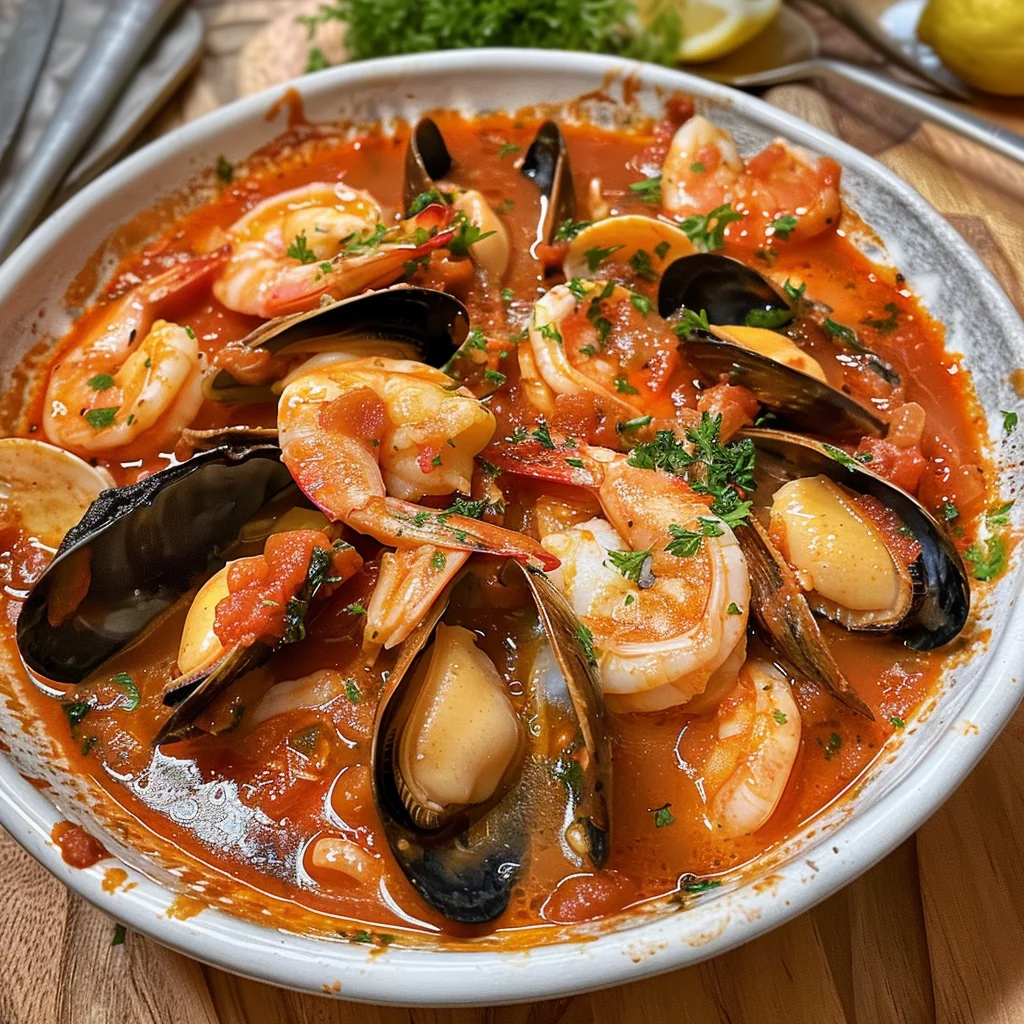
Cioppino: The Ultimate Guide to San Francisco’s Iconic Seafood Stew
Close your eyes for a moment and imagine this: a large, rustic bowl placed before you, steam rising gently to carry an incredible melody of the ocean. We’re talking about the briny scent of fresh clams, the sweet promise of crab, and the rich, aromatic embrace of a tomato broth infused with garlic and herbs. This isn’t just any soup; oh no, this is a spoonful of history, a taste of San Francisco’s very soul. This is Cioppino.
Primarily, this iconic seafood stew is a journey. It’s a story told by Italian-American fishermen, a celebration of the day’s catch, and ultimately, a centerpiece for gathering and feasting. Consequently, this guide is your personal passport to understanding everything about this magnificent dish. From its humble beginnings on the docks to the secrets of crafting the perfect pot at home, we’re diving deep. So, let’s get started and unravel the delicious mystery of Cioppino.
What is Cioppino? A Definition
Alright, let’s cut to the chase. What in the world is this strangely named stew that everyone raves about? Essentially, Cioppino (pronounced chuh-PEE-no) is a magnificent, tomato-based fisherman’s stew that proudly claims San Francisco as its home. Interestingly, despite its deeply Italian roots, it’s actually a classic creation of Italian immigrants who settled in Northern California. Think of it as a delicious, transatlantic love letter written with seafood.
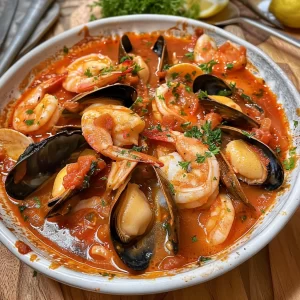
Now, you might be wondering what sets it apart from other stews. Well, for starters, its character is utterly unmistakable. Firstly, the broth itself is a vibrant, robust affair, typically built on a foundation of fresh tomatoes, aromatic vegetables, and a generous splash of cooking liquid. Secondly, and most importantly, the seafood mix is never an afterthought; it’s the star of the show. Traditionally, you’ll find a glorious jumble of whatever was freshest that day: Dungeness crab clinging to its shell, clams and mussels peeking out from their opened homes, tender shrimp, and hearty chunks of firm white fish.
Ultimately, enjoying this dish is a wonderfully interactive experience. Served with a side of crusty, sourdough bread for dipping, it demands you to roll up your sleeves and get a little messy. It’s not just a meal; it’s an event.
The Rich History and Cultural Significance
To truly appreciate a bowl of Cioppino, you simply have to know its story. Frankly, the history is as rich and layered as the stew itself. Our tale begins in the late 1800s with the wave of Italian immigrants, particularly those from the port city of Genoa in the Liguria region, who made their way to the West Coast. Naturally, they settled in San Francisco’s North Beach neighborhood, bringing their culinary traditions with them.
Now, here’s where the magic happened. Many of these immigrants worked as fishermen on the bustling Fisherman’s Wharf. According to legend, at the end of the day, the fishermen would walk back to the docks with their catch. In a wonderful display of community, each man would contribute a little something—a few clams, a crab, a chunk of fish—to a massive communal pot. This practice, known as “chipping in,” is famously credited for the name. Linguistically, however, the name likely derives from the Ligurian word “ciuppin,” meaning “chopped” or “to chop,” referring to the chopped-up fish used in a more rustic soup back in the old country.
Furthermore, this wasn’t fancy cooking; it was practical, resourceful, and zero-waste. They used what was abundant, what wasn’t sold that day, or what was too ugly to market. Slowly but surely, this humble fisherman’s stew jumped from the docks into the family kitchens of North Beach and eventually onto the menus of the city’s finest Italian restaurants. Incredibly, it became a symbol of San Francisco, forever tied to the city’s identity and its famous sourdough bread.
The Anatomy of an Authentic Cioppino (Ingredients Deep Dive)
Alright, let’s get down to the nuts and bolts—or should we say, the shells and fins? Crafting an unforgettable Cioppino is all about quality ingredients. Each component plays a crucial role in building that symphony of flavor.
The Foundation: Aromatics and Broth Base
First things first, every great stew starts with a aromatic base. You’ll need a good glug of high-quality olive oil for sautéing. Then comes the holy trinity of flavor: diced onion, thinly sliced fennel (this is non-negotiable for that authentic, subtle anise note), and plenty of minced garlic. For the liquid component, a dry white cooking liquid is essential for deglazing the pot and adding acidity. Of course, the tomato base is key; many chefs swear by canned whole San Marzano tomatoes, crushed by hand, for their sweet flavor and low acidity. Finally, you’ll need a great fish stock or, more commonly, bottled clam juice to reinforce that briny, oceanic depth.
The Star Players: Selecting Your Seafood
This is where you can truly shine. While there’s some flexibility, authenticity calls for a few key players. The absolute king of San Francisco Cioppino is the Dungeness crab, typically pre-cooked and broken into sections. Then, you need bivalves! Little neck clams and black mussels are perfect for adding layers of texture and that fantastic moment when they pop open. Beyond that, firm-fleshed white fish like halibut or cod hold up beautifully, and large shrimp (prawns) add a wonderful sweetness. Always remember: the single most important rule is to source the freshest seafood you can find. For guidance on making responsible choices, consult resources like the Monterey Bay Aquarium Seafood Watch for the best sustainable seafood choices.
Flavor Enhancers: Herbs and Seasonings
Don’t forget the supporting cast! A bay leaf simmered in the broth works wonders. Dried oregano and thyme add an earthy backbone. For a little kick, a pinch of red pepper flakes is perfect. Finally, a generous handful of fresh parsley and basil stirred in at the very end brightens the entire dish right up.
How to Make Cioppino – A Step-by-Step Recipe
Ready to create some magic? Don’t be intimidated; making Cioppino is a straightforward process of building flavors layer by layer. Here’s your game plan.
Prep Time: 30 minutes | Cook Time: 45 minutes | Total Time: 1 hour 15 minutes
Equipment Needed
-
A large, heavy-bottomed pot or Dutch oven (this is crucial for even heating).
-
A wooden spoon.
-
Bowls for prepped ingredients.
Ingredients List
-
(Consolidated from the detailed list in Part 3)
Step-by-Step Instructions
-
Prepare the Seafood: Begin by ensuring your scrubbed clams and debearded mussels are ready. Devein the shrimp, and cut any firm fish into generous, bite-sized chunks. Having everything prepped and nearby makes the cooking process smooth and stress-free.
-
Build the Flavor Base: Next, heat your olive oil in the large pot over medium heat. Add the onion and fennel, cooking until they become soft and translucent. Then, add the garlic, stirring for just about a minute until it becomes fragrant—be careful not to burn it!
-
Deglaze and Simmer: Now, pour in your white cooking liquid, scraping the bottom of the pot with your wooden spoon to release all those tasty browned bits (this process, called deglazing, is a flavor powerhouse!). Let it reduce slightly. Afterwards, add your hand-crushed tomatoes, fish stock (or clam juice), bay leaf, oregano, and red pepper flakes. Bring this to a boil, then immediately reduce the heat and let it simmer gently for about 30 minutes. This allows all the flavors to meld together beautifully.
-
Cook the Seafood: Season your now-awesome broth well with salt and pepper. Now, add the seafood in stages. First, put in the clams and mussels (they take the longest), cover the pot, and let them cook for 5-6 minutes. You’ll hear them clicking away as they open! Once they’ve mostly opened, add the fish, shrimp, and scallops. Gently push them into the broth, cover again, and cook for another 4-5 minutes. Just cook until the fish is opaque, the shrimp are pink, and the scallops are firm.
-
Final Touches: Discard any stubborn clams or mussels that refused to open. Stir in your fresh parsley and basil. Give it a taste and adjust the seasoning if needed.
-
Serve Immediately: Ladle the stew into large, deep bowls, making sure everyone gets a fantastic variety of the seafood mix. Don’t forget a side of toasted, crusty sourdough bread for the ultimate experience.
Pro Tips, Variations, and Serving Suggestions
You’ve got the basics down, but these pro tips will take your Cioppino from great to absolutely legendary.
Chef’s Secrets: Tips for the Perfect Cioppino
-
Don’t Overcook the Seafood! This is the cardinal rule. Seafood cooks incredibly quickly and becomes tough and rubbery if overdone. Add it last and cook it just until done.
-
Make Broth Ahead: You can absolutely make the broth base (through Step 3) a day or two in advance. In fact, this often deepens the flavors. Just cool it, refrigerate, and gently reheat it before adding and cooking your fresh seafood.
-
Crab Shell Stock: For an insane depth of flavor, take the cleaned shells from your crab and simmer them in your fish stock for 10-15 minutes before straining it out. This extracts every last bit of essence.
Cioppino Variations and Adaptations
While tradition is key, feel free to make it your own! Don’t have access to Dungeness crab? Use a meaty lobster tail instead. Living on the East Coast? Cherrystone clams and blue crab make a wonderful local version. It’s all about using the best sustainable seafood available to you.
How to Serve and Enjoy Cioppino
Presentation is part of the fun. Serve this stew in large, wide bowls to accommodate all the goodies. The mandatory side is, of course, warm, crusty sourdough bread for sopping up every last drop of that incredible broth. A simple, bright salad with a lemony vinaigrette on the side helps cut through the richness perfectly. And remember: provide plenty of napkins, a bowl for shells, and seafood tools—it’s meant to be eaten with your hands!
FAQs (Frequently Asked Questions)
Let’s tackle some of the most common questions people have about this magnificent stew.
What is the difference between Cioppino and Bouillabaisse?
This is a fantastic question! While both are famous fisherman’s stews, they have distinct origins and profiles. Cioppino is Italian-American, hailing from San Francisco, and features a tomato-forward, wine-based broth with a varied mix of seafood. Bouillabaisse is French, from Marseille, and traditionally relies less on tomato, often features saffron and orange zest, and has stricter rules about which fish are used. The broths are also served differently.
Can I make Cioppino ahead of time?
Yes, but with a clever workaround! You can (and should) make the broth base completely ahead of time. Simply follow the recipe through Step 3, then let the broth cool and store it in the refrigerator for up to two days. When you’re ready to eat, gently reheat the broth to a simmer and then proceed with adding and cooking the fresh seafood. This ensures your shellfish and fish are perfectly tender, not overcooked.
What is the best fish to use in Cioppino?
You want a firm-fleshed white fish that can hold its own in a simmering broth without disintegrating. Excellent choices include halibut, cod, sea bass, monkfish, or even swordfish. Avoid delicate, flaky fish like tilapia or sole, as they will likely fall apart and become mushy.
How do you eat Cioppino with crab?
Embrace the mess! Eating Cioppino with crab is a hands-on, joyful experience. Provide crab crackers and small picks (seafood tools) for everyone at the table. Use the crackers to break open the crab legs and claws, and the picks to extract the meat. It’s a social, leisurely way to dine—so don’t rush it!
Print
Cioppino – Seafood Stew
Description
Cioppino – Seafood Stew
Ingredients
-
2 tbsp olive oil
-
1 onion, chopped
-
3 garlic cloves, minced
-
1 fennel bulb, chopped (optional)
-
1 red bell pepper, chopped
-
1/2 tsp crushed red pepper flakes
-
1 tsp dried oregano
-
1/2 tsp dried thyme
-
1 can (28 oz) crushed tomatoes
-
1 cup dry white wine
-
2 cups seafood stock or clam juice
-
1 lb firm white fish (like cod or halibut), cut into chunks
-
1 lb shrimp, peeled and deveined
-
1 lb scallops
-
1 lb mussels or clams, cleaned
-
Salt & pepper, to taste
-
Fresh parsley, chopped, for garnish
-
Crusty bread, for serving
Instructions
-
Sauté vegetables: Heat olive oil in a large pot over medium heat. Add onion, garlic, fennel, and bell pepper. Cook until softened, 5–7 minutes.
-
Add seasonings & liquids: Stir in red pepper flakes, oregano, thyme. Add crushed tomatoes, white wine, and seafood stock. Simmer for 20 minutes to develop flavor.
-
Cook seafood: Add firm white fish first and simmer 5 minutes. Add shrimp and scallops, simmer 3–4 minutes. Finally, add mussels or clams, cover, and cook 5–7 minutes until shells open. Discard any unopened shells.
-
Finish & serve: Season with salt and pepper. Garnish with fresh parsley. Serve hot with crusty bread for dipping.