
The Ultimate Guide to Making Classic Beef Lasagna from Scratch
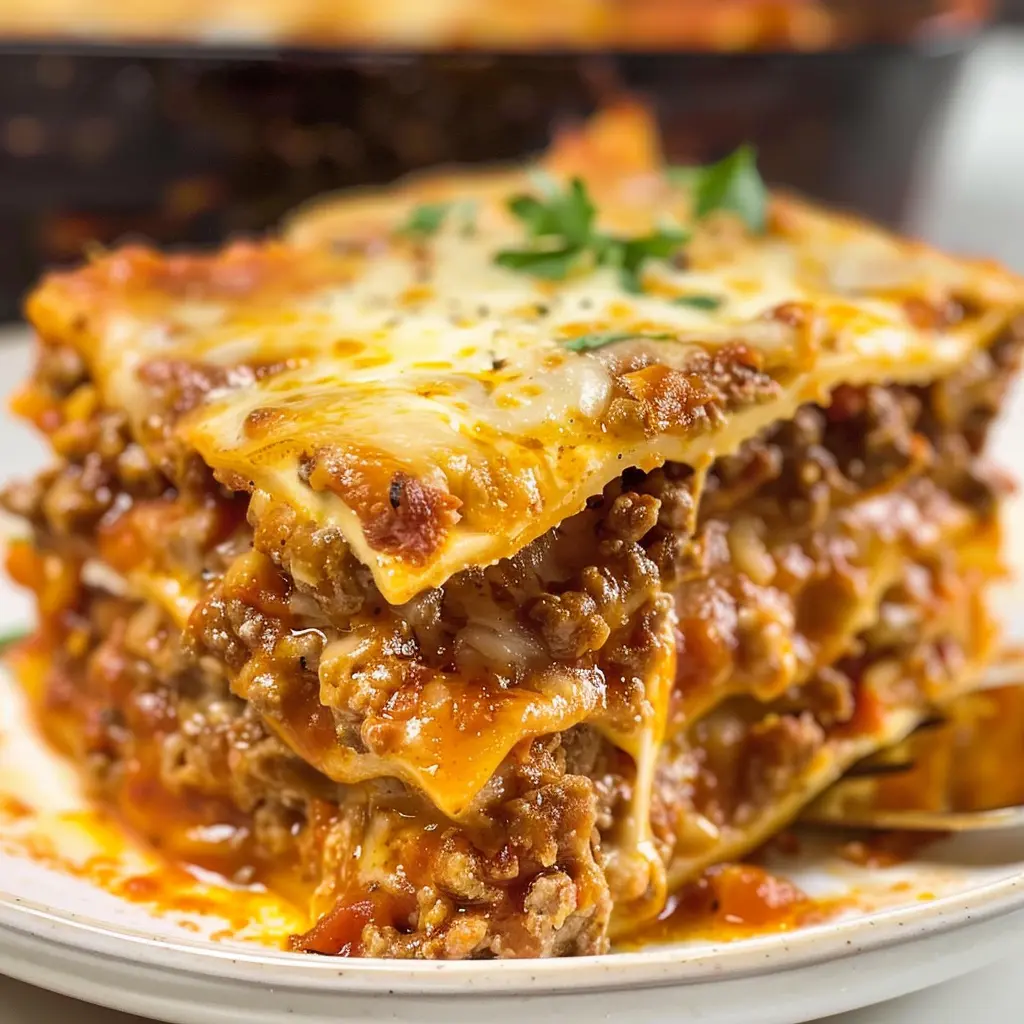
Ah, Classic Beef Lasagna. Just the name evokes images of bustling family dinners, steam rising from a pan of bubbling cheese, and that first glorious, layered bite. It’s the undisputed champion of comfort food, a hearty and celebratory dish that feels like a warm hug. Nevertheless, for many home cooks, making it from scratch can seem like a daunting task. Well, fear not! This guide is your golden ticket to ditching the frozen versions and restaurant takeout menus for good. Consequently, we’re diving deep into the art and soul of creating an authentic, unforgettable lasagna that will have everyone begging for your secret.
Frankly, this isn’t just a recipe; it’s a blueprint for building flavor. We’ll walk through every single step, from simmering a rich, robust meat sauce for hours to crafting the perfect creamy cheese layer. Additionally, we’ll unravel the history of this iconic dish and provide pro tips to ensure your masterpiece is absolutely foolproof. So, roll up your sleeves—you’re about to create something truly special.
Why This Classic Beef Lasagna Recipe is Unbeatable
Alright, let’s get straight to the point: why bother making lasagna from scratch when there are so many shortcuts available? The answer is simple—flavor and pride. While no-boil noodles and jarred sauce can save time, they simply can’t compete with the deep, complex taste of a homemade version. This recipe, therefore, focuses on doing things the right way, not necessarily the fast way.
Firstly, the meat sauce simmers low and slow, allowing the flavors to meld together into something magical. Secondly, the cheese mixture is seasoned perfectly, avoiding the common pitfall of being bland. And finally, understanding the science of assembly means you’ll get clean, defined layers instead of a sloppy mess. Ultimately, this process is incredibly rewarding. Imagine placing that pan on the table, watching faces light up, and knowing you created that from nothing. Now that’s something to be proud of!
A Brief History: From Ancient Roots to Italian-American Icon
Before we preheat the ovens, let’s take a quick trip back in time. Surprisingly, the dish we know and love today is the result of centuries of evolution and cultural fusion.
The Origins of Lasagna
The story begins not in Italy, but in ancient Greece with a flat dough called “laganon.” Eventually, this concept traveled to Rome and later to Naples, where it began to resemble the pasta sheets we use today. Medieval Italy saw the earliest written recipes for lasagna, which were, interestingly, often sweet and made with fermented dough. In fact, the layered structure we associate with lasagna was documented as early as the 14th century in Naples. However, tomatoes were nowhere to be found; they weren’t introduced to Europe from the Americas until later.
The Journey to America
The real transformation into the Classic Beef Lasagna we crave happened across the Atlantic. During the waves of Italian immigration in the late 19th and early 20th centuries, families brought their culinary traditions with them. In America, ingredients like beef and cheese were more abundant and affordable than in the old country. Consequently, resourceful home cooks adapted their recipes, creating a richer, meatier, and cheesier version of the dish. This magnificent creation, a symbol of ingenuity and comfort, became a cornerstone of Italian-American cuisine and a beloved family dinner staple worldwide.
Anatomy of a Perfect Lasagna: Understanding the Layers
Think of building your best ever lasagna like constructing a beautiful, edible skyscraper. Each layer has a specific job, and if you get the foundation right, the whole thing stands tall and impressive. Conversely, a weak foundation leads to a collapse—or in this case, a watery, messy slice.
Essentially, you have four key components working in harmony: the sturdy base of pasta sheets, the rich and savory meat sauce, the creamy, cooling ricotta mixture, and the glorious, stretchy blanket of melted cheese on top. Getting the texture and flavor balance right in each of these elements is your number one goal. Let’s break down the most important layer first: the sauce.
The Heart of the Dish: Crafting a Rich Meat Sauce (Ragù)
This isn’t just any tomato sauce; it’s a ragù, a slow-simmered masterpiece that forms the soul of your dish. This is where the magic starts, so please don’t rush it!
The Holy Trinity: Soffritto (Onion, Celery, Carrot)
First things first, you need to build your flavor base. This classic Italian combination, finely chopped, is called soffritto. Sautéed gently in olive oil, these vegetables sweeten and create an incredible depth of flavor that forms the backbone of your entire sauce. Honestly, skipping this step is like building a house on sand—you’re missing the foundational support.
Choosing Your Beef: Blend vs. Single Cut
Now, for the star of the show: the ground beef. For the best flavor and fat content, I highly recommend ground chuck (usually an 80/20 lean-to-fat ratio). The fat renders out, enriching the sauce and keeping everything succulent. For an even more complex flavor, however, consider a blend. Using half beef and half mild Italian sausage is an absolute game-changer; the added herbs and fennel in the sausage elevate the entire dish.
The Simmering Secret: Low and Slow
Here’s the non-negotiable secret: time. After browning the meat and adding your tomatoes and broth, the sauce must simmer gently for at least 90 minutes. This isn’t just about cooking it; it’s about transforming it. During this time, the flavors marry, the meat becomes incredibly tender, and the sauce reduces to a thick, spoon-coating consistency. This patience is what separates a good homemade meat sauce from a truly legendary one.
The Creamy Layer: Mastering the Ricotta Mixture
While the sauce bubbles away, let’s tackle the cheese layer. This isn’t just about dumping ricotta into a bowl; a few simple tricks will make it spectacular.
To Drain or Not to Drain Your Ricotta?
This is the single most important tip to prevent a watery lasagna. You must, and I mean must, drain your ricotta. Whole-milk ricotta is ideal for its richness, but it contains a lot of whey. Simply place it in a fine-mesh strainer over a bowl for about 30 minutes. Alternatively, you can wrap it in cheesecloth and gently squeeze out the excess liquid. Trust me, this extra step is a total lifesaver.
The Essential Bind: Egg and Herbs
Now, for every 16 ounces of drained ricotta, beat in one large egg. This acts as a binder, helping the cheese layer set up nicely during baking instead of turning runny. Then, stir in a generous amount of freshly chopped parsley, a pinch of salt, and a good crack of black pepper. This simple seasoning wakes up the cheese and adds a fresh contrast to the rich meat sauce.
The Cheese Trio: Ricotta, Mozzarella, and Parmigiano-Reggiano
Cheese isn’t just a topping here; it’s a crucial structural and flavor element in every single layer. Each one plays a distinct role:
-
Ricotta: Provides a creamy, slightly tangy, and cool layer that cuts through the richness of the sauce.
-
Mozzarella: Delivers that iconic, stretchy, gooey melt we all dream about. For the best results, always buy a block of low-moisture mozzarella and shred it yourself. Pre-shredded bags contain anti-caking agents that can make your sauce grainy and prevent smooth melting.
-
Parmigiano-Reggiano: This is your flavor bomb. The salty, nutty, umami punch of real Parmigiano-Reggiano is irreplaceable. Please grate it fresh—the pre-canned powder simply won’t do it justice.
The Pasta Foundation: Choosing Your Noodles
The layers need something to hold them together, and that’s the job of the lasagna noodles. You’ve got two main choices, each with its merits.
No-Boil (Oven-Ready) vs. Traditional Lasagna Noodles
No-boil noodles are a modern convenience miracle. They are par-cooked and dried, designed to absorb moisture from your sauce during baking and cook through perfectly. They save time and eliminate the fuss of handling hot, sticky pasta sheets. However, some purists argue they have a slightly different texture.
The Art of Pre-Boiling Traditional Noodles
If you use traditional noodles, you’ll need to boil them first. Cook them in well-salted water until they are just pliable but still very firm to the bite—this is called al dente. They will continue cooking in the oven. To prevent sticking, drizzle the cooked noodles with a little oil and lay them flat on parchment paper. Honestly, both methods work wonderfully; it simply comes down to your personal preference.
Step-by-Step Assembly: Building Your Lasagna Masterpiece
This is where the fun begins! Assembly is like a delicious puzzle. For the best results, use a 9×13 inch baking dish.
-
The Foundation: Start with a thin, even layer of your meat sauce on the bottom of the dish. This prevents the noodles from sticking and burning.
-
Pasta Layer: Place your first layer of noodles slightly overlapping to cover the sauce.
-
Cheese Spread: Dollop about one-third of your ricotta mixture over the noodles and spread it gently into an even layer.
-
The Sprinkle: Scatter a handful of shredded mozzarella and a generous sprinkle of Parmigiano-Reggiano over the ricotta.
-
Meat Blanket: Ladle a good amount of meat sauce over the cheeses and spread it evenly.
-
Repeat: Repeat the layers (noodles, ricotta, shredded cheeses, sauce) two more times.
-
The Finale: For the top layer, place your last noodles, cover them with the remaining meat sauce, and then finish with a final, generous blanket of mozzarella and Parmesan. This creates that beautiful, golden-brown cheesy crust.
Pro Tip: Avoid overloading your layers. It might be tempting to add more cheese or sauce, but this can make the lasagna unstable and difficult to slice.
Baking to Perfection: Time, Temperature, and Tips
Preheat your oven to 375°F (190°C). Now, here’s how to navigate the baking process for a perfect result.
The Foil Tent Method for Perfect Melting
Before baking, cover the dish tightly with aluminum foil. This crucial step traps steam, which cooks the noodles through and melts the cheese beautifully without over-browning the top. Bake it covered for about 25 minutes.
How to Tell When Your Lasagna is Done
After 25 minutes, remove the foil. The edges should be bubbling enticingly. Continue baking, uncovered now, for another 20-25 minutes. Your lasagna is ready when the cheese on top is fully melted, spotty golden brown, and the sauce is bubbling vigorously around the edges.
The Most Important Step: The Resting Period
I know, I know—this is the hardest part. You’ve spent hours, and the aroma is driving you crazy. But you must let it rest. Take the pan out of the oven and place it on a wire rack. Walk away for at least 15-20 minutes.
Why? This allows the layers to set. The proteins in the cheese and eggs firm up, and the liquids redistribute. If you cut into it immediately, you’ll have a soupy, sliding mess on your plate. Patience here guarantees those picture-perfect, clean squares that hold their shape.
Classic Beef Lasagna Recipe Card
Prep Time: 45 minutes | Cook Time: 1 hour 30 minutes (plus simmering & resting) | Total Time: 3 hours+ | Servings: 12
Ingredients:
-
For the Meat Sauce:
-
2 tbsp olive oil
-
1 large onion, finely chopped
-
2 carrots, finely chopped
-
2 celery stalks, finely chopped
-
4 cloves garlic, minced
-
1.5 lbs ground beef chuck (80/20)
-
1 (28 oz) can crushed tomatoes
-
1 (15 oz) can tomato sauce
-
2 tbsp tomato paste
-
2 tsp dried oregano
-
1 tsp dried basil
-
Salt and black pepper to taste
-
2 cups beef broth
-
-
For the Cheese Layer:
-
32 oz whole-milk ricotta, drained
-
2 large eggs
-
1/2 cup fresh parsley, chopped
-
1 tsp salt
-
1/2 tsp black pepper
-
2 cups low-moisture mozzarella, shredded
-
1 cup Parmigiano-Reggiano, freshly grated
-
-
Other:
-
12 no-boil lasagna noodles (or 1 lb traditional, boiled al dente)
-
Instructions:
-
Make the Sauce: In a large pot or Dutch oven, heat olive oil over medium heat. Add onion, carrot, and celery (soffritto) and cook until softened. Add garlic and cook for 1 minute until fragrant. Add ground beef, break it up, and cook until browned. Drain excess fat.
-
Simmer: Stir in crushed tomatoes, tomato sauce, tomato paste, herbs, salt, pepper, and broth. Bring to a simmer, then reduce heat to low. Cover and let it simmer gently for at least 90 minutes, stirring occasionally.
-
Prep Cheese: In a medium bowl, combine the drained ricotta, eggs, parsley, salt, and pepper. Mix well.
-
Assemble: Preheat oven to 375°F (190°C). In a 9×13 inch baking dish, spread 1 cup of meat sauce. Layer 4 noodles, 1/3 of the ricotta mixture, 1/3 of the mozzarella, and 1/4 of the remaining sauce. Repeat layers twice. For the top, finish with the last 4 noodles, the remaining sauce, and the remaining mozzarella and Parmesan.
-
Bake: Cover tightly with foil and bake for 25 minutes. Remove foil and bake for another 20-25 minutes until bubbly and golden.
-
Rest: Let the lasagna rest for 15-20 minutes before slicing and serving.
Delicious Variations on a Classic
Once you’ve mastered the classic, feel free to get creative!
Vegetable Lasagna Twist
Incorporate layers of freshness! Try adding sautéed spinach (squeezed very dry), thinly sliced zucchini, or sautéed mushrooms between the cheese and sauce layers.
The White Sauce (Béchamel) Version
For a Northern Italian twist, replace the ricotta mixture with a traditional béchamel sauce. This is a creamy white sauce made by whisking milk into a butter and flour roux. It creates a wonderfully smooth and rich texture.
Expert Tips and Troubleshooting
-
Make-Ahead Magic: You can assemble the entire lasagna up to 2 days in advance. Keep it covered in the fridge. When ready to bake, you may need to add 10-15 minutes to the covered baking time since it will be cold from the fridge.
-
Freeze for Later: An unbaked lasagna freezes beautifully for up to 3 months. Wrap it tightly in both plastic wrap and foil. Thaw in the refrigerator overnight before baking as directed.
-
Fixing a Watery Lasagna: The key is prevention (draining ricotta, thick sauce). If it’s too late, simply let the baked lasagna rest longer. If it’s still soupy, serve it with a slotted spoon.
-
Reheating Leftovers: Reheat portions in a covered oven-safe dish at 350°F (175°C) until warm. This keeps it from drying out better than a microwave.
Frequently Asked Questions (FAQs)
Can I make lasagna ahead of time?
Absolutely! In fact, it often tastes even better the next day as the flavors have more time to meld. You can assemble it, cover it tightly, and refrigerate it for up to 2 days before baking. You can also freeze an unbaked lasagna for up to 3 months.
Why is my lasagna so watery?
The most common culprits are ricotta that wasn’t drained, vegetables (like spinach) that released water, or a sauce that wasn’t simmered long enough to reduce and thicken. Ensuring your components are properly prepared will solve this issue.
Do I have to boil the lasagna noodles?
Not if you use “oven-ready” or “no-boil” noodles. They are designed to cook perfectly with the moisture from the sauce. If you are using traditional lasagna noodles, boiling them first is necessary.
What can I use instead of ricotta cheese?
For a different texture, you can use a traditional béchamel (white sauce). Cottage cheese, pureed until smooth, is also a common substitute, though the flavor profile will be slightly different.
Print
Classic Beef Lasagna
Description
Classic Beef Lasagna
Ingredients
For the meat sauce:
-
2 tbsp olive oil
-
1 lb ground beef
-
1 medium onion, diced
-
4 cloves garlic, minced
-
1 (28 oz) can crushed tomatoes
-
1 (15 oz) can tomato sauce
-
2 tbsp tomato paste
-
1 tsp dried oregano
-
1 tsp dried basil
-
½ tsp red pepper flakes (optional)
-
1 tsp sugar (to balance acidity)
-
Salt & black pepper, to taste
For the cheese layer:
-
15 oz ricotta cheese
-
1 large egg
-
½ cup grated Parmesan cheese
-
2 tbsp fresh parsley (or 1 tsp dried)
Other layers:
-
12 lasagna noodles (regular or no-boil)
-
3 cups shredded mozzarella cheese
-
Extra Parmesan, for topping
Instructions
-
Make the meat sauce:
-
Heat olive oil in a large skillet or saucepan.
-
Add onion and cook until softened. Stir in garlic.
-
Add ground beef and cook until browned, breaking it apart with a spoon.
-
Stir in crushed tomatoes, tomato sauce, tomato paste, oregano, basil, sugar, salt, and pepper.
-
Simmer uncovered for 25–30 minutes, stirring occasionally.
-
-
Prepare the cheese mixture:
-
In a bowl, mix ricotta, egg, Parmesan, parsley, salt, and pepper. Set aside.
-
-
Cook noodles (if not using no-boil):
-
Boil lasagna noodles until just al dente. Drain and lay flat on parchment to prevent sticking.
-
-
Assemble the lasagna:
-
Preheat oven to 375°F (190°C).
-
In a 9×13-inch baking dish, spread a thin layer of meat sauce on the bottom.
-
Layer noodles, ricotta mixture, meat sauce, mozzarella. Repeat layers until all ingredients are used.
-
Finish with noodles topped with meat sauce and mozzarella + Parmesan.
-
-
Bake:
-
Cover with foil (tent slightly to avoid touching cheese). Bake 25 minutes.
-
Remove foil and bake another 20–25 minutes until bubbly and golden.
-
Let rest at least 15 minutes before slicing (important for neat layers).
-