
Introduction & The Core Ingredients
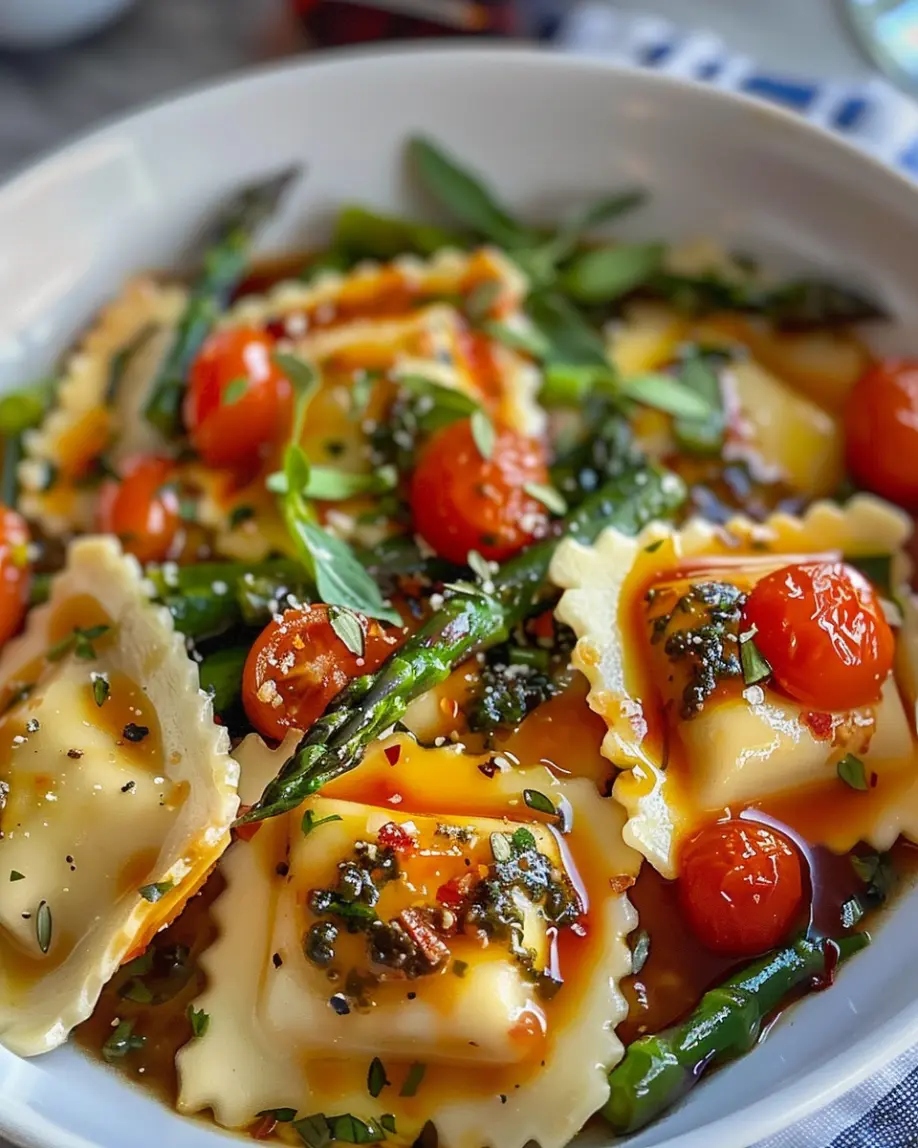
Ah, the humble ravioli. It’s the ultimate comfort food, a little pocket of joy that promises a delicious surprise. But let’s be honest, sometimes that surprise can get a little lost in a heavy, predictable sauce. Well, get ready to shake things up! We’re trading the winter-weight recipes for a dish that sings with the bright, vibrant flavors of spring: ravioli with tomatoes, asparagus, garlic, and herbs.
This isn’t just another pasta recipe; it’s a celebration on a plate. Imagine tender cheese-filled parcels nestled amongst blistered sweet tomatoes and crisp-tender asparagus spears, all brought together by a light, emulsified sauce fragrant with garlic and fresh herbs. It’s a quick vegetarian pasta dream that feels gourmet but is deceptively simple to pull off on any busy weeknight. Seriously, this easy ravioli dinner is about to become your new go-to.
Why This Flavor Combination is a Culinary Masterpiece
So, what makes this particular combo so darn special? Well, it’s all about harmony. Each ingredient plays a crucial role in creating a symphony of flavor and texture that just works.
First, you have the sweet, juicy burst of cherry tomatoes. When heated, they practically melt, releasing their natural sugars and creating a fantastic, light base for the sauce. Then, the asparagus steps in, offering a satisfying earthy crunch that provides the perfect contrast. Of course, we can’t forget the garlic—its pungent, aromatic kick is the undeniable backbone of flavor, infusing the olive oil with its essence. Finally, the fresh herbs—like basil and parsley—are the finishing touch. They lift the entire dish, adding a layer of bright, grassy freshness that makes every bite sing.
This spring pasta recipe is incredibly versatile, too. It’s fancy enough to serve to guests who will think you slaved away for hours, yet it’s straightforward enough for a casual family meal. Ultimately, it’s a testament to how a few quality ingredients can create something truly magical with minimal effort.
Gathering Your Ingredients: A Guide to Quality
Here’s the secret weapon for this, or any, fantastic Italian pasta recipe: you cannot cut corners on quality. Since the ingredient list is short and sweet, each one needs to pull its weight. Using the best components you can find is the absolute key to transforming this from a simple pasta toss into a memorable gourmet pasta at home experience.
The Ravioli: Store-Bought vs. Homemade
Let’s have a real talk about the star of the show. Making homemade ravioli from scratch is a wonderful, rewarding process—a true labor of love. However, it’s also a project that requires time and patience that most of us simply don’t have on a Tuesday evening.
Thankfully, the store-bought options available today are fantastic! For this recipe, a good-quality refrigerated cheese ravioli is your best bet. Look for brands with simple, recognizable ingredients. The filling is usually a rich blend of ricotta, Parmesan, and mozzarella, which provides a creamy, mild base that pairs beautifully with the bold vegetables and herbs. Conversely, if you stumble upon a fresh mushroom ravioli, grab it! Its earthy notes would be a divine match for the asparagus and garlic.
Selecting the Best Produce
This is where you can truly make the dish shine. Your mission at the grocery store or farmer’s market is simple: seek out the freshest, most vibrant produce available.
-
Tomatoes: For maximum flavor and that perfect blistered tomato effect, you’ll want small, sweet varieties. Cherry or grape tomatoes are ideal because they caramelize beautifully and hold their shape fairly well. Give them a gentle squeeze; they should be firm but have a little give, and they should smell sweet and earthy at the stem.
-
Asparagus: Ah, the heralds of spring! You want firm, bright green stalks with tightly closed, purple-tinged tips. Avoid any bunches that look wilted or have mushy ends. The thickness is a matter of preference: thin asparagus tends to be more tender and cooks faster, while thick asparagus has a more robust, meaty texture.
-
Garlic: Please, I beg of you, use fresh garlic cloves. That pre-minced stuff in a jar simply won’t deliver the same potent, aromatic punch that is so essential to this dish. Look for firm, plump heads of garlic without any green sprouts emerging.
-
Herbs: This is non-negotiable—you must use fresh herbs. Dried herbs simply won’t provide the same vibrant, lively flavor. For this recipe, fresh basil and flat-leaf parsley are the classic champions. Basil offers a sweet, peppery aroma, while parsley adds a clean, grassy note. Feel free to experiment with others like thyme or oregano, but always go fresh.
The Master Recipe & Cooking Techniques
Alright, enough talk—let’s get cooking! This one-pan pasta dish comes together in a flash, but the results are nothing short of spectacular. Follow these steps, and you’ll master a restaurant-quality meal in no time.
Equipment You’ll Need
You won’t need any fancy gadgets for this easy ravioli dinner. In fact, you likely have everything already:
-
A large pot for cooking the pasta
-
A large skillet or sauté pan (this is your main stage!)
-
A colander for draining
-
A sharp chef’s knife and a sturdy cutting board
-
Measuring spoons and cups
-
A grater for your cheese
Ingredients List
Serves: 4
Prep time: 10 minutes | Cook time: 15 minutes
-
1 pound (450g) cheese ravioli (refrigerated is best)
-
1 pint cherry or grape tomatoes, halved
-
1 bunch asparagus (about 1 lb), tough ends trimmed, cut into 1-inch pieces
-
3-4 cloves garlic, minced
-
1/4 cup fresh basil, chopped, plus more for garnish
-
2 tablespoons fresh parsley, chopped
-
1/3 cup extra virgin olive oil, plus more for drizzling
-
1/4 teaspoon red pepper flakes (optional, for a little heat)
-
Kosher salt and freshly ground black pepper, to taste
-
1/2 cup freshly grated Parmesan cheese, plus more for serving
-
1 cup reserved pasta water
Step-by-Step Instructions
Step 1: Prep Your Mise en Place
First things first, let’s get all our ducks in a row. “Mise en place” is just a fancy French term for having everything in its place, and believe me, it makes the cooking process smooth and enjoyable.
Go ahead and halve all those little tomatoes. Then, tackle the asparagus—snap off the woody ends and slice the tender spears into bite-sized pieces. After that, mince the garlic until it’s fine and fragrant. Now, chop the herbs and grate the Parmesan cheese. See? With everything prepped, you’re already halfway to a stress-free cooking experience.
Step 2: Cook the Ravioli to Al Dente Perfection
Now, bring a large pot of water to a rolling boil. Here’s your first pro tip: salt the water generously! It should taste like the sea. This is your only chance to season the pasta itself from the inside out.
Gently add the ravioli to the boiling water and cook according to the package directions. However, you want to aim for al dente, which means “to the tooth.” In other words, the pasta should be tender but still have a slight bite to it. It will cook a bit more later in the sauce, so it’s better to undercook it slightly now. Crucially, before you drain the pasta, scoop out about one cup of the starchy pasta water. This liquid gold is the key to a silky, emulsified sauce! Drain the ravioli, but do not rinse them.
Step 3: Sauté the Vegetables and Build the Sauce
While the pasta is cooking, start the sauce. Heat the extra virgin olive oil in your large skillet over medium heat. If you’re using the red pepper flakes, now’s the time to add them to the oil to infuse it with a subtle warmth.
Add the asparagus pieces and sauté them for about 3-4 minutes. You’re looking for them to turn a vibrant green but still remain slightly crisp. Next, toss in the halved tomatoes and minced garlic. Give everything a good stir and season with a generous pinch of salt and pepper.
Cook this glorious mixture for another 4-5 minutes, or until the tomatoes begin to soften, blister, and release their juices. This natural tomato liquid is the foundation of your sauce!
Step 4: Combine and Emulsify
This is where the magic happens! Reduce the heat to low. Carefully add the drained, cooked ravioli to the skillet right on top of your vegetable medley.
Now, pour in about a quarter cup of that reserved pasta water. As you gently toss everything together, something wonderful occurs: the starch from the water mingles with the olive oil and tomato juices, creating a light, glossy sauce that clings perfectly to every nook and cranny of the ravioli and vegetables. This process is called emulsification, and it’s the secret to a cohesive, restaurant-style dish. If the sauce seems a bit tight, add another splash of pasta water until it reaches your desired consistency.
Step 5: Finish and Serve
Take the skillet off the heat immediately. Throwing in the fresh herbs and half of the Parmesan cheese now ensures they stay bright and vibrant. Give it one final, gentle toss to incorporate everything.
To serve, divide the ravioli with spring vegetables among warm bowls. Garnish lavishly with the remaining fresh herbs, a final snowfall of Parmesan cheese, and a graceful drizzle of high-quality olive oil. Serve immediately and prepare for the compliments to roll in!
Expertise, Variations, and Pairing
You’ve mastered the basic recipe—fantastic! Now, let’s elevate your skills even further with some chef-approved tips and clever twists to make this dish truly your own.
Pro Tips for the Absolute Best Ravioli Dish
Want to guarantee a perfect outcome every single time? These simple tricks are game-changers:
-
Salt Your Pasta Water Liberally: This is the most repeated tip for a reason. The water should be as salty as seawater. This is the primary opportunity to season the pasta itself, and well-seasoned pasta is the foundation of a great dish.
-
Avoid Overcrowding the Pan: When sautéing your vegetables, make sure they’re in a single layer. If you pile them on top of each other, they’ll steam instead of sauté, and you’ll miss out on that delicious caramelization. If your skillet is small, cook in batches.
-
Embrace the Pasta Water: Don’t forget that cup of starchy water! It’s not just water; it’s a magical binding agent filled with starch that helps the oil and juices create a smooth, emulsified sauce that coats everything beautifully.
-
Taste and Season at Every Step: Season your vegetables as they cook. Taste the sauce before you add the pasta. Finally, taste the finished dish before serving. Adjusting the seasoning throughout the process ensures a perfectly balanced flavor in the end.
Delicious Recipe Variations and Adaptations
The beauty of this asparagus and tomato pasta is its flexibility. Feel free to get creative and adapt it to what you have on hand or what you’re craving.
-
Add a Protein: Turn this vegetarian dish into a heartier meal by adding cooked protein. Sliced grilled chicken, seared shrimp, or even some pan-seared scallops would be magnificent on top.
-
Go Vegan: You can easily make a vegan version! Use your favorite plant-based ravioli (many are filled with butternut squash or mushrooms). Instead of Parmesan, finish the dish with a sprinkle of nutritional yeast for a cheesy, savory flavor.
-
Experiment with Fillings: While cheese is classic, don’t be afraid to try other ravioli fillings. A butternut squash ravioli would add a lovely sweetness, while a lobster ravioli would make it ultra-decadent for a special occasion.
-
Play with Herbs: Love thyme? Add a teaspoon while sautéing the garlic. Have some fresh mint? Chop it up and use it as a garnish alongside the basil for an incredibly refreshing twist.
What to Serve With Your Ravioli: Pairing Ideas
This dish is a complete meal all on its own, but a simple side can round out the dinner perfectly.
-
A Simple Green Salad: A side of crisp greens is the ideal counterpart to the rich, savory pasta. A light arugula salad with a lemon vinaigrette, some shaved fennel, and a few pine nuts would be absolutely perfect.
-
The Perfect Slice of Bread: A slice of crusty, warm bread is essential for sopping up every last bit of that delicious sauce left in the bowl. A classic garlic bread or a simple toasted ciabatta would be fantastic.
-
A Refreshing Beverage: To complement the fresh, herbal notes, try a sparkling lemonade with a sprig of muddled basil or a chilled iced tea.
FAQs and Conclusion
Even the most straightforward recipes can bring up a question or two. Here are answers to some of the most common queries to ensure your success.
Frequently Asked Questions (FAQs)
Can I use frozen asparagus instead of fresh?
You can, but fresh is highly recommended for the best texture and flavor. If you must use frozen, thaw it completely and pat it dry very thoroughly with paper towels before adding it to the pan. This will help it sauté instead of steam, preventing a soggy, watery sauce.
What herbs go best with this ravioli dish?
Fresh basil and flat-leaf parsley are the classic, can’t-go-wrong choices. However, other wonderful options include fresh thyme, oregano, chives, or even a little bit of tarragon. The key is to use fresh herbs for that burst of brightness.
How can I prevent my ravioli from bursting while cooking?
A few tricks can help! First, use a large pot with plenty of water so the ravioli have room to move freely. Second, bring the water to a gentle boil rather than a violent rolling boil. Finally, avoid stirring too vigorously; a gentle stir after adding them to the pot is all you need.
How do I store and reheat leftovers?
Store any leftovers in an airtight container in the refrigerator for up to 3 days. The best way to reheat is gently in a skillet over medium-low heat with a tiny splash of water or broth. This will help loosen the sauce and re-emulsify it without making the pasta rubbery. Microwaving is not recommended, as it can overcook the ravioli.
Conclusion
And there you have it—your complete guide to creating an unforgettable dish of ravioli with tomatoes, asparagus, garlic, and herbs. This spring pasta recipe is more than just a meal; it’s a quick, vibrant, and utterly delicious way to bring the flavors of the season to your table any night of the week.
Remember, great cooking isn’t about complicated techniques; it’s about starting with quality ingredients and treating them with respect. So, grab that skillet, embrace the simplicity, and get ready to create a little bit of magic. Your taste buds will thank you. Now, go forth and cook
Print
Ravioli with tomatoes, asparagus, garlic, and herbswell
Description
Ravioli with Tomatoes, Asparagus, Garlic, and Herbs
Ingredients
-
1 lb cheese ravioli (fresh or frozen)
-
2 tbsp olive oil
-
2 tbsp unsalted butter
-
4 cloves garlic, minced
-
1 pint cherry tomatoes, halved
-
1 bunch asparagus, trimmed and cut into 2-inch pieces
-
½ tsp red pepper flakes (optional)
-
½ cup Parmesan cheese, grated
-
2 tbsp fresh basil, chopped
-
1 tbsp fresh parsley, chopped
-
Salt & black pepper, to taste
-
Zest of 1 lemon (optional, for brightness)
Instructions
-
Cook the ravioli:
-
Bring a large pot of salted water to a boil.
-
Add ravioli and cook according to package directions until tender.
-
Reserve ½ cup of pasta water, then drain.
-
-
Cook the vegetables:
-
In a large skillet, heat olive oil and butter over medium heat.
-
Add garlic and cook until fragrant (about 1 minute).
-
Add cherry tomatoes and asparagus, season with salt, pepper, and red pepper flakes.
-
Cook for 5–7 minutes until tomatoes soften and asparagus turns tender-crisp.
-
-
Combine everything:
-
Add cooked ravioli to the skillet along with a splash of reserved pasta water.
-
Toss gently until coated in the garlic-herb butter sauce.
-
Stir in Parmesan, fresh basil, parsley, and lemon zest.
-
-
Serve:
-
Garnish with extra Parmesan and fresh herbs.
-
Drizzle with a little olive oil for extra flavor.
-