
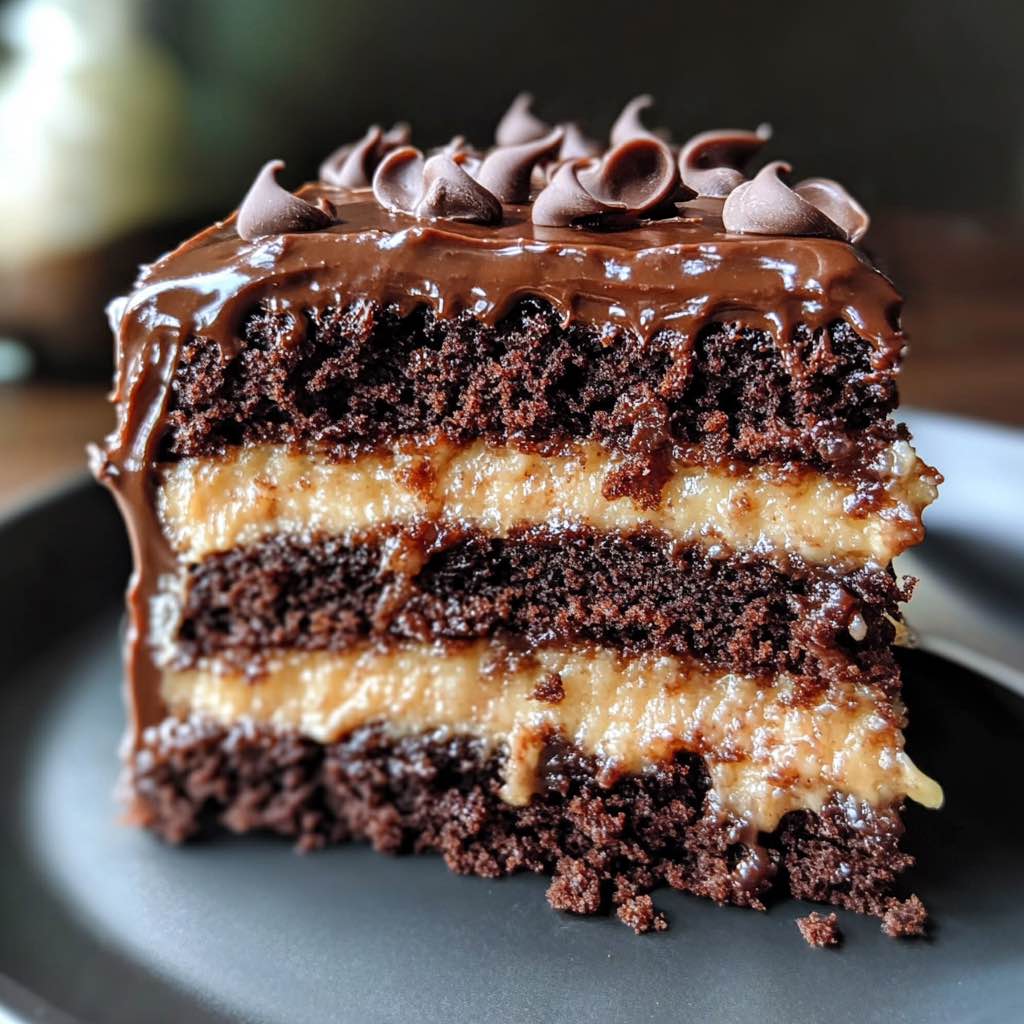
Classic German Chocolate Cake: The Ultimate Guide to Baking This American Masterpiece
Classic German Chocolate Cake is a stunning layered dessert featuring rich chocolate cake paired with a signature coconut pecan frosting. Despite its name, this beloved treat originated in Dallas, Texas, and has become an American classic. This comprehensive guide provides everything needed to master this iconic dessert, from understanding its fascinating history to perfecting every layer of chocolate and coconut goodness.
What is German Chocolate Cake
Classic German Chocolate Cake consists of multiple layers of moist, mild chocolate cake filled and topped with a distinctive coconut pecan frosting. The frosting is actually a custard-based creation made with evaporated milk, egg yolks, butter, and sugar, then enriched with toasted coconut and chopped pecans. Many bakers also add chocolate frosting to the sides for an extra indulgent presentation.
The cake’s chocolate flavor is noticeably lighter and sweeter than traditional chocolate cakes. This characteristic comes from using sweet baking chocolate rather than dark or semi-sweet varieties. The combination of textures makes this dessert unforgettable.
The Surprising History Behind the Name
The name German Chocolate Cake often misleads people into thinking it originates from Germany. The truth reveals a purely American story that began in 1852 when Samuel German, an employee at Baker’s Chocolate Company, developed a sweet dark baking chocolate. Baker’s Chocolate Company named this product “Baker’s German Sweet Chocolate” in his honor.
The cake itself didn’t appear until over a century later. In 1957, a Dallas homemaker named Mrs. George Clay submitted her recipe for “German’s Chocolate Cake” to The Dallas Morning News as their “Recipe of the Day”. The recipe gained massive popularity across Texas and eventually the entire nation.
General Foods, which owned Baker’s Chocolate at the time, distributed the recipe to newspapers nationwide. Sales of Baker’s German Sweet Chocolate reportedly increased by 73 percent. The possessive apostrophe was dropped over time, creating the misleading “German Chocolate Cake” name that suggests European origins.
Essential Ingredients for Success
For the Chocolate Cake Layers
The cake requires basic baking ingredients that create exceptional results. All-purpose flour provides structure while baking soda offers lift. Sweet baking chocolate gives the cake its signature mild chocolate flavor.
Buttermilk adds moisture and tenderness to the crumb. Some recipes call for sour cream as an alternative. Eggs contribute richness, and separating them allows bakers to fold in whipped egg whites for extra lightness.
Unsalted butter should be softened to room temperature for proper creaming. Both granulated and brown sugar add sweetness and moisture. Vanilla extract enhances the overall flavor profile.
For the Coconut Pecan Frosting
This distinctive frosting requires evaporated milk or heavy cream as its base. Egg yolks thicken the mixture into a custard-like consistency. Granulated sugar and brown sugar provide sweetness.
Unsalted butter adds richness and helps create that signature caramel-like flavor. Sweetened shredded coconut should be toasted before adding. Pecans also benefit from toasting, which intensifies their nutty taste.
Vanilla extract brings all the flavors together. Salt balances the sweetness. Check out our guide on selecting quality baking ingredients for best results.
Step-by-Step Instructions for the Cake
Preparing the Pans and Oven
Preheat the oven to 350°F (175°C). Butter and flour two or three 8-inch or 9-inch round cake pans. Line the bottom of each pan with parchment paper to ensure easy removal.
Melting the Chocolate
Combine finely chopped sweet baking chocolate with boiling water in a microwave-safe bowl. Microwave in 30-second intervals, stirring between each, until completely smooth. Set aside to cool slightly before incorporating into the batter.
Mixing the Batter
Beat softened butter with granulated sugar and brown sugar until light and fluffy, about 5 minutes. This creaming process incorporates air for a tender cake. Add egg yolks one at a time, beating well after each addition.
Blend the cooled melted chocolate into the butter mixture. In a separate bowl, whisk together flour, baking soda, and salt. Add the dry ingredients to the wet ingredients in three additions, alternating with buttermilk.
In a clean bowl with clean beaters, whip egg whites to stiff peaks. Gently fold the whipped egg whites into the batter using a large spoon or spatula. This creates an incredibly light texture.
Baking to Perfection
Divide the batter evenly between prepared pans. Tap the pans gently on the counter to release air bubbles. Bake for 35-45 minutes, depending on pan size, until a toothpick inserted in the center comes out clean.
Allow cakes to cool in pans for 10 minutes. Turn out onto wire racks and cool completely before frosting. Rushing this step can cause the frosting to melt.
Making the Perfect Coconut Pecan Frosting
Cooking the Custard Base
Combine evaporated milk, granulated sugar, brown sugar, egg yolks, and butter in a medium saucepan. Whisk continuously over medium heat until the mixture begins to bubble. Constant stirring prevents the egg yolks from scrambling.
Continue cooking and stirring for 12-17 minutes until the mixture thickens noticeably. The frosting should coat the back of a spoon when ready. Remove from heat immediately.
Adding Coconut and Pecans
Stir in vanilla extract, toasted coconut, and toasted pecans. Mix thoroughly to distribute ingredients evenly. Allow the frosting to cool for at least 30 minutes, stirring occasionally.
The frosting will continue to thicken as it cools. It should reach a spreadable consistency perfect for layering. If too thick, a small amount of evaporated milk can thin it.
Toasting for Maximum Flavor
Toasting the coconut and pecans dramatically improves flavor and texture. Spread coconut on a baking sheet and toast at 350°F for 5-7 minutes, stirring frequently, until golden. Toast pecans similarly, watching carefully to prevent burning.
Finely chop the toasted pecans for even distribution throughout the frosting. This ensures every bite contains the perfect ratio of coconut to nuts.
Assembly and Decoration Tips
Creating Perfect Layers
Place the first cake layer on a serving plate or cake stand. Spread a thin layer of chocolate frosting over the top if desired. Spoon half the coconut pecan frosting over the chocolate frosting, spreading it evenly but leaving a small border around the edge.
Add the second cake layer and repeat the process. For three-layer cakes, reserve about one-third of the coconut frosting for the top. The iconic presentation showcases the coconut pecan frosting prominently on top.
Finishing Touches
Classic German Chocolate Cake typically features chocolate frosting on the sides with coconut pecan frosting cascading down from the top. Some bakers prefer a more rustic approach, allowing the coconut frosting to peek through the layers without additional chocolate frosting.
The cake’s appearance should be somewhat casual and homey. Perfect smoothness isn’t necessary; the texture of the coconut and pecans creates natural visual interest. Garnish with extra toasted pecans if desired.
Common Mistakes to Avoid
Overheating the Frosting
The biggest mistake when making coconut pecan frosting involves cooking it over high heat. Seventy-eight percent of frosting failures occur when temperature is too high, causing egg yolks to scramble into unappetizing chunks. Always use medium heat and stir constantly.
Using the Wrong Chocolate
Traditional recipes call for sweet baking chocolate specifically. Using semi-sweet or dark chocolate creates a different flavor profile entirely. While still delicious, it won’t produce the authentic mild sweetness characteristic of classic German Chocolate Cake.
Skipping the Toasting Step
Many home bakers skip toasting the coconut and pecans to save time. This shortcut significantly impacts the final result. Toasting brings out the natural oils in pecans and improves coconut’s texture from chewy to crispy.
Assembling While Warm
Frosting a warm cake causes the coconut pecan frosting to become runny and slide off the layers. Both the cake layers and the frosting must cool completely before assembly. Patience during this step prevents frustration later.
Storage and Make-Ahead Instructions
Room Temperature Storage
German Chocolate Cake can remain at room temperature for several hours before serving. For events, this allows the cake to be assembled and displayed without refrigeration. However, don’t leave it out longer than two hours due to the egg yolks in the frosting.
Refrigerator Storage
Store leftover cake in an airtight container in the refrigerator for 4-7 days. The cake actually tastes better the next day as flavors meld together. Wrap tightly with plastic wrap to prevent drying.
Allow refrigerated cake to sit at room temperature for 30 minutes before serving. This brings out the full flavor and softens the frosting to the ideal consistency.
Freezer Storage
Classic German Chocolate Cake freezes exceptionally well for up to 3 months. Slice the cake first, then freeze slices in an airtight container with parchment paper between layers. Individual slices can be removed as needed.
Thaw frozen slices in the refrigerator overnight or at room temperature for 1-2 hours. The texture remains remarkably close to freshly made.
Variations and Customizations
Different Cake Sizes
Traditional German Chocolate Cake uses 8-inch or 9-inch round pans. For larger gatherings, bake the same recipe in a 9×13-inch pan for easy serving. Sheet cakes require less assembly time but lose the dramatic layered presentation.
Cupcakes offer perfect portion control. The recipe yields approximately 24 cupcakes when baked at 350°F for 18-22 minutes. Top each with a generous dollop of coconut pecan frosting.
Chocolate Frosting Options
While coconut pecan frosting is essential, the chocolate component offers flexibility. Simple chocolate buttercream works beautifully. Some bakers prefer chocolate ganache for extra richness.
Others skip chocolate frosting entirely, using only the coconut pecan mixture for a lighter result. This approach lets the unique coconut flavor shine through every layer.
Nut-Free Adaptations
For those with nut allergies, the frosting can be modified. Replace pecans with sunflower seeds or pumpkin seeds for a similar crunch. Increase the coconut slightly to maintain proper frosting texture.
The result won’t be traditional, but it allows everyone to enjoy this classic dessert. Always clearly label nut-free versions when serving to guests with allergies.
Nutritional Information
A typical slice of Classic German Chocolate Cake contains approximately 450-550 calories. The coconut pecan frosting contributes significant fat and sugar content. One slice provides about 25-30 grams of sugar and 20-25 grams of fat.
The dessert contains protein from eggs and pecans, offering about 5-7 grams per serving. Calcium from milk products contributes to daily nutritional needs. This cake should be enjoyed as an occasional treat rather than a regular indulgence.
Individual portion sizes significantly impact calorie count. Smaller slices reduce overall intake while still providing the satisfying chocolate and coconut experience. Consider sharing a slice or saving half for later.
Frequently Asked Questions
Can I make German Chocolate Cake ahead of time?
Yes, this cake actually improves when made a day in advance. The flavors meld together beautifully overnight. Store assembled cake in the refrigerator and bring to room temperature before serving.
Why is my coconut pecan frosting runny?
The frosting needs sufficient cooking time to thicken properly. Cook for the full 15-17 minutes, stirring constantly. It will continue thickening as it cools, so patience is essential.
What makes Classic German Chocolate Cake different from regular chocolate cake?
The cake uses sweet baking chocolate instead of cocoa powder or semi-sweet chocolate, creating a milder, sweeter flavor. The signature coconut pecan frosting distinguishes it from all other chocolate cakes.
Do I need to refrigerate German Chocolate Cake?
Yes, because the frosting contains egg yolks and dairy, refrigeration is necessary for food safety. The cake can sit out during serving but should be refrigerated when not being consumed.
Can I use a different type of chocolate?
Traditional recipes specifically call for sweet baking chocolate for authentic flavor. Semi-sweet chocolate can substitute but creates a less sweet, more intense chocolate taste that differs from the classic version.
How do I prevent my cake layers from sticking to the pans?
Butter and flour the pans thoroughly, then line the bottoms with parchment paper. This double protection ensures easy release every time. Allow cakes to cool in pans for 10 minutes before turning out.
Conclusion
Classic German Chocolate Cake represents the perfect marriage of moist chocolate cake and rich coconut pecan frosting. This American dessert has delighted families for nearly 70 years with its unique flavor combination and impressive presentation. Despite its misleading name, the cake’s Texas origins make it a true Southern classic.
Success requires attention to key details: using sweet baking chocolate, toasting the coconut and pecans, cooking the frosting properly, and allowing adequate cooling time. These steps ensure bakery-quality results at home.
Whether preparing this cake for birthdays, holidays, or special occasions, the effort invested pays off with every delicious bite. The combination of textures and flavors creates an unforgettable dessert that keeps people coming back for more.
Print
Classic German Chocolate Cake
Description
Classic German Chocolate Cake
Ingredients
For the Cake:
-
2 cups all-purpose flour
-
2 cups granulated sugar
-
¾ cup unsweetened cocoa powder
-
2 teaspoons baking powder
-
1 ½ teaspoons baking soda
-
1 teaspoon salt
-
1 cup buttermilk, room temperature
-
½ cup vegetable oil
-
2 large eggs
-
2 teaspoons vanilla extract
-
1 cup hot water or hot coffee
For the Coconut-Pecan Filling:
-
1 cup evaporated milk
-
1 cup granulated sugar
-
3 large egg yolks, lightly beaten
-
½ cup unsalted butter
-
1 teaspoon vanilla extract
-
1 ½ cups shredded sweetened coconut
-
1 cup chopped pecans
For the Chocolate Frosting:
-
1 cup unsalted butter, softened
-
3 ½ cups powdered sugar
-
½ cup cocoa powder
-
½ cup milk
-
2 teaspoons vanilla extract
🔪 Instructions
1. Bake the Cake
-
Preheat oven to 350°F (175°C). Grease and flour three 9-inch round cake pans.
-
In a large bowl, whisk together flour, sugar, cocoa, baking powder, baking soda, and salt.
-
Add buttermilk, oil, eggs, and vanilla; beat until smooth.
-
Stir in hot water or coffee (batter will be thin).
-
Divide batter evenly among pans and bake for 25–30 minutes, or until a toothpick comes out clean.
-
Cool in pans for 10 minutes, then transfer to wire racks to cool completely.
2. Prepare the Coconut-Pecan Filling
-
In a medium saucepan, combine evaporated milk, sugar, egg yolks, and butter.
-
Cook over medium heat, stirring constantly, until thickened (~10 minutes).
-
Remove from heat and stir in vanilla, coconut, and pecans.
-
Let cool to room temperature before assembling.
3. Prepare the Chocolate Frosting
-
In a large bowl, beat butter until creamy.
-
Gradually add powdered sugar, cocoa, milk, and vanilla. Beat until smooth and fluffy.
4. Assemble the Cake
-
Place one cake layer on a serving plate. Spread a layer of coconut-pecan filling on top.
-
Repeat with the second layer.
-
Place the third layer on top and frost the entire cake with chocolate frosting.
-
Optionally, pipe frosting around edges and sprinkle extra coconut or pecans for decoration.