
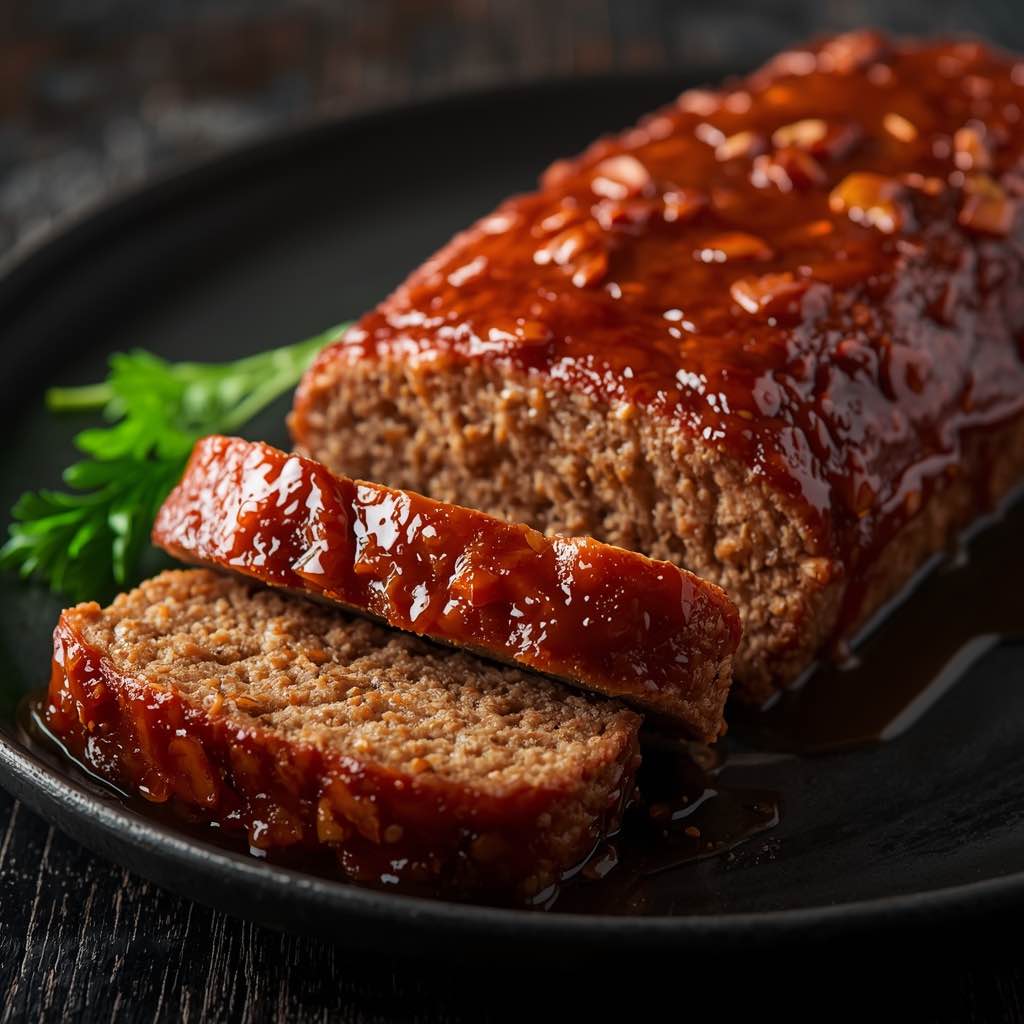
Classic Meatloaf with Brown Sugar Glaze: A Comforting Family Dinner Recipe
There’s something magical about the aroma of Classic Meatloaf with Brown Sugar Glaze baking in your oven. This timeless comfort food transforms simple ground beef into a tender, flavorful centerpiece that brings families together around the dinner table. Whether you’re a busy parent seeking an easy weeknight meal or a home cook wanting to master traditional American cuisine, this recipe delivers every time.
What Makes Classic Meatloaf Special
Classic meatloaf stands as one of America’s most beloved comfort foods. This hearty dish combines ground meat, breadcrumbs, and seasonings into a satisfying loaf that feeds a crowd without breaking the bank.
The brown sugar glaze elevates this simple dish to restaurant quality. Sweet and tangy flavors create a caramelized crust that contrasts beautifully with the savory meat. Moreover, the glaze keeps the meatloaf moist while adding visual appeal.
Home cooks appreciate meatloaf for its versatility. You can prepare it ahead of time, customize ingredients to suit your family’s preferences, and create multiple meals from one batch. Additionally, leftovers make incredible sandwiches the next day.
Why This Recipe Works
This traditional meatloaf recipe balances texture and flavor perfectly. The combination of ground beef and seasonings creates a tender interior. Meanwhile, the brown sugar glaze provides sweetness that complements the savory meat.
Furthermore, this recipe uses simple pantry staples. You won’t need specialty ingredients or complicated techniques. The straightforward method ensures success even for beginner cooks.
Essential Ingredients for Perfect Meatloaf
Creating an exceptional meatloaf starts with quality ingredients. Each component plays a specific role in achieving the ideal texture and taste.
Main Ingredients
Ground Beef: Use 80/20 ground beef for optimal results. The fat content keeps the meatloaf moist and flavorful. Leaner meat tends to produce a dry, crumbly texture.
Breadcrumbs: Plain breadcrumbs or crushed crackers bind the meat mixture together. They also absorb excess moisture, preventing a soggy loaf. Some cooks prefer panko breadcrumbs for added texture.
Eggs: Two large eggs act as a binding agent. They hold the meatloaf together during cooking and slicing. Fresh eggs work best for proper binding.
Onions and Garlic: Finely diced onions add sweetness and moisture. Minced garlic provides aromatic depth. Sautéing these vegetables before adding them enhances their flavor.
Seasonings: Salt, black pepper, and Italian seasoning create the flavor foundation. Additionally, Worcestershire sauce adds umami richness that deepens the overall taste.
Brown Sugar Glaze Components
Brown Sugar: The star ingredient creates caramelization and sweetness. Dark brown sugar provides more molasses flavor than light brown sugar.
Ketchup: This tomato-based condiment adds tanginess and helps the glaze adhere to the meat. Choose a high-quality ketchup for best results.
Mustard: Yellow or Dijon mustard balances the sweetness with a subtle tang. It also helps emulsify the glaze ingredients.
Apple Cider Vinegar: A splash of vinegar brightens the glaze flavors. This ingredient prevents the glaze from tasting too sweet.
According to the USDA Food Safety Guidelines, ground beef should be cooked to an internal temperature of 160°F for food safety.
The Secret to Brown Sugar Glaze
The brown sugar glaze transforms ordinary meatloaf into an extraordinary dish. This sweet and tangy topping caramelizes during baking, creating a flavorful crust.
Glaze Preparation
Mix brown sugar, ketchup, mustard, and apple cider vinegar in a small bowl. Whisk until smooth and well combined. The consistency should be thick but pourable.
Some variations include adding a pinch of garlic powder or onion powder. These additions enhance the savory notes while maintaining sweetness. However, keep the glaze relatively simple to let the brown sugar shine.
Application Technique
Apply half the glaze before baking. This layer infuses flavor into the meatloaf during cooking. Reserve the remaining glaze for the final 15 minutes of baking.
The two-step application creates layers of flavor. Additionally, applying glaze near the end of cooking prevents burning. The sugar caramelizes without becoming bitter.
Glaze Variations
While the classic combination works wonderfully, you can customize the glaze. Try adding:
-
A teaspoon of smoked paprika for depth
-
Hot sauce for subtle heat
-
Honey mixed with brown sugar for extra sweetness
-
Tomato paste for richer tomato flavor
Step-by-Step Preparation Guide
Follow these detailed instructions to create perfect Classic Meatloaf with Brown Sugar Glaze every time.
Preparation Steps
Preheat Your Oven: Set your oven to 350°F (175°C). Proper temperature ensures even cooking throughout the meatloaf.
Prepare the Pan: Line a baking sheet with parchment paper or lightly grease a loaf pan. Free-form loaves on baking sheets allow better browning. Conversely, loaf pans create uniform slices.
Sauté Aromatics: Heat a tablespoon of olive oil in a skillet over medium heat. Add diced onions and cook until soft, about 5 minutes. Then add minced garlic and cook for one more minute. Let cool slightly before adding to the meat mixture.
Mixing the Meatloaf
Combine Dry Ingredients: In a large bowl, mix breadcrumbs with Italian seasoning, salt, and pepper. This ensures even distribution of seasonings.
Add Wet Ingredients: Crack eggs into the breadcrumb mixture. Add Worcestershire sauce and cooled onion-garlic mixture. Stir until combined.
Incorporate the Meat: Add ground beef to the bowl. Mix gently with your hands until just combined. Overmixing creates a dense, tough texture. Stop as soon as ingredients are evenly distributed.
Shaping and Glazing
Form the Loaf: Transfer the meat mixture to your prepared pan. Shape into an oval loaf about 9 inches long and 5 inches wide. Smooth the top and sides for even cooking.
Apply First Glaze Layer: Brush half the brown sugar glaze over the entire surface. Ensure even coverage for consistent flavor.
Baking Process
Initial Baking: Place the meatloaf in the preheated oven. Bake for 45 minutes without opening the oven door. This allows the meatloaf to set properly.
Final Glaze Application: After 45 minutes, remove the meatloaf from the oven. Brush with the remaining glaze. Return to the oven for 15 more minutes.
Check Internal Temperature: Insert an instant-read thermometer into the center. The temperature should reach 160°F for food safety. If needed, continue baking in 5-minute increments.
Rest Before Slicing: Let the meatloaf rest for 10 minutes after removing from the oven. This allows juices to redistribute, ensuring moist slices.
Pro Tips for Moist Meatloaf
Creating a moist, tender meatloaf requires attention to several key factors. These professional tips ensure success every time.
Choose the Right Meat Ratio
Ground beef with 80/20 fat content provides ideal moisture. Leaner ground beef (90/10 or 93/7) produces dry results. Therefore, don’t skimp on fat content when making meatloaf.
Some cooks combine ground beef with ground pork. This mixture adds extra moisture and richness. Try a 50/50 blend or 70/30 beef to pork ratio.
Don’t Overmix the Meat
Handle the meat mixture gently. Overmixing develops gluten in the breadcrumbs and compresses the meat fibers. Consequently, the texture becomes dense and rubbery.
Mix only until ingredients are combined. You should still see some streaks of meat and breadcrumbs. Additionally, use your hands rather than a spoon for better control.
Add Moisture Boosters
Several ingredients add extra moisture beyond the fat content. Consider these additions:
-
Milk or Broth: Soak breadcrumbs in milk or beef broth before mixing. This creates a panade that keeps the meatloaf tender.
-
Grated Vegetables: Finely grated carrots or zucchini release moisture during cooking. They also add nutritional value without affecting flavor.
-
Tomato Sauce: A few tablespoons mixed into the meat adds moisture and subtle acidity.
Avoid Overcooking
Overcooked meatloaf becomes dry and crumbly. Always use a meat thermometer to check doneness. Remove the meatloaf when it reaches 160°F internally.
Remember that carryover cooking continues after removing from the oven. The temperature will rise another 5 degrees during resting. Therefore, slightly undercooking is better than overcooking.
Free-Form vs. Loaf Pan
Baking meatloaf free-form on a sheet pan allows fat to drain away. Additionally, all sides can brown and develop flavor. However, loaf pans create uniform slices and contain the meat better.
For the best of both worlds, use a perforated meatloaf pan. This specialized pan allows drainage while maintaining shape. Alternatively, shape the loaf on a broiler pan.
Common Mistakes to Avoid
Even experienced cooks sometimes encounter meatloaf problems. Understanding common mistakes helps you achieve perfect results consistently.
Using Lean Ground Beef
As mentioned earlier, lean ground beef lacks sufficient fat. The fat content keeps meatloaf moist and flavorful. Choose 80/20 ground beef or add ground pork for better results.
Extremely lean meat (95/5 or 97/3) should never be used. No amount of added moisture can compensate for inadequate fat content.
Skipping the Resting Period
Cutting into meatloaf immediately after baking causes juices to run out. The meat hasn’t had time to reabsorb moisture. Consequently, slices fall apart and appear dry.
Always rest meatloaf for at least 10 minutes. Cover loosely with aluminum foil to keep warm. This simple step dramatically improves texture and appearance.
Inadequate Seasoning
Ground beef needs generous seasoning to taste flavorful. Salt enhances all other flavors in the dish. Black pepper adds subtle heat and complexity.
Taste the raw mixture before shaping the loaf. Cook a small patty in a skillet to check seasoning levels. Adjust salt and pepper as needed. This extra step prevents bland meatloaf.
Wrong Oven Temperature
Baking meatloaf at too high a temperature causes the outside to overcook before the inside finishes. The exterior becomes tough while the center stays raw.
Conversely, too low a temperature extends cooking time unnecessarily. The meatloaf may dry out before reaching safe internal temperature. Therefore, 350°F provides the ideal balance.
Adding Cold Ingredients
Cold eggs and refrigerated vegetables lower the meat mixture’s temperature. This creates uneven cooking and extended baking time. Additionally, cold fat doesn’t distribute as evenly.
Let eggs sit at room temperature for 30 minutes before mixing. If you sauté onions and garlic, cool them only until barely warm. Room temperature ingredients mix more uniformly.
Serving Suggestions and Side Dishes
Classic Meatloaf with Brown Sugar Glaze pairs beautifully with traditional comfort food sides. These accompaniments create a complete, satisfying meal.
Classic Side Dishes
Mashed Potatoes: Creamy mashed potatoes complement meatloaf perfectly. The smooth texture contrasts with the meat’s firmness. Moreover, potatoes soak up any sauce or glaze beautifully.
Green Beans: Fresh green beans add color and nutrition to your plate. Steam or sauté them with garlic for simple preparation. Alternatively, prepare green bean casserole for special occasions.
Mac and Cheese: Homemade macaroni and cheese makes kids and adults happy. The cheesy goodness pairs wonderfully with savory meatloaf. This combination creates ultimate comfort food.
Roasted Vegetables: Carrots, Brussels sprouts, or asparagus provide healthy options. Roasting caramelizes their natural sugars. Season simply with olive oil, salt, and pepper.
Fresh Options
Garden Salad: A crisp salad with vinaigrette cuts through rich meatloaf. Include mixed greens, tomatoes, and cucumbers. The acidity balances the sweet glaze.
Coleslaw: Tangy coleslaw adds crunch and freshness. The cabbage-based side dish is budget-friendly and easy to prepare. Make it ahead for stress-free dinner preparation.
Corn on the Cob: Sweet corn brings bright flavor to your meal. Butter and a sprinkle of salt are all you need. This simple side dish appeals to all ages.
Bread and Grains
Dinner Rolls: Soft, fluffy dinner rolls complete any comfort food meal. They’re perfect for soaking up extra glaze. Additionally, leftover rolls make great meatloaf sandwiches.
Rice Pilaf: Seasoned rice pilaf offers a lighter alternative to potatoes. Add herbs and vegetables for extra flavor. This side dish works well with any protein.
Storage and Reheating Instructions
Proper storage keeps leftover meatloaf safe and delicious. These guidelines ensure you can enjoy your meatloaf for several days.
Refrigerator Storage
Let meatloaf cool completely before storing. Slice the loaf or leave it whole, depending on your preference. Sliced meatloaf reheats faster but dries out more quickly.
Wrap tightly in aluminum foil or plastic wrap. Alternatively, store in an airtight container. Properly stored meatloaf lasts 3-4 days in the refrigerator.
Freezer Storage
Meatloaf freezes exceptionally well. Wrap individual slices in plastic wrap, then aluminum foil. This double-wrapping prevents freezer burn.
Place wrapped slices in a freezer bag or container. Label with the date and contents. Frozen meatloaf maintains quality for up to 3 months.
Reheating Methods
Oven Reheating: Place meatloaf slices in a baking dish. Cover with foil to prevent drying. Heat at 350°F for 15-20 minutes until warmed through.
Microwave Method: Arrange slices on a microwave-safe plate. Cover with a damp paper towel to maintain moisture. Heat in 30-second intervals until hot.
Skillet Method: Heat a tablespoon of butter or oil in a skillet. Add meatloaf slices and cook 2-3 minutes per side. This method creates crispy edges.
Leftover Ideas
Transform leftover meatloaf into new meals. These creative ideas prevent dinner boredom:
-
Meatloaf Sandwiches: Layer slices on bread with lettuce, tomato, and mayonnaise.
-
Meatloaf Hash: Crumble meatloaf and cook with diced potatoes and onions.
-
Meatloaf Pasta: Dice meatloaf and toss with marinara sauce over pasta.
-
Breakfast Scramble: Crumble meatloaf into scrambled eggs with cheese.
Nutritional Information
Understanding the nutritional content helps you make informed dietary decisions. This approximate information is based on one slice (1/8 of the loaf).
Per Serving Breakdown
-
Calories: 320
-
Total Fat: 18g
-
Saturated Fat: 7g
-
Cholesterol: 95mg
-
Sodium: 480mg
-
Total Carbohydrates: 20g
-
Dietary Fiber: 1g
-
Sugars: 12g
-
Protein: 22g
Making Healthier Modifications
While traditional meatloaf isn’t a low-calorie dish, you can make adjustments:
Reduce Sugar: Cut the brown sugar in the glaze by half. The meatloaf will still taste great with less sweetness.
Add Vegetables: Mix finely diced bell peppers, mushrooms, or spinach into the meat mixture. These additions boost nutrition without significantly changing flavor.
Use Turkey: Substitute ground turkey for half the beef. This reduces fat content while maintaining moisture. However, all-turkey meatloaf tends to be dry.
Whole Grain Breadcrumbs: Replace white breadcrumbs with whole wheat versions. This increases fiber content slightly.
Portion Control: Cut the meatloaf into 10 slices instead of 8. Smaller portions automatically reduce calorie intake.
Frequently Asked Questions
Can I make Classic Meatloaf with Brown Sugar Glaze ahead of time?
Absolutely! Prepare the meatloaf mixture and shape it into a loaf. Cover tightly with plastic wrap and refrigerate up to 24 hours before baking. Let it sit at room temperature for 20 minutes before baking. Alternatively, freeze the uncooked shaped loaf for up to 1 month.
Why does my meatloaf fall apart when slicing?
Several factors cause crumbly meatloaf. Insufficient binding from eggs or breadcrumbs is the primary culprit. Additionally, cutting too soon after baking doesn’t allow time for the meat to set. Always rest meatloaf for 10 minutes before slicing. Furthermore, using lean ground beef lacks the fat needed to hold the loaf together.
Can I substitute ingredients in this recipe?
Yes, meatloaf is very adaptable. Replace breadcrumbs with crushed crackers or oats. Use milk-soaked bread instead of breadcrumbs for extra moisture. Substitute ground pork, turkey, or chicken for some of the beef. However, maintain the ratio of meat to binding ingredients for proper texture.
How do I know when meatloaf is done?
Always use an instant-read thermometer for accuracy. Insert it into the center of the loaf. The internal temperature should reach 160°F for food safety. Visual cues include firm texture and clear juices. However, color alone isn’t a reliable indicator of doneness.
Can I cook meatloaf in a slow cooker?
Yes, slow cooker meatloaf works well. Shape the loaf to fit your slow cooker. Cook on low for 6-8 hours or high for 3-4 hours. However, the glaze won’t caramelize as it does in the oven. For better results, broil the finished loaf for 2-3 minutes to brown the glaze.
What’s the best way to shape meatloaf?
Shape the meat mixture into an oval loaf on a baking sheet. Aim for uniform thickness throughout. This ensures even cooking. Alternatively, use a loaf pan for defined shape. Pack the mixture loosely rather than compressing it tightly. Compressed meat becomes dense and tough.
How can I add more flavor to my meatloaf?
Beyond the basic seasonings, try these additions. Fresh herbs like parsley or thyme boost flavor. A tablespoon of barbecue sauce in the meat mixture adds smokiness. Grated Parmesan cheese provides savory depth. Beef bouillon powder intensifies the meaty flavor. Experiment with seasonings to find your perfect combination.
Conclusion
Classic Meatloaf with Brown Sugar Glaze represents the best of American comfort food. This recipe combines simple ingredients into a satisfying meal that pleases everyone at the table. The sweet and tangy glaze transforms ordinary ground beef into something special.
Success comes from using properly seasoned meat, gentle mixing, and accurate cooking temperatures. Furthermore, the two-step glazing technique creates layers of flavor that make this meatloaf memorable. Whether you’re cooking for weeknight dinners or Sunday suppers, this classic recipe delivers consistent results.
The versatility of meatloaf makes it perfect for busy families. Prepare it ahead, customize ingredients, and enjoy delicious leftovers throughout the week. Additionally, the straightforward method means even beginner cooks can achieve professional results.
Start creating your own Classic Meatloaf with Brown Sugar Glaze today. Your family will appreciate the comforting flavors and satisfying texture. Moreover, you’ll discover why this traditional dish has remained popular for generations.
Print
Classic Meatloaf with Brown Sugar Glaze
Description
Classic Meatloaf with Brown Sugar Glaze
Ingredients:
For the Meatloaf:
-
1 ½ lbs ground beef (80/20 works best for moisture)
-
1 cup breadcrumbs (plain or Italian seasoned)
-
½ cup milk
-
1 small onion, finely chopped
-
2 garlic cloves, minced
-
2 large eggs, beaten
-
2 tablespoons ketchup
-
1 tablespoon Worcestershire sauce
-
1 teaspoon salt
-
½ teaspoon black pepper
-
½ teaspoon dried thyme (optional)
For the Brown Sugar Glaze:
-
⅓ cup ketchup
-
2 tablespoons brown sugar
-
1 tablespoon apple cider vinegar
Instructions:
-
Preheat the oven:
Set oven to 350°F (175°C). Line a loaf pan with parchment paper or lightly grease it. -
Prepare the meatloaf mixture:
In a large bowl, combine breadcrumbs and milk. Let sit for 2 minutes so the crumbs soak up the milk.
Add ground beef, chopped onion, garlic, eggs, ketchup, Worcestershire sauce, salt, pepper, and thyme.
Mix gently with your hands until everything is just combined — don’t overmix or it’ll get tough. -
Shape and place in pan:
Transfer the mixture to the loaf pan and shape it evenly. Smooth the top with a spoon. -
Make the glaze:
In a small bowl, whisk together ketchup, brown sugar, and apple cider vinegar. Spread half of the glaze evenly over the top of the meatloaf. -
Bake:
Bake for 45 minutes, then spread the remaining glaze over the top. Continue baking for another 15–20 minutes, until the center reaches 160°F (70°C). -
Rest and serve:
Let the meatloaf rest for 10 minutes before slicing. Garnish with fresh parsley if desired.