
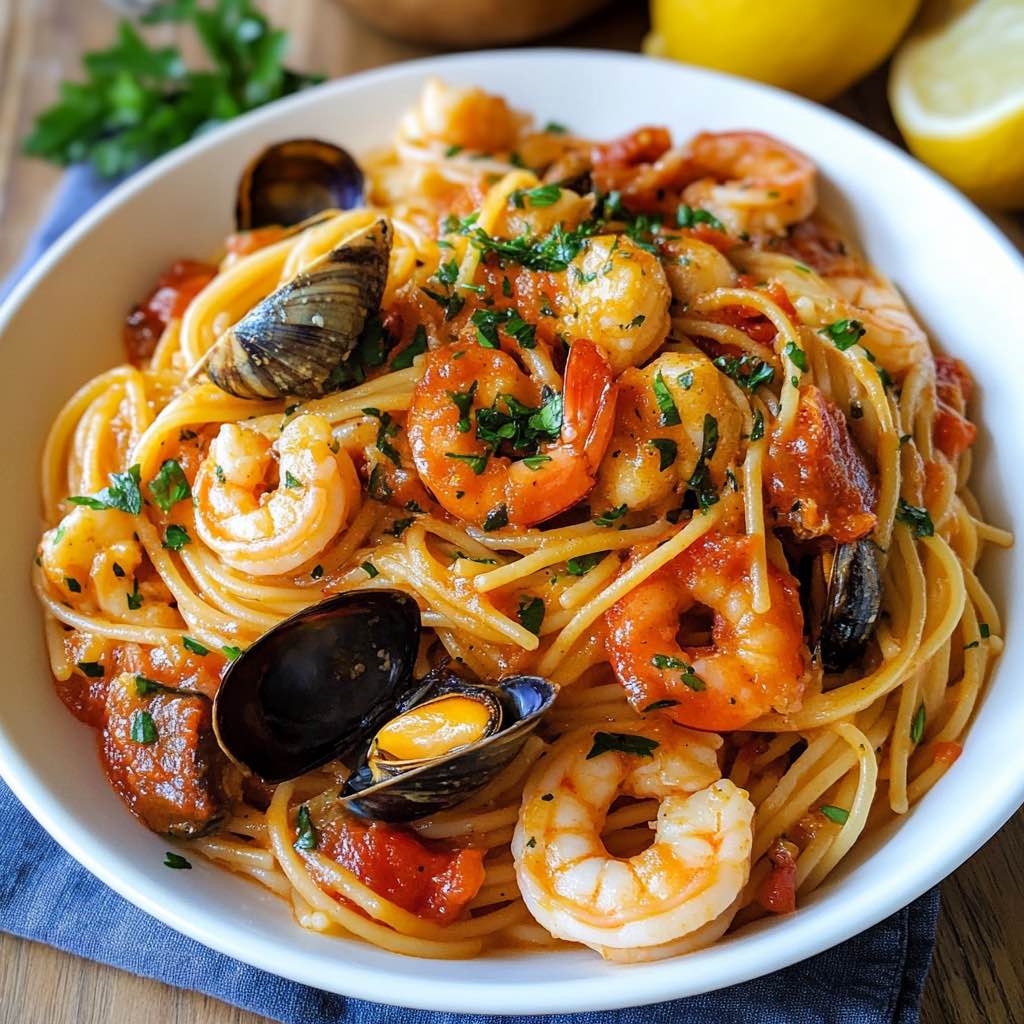
The Complete Guide to Seafood Pasta: Mastering Ocean-to-Table Italian Cuisine
Introduction
Seafood pasta represents one of the most beloved combinations in Italian cuisine, bringing together the ocean’s bounty with perfectly cooked pasta. This timeless pairing creates dishes that are both elegant and comforting, making seafood pasta a favorite among home cooks and professional chefs alike. Whether you’re craving a simple garlic and olive oil preparation or an elaborate mixed seafood feast, mastering these techniques will elevate your cooking game.
The beauty of seafood pasta lies in its versatility and the natural harmony between marine flavors and Italian pasta traditions. From coastal regions of Italy to modern kitchens worldwide, these dishes continue to captivate food lovers with their fresh, vibrant tastes and impressive presentation.
The History and Origins of Seafood Pasta
Seafood pasta has deep roots in Italian coastal regions, particularly in areas like Liguria, Campania, and Sicily. These Mediterranean communities developed these dishes out of necessity and abundance. Fishermen would return with daily catches, and local cooks created simple yet flavorful preparations that highlighted the natural taste of fresh seafood.
The tradition spread throughout Italy as trade routes expanded. However, each region developed its own signature variations. For example, Venice became famous for its black squid ink pasta, while southern Italy perfected spicy seafood combinations with local peppers and herbs.
Regional Variations
Italian coastal regions each contribute unique elements to seafood pasta traditions. In Liguria, the focus remains on delicate preparations with herbs like basil and parsley. Meanwhile, southern regions like Calabria incorporate bold spices and robust flavors that complement heartier seafood selections.
These regional differences demonstrate how local ingredients and cultural preferences shape culinary traditions. Therefore, understanding these variations helps home cooks appreciate the diversity within seafood pasta preparations.
Essential Ingredients for Perfect Seafood Pasta
Creating exceptional seafood pasta requires high-quality ingredients that work harmoniously together. The foundation starts with selecting the freshest seafood available and pairing it with complementary flavors that enhance rather than mask the natural taste.
Primary Seafood Options
The most popular seafood choices for pasta dishes include:
-
Shrimp: Sweet, tender, and quick-cooking
-
Scallops: Delicate flavor with a luxurious texture
-
Mussels: Briny and flavorful, perfect for broth-based sauces
-
Clams: Classic choice for traditional preparations
-
Calamari: Adds interesting texture when properly prepared
-
Crab: Rich and sweet, ideal for special occasions
-
Lobster: Premium option for elegant dining experiences
Aromatics and Seasonings
Essential flavor builders include garlic, shallots, fresh herbs, and quality olive oil. These ingredients form the foundation of most seafood pasta preparations. Additionally, ingredients like white pepper, red pepper flakes, and fresh lemon provide the finishing touches that elevate simple dishes.
Quality Pasta Selection
Choosing the right pasta is equally important. Look for high-quality dried pasta made from durum wheat semolina. Furthermore, the pasta shape should complement your chosen seafood and sauce consistency.
Choosing the Right Pasta Shapes
Different pasta shapes work better with specific seafood preparations. Understanding these pairings ensures optimal texture and flavor distribution throughout your dish.
Long Pasta Shapes
Long pasta varieties work exceptionally well with seafood:
-
Linguine: The classic choice for clam sauce and light seafood preparations
-
Spaghetti: Versatile option that pairs well with most seafood combinations
-
Angel Hair: Best for delicate seafood and light, oil-based sauces
-
Fettuccine: Perfect for cream-based seafood sauces
Short Pasta Options
Short pasta shapes excel with chunky seafood mixtures:
-
Penne: Excellent for holding pieces of seafood and robust sauces
-
Rigatoni: Large tubes perfect for seafood ragù preparations
-
Orecchiette: Traditional choice for southern Italian seafood dishes
-
Fusilli: Spiral shape holds sauce and small seafood pieces effectively
Specialty Pasta Considerations
Some seafood pasta dishes benefit from unique pasta choices. For instance, squid ink pasta creates dramatic black dishes that showcase colorful seafood. Similarly, seafood-stuffed ravioli represents another category of seafood pasta entirely.
Fresh vs. Frozen Seafood: Making the Best Choice
The fresh versus frozen seafood debate often creates confusion among home cooks. However, both options can produce excellent results when handled properly.
Fresh Seafood Advantages
Fresh seafood typically offers superior texture and flavor when purchased from reputable sources. Look for seafood with bright eyes, firm flesh, and a clean ocean smell. Moreover, fresh seafood should be used within 24-48 hours of purchase for optimal quality.
Frozen Seafood Benefits
High-quality frozen seafood can be an excellent alternative, especially for landlocked areas. In fact, many seafood varieties are flash-frozen at sea, preserving peak freshness. Additionally, frozen seafood offers convenience and longer storage capabilities.
Selection and Storage Tips
Regardless of your choice, proper handling ensures the best results:
-
Purchase seafood from trusted suppliers
-
Check for proper storage temperatures
-
Use seafood within recommended timeframes
-
Thaw frozen seafood safely in the refrigerator
Classic Seafood Pasta Recipes
These traditional preparations form the foundation of seafood pasta cuisine. Mastering these classics provides the skills needed for more advanced variations.
Linguine alle Vongole (Clam Pasta)
This iconic dish showcases the pure flavor of fresh clams with minimal ingredients. The recipe relies on high-quality clams, good olive oil, garlic, white wine, and fresh parsley.
Preparation Steps:
-
Clean clams thoroughly in cold salt water
-
Sauté garlic in olive oil until fragrant
-
Add clams and white wine, cover until shells open
-
Toss with cooked linguine and fresh herbs
Spaghetti ai Frutti di Mare
This mixed seafood pasta represents the abundance of Italian coastal cuisine. The dish typically includes shrimp, mussels, clams, and calamari in a light tomato or white sauce.
Key Techniques:
-
Cook each seafood type separately to ensure proper doneness
-
Build layers of flavor through proper seasoning
-
Balance acidity with natural seafood sweetness
-
Finish with fresh herbs and quality olive oil
Pasta con le Sarde (Sardine Pasta)
A Sicilian specialty that combines sardines with wild fennel, pine nuts, and raisins. This dish demonstrates how traditional recipes incorporate local ingredients to create unique flavor profiles.
Advanced Cooking Techniques
Mastering seafood pasta requires understanding several advanced techniques that professional chefs use to create restaurant-quality dishes.
Proper Seafood Cooking Methods
Different seafood types require specific cooking approaches:
Shrimp Preparation:
-
Remove shells and devein properly
-
Cook quickly over high heat
-
Watch for color change from gray to pink
-
Avoid overcooking to prevent rubber texture
Mussel and Clam Techniques:
-
Purge in salt water to remove sand
-
Discard any that don’t close when tapped
-
Steam until shells just open
-
Reserve cooking liquid for sauce base
Scallop Preparation:
-
Remove side muscle completely
-
Pat dry before cooking
-
Sear quickly for caramelized exterior
-
Finish cooking gently to maintain tenderness
Sauce Development Skills
Creating exceptional sauces requires understanding flavor building:
-
Base Development: Start with aromatics like garlic and shallots
-
Liquid Integration: Add wine or broth gradually
-
Emulsification: Mount with butter or olive oil for richness
-
Seasoning Balance: Adjust salt, acid, and heat levels
Pasta Cooking Mastery
Perfect pasta texture is crucial for seafood dishes:
-
Use abundant salted water (ratio: 1 gallon water to 1 tablespoon salt per pound pasta)
-
Cook to al dente texture for finishing in sauce
-
Reserve pasta water for sauce adjustment
-
Time pasta cooking with seafood preparation
Sauce Foundations and Flavor Building
Understanding sauce fundamentals enables endless seafood pasta variations. These techniques form the backbone of Italian pasta cuisine.
Oil-Based Sauces (Aglio e Olio Style)
Oil-based preparations highlight seafood’s natural flavors:
Foundation Elements:
-
High-quality extra virgin olive oil
-
Fresh garlic (sliced, not minced, for better control)
-
Red pepper flakes for gentle heat
-
Fresh herbs for brightness
Technique Tips:
-
Heat oil gently to infuse flavors
-
Remove garlic before it browns
-
Add seafood at optimal temperature
-
Finish with pasta water for proper consistency
Tomato-Based Preparations
Tomato sauces provide acidity that complements seafood beautifully:
Essential Components:
-
San Marzano or other high-quality canned tomatoes
-
Fresh basil and oregano
-
Garlic and onion base
-
Quality olive oil
Development Process:
-
Build aromatic base slowly
-
Add tomatoes and simmer until concentrated
-
Season carefully to balance acidity
-
Integrate seafood at appropriate cooking stage
Cream and Butter Sauces
Rich sauces work particularly well with lobster and scallops:
Technical Considerations:
-
Use heavy cream for stability
-
Add acid (lemon juice) to prevent curdling
-
Monitor temperature carefully
-
Finish with fresh herbs and cheese if appropriate
Presentation and Service
Professional presentation elevates home dining:
-
Warm serving bowls before plating
-
Garnish with fresh herbs and lemon wedges
-
Provide proper utensils (pasta fork and spoon)
-
Serve immediately while hot
Common Mistakes to Avoid
Learning from common errors helps achieve consistent results with seafood pasta preparations.
Overcooking Seafood
This represents the most frequent mistake in seafood pasta cooking. Different seafood types have varying cooking times, and overcooking results in tough, rubbery textures that ruin otherwise perfect dishes.
Prevention Strategies:
-
Learn visual cues for doneness
-
Remove seafood from heat slightly underdone
-
Finish cooking gently in pasta sauce
-
Practice timing with different seafood types
Inadequate Seasoning
Seafood pasta requires careful seasoning at multiple stages. Under-seasoned dishes fail to highlight the natural flavors of quality ingredients.
Proper Seasoning Approach:
-
Season pasta water generously
-
Taste and adjust sauce throughout cooking
-
Add finishing salt just before serving
-
Balance acid levels with lemon juice
Poor Pasta Texture
Mushy or overcooked pasta cannot support delicate seafood preparations. Therefore, mastering pasta cooking techniques is essential for success.
Sauce Consistency Issues
Sauces that are too thick or thin create unappetizing presentations. Moreover, proper emulsification techniques ensure smooth, glossy sauces that coat pasta evenly.
Storage and Leftover Tips
Proper storage techniques help maintain quality and food safety with seafood pasta dishes.
Immediate Storage Guidelines
Leftover seafood pasta requires careful handling:
-
Cool to room temperature within 2 hours
-
Store in shallow, airtight containers
-
Refrigerate promptly at 40°F or below
-
Consume within 2-3 days maximum
Reheating Techniques
Gentle reheating preserves texture and flavor:
Stovetop Method:
-
Add small amount of olive oil or broth
-
Heat slowly over low temperature
-
Stir frequently to prevent sticking
-
Add fresh herbs before serving
Microwave Alternative:
-
Use microwave-safe container with lid
-
Add moisture (broth or oil)
-
Heat in 30-second intervals
-
Stir between heating cycles
Freezing Considerations
While not ideal, some seafood pasta dishes can be frozen:
-
Cool completely before freezing
-
Use freezer-safe containers
-
Label with contents and date
-
Use within 1-2 months for best quality
Frequently Asked Questions
What is the best seafood for pasta dishes?
Seafood pasta works best with firm-textured varieties that hold their shape during cooking. Shrimp, scallops, mussels, and clams are excellent choices for beginners. However, more adventurous cooks might enjoy calamari, lobster, or mixed seafood combinations.
How do you prevent seafood from becoming rubbery?
The key to tender seafood lies in proper cooking times and temperatures. Cook seafood just until done, watch for visual cues like color changes, and remove from heat while slightly underdone. The residual heat will complete the cooking process without creating tough textures.
Can you make seafood pasta ahead of time?
While seafood pasta tastes best when served immediately, you can prepare components separately. Cook seafood and sauce ahead, then combine with freshly cooked pasta just before serving. This approach maintains optimal textures and flavors.
What pasta shapes work best with seafood?
Long, thin pasta shapes like linguine and spaghetti traditionally pair with seafood because they complement the delicate textures. However, shorter shapes work well with chunky seafood preparations or cream-based sauces.
How do you clean mussels and clams properly?
Scrub shells under cold running water, removing any debris or barnacles. For mussels, pull away the beard (fibrous threads). Discard any shellfish that remain open when tapped or feel unusually heavy, as these may be dead or filled with mud.
Conclusion
Seafood pasta represents a perfect marriage of Italian culinary tradition and ocean-fresh ingredients. By understanding proper techniques, ingredient selection, and cooking methods, home cooks can create restaurant-quality dishes that celebrate both pasta craftsmanship and seafood excellence.
The journey from basic preparations to advanced seafood pasta mastery involves practice, patience, and attention to detail. However, the rewards include impressive dishes that bring the flavors of Italian coastal cuisine to your dining table.
Remember that great seafood pasta starts with quality ingredients, proper techniques, and respect for both the pasta and the seafood. Whether you’re preparing a simple weeknight dinner or an elegant entertaining menu, these principles will guide you toward consistently excellent results.
Seafood Pasta
Description
Ingredients
For the pasta:
-
1 lb linguine or spaghetti
-
Salt for pasta water
For the seafood:
-
½ lb large shrimp, peeled and deveined
-
½ lb sea scallops, side muscles removed
-
½ lb mussels, scrubbed and debearded
-
½ lb clams, scrubbed
-
Salt and pepper for seasoning
For the sauce:
-
4 tbsp olive oil, divided
-
4 tbsp butter, divided
-
1 medium onion, finely chopped
-
6 cloves garlic, minced
-
¼ tsp red pepper flakes (optional)
-
¾ cup dry white wine
-
1 can (28 oz) San Marzano tomatoes, pureed OR 1 cup heavy cream for cream sauce variation
-
½ cup Parmesan cheese, grated (for cream version)
-
¼ cup fresh parsley, chopped
-
Lemon wedges for serving
Instructions
Prepare the pasta:
-
Cook pasta in a large pot of well-salted boiling water according to package directions until al dente.
-
Reserve 1 cup pasta water before draining.
Cook the seafood:
3. Season shrimp and scallops with salt and pepper.
4. Heat 2 tbsp olive oil in a large skillet over high heat. Sear scallops for 1-2 minutes per side until golden brown.
5. Remove scallops, then add shrimp and cook 2-3 minutes per side until pink. Remove and set aside.
Make the sauce:
6. Reduce heat to medium and add 2 tbsp butter. Sauté onion for 4-5 minutes until softened.
7. Add garlic and red pepper flakes, cook 1 minute until fragrant.
For tomato-based sauce:
8. Add pureed tomatoes, season with salt and pepper. Simmer 15-20 minutes until slightly thickened.
9. Add wine and cook until alcohol evaporates, about 3-4 minutes.
For cream-based sauce:
8. Add wine and simmer until reduced by half.
9. Stir in cream and bring to a gentle simmer. Add Parmesan cheese and stir until melted.