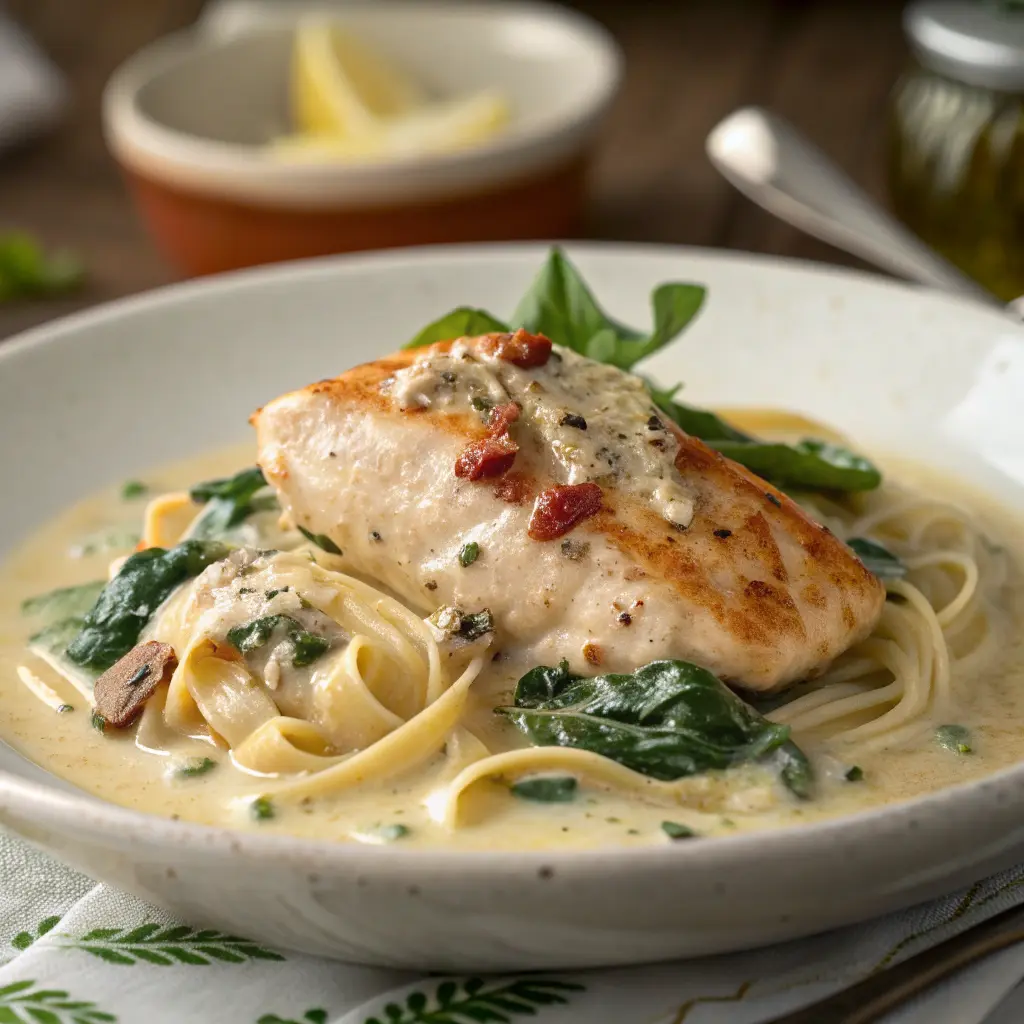
Creamy Chicken Florentine: The Ultimate Comfort Food Recipe
There’s something magical about a dish that combines tender chicken, vibrant spinach, and a silky cream sauce. Creamy Chicken Florentine delivers restaurant-quality flavor right in your home kitchen. This Italian-inspired classic features juicy chicken breasts smothered in a rich, garlicky cream sauce with fresh spinach and Parmesan cheese. Whether you’re cooking for a weeknight dinner or entertaining guests, this elegant yet simple dish will impress everyone at your table.
What is Chicken Florentine?
Chicken Florentine is a classic Italian-American dish that originated from Florence, Italy. The term “Florentine” in culinary language indicates the presence of spinach, a vegetable historically associated with Florentine cuisine. This preparation method has been adapted worldwide, with the American version featuring chicken cutlets served in a creamy sauce.
The dish typically includes pan-seared chicken breasts nestled in a luscious cream-based sauce enriched with garlic, Parmesan cheese, and fresh spinach. The combination creates a perfect balance of flavors and textures. The tender chicken provides protein, while the spinach adds nutrients and color. The cream sauce ties everything together with its velvety richness.
This recipe has become a staple in home kitchens because it delivers impressive results without requiring advanced cooking skills. The entire dish comes together in about 30 minutes, making it perfect for busy weeknights when you want something special.
Why You’ll Love This Recipe
Quick and Easy Preparation
This Creamy Chicken Florentine recipe takes just 30 minutes from start to finish. You’ll have a complete meal ready faster than ordering takeout. The simple cooking process involves basic techniques that even beginner cooks can master.
One-Pan Wonder
Everything cooks in a single skillet, which means minimal cleanup. You’ll appreciate the convenience, especially on busy evenings. The one-pan method also allows flavors to develop and meld together beautifully.
Budget-Friendly Elegance
Despite its restaurant-quality appearance, this dish uses affordable, everyday ingredients. You probably already have most items in your pantry. The recipe proves that impressive meals don’t require expensive specialty ingredients.
Nutritional Balance
The combination of lean protein, leafy greens, and calcium-rich cheese creates a well-rounded meal. Spinach provides iron, vitamins A and K, and antioxidants. Chicken delivers essential amino acids your body needs.
Crowd-Pleasing Flavor
The creamy, garlicky sauce appeals to almost everyone. Even picky eaters often love this dish. The mild yet flavorful profile makes it suitable for family dinners and special occasions alike.
Essential Ingredients for Perfect Creamy Chicken Florentine
Main Proteins
Chicken Breasts: Four boneless, skinless chicken breasts (about 1.5 pounds total) form the foundation. Choose breasts of similar size for even cooking. You can also substitute chicken thighs for a richer flavor.
Fresh Vegetables
Fresh Spinach: Five cups of fresh baby spinach will wilt down to the perfect amount. Baby spinach works best because it’s tender and doesn’t require chopping. Avoid frozen spinach, which releases too much moisture.
Garlic: Four to five cloves of fresh garlic, minced, provide aromatic depth. Fresh garlic is essential for authentic flavor. Pre-minced garlic from jars won’t deliver the same punch.
Dairy Components
Heavy Cream: One cup of heavy cream creates the signature silky texture. Half-and-half won’t provide the same richness. The cream should be full-fat for best results.
Parmesan Cheese: Three-quarters cup of freshly grated Parmesan adds nutty, salty notes. Always grate your own cheese. Pre-grated versions contain anti-caking agents that affect texture.
Butter: Two tablespoons of unsalted butter help brown the chicken and add richness to the sauce. Butter also helps create a beautiful golden crust.
Pantry Staples
Chicken Broth: Half a cup of low-sodium chicken broth thins the sauce to the perfect consistency. Choose a high-quality broth for better flavor. You can also use vegetable broth.
All-Purpose Flour: Two tablespoons help thicken the sauce and create a coating for the chicken. The flour creates a light crust that holds the sauce.
Olive Oil: Two tablespoons for cooking the chicken and sautéing the garlic. Extra virgin olive oil adds subtle flavor complexity.
Seasonings
Salt and Black Pepper: Essential for bringing out all the flavors. Season generously throughout the cooking process.
Italian Seasoning: One teaspoon adds herbal notes without requiring multiple dried herbs. Look for blends containing basil, oregano, and thyme.
Red Pepper Flakes: Optional, but a quarter teaspoon adds gentle heat. Adjust based on your spice preference.
Kitchen Tools You’ll Need
Having the right equipment makes cooking Creamy Chicken Florentine much easier. Here are the essential tools:
Cooking Vessels
A large skillet or sauté pan (12 inches) with high sides is crucial. Cast iron or stainless steel works best for achieving a good sear. Non-stick pans can work but won’t develop as much fond (the flavorful brown bits).
Preparation Tools
You’ll need a sharp chef’s knife for trimming chicken and mincing garlic. A cutting board dedicated to raw meat ensures food safety. Keep a meat thermometer handy to check doneness accurately.
A cheese grater is essential for fresh Parmesan. A microplane grater creates fluffy shreds that melt beautifully. Box graters work too but create larger pieces.
Measuring Equipment
Liquid measuring cups help portion cream and broth precisely. Dry measuring cups and spoons ensure accurate flour and seasoning amounts. Precision matters for consistent results.
Serving Items
A large serving platter showcases your finished dish beautifully. Tongs make it easy to transfer chicken without breaking it apart. A ladle helps distribute the sauce evenly.
Step-by-Step Cooking Instructions
Preparing the Chicken
Start by patting the chicken breasts completely dry with paper towels. Moisture prevents proper browning. Place each breast between plastic wrap sheets. Use a meat mallet to pound them to even thickness (about three-quarters inch). This ensures uniform cooking.
Season both sides generously with salt, black pepper, and Italian seasoning. Press the seasonings into the meat. Lightly dredge each breast in flour, shaking off excess. The flour coating helps create a golden crust and thickens the sauce later.
Searing the Chicken
Heat olive oil and one tablespoon of butter in your large skillet over medium-high heat. Wait until the butter melts and the pan is hot. You’ll know it’s ready when a drop of water sizzles immediately.
Place chicken breasts in the pan without crowding. Cook for five to six minutes without moving them. This develops a beautiful golden-brown crust. Flip and cook another five to six minutes. The internal temperature should reach 165°F.
Transfer the chicken to a clean plate and tent with foil. Don’t worry if it’s slightly undercooked. It will finish cooking in the sauce later.
Building the Sauce Base
Reduce heat to medium. Add the remaining butter to the same pan. Don’t clean the pan—those brown bits add incredible flavor. Once butter melts, add minced garlic. Sauté for 30 seconds until fragrant. Be careful not to burn it.
Slowly pour in chicken broth while scraping the bottom of the pan. Use a wooden spoon to release all the flavorful fond. Let the broth simmer for two minutes, reducing slightly.
Creating the Creamy Base
Pour heavy cream into the pan, stirring constantly. Bring the mixture to a gentle simmer. Never boil the cream, or it might separate. Simmer for three to four minutes, stirring occasionally. The sauce will begin to thicken slightly.
Add the grated Parmesan cheese gradually. Stir continuously until fully melted and incorporated. The cheese thickens and flavors the sauce beautifully. Season with salt, pepper, and red pepper flakes if using.
Adding Spinach
Add fresh spinach to the sauce in batches. The first handful will seem like too much, but it wilts dramatically. Stir each batch until wilted before adding more. This takes about two to three minutes total.
The spinach should be tender but still bright green. Overcooking causes it to become mushy and lose its vibrant color. Taste the sauce and adjust seasonings as needed.
Finishing the Dish
Return the chicken breasts to the pan, nestling them into the sauce. Spoon sauce over the top of each piece. Reduce heat to low and simmer for three to four minutes. This allows the chicken to finish cooking and absorb flavors.
The sauce should coat the back of a spoon nicely. If it’s too thick, add a splash of chicken broth. If too thin, simmer for another minute or two. The final consistency should be creamy but pourable.
Expert Tips for Restaurant-Quality Results
Temperature Control Matters
Managing heat throughout cooking is crucial. Start with high heat for searing, then reduce to medium for the sauce. Low heat at the end prevents the cream from breaking. A consistent temperature ensures even cooking and smooth sauce development.
Don’t Skip the Pounding Step
Pounding chicken to even thickness isn’t just for tenderness. It ensures the meat cooks uniformly, preventing dry edges and undercooked centers. This simple step dramatically improves the final result.
Use Fresh Ingredients
Fresh spinach and freshly grated Parmesan make a noticeable difference. Pre-packaged alternatives can’t match the flavor and texture.
Let the Chicken Rest
After the initial sear, letting chicken rest while you make the sauce allows juices to redistribute. This keeps the meat moist and tender. Cutting immediately causes juice loss and dry chicken.
Build Layers of Flavor
Each cooking step adds flavor. The seared chicken creates fond, garlic infuses the butter, broth deglazes the pan, and cream ties everything together. Don’t rush any step.
Adjust Consistency as Needed
Sauces thicken as they cool. If yours seems too thick before serving, thin it with broth. If too thin, simmer longer or add a bit more Parmesan. The sauce should be luxurious but not gloppy.
Serve Immediately
This dish tastes best fresh from the pan. The cream sauce stays silkiest when served right away. If you must wait, keep it warm on low heat, stirring occasionally.
Nutritional Information and Health Benefits
Calorie and Macronutrient Breakdown
One serving of Creamy Chicken Florentine (one chicken breast with sauce) contains approximately:
-
Calories: 480-520
-
Protein: 42g
-
Fat: 32g
-
Carbohydrates: 8g
-
Fiber: 2g
-
Sugar: 2g
These values can vary based on portion sizes and ingredient brands. The dish provides substantial protein, making it satisfying and supportive of muscle health.
Nutritional Benefits of Key Ingredients
Chicken breast delivers lean protein with all essential amino acids. It supports muscle maintenance, immune function, and cellular repair. Chicken is also rich in B vitamins, particularly niacin and B6.
Spinach is a nutritional powerhouse. It provides iron for healthy blood cells, vitamin K for bone health, and vitamin A for vision and immune function. The antioxidants in spinach, including lutein and zeaxanthin, support eye health.
Garlic offers immune-boosting compounds and may support heart health.
Parmesan cheese supplies calcium for strong bones and teeth. It also provides phosphorus, vitamin B12, and protein. The aged nature of Parmesan means it’s lower in lactose than many cheeses.
Making It Healthier
You can reduce calories while maintaining flavor. Use half-and-half instead of heavy cream to save about 100 calories per serving. Increase the spinach to boost nutrients without adding calories.
Consider serving smaller portions alongside more vegetables. Add extra garlic for flavor without calories. Use cooking spray instead of some butter and oil. These adjustments make the dish lighter while preserving its essential character.
Serving Suggestions and Side Dishes
Classic Pasta Pairings
Creamy Chicken Florentine pairs beautifully with pasta. The sauce clings perfectly to noodles, creating a complete meal. Fettuccine, linguine, or penne work wonderfully. Cook pasta al dente and toss it directly in the sauce.
For a lighter option, try [zucchini noodles or spaghetti squash]. These vegetable alternatives soak up the sauce while adding nutrients and reducing carbohydrates. They’re perfect for those watching their carb intake.
Grain-Based Sides
Serve over creamy risotto for an ultra-luxurious meal. The rice absorbs the sauce beautifully. Simple white or brown rice also works well as a neutral base. Quinoa provides a protein boost and nutty flavor.
Couscous cooks quickly and pairs nicely with the Italian flavors. Its tiny grains capture bits of sauce in every bite. Pearl couscous (Israeli couscous) offers a more substantial texture.
Vegetable Accompaniments
Roasted vegetables complement the creamy richness. Try roasted asparagus, green beans, or Brussels sprouts. The slight char on roasted vegetables contrasts beautifully with the smooth sauce.
A simple arugula salad with lemon vinaigrette cuts through the cream’s richness. Cherry tomatoes, cucumber, and red onion add freshness. The peppery arugula balances the dish perfectly.
Garlic bread or crusty Italian bread is essential for soaking up extra sauce. Toast bread slices with olive oil and garlic for homemade crostini. Every drop of that delicious sauce deserves to be enjoyed.
Complete Meal Ideas
For a restaurant-style presentation, serve the chicken over a bed of pasta with roasted vegetables on the side. Add a glass of sparkling water with lemon for a complete dining experience. Fresh herbs like basil or parsley make beautiful garnishes.
Consider a Mediterranean-inspired spread with roasted red peppers, olives, and sun-dried tomatoes. These bold flavors complement without overwhelming the main dish. A light fruit-based dessert provides a refreshing finish.
Recipe Variations and Customizations
Protein Alternatives
Chicken Thighs: Substitute boneless, skinless thighs for richer, more flavorful meat. Thighs stay moist even if slightly overcooked. They’re also more budget-friendly.
Turkey Cutlets: Use turkey breast cutlets for a leaner option. They cook quickly and absorb sauce flavors beautifully. Season them assertively since turkey is milder than chicken.
Pork Chops: Thin pork chops work surprisingly well. Pound them to even thickness and cook using the same method. The pork’s subtle sweetness complements the cream sauce.
Seafood: Large shrimp or scallops create an elegant variation. They cook much faster than chicken, so adjust timing. Add them directly to the finished sauce for just three to four minutes.
Dairy Modifications
Lower Fat Version: Use half-and-half instead of cream and reduce the butter. The sauce will be thinner but still delicious. You can thicken it with a bit more flour or cornstarch slurry.
Dairy-Free Alternative: Coconut cream makes a surprisingly good substitute. Use full-fat canned coconut milk and nutritional yeast instead of Parmesan. The flavor differs but remains delicious.
Vegetable Variations
Sun-Dried Tomatoes: Add half a cup of chopped sun-dried tomatoes for tangy sweetness. They pair beautifully with spinach and cream. Use oil-packed ones for best flavor.
Mushrooms: Sauté sliced mushrooms with the garlic for earthy depth. Button, cremini, or shiitake all work well. They add umami and make the dish more substantial.
Kale or Chard: Substitute these heartier greens for spinach. They need slightly longer cooking time. Remove thick stems and chop leaves before adding.
Artichoke Hearts: Quartered artichoke hearts add Mediterranean flair. Use jarred or canned, drained well. They provide interesting texture and tangy flavor.
Flavor Enhancements
Lemon Zest: Add the zest of one lemon to brighten the rich sauce. The citrus cuts through cream beautifully. Fresh lemon juice works too but use sparingly.
Fresh Herbs: Stir in fresh basil, oregano, or thyme at the end. Fresh herbs provide vibrant flavor that dried versions can’t match. They also make beautiful garnishes.
Capers: A tablespoon of capers adds briny complexity. They’re traditional in many Italian dishes. Rinse them first if they’re very salty.
Nutmeg: A tiny pinch of nutmeg enhances cream sauces. Use it sparingly—too much overwhelms. This classic Italian technique adds subtle warmth.
Storage and Reheating Instructions
Proper Storage Methods
Let Creamy Chicken Florentine cool completely before storing. Never leave it at room temperature for more than two hours.
Transfer chicken and sauce to an airtight container. Glass containers work best as they don’t absorb odors. Store in the refrigerator for up to three days. The flavors actually improve slightly as they meld overnight.
Freezing Guidelines
This dish freezes reasonably well for up to two months. Cream-based sauces can sometimes separate when frozen, but stirring during reheating usually fixes this. Portion individual servings in freezer-safe containers for convenient meals.
Let frozen portions thaw overnight in the refrigerator. Never thaw at room temperature, which promotes bacterial growth. Frozen and properly stored, the dish maintains quality for about eight weeks.
Reheating for Best Results
Stovetop Method: This yields the best texture. Place chicken and sauce in a skillet over medium-low heat. Add a splash of chicken broth or cream to restore consistency. Heat gently, stirring occasionally, for about eight minutes.
Microwave Method: While not ideal, it’s quick and convenient. Place chicken and sauce in a microwave-safe dish. Cover with a damp paper towel to prevent drying. Heat in 30-second intervals, stirring between each, until hot throughout.
Oven Method: Preheat to 350°F. Place chicken and sauce in an oven-safe dish and cover with foil. Heat for 20-25 minutes until warmed through. This method keeps chicken most moist but takes longer.
Refreshing Leftovers
If the sauce seems broken or separated after storage, don’t panic. Whisk vigorously while reheating to re-emulsify. Adding a tablespoon of cream or butter helps smooth it out. The texture won’t be identical to fresh but will still taste delicious.
Transform leftovers into new meals. Shred the chicken and mix with sauce for pasta or sandwiches. Use it as pizza topping for gourmet personal pizzas. Leftover chicken makes excellent salad protein too.
Common Mistakes to Avoid
Overcooking the Chicken
The most frequent error is cooking chicken until it’s dry. Remember that chicken continues cooking in the hot sauce. Remove it from the pan when it reaches 160°F. The carryover heat will bring it to safe 165°F.
Cutting into chicken to check doneness releases precious juices. Use a meat thermometer instead. This simple tool guarantees perfectly cooked, juicy chicken every time.
Burning the Garlic
Garlic burns quickly, turning bitter and acrid. Always add it to medium heat, not high. Cook just until fragrant, about 30 seconds. If you see brown specks, it’s already burned.
Minced garlic burns faster than sliced. Watch it carefully and stir constantly. If you accidentally burn it, discard and start fresh. Burnt garlic ruins the entire sauce.
Using Pre-Shredded Cheese
Pre-shredded Parmesan contains anti-caking agents. These additives prevent smooth melting and create grainy sauce. They also lack the robust flavor of fresh-grated cheese.
Invest in a wedge of Parmigiano-Reggiano. Grate it yourself right before cooking. The difference in texture and taste is dramatic. Your sauce will be silky and luxurious.
Crowding the Pan
Placing all chicken breasts in a small pan lowers the temperature dramatically. This causes steaming instead of searing. You’ll miss the flavorful brown crust entirely.
Cook chicken in batches if necessary. A proper sear requires space between pieces. The pan temperature stays high, creating that desirable golden exterior.
Boiling the Cream
High heat causes cream to break, creating an oily, separated mess. Always use medium to medium-low heat once cream is added. Gentle simmering thickens the sauce properly.
If your sauce does break, remove from heat immediately. Whisk in a tablespoon of cold cream. This often brings it back together. Prevention is easier than repair though.
Skipping the Deglazing Step
Those brown bits stuck to the pan (fond) contain concentrated flavor. Don’t wash them away. The chicken broth lifts them, incorporating that flavor into your sauce.
Scrape the pan bottom thoroughly with a wooden spoon. This step adds depth that transforms the sauce from good to incredible. Never skip it.
Not Seasoning Throughout
Adding all the salt at the end prevents proper seasoning. Season the chicken before cooking, taste the sauce mid-cooking, and adjust at the end. Building seasoning in layers creates complex, well-balanced flavor.
Trust your palate. If something tastes flat, it probably needs salt. Remember that Parmesan adds saltiness, so taste before adding extra salt.
Frequently Asked Questions
Can I make Creamy Chicken Florentine ahead of time?
Yes, with some modifications. Cook the chicken completely and make the sauce as directed. Store them separately in the refrigerator for up to 24 hours. When ready to serve, reheat the sauce gently and warm the chicken in it for five minutes. This prevents overcooking the chicken during storage.
What can I substitute for heavy cream in this recipe?
Half-and-half works but creates a thinner sauce. Add an extra tablespoon of flour to compensate. Evaporated milk is another option that’s lower in fat. For dairy-free versions, full-fat coconut cream provides richness similar to heavy cream.
How do I prevent the spinach from making the sauce watery?
Use fresh spinach rather than frozen, which releases excess moisture. Add spinach gradually and let each batch wilt completely before adding more. Don’t cover the pan while wilting spinach, as trapped steam creates water. If your sauce does become too thin, simmer uncovered for a few extra minutes.
Can I use frozen chicken breasts?
Fresh chicken works best, but properly thawed frozen breasts are acceptable. Never cook frozen chicken directly in this recipe. Thaw completely in the refrigerator overnight. Pat thoroughly dry before cooking to ensure proper browning.
Why is my sauce grainy instead of smooth?
Grainy sauce usually indicates the cheese didn’t melt properly. Pre-shredded cheese causes this due to anti-caking additives. Always use freshly grated Parmesan. Also ensure the sauce isn’t too hot when adding cheese—reduce heat to low first.
How can I make this recipe lower in calories?
Use chicken breast tenderloins or trimmed breasts for leaner protein. Substitute half-and-half for heavy cream. Reduce butter to one tablespoon and use cooking spray. Double the spinach for more volume with minimal calories. These changes maintain great flavor while cutting about 150 calories per serving.
What’s the best way to reheat Creamy Chicken Florentine without drying it out?
The stovetop method works best. Place chicken and sauce in a pan over low heat. Add two tablespoons of chicken broth or cream to restore moisture. Cover and heat gently for eight to ten minutes, stirring occasionally. This prevents the chicken from drying out and keeps the sauce smooth.
Conclusion
Creamy Chicken Florentine brings restaurant elegance to your home kitchen with minimal effort. This dish combines tender chicken, vibrant spinach, and luxurious cream sauce into a meal that satisfies and impresses. The simple ingredients and straightforward technique make it accessible for cooks of all skill levels.
The versatility of this recipe means you can adapt it to your preferences and dietary needs. Serve it over pasta for a hearty dinner or with vegetables for a lighter meal. The one-pan preparation simplifies both cooking and cleanup.
Whether you’re cooking for family or entertaining guests, this Creamy Chicken Florentine delivers every time. The combination of flavors, textures, and nutrients creates a balanced meal that everyone will love. Now that you have all the tips and techniques, you’re ready to create this restaurant-quality dish at home.
Print