Cheesy Bacon Potato Casserole: The Ultimate Comfort Food Recipe
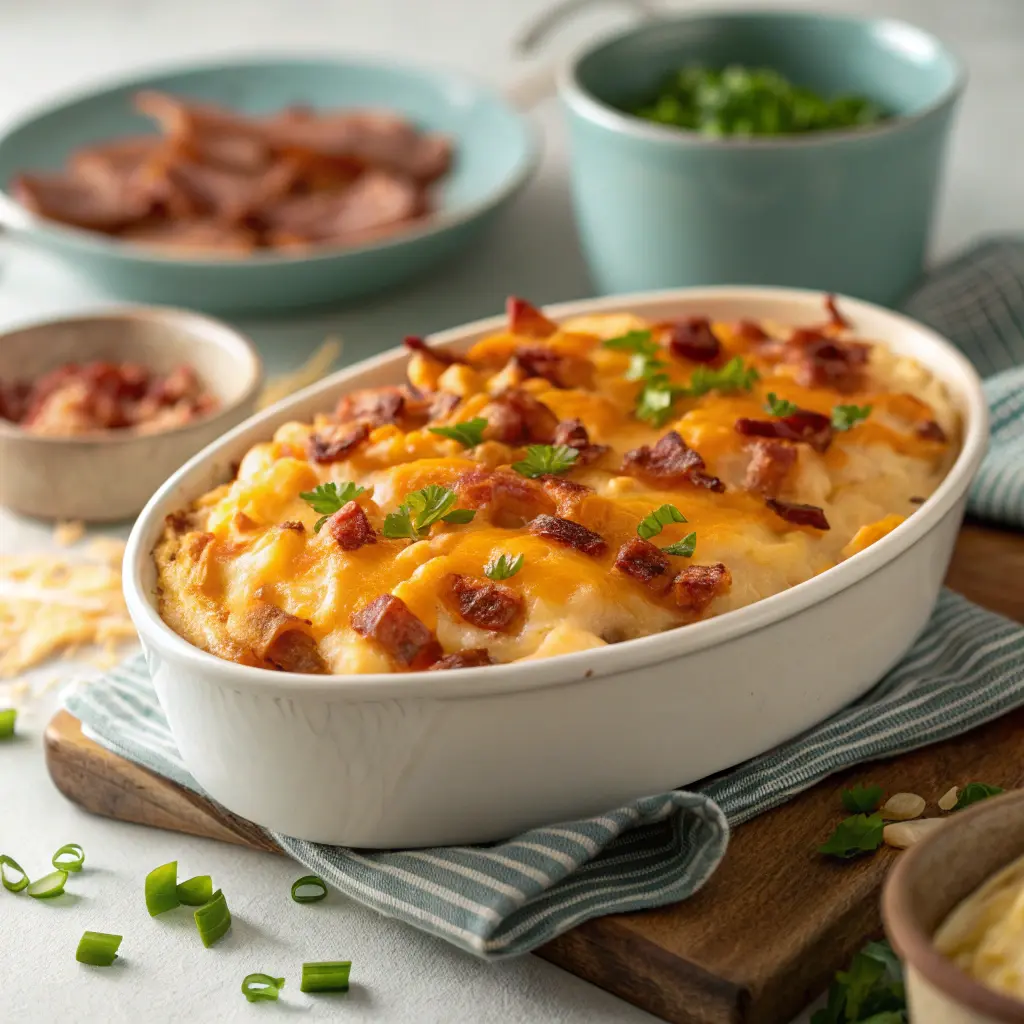
There’s something magical about a Cheesy Bacon Potato Casserole bubbling away in the oven. The aroma of crispy bacon mingles with melted cheese and tender potatoes, creating a dish that brings everyone to the table. This hearty casserole combines simple ingredients into an irresistible comfort food that works for weeknight dinners, holiday gatherings, or potluck parties. Whether you’re feeding a hungry family or impressing guests, this creamy, indulgent casserole delivers every time.
What Makes Cheesy Bacon Potato Casserole So Special
This beloved dish has earned its place as a comfort food classic for good reason. The combination of starchy potatoes, savory bacon, and gooey cheese creates layers of flavor and texture that satisfy on multiple levels.
The Perfect Comfort Food Trio
Potatoes provide the hearty base that makes this casserole filling and satisfying. Their mild flavor absorbs the richness from cheese and bacon while maintaining structure throughout baking. Bacon adds smoky, salty notes that complement the creamy elements. Cheese brings everything together with its melting quality and sharp or mild flavor depending on your choice.
Versatility for Any Occasion
This potato bacon cheese casserole adapts to nearly any meal situation. Serve it as a substantial side dish alongside roasted meats or grilled chicken. Make it the star of brunch buffets paired with fresh fruit and pastries. It even works as a complete meal when you add extra protein or vegetables to the mix.
The dish scales easily whether you’re cooking for two or twenty. You can prepare components ahead of time, making it perfect for busy schedules. Plus, it reheats beautifully, so leftovers taste just as good the next day.
Essential Ingredients for Perfect Results
Quality ingredients make the difference between good and outstanding results. Let’s break down what you need and why each component matters.
Potatoes: The Foundation
Russet potatoes work exceptionally well because their high starch content creates a fluffy texture when baked. They absorb flavors beautifully and hold their shape during cooking. You’ll need about 3 pounds, which translates to roughly 6-7 medium potatoes.
Yukon Gold potatoes offer a creamier, buttery alternative. Their waxy texture means they stay firmer and create a different mouthfeel. Some cooks prefer mixing both types for varied texture throughout the casserole.
Bacon: Smoky Richness
Choose thick-cut bacon for the best results. Thin bacon can become too crispy and lose its meaty texture during baking. You’ll need about 8-10 strips, which should yield roughly 1 cup of crumbled bacon after cooking. Regular bacon works perfectly, though you can explore turkey bacon for a lighter option.
Cheese Selection
Sharp cheddar cheese provides the classic flavor most people expect. Its strong taste stands up to the other bold ingredients. Plan on 3-4 cups of shredded cheese depending on how cheesy you want your casserole.
Monterey Jack cheese melts smoothly and adds mild creaminess. Combining it with cheddar creates excellent texture and balanced flavor. The ratio can be adjusted based on personal preference.
Cream cheese adds luxurious smoothness to the sauce. An 8-ounce package blended into your base creates restaurant-quality creaminess that regular milk alone cannot achieve.
Dairy Components
Sour cream contributes tanginess that cuts through the richness. It also helps create a velvety sauce that coats every potato slice. You’ll need about 1 cup.
Heavy cream or whole milk thins the sauce to the right consistency. Heavy cream creates a richer result, while milk keeps things slightly lighter. Use 1-2 cups depending on your preferred sauce thickness.
Aromatics and Seasonings
Fresh garlic elevates the entire dish. Mince 3-4 cloves for optimal flavor distribution. Onions add sweetness and depth—one medium yellow onion diced small works perfectly.
Salt and black pepper form your seasoning base. Start conservatively since bacon and cheese already contribute saltiness. Garlic powder, onion powder, and paprika enhance complexity without overwhelming the primary flavors.
Optional Add-Ins
Green onions or chives provide freshness and color when sprinkled on top before serving. Fresh herbs like thyme or rosemary complement the savory elements beautifully. A dash of cayenne pepper adds subtle heat for those who enjoy a kick.
Kitchen Tools You’ll Need
Having the right equipment makes preparation smoother and more enjoyable. Gather these items before you begin.
Baking Dishes
A 9×13-inch baking dish accommodates standard recipe quantities perfectly. Glass or ceramic dishes work wonderfully and present attractively at the table. Metal pans conduct heat more aggressively, so reduce temperature by 25°F if using metal.
For smaller portions, an 8×8-inch square dish works when halving the recipe. Individual ramekins create elegant single servings for dinner parties.
Prep Tools
A sharp chef’s knife and cutting board are essential for slicing potatoes uniformly. A mandoline slicer speeds up the process and ensures consistent thickness, which helps everything cook evenly.
Large mixing bowls allow you to combine ingredients without spillage. A whisk blends sauce components smoothly while a rubber spatula helps scrape every bit from bowls.
Cooking Equipment
A large skillet cooks bacon to perfection and provides space for sautéing onions and garlic. Keep paper towels nearby for draining bacon grease. Aluminum foil covers the casserole during initial baking to prevent over-browning.
Step-by-Step Preparation Guide
Follow these detailed instructions for foolproof results every time.
Preparing Your Ingredients
Start by preheating your oven to 350°F. This temperature allows even cooking without burning the top before the center finishes.
Wash potatoes thoroughly under cold running water. Peel them if you prefer, though leaving skins on adds texture and nutrients. Slice potatoes into ⅛ to ¼-inch rounds using your knife or mandoline. Consistent thickness ensures even cooking. According to the USDA FoodData Central, potatoes provide valuable nutrients including vitamin C, potassium, and fiber.
Cooking the Bacon
Cook bacon in your skillet over medium heat until crispy. This typically takes 8-10 minutes depending on thickness. Turn strips occasionally for even browning. Once done, transfer bacon to paper towels for draining. Let it cool, then crumble or chop into bite-sized pieces.
Reserve 2 tablespoons of bacon grease in the skillet for sautéing aromatics. The rendered fat carries incredible flavor that enhances onions and garlic.
Sautéing Aromatics
Add diced onions to the bacon grease over medium heat. Cook for 5-6 minutes until they become translucent and slightly golden. Stir in minced garlic and cook for another minute until fragrant. Be careful not to burn the garlic, as it becomes bitter.
Creating the Cheese Sauce
In a large bowl, combine sour cream and softened cream cheese. Whisk until smooth and fully blended. Gradually add heavy cream or milk while whisking to maintain a lump-free consistency.
Fold in 2-3 cups of shredded cheese, reserving the rest for layering and topping. Add your cooked onions and garlic mixture. Season with salt, black pepper, garlic powder, and any other spices you’re using. Taste and adjust seasonings as needed.
Assembling the Casserole
Grease your baking dish generously with butter or cooking spray. This prevents sticking and makes cleanup easier.
Create your first layer by arranging one-third of the potato slices in an overlapping pattern across the bottom of the dish. Pour one-third of the cheese sauce over the potatoes, spreading evenly. Sprinkle one-third of the crumbled bacon over the sauce. Add one-third of any remaining shredded cheese.
Repeat this layering process two more times, using all your potatoes, sauce, bacon, and cheese. The top layer should feature your best-looking potato slices since they’ll be visible.
Cover the dish tightly with aluminum foil. This traps moisture and helps potatoes cook through without the top burning.
Cooking Methods and Temperature Guidelines
Proper cooking technique ensures tender potatoes and perfectly melted cheese.
Traditional Oven Baking
Place your covered casserole in the preheated 350°F oven. Bake for 60 minutes without removing the foil. This initial covered baking steams the potatoes, helping them become tender throughout.
After 60 minutes, remove the foil carefully to avoid steam burns. Return the uncovered casserole to the oven for an additional 20-30 minutes. The top should turn golden brown and bubbly. A knife inserted into the center should slide through potatoes easily without resistance.
Total baking time runs approximately 80-90 minutes. However, variables like potato thickness and oven accuracy affect timing. Check for doneness rather than relying solely on the clock.
Slow Cooker Method
For hands-off cooking, adapt this recipe for your slow cooker. Grease the slow cooker insert thoroughly. Layer ingredients as described above, using the same proportions.
Cook on low for 6-8 hours or high for 3-4 hours. Check after the minimum time to prevent overcooking. The edges should be bubbling and potatoes tender when done.
Remove the lid during the final 30 minutes if you want a slightly drier, less steamy result. Some slow cookers brown the top nicely during this time.
Make-Ahead Strategy
Assemble the casserole completely but don’t bake it. Cover tightly with plastic wrap and refrigerate for up to 24 hours. When ready to cook, remove from refrigerator and let it sit at room temperature for 30 minutes. Add 10-15 minutes to the covered baking time since you’re starting with cold ingredients.
Variations to Try
Transform this basic recipe into something new with these creative adaptations.
Loaded Baked Potato Version
Incorporate all your favorite baked potato toppings. Add dollops of sour cream between layers. Sprinkle extra cheese on top along with additional bacon. Finish with sliced green onions and a drizzle of melted butter after baking.
Southwestern Style
Give your casserole a Tex-Mex twist by using pepper jack cheese instead of cheddar. Mix in diced green chiles and corn kernels. Season with cumin and chili powder. Top with crushed tortilla chips during the final 10 minutes of baking for added crunch.
Ranch Bacon Potato Casserole
Blend 2-3 tablespoons of ranch seasoning mix into your cheese sauce. This adds herby, tangy flavor that pairs perfectly with bacon. Top with crushed ranch crackers before the final uncovered baking phase.
Vegetable-Enhanced Version
Boost nutrition by adding vegetables to the layers. Steamed broccoli florets work wonderfully between potato layers. Sautéed mushrooms add earthy depth. Diced bell peppers contribute sweetness and color. These additions transform a side dish into a more complete meal.
Chicken Bacon Ranch Casserole
Turn this into a main dish by adding 2-3 cups of cooked, diced chicken breast. Layer the chicken along with bacon for substantial protein. This version feeds a crowd as a complete dinner requiring only a simple green salad alongside.
Lower-Fat Adaptation
Reduce calories and fat without sacrificing too much flavor. Use reduced-fat sour cream and cream cheese. Choose turkey bacon instead of pork bacon. Opt for 2% milk rather than heavy cream. Use less cheese overall but select extra-sharp varieties for maximum flavor impact.
Check out our guide on [healthy casserole swaps] for more ideas on lightening up comfort foods.
Serving Suggestions and Pairings
This versatile casserole complements many main dishes and occasions.
Perfect Main Course Pairings
Cheesy bacon potato casserole shines alongside simple grilled or roasted proteins. Pair it with herb-crusted pork chops or roasted chicken thighs. The casserole’s richness balances perfectly with lean proteins like grilled chicken breast or baked fish.
For holiday meals, serve it with glazed ham or roasted turkey. The creamy, savory flavors complement traditional holiday fare beautifully. It works equally well at summer barbecues next to grilled steaks or burgers.
Vegetable Sides
Balance the casserole’s richness with fresh, light vegetables. A crisp green salad with vinaigrette cuts through the creamy heaviness. Roasted Brussels sprouts or green beans add color and nutrients. Steamed broccoli or asparagus provide textural contrast.
Breakfast and Brunch Applications
This casserole transitions seamlessly to morning meals. Serve it alongside scrambled eggs and fresh fruit for a hearty brunch spread. It pairs wonderfully with breakfast sausages or ham. Add a basket of muffins or biscuits to complete the menu.
Portion Sizes
As a side dish, plan on ¾ to 1 cup per person. A 9×13-inch casserole yields approximately 12 servings at this size. When serving as a main course with added protein, 1½ cups per person provides a satisfying meal.
Storage and Reheating Tips
Proper storage keeps your casserole delicious for days.

Refrigerator Storage
Allow the casserole to cool to room temperature before storing. This typically takes 30-45 minutes. Cover tightly with plastic wrap or transfer to an airtight container.
Properly stored cheesy bacon potato casserole keeps for 3-4 days in the refrigerator. Label containers with the date to track freshness.
Freezing Instructions
This casserole freezes reasonably well, though texture changes slightly upon thawing. Freeze either before or after baking, depending on your preference.
To freeze unbaked casserole, assemble completely but don’t bake. Wrap tightly in plastic wrap, then cover with aluminum foil. Freeze for up to 3 months. Thaw overnight in the refrigerator before baking. Add 15-20 minutes to the covered baking time.
For baked casserole, let it cool completely. Cut into portions if desired for easier reheating. Wrap tightly and freeze for up to 2 months. Thaw in the refrigerator overnight before reheating.
Reheating Methods
Oven reheating produces the best results. Preheat oven to 350°F. Cover the casserole with foil to prevent drying out. Heat for 20-30 minutes until warmed through. Remove foil during the last 5 minutes to re-crisp the top.
Microwave reheating works for individual portions. Place a serving in a microwave-safe dish. Cover with a damp paper towel to maintain moisture. Heat on medium power in 1-minute intervals, stirring between each, until hot throughout.
Air fryer reheating creates a crispy top layer. Place portions in an air fryer-safe dish. Heat at 350°F for 5-8 minutes until heated through and top is crispy.
Nutritional Information
Understanding the nutritional profile helps you fit this dish into your meal planning.
Basic Nutritional Breakdown
A typical serving (approximately 1 cup) of traditional cheesy bacon potato casserole contains:
-
Calories: 380-450
-
Total Fat: 24-28g
-
Saturated Fat: 14-16g
-
Cholesterol: 70-85mg
-
Sodium: 580-650mg
-
Total Carbohydrates: 28-32g
-
Dietary Fiber: 2-3g
-
Protein: 14-18g
These values vary based on specific ingredients and portions used. Bacon type, cheese selection, and dairy fat content significantly impact the final numbers.
Nutritional Benefits
Despite being an indulgent dish, this casserole provides valuable nutrients. Potatoes deliver vitamin C, vitamin B6, and potassium. Research from the Potato Goodness organization shows that potatoes contain more potassium than bananas. Cheese contributes calcium and protein essential for bone health. Bacon provides B vitamins and protein, though it’s also high in sodium and saturated fat.
Modifications for Dietary Needs
Reduce sodium by using low-sodium bacon and limiting added salt. Choose reduced-fat dairy products to lower calories and saturated fat. Increase fiber by leaving potato skins on and adding vegetables like broccoli or spinach.
For those watching carbohydrates, substitute half the potatoes with cauliflower florets. This significantly reduces the carb count while maintaining satisfying volume.
Common Mistakes to Avoid
Learn from these frequent errors to achieve perfect results.
Slicing Potatoes Inconsistently
Uneven potato slices cook at different rates. Thick pieces remain undercooked while thin ones turn mushy. Use a mandoline for uniform thickness or take extra care when slicing by hand. Aim for consistent ⅛ to ¼-inch slices throughout.
Underseasoning the Layers
Many cooks make the mistake of only seasoning the sauce. Remember that potatoes need seasoning too. Lightly salt and pepper each potato layer as you build the casserole. This ensures flavor throughout rather than just on the surface.
Skipping the Covered Baking Phase
Baking uncovered from the start leads to dried-out edges and undercooked centers. The foil-covered initial baking traps steam, which helps potatoes cook through evenly. Only remove the foil once potatoes are nearly tender.
Overcrowding the Dish
Forcing too many ingredients into a small dish prevents even cooking. Potatoes won’t cook through properly, and liquid may overflow. Use the appropriate sized dish for your ingredient quantities. When doubling recipes, use two standard dishes rather than one oversized pan.
Not Letting It Rest
Cutting into the casserole immediately after removing it from the oven creates a soupy mess. The cheese sauce needs 10-15 minutes to set slightly. This resting period allows easier serving and better presentation.
Using Pre-Shredded Cheese Exclusively
While convenient, pre-shredded cheese contains anti-caking agents that affect melting quality. For the smoothest, creamiest sauce, shred at least some of your cheese from a block. The extra effort makes a noticeable difference in texture.
Frequently Asked Questions
Can I use frozen hash browns instead of fresh potatoes?
Yes, frozen hash browns work as a convenient alternative. Thawed shredded hash browns create a different texture—more compact and less distinct layers. Frozen diced potatoes come closer to fresh sliced potatoes. Skip the pre-cooking and reduce baking liquid slightly since frozen potatoes release moisture.
How do I know when the Cheesy Bacon Potato Casserole is fully cooked?
Insert a knife or fork into the center of the casserole. It should slide through potatoes easily without resistance. The edges should be bubbling vigorously, and the top should be golden brown. Internal temperature should reach at least 165°F when checked with a meat thermometer.
Why is my casserole watery?
Excess liquid typically comes from not baking long enough or using too much cream. Potatoes release starch as they cook, which thickens the sauce. Continue baking uncovered until liquid reduces and thickens. Next time, use slightly less liquid or add an extra tablespoon of flour to the sauce for thickening.
Can I make this casserole dairy-free?
Creating a dairy-free version requires substantial substitutions. Use coconut cream or cashew cream instead of dairy cream. Replace cheese with dairy-free alternatives, though texture and flavor will differ significantly. Nutritional yeast adds cheesy flavor to dairy-free sauces.
What’s the best way to reheat without drying it out?
Cover portions with foil when reheating in the oven to trap moisture. Add a splash of milk or cream before reheating if the casserole seems dry. Microwave with a damp paper towel over the dish. These methods help maintain the original creamy texture.
Can I prepare this casserole in advance?
Absolutely. Assemble the complete casserole up to 24 hours ahead and refrigerate. Bring to room temperature for 30 minutes before baking. Alternatively, bake completely, refrigerate, and reheat when needed. Both methods work well for holiday meal planning or busy weeknight preparation.
How do I prevent the top from burning before the middle cooks?
Cover with foil during the initial baking phase as directed. If the top browns too quickly during uncovered baking, tent foil loosely over the top while the interior finishes cooking. Reducing oven temperature by 25°F and extending baking time also helps.
What cheese melts best in this potato bacon casserole?
Cheddar melts well and provides classic flavor. Monterey Jack melts smoothly without becoming oily. Gruyere creates an upscale version with nutty flavor. Avoid using only mozzarella, as it can become stringy rather than creamy. Combining cheeses often produces the best results.
Conclusion
This Cheesy Bacon Potato Casserole represents comfort food at its finest. The combination of tender potatoes, crispy bacon, and melted cheese creates a dish that satisfies on every level. Whether you’re serving it as a side dish for holiday dinners or making it the star of a casual family meal, this casserole delivers consistent, crowd-pleasing results.
The recipe’s versatility allows endless customization to suit your preferences and dietary needs. Add vegetables for nutrition, incorporate different cheeses for varied flavor, or include proteins to create a complete meal. The make-ahead friendly nature makes it perfect for busy schedules and entertaining.
Remember the key techniques: slice potatoes uniformly, season each layer, cover during initial baking, and allow resting time before serving. These simple steps ensure your cheesy bacon potato casserole turns out perfectly every time.
Ready to create your own batch of this irresistible comfort food? Gather your ingredients, follow these detailed instructions, and prepare to enjoy one of the most satisfying dishes you’ll ever make. Your family and guests will thank you for bringing this creamy, bacon-studded masterpiece to the table.
Print
Cheesy Bacon Potato Casserole
Description
Cheesy Bacon Potato Casserole
Ingredients:
-
4 cups diced potatoes (about 4 medium potatoes)
-
6 slices bacon, cooked and crumbled
-
1 cup shredded cheddar cheese
-
½ cup shredded mozzarella cheese
-
½ cup sour cream
-
¼ cup milk
-
2 tablespoons butter, melted
-
1 teaspoon garlic powder
-
½ teaspoon salt
-
½ teaspoon black pepper
-
2 tablespoons chopped green onions (for garnish)
Instructions:
-
Preheat oven:
Preheat your oven to 375°F (190°C). Grease a 9×13-inch baking dish. -
Prepare the potatoes:
If using raw potatoes, boil diced potatoes for 5–7 minutes until slightly tender, then drain. -
Mix the casserole:
In a large bowl, combine potatoes, crumbled bacon, cheddar and mozzarella cheese, sour cream, milk, melted butter, garlic powder, salt, and pepper. Mix until well combined. -
Bake:
Transfer the mixture to the prepared baking dish. Bake uncovered for 25–30 minutes, until the cheese is melted and bubbly. -
Garnish and serve:
Sprinkle with chopped green onions before serving.