
Creamy Chicken Gnocchi Soup: The Ultimate Guide to Making This Comforting Bowl of Heaven
When the weather turns chilly or you’re craving something comforting and satisfying, nothing beats a steaming bowl of creamy chicken gnocchi soup. This beloved dish combines tender chicken, pillowy potato dumplings, fresh vegetables, and a luscious cream-based broth to create a meal that warms both body and soul. Whether you’re looking to recreate a restaurant favorite at home or simply want to explore new soup recipes, this comprehensive guide will teach you everything you need to know about making the perfect creamy chicken gnocchi soup.
This hearty soup has become a staple in many households because it delivers maximum comfort with minimal effort. Moreover, the combination of protein-rich chicken, satisfying gnocchi, and nutrient-dense vegetables makes this soup both delicious and nourishing. Additionally, the entire dish comes together in about 45 minutes, making it perfect for busy weeknights when you want something homemade and wholesome.
What Is Creamy Chicken Gnocchi Soup?
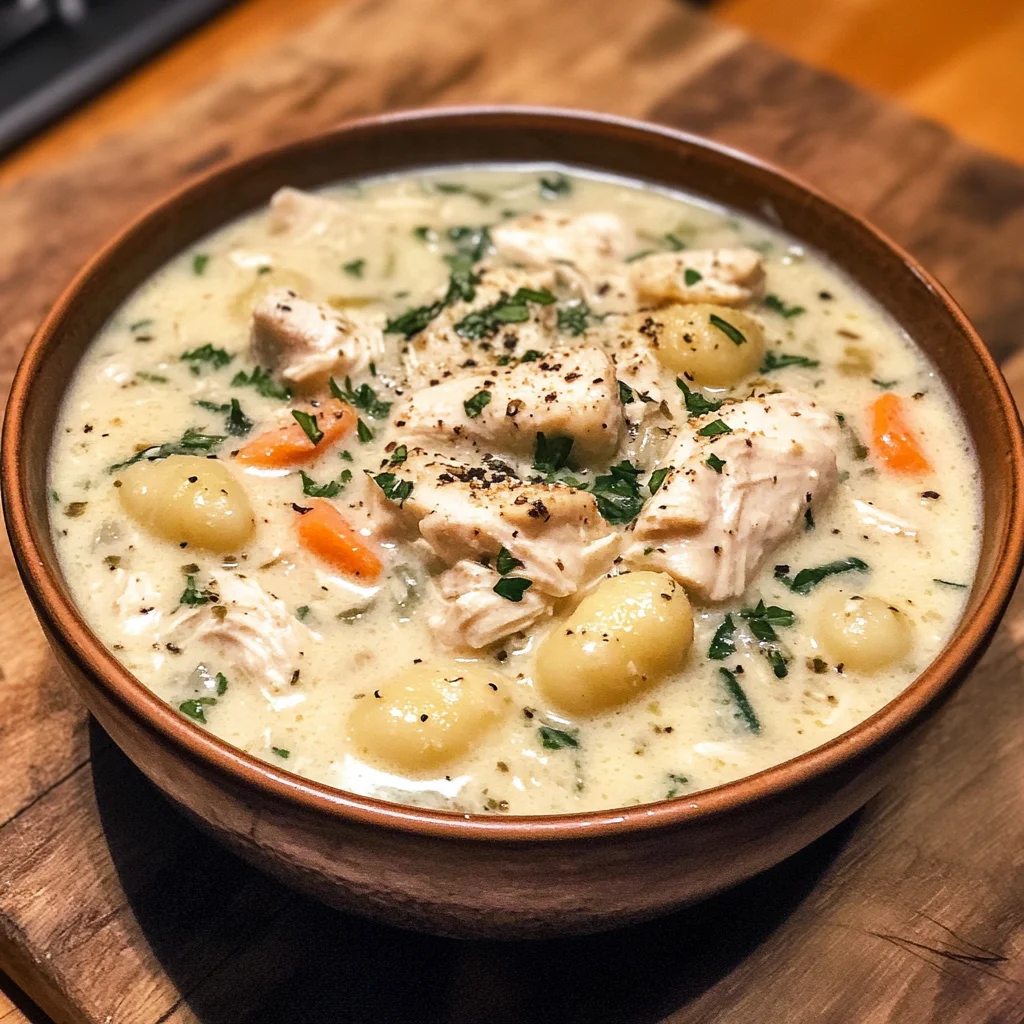
Creamy chicken gnocchi soup is a thick, hearty soup that features tender pieces of chicken, soft potato gnocchi dumplings, and vegetables such as carrots, celery, and onions in a rich, cream-based broth. The soup gets its signature velvety texture from a combination of cream or half-and-half and a butter-flour roux that thickens the broth.
The star ingredient, gnocchi, refers to Italian potato dumplings that cook quickly and absorb the flavors of the surrounding broth. These pillowy pasta-like morsels add substantial texture and make the soup incredibly filling. Furthermore, leafy greens like spinach are often stirred in at the end, adding color, nutrition, and a fresh element to balance the richness.
Italian seasonings such as thyme, garlic, and sometimes sun-dried tomatoes elevate the flavor profile, creating layers of taste that make every spoonful interesting. The result is a restaurant-quality soup that tastes like it’s been simmering for hours, even though it takes less than an hour to prepare.
The History and Origins of Gnocchi
Understanding the history of gnocchi adds depth to your appreciation of this comforting soup. The first recipe for gnocchi dates back to the second half of the 16th century when Renaissance chefs described how to make this specialty using flour, breadcrumbs, boiling water, and eggs. Interestingly, potatoes weren’t introduced to Italy until the beginning of the 16th century after Christopher Columbus brought them from America.
For many years, gnocchi continued to be made with the original three-ingredient recipe without potatoes. The consistency was very soft compared to modern versions. Around 1790, the recipe for “German gnocchi” emerged, incorporating breadcrumbs, milk, butter, and spices.
The first literary mention of gnocchi-like pasta appears in Giovanni Boccaccio’s Decameron, where his character Calandrino describes an imaginary Italian town with mountains of grated parmesan. Curiously, these early dumplings weren’t called gnocchi but were referred to as “maccheroni e raviuoli”. Today, gnocchi has evolved into countless regional variations throughout Italy, with potato gnocchi becoming the most popular form worldwide.
Health Benefits of Chicken Gnocchi Soup
Beyond its comforting qualities, creamy chicken gnocchi soup offers several nutritional benefits. The dish is rich in protein due to the chicken pieces and broth, which support muscle maintenance and satiety. Additionally, chicken soup has been used in traditional food cultures to prevent colds, relieve inflammation, and improve immunity.
Scientific research supports these traditional beliefs. Studies have shown that chicken soup promotes the recovery of immunosuppressive conditions by restoring blood indices, promoting cytokine secretion, and increasing immunoglobulin content. The soup inhibits the migration of neutrophils, demonstrating anti-inflammatory activity that can help alleviate cold symptoms.
Chicken soup is also rich in amino acids like L-glutamine, which strengthens the intestinal barrier and reduces inflammation. The vegetables commonly added to the soup—carrots, celery, and spinach—provide essential vitamins, minerals, and antioxidants. Furthermore, herbs and spices like garlic and thyme contain immune-boosting compounds that help bolster immunity.
The soup has fewer carbohydrates compared to many pasta dishes, making it a more balanced meal option. Additionally, the gnocchi provides energy from complex carbohydrates, while the cream adds healthy fats that promote satiety and nutrient absorption.
Essential Ingredients for Creamy Chicken Gnocchi Soup
Protein Component
The foundation of this soup starts with quality chicken. Boneless, skinless chicken thighs are preferred because they stay juicy and tender while infusing the soup with rich, chicken-y flavor. However, chicken breasts work equally well if you prefer leaner meat. Some recipes call for cutting the raw chicken into bite-sized pieces, while others cook the chicken whole and then shred it.
The Star Ingredient: Gnocchi
Dried potato gnocchi is the most convenient option for this soup. These pillowy dumplings cook in just five minutes directly in the broth, absorbing flavor while maintaining their tender texture. There’s no need to pre-cook the gnocchi before adding it to the soup. A standard one-pound package works perfectly for most recipes.
Aromatic Vegetables
The classic mirepoix of onions, carrots, and celery forms the aromatic base of the soup. These vegetables should be diced into small, uniform pieces so they cook evenly. Additionally, garlic is essential for adding depth and aromatic complexity. Fresh garlic cloves, minced or finely chopped, provide the best flavor.
Cream and Dairy Elements
Heavy cream or half-and-half creates the signature creamy texture. Some recipes use a combination of both for a balanced richness. Grated parmesan cheese adds savory depth and umami notes while also contributing to the creamy consistency. For those seeking dairy alternatives, coconut cream works surprisingly well.
Broth and Seasonings
Low-sodium chicken broth forms the liquid base of the soup. Using low-sodium versions allows you to control the salt level. Fresh thyme is the most commonly used herb, providing earthy, slightly minty notes. Other seasonings include Italian herb blends, paprika, and mustard powder for complexity.
Additional Flavor Enhancers
Sun-dried tomatoes add concentrated tomato flavor and a slight tanginess that balances the richness. Baby spinach provides freshness, color, and nutrients. The spinach should be roughly chopped and stirred in just before serving so it wilts perfectly.
Step-by-Step Instructions for Perfect Soup
Preparation Phase
Begin by gathering all your ingredients and preparing them before you start cooking. Dice the onion, carrots, and celery into small, uniform pieces approximately ¼-inch in size. Mince the garlic cloves finely. Cut the chicken into bite-sized pieces if using the quick-cook method, or leave whole if you prefer to shred it later.
Building the Flavor Base
Heat oil or melt butter in a large Dutch oven or soup pot over medium heat. Add the diced onion, carrots, and celery to the pot. Cook these vegetables, stirring occasionally, until they become softened and translucent, which typically takes 10 to 12 minutes. During the last minute of cooking the vegetables, add the minced garlic and stir constantly to prevent burning.
Creating the Roux
Sprinkle all-purpose flour over the softened vegetables and butter. Cook this mixture, stirring constantly, until the vegetables are evenly coated and the flour is incorporated, about one minute. This roux will thicken the soup and create a velvety texture. Make sure to stir constantly during this step to avoid burning the flour.
Adding Liquid and Protein
Gradually stir in the chicken broth, pouring slowly to prevent lumps from forming. Bring the mixture to a simmer. Add the chicken pieces along with fresh thyme, salt, and pepper. Stir well to combine everything. Return the soup to a simmer over medium heat, then reduce the heat to medium-low.
Cover the pot and simmer until the chicken is cooked through, approximately 20 minutes if using whole pieces or 5 minutes if using bite-sized pieces. If you cooked whole chicken pieces, remove them from the pot and use two forks to shred the meat, then return the shredded chicken to the soup.
Incorporating Gnocchi and Finishing Touches
Add the dried gnocchi directly to the simmering soup. Cook for about 5 minutes until the gnocchi becomes tender and floats to the surface, indicating it’s done. Check the package instructions for precise cooking time, as it may vary slightly by brand.
Lower the heat to medium-low and stir in the heavy cream or half-and-half. Heat the soup until it’s steaming but not boiling, as boiling can cause the cream to separate. Add the grated parmesan cheese and stir until melted and incorporated.
Finally, add the roughly chopped spinach and any sun-dried tomatoes. Stir gently until the spinach wilts, which takes just a minute or two. Taste the soup and adjust seasoning with additional salt and pepper as needed.
Recipe Variations and Customizations
Protein Alternatives
While chicken is traditional, you can swap it for other proteins to change the flavor profile. Ground Italian sausage creates a heartier, more robust soup. Ground turkey offers a leaner option while still providing substantial protein. For a lighter version, consider using rotisserie chicken, which saves time and adds extra flavor from the seasoned skin.
Vegetable Add-Ins
Expand the nutritional profile by incorporating additional vegetables. Fresh kale provides a heartier texture and more nutrients than spinach. Sliced mushrooms add earthy umami notes and meaty texture. Broccoli florets contribute fiber and vitamins while adding color variation. If using these heartier vegetables, add them earlier in the cooking process so they have time to soften.
Slow Cooker Method
For a hands-off approach, adapt this recipe for a slow cooker or crockpot. First, sauté the vegetables and sear the chicken in a skillet for extra flavor. Transfer everything except the gnocchi and cream to the slow cooker and cook on low for 6-8 hours. During the last hour, add the gnocchi. Just before serving, whisk the cream with cornstarch and stir it into the soup to prevent curdling.
Cheese Upgrades
Transform the soup into an even more indulgent creation by experimenting with different cheeses. Mozzarella adds stretchy, melty richness. A combination of parmesan and asiago creates complex savory notes. For a sophisticated twist, stir in a tablespoon of cream cheese at the end for extra silkiness.
Dairy-Free Version
Create a dairy-free version by substituting coconut cream for the heavy cream. The coconut flavor is subtle and complements the other ingredients beautifully. Use nutritional yeast instead of parmesan cheese to add a cheesy, umami flavor without dairy. Additionally, use olive oil instead of butter for sautéing the vegetables.
Expert Tips for the Best Results
Choosing the Right Gnocchi
Opt for shelf-stable dried gnocchi rather than fresh refrigerated versions for soup. Dried gnocchi holds its shape better during the simmering process and won’t become mushy. Fresh gnocchi cooks too quickly and can disintegrate in the hot broth. Look for potato gnocchi specifically, as other varieties may have different cooking times and textures.
Preventing Cream from Curdling
Never add cold cream directly from the refrigerator into boiling soup. Instead, lower the heat to medium-low before stirring in the cream. Additionally, avoid bringing the soup to a full boil after adding the cream, as high heat causes dairy to separate and curdle. If you’re concerned about curdling, temper the cream by adding a few spoonfuls of hot soup to it first, then gradually incorporate the warmed cream into the pot.
Maintaining Perfect Consistency
Chicken gnocchi soup naturally thickens as it sits because the gnocchi absorbs liquid. If your soup becomes too thick, simply add additional chicken broth, cream, or even water to thin it to your desired consistency. When reheating leftovers, always have extra liquid on hand to restore the soup’s original texture.
Maximizing Flavor
Season the soup at multiple stages rather than just at the end. Salt the chicken before adding it to the pot, season the vegetables while sautéing, and taste for final adjustments before serving. This layered approach to seasoning creates depth and complexity. Additionally, don’t skip the step of cooking the flour with the vegetables, as this removes the raw flour taste and ensures a smooth, thick soup.
Timing the Spinach Addition
Add spinach at the very end of cooking, just before serving. Spinach wilts in under a minute and overcooking it causes the leaves to become dull and slimy. For the best color and texture, stir it in after removing the pot from heat, allowing residual warmth to wilt the leaves gently.
Common Mistakes to Avoid
Overcooking the Chicken
Chicken breasts, in particular, can become dry and stringy if overcooked. Monitor the cooking time carefully and remove the chicken from the soup as soon as it reaches an internal temperature of 165°F. Using chicken thighs instead of breasts provides more forgiveness, as the higher fat content keeps them moist even with slight overcooking.
Adding Gnocchi Too Early
Never add gnocchi at the beginning of the cooking process. Gnocchi only needs 5 minutes of cooking time, and prolonged simmering causes it to fall apart and become mushy. Always add gnocchi during the final stages of cooking, after the chicken and vegetables are fully cooked.
Using Pre-Shredded Cheese
Pre-shredded cheese contains anti-caking agents that prevent it from melting smoothly. Instead, grate parmesan cheese fresh from a block for the creamiest, most cohesive texture. The extra minute of grating makes a noticeable difference in the final soup quality.
Skipping the Sauté Step
Many home cooks are tempted to dump all ingredients into the pot at once to save time. However, properly sautéing the aromatic vegetables in butter or oil develops their sweetness and creates foundational flavors that make the soup taste complex and restaurant-quality. This step is essential and shouldn’t be rushed or skipped.
Boiling Instead of Simmering
Aggressive boiling can break down the gnocchi and cause the cream to separate. Maintain a gentle simmer throughout the cooking process for the best texture and appearance. A simmer features small bubbles that occasionally break the surface, whereas a boil creates large, rolling bubbles.
Storage and Reheating Guidelines
Refrigerator Storage
Before refrigerating leftover soup, allow it to cool completely to room temperature. This prevents condensation buildup inside the storage container, which can dilute the soup and promote bacterial growth. Transfer the cooled soup to airtight containers or resealable bags.
For best results, store the gnocchi separately from the liquid. The gnocchi absorbs liquid as it sits, which can leave you with thick, paste-like soup. Keep them refrigerated in separate containers and combine them when reheating. Properly stored, the soup keeps well in the refrigerator for up to 3-5 days.
Reheating Instructions
Reheat the soup gently on the stovetop over medium-low heat, stirring occasionally until warmed through. You can also use the microwave, heating in 1-minute intervals and stirring between each interval. Since the soup thickens considerably when cold, add extra chicken broth, half-and-half, or water while reheating to restore the proper consistency.
Never bring reheated soup to a rolling boil, especially if it contains cream. Gentle heating preserves the creamy texture and prevents the dairy from separating.
Freezing Considerations
Cream-based soups don’t freeze well because dairy products separate and become grainy when frozen and thawed. If you want to freeze this soup, prepare it without the cream and gnocchi. Freeze the chicken and vegetable base in airtight containers for up to 3 months. When ready to serve, thaw the base, reheat it, then add fresh gnocchi and cream during the final cooking stage.
Portion Control for Storage
Divide the soup into individual serving-sized portions before storing. This makes reheating easier and more efficient, as you can warm only what you need. Label each container with the recipe name and preparation date for easy tracking. This system helps you monitor freshness and reduces food waste.
Serving Suggestions and Pairings
Bread Accompaniments
Crusty bread is the classic accompaniment to creamy chicken gnocchi soup. The crunchy exterior and soft interior provide textural contrast to the smooth soup. Consider serving warm garlic bread, focaccia, or artisan sourdough for dipping. Alternatively, homemade biscuits or dinner rolls offer a tender, buttery option that soaks up the delicious broth.
Salad Pairings
Balance the richness of the soup with a light, crisp salad. A simple mixed green salad with vinaigrette provides refreshing acidity that cuts through the cream. Caesar salad offers a more substantial option while maintaining complementary flavors. For a Mediterranean twist, serve the soup with a tomato and cucumber salad dressed with olive oil and lemon juice.
Fresh Fruit Options
Bright, fresh fruit makes a welcome side dish to creamy soups. Simple options like grapes or melon provide natural sweetness and palate-cleansing properties. For something more elaborate, prepare a fruit salad with honey lime vinaigrette or a winter fruit salad with poppy seed dressing. Berry salad in honey mascarpone offers an elegant touch for special occasions.
Garnishing Ideas
Elevate the presentation by garnishing each bowl thoughtfully. Extra grated parmesan cheese adds visual appeal and savory richness. Fresh basil leaves provide aromatic freshness and beautiful green color. Red pepper flakes offer a spicy kick for those who enjoy heat. A drizzle of quality olive oil adds glossy finish and fruity notes.
Frequently Asked Questions
Can I use fresh gnocchi instead of dried?
While you can use fresh gnocchi, dried gnocchi works better for soup. Fresh gnocchi cooks much faster and can become mushy or fall apart during the simmering process. If using fresh gnocchi, add it during the last 2-3 minutes of cooking and monitor it closely to prevent overcooking.
Do I need to cook the gnocchi separately before adding it to the soup?
No, there’s no need to pre-cook the gnocchi. Simply pour the dried gnocchi directly into the simmering soup during the final 5 minutes of cooking. The gnocchi will cook in the broth and absorb more flavor this way.
Can I substitute chicken breasts for chicken thighs in creamy chicken gnocchi soup?
Yes, boneless, skinless chicken breasts work as a substitute for thighs. However, chicken thighs are richer and add more flavor to the soup due to their higher fat content. If using breasts, be careful not to overcook them, as they can become dry more easily than thighs.
How do I prevent my soup from becoming too thick?
Gnocchi naturally absorbs liquid as it sits, causing the soup to thicken over time. If this happens, simply add more chicken broth, half-and-half, or water while reheating until you reach your desired consistency. For leftovers, consider storing the gnocchi separately from the soup base to prevent excessive thickening.
Can I make this soup in advance?
You can prepare the soup up to 3 days in advance. However, for the best texture, consider making the base (everything except the gnocchi and cream) ahead of time. When ready to serve, reheat the base, then add fresh gnocchi and cream during the final cooking stage. This ensures the gnocchi maintains its texture and the cream doesn’t separate from reheating.
What can I add to make the soup healthier?
Increase the vegetable content by adding kale, mushrooms, or broccoli. Use light cream or half-and-half instead of heavy cream to reduce calories and fat. Replace some of the cream with additional chicken broth for a lighter version. Add more spinach or other leafy greens to boost vitamins and minerals.
Why is my soup not creamy enough?
If your soup lacks creaminess, you may need to add more cream or cheese. Ensure you created a proper roux by cooking the flour with the vegetables before adding the liquid. The roux thickens the broth and creates a velvety base. Additionally, make sure you’re using enough parmesan cheese, as it contributes significantly to the creamy texture.
Can I use store-bought rotisserie chicken?
Absolutely! Store-bought rotisserie chicken is an excellent time-saving option. Simply shred the chicken and add it to the soup during the last few minutes of cooking, just long enough to heat it through. This method reduces the overall cooking time and adds extra flavor from the seasoned chicken.
Conclusion
Creamy chicken gnocchi soup represents the perfect marriage of comfort, convenience, and flavor. This restaurant-quality dish brings together tender chicken, pillowy potato dumplings, fresh vegetables, and a luscious cream-based broth in one satisfying bowl. With just 45 minutes of cooking time, you can create a wholesome, nourishing meal that tastes like it’s been simmering all day.
The versatility of this soup makes it ideal for any occasion, from busy weeknight dinners to cozy weekend meals. Moreover, the countless variations allow you to customize the recipe to match your preferences and dietary needs. Whether you stick with the classic preparation or experiment with different proteins, vegetables, and seasonings, creamy chicken gnocchi soup delivers consistent comfort and satisfaction.

Creamy Chicken Gnocchi Soup
Description
Creamy Chicken Gnocchi Soup
Servings: 6 people
Calories: ~450 per serving
Prep Time: 10 minutes
Cook Time: 25 minutes
Total Time: 35 minutes
Ingredients:
-
2 tablespoons butter
-
1 tablespoon olive oil
-
1 small onion, diced
-
2 cloves garlic, minced
-
2 medium carrots, diced
-
2 celery stalks, diced
-
1½ cups cooked chicken breast, shredded or cubed
-
4 cups chicken broth
-
1 cup heavy cream
-
1 (16 oz) package potato gnocchi
-
1½ cups fresh spinach leaves
-
1 teaspoon Italian seasoning
-
½ teaspoon thyme
-
Salt and black pepper, to taste
-
¼ cup grated Parmesan cheese (optional, for serving)
Instructions:
-
Sauté Vegetables:
In a large pot, heat butter and olive oil over medium heat. Add onion, carrots, and celery, and cook for 4–5 minutes until softened. Stir in garlic and cook for another 30 seconds. -
Add Broth and Chicken:
Pour in chicken broth, then add the cooked chicken, Italian seasoning, thyme, salt, and pepper. Bring to a gentle boil. -
Cook the Gnocchi:
Stir in gnocchi and cook for about 3–4 minutes, or until they float to the top. -
Add Cream and Spinach:
Reduce heat to low, stir in heavy cream and spinach. Simmer for 3–4 minutes until the soup thickens slightly and spinach wilts. -
Finish and Serve:
Taste and adjust seasoning if needed. Serve warm, topped with grated Parmesan cheese if desired.