Cheesy Chicken Parmesan Meatballs: The Ultimate Guide to Making Restaurant-Quality Meatballs at Home
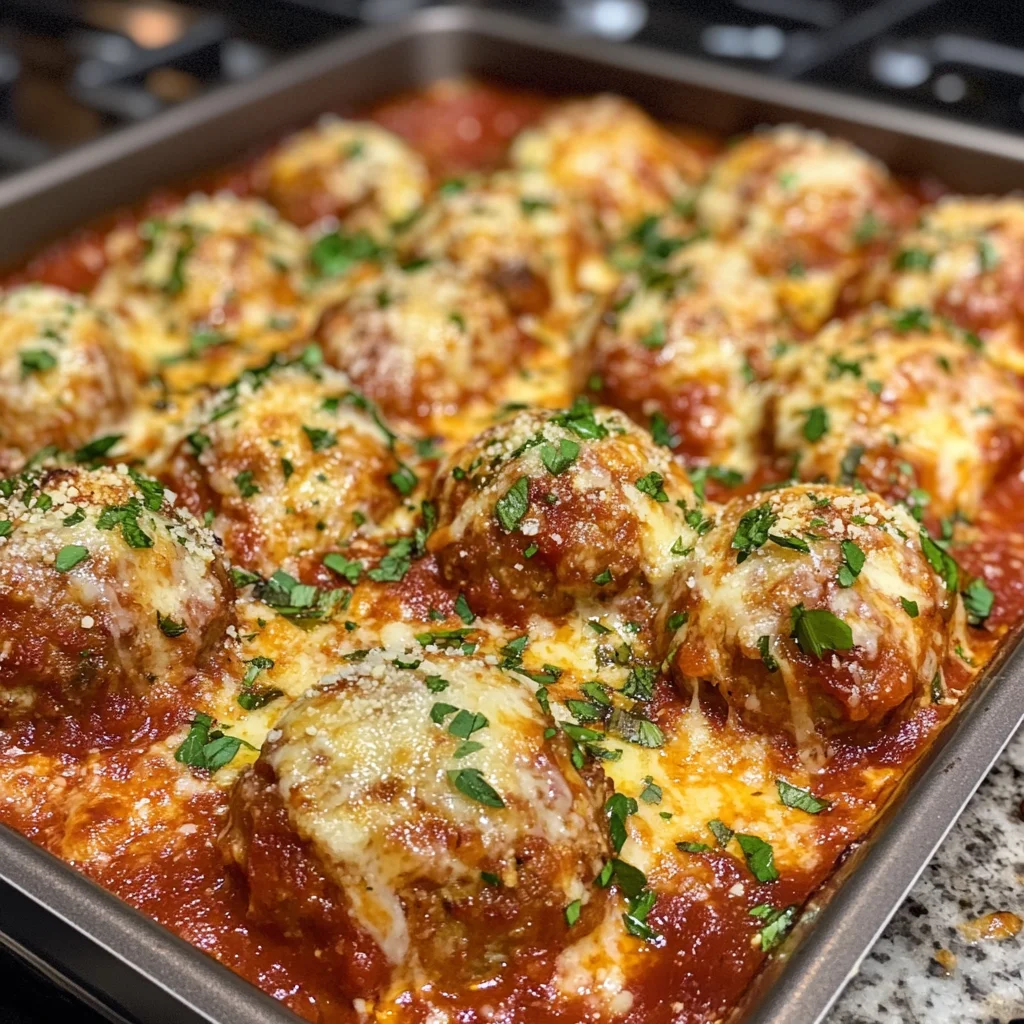
If you’re searching for a delicious, family-friendly dinner that combines the classic flavors of chicken parmesan with the convenience of meatballs, look no further than Cheesy Chicken Parmesan Meatballs. These tender, flavorful meatballs are loaded with melted mozzarella and Parmesan cheese, coated in rich marinara sauce, and baked to perfection. Moreover, this recipe is incredibly versatile, making it perfect for weeknight dinners, meal prep, or entertaining guests.
This comprehensive guide will walk you through everything you need to know about making Cheesy Chicken Parmesan Meatballs from scratch. Furthermore, you’ll discover expert tips for achieving the perfect texture, creative serving suggestions, and storage solutions that make this recipe a true kitchen staple.
What Makes Cheesy Chicken Parmesan Meatballs Special
Cheesy Chicken Parmesan Meatballs offer a lighter alternative to traditional beef or pork meatballs while delivering incredible flavor. Additionally, ground chicken provides a lean protein source that absorbs seasonings beautifully. The combination of two types of cheese creates a gooey, melted center that delights everyone at the table.
These meatballs capture all the beloved flavors of classic chicken parmesan in a convenient, bite-sized format. Furthermore, they work equally well as a main course, appetizer, or meal prep option. The Italian-inspired seasoning blend brings authentic flavors to every bite.
Essential Ingredients for Perfect Meatballs
Creating outstanding Cheesy Chicken Parmesan Meatballs requires quality ingredients that work together harmoniously. Let’s explore each component and its role in the recipe.
Protein Foundation
Ground chicken serves as the base for these meatballs, offering approximately 60 calories per meatball with minimal saturated fat. Fresh ground chicken provides the best texture and flavor. Consequently, purchasing high-quality chicken ensures juicy, tender results.
Cheese Components
Two types of cheese elevate these meatballs to restaurant quality. First, freshly grated Parmesan cheese adds a sharp, nutty flavor and helps bind the mixture. Second, mozzarella creates that irresistible melted cheese pull. Many recipes use small bocconcini balls inserted into the center of each meatball for maximum cheese impact.
Binding Agents
Breadcrumbs and eggs work together to hold the meatballs together. Panko breadcrumbs create a lighter texture, while traditional breadcrumbs offer more structure. One large egg per pound of chicken provides sufficient binding without making the meatballs dense.
Flavor Enhancers
Italian seasoning forms the flavor backbone of these meatballs. Fresh herbs like basil and parsley contribute bright, authentic Italian flavors that dried herbs cannot match. Minced garlic adds aromatic depth, while red pepper flakes provide optional heat.
Additional Seasonings
Salt and black pepper season the meat properly. Furthermore, dried oregano enhances the Italian character of the dish. Some recipes incorporate sweet paprika for added depth and color.
Step-by-Step Instructions
Creating perfect Cheesy Chicken Parmesan Meatballs follows a straightforward process. However, attention to detail ensures the best results.
Preparation Phase
First, preheat your oven to 375°F and line a rimmed baking sheet with parchment paper. This prevents sticking and makes cleanup easier. Next, prepare all ingredients before mixing to ensure even distribution.
Mixing the Meatball Mixture
In a large mixing bowl, combine ground chicken, Parmesan cheese, breadcrumbs, one beaten egg, minced garlic, Italian seasoning, salt, and pepper. Mix with your hands until ingredients are evenly distributed, but avoid overworking the meat. Overmixing creates tough, dense meatballs instead of tender ones.
Forming the Meatballs
Scoop the mixture into golf ball-sized portions using a cookie scoop or tablespoon for consistent sizing. Even-sized meatballs cook uniformly, preventing some from drying out while others remain undercooked. If adding a mozzarella center, flatten each portion, place a small bocconcini ball in the middle, and reform the mixture around the cheese until completely sealed.
Coating Process
Some recipes recommend lightly dredging each meatball in flour before cooking. This step creates an extra crispy exterior and helps seal in moisture. Shake off excess flour to prevent a pasty coating.
Cooking Methods
Two primary cooking methods work well for these meatballs. First, pan-frying in olive oil over medium-high heat browns the exterior in 3-4 minutes per side. Second, baking at 375°F for 18-20 minutes cooks them through without additional oil. Both methods produce delicious results with slightly different textures.
Finishing with Sauce
After browning, nestle the meatballs in marinara sauce in an oven-safe skillet. Transfer to the oven and bake for 15-20 minutes until cooked through completely. The sauce keeps the meatballs moist while adding authentic Italian flavor.
Tips for Achieving the Perfect Texture
Several techniques separate good meatballs from exceptional ones. Additionally, these professional tips ensure consistent success.
Handle the Meat Gently
Avoid overmixing the ground chicken mixture, as this develops gluten in the breadcrumbs and creates tough meatballs. Mix only until ingredients stick together and appear evenly combined.
Use Fresh Herbs
Fresh basil and parsley provide superior flavor compared to dried alternatives. Finely chop fresh herbs to distribute their flavor throughout each meatball.
Maintain Even Portions
Using a cookie scoop ensures uniform meatball sizes, which promotes even cooking. Inconsistent sizing results in some meatballs overcooking while others remain underdone.
Don’t Skip the Cheese
Ricotta cheese is a secret ingredient that creates incredibly tender meatballs. This creamy Italian cheese adds moisture and prevents dryness. Therefore, consider adding ricotta alongside the Parmesan for extra-tender results.
Freshly Grate Your Parmesan
Pre-grated Parmesan contains anti-caking agents that affect texture and flavor. Freshly grated Parmesan adds more moisture and superior taste to the meatball mixture.
Baking vs. Pan-Frying Methods
Both cooking methods offer distinct advantages for preparing Cheesy Chicken Parmesan Meatballs. Understanding each technique helps you choose the best option for your needs.
Pan-Frying Benefits
Pan-frying in olive oil creates a crispy, golden-brown crust that adds rich flavor. The Maillard reaction during browning develops complex, savory notes that enhance the overall taste. However, this method requires more active attention and turning the meatballs occasionally.
Baking Advantages
Baking offers a hands-off approach that doesn’t require constant monitoring. This method uses less added fat, making it a lighter option. Furthermore, baking allows you to cook larger batches simultaneously.
Combination Approach
Many recipes combine both methods for optimal results. First, brown the meatballs in a skillet to develop a crispy exterior. Then, finish them in the oven with marinara sauce to ensure they cook through completely. This two-step process delivers both texture and convenience.
Creating the Ultimate Crispy Crust
Achieving a crispy exterior elevates Cheesy Chicken Parmesan Meatballs from good to extraordinary. Several techniques guarantee that perfect golden crust.
Broiling Technique
After baking meatballs at 375°F for 18-20 minutes, switch to the broiler setting. Place the pan 6-8 inches from the heat source and broil for 4-5 minutes until brown and crisp. This method replicates the crispy crust achieved through pan-frying while keeping the cooking process simple.
Proper Pan Selection
Use a heavy-duty baking sheet that distributes heat evenly. Thin pans create hot spots that burn some meatballs while leaving others pale. A quality pan ensures consistent browning across all meatballs.
Oil Application
Lightly brushing meatballs with olive oil before baking promotes browning. A quick one-second spray of olive oil provides sufficient fat for crisping without excess calories. Oil conducts heat efficiently and encourages the development of a golden crust.
Nutritional Benefits
Cheesy Chicken Parmesan Meatballs provide substantial nutrition in a delicious package. Understanding their nutritional profile helps you incorporate them into a balanced diet.
Macronutrient Breakdown
A typical serving of two meatballs contains approximately 130 calories with a macronutrient distribution of 21% carbohydrates, 31% fat, and 48% protein. This high protein content makes them an excellent choice for muscle maintenance and satiety.
Protein Content
Each serving delivers 16 grams of protein, representing 29% of the daily value. This substantial protein content supports muscle health and keeps you feeling full longer. Ground chicken provides lean protein with less saturated fat than beef or pork alternatives.
Vitamin and Mineral Profile
These meatballs offer good sources of several essential nutrients. Iron content reaches 13% of the daily value, supporting healthy blood cells. Calcium contributes 4% of daily needs, while potassium provides 4% as well. Sodium levels reach 370mg per serving, accounting for 16% of the daily value.
Lower Calorie Alternative
At approximately 60 calories per meatball, chicken parmesan meatballs provide a lighter alternative to traditional beef or pork-based versions. This makes them suitable for calorie-conscious eating plans without sacrificing flavor.
Storage and Freezing Guidelines
Proper storage extends the life of your Cheesy Chicken Parmesan Meatballs and maintains their quality. Following these guidelines ensures food safety and optimal taste.
Refrigeration Storage
Store leftover meatballs in an airtight container in the refrigerator for up to 3-4 days. Cooked meatballs actually taste even better the next day as flavors continue to develop. Ensure the container seals tightly to prevent the meatballs from drying out.
Freezing Uncooked Meatballs
Freezing uncooked meatballs prevents overcooking during reheating. Arrange shaped, raw meatballs on a parchment-lined baking sheet in a single layer. Place the sheet in the freezer for 1-2 hours until meatballs become firm. Transfer frozen meatballs to a freezer-safe bag or container for long-term storage up to 3 months.
Freezing Cooked Meatballs
Cooked meatballs freeze equally well using the same flash-freezing method. First, freeze individually on a lined baking sheet to prevent them from sticking together. Then, transfer to zip-top freezer bags for storage up to 3 months. Consider freezing them with marinara sauce but without cheese topping to prevent rubbery texture upon reheating.
Thawing and Reheating
Thaw frozen meatballs in the refrigerator overnight for food safety. Reheat in the oven at 350°F for 10-15 minutes or microwave until heated through completely. Frozen meatballs may require additional cooking time if assembling directly from frozen.
Creative Serving Suggestions
Cheesy Chicken Parmesan Meatballs shine in numerous serving applications. These versatile meatballs adapt to various presentations and accompaniments.
Classic Pasta Pairing
Serve meatballs over your favorite pasta with marinara sauce for a traditional Italian meal. Spaghetti, penne, or rigatoni all work beautifully. Garnish with fresh basil and additional Parmesan cheese.
Low-Carb Options
Place meatballs over spaghetti squash for a lighter, vegetable-forward presentation. Spiralized vegetable noodles made from zucchini or carrots provide another low-carb alternative. You can also combine half regular pasta with half vegetable noodles to reduce carbohydrates while maintaining satisfaction.
Sandwich Applications
Nestle meatballs in hoagie rolls for game-day-friendly sandwiches. Top with extra marinara and melted mozzarella for an authentic sub experience. This presentation works perfectly for casual gatherings and lunch boxes.
Appetizer Presentation
Cut meatballs in half and serve on crostini with a sprinkle of Parmesan cheese for elegant appetizers. This bite-sized format makes them ideal for parties and entertaining. Provide toothpicks for easy serving at buffets.
Polenta Pairing
Serve meatballs over creamy polenta for a comforting, Italian-inspired meal. The soft polenta contrasts beautifully with the textured meatballs. Garnish with fresh basil for a restaurant-quality presentation.
Common Mistakes to Avoid
Understanding potential pitfalls helps you achieve perfect Cheesy Chicken Parmesan Meatballs every time. Avoiding these common errors ensures consistent success.
Overworking the Mixture
The most frequent mistake involves overmixing the ground chicken mixture. Excessive handling develops gluten and compacts the meat, resulting in tough, dense meatballs. Mix only until ingredients combine and hold together.
Using Dried Herbs
Dried basil and parsley cannot replicate the bright flavor of fresh herbs in meatballs. Fresh herbs contribute essential aromatic oils that dried versions lack. Always choose fresh herbs for optimal flavor.
Inconsistent Sizing
Meatballs of varying sizes cook unevenly, with smaller ones drying out while larger ones remain undercooked. Use a portion scoop to maintain consistent sizing throughout the batch.
Skipping the Browning Step
While fully baking meatballs works, skipping the browning step sacrifices flavor development. Browning creates a crispy crust and complex savory notes through the Maillard reaction. Take the extra time to brown meatballs for superior results.
Not Sealing Cheese Properly
When adding mozzarella centers, incomplete sealing causes cheese to leak during cooking. Ensure the chicken mixture completely encases the cheese ball with no visible gaps. Reform meatballs carefully around the cheese for perfect results.
Frequently Asked Questions
What is the best way to keep Cheesy Chicken Parmesan Meatballs moist?
Several techniques ensure moist meatballs every time. First, avoid overmixing the meat mixture, which creates a dense texture. Second, add moisture-rich ingredients like ricotta cheese to the mixture. Third, don’t overbake the meatballs; cook just until they reach 165°F internal temperature. Finally, finishing meatballs in marinara sauce adds moisture while developing flavor.
Can I make Cheesy Chicken Parmesan Meatballs ahead of time?
Absolutely! These meatballs work perfectly for meal prep and make-ahead cooking. Bake the meatballs, cool completely, and store in airtight containers in the refrigerator for 3-4 days. Alternatively, freeze shaped raw meatballs or fully cooked meatballs for up to 3 months. Thaw overnight in the refrigerator before reheating or cooking.
How do I prevent the cheese from leaking out during cooking?
Proper sealing technique prevents cheese leakage during cooking. Flatten each portion of meat mixture, place the mozzarella ball in the center, and carefully reform the mixture around it. Ensure no cheese remains visible and the seal appears complete. Additionally, chilling formed meatballs for 15-20 minutes before cooking helps the mixture firm up around the cheese.
What are the best side dishes to serve with these meatballs?
Numerous side dishes complement Cheesy Chicken Parmesan Meatballs beautifully. Classic pasta options include spaghetti, penne, or rigatoni. Low-carb alternatives feature spaghetti squash or spiralized vegetable noodles. Creamy polenta provides a comforting Italian-inspired base. Simple green salads, garlic bread, or roasted vegetables round out the meal perfectly.
Can I use ground turkey instead of ground chicken?
Yes, ground turkey works as a direct substitute for ground chicken in this recipe. Both offer similar lean protein profiles and cooking characteristics. Ground turkey may have a slightly different flavor profile but creates equally delicious meatballs. Choose ground turkey with similar fat content to ground chicken for best results.
Conclusion
Cheesy Chicken Parmesan Meatballs combine the beloved flavors of classic chicken parmesan with the convenience and versatility of meatballs. These tender, flavorful creations feature a gooey mozzarella center, savory Parmesan cheese, and aromatic Italian seasonings that transport your taste buds to Italy. Whether you bake, pan-fry, or use a combination method, these meatballs deliver restaurant-quality results at home.
The versatility of Cheesy Chicken Parmesan Meatballs makes them perfect for weeknight dinners, meal prep, entertaining, and everything in between. Their freezer-friendly nature allows you to prepare large batches for convenient future meals. Furthermore, the numerous serving options mean you’ll never get bored with this recipe.
Print