
The Allure of the Dish & Introduction
Creamy Garlic Steak and Shrimp: Your Ultimate Guide to a Restaurant-Quality Meal at Home
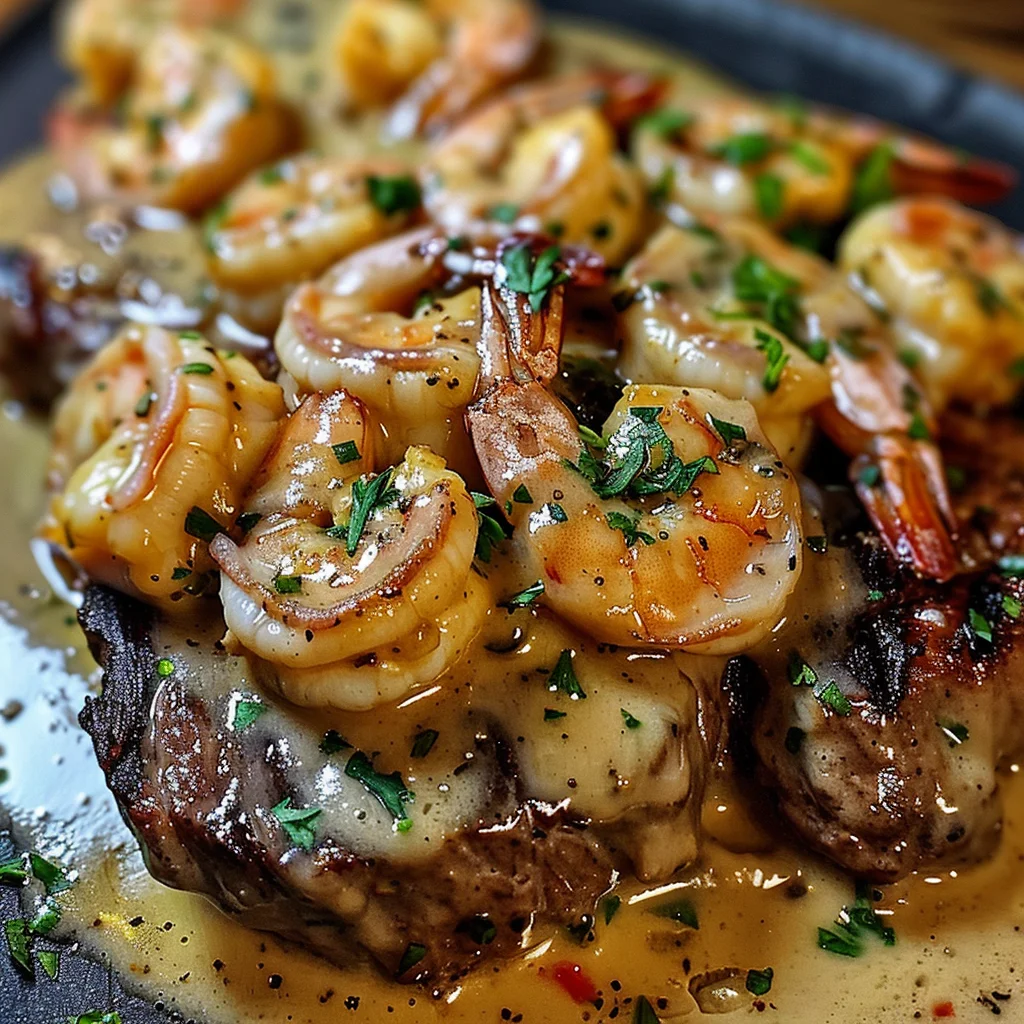
Alright, let’s be honest—who can honestly resist the sizzling allure of a fantastic surf and turf platter? Honestly, the very concept is a stroke of genius. Imagine the deep, savory, beefy goodness of a premium steak, you see, then contrast it with the sweet, delicate, and briny flavor of fresh shrimp. Now, to bring it all together, envision a rich, creamy garlic sauce that wraps every single component in a blanket of herb-infused, garlicky luxury. Consequently, this dish isn’t just dinner; it’s an experience, a celebration on a plate that feels incredibly indulgent yet is utterly approachable.
Furthermore, this comprehensive guide is designed to be your ultimate culinary companion. Therefore, we’ll dive deep into the “why” behind every step, ensuring you don’t just follow a recipe but truly understand the art and science of creating the perfect creamy garlic steak and shrimp. Ultimately, by the end, you’ll be equipped with the knowledge and confidence to whip up this impressive meal for a special date night, a holiday celebration, or even just a Tuesday when you deserve something extraordinary.
Why This Dish is a Culinary Powerhouse
So, what is it about this particular combination that feels so darn special? Well, for starters, it’s a brilliant textural playground. Firstly, you get the satisfying, hearty chew of a perfectly cooked steak. Then, in delightful contrast, you bite into a shrimp that’s springy and tender. Finally, the entire ensemble is brought together by a sauce that’s impossibly smooth and velvety. It’s a symphony, not a solo act!
Moreover, the flavor profile is an absolute masterpiece of balance. The umami-rich steak, the sweet seafood, the pungent, aromatic garlic, and the rich dairy—each element plays its part without overpowering the others. Traditionally seen as a splurge-worthy restaurant entree, this dish, believe it or not, is shockingly achievable in a home kitchen. In fact, mastering it is a surefire way to elevate your culinary reputation and create those “wow” moments without ever needing to leave your house. It’s the kind of meal that creates lasting memories, one delicious bite at a time.
Deconstructing the Dish: Ingredients Deep Dive
Gathering Your Arsenal: A Detailed Ingredient Breakdown
Alright, let’s get down to the nitty-gritty. Just like a painter needs quality pigments, your culinary masterpiece demands the best raw materials. Seriously, you simply cannot build a magnificent flavor castle on a foundation of subpar ingredients. This isn’t the time to cut corners; instead, it’s your moment to shine by choosing components that will truly sing in harmony. Consequently, every single item you select plays a critical role in the final orchestra of taste and texture.
Choosing Your Steak: From Budget-Friendly to Splurge-Worthy
First up, the star of the show: the steak. Now, this choice will dramatically shape your entire dish. Are you feeling luxurious, or are you aiming for a more weeknight-friendly vibe? Frankly, there’s a perfect cut for every occasion and wallet.
Best Cuts for Pan-Searing
For this recipe, you need a cut that thrives under the intense, direct heat of a skillet. Ribeye, with its gorgeous, intricate marbling, is an absolute dream; that internal fat melts while cooking, essentially basting your steak from the inside out for an incredibly juicy, flavorful result. Alternatively, a New York Strip offers a fantastic balance of robust beefy flavor and satisfying tenderness, often with a bit less fat than a ribeye. If ultimate, melt-in-your-mouth tenderness is your goal, then the Filet Mignon is your undisputed champion, though it possesses a more subtle flavor. On the other hand, a Sirloin steak is a wonderfully budget-conscious and lean option that still delivers a fantastic beefy punch.
Understanding Marbling and Thickness
Don’t just grab any package from the cooler! Firstly, peek at the marbling—those little white streaks of fat within the muscle. Honestly, that’s pure flavor gold. Secondly, thickness is non-negotiable. You absolutely need a steak that’s at least 1 to 1.5 inches thick; otherwise, you’ll risk overcooking it before you can even develop a proper, crusty sear.
The Importance of Bringing Steak to Room Temperature
Here’s a pro tip that’s downright essential: *take your steak out of the fridge about 30-45 minutes before cooking*. Why? A cold steak chucked into a hot pan will shock the muscle fibers, causing them to seize up and resulting in a tough, overcooked exterior and a cold, undercooked center. Letting it warm up slightly ensures it cooks evenly and beautifully from edge to edge.
Selecting the Perfect Shrimp: Size, Type, and Prep
Next, let’s talk about the other headliner: the shrimp. This isn’t the time for tiny, sad salad toppers. We’re going for glory.
*Shrimp Sizes Explained (U/15, 16/20, 21/25)*
Shrimp sizes are labeled by a number that indicates how many pieces make up a pound. For instance, “U/15” means “Under 15” shrimp per pound—these are colossal! For this dish, you want shrimp that are substantial enough to stand up to the steak. I highly recommend large (21/25) or, if you’re feeling fancy, jumbo (16/20) shrimp. They’ll sear up meaty and impressive, not puny and lost in the sauce.
Fresh vs. Frozen
Here’s a little secret that might surprise you: unless you live right on the coast, so-called “fresh” shrimp at the counter were almost certainly frozen solid and then thawed for display. Therefore, you’re often better off buying high-quality frozen shrimp yourself. This way, you control the thawing process, and you can be confident about their freshness since they were frozen immediately after being caught. Simply thaw them overnight in the fridge or, in a pinch, place them in a sealed plastic bag and submerge them in cold water for about 30 minutes.
To Devein or Not to Devein?
That dark line running along the back of the shrimp is the digestive tract, or “sand vein.” While it’s not harmful to eat, it can have a gritty texture and a slightly bitter taste. For the best gourmet experience, it’s recommended to devein them. You can use a special deveining tool or simply a small paring knife to make a shallow cut along the back and pull it out.
The Foundation of Flavor: Aromatics, Dairy, and Seasonings
Now for the supporting cast—the elements that will transform good meat and seafood into an unforgettable, restaurant-worthy sauce.
Garlic: This is non-negotiable. Please, for the love of all that is good and flavorful, use fresh garlic cloves. That pre-minced stuff in a jar simply doesn’t compare in flavor and can sometimes have a weird, acidic tang. We’re making creamy garlic steak and shrimp, so don’t be shy! Mince it finely so its pungent flavor permeates every single drop of the sauce.
Cream: This is the body of your sauce. You must use heavy cream or heavy whipping cream (usually around 36% milkfat). Its high fat content is crucial because it can be reduced and simmered without curdling, yielding a luxuriously thick and velvety sauce. Using half-and-half or milk is a gamble; they are much more likely to break and become greasy or grainy.
Aromatics: A shallot finely minced will add a subtle, sweet, and complex onion flavor that’s less harsh than a regular yellow onion. However, if you only have an onion on hand, it will work in a pinch.
Liquids: You’ll need a liquid to deglaze the pan—that magical process of loosening all the delicious browned bits left behind after searing. A good chicken broth or beef broth works perfectly. If you want a touch of brightness, a splash of lemon juice can work wonders.
Seasonings: Kosher salt and freshly cracked black pepper are your best friends. Their texture is far superior to fine table salt and pre-ground pepper. Additionally, other flavor boosters like paprika (for a hint of color and sweetness), fresh Italian parsley (for a bright, fresh finish), and maybe a little thymewill elevate your dish to professional heights.
Essential Equipment for Success
You don’t need a kitchen full of gadgets, but a few key tools are absolute game-changers.
-
A heavy-bottomed skillet is non-negotiable. Cast iron is legendary for its incredible heat retention and ability to form a perfect crust. Alternatively, a thick stainless steel pan is also excellent for searing and making pan sauces.
-
Tongs are your primary instrument for handling the steak and shrimp gently without piercing them and losing their precious juices.
-
An instant-read thermometer is the only way to guarantee your steak is cooked to your exact desired level of doneness. Guesswork is for amateurs!
-
A sharp chef’s knife will make prepping your garlic, shallots, and parsley not only easy but also safe.
-
Finally, standard measuring cups and spoons will ensure your sauce has the perfect balance and consistency.
The Master Recipe & Cooking Science
The Step-by-Step Recipe for Perfect Creamy Garlic Steak and Shrimp
Alright, the prep is done and your ingredients are ready. Now, let’s fire up the stove and work some magic. This process is all about confidence and timing; it’s a culinary dance, not a rigid march. However, following these steps in order is the secret handshake to achieving that flawless, restaurant-style result. So, take a deep breath, because you are about to become the master of your kitchen domain.
Prep Work: Mise en Place is Key
Before you even think about turning on the burner, your entire game plan hinges on one French phrase: mise en place, which simply means “everything in its place.” Honestly, this is the single most important habit of professional chefs, and it will transform your cooking experience from frantic to flawless.
-
Pat Everything Dry: This step is absolutely critical. Use paper towels to thoroughly pat the steakand the shrimp completely dry. Any surface moisture will instantly create steam in the hot pan, preventing that gorgeous, caramelized sear we’re desperately chasing. A dry surface equals a beautiful crust.
-
Season the Steak: Generously season both sides of your steak with kosher salt and freshly cracked black pepper. Don’t be timid here; a good amount of salt will form a delicious flavor crust.
-
Mince and Measure: Have your garlic and shallot minced, your broth measured, and your heavy cream ready to go. This way, once the cooking starts, you won’t be scrambling and risk burning your precious ingredients.
Step 1: Achieving the Perfect Steak Sear
This is where the symphony begins. We’re building a foundation of deep, robust flavor.
-
Get Your Pan Smoking Hot: Place your heavy-bottomed skillet (like a cast iron pan) over medium-high to high heat. Let it preheat for a good 2-3 minutes. You want it seriously hot. A drop of water should skitter and evaporate instantly.
-
Add Your Fat: Add a high-heat oil like avocado oil or grapeseed oil. It should shimmer immediately. Carefully place your seasoned steak in the center of the pan. It should sizzle aggressively the moment it touches the surface—that’s the sound of success!
-
The Technique: Don’t Move It!: Here’s the hardest part: leave it alone! Resist the urge to poke, prod, or peek for a full 2-3 minutes. You are allowing a magnificent, brown crust to form. If you try to move it too early, it will stick and tear.
-
Flip and Baste: After a few minutes, use your tongs to flip the steak. It should release easily from the pan. For an extra layer of flavor, you can add a tablespoon of butter, a couple of crushed garlic cloves, and a sprig of thyme to the pan at this point. Tilt the pan and, using a spoon, continuously baste the top of the steak with the bubbling, fragrant butter for the remainder of its cooking time.
-
Check for Doneness: This is where guesswork ends and science begins. Insert your instant-read thermometer into the thickest part of the steak, avoiding any bone or large fat deposits.
-
Rare: 120-125°F (49-52°C)
-
Medium-Rare: 130-135°F (54-57°C) *This is the chef’s recommended sweet spot for flavor and tenderness.
-
Medium: 140-145°F (60-63°C)
-
Well-Done: 160°F+ (71°C+)
-
-
The Critical Resting Period: Once your steak hits your desired temperature, remove it immediately from the pan and place it on a clean cutting board or plate. You must let it rest! Tent it loosely with foil. This allows the muscle fibers, which tightened during cooking, to relax and reabsorb all those incredible juices. If you cut into it right away, all the flavor will literally spill out onto the board. Let it rest for at least 5-10 minutes.
Step 2: Searing the Shrimp to Succulent Perfection
With the steak resting, it’s time for the shrimp’s quick moment in the spotlight.
-
Using the Same Pan: That pan is now a treasure trove of flavor from the steak. Keep it over medium-high heat. Add a tiny bit more oil if it looks dry.
-
Quick and Easy: Pat your shrimp dry one last time (they might have released a little moisture) and season them lightly with salt and pepper. Arrange them in a single layer in the hot pan. They will cook incredibly fast—usually just 1-2 minutes per side.
-
Look for the Signs: They are done when they turn opaque and pink with a slightly firm texture. Be careful not to overcook them, or they’ll become rubbery and tough. As soon as they curl into a loose “C” shape, remove them from the pan and set them aside with the resting steak.
Step 3: Building the Luxurious Creamy Garlic Sauce
Now for the pièce de résistance—the glorious sauce that brings it all together.
-
Sautéing Aromatics: Reduce the heat to medium. In the same glorious, flavorful pan, you might have a little fat left. If not, add a small knob of butter. Add your minced shallot and sauté for about a minute until it softens and becomes translucent. Now, add all of that beautiful fresh minced garlic. Cook it for just 30-60 seconds until it becomes incredibly fragrant. Watch it closely! Burnt garlic will turn the entire sauce bitter.
-
Deglazing the Pan: This is the best part! Pour in your chicken broth (or whatever liquid you’re using). As it hits the hot pan, it will bubble and steam violently. Immediately use a wooden spoon or whisk to scrape up all the browned, stuck-on bits from the bottom of the pan. Those little bits, called the fond, are pure flavor gold. This process is called deglazing, and it’s the secret to a deeply flavorful pan sauce.
-
Reducing and Simmering: Let the broth simmer for a minute or two, allowing it to reduce by about half. This concentrates its flavor.
-
The Creamy Finish: Now, lower the heat to medium-low and pour in the heavy cream. Give it a good whisk to combine everything. Let the sauce simmer gently for a few minutes. It will slowly thicken as it reduces. You are looking for a consistency that will nicely coat the back of a spoon. If you want to add a cheesy element, now is the time to whisk in a handful of grated parmesan.
-
Finishing and Combining: Taste your sauce! This is vital. Adjust the seasoning with more salt, pepper, or perhaps a squeeze of lemon juice to cut through the richness. Finally, return the rested steak and the shrimp to the pan. Spoon that luscious sauce all over everything and let it warm through for just a minute. Garnish lavishly with chopped fresh parsley.
Pro Tips and Common Mistakes to Avoid
-
Don’t Crowd the Pan: If you put too much in the pan at once, you’ll lower the temperature and cause the food to steam instead of sear. Cook in batches if necessary.
-
Don’t Use Lean Cream: Half-and-half or milk lack the fat content to stabilize the sauce, making it very likely to break or curdle under heat.
-
Don’t Move the Steak Too Soon: Trust the process! Let that crust form. It will release from the pan naturally when it’s ready.
-
Don’t Overcook the Shrimp: They cook in the blink of an eye. The moment they turn pink and opaque, they’re done.
Variations, Pairings, and Leftovers
Beyond the Classic: Delicious Variations and Pairings
Alright, you’ve mastered the fundamental technique—fantastic! But what if you’re feeling adventurous, or perhaps you need to cater to different tastes? Well, the beauty of this creamy garlic steak and shrimpfoundation is its incredible versatility. It’s a perfect canvas waiting for your personal culinary flair. Consequently, you can easily twist and tweak the flavors to create a completely new experience every time you make it.
Creative Twists on the Classic Recipe
Feeling a bit bored with the original? No problem! Here are some wildly popular and delicious variations that take the basic formula in exciting new directions.
Cajun Creamy Steak and Shrimp
Oh, this one’s a showstopper! For a spicy, Southern-inspired kick, generously coat both your steak and shrimp in a robust Cajun seasoning blend before searing. The paprika, garlic powder, onion powder, cayenne, and herbs in the mix will create a deeply flavorful crust. Then, simply proceed with the sauce as usual. The result is a fiery, aromatic dish that packs a serious punch.
Tuscan-Inspired Delight
Transport your taste buds straight to the Italian countryside. After sautéing the garlic and shallots, add a handful of chopped sun-dried tomatoes and a few large handfuls of fresh spinach to the pan. Let the spinach wilt down into the sauce. Finally, stir in that parmesan cheese and finish with a splash of lemon juice. This version is vibrant, colorful, and bursting with Mediterranean flavors.
Mushroom and Herb
For an earthy, deeply umami-rich twist, sauté a generous amount of sliced cremini or wild mushroomsin the pan after removing the shrimp. Cook them until they’ve released their water and achieved a beautiful golden-brown color. Then, add a tablespoon of fresh, chopped rosemary along with the garlic for an aromatic, woodsy flavor that complements the beef perfectly.
Spicy Version
If you love heat, this is for you. Simply add a teaspoon of crushed red pepper flakes to the pan when you’re sautéing the garlic. Alternatively, a few dashes of your favorite hot sauce stirred into the cream at the end will give the entire dish a steady, building warmth that cuts through the richness.
The Perfect Sidekicks: What to Serve With Your Dish
A masterpiece deserves a supporting cast that can hold its own. Choosing the right side dish is crucial because it needs to complement the main event without stealing the show. Here are the absolute best partners for your surf and turf creation.
For Soaking Up Every Drop of Sauce
Let’s be real, that creamy garlic sauce is far too good to leave behind. You need a vehicle for it!
-
Creamy Mashed Potatoes: This is the ultimate comfort pairing. The fluffy, buttery potatoes are a perfect neutral base for the rich sauce.
-
Garlic Parmesan Risotto: A slightly more advanced but utterly rewarding choice. The creamy, cheesy rice is a match made in heaven for the shrimp and steak.
-
Fettuccine Pasta: Toss freshly cooked fettuccine directly into the finished sauce for a decadent, pasta-based meal. It’s like two incredible dishes in one!
For a Lighter, Fresh Option
If you want to balance the indulgence with something bright and green, these are your go-to choices.
-
Crispy Roasted Asparagus: The slight bitterness and crisp-tender texture of asparagus provide a fantastic contrast.
-
Garlic Sautéed Green Beans: Quick, easy, and packed with flavor, they add a wonderful crunch.
-
Simple Arugula Salad: A pile of fresh arugula dressed with just lemon juice, olive oil, and a shaving of parmesan cheese offers a peppery, acidic bite that cleanses the palate between rich bites.
The Essential Bread Basket
Never underestimate the power of a great piece of bread. A thick slice of crusty baguette or a piece of warm, buttery garlic bread is perfect for doing the final cleanup of your plate, ensuring not a single molecule of that glorious sauce goes to waste.
Storing and Reheating Leftovers Like a Pro
While this dish is truly best served immediately, sometimes you might have leftovers (lucky you!). However, reheating a cream-based sauce requires a gentle touch to prevent it from separating and becoming oily.
-
Storing: First, allow the leftovers to cool completely to room temperature. Then, transfer them to an airtight container and store them in the refrigerator. They will keep well for up to 2-3 days.
-
Reheating: The best method is gently on the stovetop. Place the leftovers in a skillet or saucepan over very low heat. Warm it slowly, stirring occasionally, until it’s just heated through. If the sauce seems too thick, you can add a tiny splash of broth or cream to loosen it up.
-
What to Avoid: Do not use the microwave! The intense, uneven heat of a microwave is almost guaranteed to cause the emulsion in the cream sauce to break, resulting in a greasy, curdled mess. A little patience on the stove is absolutely worth it.
FAQs and Conclusion
Frequently Asked Questions (FAQs)
Even with a detailed guide, a few questions always pop up. Let’s tackle the most common head-scratchers to ensure your cooking journey is completely smooth from start to finish.
Can I use a different cut of steak?
Absolutely! While the guide recommends specific cuts for optimal results, you can certainly experiment. The key is to choose a cut suitable for quick-cooking methods. For instance, a flat iron steak or a hanger steak could work wonderfully. However, you’ll want to avoid tough, slow-cooking cuts like chuck or round steak, as they require braising to become tender and will be very tough if pan-seared and served like this.
Can I make creamy garlic steak and shrimp ahead of time?
You can absolutely do the prep work ahead of time to make the actual cooking process faster and less stressful. For example, you can season your steak and keep it in the fridge, thaw and devein your shrimp, mince your garlic and shallots, and measure out your cream and broth. However, I do not recommend cooking the entire dish and then reheating it later. The steak can become overcooked, the shrimp will turn rubbery, and the cream sauce is very likely to break upon reheating.
My cream sauce is too thin. How can I thicken it?
Don’t panic; this is an easy fix! First, just let it simmer a bit longer. As the water in the cream evaporates, the sauce will naturally reduce and thicken. If you’re in a real hurry, you can create a quick slurry. Simply mix one teaspoon of cornstarch with one tablespoon of cold water in a small bowl until it’s smooth. Then, while whisking your sauce constantly, drizzle in the slurry. Bring the sauce to a gentle simmer for about a minute, and it will thicken up nicely.
My cream sauce curdled! What went wrong?
Ah, the dreaded curdling. This almost always happens because the heat was too high. Cream sauces are delicate and prefer a gentle, patient simmer over medium-low heat. If your heat was too aggressive, the proteins in the dairy can seize up and separate from the fats. Unfortunately, you can’t truly un-curdle it, but you can sometimes salvage it by immediately taking it off the heat and whisking in a tablespoon of cold cream. For a more guaranteed fix, straining the sauce through a fine-mesh sieve can remove the larger curdled bits, leaving you with a smoother, though perhaps less voluminous, sauce.
What can I use instead of heavy cream?
If you’re looking for a lighter option, half-and-half can work in a pinch, but you must be extra careful to keep the heat very low to prevent it from curdling, and the sauce will be noticeably less rich and thick. For a dairy-free version, full-fat canned coconut milk is the best substitute. It provides a similar richness and creamy texture, though it will impart a mild coconut flavor that pairs surprisingly well with the garlic and shrimp.
Conclusion: Your Gourmet Meal Awaits
And there you have it—your complete, no-stone-left-unturned guide to creating a truly spectacular creamy garlic steak and shrimp dinner. This isn’t just about following a list of instructions; it’s about understanding the why behind each step, from selecting the right cut of meat to mastering the gentle art of the pan sauce.
You now possess all the knowledge and tricks you need to blow away your family and friends. You’ve learned how to achieve that perfect sear, cook shrimp to succulent perfection, and build a luxurious, velvety sauce that ties it all together. So, what are you waiting for? Grab that heavy skillet, take a deep breath, and step into the role of home chef extraordinaire. A restaurant-quality feast is literally moments away. Now, go get cooking
Creamy Garlic Steak and Shrimp
Description
🥩🦐 Creamy Garlic Steak and Shrimp
Ingredients (4 servings)
For the Steak & Shrimp:
-
2 ribeye steaks (or sirloin, about 8 oz each)
-
1 lb large shrimp (peeled & deveined)
-
2 tbsp olive oil
-
2 tbsp butter
-
Salt & black pepper (to taste)
-
1 tsp paprika (for shrimp)
For the Creamy Garlic Sauce:
-
3 tbsp butter
-
5 cloves garlic, minced
-
1 cup heavy cream
-
½ cup chicken or beef broth
-
½ cup Parmesan cheese, grated
-
1 tsp Italian seasoning
-
¼ tsp crushed red pepper flakes (optional)
-
Salt & black pepper, to taste
-
Fresh parsley, for garnish
Instructions
-
Cook the Steak:
-
Season steaks generously with salt and pepper.
-
Heat olive oil and 2 tbsp butter in a skillet over medium-high heat.
-
Sear steaks 3–4 minutes per side (or to preferred doneness). Remove from skillet, cover loosely, and let rest.
-
-
Cook the Shrimp:
-
In the same skillet, add shrimp. Season with paprika, salt, and pepper.
-
Cook 1–2 minutes per side until pink and opaque. Remove and set aside.
-
-
Make the Creamy Garlic Sauce:
-
In the same skillet, melt butter. Add garlic and sauté until fragrant (about 1 minute).
-
Pour in cream and broth, stirring well.
-
Add Parmesan, Italian seasoning, and red pepper flakes. Simmer 3–4 minutes until thickened.
-
Taste and adjust seasoning with salt & pepper.
-
-
Combine & Serve:
-
Return steak (sliced, if desired) and shrimp to the skillet. Spoon creamy garlic sauce over the top.
-
Garnish with parsley and serve hot with mashed potatoes, pasta, or crusty bread.
-