
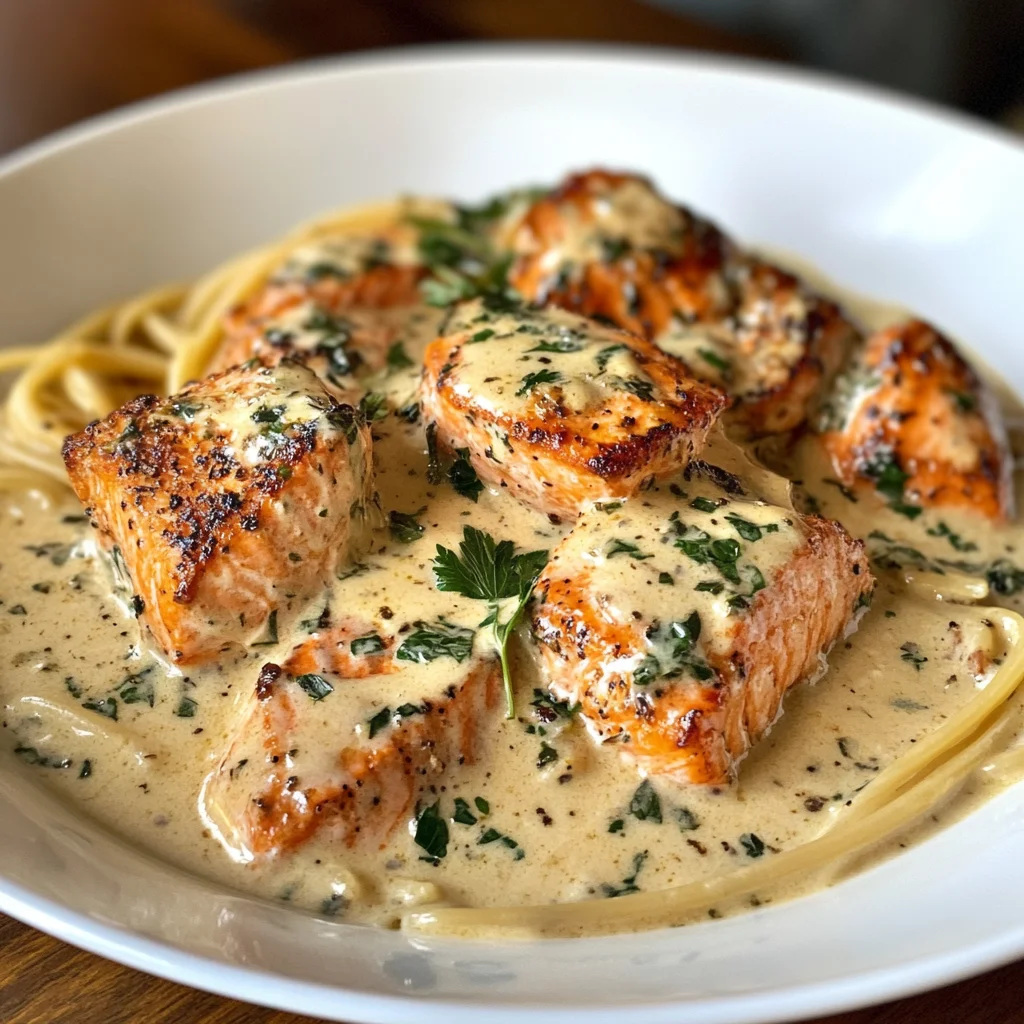
Creamy Tuscan Salmon: A Complete Guide to This Elegant, Healthy Dinner
Introduction
Creamy Tuscan salmon is a restaurant-quality dish that’s surprisingly easy to prepare at home. This elegant dinner combines perfectly seared salmon fillets with a rich, flavorful sauce featuring sun-dried tomatoes, fresh spinach, and aromatic garlic. Whether you’re cooking for a special occasion or a weeknight meal, creamy Tuscan salmon delivers impressive results in under 30 minutes. Unlike complicated recipes, this dish requires just a few quality ingredients and straightforward cooking techniques. The combination of omega-3 rich salmon and antioxidant-packed ingredients makes this meal both delicious and nutritious. This comprehensive guide will walk you through everything you need to know about preparing creamy Tuscan salmon perfectly.
What Is Creamy Tuscan Salmon?
Creamy Tuscan salmon is an Italian-inspired dish that brings together tender, flaky fish with a luxurious cream-based sauce. The “Tuscan” flavor profile typically features Mediterranean ingredients like sun-dried tomatoes, garlic, fresh basil, and Parmesan cheese. The sauce gets its richness from heavy cream and butter, creating a velvety coating that complements the delicate salmon perfectly. This dish has become increasingly popular at home dinner tables because it’s both elegant enough for entertaining and straightforward enough for busy weeknights. The beauty of creamy Tuscan salmon lies in its balance of flavors: the acidity from tomatoes, earthiness from spinach, and richness from cream work together harmoniously.
Key Ingredients for Creamy Tuscan Salmon
Essential Components
Preparing creamy Tuscan salmon requires quality ingredients to achieve the best flavors. Here are the core components you’ll need:
-
Fresh salmon fillets (6 ounces per person)
-
Heavy cream
-
Butter
-
Sun-dried tomatoes
-
Fresh garlic, minced
-
Fresh baby spinach
-
Olive oil
-
Parmesan cheese, freshly grated
-
Salt and pepper to taste
-
Chicken broth or vegetable broth
-
Fresh lemon juice
-
Fresh basil and parsley for garnish
About Quality Salmon
Fresh salmon is the foundation of this dish. Choose salmon with firm, vibrant flesh and no fishy odor. Wild-caught salmon offers slightly fewer calories than farmed varieties, containing approximately 121 calories per serving. Both options provide excellent omega-3 fatty acids and high-quality protein essential for heart and brain health. For best results, purchase salmon from reputable fish markets and use within one or two days.
Sun-Dried Tomatoes Selection
Sun-dried tomatoes add concentrated flavor and visual appeal to your creamy Tuscan salmon sauce. These tomatoes are often packed in oil, which adds richness to the dish. Roughly chop them into bite-sized pieces for even distribution throughout the sauce. If using tomatoes packed in oil, you can incorporate some of their oil into the cooking process for extra flavor.
Step-by-Step Cooking Instructions
Preparation Phase
Season your salmon fillets generously with salt, pepper, and garlic powder on both sides. Pat the salmon dry with paper towels to ensure proper searing. Gently dredge each fillet in flour, shaking off excess. This light coating helps create a golden crust and locks in moisture.
Searing the Salmon
Heat olive oil and butter in a large skillet over medium-high heat until the butter foams. This step is crucial because the combination creates the perfect cooking temperature and flavor base. Once hot, place salmon fillets skin-side down in the skillet. Cook for 3–4 minutes without moving the fish. You’ll know it’s ready to flip when the flesh pulls away easily from the pan. Flip gently and cook for another 2–3 minutes. The salmon doesn’t need to be fully cooked at this stage since it will finish cooking in the sauce later.
Building the Sauce
Remove salmon from the skillet and set aside on a clean plate. Add chicken broth and lemon juice to the pan, stirring to deglaze and capture all the flavorful bits stuck to the bottom. Let this mixture bubble for a couple of minutes. Then, stir in the chopped sun-dried tomatoes. This releases their concentrated flavors into the liquid base.
Reduce the heat to medium. Slowly pour in the heavy cream, stirring constantly. Allow the sauce to cook for 2–3 minutes until it begins to thicken slightly. Then, add the fresh spinach, stirring until it wilts completely. This typically takes 30–60 seconds since baby spinach wilts quickly.
Finishing the Dish
Gently place the seared salmon fillets back into the skillet, nestling them into the creamy sauce. Reduce heat to medium-low and let everything simmer for 3–5 minutes until the salmon reaches the proper internal temperature. The sauce will continue to thicken as it simmers, coating the salmon beautifully.
Temperature Guidelines
According to the USDA, the recommended internal salmon temperature is 145°F. However, many chefs prefer cooking salmon to 120–125°F for a medium-rare finish with a pinkish center. At this temperature, the salmon remains exceptionally moist and flakes gently at the touch of a fork. Use an instant-read thermometer inserted into the thickest part of the fillet to check doneness accurately.
Nutritional Benefits of Salmon
Omega-3 Fatty Acids
Salmon is renowned for its exceptional omega-3 content, particularly EPA and DHA, which support cardiovascular and cognitive function. A single serving of salmon provides substantial amounts of these essential nutrients. Omega-3s reduce inflammation throughout the body and support heart health by improving cholesterol profiles.
Protein and Essential Nutrients
A typical serving of creamy Tuscan salmon contains approximately 50% of its calories from protein, delivering around 71 grams of high-quality protein. Salmon also provides over 100% of the daily value for B vitamins, including niacin, B6, and B12, which support energy metabolism. Additionally, salmon contains significant amounts of potassium, selenium, and vitamin D, all critical for bone health, immune function, and overall wellness.
Heart Health Benefits
Regular salmon consumption supports heart health through multiple mechanisms. The omega-3 fatty acids lower triglyceride levels and reduce blood pressure, while the potassium content supports healthy cardiovascular function. Studies consistently show that including fatty fish like salmon in your diet reduces the risk of heart disease.
Cooking Tips for Perfect Results
Getting the Salmon Crust Just Right
Don’t move the salmon while it’s searing in the skillet. This allows a golden, flavorful crust to develop naturally. Patience during this stage ensures restaurant-quality results. If you move the fish around, the crust won’t develop properly, and the salmon may stick to the pan.
Avoiding Overcooked Salmon
Overcooking is the most common mistake when preparing salmon. Remove the salmon when it reaches 120–125°F internal temperature, which appears medium-rare. The residual heat will continue cooking it as you transfer it to the plate. Remember that reheating leftover salmon can further dry it out, so cook only what you’ll serve immediately.
Managing Your Sauce Consistency
If your sauce is too thin, simmer it for an additional 2–3 minutes without the salmon to allow more evaporation. Conversely, if the sauce is too thick, add chicken broth in small increments to reach your preferred consistency. The sauce should coat the back of a spoon but still flow freely.
Preparing Ingredients in Advance
Mince your garlic, measure your cream, and chop your spinach before you begin cooking. This mise en place approach keeps the cooking process smooth and prevents any ingredients from burning or overcooking while you’re gathering other items.
Serving Suggestions and Pairings
Carbohydrate Accompaniments
Creamy Tuscan salmon pairs beautifully with several starch options depending on your preferences. Creamy mashed potatoes soak up the sauce gorgeously. Alternatively, serve over fresh pasta like fettuccine or pappardelle to capture every bit of the rich sauce. For a lighter option, pair with roasted fingerling potatoes seasoned with garlic and rosemary.
Vegetable Sides
Roasted vegetables complement the richness of the cream sauce perfectly. Try roasting broccoli, zucchini, or asparagus with olive oil, salt, and pepper at 400°F for 15 minutes. Green beans sautéed with garlic and a touch of lemon juice provide a fresh, crisp contrast to the creamy main dish.
Salad Options
A simple arugula salad with lemon vinaigrette brightens the meal and cuts through the richness. Toss fresh greens with a basic vinaigrette made from lemon juice, olive oil, Dijon mustard, and garlic. This addition aids digestion and provides a refreshing textural contrast.
Bread and Garlic Components
Garlic bread is the perfect complement for soaking up the delicious sauce. Slice a baguette lengthwise, brush with garlic-infused olive oil, and toast until golden. Some diners even use the bread to push the creamy sauce around their plates.
Variations and Flavor Enhancements
Ingredient Substitutions
If you don’t have heavy cream, substitute half-and-half or crème fraîche, though the sauce will be slightly less rich. You can also use a combination of chicken broth and cream for a lighter version that still delivers fantastic flavor. Replace spinach with arugula, kale, or Swiss chard for different flavor profiles.
Adding Fresh Herbs
Fresh basil adds a bright, peppery note when added just before serving. Parsley provides a fresh garnish that enhances both visual appeal and flavor. Experiment with fresh thyme or oregano for different Mediterranean variations. Add herbs near the end of cooking to preserve their delicate flavors and vibrant color.
Cheese Variations
Beyond Parmesan, consider adding fontina, which melts beautifully into the sauce, or feta for a tangy twist. A sprinkle of aged Pecorino Romano adds a sharper, more pronounced cheese flavor. Experiment with different cheeses to find your favorite combination.
Vegetable Customizations
Add roasted cherry tomatoes for extra brightness. Include mushrooms sautéed with garlic for an earthy dimension. Fresh artichoke hearts or sun-dried tomato pesto can completely transform the flavor profile while maintaining the Tuscan theme.
Storage and Leftovers
Refrigerator Storage
Store leftover creamy Tuscan salmon in an airtight container in the refrigerator for up to two days. The cream sauce solidifies when cold but reheats beautifully. The salmon will still taste delicious when reheated, though the texture becomes slightly firmer than fresh.
Reheating Methods
Gently reheat in a skillet over low heat with a splash of chicken broth to restore moisture and prevent drying. Alternatively, microwave on 50% power in 30-second intervals, checking between rounds. The low-power microwave method prevents the delicate salmon from becoming rubbery.
Freezing Considerations
While you can freeze creamy Tuscan salmon, the cream sauce may separate slightly upon thawing. For best results, freeze the salmon separately from the sauce. Frozen salmon keeps for up to two months in airtight freezer containers or bags. Thaw overnight in the refrigerator before reheating.
Frequently Asked Questions
Can I prepare creamy Tuscan salmon ahead of time?
Yes, you can prepare individual components in advance. Season your salmon and prep your sauce ingredients (mince garlic, measure cream, chop spinach) several hours ahead. However, cook the complete dish fresh for optimal flavor and texture. Don’t sear the salmon until you’re ready to serve dinner, as reheating can affect its delicate texture.
What can I use instead of sun-dried tomatoes?
Fresh cherry tomatoes work well, though they add more moisture than sun-dried varieties. Use about 1 cup of halved cherry tomatoes. You can also substitute with canned diced tomatoes (drained), roasted red peppers, or even a bit of tomato paste mixed with chicken broth for concentrated tomato flavor.
Is creamy Tuscan salmon suitable for meal prep?
Unfortunately, creamy Tuscan salmon isn’t ideal for meal prep since best results come from fresh preparation. However, you can prepare the sauce components in advance and store them separately. Cook the dish fresh when ready to eat for maximum flavor and salmon quality. Properly stored components keep for 2–3 days before cooking.
How do I know when salmon is cooked perfectly?
Use an instant-read thermometer to verify internal temperature. Aim for 120–125°F for medium-rare with a pinkish center. Alternatively, check that the salmon flakes easily when pressed with a fork and appears opaque throughout. The flesh should pull away naturally from the skin without excessive pressure.
Can I cook this dish for a crowd?
Absolutely! You can easily double or triple the recipe. Use a larger skillet or cook in batches, searing salmon in the same pan before preparing the sauce. The sauce scales up proportionally, and you simply increase the quantities of all ingredients accordingly. This makes creamy Tuscan salmon excellent for entertaining.
What’s the best way to select fresh salmon?
Look for salmon with firm, vibrant flesh and a clean ocean smell, never fishy. The skin should be shiny and intact without gray patches. Purchase from reputable fishmongers who turn over their stock regularly. Wild-caught salmon offers slightly different nutritional profiles than farmed varieties, though both are nutritionally excellent.
Conclusion
Creamy Tuscan salmon represents the perfect balance between restaurant-quality elegance and home-cooking simplicity. This delicious dish combines nutritious salmon rich in omega-3 fatty acids with a luxurious cream sauce featuring sun-dried tomatoes and fresh spinach. By following the techniques outlined in this guide, you’ll consistently achieve perfectly seared salmon with a velvety sauce that impresses family and guests alike. The key to success with creamy Tuscan salmon lies in using quality ingredients, avoiding overcooking the delicate fish, and building layers of Mediterranean flavors through careful sauce preparation. Whether you’re looking for a quick weeknight dinner or an impressive meal for entertaining, creamy Tuscan salmon delivers exceptional results every time. Start implementing these techniques tonight to experience restaurant-quality cooking in your own kitchen.
Print
Creamy Tuscan Salmon
Description
Creamy Tuscan Salmon
Ingredients
-
4 salmon fillets (6 oz each)
-
Salt and black pepper, to taste
-
2 tbsp olive oil
-
3 cloves garlic, minced
-
1 cup heavy cream
-
½ cup chicken or vegetable broth
-
½ cup grated Parmesan cheese
-
1 tsp Italian seasoning
-
½ cup sun-dried tomatoes, chopped
-
2 cups fresh spinach
-
2 tbsp chopped fresh parsley, for garnish
Instructions
-
Cook the Salmon:
Season salmon with salt and pepper. Heat olive oil in a large skillet over medium-high heat.
Sear salmon fillets for 3–4 minutes per side until golden and cooked through. Remove and set aside. -
Make the Creamy Tuscan Sauce:
In the same skillet, sauté garlic for 30 seconds until fragrant.
Stir in heavy cream, broth, Parmesan, and Italian seasoning. Simmer 2–3 minutes until slightly thickened. -
Add Veggies:
Stir in sun-dried tomatoes and spinach. Cook until spinach wilts and the sauce is creamy. -
Combine with Salmon:
Return salmon to the skillet, spooning sauce over the fillets. Simmer 1–2 minutes to heat through. -
Serve:
Garnish with chopped parsley and extra Parmesan if desired. Serve with pasta, rice, or crusty bread.