
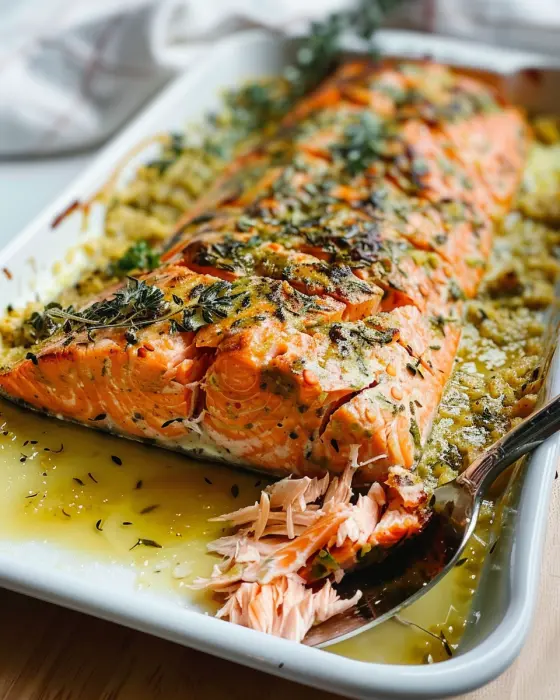
Dijon Baked Salmon: Your Secret to an Impressively Easy, Healthy Dinner
Ah, the eternal weekday dilemma. You stumble through the door, your energy tank hovering on empty, but a deep, primal need for a good dinner remains. You’re caught between the siren call of takeout and the ambitious, yet daunting, prospect of crafting a nutritious meal from scratch. Sound familiar? Well, what if I told you there’s a third path—a culinary secret weapon that is elegant enough for date night yet simple enough for a hectic Wednesday? Enter the undeniable hero: Dijon Baked Salmon.
This isn’t just another recipe; it’s your gateway to consistently achieving a flawless, restaurant-quality dish right in your own kitchen. Frankly, the magic lies in the magnificent marriage of flaky, rich salmon and a tangy, herbaceous Dijon mustard glaze—a combination that is nothing short of spectacular. Throughout this definitive guide, we will, without a doubt, unlock all its secrets. Consequently, you’ll learn why this specific dish is a nutritional powerhouse, how to handpick the perfect fillet, and, moreover, discover a world of delicious variations to keep your taste buds forever entertained. So, let’s dive in, shall we?
Why This Dish is a Culinary Masterpiece
Why Dijon Baked Salmon Belongs in Your Weekly Rotation
Let’s be real: few dishes successfully bridge the gap between “utterly simple” and “truly sophisticated” quite like this one. It’s the culinary equivalent of a little black dress—appropriately versatile, universally flattering, and always in style. This particular baked salmon recipe isn’t just food; it’s a strategic solution for anyone looking to eat well without spending hours chained to the stove.
The Perfect Harmony of Flavor and Health
Ultimately, the beauty of this easy salmon dinner is its breathtaking simplicity. With just a handful of pantry staples, you can create a complex flavor profile that dances on the palate—zingy from the mustard, sweet from the honey, aromatic from the garlic and herbs. Surprisingly, this gourmet experience comes together in less time than it takes for a pizza to be delivered.
The Unbeatable Benefits
First and foremost, the speed and convenience are a major win. From prep to plate, you’re looking at a commitment of under 30 minutes. Secondly, it’s a proven crowd-pleaser. Whether you’re cooking for discerning adults or picky little ones, the appealing flavor wins everyone over. Furthermore, it’s incredibly customizable; you can easily adjust the ingredients to suit your mood or dietary needs. And let’s not forget, it’s a healthy salmon recipe packed with those famous *omega-3 fatty acids*. Honestly, what’s not to love?
Deconstructing the Dish: A Symphony of Ingredients
Gathering Your Ingredients: A Guide to Quality
Think of your ingredients as a band; each one plays a crucial role in creating a perfect harmony. Skimp on one, and the entire performance falls flat. Conversely, choosing high-quality players ensures a show-stopping result every single time.
The Star of the Show: Choosing the Right Salmon
Navigating the seafood counter can be confusing, but fear not! For this Dijon mustard sauce to truly shine, you need a great base. Generally, you’ll find two main options: skin-on or skin-off. Personally, I prefer skin-on; it acts like a protective barrier during baking, keeping the flesh incredibly moist. Plus, if you pop it under the broiler for a minute, you can get the skin delightfully crispy—a chef’s treat!
Then, of course, there’s the choice between wild-caught and farm-raised. Understanding the differences between wild-caught and farm-raised salmon is key to making an informed choice based on flavor, texture, and budget. Wild salmon often has a leaner texture and a more robust, oceanic flavor, while farmed is typically richer and more readily available. Honestly, both work beautifully here. Don’t shy away from frozen, either! High-quality frozen fillets are a fantastic, convenient option; just remember to thaw them slowly in the refrigerator overnight.
The Flavor Foundation: Mustard and Beyond
Now, for the supporting cast that makes the magic happen:
-
Dijon Mustard: This is the non-negotiable star. Its complex, sharp, and slightly creamy character is the backbone of our glaze. While any brand works, a good-quality Dijon makes a noticeable difference.
-
The Aromatics: Fresh garlic is absolutely essential—no substitutes! It provides a pungent kick that mellows beautifully in the oven. Fresh herbs like dill or parsley are also game-changers compared to their dried counterparts.
-
The Sweet Balance: Honey or pure maple syrup are my go-to choices. They don’t just add sweetness; they caramelize under heat, creating a gorgeous, glossy finish on the salmon.
-
The Acidic Component: Freshly squeezed lemon juice is paramount. Bottled juice simply can’t compete with its bright, vibrant acidity that cuts through the richness.
-
The Fat: A good extra virgin olive oil or melted butter binds the glaze together and helps it adhere to the fish, ensuring every single bite is packed with flavor.
The Step-by-Step Cooking Guide
How to Make Perfect Dijon Baked Salmon: A Step-by-Step Guide
Alright, enough talk—let’s get cooking! This process is so straightforward; you’ll have it memorized after just one try. Follow these steps, and you’re guaranteed a perfect result.
Step 1: Preparation is Key
First things first, preheat your oven to 400°F (200°C). This hot temperature is perfect for cooking the salmon through quickly without drying it out. While it heats up, line a rimmed baking sheet with parchment paper. Trust me, this simple step makes cleanup an absolute breeze. No scrubbing baked-on glaze for you!
Step 2: Whisking the Magical Glaze
Now, for the fun part: making the Dijon glaze. Grab a medium bowl and add your Dijon mustard, honey, minced garlic, a big squeeze of fresh lemon juice, a glug of olive oil, a pinch of salt, and a crack of black pepper. Whisk it all together until it’s smooth and beautifully emulsified. Here’s a pro tip: always taste it! Dip a spoon in and adjust the seasoning. Want it tangier? Add more lemon. Sweeter? A bit more honey. This is your chance to make it perfect for your palate.
Step 3: Applying the Glaze and Arranging the Salmon
Place your salmon fillets on the prepared baking sheet, ensuring they aren’t touching. Using a paper towel, pat the top of each fillet completely dry—this is a secret step for getting the glaze to stick properly and for achieving a nice sear, not a steam. Next, generously spoon the glaze over each piece, using the back of the spoon to spread it evenly across the top and sides. For a gorgeous presentation, lay thin slices of lemon on top of the glazed fillets.
Step 4: The Art of Baking to Perfection
Carefully slide the baking sheet into your preheated oven. Now, the most common question: how long to bake? As a rule of thumb, bake for about 12-15 minutes for a standard 1-inch thick fillet. However, and this is crucial, a timer is a guide, not a gospel. Ovens vary wildly! The best way to tell if your salmon is done is to gently press the top with a fork or your finger. If it flakes easily but still looks slightly translucent in the very center, it’s perfect. For the precise folks, an instant-read thermometer should read between 125°F and 135°F (52°C – 57°C) for a medium doneness. If you desire a more caramelized top, switch the oven to broil for the final 1-2 minutes, but watch it like a hawk to prevent burning!
Pro Tips, Tricks, and Common Mistakes to Avoid
Chef’s Secrets: Elevating Your Dijon Baked Salmon
You’ve got the basics down, but these next-level tips will transform your dish from great to “can I have your recipe?” extraordinary. Conversely, avoiding these common pitfalls will save your dinner from disaster.
Pro Tips for the Best Results
-
Temperature Matters: Take your salmon out of the fridge about 15-20 minutes before baking. Allowing it to come closer to room temperature promotes incredibly even cooking from edge to center.
-
Give It Space: Avoid crowding the pan! If the fillets are too close together, they’ll steam instead of bake, resulting in a pale, soggy crust. Use two sheets if necessary.
-
The Power of Resting: This might be the hardest step—waiting! Once out of the oven, let the salmon rest on the pan for 5 minutes. This allows the intense heat to settle and the juices to redistribute throughout the fillet, guaranteeing a moist, tender bite.
Common Mistakes and How to Avoid Them
-
The Cardinal Sin: Overcooking. This is, hands down, the number one mistake. Dry, chalky salmon is a tragedy. Remember, it continues to cook after it leaves the oven (carryover cooking), so err on the side of slightly underdone.
-
Soggy Skin Syndrome: If you’re using skin-on fillets and didn’t pat them dry, the glaze will slide right off, and the skin won’t crisp up. A quick pat-down is a non-negotiable step.
-
The Bottled Lemon Blunder: Please, I beg of you, use fresh lemons! The flavor of bottled juice is flat and often metallic, and it will dull the brightness of your entire dish.
Part 5: Endless Variations and Flavor Twists
Beyond the Basics: Creative Variations on Dijon Baked Salmon
Once you’ve mastered the classic, the world is your oyster—or should I say, your salmon? This basic formula is a blank canvas, eagerly waiting for your creative flair. Here are some delicious ideas to keep your weekly meals exciting.
Herb Infusions
Swap out the standard herbs for a completely different vibe. Try earthy rosemary and thyme for a more rustic, aromatic profile. Alternatively, tarragon introduces a lovely, subtle anise-like flavor that pairs wonderfully with the mustard.
Global Fusion Twists
-
Asian-Inspired: Wow, this is a good one! Whisk a tablespoon of soy sauce and a teaspoon of freshly grated ginger into your glaze. Finish with a sprinkle of sesame seeds and sliced green onions for a total flavor adventure.
-
Mediterranean Magic: Stir in chopped sun-dried tomatoes, kalamata olives, and a teaspoon of dried oregano. Crumble a little feta cheese over the top after baking for a salty, creamy finish.
-
A Little Spice: Feel like kicking it up a notch? Add a teaspoon of Cajun seasoning or a pinch of smoked paprika to the glaze for a warm, smoky depth.
Creamy Dijon Sauce
For an ultra-luxurious, decadent twist, stir a tablespoon of whole-fat Greek yogurt or mayonnaise into your glaze before spreading it on. This creates an incredibly rich, creamy sauce that bakes into a gorgeous crust.
Topping Ideas
Don’t forget the textural contrast! After baking, sprinkle your salmon with:
-
Toasted almond slices or chopped pecans for a delightful crunch.
-
A vibrant parsley gremolata (chopped parsley, lemon zest, garlic).
-
Crispy, buttery panko breadcrumbs for a Dijon crusted salmon effect.
Serving Suggestions: Building the Perfect Meal
What to Serve with Dijon Baked Salmon: The Perfect Pairings
A star player needs a strong supporting team, right? Choosing the right sides can turn this single dish into a memorable, well-rounded feast. Here’s how to build your plate.
Starches to Soak Up the Sauce
That glorious Dijon mustard sauce is much too good to leave behind. You’ll want something to soak up every last drop. My personal favorites are:
-
Creamy garlic mashed potatoes – the ultimate comfort pairing.
-
Simple quinoa or couscous – fantastic for absorbing flavor and keeping the meal light.
-
A rustic roasted sweet potato – its natural sweetness complements the tangy glaze beautifully.
Vegetable Sides for Color and Nutrition
A pop of green (or any color!) is essential for a visually appealing and nutritious plate. The best part? Many of these can roast right alongside your salmon on the same baking sheet for a true one-pan meal.
-
Asparagus: Its earthy flavor is a classic partner for salmon. Just toss it in oil, salt, and pepper and place it on the pan next to the fish.
-
Green Beans Almondine: The crisp-tender beans and toasted nuts offer a perfect textural contrast.
-
A Simple Arugula Salad: The peppery bite of arugula dressed lightly in lemon vinaigrette provides a refreshing, palate-cleansing counterpoint to the rich fish.
Making informed choices about your ingredients is a cornerstone of great cooking. For those interested in supporting the longevity of our oceans, considering sustainable seafood choices is a wonderful practice.
Health and Nutritional Profile
A Dish That Loves You Back: Nutritional Benefits
So, we’ve established that this meal is delicious and easy, but here’s the best part: it’s phenomenally good for you. This isn’t just empty calories; it’s fuel that makes your body feel fantastic.
The Power of Salmon
Salmon is often hailed as a superfood, and for excellent reason. It’s one of the best natural sources of those famous omega-3 fatty acids (specifically EPA and DHA). These essential fats are rock stars for your body, playing a crucial role in supporting heart health, reducing inflammation, and even boosting brain function. Furthermore, salmon is packed with high-quality protein to keep you full and satisfied, and it’s a rare natural food source of Vitamin D. The research on the health benefits of eating fish is extensive and compelling, making it a smart choice for any diet.
Making It Even Healthier
The base recipe is already a winner, but you can easily tweak it to fit specific health goals.
-
Reducing Sugar: Easily cut back on the honey or maple syrup without sacrificing too much flavor; the Dijon and lemon will still shine.
-
Boosting Protein: Serve alongside quinoa or lentils for an extra protein punch.
-
Keeping it Lean: Use a light hand with the oil in the glaze. The salmon itself contains healthy fats, so you don’t need to overdo it.
Storage, Reheating, and Meal Prep
Keeping It Fresh: Storage and Reheating Instructions
Got leftovers? No problem. While best enjoyed fresh, your cooked salmon can still be a delicious lunch the next day—if you handle it correctly. Mishandling it, however, leads to a dry, disappointing experience.
How to Store Leftovers
First, allow the cooked salmon to cool completely to room temperature. But don’t let it sit out for more than two hours to avoid bacteria growth. Once cool, transfer the fillets to an airtight container and store them in the refrigerator. Properly stored, they will keep for up to 2 days.
The Best Way to Reheat Salmon
Please, for the love of all that is good, avoid the microwave! Reheating in the microwave will zap all the moisture out, leaving you with a rubbery, tough piece of fish.
-
The Oven/Toaster Oven Method: This is the best way. Preheat your oven to a low temperature, around 275°F (135°C). Place the salmon on a foil-lined sheet and warm it for about 15 minutes, or until just gently heated through. This slow warming prevents overcooking.
-
The Air Fryer Method: This is a great quick method. Reheat at a low temperature (300°F / 150°C) for 3-4 minutes. It helps keep the exterior from drying out.
Meal Prep Friendly
This dish is a meal-prepper’s dream! You can whisk the Dijon glaze together up to 3 days in advance and keep it stored in a jar in the fridge. You can even portion your salmon and place it on the parchment-lined sheet the morning you plan to cook. Cover it with plastic wrap and keep it in the fridge until you’re ready to glaze and bake.
Frequently Asked Questions (FAQs)
Dijon Baked Salmon FAQs
Let’s tackle those burning questions that might still be lingering.
What is the best temperature to bake salmon?
Answer: 400°F (200°C) is the sweet spot for this recipe. It’s hot enough to cook the fish quickly, lock in moisture, and caramelize the glaze beautifully without burning it.
How long should you bake salmon?
Answer: For a 1-inch thick fillet, start checking at the 12-minute mark. The most reliable method is the “flake test.” The salmon is done when it flakes easily with a fork but still retains a slightly translucent center. It will continue to cook from residual heat after being removed from the oven.
Can I use a different type of mustard?
Answer: You can, but the flavor will change. Whole grain mustard will give you a more textured, rustic glaze with a milder tang. Yellow mustard is much sharper and more acidic and lacks the complexity of Dijon. For the best results, stick with a good Dijon.
Can I make this recipe with other fish?
Answer: Absolutely! This versatile Dijon glaze is fantastic on other firm-fleshed white fish like cod, halibut, or sea bass. Just adjust the baking time accordingly, as these types of fish may cook a bit faster or slower than salmon.
Print
Dijon Baked Salmon
Description
Dijon Baked Salmon
Ingredients
-
4 salmon fillets (about 6 oz each)
-
2 tbsp Dijon mustard
-
1 tbsp whole-grain mustard (optional for texture)
-
2 tbsp olive oil (or melted butter)
-
2 tbsp honey (or maple syrup)
-
2 garlic cloves, minced
-
Juice of 1/2 lemon
-
1 tsp fresh thyme or dill (optional)
-
Salt & black pepper, to taste
-
Lemon slices, for garnish
Instructions
-
Preheat oven: Set to 400°F (200°C). Line a baking sheet with parchment paper or lightly oil it.
-
Make the Dijon glaze: In a small bowl, whisk together Dijon mustard, whole-grain mustard (if using), olive oil, honey, garlic, lemon juice, herbs, salt, and pepper.
-
Prepare salmon: Pat salmon fillets dry with a paper towel. Place skin-side down on the baking sheet.
-
Coat & bake: Spread the Dijon glaze generously over each fillet. Bake for 12–15 minutes, or until salmon flakes easily with a fork (internal temp 145°F / 63°C).
-
Serve: Garnish with lemon slices and fresh herbs. Pairs beautifully with roasted veggies, rice, or a fresh salad.