
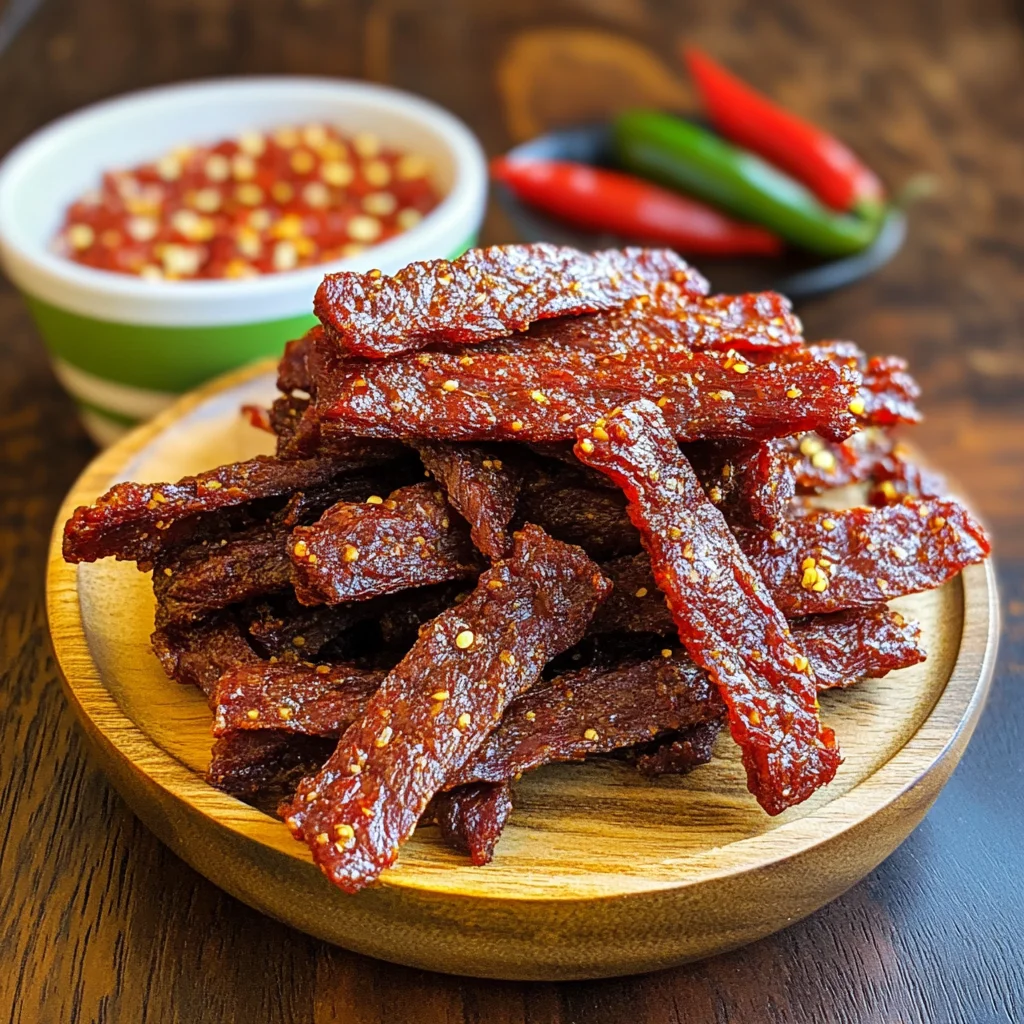
Dr. Pepper Jalapeño Beef Jerky: The Perfect Sweet and Spicy Homemade Snack
Craving a bold, flavorful snack that combines sweetness with a fiery kick? Dr. Pepper Jalapeño Beef Jerky delivers an unforgettable taste experience that’s both nostalgic and exciting. This homemade jerky recipe transforms simple beef into a chewy, protein-packed treat infused with the iconic flavors of Dr. Pepper soda and fresh jalapeños. Whether you’re preparing snacks for hiking trips, game day gatherings, or simply want a healthier alternative to store-bought options, this recipe guarantees satisfaction .
Why Dr. Pepper Jalapeño Beef Jerky is a Game-Changer
The Perfect Flavor Combination
Dr. Pepper jalapeño beef jerky stands out among homemade snacks. The soda’s unique blend of 23 flavors creates a complex sweetness. Meanwhile, jalapeños provide heat that balances perfectly with caramelized sugars. This combination transforms ordinary beef into an extraordinary treat.
Additionally, making jerky at home offers complete control over ingredients. You’ll avoid preservatives, excess sodium, and questionable additives found in commercial varieties. Therefore, your final product becomes healthier and more customized to your preferences.
Health-Conscious Snacking
Homemade beef jerky provides exceptional nutritional value. Each serving delivers high-quality protein without unnecessary fillers. Furthermore, you can adjust sugar levels and spice intensity according to dietary needs.
This snack supports various lifestyles:
-
Keto-friendly (with sugar modifications)
-
Paleo-compliant (using natural ingredients)
-
High-protein (excellent for athletes)
-
Low-carb (when reducing Dr. Pepper quantity)
Cost-Effective Solution
Making Dr. Pepper jalapeño beef jerky at home saves money significantly. Store-bought premium jerky costs $30-40 per pound. However, homemade versions typically cost $12-18 per pound, depending on beef prices.
Essential Ingredients and Equipment
Primary Ingredients
Creating perfect Dr. Pepper jalapeño beef jerky requires quality components:
For the Marinade:
-
2 pounds flank steak or top round (lean cuts work best)
-
1 cup Dr. Pepper (regular or diet)
-
¼ cup soy sauce (low-sodium recommended)
-
2-3 fresh jalapeños, thinly sliced
-
3 cloves garlic, minced
-
2 tablespoons Worcestershire sauce
-
1 tablespoon liquid smoke
-
1 tablespoon brown sugar
-
1 teaspoon black pepper
-
1 teaspoon onion powder
-
½ teaspoon cayenne pepper (optional, for extra heat)
Choosing the Right Beef
Selecting appropriate beef makes significant differences. Lean cuts produce better jerky because fat content causes rancidity over time. Therefore, prioritize these options:
-
Flank steak – Flavorful and affordable
-
Top round – Extremely lean and tender
-
Bottom round – Budget-friendly choice
-
Eye of round – Consistent texture throughout
Moreover, look for meat with minimal marbling. Fat doesn’t dehydrate properly and creates chewy, unpleasant spots.
Equipment Needed
Successful Dr. Pepper jalapeño beef jerky requires proper tools:
-
Food dehydrator (most reliable method)
-
Sharp knife (for uniform slicing)
-
Large mixing bowl (for marinating)
-
Zip-lock bags (convenient for storage)
-
Paper towels (for drying meat)
Alternatively, an oven works when a dehydrator isn’t available. However, dehydrators provide more consistent results and better energy efficiency.
Step-by-Step Preparation Guide
Preparing the Meat
Proper meat preparation ensures uniform drying and optimal texture. First, partially freeze beef for 1-2 hours. This step makes slicing significantly easier.
Slicing Technique:
-
Remove beef from freezer when firm but not frozen solid
-
Trim all visible fat carefully
-
Slice against the grain for tender jerky (¼ inch thick)
-
Alternatively, slice with the grain for chewier texture
-
Maintain consistent thickness throughout
Uniformity matters tremendously. Therefore, invest time ensuring each slice measures approximately the same thickness. Inconsistent pieces dry unevenly, creating some burnt while others remain undercooked.
Creating the Marinade
Building layers of flavor requires proper marinade preparation. Follow these steps carefully:
-
Combine Dr. Pepper and soy sauce in large bowl
-
Add Worcestershire sauce and liquid smoke
-
Stir in minced garlic and brown sugar until dissolved
-
Mix in black pepper, onion powder, and cayenne
-
Add sliced jalapeños last to control spice distribution
Pro Tip: Taste the marinade before adding meat. It should taste slightly stronger than desired final flavor, as dehydration concentrates tastes.
Initial Meat Treatment
Before marinating, prepare meat properly:
-
Pat beef slices completely dry with paper towels
-
Remove any remaining fat or connective tissue
-
Season both sides lightly with black pepper
-
Arrange slices in single layer when possible
Consequently, dry surfaces absorb marinade more effectively. Moisture on meat surfaces dilutes flavors and extends marinating time unnecessarily.
Marinating Techniques for Maximum Flavor
Optimal Marinating Time
Dr. Pepper jalapeño beef jerky benefits from extended marination. Minimum marinating time should be 4 hours. However, 12-24 hours produces superior results.
Timeline Guidelines:
-
4-6 hours – Minimal acceptable flavor
-
8-12 hours – Good flavor penetration
-
12-18 hours – Optimal taste development
-
18-24 hours – Maximum flavor intensity
Nevertheless, avoid marinating beyond 24 hours. Excessive time breaks down meat fibers, creating mushy texture.
Proper Marinating Methods
Use these techniques for best results:
-
Zip-lock bag method – Removes air pockets efficiently
-
Place meat and marinade in gallon-sized bag
-
Squeeze out excess air before sealing
-
Massage bag occasionally to redistribute liquid
-
Flip bag every few hours for even coverage
Additionally, refrigerate constantly during marination. Room temperature promotes bacterial growth, creating food safety risks.
Jalapeño Heat Control
Controlling spice levels requires understanding jalapeño preparation:
For Mild Heat:
-
Remove seeds and membranes completely
-
Use only jalapeño flesh
-
Reduce quantity to 1-2 peppers
For Medium Heat:
-
Remove most seeds but keep some membranes
-
Use 2-3 peppers as specified
-
Distribute evenly throughout marinade
For Extra Heat:
-
Keep all seeds and membranes intact
-
Increase to 4-5 peppers
-
Add cayenne pepper boost
Furthermore, consider using serrano peppers for significantly more heat. Conversely, substitute with mild poblanos for family-friendly versions.
Dehydrating Methods Explained
Using a Food Dehydrator
Food dehydrators produce consistent, professional-quality Dr. Pepper jalapeño beef jerky. Follow these guidelines:
Preparation Steps:
-
Remove beef from marinade
-
Pat slices thoroughly with paper towels
-
Arrange pieces on dehydrator trays without overlapping
-
Leave space between pieces for air circulation
-
Set temperature to 160°F initially
Dehydrating Process:
-
Run dehydrator at 160°F for 1 hour (kills bacteria)
-
Reduce temperature to 145°F afterward
-
Continue drying for 4-6 hours total
-
Check doneness every hour after initial 3 hours
-
Rotate trays occasionally for even drying
Properly dried jerky bends without breaking. It should crack slightly but not snap completely when bent.
Oven Dehydration Method
Ovens work adequately when dehydrators aren’t available. However, they consume more energy and require monitoring.
Oven Instructions:
-
Preheat oven to lowest setting (ideally 170°F)
-
Line baking sheets with aluminum foil
-
Place cooling racks on top of foil
-
Arrange beef slices on racks without touching
-
Prop oven door slightly open (prevents moisture buildup)
-
Dry for 4-6 hours, checking hourly
Important Considerations:
-
Use oven thermometer for accuracy
-
Rotate pans every hour
-
Blot excess moisture periodically
-
Monitor closely to prevent burning
Therefore, ovens require more attention than dehydrators but produce acceptable results.
Determining Perfect Doneness
Recognizing properly dried Dr. Pepper jalapeño beef jerky prevents storage issues. Test using these methods:
Visual Inspection:
-
Deep brown or mahogany color
-
No visible moisture or shiny areas
-
Slightly shriveled appearance
-
Consistent color throughout
Texture Test:
-
Bends without snapping
-
Shows slight cracking when bent
-
Feels leathery but not brittle
-
No soft or squishy spots
Moisture Test:
-
Blot with paper towel (no wet marks)
-
Feels dry to touch
-
Leaves no residue on fingers
Additionally, allow jerky to cool before final assessment. Warm jerky feels softer than actual finished texture.
Storage and Shelf Life Tips
Immediate Post-Dehydration Care
After completing dehydration, proper cooling matters significantly. Spread Dr. Pepper jalapeño beef jerky on clean surface at room temperature for 1-2 hours. This step prevents condensation inside storage containers.
Meanwhile, inspect each piece carefully:
-
Discard any showing signs of underdrying
-
Remove pieces with visible fat content
-
Check for uniform texture throughout
-
Ensure complete cooling before storage
Optimal Storage Methods
Proper storage extends shelf life considerably. Use these approaches:
Short-Term Storage (1-2 weeks):
-
Zip-lock bags with air removed
-
Glass jars with tight-fitting lids
-
Plastic containers with sealed tops
-
Store in cool, dark location
Long-Term Storage (1-3 months):
-
Vacuum-sealed bags (best option)
-
Mason jars with oxygen absorbers
-
Airtight containers in cool pantry
-
Refrigeration for extended freshness
Maximum Shelf Life (6+ months):
-
Vacuum seal with oxygen absorbers
-
Freeze in portion-sized packages
-
Label with preparation date clearly
-
Thaw at room temperature when needed
Signs of Spoilage
Recognizing spoiled jerky prevents foodborne illness. Watch for these indicators:
-
Mold growth (any color)
-
Off or rancid smell
-
Slimy or sticky texture
-
Unusual discoloration
-
Bitter or sour taste
Therefore, discard immediately if any signs appear. Don’t risk consumption of questionable jerky.
Nutritional Benefits
Macronutrient Profile
Dr. Pepper jalapeño beef jerky provides excellent nutritional value. A typical 1-ounce serving contains approximately:
-
Calories: 80-90
-
Protein: 12-15 grams
-
Fat: 1-2 grams
-
Carbohydrates: 6-8 grams
-
Sugar: 4-6 grams
-
Sodium: 400-500 mg
However, homemade versions allow adjusting these values. For instance, using diet Dr. Pepper reduces sugar content significantly. Similarly, low-sodium soy sauce decreases salt levels.
Protein Power Benefits
High protein content makes this snack exceptional for various goals:
Muscle Building:
-
Supports muscle repair after workouts
-
Provides essential amino acids
-
Convenient post-exercise option
Weight Management:
-
Increases satiety effectively
-
Reduces overall calorie consumption
-
Controls hunger between meals
Energy Maintenance:
-
Provides sustained energy release
-
Prevents blood sugar crashes
-
Supports active lifestyles
Micronutrient Content
Beyond macronutrients, Dr. Pepper jalapeño beef jerky offers valuable vitamins and minerals:
-
Iron – Supports oxygen transport
-
Zinc – Boosts immune function
-
B Vitamins – Enhances energy metabolism
-
Selenium – Provides antioxidant protection
-
Phosphorus – Strengthens bones
Additionally, jalapeños contribute vitamin C and capsaicin, which offers metabolism-boosting properties.
Customization Ideas
Flavor Variations
Transform basic Dr. Pepper jalapeño beef jerky with creative modifications:
Sweet Variations:
-
Add honey for extra sweetness
-
Include pineapple juice for tropical notes
-
Mix in maple syrup for depth
-
Incorporate orange zest for brightness
Spicy Options:
-
Double jalapeño quantity
-
Add habanero for extreme heat
-
Include crushed red pepper flakes
-
Mix in chipotle powder for smokiness
Savory Twists:
-
Increase garlic dramatically
-
Add smoked paprika
-
Include dried herbs (rosemary, thyme)
-
Mix in cracked black peppercorns
Dietary Modifications
Adapt recipes for specific nutritional needs:
Low-Sugar Version:
-
Use diet Dr. Pepper exclusively
-
Replace brown sugar with stevia
-
Reduce overall sweetness gradually
Reduced Sodium:
-
Choose low-sodium soy sauce
-
Eliminate added salt completely
-
Use coconut aminos alternative
Keto-Friendly:
-
Use zero-sugar Dr. Pepper
-
Replace brown sugar with erythritol
-
Increase fat content slightly
Paleo Adaptation:
-
Use coconut aminos instead of soy sauce
-
Substitute honey for brown sugar
-
Ensure all ingredients are unprocessed
Texture Adjustments
Control final texture through these modifications:
Chewier Jerky:
-
Slice with the grain
-
Reduce dehydration time slightly
-
Use slightly thicker slices
Crispier Jerky:
-
Slice against the grain
-
Extend dehydration time
-
Use thinner slices (⅛ inch)
Tender Jerky:
-
Marinate for full 24 hours
-
Use flank steak exclusively
-
Slice across grain thinly
Troubleshooting Common Issues
Problem: Jerky Too Tough
Overly tough Dr. Pepper jalapeño beef jerky results from several causes:
Solutions:
-
Reduce dehydration time next batch
-
Slice against grain instead
-
Marinate longer for tenderness
-
Choose more tender cuts
Additionally, tough jerky sometimes indicates insufficient fat content was trimmed. Fat creates hard, chewy spots that seem tough.
Problem: Jerky Too Soft
Underdehydrated jerky spoils quickly and tastes unpleasant.
Solutions:
-
Extend dehydration time significantly
-
Increase dehydrator temperature initially
-
Ensure proper air circulation
-
Check for thick spots needing extra time
Moreover, soft jerky might indicate high humidity in storage area. Therefore, use desiccant packets or oxygen absorbers.
Problem: Uneven Drying
Some pieces finish while others remain wet.
Solutions:
-
Cut more uniform thickness
-
Rotate trays during dehydration
-
Remove finished pieces individually
-
Avoid overcrowding trays
Furthermore, uneven drying often results from varying meat thickness. Consequently, invest extra time ensuring consistency during slicing.
Problem: Too Salty
Excessive sodium overpowers other flavors.
Solutions:
-
Dilute marinade with extra Dr. Pepper
-
Use low-sodium soy sauce
-
Reduce marinating time slightly
-
Rinse meat briefly before dehydrating
Problem: Insufficient Flavor
Bland jerky disappoints despite effort.
Solutions:
-
Extend marinating time to 24 hours
-
Increase jalapeño quantity
-
Add more garlic and spices
-
Use regular (not diet) Dr. Pepper
Additionally, ensure marinade fully covers meat throughout process. Exposed portions develop less flavor.
Frequently Asked Questions
Can I make Dr. Pepper jalapeño beef jerky without a dehydrator?
Yes, absolutely. Use your oven set to the lowest temperature (ideally 170°F or below). Prop the door slightly open for air circulation. Place beef slices on cooling racks over baking sheets. This method takes 4-6 hours and requires occasional monitoring.
How long does homemade beef jerky last?
Properly stored Dr. Pepper jalapeño beef jerky lasts 1-2 weeks at room temperature in airtight containers. Refrigeration extends shelf life to 1-3 months. Vacuum-sealed and frozen, it remains good for 6+ months. Always inspect for signs of spoilage before consuming.
What’s the best beef cut for making jerky?
Lean cuts work best because fat causes rancidity. Top round offers the best combination of tenderness and leanness. Flank steak provides excellent flavor. Eye of round and bottom round serve as budget-friendly alternatives. Always trim visible fat completely.
Can I use turkey or chicken instead of beef?
Yes, but adjust preparation methods. Poultry requires cooking to 165°F initially for food safety. Marinate similarly, then bake until that temperature before dehydrating. Turkey breast works excellently. However, the texture differs significantly from beef jerky.
How do I reduce the spiciness without losing flavor?
Remove jalapeño seeds and membranes completely, as they contain most heat. Use only the pepper flesh for flavor without excessive spice. Alternatively, reduce jalapeño quantity to 1-2 peppers. Adding extra brown sugar also balances heat perception.
Is it safe to make jerky at home?
Yes, when following proper guidelines. Initially dehydrate at 160°F for one hour to kill bacteria. Ensure meat reaches safe internal temperature. Use lean cuts to prevent rancidity. Store properly in airtight containers. Following these steps creates safe, delicious jerky.
Can I add vegetables to the marinade?
Absolutely. Onions, bell peppers, and additional garlic complement Dr. Pepper jalapeño beef jerky beautifully. However, remove vegetable pieces before dehydrating—they don’t preserve well. Their flavors infuse the meat during marination.
What if my jerky develops white spots?
White spots usually indicate salt crystallization, which is harmless. However, fuzzy white growth signals mold—discard immediately. Salt crystals appear powdery and wipe away easily. Mold looks fuzzy and penetrates the meat surface.
Conclusion
Creating Dr. Pepper jalapeño beef jerky at home transforms simple ingredients into an extraordinary snack that rivals any commercial product. This recipe combines the iconic sweetness of Dr. Pepper with the bold heat of fresh jalapeños, resulting in a perfectly balanced treat that satisfies both sweet and spicy cravings.
Throughout this comprehensive guide, you’ve learned essential techniques—from selecting the right beef cuts and preparing flavorful marinades to mastering dehydration methods and proper storage. These skills empower you to create customized jerky that meets your exact preferences while avoiding preservatives and excess sodium found in store-bought varieties.
Moreover, the nutritional benefits make this protein-packed snack ideal for various lifestyles, whether you’re supporting fitness goals, following specific diets, or simply seeking healthier snacking options. The versatility of Dr. Pepper jalapeño beef jerky means endless customization possibilities, allowing you to experiment with heat levels, sweetness, and additional flavors.
Ready to create your own batch? Gather your ingredients, prepare your workspace, and start your jerky-making journey today. Your taste buds will thank you for choosing homemade quality over commercial alternatives. Share your results with friends and family—they’ll be amazed at your culinary skills!
Dr. Pepper Jalapeño Beef Jerky
Description
Dr. Pepper Jalapeño Beef Jerky
Ingredients:
-
1 lb (450g) lean beef (top round, flank, or sirloin), thinly sliced
-
1/2 cup Dr. Pepper
-
2 tbsp soy sauce
-
1–2 jalapeños, thinly sliced
-
1 tbsp brown sugar
-
1 tsp smoked paprika
-
1/2 tsp garlic powder
-
1/2 tsp onion powder
-
1/4 tsp black pepper
-
Optional: pinch of red pepper flakes for extra heat
Instructions:
-
In a bowl, combine Dr. Pepper, soy sauce, brown sugar, jalapeños, paprika, garlic powder, onion powder, black pepper, and red pepper flakes (if using).
-
Add beef slices and toss to coat. Cover and marinate in the fridge for 6–12 hours.
-
Preheat oven to 175°F (80°C) or prepare a dehydrator.
-
Place beef slices on a wire rack over a baking sheet, making sure slices don’t touch.
-
Bake/dehydrate for 4–6 hours until jerky is dry but still slightly pliable.
-
Let cool, then store in an airtight container.