
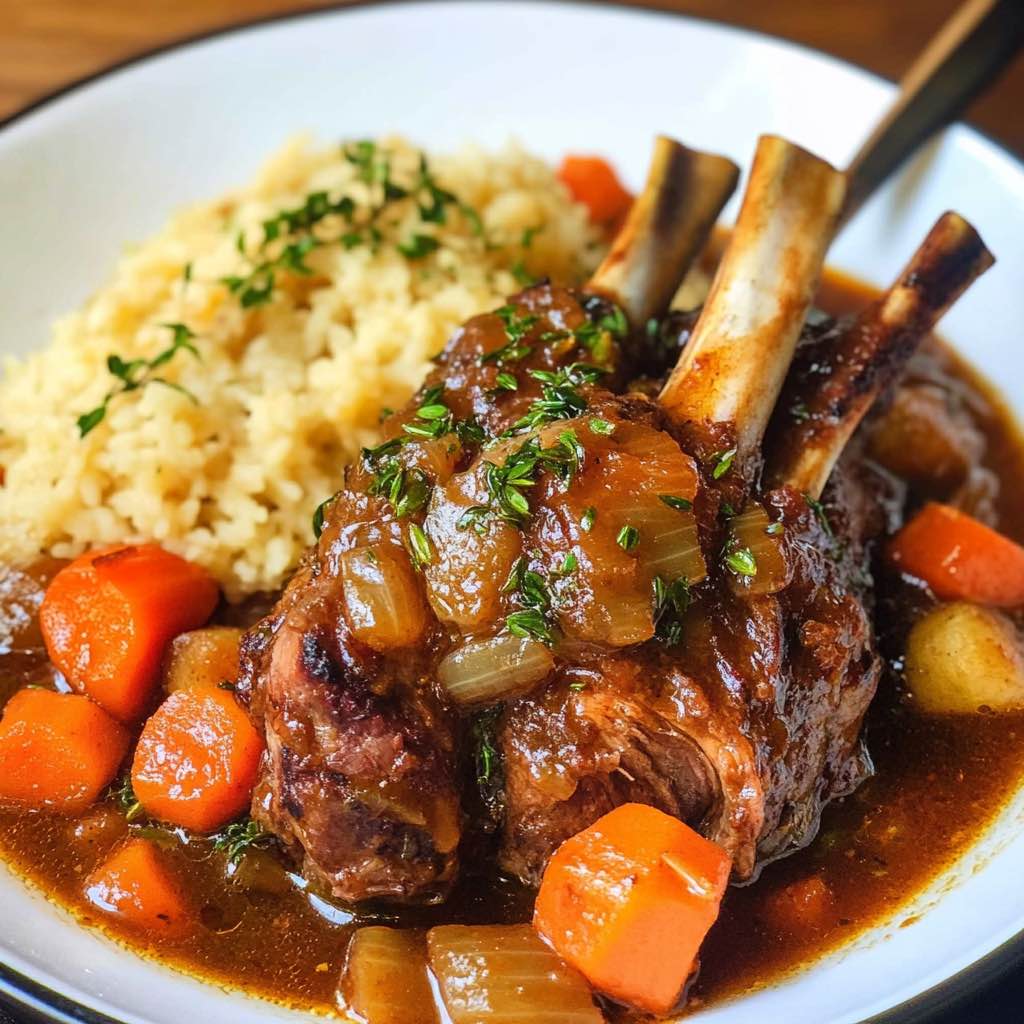
Easy Braised Lamb Shanks: A Complete Guide to Perfect Fall-Off-the-Bone Tenderness
Introduction
Easy braised lamb shanks represent the pinnacle of comfort cooking, transforming tough cuts into melt-in-your-mouth masterpieces. This slow-cooking method creates incredibly tender meat that falls off the bone while developing rich, complex flavors. Whether you’re planning a special dinner or seeking an impressive yet manageable dish, braised lamb shanks deliver restaurant-quality results in your home kitchen.
The beauty of braising lies in its forgiving nature. Therefore, even novice cooks can achieve professional results with minimal effort. In addition, this cooking technique allows the meat’s natural flavors to intensify while creating a luxurious sauce from the braising liquid.
Table of Contents
-
Understanding Braised Lamb Shanks
-
Essential Ingredients and Equipment
-
Step-by-Step Braising Process
-
Flavor Variations and Recipe Adaptations
-
Storage and Reheating Tips
-
Troubleshooting Common Issues
-
Frequently Asked Questions
-
Conclusion
Understanding Braised Lamb Shanks
What Makes Lamb Shanks Perfect for Braising
Lamb shanks contain abundant connective tissue and collagen. However, this tough texture transforms beautifully during the slow braising process. The collagen breaks down into gelatin, creating incredibly tender meat with a silky, rich sauce.
Furthermore, lamb shanks are relatively affordable compared to premium cuts. This makes them an excellent choice for feeding a crowd without breaking the budget. The bone-in structure also adds flavor and helps the meat retain moisture throughout cooking.
The Science Behind Braising
Braising combines both dry and wet heat cooking methods. First, you sear the lamb shanks to develop a flavorful crust through the Maillard reaction. Then, you cook them slowly in liquid at low temperatures, typically between 300-325°F.
This dual approach creates layers of flavor. Moreover, the long cooking time allows tough fibers to break down completely. As a result, you achieve fork-tender meat that practically falls apart.
Choosing Quality Lamb Shanks
Select lamb shanks weighing 12-16 ounces each for optimal results. Look for meat with bright red color and white fat marbling. Additionally, ensure the bone appears white or slightly pink, not gray or yellow.
Fresh lamb shanks should smell clean and slightly sweet. However, vacuum-packed shanks may have a stronger initial odor that dissipates after rinsing. Always purchase from reputable butchers or grocery stores with good turnover.
Essential Ingredients and Equipment
Core Ingredients for Easy Braised Lamb Shanks
Protein:
-
4-6 lamb shanks (12-16 oz each)
-
Kosher salt and freshly ground black pepper
Aromatics:
-
2 large onions, diced
-
4 carrots, cut into chunks
-
4 celery stalks, chopped
-
6 garlic cloves, minced
-
Fresh herbs (rosemary, thyme, bay leaves)
Braising Liquid:
-
2 cups red wine (or beef broth)
-
2 cups beef or lamb stock
-
2 tablespoons tomato paste
-
1 can diced tomatoes
Flavor Enhancers:
-
2 tablespoons olive oil
-
2 tablespoons all-purpose flour
-
1 tablespoon Worcestershire sauce
Essential Equipment
A heavy-bottomed Dutch oven or braising pot is crucial for even heat distribution. Additionally, you’ll need a large skillet for searing if your Dutch oven won’t accommodate all shanks simultaneously.
Other helpful tools include:
-
Meat thermometer
-
Tongs for safe handling
-
Slotted spoon
-
Fine-mesh strainer
-
Cutting board and sharp knives
Ingredient Substitutions and Variations
Wine Alternatives:
Red wine adds depth, but you can substitute with additional stock. Furthermore, white wine creates a lighter flavor profile for spring menus.
Vegetable Variations:
Root vegetables work exceptionally well. For example, parsnips, turnips, or sweet potatoes add unique flavors. However, avoid delicate vegetables that might overcook.
Herb Options:
Mediterranean herbs complement lamb naturally. In addition, try oregano, sage, or herbes de Provence for different flavor profiles.
Step-by-Step Braising Process
Preparation Phase
Begin by patting lamb shanks completely dry with paper towels. Then, season generously with salt and pepper at least 30 minutes before cooking. This allows the seasoning to penetrate the meat effectively.
Meanwhile, prepare your vegetables by cutting them into uniform pieces. Larger chunks work better since they won’t break down completely during the long cooking process. Additionally, preheat your oven to 325°F for consistent results.
Searing the Lamb Shanks
Heat olive oil in your Dutch oven over medium-high heat. When the oil shimmers, carefully add the seasoned lamb shanks. Sear each side for 3-4 minutes until deep golden brown develops.
However, avoid overcrowding the pot, which can cause steaming instead of searing. Therefore, work in batches if necessary. The goal is developing a rich, caramelized crust that adds significant flavor to the final dish.
Remove seared shanks and set aside on a plate. Furthermore, don’t clean the pot – those browned bits (fond) contain concentrated flavor that enhances your braising liquid.
Building the Flavor Base
Add diced onions to the same pot with the remaining fond. Cook for 5-6 minutes until softened and lightly caramelized. Then, add carrots and celery, cooking for another 3-4 minutes.
Next, add minced garlic and cook for 30 seconds until fragrant. However, be careful not to burn the garlic, which creates bitter flavors. Stir in tomato paste and cook for 1 minute to develop its flavor.
Sprinkle flour over the vegetables and stir constantly for 2 minutes. This creates a light roux that will thicken your braising liquid naturally.
Deglazing and Adding Liquid
Pour in red wine slowly while scraping up any browned bits from the pot bottom. Therefore, use a wooden spoon to dislodge all the flavorful fond. Let the wine reduce by half, which concentrates its flavor and cooks off the alcohol.
Add beef stock, diced tomatoes, and Worcestershire sauce. Furthermore, include your herb bundle (tie fresh herbs together with kitchen twine for easy removal). Bring the mixture to a gentle simmer.
The Braising Process
Return seared lamb shanks to the pot, ensuring they’re partially submerged in liquid. Cover with a tight-fitting lid and transfer to the preheated oven. However, check that the liquid maintains a gentle simmer, not a rolling boil.
Cook for 2.5-3 hours until the meat easily pulls away from the bone with a fork. Additionally, turn the shanks once halfway through cooking for even results. The internal temperature should reach 195-205°F for optimal tenderness.
Final Touches
Remove the cooked shanks and cover with foil to keep warm. Strain the braising liquid through a fine-mesh sieve, pressing the solids to extract maximum flavor. However, discard the solids afterward.
Return the strained liquid to the pot and simmer over medium heat until reduced to your desired consistency. In addition, taste and adjust seasoning with salt and pepper as needed.
Flavor Variations and Recipe Adaptations
Mediterranean Style Braised Lamb Shanks
Transform your easy braised lamb shanks with Mediterranean flavors. Replace red wine with white wine and add kalamata olives, sun-dried tomatoes, and fresh oregano. Furthermore, include a strip of orange zest for brightness.
This variation pairs beautifully with orzo pasta or roasted potatoes. Additionally, finish with crumbled feta cheese and fresh parsley for authentic Greek flavors.
Moroccan-Inspired Lamb Shanks
Create an exotic twist by adding warm spices like cinnamon, cumin, and ginger. Moreover, include dried apricots and toasted almonds for sweetness and texture. Replace some stock with pomegranate juice for complexity.
Serve over couscous or rice pilaf. However, garnish with fresh mint and cilantro to balance the rich flavors.
Irish-Style Braised Shanks
Use Irish stout instead of red wine for deep, malty flavors. Add root vegetables like parsnips and turnips alongside traditional carrots and potatoes. Furthermore, include fresh thyme and bay leaves for herbal notes.
This hearty variation works perfectly for cold weather dining. Therefore, serve with crusty bread and Irish butter for an authentic experience.
Asian-Fusion Adaptation
Incorporate soy sauce, rice wine, and five-spice powder for Asian-inspired flavors. Additionally, add ginger, star anise, and green onions. However, reduce the tomatoes and increase the stock proportionally.
Serve over jasmine rice or egg noodles. Furthermore, garnish with sesame seeds and sliced scallions for color and crunch.
Serving Suggestions and Wine Pairings
Traditional Accompaniments
Starchy Sides:
Creamy mashed potatoes remain the classic choice for easy braised lamb shanks. However, polenta or risotto also complement the rich sauce beautifully. Additionally, crusty bread helps soak up every drop of the flavorful braising liquid.
Vegetable Pairings:
Roasted root vegetables echo the flavors within the braise. Furthermore, sautéed greens like spinach or Swiss chard provide color and nutritional balance. Glazed carrots or roasted Brussels sprouts also work exceptionally well.
Modern Presentation Ideas
Elegant Plating:
Place the lamb shank on a shallow bowl with a generous puddle of reduced braising sauce. Then, arrange roasted vegetables artfully around the meat. Finally, garnish with fresh herb sprigs for visual appeal.
Family-Style Service:
Present the braised lamb shanks in the Dutch oven for rustic charm. However, provide serving spoons and plenty of napkins. This approach encourages sharing and creates a convivial atmosphere.
Storage and Reheating Tips
Proper Storage Methods
Cool braised lamb shanks completely before refrigerating. Furthermore, store the meat and sauce separately in airtight containers. This prevents the meat from becoming mushy while maintaining sauce quality.
Refrigerated braised lamb shanks keep for 3-4 days safely. However, the flavors actually improve overnight as they meld together. Therefore, consider making this dish a day ahead for entertaining.
Freezing Guidelines
Braised lamb shanks freeze exceptionally well for up to 3 months. Moreover, portion them individually for convenient reheating. Use freezer-safe containers and leave headspace for expansion.
Label containers with contents and date clearly. Additionally, freeze the sauce separately in ice cube trays for portion control. This method allows you to thaw exactly what you need.
Reheating Techniques
Oven Method:
Preheat your oven to 325°F for gentle reheating. Place lamb shanks in a covered dish with a splash of stock or wine. Furthermore, heat for 20-25 minutes until warmed through completely.
Stovetop Approach:
Use low heat and add liquid gradually to prevent sticking. However, cover the pan to create steam for even heating. Stir the sauce occasionally while avoiding breaking up the tender meat.
Microwave Option:
While not ideal, microwaving works for single portions. Therefore, use 50% power and heat in 1-minute intervals. Add liquid as needed and cover to prevent drying out.
Troubleshooting Common Issues
Tough or Chewy Meat
Insufficient cooking time causes tough lamb shanks. However, continue braising until the meat reaches 195°F internally. Additionally, check that your oven temperature is accurate with a separate thermometer.
Low-quality meat might require longer cooking times. Furthermore, older lamb can be tougher than younger animals. Therefore, allow extra time and check for doneness regularly.
Thin or Weak Sauce
Reduce the braising liquid over high heat until it coats a spoon. Moreover, you can thicken it with a cornstarch slurry if needed. However, reduction concentrates flavors more effectively than thickening agents.
Insufficient browning during searing creates weak flavor foundations. Therefore, ensure proper caramelization for maximum taste development. Additionally, don’t rush the vegetable cooking phase.
Overly Salty Results
Reduce salt-containing ingredients like stock or Worcestershire sauce. Furthermore, add a peeled potato during braising to absorb excess salt. However, remove it before serving to avoid affecting texture.
Balance saltiness with acidity from wine or tomatoes. Additionally, dilute with unsalted stock if the problem is severe. Taste and adjust seasonings gradually throughout cooking.
Dry or Overcooked Meat
Maintain proper liquid levels throughout braising. However, add hot stock if the level drops below halfway up the shanks. Additionally, check your oven temperature for accuracy.
Cover the pot tightly to prevent moisture loss. Furthermore, avoid lifting the lid frequently, which releases steam and heat. Therefore, trust the process and check minimally.
Frequently Asked Questions
Can I make easy braised lamb shanks without wine?
Absolutely! Replace wine with additional beef stock or vegetable broth. However, add a splash of vinegar or lemon juice for acidity. Furthermore, increase herbs and spices to compensate for wine’s flavor complexity.
How do I know when braised lamb shanks are done?
The meat should pull away from the bone easily with a fork. Additionally, the internal temperature should reach 195-205°F for optimal tenderness. However, visual cues like falling-off-the-bone texture are reliable indicators.
Can I use other cuts of lamb for braising?
Leg of lamb and shoulder work well for braising. However, adjust cooking times based on size and thickness. Furthermore, bone-in cuts generally produce better flavor than boneless options.
What’s the best way to reduce braising liquid?
Strain the liquid and simmer it uncovered over medium-high heat. Moreover, stir occasionally to prevent burning. The sauce is ready when it coats the back of a spoon lightly.
Can I add vegetables directly to the braise?
Root vegetables like potatoes and carrots hold up well during long cooking. However, add them during the last hour to prevent overcooking. Furthermore, delicate vegetables should be prepared separately.
How can I make braised lamb shanks ahead of time?
Easy braised lamb shanks actually improve when made a day ahead. Therefore, cool completely and refrigerate overnight. The flavors meld beautifully, and reheating is simple and convenient.
Conclusion
Easy braised lamb shanks represent the perfect marriage of simple technique and spectacular results. This forgiving cooking method transforms humble ingredients into an elegant, restaurant-quality meal that impresses every time. Moreover, the hands-off cooking approach allows you to focus on other preparations while the oven works its magic.
The versatility of braised lamb shanks makes them suitable for both casual family dinners and special occasions. Furthermore, their make-ahead nature and excellent reheating properties make them ideal for entertaining. Therefore, master this fundamental technique and you’ll have a go-to recipe for impressive, effortless dining.
Whether you choose traditional flavors or explore creative variations, braised lamb shanks deliver consistent satisfaction. Additionally, the rich, gelatinous sauce and fall-apart tender meat create a truly memorable dining experience that guests will request again and again.
Easy Braised Lamb Shanks
Description
Ingredients
-
4 lamb shanks
-
2 tbsp olive oil
-
1 medium yellow onion, chopped
-
2 celery ribs, chopped
-
3 large carrots, peeled and cut into chunks
-
4-5 garlic cloves, minced
-
2 cups red wine (such as Merlot)
-
3 cups low-sodium beef broth
-
1 can (28 oz) peeled tomatoes or tomato sauce
-
2 cinnamon sticks or ground cinnamon (optional)
-
3-4 sprigs fresh thyme
-
2 sprigs fresh rosemary
-
Salt and pepper to taste
Instructions
-
Preheat oven to 350°F (175°C).
-
Season lamb shanks with salt and pepper. Heat olive oil in a large Dutch oven or heavy pot over medium-high heat. Brown the lamb shanks on all sides until deeply golden, then remove and set aside.
-
Add onion, celery, carrots, and garlic to the pot. Sauté until softened and lightly browned, about 5-7 minutes.
-
Deglaze the pot with red wine, scraping up browned bits. Simmer until the wine reduces by half.
-
Stir in tomato sauce or peeled tomatoes, cinnamon sticks, thyme, rosemary, salt, and pepper. Return lamb shanks to the pot and add beef broth. Bring to a simmer.
-
Cover and transfer pot to the oven. Braise lamb for 2 to 2.5 hours, until meat is very tender and falling off the bone. Check liquid and add more broth if needed during cooking.
-
Remove lamb shanks and strain the sauce if desired. Reduce sauce over medium heat to thicken and adjust seasoning.
-
Serve lamb shanks with sauce spooned over, alongside creamy mashed potatoes or polenta.