
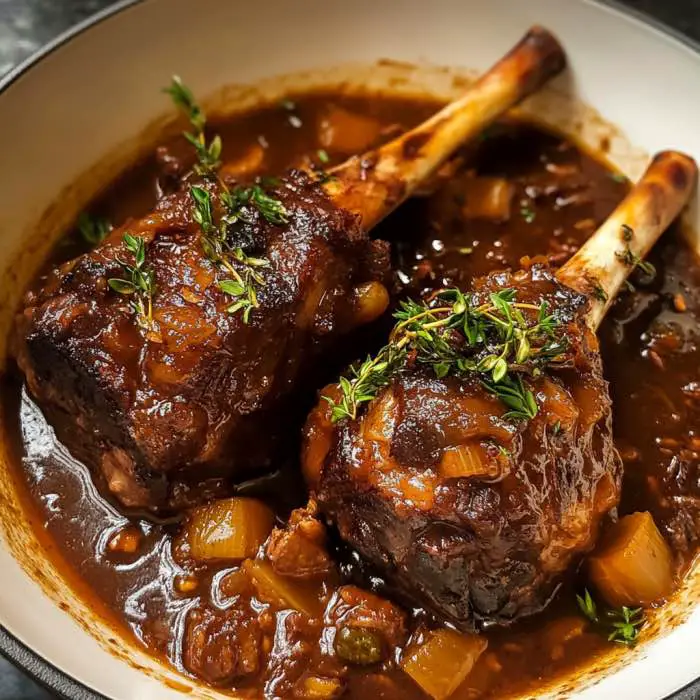
Slow Braised Lamb Shanks: The Ultimate Guide to Tender, Fall-Off-The-Bone Perfection
Introduction
Slow braised lamb shanks represent the pinnacle of comfort food cooking. This traditional technique transforms tough, sinewy cuts into incredibly tender, flavorful masterpieces. Therefore, understanding the art of slow braising opens doors to restaurant-quality meals in your own kitchen.
The magic of slow braised lamb shanks lies in the gentle, prolonged cooking process. However, many home cooks feel intimidated by this seemingly complex dish. In reality, braising requires minimal active cooking time while delivering maximum flavor impact.
This comprehensive guide will teach you everything about creating perfect slow braised lamb shanks. Moreover, you’ll discover professional techniques, common mistakes to avoid, and creative serving suggestions that will impress your family and guests.
Table of Contents
Understanding Lamb Shanks
What Are Lamb Shanks?
Lamb shanks are the lower portion of the lamb’s leg, specifically the area between the knee and ankle joints. These cuts contain significant amounts of connective tissue and collagen. Therefore, they require slow, moist cooking methods to break down tough fibers.
The bone-in nature of lamb shanks adds tremendous flavor during cooking. Additionally, the marrow within the bone enriches the braising liquid, creating deeply satisfying sauces. Fresh lamb shanks typically weigh between 12-16 ounces each.
Choosing Quality Lamb Shanks
Selecting high-quality lamb shanks ensures the best results for your slow braised dish. Look for shanks with bright red meat and white fat. Furthermore, avoid any cuts with gray or brown discoloration, which indicates age or poor storage.
Fresh lamb shanks should have a mild, pleasant aroma. However, any strong or unpleasant odors suggest spoilage. Additionally, the meat should feel firm to the touch with minimal moisture on the surface.
Consider these factors when purchasing:
-
Color consistency throughout the meat
-
Minimal visible sinew on the surface
-
Proper refrigeration at the market
-
Recent packaging dates
-
Source and farming practices
Nutritional Benefits
Slow braised lamb shanks provide excellent nutritional value beyond their incredible taste. Lamb contains high-quality complete proteins essential for muscle maintenance. Moreover, it supplies important minerals like iron, zinc, and selenium.
The slow braising process helps preserve these nutrients while making them more bioavailable. Additionally, cooking with vegetables and herbs increases the overall nutritional density. However, portion control remains important due to lamb’s naturally higher fat content.
The Science of Slow Braising
How Braising Works
Braising combines both dry and moist heat cooking methods to achieve optimal results. Initially, searing creates the Maillard reaction, developing complex flavors and appealing color. Subsequently, slow, moist cooking breaks down tough connective tissues.
The collagen in lamb shanks gradually converts to gelatin during extended cooking. This transformation creates the signature silky texture of properly braised meat. Therefore, patience becomes the most important ingredient in successful slow braised lamb shanks.
Temperature control plays a crucial role in this process. Maintaining gentle heat between 275-325°F ensures even cooking without drying out the meat. Higher temperatures can cause proteins to seize and become tough.
The Role of Liquid
Braising liquid serves multiple purposes beyond preventing the meat from drying out. It conducts heat evenly around the lamb shanks while extracting flavors from aromatics. Furthermore, the liquid becomes a delicious sauce through reduction and concentration.
The ideal braising liquid level covers approximately two-thirds of the meat. This allows the exposed portion to develop additional browning while preventing the meat from boiling. Additionally, this technique creates varied textures within the same dish.
Common braising liquids include:
-
Rich beef or lamb stock
-
Vegetable broth for lighter flavor
-
Tomato-based liquids for acidity
-
Herb-infused broths
-
Combination approaches
Time and Temperature Relationship
Understanding the relationship between time and temperature ensures consistent results with slow braised lamb shanks. Lower temperatures require longer cooking times but produce more tender results. Conversely, higher temperatures cook faster but risk overcooking the exterior.
Most lamb shanks reach optimal tenderness after 2.5-3.5 hours at 300°F. However, individual variations in size and age affect cooking times. Therefore, testing doneness through gentle prodding works better than strict time adherence.
Essential Equipment and Ingredients
Required Equipment
Successful slow braised lamb shanks require specific equipment for optimal results. A heavy-bottomed Dutch oven or braising pot provides even heat distribution. Additionally, these vessels transition seamlessly from stovetop to oven.
Cast iron and enameled cast iron work exceptionally well for braising. These materials retain and distribute heat evenly while developing natural non-stick properties over time. Furthermore, they can withstand high searing temperatures without damage.
Essential equipment includes:
-
Heavy-bottomed braising pot with tight-fitting lid
-
Tongs for safe handling
-
Sharp knife for preparation
-
Cutting board with juice groove
-
Meat thermometer for accuracy
-
Fine-mesh strainer for sauce refinement
Core Ingredients
The foundation of excellent slow braised lamb shanks starts with quality ingredients. Fresh herbs provide aromatic complexity that dried versions cannot match. However, dried herbs work well when fresh options are unavailable.
Aromatic vegetables form the flavor base for most braising recipes. The classic mirepoix combination of onions, carrots, and celery creates balanced sweetness and depth. Additionally, garlic adds pungent warmth that complements lamb beautifully.
Essential ingredients include:
-
4-6 lamb shanks (3-4 pounds total)
-
2 large onions, diced
-
3 carrots, chopped
-
3 celery stalks, chopped
-
6 garlic cloves, minced
-
Fresh herbs (rosemary, thyme, oregano)
-
Tomato paste for depth
-
Quality broth or stock
-
Salt and freshly ground pepper
Flavor Enhancers
Certain ingredients elevate slow braised lamb shanks from good to extraordinary. Tomato paste adds umami depth when properly caramelized before adding liquid. Moreover, anchovy paste provides subtle saltiness without fishy flavor.
Acid brightens heavy braised dishes and helps tenderize meat proteins. Lemon juice, vinegar, or canned tomatoes serve this purpose effectively. However, add acidic ingredients carefully to avoid overpowering delicate flavors.
Consider these flavor enhancers:
-
Tomato paste for richness
-
Lemon zest for brightness
-
Bay leaves for earthiness
-
Worcestershire sauce for complexity
-
Fresh ginger for warmth
-
Dried mushrooms for umami
Preparation Techniques
Proper Seasoning
Seasoning lamb shanks properly requires advance planning for maximum flavor penetration. Salt the meat at least 30 minutes before cooking, though overnight seasoning produces superior results. Therefore, plan ahead when preparing slow braised lamb shanks.
The salt draws out moisture initially, then reabsorbs along with the seasoning. This process, known as dry brining, concentrates flavors while improving texture. Additionally, properly seasoned meat requires less salt in the finished dish.
Apply seasonings evenly across all surfaces, paying special attention to crevices and folds. Furthermore, pat the surface dry before searing to achieve proper browning. Excess moisture prevents the Maillard reaction from occurring effectively.
Searing for Flavor
Proper searing creates the foundation of flavor in slow braised lamb shanks. Heat the braising pot over medium-high heat until a drop of water sizzles immediately. However, avoid overheating, which can cause sticking and burning.
Sear each shank individually without overcrowding the pot. This ensures even browning and prevents steaming. Additionally, turn the shanks only when they release easily from the surface, indicating proper caramelization.
Searing guidelines:
-
Pat shanks completely dry before searing
-
Use minimal oil with high smoke point
-
Don’t move meat until properly browned
-
Sear all surfaces for even color
-
Transfer to plate when golden brown
-
Don’t clean the pot between batches
Vegetable Preparation
Preparing vegetables correctly ensures they contribute flavor without becoming mushy during long cooking. Cut vegetables into uniform pieces for even cooking. Moreover, larger pieces hold up better to extended braising times.
The order of adding vegetables affects their final texture and flavor contribution. Hardy vegetables like onions and carrots can withstand the full cooking time. However, delicate herbs should be added during the final stages.
Vegetable preparation tips:
-
Cut onions into thick slices rather than dice
-
Chop carrots into 2-inch pieces
-
Remove celery strings before chopping
-
Smash garlic cloves for easy removal
-
Reserve tender herbs for finishing
-
Prepare vegetables while meat sears
Step-by-Step Braising Process
Initial Searing Phase
Begin the slow braised lamb shanks process by preheating your oven to 325°F. Meanwhile, heat your braising pot over medium-high heat until properly heated. Add a small amount of neutral oil with a high smoke point.
Season the lamb shanks generously with salt and pepper on all surfaces. Place them in the hot pot without overcrowding, working in batches if necessary. Therefore, each shank has adequate space for proper browning.
Sear each side for 3-4 minutes until deep golden brown. The meat should release easily when properly caramelized. Additionally, don’t force the turning process, as this can tear the surface and reduce flavor development.
Building the Flavor Base
After removing the seared shanks, reduce heat to medium and add the prepared vegetables. The residual fat and browned bits (fond) provide incredible flavor depth. Therefore, scrape up these deposits as the vegetables cook.
Cook the vegetables until softened and lightly caramelized, approximately 8-10 minutes. Stir occasionally to prevent sticking while promoting even browning. Furthermore, add garlic during the final minute to prevent burning.
Add tomato paste and cook for 1-2 minutes until darkened and fragrant. This caramelization process removes raw tomato flavors while concentrating sweetness. Moreover, the paste helps thicken the eventual braising liquid.
Adding Liquid and Herbs
Return the seared lamb shanks to the pot, nestling them among the vegetables. Add fresh herb sprigs, positioning them where they won’t interfere with the lid. Additionally, include bay leaves for their subtle earthy flavor.
Pour in enough braising liquid to cover two-thirds of the meat. The liquid should come up the sides without completely submerging the shanks. Therefore, measure carefully to achieve the proper level.
Bring the liquid to a gentle simmer on the stovetop. However, avoid vigorous boiling, which can toughen the meat proteins. Once simmering, cover tightly and transfer to the preheated oven.
Oven Braising Process
The slow oven environment provides gentle, even heat for optimal results. Check the pot after 30 minutes to ensure gentle simmering continues. Additionally, adjust oven temperature if the liquid bubbles too vigorously.
Turn the lamb shanks every hour to ensure even cooking and prevent sticking. Use tongs to handle the meat gently, as it becomes increasingly tender. Furthermore, baste exposed surfaces with the braising liquid.
Monitor the cooking progress through visual and tactile cues:
-
Liquid should barely simmer throughout
-
Meat begins pulling away from bones
-
Fork easily pierces the thickest portions
-
Total cooking time typically ranges 2.5-3.5 hours
-
Internal temperature reaches 195-205°F
Finishing and Resting
Test doneness by gently prodding the meat with a fork. Properly braised lamb shanks yield easily without resistance. However, avoid overcooking, which can cause the meat to fall apart completely.
Remove the pot from the oven and let rest for 10-15 minutes before serving. This resting period allows juices to redistribute while preventing burns from hot liquid. Additionally, the sauce continues thickening during this time.
Carefully transfer the shanks to a serving platter using tongs and a large spoon for support. Strain the braising liquid through a fine-mesh strainer, pressing solids to extract maximum flavor. Therefore, you’ll have a smooth, refined sauce.
Flavor Variations and Regional Styles
Mediterranean Style
Mediterranean-style slow braised lamb shanks emphasize bright, herbaceous flavors that complement the rich meat. Fresh rosemary and oregano provide classic aromatics, while lemon zest adds brightness. Additionally, olives and capers contribute briny complexity.
This variation often includes tomatoes for acidity and color. Sun-dried tomatoes work particularly well, providing concentrated flavor without excess liquid. Moreover, finishing with fresh parsley and lemon juice brightens the final dish.
Key Mediterranean ingredients:
-
Fresh rosemary and oregano
-
Kalamata or green olives
-
Sun-dried tomatoes
-
Lemon zest and juice
-
Extra virgin olive oil
-
Fresh garlic and onions
Moroccan-Inspired Approach
Moroccan-influenced slow braised lamb shanks incorporate warming spices that transform the dish entirely. Cinnamon, ginger, and cumin create exotic aromatics without overwhelming the meat. Furthermore, dried fruits add subtle sweetness that balances the spices.
This style often includes preserved lemons for authentic North African flavor. However, fresh lemon zest provides a suitable substitute. Additionally, finishing with fresh cilantro and mint creates bright contrast.
Essential Moroccan elements:
-
Ground cinnamon and ginger
-
Cumin and coriander seeds
-
Dried apricots or dates
-
Preserved lemons or zest
-
Fresh cilantro and mint
-
Harissa paste for heat (optional)
French Provincial Method
French provincial-style braising focuses on classical technique and refined flavors. The traditional bouquet garni provides subtle herb complexity without overpowering the meat. Moreover, root vegetables become integral components rather than mere aromatics.
This approach emphasizes technique over exotic ingredients. Proper browning and careful liquid management create deeply satisfying results. Additionally, the sauce receives careful attention through straining and reduction.
French provincial characteristics:
-
Classic bouquet garni (thyme, bay, parsley)
-
Mirepoix foundation (onions, carrots, celery)
-
Quality stock or broth
-
Careful sauce refinement
-
Traditional root vegetable accompaniments
-
Emphasis on proper technique
Asian-Fusion Elements
Asian-inspired slow braised lamb shanks incorporate soy-based marinades and aromatic spices. Star anise and five-spice powder create distinctive flavors that pair surprisingly well with lamb. However, balance prevents any single element from dominating.
Ginger and scallions provide fresh contrast to the rich meat. Additionally, rice vinegar adds subtle acidity without the harshness of other vinegars. Furthermore, finishing with sesame oil creates aromatic depth.
Asian fusion additions:
-
Low-sodium soy sauce
-
Fresh ginger and garlic
-
Star anise and five-spice
-
Rice wine vinegar
-
Scallions for freshness
-
Sesame oil for finishing
Serving Suggestions and Accompaniments
Traditional Accompaniments
Classic side dishes complement slow braised lamb shanks without competing for attention. Creamy mashed potatoes provide the perfect vehicle for absorbing the rich braising sauce. Additionally, their neutral flavor balances the intense meat flavors.
Root vegetables work exceptionally well alongside braised lamb. Roasted carrots, parsnips, and turnips provide textural contrast while echoing the dish’s rustic character. Moreover, these vegetables can cook simultaneously in the same oven.
Traditional serving options:
-
Creamy mashed potatoes or parsnips
-
Buttered egg noodles or pappardelle
-
Crusty bread for sauce absorption
-
Roasted root vegetables
-
Simple green salads for freshness
-
Steamed seasonal vegetables
Modern Presentations
Contemporary plating elevates slow braised lamb shanks to restaurant-quality presentations. Individual serving plates showcase each shank while preventing family-style messiness. Furthermore, careful sauce application creates visual appeal.
Garnishing with fresh herbs adds color and aroma to the finished dish. However, avoid over-garnishing, which can appear cluttered. Additionally, warm the serving plates to maintain optimal serving temperature.
Modern presentation ideas:
-
Individual plated portions
-
Microgreen garnishes
-
Sauce dots and drizzles
-
Height through vegetable stacking
-
Contrasting color elements
-
Warm serving plates
Leftover Applications
Properly stored slow braised lamb shanks provide delicious meal options for days. The meat pulls easily from the bone for sandwiches and pasta dishes. Moreover, the leftover braising liquid makes excellent soup base.
Shredded lamb works beautifully in tacos, quesadillas, and grain bowls. Additionally, the intense flavors complement Mediterranean and Middle Eastern preparations. Therefore, one braising session provides multiple meal opportunities.
Leftover transformation ideas:
-
Pulled lamb sandwiches
-
Pasta sauce with shredded meat
-
Hearty soup with vegetables
-
Grain bowls with fresh vegetables
-
Stuffed peppers or eggplant
-
Shepherd’s pie topping
Storage and Reheating Tips
Proper Storage Methods
Store slow braised lamb shanks safely to maintain quality and prevent spoilage. Allow the dish to cool completely before refrigerating, though don’t leave at room temperature beyond two hours. Additionally, divide large batches into smaller containers for faster cooling.
The braising liquid helps preserve the meat while preventing drying during storage. Therefore, store the shanks submerged in their cooking liquid whenever possible. Furthermore, this method maintains flavor integrity over several days.
Storage guidelines:
-
Cool completely before refrigerating
-
Store in braising liquid when possible
-
Use within 3-4 days when refrigerated
-
Freeze for up to 3 months
-
Label containers with dates
-
Use airtight containers to prevent odor transfer
Reheating Techniques
Gentle reheating preserves the tender texture of slow braised lamb shanks. Oven reheating provides the most even results while preventing overcooking. Additionally, covering during reheating prevents surface drying.
Microwave reheating works for individual portions but requires careful attention. Use medium power and check frequently to prevent overcooking. Moreover, add a splash of liquid if the meat appears dry.
Effective reheating methods:
-
Oven at 325°F until heated through
-
Medium microwave power for individual portions
-
Gentle stovetop warming in covered pot
-
Add liquid if meat appears dry
-
Check internal temperature reaches 165°F
-
Rest briefly before serving
Freezing Considerations
Freezing extends the storage life of slow braised lamb shanks significantly. However, proper preparation prevents freezer burn and maintains quality. Remove excess fat from the surface before freezing, as it can become rancid over time.
Freeze the meat and liquid together in appropriate portions. This prevents the meat from drying out while maintaining the sauce for serving. Additionally, freeze in containers that allow for liquid expansion.
Freezing best practices:
-
Remove excess surface fat before freezing
-
Freeze meat and liquid together
-
Use freezer-safe containers with tight lids
-
Allow space for liquid expansion
-
Thaw safely in refrigerator overnight
-
Use within 3 months for best quality
Troubleshooting Common Issues
Tough or Chewy Results
Tough slow braised lamb shanks typically result from insufficient cooking time or excessive temperature. The connective tissues require extended gentle heat to break down properly. Therefore, patience becomes essential for achieving tender results.
Check your oven temperature with a separate thermometer to ensure accuracy. Built-in oven thermometers often read incorrectly, causing temperature-related problems. Additionally, opening the oven frequently releases heat and extends cooking time.
Solutions for tough meat:
-
Continue cooking at proper temperature
-
Check oven thermometer accuracy
-
Ensure adequate liquid levels
-
Don’t rush the process
-
Test doneness through gentle probing
-
Consider individual variation in cooking times
Dry or Overcooked Meat
Dry lamb shanks often result from excessive heat or insufficient liquid. High temperatures cause protein fibers to contract and expel moisture. Moreover, inadequate braising liquid fails to provide necessary steam and moisture.
Monitor liquid levels throughout cooking and add more if necessary. The liquid should maintain consistent levels without completely evaporating. Additionally, ensure proper pot sealing to prevent excessive evaporation.
Preventing dry results:
-
Maintain proper liquid levels throughout cooking
-
Use tight-fitting lid to prevent evaporation
-
Keep oven temperature moderate
-
Don’t overcook once tender
-
Check liquid levels periodically
-
Add hot liquid if levels drop significantly
Sauce Problems
Thin or flavorless braising liquid often results from inadequate reduction or seasoning. The sauce should coat the back of a spoon when properly concentrated. Furthermore, seasoning should be adjusted after cooking to account for concentration.
Strain the braising liquid and reduce it separately if necessary. This allows precise control over consistency and flavor concentration. Additionally, finish with fresh herbs or acid to brighten the final sauce.
Sauce improvement techniques:
-
Strain liquid through fine-mesh strainer
-
Reduce separately for proper consistency
-
Adjust seasoning after concentration
-
Add fresh herbs for brightness
-
Consider acid additions for balance
-
Skim excess fat from surface
Frequently Asked Questions
How long does it take to make slow braised lamb shanks?
Slow braised lamb shanks typically require 3-4 hours total cooking time, including preparation and braising. The actual hands-on time amounts to approximately 30-45 minutes. However, the lengthy cooking process cannot be rushed for optimal results.
Can I make slow braised lamb shanks ahead of time?
Yes, slow braised lamb shanks actually improve in flavor when made ahead. The resting time allows flavors to meld and develop complexity. Additionally, advance preparation makes entertaining easier by reducing day-of cooking stress.
What’s the best cut substitute if lamb shanks aren’t available?
Beef short ribs or lamb shoulder chops work well as substitutes for lamb shanks. These cuts contain similar amounts of connective tissue requiring slow cooking. However, adjust cooking times based on the specific cut’s characteristics.
Should I remove the fat before serving?
Remove excess fat from the braising liquid before serving for better presentation and health considerations. However, some fat contributes to flavor and mouthfeel. Therefore, skim the surface rather than removing all visible fat.
Can slow braised lamb shanks be frozen?
Slow braised lamb shanks freeze excellently for up to three months. Freeze the meat in its braising liquid to prevent drying. Additionally, portion appropriately before freezing for convenient reheating.
What wine pairs well with braised lamb shanks?
Rich red wines like Cabernet Sauvignon, Syrah, or Côtes du Rhône complement slow braised lamb shanks beautifully. These wines match the dish’s intensity without overwhelming delicate flavors. However, personal preference ultimately determines the best pairing.
Conclusion
Mastering slow braised lamb shanks opens doors to restaurant-quality cooking in your home kitchen. This comprehensive guide provides all the knowledge necessary for consistent, delicious results. Moreover, the techniques learned apply to many other braising applications.
The key to success lies in understanding the science behind braising while maintaining patience throughout the process. Therefore, don’t rush the cooking time or compromise on quality ingredients. Additionally, practice builds confidence and improves results over time.
Remember that slow braised lamb shanks represent comfort food at its finest. The tender meat, rich sauce, and aromatic vegetables create memorable meals that bring families together. Furthermore, the versatility of leftovers extends the enjoyment for days.
Start your braising journey with this classic preparation, then experiment with different flavor profiles and techniques. Each attempt teaches valuable lessons while building your culinary repertoire. Most importantly, enjoy the process and the incredible results that follow.
Slow braised lamb shanks
Description
Ingredients
-
4 lamb shanks
-
2-3 tbsp olive oil
-
1 medium onion, diced
-
2 celery ribs, diced
-
2-3 carrots, peeled and diced
-
4-5 garlic cloves, minced
-
1 cup red wine
-
2 cups beef stock (or broth)
-
1 cup chicken stock (or broth)
-
3 tbsp tomato paste
-
3-4 sprigs fresh thyme
-
2 sprigs fresh rosemary
-
2 bay leaves
-
Salt and freshly ground black pepper
Instructions
-
Preheat oven to 350°F (180°C). Pat lamb shanks dry and generously season with salt and pepper.
-
In a large heavy pot or Dutch oven, heat olive oil over medium-high heat. Brown lamb shanks on all sides until golden (about 4-5 minutes per side). Remove and set aside.
-
Reduce heat to medium. Add onions, celery, carrots, and garlic to the pot and sauté until softened and starting to brown, about 5-7 minutes.
-
Pour in red wine to deglaze the pot, scraping up any browned bits from the bottom. Let wine reduce by half (3-4 minutes).
-
Stir in tomato paste, cook for 1-2 minutes, then add beef and chicken stocks, thyme, rosemary, bay leaves, salt, and pepper. Stir to combine.
-
Nestle lamb shanks back into the pot, making sure they are mostly submerged in liquid.
-
Bring to a simmer over medium-high heat, cover with a lid, and transfer pot to the oven.
-
Braise lamb shanks for about 2 to 2.5 hours until meat is very tender and falling off the bone. Check occasionally; add more stock if liquid reduces too much.
-
Remove lamb shanks and keep warm. Strain the sauce if desired, then reduce on stovetop to thicken, adjusting seasoning.
-
Serve the lamb shanks with sauce spooned over, alongside creamy mashed potatoes, polenta, or roasted vegetables.