
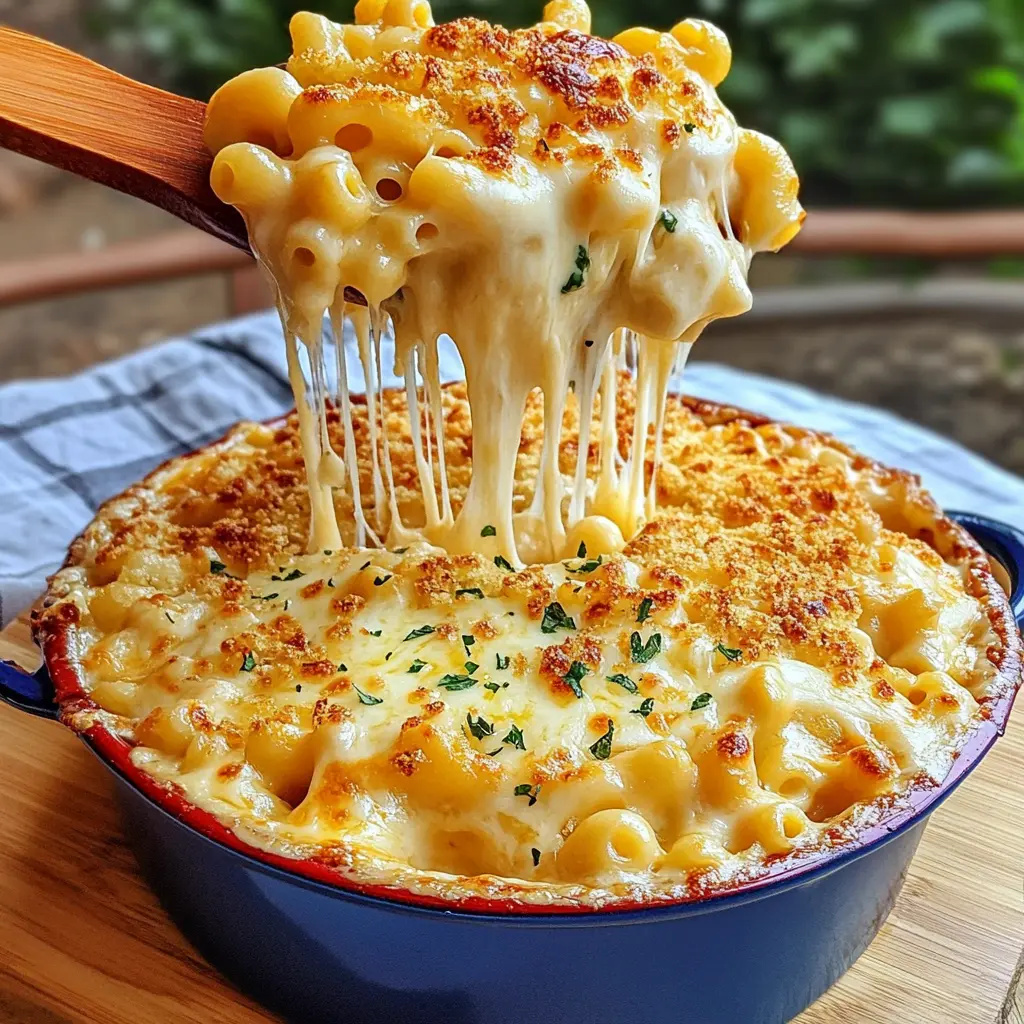
Five Cheese Baked Mac & Cheese: The Ultimate Comfort Food Guide
Introduction
Five Cheese Baked Mac & Cheese represents the pinnacle of comfort food excellence. This dish transforms simple macaroni pasta into an extraordinary culinary experience that delivers creamy, rich, and deeply satisfying flavors. Unlike traditional versions that rely on a single cheese variety, this recipe combines five distinct cheeses to create complex flavor profiles and perfect texture. The beauty of this dish lies in its versatility and crowd-pleasing appeal. Whether you’re preparing a family dinner, hosting a gathering, or meal-prepping for the week, this recipe delivers consistent, restaurant-quality results.
What Makes Five Cheese Baked Mac & Cheese Special
Layered Flavor Complexity
The secret to exceptional mac and cheese lies in using multiple cheese varieties. Each cheese contributes unique characteristics that work together harmoniously. Sharp cheddar provides the classic tangy backbone, while softer cheeses add creaminess and smoothness. This multi-cheese approach creates depth that single-cheese recipes simply cannot achieve. Additionally, the combination allows for better texture control throughout the cooking process.
Superior Texture and Creaminess
Five cheese baked mac and cheese achieves a velvety consistency that coats every pasta strand perfectly. The blend of melting cheeses creates a sauce that remains smooth and creamy even after baking. This contrasts beautifully with the golden, slightly crispy top layer that forms during the final baking stage. The result is textural variation in every bite.
Crowd-Pleasing Appeal
This dish has universal appeal across age groups and occasions. Children love the familiar comfort and cheesy richness, while adults appreciate the sophisticated flavor complexity. The recipe scales easily for both intimate dinners and large gatherings. It works equally well as a main course or hearty side dish.
The Five Cheeses: Choosing Your Perfect Blend
Sharp Cheddar Cheese
Sharp cheddar forms the foundation of your five cheese mac and cheese. This cheese delivers the classic tangy flavor essential for authentic mac and cheese taste. Always choose sharp over mild variants, as mild cheddar becomes diluted in the creamy sauce. Freshly grated sharp cheddar melts more smoothly than pre-shredded versions, which contain anti-caking agents. Plan to use approximately three cups in your recipe.
Monterey Jack or Gruyère
These cheeses provide smooth melting properties and buttery undertones. Gruyère adds nutty complexity and deeply creamy texture to the sauce. Monterey Jack offers a milder alternative that still melts beautifully. Either option enhances the overall creaminess without overpowering other flavors. You can substitute Colby Jack as another excellent alternative.
Mozzarella Cheese
Mozzarella contributes stretchiness and mild flavor balance. This cheese helps create the appealing texture when you scoop out portions. Fresh mozzarella contains more moisture, while low-moisture varieties provide better melting consistency. Use approximately one and a half to two cups for optimal results.
Cream Cheese
Cream cheese transforms the sauce into an ultra-velvety masterpiece. Just a small amount makes the texture incredibly smooth and luxurious. It adds subtle tanginess that elevates the overall flavor profile. Cream cheese also helps stabilize the sauce and prevents separation. Use full-fat versions for the best results.
Parmesan or Gouda
The fifth cheese adds the finishing touch to your blend. Parmesan delivers saltiness and umami depth that lifts all other flavors. It also creates a lovely golden crust when sprinkled on top before baking. Alternatively, Gouda provides rich, slightly sweet notes and smoky variations if you choose smoked Gouda. This cheese completes the flavor complexity you’re aiming for.
Essential Ingredients for Success
Pasta Selection
Traditional elbow macaroni works perfectly for this recipe. The curved shape captures cheese sauce in every bite. Use one pound of dried macaroni for standard recipes serving 10-12 people. Cook the pasta one minute less than al dente according to package directions. This prevents mushiness during the baking process.
Dairy Components
Heavy cream forms the base of your luxurious cheese sauce. Plan for approximately five cups to achieve proper consistency. Whole milk can supplement the cream if you prefer a slightly lighter version. The combination of cream and milk creates the perfect balance between richness and pourability. Make sure all dairy is at room temperature before starting.
Butter and Flour
Butter adds richness and helps create the roux foundation. You’ll need approximately four tablespoons for a standard recipe. All-purpose flour thickens the sauce and prevents graininess. The butter-flour combination creates a smooth base that prevents cheese clumping. Use equal parts butter and flour for proper consistency.
Seasonings and Spices
Garlic powder enhances savory notes without overwhelming cheese flavors. One teaspoon provides the right amount of aromatic depth. Onion powder adds subtle sweetness and complexity. Smoked paprika contributes color and gentle smokiness. Ground mustard powder intensifies cheese flavor through chemical interaction. Salt and pepper balance the overall taste profile.
Step-by-Step Preparation Guide
Preparing Your Workspace
Start by gathering all ingredients and measuring them accurately. Preheat your oven to 350 degrees Fahrenheit. Grease a 9×13 inch baking dish with butter or cooking spray. Shred all cheeses and divide them into two equal portions. This organization streamlines the cooking process significantly.
Cooking the Pasta
Bring a large pot of salted water to a rolling boil. Add the macaroni and cook for one minute less than the package instructions indicate. This undercooking is crucial because pasta continues cooking during baking. Drain thoroughly but don’t rinse, as the starch helps sauce adhesion. Set the cooked pasta aside while you prepare the cheese sauce.
Creating the Cheese Sauce
Melt butter in a large, heavy-bottomed pot over medium heat. Once the butter becomes slightly bubbly, add the heavy cream and whisk until smooth. Bring the mixture to a low simmer, whisking occasionally to prevent burning. This process typically takes five to six minutes depending on pot size. Reduce heat to low before adding any cheese.
Add half of your shredded cheese blend plus all the cream cheese. Stir in garlic powder, onion powder, paprika, and ground mustard. Let everything simmer on low heat until completely melted and creamy. Never increase the heat during this stage, as high temperatures cause graininess. Stir constantly for smooth consistency.
Combining and Layering
Add the cooked pasta to your cheese sauce and mix thoroughly. Every pasta piece should be evenly coated with the creamy mixture. Transfer half of the pasta-cheese combination to your prepared baking dish. Sprinkle half of the remaining shredded cheese over this first layer. Add the rest of the pasta mixture on top, then finish with the final cheese layer. This layering technique ensures cheese throughout the dish.
Baking Process
Place your assembled dish on a baking sheet to catch potential overflow. Bake uncovered on the middle oven rack for 35-40 minutes. The mac and cheese is ready when it’s hot, bubbly, and golden brown on top. Allow the dish to rest for at least 15 minutes before serving. This resting period lets the sauce thicken and makes serving easier.
Baking Tips for Perfect Results
Temperature Control
Maintaining proper oven temperature ensures even cooking throughout. Avoid opening the oven door frequently, as this causes temperature fluctuations. If the top browns too quickly, tent loosely with aluminum foil. Use an oven thermometer to verify accuracy, as many ovens run hot or cold.
Achieving the Perfect Crust
For an extra-crispy top layer, broil for the last two minutes of cooking. Watch carefully to prevent burning during this final stage. Alternatively, reserve extra Parmesan specifically for topping before baking. Breadcrumbs mixed with melted butter create additional textural contrast. These techniques deliver that desirable golden-brown finish.
Preventing Dryness
The sauce should appear slightly loose before baking because it thickens considerably in the oven. If your mixture seems too thick, add extra cream or milk gradually. Cover with foil during the first 20 minutes if excessive evaporation occurs. These precautions maintain the creamy consistency everyone loves.
Common Mistakes to Avoid
Using Pre-Shredded Cheese
Pre-shredded cheese contains anti-caking agents that prevent smooth melting. These additives create grainy, separated sauces instead of creamy perfection. Freshly grated cheese lacks these additives and retains natural moisture content. The extra effort of grating delivers significantly better results. This simple change makes tremendous difference in final texture.
Overcooking the Pasta
Pasta cooked to full doneness becomes mushy during baking. Always undercook by at least one minute when preparing baked pasta dishes. The noodles absorb sauce and continue softening in the oven. This technique ensures perfect al dente texture in the finished dish.
High Heat When Adding Cheese
Adding cheese to boiling liquid causes proteins to seize and separate. Always reduce heat to low before incorporating any cheese. Stir constantly and patiently while cheese melts slowly. Rushing this process ruins the smooth, creamy texture you’re working to achieve.
Skipping the Resting Period
Cutting into mac and cheese immediately after baking results in soupy consistency. The 15-minute resting period allows the sauce to set properly. During this time, the starches thicken and flavors meld together. Patience during this final step ensures clean, beautiful servings.
Flavor Variations and Add-Ins
Protein Additions
Transform your five cheese baked mac and cheese into a complete meal with protein additions. Cooked bacon pieces add smoky, salty crunch throughout the dish. Shredded rotisserie chicken provides lean protein without overwhelming cheese flavors. Ground turkey or beef seasoned with herbs creates heartier versions. Add proteins during the mixing stage before baking.
Vegetable Enhancements
Vegetables boost nutrition while adding color and texture variety. Roasted broccoli florets complement cheese flavors beautifully and add freshness. Sautéed mushrooms contribute earthy umami notes that deepen overall taste. Diced tomatoes provide acidity that cuts through richness. Fold vegetables gently into the pasta mixture before transferring to the baking dish.
Spicy Variations
Add heat to your mac and cheese for those who enjoy spicier flavors. Diced jalapeños or serrano peppers provide fresh, bright heat. Cayenne pepper stirred into the sauce delivers even, distributed spiciness. Hot sauce mixed with the cheese sauce allows for customizable heat levels. Red pepper flakes sprinkled on top add visual appeal and adjustable spice.
Gourmet Touches
Elevate your dish with upscale ingredient additions. Truffle oil drizzled before serving adds luxurious, earthy aroma. Caramelized onions provide sweet complexity that balances tangy cheese. Fresh herbs like thyme or rosemary contribute aromatic sophistication. These enhancements transform comfort food into restaurant-worthy fare.
Serving Suggestions
Main Course Presentations
Serve five cheese baked mac and cheese as the star of your meal. Portion generously into shallow bowls for maximum visual appeal. Garnish with fresh parsley or chives for color contrast and freshness. Accompany with a crisp green salad dressed in light vinaigrette. This combination balances the richness of the pasta dish perfectly.
Side Dish Pairings
Mac and cheese complements numerous main courses beautifully. It pairs wonderfully with grilled or roasted meats like chicken or pork. The creamy texture contrasts nicely with crispy fried foods. Serve alongside barbecue dishes for classic comfort food combinations. Keep portions moderate when serving as a side.
Party and Potluck Ideas
This dish travels well and stays warm for extended periods. Transport in the baking dish covered with foil and wrapped in towels. Bring a serving spoon and small plates for easy self-service. Consider making mini portions in muffin tins for parties. These individual servings eliminate the need for cutting and plating.
Storage and Reheating Instructions
Proper Storage Methods
Cool leftover mac and cheese to room temperature before storing. Transfer to airtight containers and refrigerate within two hours of cooking. Properly stored mac and cheese lasts three to four days in the refrigerator. For longer storage, freeze portions in freezer-safe containers for up to three months. Label containers with dates for easy tracking.
Reheating for Best Results
Add a splash of milk or cream to leftovers before reheating. This moisture prevents dryness and restores creamy consistency. Microwave individual portions in 30-second intervals, stirring between each heating. For oven reheating, cover with foil and bake at 350 degrees until heated through. Stir frequently during reheating to maintain smooth texture.
Restoring Texture
Refrigerated mac and cheese thickens considerably as it cools. The sauce absorbs into the pasta during storage time. Adding liquid during reheating revives the original creamy consistency. Avoid high heat when reheating, as this can cause cheese to separate. Gentle, gradual warming produces the best texture restoration.
Nutritional Information
Calorie and Macronutrient Content
Traditional mac and cheese contains approximately 300-500 calories per serving. Five cheese versions tend toward the higher end due to multiple cheese varieties. Each 100-gram serving provides roughly 222 calories, 10 grams of protein, and 25 grams of carbohydrates. Fat content averages around 10 grams per 100-gram serving. Understanding these numbers helps with portion control and meal planning.
Sodium Considerations
Mac and cheese typically contains 600-1,200 milligrams of sodium per serving. This represents approximately 20-50% of recommended daily sodium intake. Cheese naturally contains salt, and multiple varieties increase overall sodium content. Consider using low-sodium cheese options to reduce total sodium levels. Season thoughtfully and taste before adding extra salt.
Beneficial Nutrients
Despite its indulgent reputation, mac and cheese provides valuable nutrients. The dish offers excellent calcium content from multiple cheese sources. This mineral supports strong bones and teeth development. Protein from cheese and milk supports muscle growth and repair. Carbohydrates from pasta provide sustained energy for body and brain function.
Making It Healthier
Pasta Alternatives
Chickpea pasta increases protein and fiber content significantly. One serving of chickpea mac and cheese contains 19 grams of protein and 8 grams of fiber. Whole wheat pasta adds more fiber than traditional white pasta varieties. For low-carb options, substitute cauliflower or broccoli florets for pasta entirely. These swaps maintain satisfaction while boosting nutritional value.
Dairy Modifications
Replace heavy cream partially or completely with unsweetened almond milk. This substitution cuts calories and fat while maintaining creaminess. Use reduced-fat cheese varieties to lower overall fat content. Greek yogurt adds protein and tanginess while reducing calorie density. These modifications create lighter versions without sacrificing too much richness.
Portion Control Strategies
Serve mac and cheese in smaller portions as a side rather than main course. Use measuring cups to ensure consistent, appropriate serving sizes. Fill half your plate with vegetables before adding mac and cheese. These simple strategies allow enjoyment while maintaining balanced nutrition. Check out our guide on [balanced meal planning] for more ideas.
Vegetable Additions
Incorporating vegetables increases fiber, vitamins, and minerals substantially. Pureed butternut squash or pumpkin adds creaminess and nutrients invisibly. Finely chopped spinach blends seamlessly into the cheese sauce. Roasted red peppers provide sweetness and vitamin C. These additions boost nutritional value without compromising comfort food appeal.
Frequently Asked Questions
How do you keep mac and cheese creamy the next day?
Add a splash of milk or cream to leftovers before reheating to restore creaminess. Stir the mac and cheese frequently while reheating to maintain smooth texture. Avoid high heat during reheating, as this causes cheese separation. Store properly in airtight containers to prevent moisture loss.
Can you make five cheese mac and cheese ahead of time?
Yes, assemble the dish completely and refrigerate up to 24 hours before baking. Add 10-15 minutes to the baking time since you’re starting with cold ingredients. Alternatively, freeze unbaked mac and cheese for up to two months. Thaw overnight in the refrigerator before baking as directed.
What’s the best way to prevent grainy cheese sauce?
Use freshly grated cheese rather than pre-shredded varieties with anti-caking agents. Always add cheese over low heat and never let the sauce boil. Stir constantly while cheese melts to ensure even distribution. These techniques guarantee smooth, creamy results every time.
Is sharp or mild cheese better for mac and cheese?
Sharp cheese delivers superior flavor in mac and cheese applications. The stronger taste holds up better when mixed with cream and other ingredients. Mild cheese often becomes too subtle and fails to provide characteristic tangy notes. Always choose sharp varieties for the most flavorful results.
Can you freeze baked mac and cheese?
Yes, mac and cheese freezes well for up to three months. Cool completely before transferring to freezer-safe containers. Thaw overnight in the refrigerator before reheating. Add extra liquid during reheating to compensate for moisture loss during freezing.
What makes five cheese mac and cheese different from regular versions?
The combination of five different cheeses creates complex flavor layers impossible with single varieties. Each cheese contributes unique characteristics like tanginess, creaminess, or nuttiness. This blend produces superior texture and depth compared to traditional recipes. The result is restaurant-quality mac and cheese at home.
Conclusion
Five Cheese Baked Mac & Cheese represents the ultimate evolution of this beloved comfort food classic. By combining sharp cheddar, Monterey Jack or Gruyère, mozzarella, cream cheese, and Parmesan or Gouda, you create extraordinary depth and creaminess. The technique of layering cheese throughout the dish and baking until golden brown delivers textural perfection in every bite. Whether serving as a main course or side dish, this recipe satisfies universally and scales easily for any occasion.
The keys to success include using freshly grated cheese, undercooking pasta slightly, and maintaining low heat when melting cheese. These fundamental techniques ensure smooth, creamy results every time. Don’t hesitate to experiment with add-ins like vegetables or proteins to customize the dish for your preferences. With proper storage and reheating methods, you’ll enjoy this luxurious mac and cheese for days after preparing it.
Print
Five Cheese Baked Mac & Cheese
Description
Ingredients:
-
1 lb elbow macaroni (or pasta of your choice)
-
4 tbsp unsalted butter
-
4 tbsp all-purpose flour
-
4 cups whole milk (warmed)
-
1 cup heavy cream
-
1 tsp salt
-
1/2 tsp black pepper
-
1/2 tsp garlic powder
-
1/2 tsp smoked paprika (optional for flavor)
-
1 ½ cups sharp cheddar cheese, shredded
-
1 cup mozzarella cheese, shredded
-
1 cup Gruyère cheese, shredded
-
1 cup Monterey Jack cheese, shredded
-
1 cup Parmesan cheese, freshly grated
-
1 cup panko breadcrumbs (optional topping)
-
2 tbsp butter, melted (for breadcrumb topping)
Instructions:
-
Preheat oven to 350°F (175°C). Grease a large baking dish.
-
Cook pasta in salted water until just al dente (slightly firm). Drain and set aside.
-
Make the roux: In a large saucepan, melt butter over medium heat. Add flour and whisk continuously for 1–2 minutes until lightly golden.
-
Add milk and cream: Gradually whisk in warm milk and cream until smooth and thickened, about 5–7 minutes.
-
Season: Stir in salt, pepper, garlic powder, and paprika.
-
Add cheeses: Remove from heat and stir in cheddar, mozzarella, Gruyère, Monterey Jack, and half of the Parmesan until melted and creamy.
-
Combine pasta and sauce: Add cooked pasta to the cheese sauce and stir until fully coated.
-
Transfer to baking dish: Spread evenly, then sprinkle remaining Parmesan on top.
-
Optional breadcrumb topping: Mix panko with melted butter and sprinkle over the mac and cheese for a crispy crust.
-
Bake: Bake uncovered for 25–30 minutes or until bubbly and golden brown.
-
Serve hot and enjoy the ultimate creamy, cheesy comfort dish!