
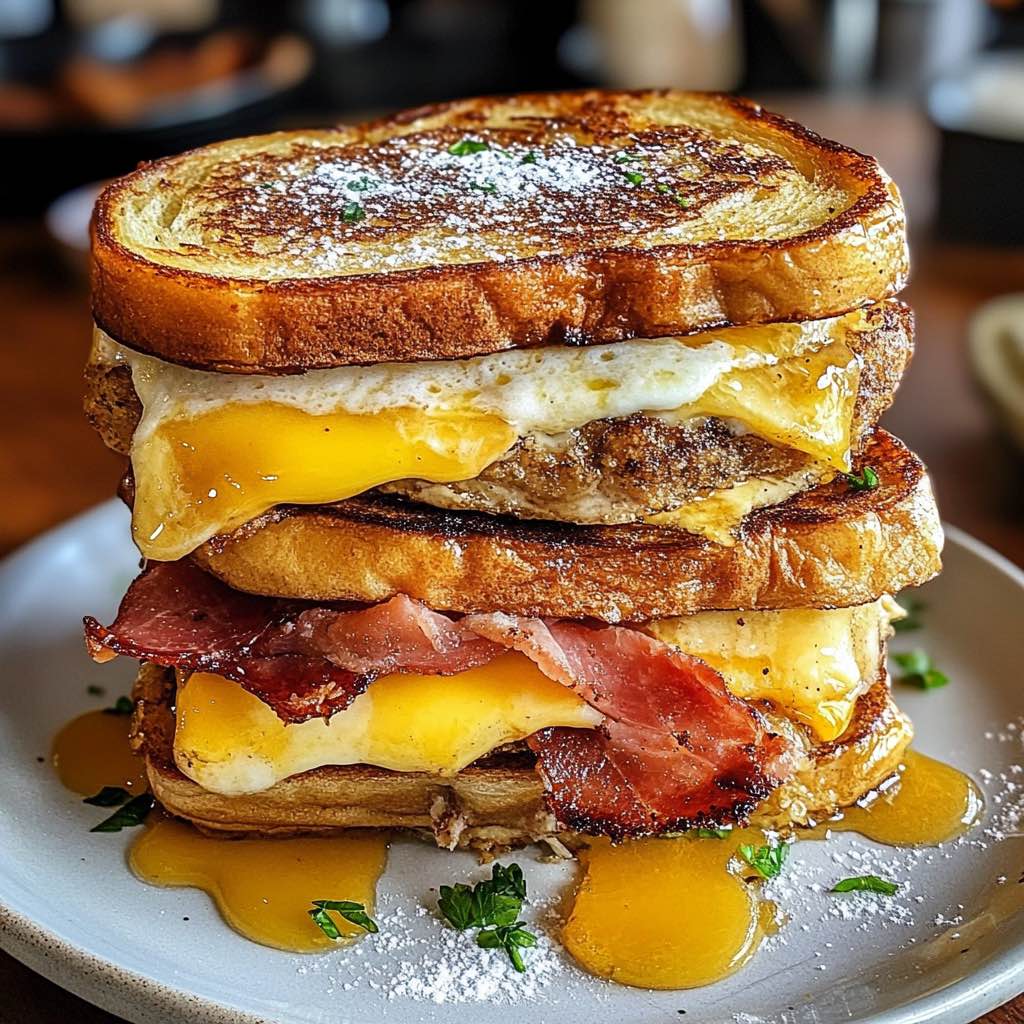
French Toast Breakfast Sandwich: The Ultimate Guide to Making This Sweet and Savory Breakfast Delight
Are you tired of choosing between sweet French toast and a hearty breakfast sandwich? The French Toast Breakfast Sandwich combines the best of both worlds, creating a delicious morning meal that satisfies every craving. This innovative breakfast creation transforms classic French toast into a portable, filling sandwich that’s perfect for busy mornings or leisurely weekend brunches. Whether you’re looking for a quick weekday breakfast or an impressive brunch dish, this comprehensive guide will show you everything you need to know about making the perfect French toast breakfast sandwich.
What Is a French Toast Breakfast Sandwich?
A French Toast Breakfast Sandwich is an innovative breakfast dish that uses French toast as the “bread” for a classic breakfast sandwich. Instead of plain toast or a traditional bun, the bread is dipped in an egg mixture with cinnamon and vanilla, then cooked until golden brown. The result is a sweet and savory combination that elevates the humble breakfast sandwich to new heights.
This creative breakfast concept gained popularity as home cooks searched for ways to make morning meals more exciting. By combining two beloved breakfast staples, the French toast breakfast sandwich offers a unique eating experience. The sweet, custard-soaked bread pairs surprisingly well with savory fillings like eggs, bacon, and cheese.
The sandwich typically features scrambled or fried eggs, crispy bacon or sausage, melted cheese, and sometimes additional toppings. What makes it special is the contrast between the cinnamon-spiced French toast exterior and the savory protein-rich interior.
The Perfect Balance
The key to a great French toast breakfast sandwich is balance. The sweetness from the French toast shouldn’t overpower the savory elements. Similarly, the fillings should complement rather than compete with the flavored bread.
Why French Toast Breakfast Sandwiches Are So Popular
French toast breakfast sandwiches have become increasingly popular for several compelling reasons. First, they satisfy multiple cravings at once. You don’t have to choose between sweet French toast and a protein-packed breakfast sandwich.
Additionally, these sandwiches are incredibly versatile. You can customize them with different breads, proteins, cheeses, and toppings to suit your taste preferences. This adaptability makes them perfect for feeding a crowd with varying dietary needs.
Moreover, French toast breakfast sandwiches are surprisingly easy to make. If you can make regular French toast and scramble eggs, you have all the skills needed. The preparation doesn’t require any special equipment or advanced cooking techniques.
Furthermore, they’re perfect for special occasions. Whether you’re hosting a brunch or celebrating a holiday morning, these sandwiches feel indulgent and impressive without requiring hours in the kitchen. They transform an ordinary breakfast into something memorable.
Essential Ingredients for the Perfect Sandwich
Creating an exceptional French toast breakfast sandwich requires quality ingredients. Let’s break down what you’ll need for both the French toast and the filling.
French Toast Components
The foundation starts with the egg mixture. You’ll need eggs, milk or cream, vanilla extract, ground cinnamon, and a pinch of nutmeg. Some recipes also include sugar for extra sweetness.
For the milk component, you can use whole milk, half-and-half, or heavy cream. Richer dairy products create a more custard-like texture. The vanilla extract adds depth of flavor, while cinnamon provides that classic French toast taste.
Sandwich Filling Essentials
The filling typically includes scrambled or fried eggs as the protein base. Most recipes call for 1-2 eggs per sandwich, cooked with a bit of butter, salt, and pepper.
Bacon is the most popular meat addition. Cook it until crispy for the best texture contrast. Turkey bacon, chicken sausage, or plant-based alternatives also work wonderfully.
Cheese adds creaminess and helps bind the sandwich together. Cheddar is classic, but mozzarella, parmesan, gouda, or Monterey Jack are excellent alternatives. The cheese melts while the sandwich is warm, creating a delicious gooey texture.
Step-by-Step Recipe Instructions
Making a French toast breakfast sandwich is straightforward when you follow the proper steps. Here’s how to create this delicious breakfast.
Preparing the French Toast
Begin by whisking together your egg mixture in a shallow dish. Combine 3 eggs, 3/4 cup milk, 1 teaspoon vanilla extract, 1/4 teaspoon cinnamon, and a pinch of nutmeg. Whisk until smooth and well combined.
Heat a large skillet over medium heat and add butter. While the butter melts, slice your bread if necessary. Most recipes use burger buns, brioche slices, or bagel halves.
Dip each piece of bread into the egg mixture. Let it soak for about 30 seconds per side, ensuring the bread absorbs the mixture without becoming soggy. Allow excess egg to drip off before placing in the skillet.
Cook for 3-4 minutes per side. The French toast should be golden brown with a slight crisp on the outside. Transfer to a plate and keep warm while you prepare the filling.
Cooking the Filling
For the scrambled eggs, whisk together your desired number of eggs with a splash of milk or cream. Add salt and pepper to taste. Some cooks add hot sauce for extra flavor.
Heat a separate pan over medium-low heat with butter. Pour in the egg mixture and cook slowly, stirring gently. The eggs should be soft and fluffy, not overcooked.
While the eggs cook, prepare your bacon or other protein. For crispy bacon, cook it in the oven at 350°F on a wire rack until crispy, or pan-fry until your desired doneness is reached.
Assembly
Place the bottom piece of French toast on a plate. Layer on the scrambled eggs first, followed by a slice of cheese. The residual heat will begin melting the cheese.
Add your cooked bacon or other protein. For best results, use 2-3 slices of bacon per sandwich. Then top with the second piece of French toast.
For extra melted cheese, you can place the assembled sandwich in a 350°F oven for 3-5 minutes. This technique ensures the cheese is fully melted and helps the sandwich hold together better.
Best Bread Options for French Toast Sandwiches
The bread you choose significantly impacts the final result. Different breads offer unique textures and flavors.
Brioche
Brioche is often considered the gold standard for French toast breakfast sandwiches. This rich, buttery bread has a tender crumb that soaks up the egg mixture beautifully. Its slightly sweet flavor complements both the cinnamon coating and savory fillings.
Burger Buns and Hawaiian Rolls
Burger buns create perfectly portioned sandwiches that are easy to handle. They’re sturdy enough to hold all the fillings without falling apart. Hawaiian rolls offer a slightly sweet alternative that pairs wonderfully with bacon and eggs.
Challah
Challah is another excellent choice for French toast sandwiches. This traditional Jewish bread has a rich, eggy flavor and a soft texture. It absorbs the custard mixture well while maintaining structural integrity.
Bagels
Bagels create a heartier, more substantial sandwich. When halved and prepared as French toast, they offer a unique texture combination. The dense interior contrasts nicely with the custardy exterior.
Sourdough and French Bread
For those preferring a tangier flavor profile, sourdough works wonderfully. French bread or baguette slices create an artisanal version with a crispy exterior. Just ensure the slices are thick enough to hold the fillings.
Protein and Filling Variations
While bacon and eggs are traditional, numerous protein options can elevate your French toast breakfast sandwich. Experimenting with different combinations keeps this breakfast interesting.
Meat Options
Turkey bacon provides a leaner alternative to traditional pork bacon. It offers similar flavor with less fat. Chicken sausage, either links or patties, adds a savory element with various seasoning options available.
Ham is another classic breakfast protein that works beautifully. Thinly sliced deli ham or a thick-cut ham steak both complement the sweet French toast exterior. For a heartier option, consider breakfast sausage patties.
Plant-Based Alternatives
Plant-based proteins have become increasingly popular. Options like plant-based sausage, tempeh bacon, or seasoned tofu scramble provide protein without meat. These alternatives work particularly well for vegetarian guests.
Egg Preparations
Beyond scrambled eggs, consider fried eggs with runny yolks. When you bite into the sandwich, the yolk creates a rich sauce. Some cooks prefer over-hard eggs for easier eating.
Egg whites only is another option for those watching cholesterol. You can also add vegetables like peppers, onions, or spinach directly into scrambled eggs for added nutrition.
Cheese Selection Guide
Cheese selection can make or break a French toast breakfast sandwich. The right cheese adds creaminess, flavor, and helps bind the sandwich together.
Classic Choices
Cheddar cheese is the traditional choice for breakfast sandwiches. Sharp cheddar provides robust flavor, while mild cheddar offers a subtler taste. Both melt well and complement the sweet-savory combination.
American cheese melts beautifully and creates that classic breakfast sandwich texture. While not gourmet, it delivers the creamy, melty consistency many people love. Monterey Jack offers similar meltability with a slightly more sophisticated flavor.
Gourmet Options
Gruyere cheese adds a nutty, slightly sweet flavor that pairs wonderfully with French toast. This Swiss cheese melts smoothly and elevates the sandwich to restaurant quality. Gouda, particularly smoked gouda, provides depth and richness.
Brie or goat cheese offers a creamy, tangy alternative. These softer cheeses melt into the eggs, creating a luxurious texture. They work especially well with lighter proteins or vegetable additions.
Cheese Combinations
Don’t limit yourself to one cheese. Combining mozzarella and parmesan creates both meltability and flavor depth. Mixing cheddar with pepper jack adds a pleasant heat.
Sweet and Savory Flavor Combinations
The magic of French toast breakfast sandwiches lies in balancing sweet and savory elements. Understanding how to layer flavors creates the most delicious results.
Sweet Elements
The French toast itself provides sweetness through cinnamon and vanilla. Maple syrup drizzled over or served alongside adds additional sweetness. Some recipes dust the finished sandwich with powdered sugar for visual appeal and extra sweetness.
Fruit preserves or jams spread on the French toast before assembly create pockets of sweetness. Strawberry jam, grape jelly, or even apple butter work wonderfully. Sliced bananas or fresh berries as toppings add natural sweetness and nutrition.
Savory Components
Salt and pepper in the eggs form the savory foundation. Garlic powder and onion powder in the egg mixture add depth. Fresh herbs like chives add brightness and a sophisticated touch.
Hot sauce in the scrambled eggs provides heat and complexity. Alternatively, spread mayonnaise or mustard on the French toast for tangy richness. These condiments bridge the sweet and savory elements effectively.
Achieving Balance
The key is ensuring neither sweet nor savory dominates. If using very sweet bread like Hawaiian rolls, balance with saltier proteins and cheeses. When adding maple syrup, use it sparingly to avoid overwhelming the dish.
Cooking Tips and Techniques
Mastering a few techniques ensures your French toast breakfast sandwich turns out perfectly every time. These tips come from experienced home cooks and professional chefs.
Temperature Control
Medium heat is crucial for French toast. Too high, and the outside burns before the inside cooks through. Too low, and the bread becomes soggy without developing that golden crust.
For scrambled eggs, low and slow is the secret. Cooking eggs over medium-low heat produces creamy, fluffy results. Rushing with high heat creates rubbery, dry eggs that ruin the sandwich texture.

Preventing Soggy Bread
Don’t oversoak the bread. A quick dip on each side is sufficient. The bread should be coated but not waterlogged.
After cooking the French toast, place it on a wire rack rather than a plate. This prevents condensation from making the bottom soggy. If you must use a plate, don’t stack the pieces.
Achieving Crispy Bacon
For the crispiest bacon, use the oven method. Place bacon on a wire rack over a baking sheet and bake at 350°F until crispy. This allows fat to drip away and ensures even cooking.
Alternatively, pan-fry over medium heat. Start bacon in a cold pan and gradually increase heat. This renders the fat slowly and creates evenly crispy strips.
Melting Cheese Perfectly
Add cheese while the eggs are still hot. The residual heat begins the melting process. For fully melted cheese, place the assembled sandwich in a warm oven for 3-5 minutes.
Alternatively, cover the pan while the eggs finish cooking with cheese on top. The trapped heat melts the cheese without requiring oven time.
Make-Ahead and Meal Prep Strategies
French toast breakfast sandwiches are excellent for meal prep. With proper planning, you can enjoy them throughout the week.
Preparing Components in Advance
Cook all the French toast pieces ahead of time. Store them in an airtight container in the refrigerator for up to three days. Reheat in a toaster or oven before assembling.
Batch cook bacon or sausage on the weekend. Store cooked protein in the refrigerator and reheat as needed. This saves significant time on busy mornings.
Pre-shred cheese and portion it into small containers. Having everything prepped makes assembly quick and easy. You can even whisk the egg mixture the night before.
Freezing Instructions
Fully assembled sandwiches can be frozen. Wrap each sandwich individually in plastic wrap, then place in a freezer bag. They’ll keep for up to one month.
To reheat from frozen, unwrap and place on a baking sheet. Bake at 350°F for 15-20 minutes until heated through. Alternatively, microwave for 1-2 minutes, though this creates a softer texture.
Weekend Batch Cooking
Dedicate an hour on Sunday to batch cooking. Make a dozen French toast pieces, cook a pound of bacon, and portion cheese. Store everything separately for maximum freshness.
In the morning, simply scramble fresh eggs and assemble. This approach gives you fresh-tasting sandwiches with minimal morning effort. The entire process takes less than 10 minutes.
Nutrition Information and Health Benefits
Understanding the nutritional profile of French toast breakfast sandwiches helps you make informed choices. These sandwiches can be part of a balanced breakfast when prepared thoughtfully.
Protein Content
A typical French toast breakfast sandwich provides substantial protein. Eggs contribute approximately 6-7 grams of protein each. Bacon adds another 3 grams per slice, while sausage provides 8-10 grams per link.
Cheese adds additional protein, with cheddar providing about 7 grams per ounce. Combined, a sandwich can easily contain 25-35 grams of protein, supporting muscle maintenance and satiety.
Carbohydrates and Energy
The bread provides complex carbohydrates for energy. Whole-grain options offer more fiber and nutrients than white bread. Choosing sprouted-grain bread increases nutrient availability and digestibility.
A balanced breakfast including carbohydrates helps fuel your morning activities. The combination of protein, fat, and carbs provides sustained energy rather than quick spikes.
Healthy Fats
Eggs provide healthy fats, including omega-3 fatty acids. The yolk contains vitamins A, D, E, and K, all fat-soluble nutrients. Cheese contributes calcium and additional healthy fats.
While bacon is higher in saturated fat, enjoying it in moderation as part of a varied diet is acceptable. Consider turkey bacon for a leaner option.
Making It Healthier
Use whole-grain or sprouted-grain bread for added fiber. This simple swap increases nutrient density significantly. Choose turkey bacon or plant-based alternatives to reduce saturated fat.
Add vegetables like spinach, tomatoes, or peppers to the eggs. These additions boost vitamins, minerals, and fiber without significantly increasing calories. Reduce or eliminate added sugar in the French toast mixture for a less sweet version.
Common Mistakes to Avoid
Even experienced cooks make mistakes with French toast breakfast sandwiches. Avoiding these common pitfalls ensures success.
Oversoaking the Bread
Leaving bread in the egg mixture too long creates mushy French toast. The bread should be coated and slightly soaked but still hold its structure. A quick 20-30 second dip per side is usually sufficient.
Different breads require different soaking times. Dense breads like bagels need longer than soft brioche. Adjust accordingly based on your bread choice.
Cooking at Wrong Temperature
High heat burns the outside before cooking the inside. The French toast develops a dark crust while remaining raw in the center. Medium heat allows even cooking throughout.
Conversely, too-low heat results in soggy, pale French toast. The bread absorbs too much butter without developing proper browning. Find the sweet spot where gentle sizzling occurs.
Overfilling the Sandwich
Too many fillings make the sandwich difficult to eat. Ingredients spill out with each bite, creating a messy experience. Stick to reasonable portions of each component.
A good rule of thumb is 1-2 eggs, 2-3 slices of bacon, and one slice of cheese per sandwich. This ratio maintains balance without overwhelming the French toast.
Neglecting to Season
Forgetting to season the eggs is a common oversight. Always add salt and pepper at minimum. These simple seasonings make a significant difference in flavor.
Similarly, the French toast mixture benefits from proper seasoning. Ensure adequate cinnamon and vanilla for that classic taste. Taste and adjust before dipping the bread.
Serving Suggestions and Pairings
How you serve your French toast breakfast sandwich enhances the overall experience. Consider these complementary sides and garnishes.
Classic Accompaniments
Maple syrup is traditional for French toast. Serve it on the side for dipping or drizzle lightly over the sandwich. Pure maple syrup offers superior flavor to pancake syrup.
Fresh berries provide a refreshing contrast. Strawberries, blueberries, or raspberries add natural sweetness and visual appeal. They also contribute vitamins and antioxidants.
Powdered sugar dusted over the sandwich creates an attractive presentation. Use a fine-mesh strainer for even distribution. This finishing touch makes the sandwich feel special.
Beverage Pairings
Coffee is the classic breakfast beverage pairing. The bitter notes balance the sandwich’s sweetness beautifully. Whether you prefer black coffee, lattes, or cappuccinos, any work well.
Fresh-squeezed orange juice adds vitamin C and brightness. The acidity cuts through the richness of the eggs and cheese. For a lighter option, try herbal tea or green tea.
Side Dishes
Hash browns or home fries complete a hearty breakfast. Their crispy, salty profile contrasts with the sweet-savory sandwich. Season them well with salt, pepper, and paprika.
Fresh fruit salad provides lightness and nutrition. Mix seasonal fruits for variety and color. Yogurt parfaits offer protein and probiotics as a balanced side option.
Storage and Reheating Instructions
Proper storage maintains quality and food safety. Follow these guidelines for best results.
Refrigerator Storage
Store leftover sandwiches in airtight containers. They’ll keep in the refrigerator for 2-3 days maximum. Separate components last longer than assembled sandwiches.
For best quality, store the French toast, eggs, and protein separately. Assemble when ready to eat for optimal texture. This prevents the bread from becoming soggy from the fillings.
Reheating Methods
The oven produces the best reheating results. Preheat to 350°F and place the sandwich on a baking sheet. Heat for 10-15 minutes until warmed through and slightly crispy.
For quicker reheating, use a toaster oven. Toast for 5-7 minutes at 350°F. This method works particularly well for smaller portions.
Microwave reheating is fastest but produces a softer texture. Place the sandwich on a microwave-safe plate and heat for 60-90 seconds. The French toast won’t be crispy but will be hot.
Freezer Storage
Freeze assembled sandwiches for up to one month. Wrap individually in plastic wrap, then place in freezer bags. Remove as much air as possible to prevent freezer burn.
Label each package with the date. This helps you track freshness and use older items first. Frozen sandwiches maintain quality but gradually lose texture over time.
Frequently Asked Questions
Can I make French toast breakfast sandwiches ahead of time?
Yes, French toast breakfast sandwiches are excellent for meal prep. Cook all components ahead and store separately in the refrigerator for up to three days. Assemble and reheat when ready to serve for best texture.
What type of bread works best for French toast breakfast sandwiches?
Brioche, burger buns, Hawaiian rolls, challah, and bagels all work wonderfully. Choose based on your preference for sweetness and texture. Sturdier breads hold fillings better without falling apart.
How do I prevent my French toast from getting soggy?
Don’t oversoak the bread in the egg mixture. Dip quickly, allowing excess to drip off before cooking. Cook over medium heat until golden and slightly crispy on both sides.
Can I make this recipe healthier?
Absolutely, use whole-grain bread, turkey bacon, and add vegetables to the eggs. Reduce sugar in the French toast mixture and choose lower-fat cheese options. These swaps maintain flavor while improving nutritional value.
What cheese melts best in breakfast sandwiches?
Cheddar, American, mozzarella, and Monterey Jack all melt beautifully. For gourmet options, try gruyere or gouda. Add cheese while eggs are hot or place the sandwich in a warm oven briefly.
Can I freeze French toast breakfast sandwiches?
Yes, wrap assembled sandwiches individually in plastic wrap and freeze for up to one month. Reheat from frozen in the oven at 350°F for 15-20 minutes until heated through.
Conclusion
The French Toast Breakfast Sandwich represents the perfect marriage of sweet and savory breakfast flavors. By combining custard-soaked, cinnamon-spiced French toast with classic breakfast sandwich fillings, you create a meal that’s both comforting and exciting. Whether you choose brioche or bagels, bacon or plant-based alternatives, cheddar or gruyere, the possibilities are endless for customization.
This versatile breakfast option works beautifully for busy weekday mornings when prepared ahead, or for special weekend brunches when you want to impress. The combination of protein from eggs and meat, carbohydrates from bread, and healthy fats from cheese creates a balanced meal that provides sustained energy. With proper technique and quality ingredients, you can master this restaurant-quality breakfast at home.
Print
French Toast Breakfast Sandwich
Description
French Toast Breakfast Sandwich
Ingredients
-
6 slices of bread (brioche or Texas toast works best)
-
4 large eggs
-
½ cup milk
-
1 tsp vanilla extract
-
½ tsp cinnamon
-
Pinch of salt
-
2 tbsp butter (for cooking)
For the Filling:
-
4 eggs, scrambled or fried
-
6 slices cooked bacon or 4 sausage patties
-
4 slices cheddar or American cheese
-
Maple syrup or honey (for drizzling, optional)
Instructions
-
Make the French Toast Batter
In a shallow bowl, whisk together eggs, milk, vanilla, cinnamon, and salt. -
Cook the French Toast
-
Heat a skillet or griddle over medium heat and melt 1 tbsp butter.
-
Dip each bread slice into the egg mixture, coating both sides.
-
Cook for 2–3 minutes per side, until golden brown.
-
Set aside and keep warm.
-
-
Prepare the Filling
-
Cook bacon or sausage until crispy.
-
Prepare scrambled or fried eggs to your liking.
-
-
Assemble the Sandwich
-
Layer one slice of French toast with cheese, eggs, and bacon or sausage.
-
Top with another slice of French toast.
-
If you like it extra indulgent, drizzle with a touch of maple syrup or honey before topping.
-
-
Finish & Serve
-
Optional: Add a small pat of butter on top while warm.
-
Serve immediately — sweet, salty, cheesy perfection!
-