
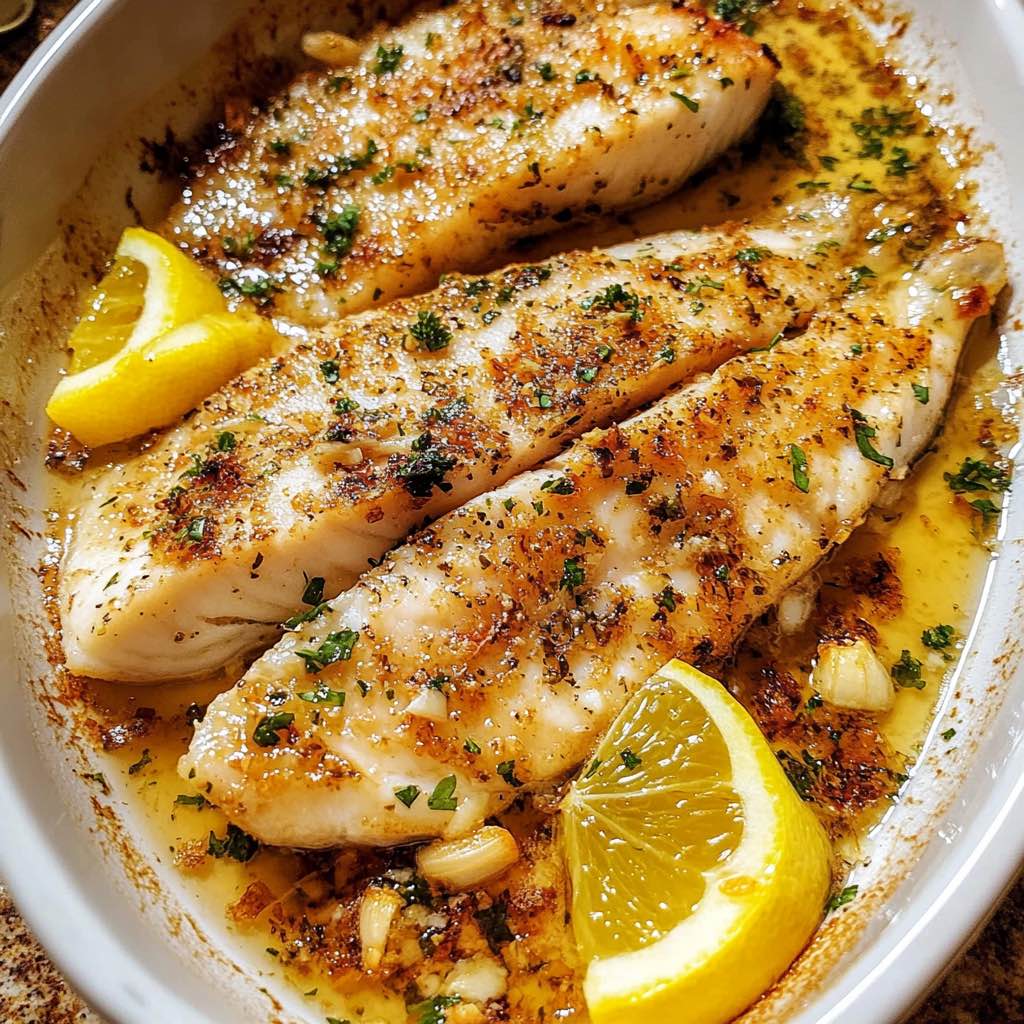
Garlic Butter Oven Baked Tilapia: The Ultimate Guide to Perfect Fish Every Time
Garlic butter oven baked tilapia combines simplicity with incredible flavor. This method creates tender, flaky fish with a golden exterior. Furthermore, it requires minimal preparation while delivering restaurant-quality results at home.
This popular cooking technique transforms mild tilapia into a savory masterpiece. The garlic and butter combination penetrates the fish perfectly. Moreover, oven baking ensures even cooking without the mess of pan-frying.
What Makes Garlic Butter Oven Baked Tilapia Special
Garlic butter oven baked tilapia stands out for its incredible versatility. This cooking method works perfectly for busy weeknights. Additionally, it impresses guests at dinner parties with minimal effort required.
The oven baking process creates consistent results every time. Unlike pan-frying, there’s no risk of burning or uneven cooking. Therefore, even novice cooks achieve professional-quality results.
The Science Behind Perfect Baking
Oven heat surrounds the fish completely during cooking. This creates even temperature distribution throughout the fillet. Consequently, the tilapia cooks uniformly from all sides.
The garlic butter mixture serves multiple purposes during baking. First, it adds rich flavor to the mild fish. Second, the butter prevents the fish from drying out. Finally, it creates an attractive golden-brown appearance.
Why Choose Tilapia for This Recipe
Tilapia offers several advantages for garlic butter oven baking. Its mild flavor pairs beautifully with garlic and herbs. Moreover, tilapia fillets are typically uniform in thickness.
This fish variety is also widely available year-round. Most grocery stores stock fresh and frozen options. Therefore, you can prepare this dish whenever the craving strikes.
Essential Ingredients and Equipment
Creating perfect garlic butter oven baked tilapia requires simple, quality ingredients. Most items are pantry staples you likely already own. However, using fresh ingredients makes a noticeable difference in flavor.
Primary Ingredients
The foundation of this recipe starts with fresh tilapia fillets. Choose fillets that are firm and have a mild ocean smell. Additionally, select pieces that are similar in thickness for even cooking.
For the Garlic Butter Mixture:
-
4 tablespoons unsalted butter, softened
-
4-6 garlic cloves, minced finely
-
2 tablespoons fresh lemon juice
-
1 tablespoon olive oil
-
1 teaspoon dried oregano
-
Salt and black pepper to taste
Essential Seasonings:
-
Sweet paprika for color and mild heat
-
Fresh parsley for brightness and presentation
-
Red pepper flakes for optional heat
-
Onion powder for additional depth
Kitchen Equipment Needed
Proper equipment ensures successful garlic butter oven baked tilapia preparation. A good baking dish distributes heat evenly throughout cooking. Furthermore, the right tools make preparation much easier.
Essential Equipment:
-
Glass or ceramic baking dish (9×13 inches)
-
Sharp filleting knife for any trimming needed
-
Small mixing bowl for butter mixture
-
Measuring spoons and cups
-
Aluminum foil for covering if needed
Ingredient Quality Tips
Fresh garlic produces superior flavor compared to pre-minced alternatives. Press or mince it just before cooking for maximum potency. Similarly, fresh herbs outperform dried versions when available.
Room temperature butter blends more easily with other ingredients. Take it out of refrigeration 30 minutes before cooking. This simple step ensures smooth, even distribution throughout the mixture.
Step-by-Step Cooking Instructions
Mastering garlic butter oven baked tilapia requires following proper technique. Each step builds upon the previous one for optimal results. Therefore, preparation and timing are equally important for success.
Preparation Phase
Start by preheating your oven to 400°F (200°C). This temperature cooks tilapia thoroughly without drying it out. Meanwhile, prepare your baking dish by lightly greasing it with butter.
Pat the tilapia fillets completely dry with paper towels. Moisture prevents proper browning and can make fish rubbery. Additionally, season both sides with salt and pepper immediately.
Creating the Perfect Garlic Butter
Combine softened butter with minced garlic in a small bowl. Add lemon juice, olive oil, and oregano to the mixture. Furthermore, whisk everything together until completely combined and smooth.
The consistency should be creamy but not runny. If the mixture seems too thick, add a tiny amount of olive oil. Conversely, if it’s too thin, refrigerate briefly to firm up.
Assembly and Baking Process
Place seasoned tilapia fillets in the prepared baking dish. Ensure fillets don’t overlap for even cooking. Next, spread the garlic butter mixture evenly over each fillet.
Baking Timeline:
-
Bake for 12-15 minutes for standard thickness fillets
-
Check for doneness at the 12-minute mark
-
Continue cooking in 2-minute increments if needed
-
Fish is done when it flakes easily with a fork
Visual Cues for Doneness
Properly cooked garlic butter oven baked tilapia has several identifying characteristics. The fish turns opaque white throughout when fully cooked. Additionally, the edges should be lightly golden from the butter.
The internal temperature should reach 145°F (63°C) when measured with a thermometer. However, most home cooks rely on the flake test. Gently press a fork into the thickest part to check.
Temperature and Timing Guidelines
Achieving perfect garlic butter oven baked tilapia depends on precise temperature control. Different fillet thicknesses require adjusted cooking times. Therefore, understanding these variables ensures consistent results every time.
Oven Temperature Considerations
The standard 400°F temperature works best for most tilapia fillets. This heat level cooks fish thoroughly while maintaining moisture. However, thicker fillets may benefit from slightly lower temperatures.
For fillets over 1 inch thick, reduce temperature to 375°F. This prevents the outside from overcooking before the center is done. Consequently, you’ll achieve more even results throughout the fish.
Thickness and Timing Chart
Thin Fillets (½ inch): 8-10 minutes
Standard Fillets (¾ inch): 12-15 minutes
Thick Fillets (1+ inch): 18-22 minutes
These times assume a preheated 400°F oven. Always check for doneness rather than relying solely on timing. Environmental factors can affect actual cooking times significantly.
Altitude Adjustments
High-altitude cooking requires temperature and timing modifications. At elevations above 3,000 feet, increase temperature by 15-25°F. Additionally, reduce cooking time by 5-8 minutes to prevent overcooking.
The lower air pressure at high altitudes affects moisture evaporation. Therefore, monitor your garlic butter oven baked tilapia more closely. Check for doneness earlier than the standard timeline suggests.
Flavor Variations and Seasonings
Garlic butter oven baked tilapia serves as an excellent base for creative variations. Different herb and spice combinations create entirely new flavor profiles. Moreover, seasonal ingredients can transform this simple dish dramatically.
Mediterranean-Inspired Variations
Transform your tilapia with Mediterranean flavors and ingredients. Add sun-dried tomatoes, capers, and fresh basil to the butter mixture. Furthermore, a splash of white wine enhances the overall complexity.
Mediterranean Garlic Butter Mix:
-
Standard garlic butter base
-
2 tablespoons chopped sun-dried tomatoes
-
1 tablespoon capers, rinsed
-
2 tablespoons fresh basil, chopped
-
1 teaspoon dried thyme
Asian-Fusion Adaptations
Create an Asian-inspired version with simple ingredient substitutions. Replace oregano with fresh ginger and add a touch of sesame oil. Additionally, finish with green onions and sesame seeds for authenticity.
The garlic butter base works perfectly with Asian flavors. Soy sauce adds umami depth without overpowering the fish. Therefore, start with small amounts and adjust to taste preferences.
Spicy Heat Variations
Add excitement to garlic butter oven baked tilapia with carefully chosen heat sources. Cayenne pepper provides clean heat without competing flavors. Alternatively, smoked paprika adds warmth with subtle smokiness.
Heat Level Guidelines:
-
Mild: ¼ teaspoon red pepper flakes
-
Medium: ½ teaspoon cayenne pepper
-
Hot: 1 teaspoon hot sauce mixed into butter
Herb Garden Combinations
Fresh herbs elevate garlic butter oven baked tilapia to restaurant-quality levels. Experiment with seasonal combinations for year-round variety. However, balance is key to avoiding overwhelming the delicate fish.
Popular herb combinations include parsley-dill, rosemary-thyme, and cilantro-lime mixtures. Each brings unique characteristics to the finished dish. Therefore, choose herbs that complement your preferred flavor profile.
Nutritional Benefits of Tilapia
Tilapia offers impressive nutritional benefits while remaining budget-friendly and accessible. This white fish provides high-quality protein with minimal calories. Furthermore, it contains essential vitamins and minerals for optimal health.
Protein Content and Quality
A standard 6-ounce serving of garlic butter oven baked tilapia contains approximately 40 grams of protein. This complete protein includes all essential amino acids. Additionally, fish protein is easily digestible compared to some meat sources.
The biological value of tilapia protein ranks highly among food sources. This means your body can efficiently use the amino acids provided. Therefore, it’s excellent for muscle building and maintenance.
Vitamin and Mineral Profile
Tilapia serves as an excellent source of several important nutrients. Vitamin B12 supports nervous system function and energy metabolism. Moreover, selenium acts as a powerful antioxidant in the body.
Key Nutrients per 6-ounce serving:
-
Vitamin B12: 150% of daily value
-
Selenium: 80% of daily value
-
Phosphorus: 35% of daily value
-
Niacin: 25% of daily value
Heart Health Benefits
Regular fish consumption supports cardiovascular health in multiple ways. The omega-3 fatty acids in tilapia, while modest, still provide benefits. Additionally, the high protein content helps maintain healthy blood pressure.
Garlic butter oven baked tilapia fits well into heart-healthy eating patterns. The preparation method avoids excess oil and unhealthy fats. Therefore, it’s suitable for most dietary restrictions and preferences.
Weight Management Support
This preparation method creates a satisfying meal with reasonable calories. The protein content promotes satiety and helps control appetite. Furthermore, the cooking technique doesn’t add excessive calories from oil.
A complete meal of garlic butter oven baked tilapia with vegetables typically contains 300-400 calories. This makes it perfect for weight management goals. Additionally, the high protein supports metabolic function during weight loss.
Side Dish Pairings
Choosing complementary side dishes enhances your garlic butter oven baked tilapia experience. The right combinations create balanced, satisfying meals for any occasion. Moreover, proper pairings can highlight the fish’s delicate flavors beautifully.
Vegetable Companions
Roasted vegetables pair exceptionally well with garlic butter oven baked tilapia. The caramelized edges and tender interiors complement the fish perfectly. Furthermore, you can cook them simultaneously in the same oven.
Excellent Vegetable Options:
-
Roasted asparagus with lemon zest
-
Honey-glazed carrots and parsnips
-
Mediterranean roasted bell peppers
-
Garlic roasted Brussels sprouts
-
Herb-roasted cauliflower and broccoli
Starch Selections
Choose starches that won’t compete with the garlic butter flavors. Simple preparations work best to showcase the fish. Additionally, consider cooking methods that complement the oven-baked approach.
Rice pilaf with herbs creates an elegant presentation alongside tilapia. The fluffy texture contrasts nicely with the tender fish. Similarly, roasted baby potatoes with rosemary provide satisfying substance.
Salad Combinations
Fresh salads provide bright contrast to rich garlic butter flavors. Citrus-based dressings work particularly well with baked fish. Therefore, consider seasonal greens with light, acidic components.
A simple arugula salad with lemon vinaigrette cleanses the palate effectively. Mixed greens with cherry tomatoes and cucumber add refreshing elements. Furthermore, these combinations require minimal preparation time.
Bread and Grain Options
Crusty bread helps capture every drop of garlic butter sauce. Artisanal sourdough or French baguette work particularly well. Additionally, herb focaccia complements the Mediterranean flavor profile.
Quinoa and wild rice blends provide nutritious alternatives to traditional starches. These grains absorb flavors well while adding textural interest. Moreover, they contribute additional protein and fiber to the meal.
Storage and Reheating Tips
Proper storage techniques maintain the quality of leftover garlic butter oven baked tilapia. Correct methods preserve both flavor and food safety standards. Furthermore, proper reheating prevents the fish from becoming dry or rubbery.
Refrigeration Guidelines
Cool cooked tilapia to room temperature before refrigerating. This prevents condensation from affecting texture and safety. Additionally, store in airtight containers within two hours of cooking.
Properly stored garlic butter oven baked tilapia remains fresh for 3-4 days. Keep refrigerator temperature at 40°F or below consistently. Moreover, store fish separately from strong-smelling foods to prevent flavor transfer.
Freezing Instructions
While fresh is always best, you can freeze cooked tilapia successfully. Wrap portions individually in plastic wrap, then place in freezer bags. Furthermore, remove as much air as possible to prevent freezer burn.
Frozen cooked tilapia maintains quality for up to 3 months. Label packages with contents and date for easy identification. However, texture may be slightly different after freezing and thawing.
Reheating Methods
The oven provides the best results for reheating garlic butter oven baked tilapia. Preheat to 300°F and warm for 8-10 minutes until heated through. Additionally, cover with foil to prevent drying out.
Reheating Options Ranked:
-
Oven (best texture retention)
-
Toaster oven (convenient for small portions)
-
Microwave (quickest but can make fish rubbery)
-
Stovetop (requires careful attention)
Quality Indicators
Check reheated fish for proper temperature and texture before serving. The internal temperature should reach 165°F for food safety. Additionally, the fish should flake easily and smell fresh.
Avoid reheating fish more than once for both safety and quality reasons. Multiple heating cycles break down proteins and create unpleasant textures. Therefore, only reheat the amount you’ll consume immediately.
Common Mistakes to Avoid
Even simple recipes like garlic butter oven baked tilapia can go wrong without proper technique. Understanding common pitfalls helps ensure consistent success every time. Furthermore, avoiding these mistakes saves time, money, and frustration.
Overcooking Issues
The most frequent mistake is overcooking the delicate tilapia fillets. Overcooked fish becomes dry, tough, and loses its appealing texture. Additionally, it can develop an unpleasant fishy flavor that wasn’t present initially.
Watch for visual cues rather than relying solely on timing. The fish should be opaque throughout but still moist. Moreover, it should flake easily without falling apart completely.
Underseasoning Problems
Tilapia’s mild flavor requires adequate seasoning to shine in preparations. Many home cooks use insufficient salt and pepper initially. Therefore, the finished dish tastes bland despite the garlic butter enhancement.
Season fillets generously before adding the butter mixture. The salt helps draw out moisture while enhancing natural flavors. Furthermore, taste the garlic butter mixture and adjust seasonings accordingly.
Temperature Control Errors
Using incorrect oven temperature affects both cooking time and final results. Too high heat causes the outside to brown before the interior cooks. Conversely, too low temperature results in pale, steamed-tasting fish.
Verify oven accuracy with an independent thermometer before cooking. Many ovens run hot or cold compared to their settings. Additionally, allow adequate preheating time for even temperature distribution.
Preparation Shortcuts
Rushing the preparation phase often leads to disappointing results. Skipping the drying step leaves excess moisture on fillets. Furthermore, using cold butter creates uneven distribution and poor mixing.
Take time to properly prepare ingredients before starting the cooking process. Pat fish completely dry and bring butter to room temperature. These simple steps significantly improve the final outcome.
Crowding the Baking Dish
Placing fillets too close together prevents proper air circulation during cooking. This leads to uneven browning and steaming instead of baking. Additionally, it makes turning or checking individual pieces more difficult.
Use an appropriately sized baking dish for the number of fillets. Leave space between pieces for optimal heat circulation. Moreover, consider using two smaller dishes rather than crowding one large pan.
Professional Chef Tips
Restaurant chefs employ specific techniques to create perfect garlic butter oven baked tilapia consistently. These professional secrets elevate home cooking to restaurant quality levels. Furthermore, many tips require no special equipment or expensive ingredients.
Butter Temperature Technique
Professional kitchens pay careful attention to butter temperature and consistency. Room temperature butter blends smoothly with seasonings and spreads evenly. Additionally, it melts at the perfect rate during baking.
Create compound butter in advance for even better results. Mix butter with garlic and herbs, then refrigerate until firm. This allows flavors to meld while creating convenient pre-portioned servings.
Fillet Selection Secrets
Choose fillets of uniform thickness for consistent cooking results. Professional chefs often butterfly thick pieces to ensure even cooking. Furthermore, they trim any dark portions that might taste muddy.
Look for fillets with firm texture and clear, bright appearance. Avoid pieces with brown spots or strong fishy odors. Additionally, frozen fillets should be completely thawed and patted dry.
Timing Coordination
Restaurant kitchens succeed through precise timing and coordination of multiple dishes. Start side dishes first, then begin fish preparation accordingly. Furthermore, keep serving plates warm in a low oven.
Professional Timing Sequence:
-
Preheat oven and prepare mise en place
-
Start longest-cooking side dishes
-
Prepare garlic butter mixture
-
Season and arrange fish in baking dish
-
Begin baking fish when sides are nearly done
Plating and Presentation
Professional presentation elevates any dish’s perceived quality and value. Warm plates in the oven before plating the finished tilapia. Additionally, garnish with fresh herbs and lemon wedges for color contrast.
Spoon any remaining garlic butter from the baking dish over plated fish. This adds richness while creating an attractive glossy finish. Moreover, it ensures no delicious flavors are wasted.
Quality Control Standards
Professional kitchens maintain strict quality standards for every dish served. Check each fillet’s doneness individually rather than assuming uniform cooking. Furthermore, taste-test seasonings at each step of preparation.
Internal temperature should reach exactly 145°F without exceeding it significantly. Use an instant-read thermometer for accuracy and consistency. Additionally, let fish rest briefly before plating to redistribute juices.
Frequently Asked Questions
Can I use frozen tilapia for garlic butter oven baked tilapia?
Yes, frozen tilapia works perfectly for this recipe with proper thawing. Thaw fillets completely in the refrigerator overnight before cooking. Additionally, pat them thoroughly dry to remove excess moisture that could affect browning.
Frozen tilapia often costs less than fresh while maintaining good quality. However, avoid refreezing previously frozen fish for food safety reasons. Furthermore, check for ice crystals that might indicate freezer burn or poor storage.
How do I know when garlic butter oven baked tilapia is done?
Properly cooked tilapia reaches an internal temperature of 145°F throughout. The fish should be opaque white and flake easily when tested with a fork. Additionally, the edges will appear lightly golden from the butter mixture.
Visual cues are often more reliable than timing alone for determining doneness. The fish should no longer appear translucent in the thickest parts. Moreover, it should feel firm but not tough when gently pressed.
What’s the best way to prevent garlic butter oven baked tilapia from drying out?
Avoid overcooking by monitoring timing and temperature carefully throughout the process. The butter mixture provides moisture protection during baking. Furthermore, don’t skip the initial seasoning step that helps retain natural juices.
Cover the baking dish with foil if fillets appear to be browning too quickly. This prevents surface drying while allowing interior cooking to continue. Additionally, let fish rest briefly after baking to redistribute moisture.
Can I prepare the garlic butter mixture in advance?
Absolutely! Make compound butter up to three days ahead for enhanced flavor development. Store covered in the refrigerator until ready to use. Furthermore, this advance preparation streamlines weeknight dinner preparation significantly.
Bring refrigerated compound butter to room temperature before using for easier spreading. The flavors will have melded together beautifully during storage. Additionally, you can make larger batches and freeze portions for future use.
What should I do if my tilapia fillets are different thicknesses?
Adjust cooking times for each fillet based on its individual thickness. Remove thinner pieces earlier to prevent overcooking while thicker portions finish. Additionally, consider butterflying very thick fillets to ensure even cooking.
Position thicker fillets toward the center of the baking dish where heat is most intense. Place thinner pieces around the edges where temperatures are slightly cooler. Therefore, all pieces should finish cooking around the same time.
Conclusion
Garlic butter oven baked tilapia represents the perfect combination of simplicity and sophistication for home cooks. This versatile recipe adapts easily to different flavor preferences and dietary needs. Moreover, the foolproof technique ensures consistent results regardless of cooking experience level.
The health benefits of tilapia, combined with the rich flavors of garlic and butter, create satisfying meals for any occasion. From weeknight dinners to special celebrations, this preparation method delivers restaurant-quality results. Furthermore, the minimal cleanup required makes it practical for busy lifestyles.
Mastering this fundamental technique opens doors to countless variations and creative adaptations. Use these guidelines as your foundation while experimenting with seasonal ingredients and personal preferences. Additionally, the skills learned here transfer perfectly to other fish varieties and cooking methods.
Garlic Butter Oven Baked Tilapia
Description
Ingredients
For the tilapia:
-
4 tilapia fillets (5-7 oz each)
-
Salt and freshly ground black pepper to taste
-
½ tsp paprika
-
½ tsp dried thyme
-
½ tsp dried oregano
-
½ tsp onion powder
For the garlic butter sauce:
-
4 tbsp butter, melted
-
4-6 cloves garlic, minced
-
2 tbsp fresh lemon juice
-
¼ tsp lemon zest
-
¼ tsp red pepper flakes (optional)
-
2 tbsp fresh parsley, chopped
For garnish:
-
Lemon slices
-
Fresh parsley
-
Red pepper flakes (optional)
Instructions
Prepare the dish:
-
Preheat oven to 400°F and lightly grease a 9×13 inch baking dish.
-
Pat tilapia fillets dry with paper towels and arrange in a single layer in the prepared baking dish.
-
Season tilapia generously with salt, pepper, paprika, thyme, oregano, and onion powder on both sides.
Make the garlic butter sauce:
4. Combine melted butter, minced garlic, lemon juice, and lemon zest in a small bowl, whisking until well combined.
5. Add parsley and red pepper flakes to the butter mixture if using.
Bake the tilapia:
6. Pour the garlic butter mixture evenly over the seasoned tilapia fillets.
7. Arrange lemon slices on top of the fish for extra flavor and presentation.
8. Bake for 10-12 minutes until fish is opaque, flakes easily with a fork, and reaches an internal temperature of 145°F.
Serve:
9. Remove from oven and immediately spoon any pan juices over the fish.
10. Garnish with fresh parsley and additional lemon slices before serving.