
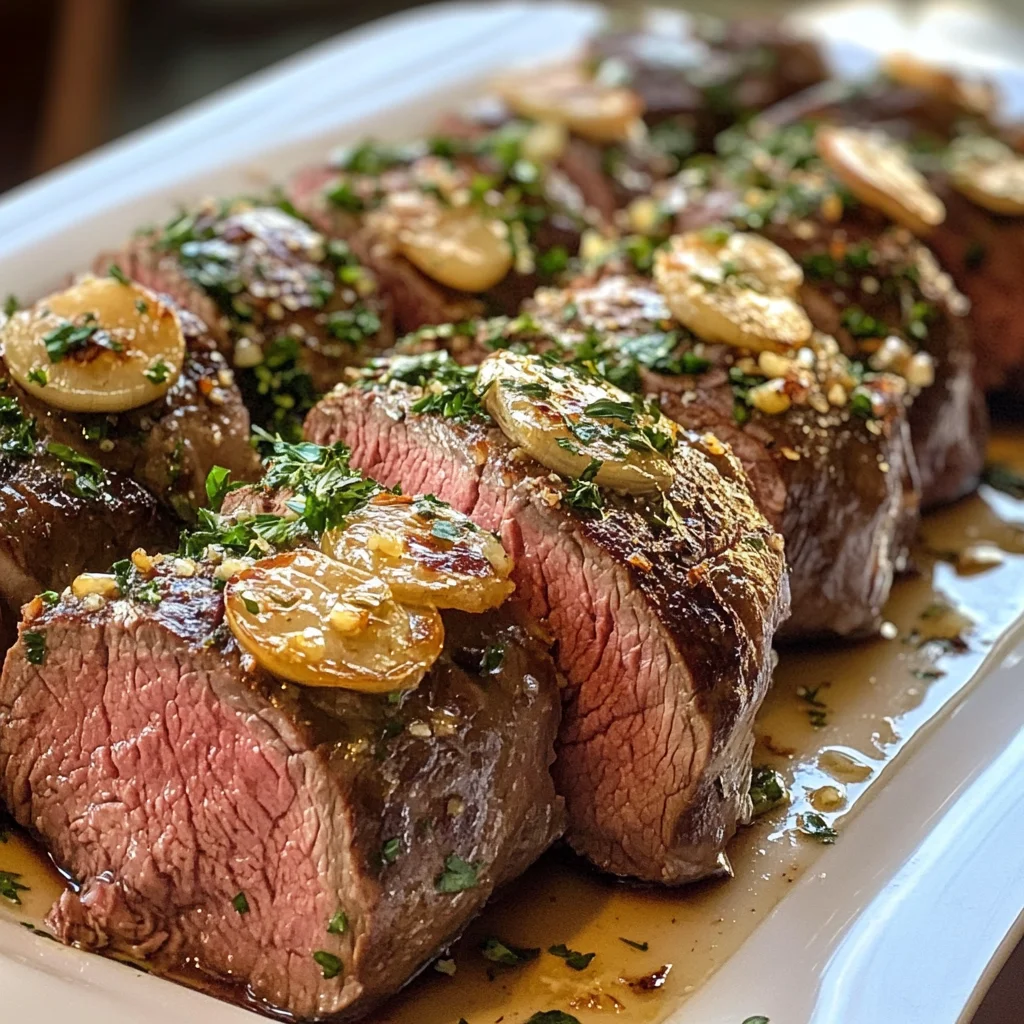
Garlic Butter Roasted Beef Tenderloin: A Complete Guide to the Perfect Holiday Centerpiece
Introduction
Nothing says special occasion quite like a perfectly cooked garlic butter roasted beef tenderloin. Moreover, this premium cut of meat delivers melt-in-your-mouth tenderness that transforms any dinner into an extraordinary celebration. Whether you’re planning a holiday feast or an elegant dinner party, garlic butter roasted beef tenderloin combines luxurious flavor with surprisingly simple preparation techniques. Furthermore, learning to master this impressive dish will elevate your cooking repertoire and delight your guests with minimal effort.
What Is Beef Tenderloin?
Beef tenderloin represents one of the most prized cuts from the entire cow. Additionally, it comes from the loin section and runs along the spine, making it exceptionally tender because this muscle does minimal work. The tenderloin typically weighs between four and six pounds when whole, though you can purchase smaller portions called filets or medallions. Consequently, its fine-grained texture and mild flavor make it an ideal canvas for bold seasonings like garlic and butter.
Understanding the Cut
The tenderloin consists of three main sections: the butt, center cut, and tail. Notably, the center portion provides the most uniform thickness for even cooking. Many butchers sell trimmed tenderloins with silver skin and excess fat already removed, saving you valuable preparation time.
Why Choose Garlic Butter for Your Roast?
Garlic butter enhances beef tenderloin by adding rich, savory notes that complement the meat’s natural flavor. In fact, the combination creates a golden, caramelized crust while keeping the interior incredibly juicy. Additionally, fresh garlic brings aromatic depth, while butter provides moisture and helps achieve that coveted restaurant-quality finish. Therefore, this classic pairing has remained a favorite among both professional chefs and home cooks for generations.
Fresh Herbs Elevate the Flavor
Incorporating fresh herbs like rosemary, thyme, and chives into your garlic butter creates layers of complexity. Fresh herbs deliver far more vibrant flavor than their dried counterparts, infusing the butter with botanical notes that penetrate the meat. Moreover, this herbed garlic butter can be prepared ahead of time, making your cooking process even more efficient.
Selecting the Perfect Beef Tenderloin
Choosing quality beef makes all the difference in your final result. Therefore, look for tenderloin with bright red color and minimal visible fat marbling. The meat should feel firm to the touch and have a fresh, clean smell. Additionally, consider purchasing from a reputable butcher who can trim and tie the roast for you, ensuring even cooking throughout.
Size Matters
Plan for approximately six to eight ounces of raw tenderloin per person. A four-pound roast typically serves eight to ten guests comfortably. Furthermore, buying a whole tenderloin offers better value than pre-cut filets, though it requires some trimming work.
Essential Ingredients and Tools
Gathering your ingredients and equipment beforehand streamlines the cooking process significantly. First, you’ll need a high-quality beef tenderloin as your foundation. Next, collect unsalted butter, fresh garlic cloves, and your choice of fresh herbs such as rosemary, thyme, or chives. Additionally, kosher salt, freshly ground black pepper, and olive oil round out your ingredient list.
Must-Have Equipment
A reliable meat thermometer ensures perfect doneness every time. Additionally, you’ll need a large cast iron skillet or heavy-bottomed oven-safe pan for searing. Furthermore, a roasting rack helps air circulate around the meat, promoting even cooking. Finally, aluminum foil for resting and a sharp carving knife complete your toolkit.
Preparing Your Beef Tenderloin
Proper preparation sets the stage for cooking success. First, remove your beef tenderloin from the refrigerator approximately one hour before cooking, allowing it to reach room temperature. This step ensures more even cooking throughout the roast. Meanwhile, pat the meat thoroughly dry with paper towels to remove excess moisture, which helps achieve better browning.
Trimming and Tying
If your butcher hasn’t already done so, trim away the silver skin and any excess fat using a sharp knife. Next, tuck the thin tail end underneath and secure it with kitchen twine to create uniform thickness. This technique prevents the thinner sections from overcooking while the thicker portions reach desired doneness.
Seasoning the Meat
Generously season all sides of the tenderloin with kosher salt and freshly ground black pepper. Salt enhances the meat’s natural flavor while helping to form a flavorful crust. Additionally, letting the seasoned meat rest for 15 to 20 minutes allows the salt to penetrate deeper into the muscle fibers.
Making the Perfect Garlic Butter
Creating exceptional garlic butter requires just a few simple steps. First, allow your unsalted butter to soften at room temperature until it’s easily spreadable but not melted. Next, mince fresh garlic cloves finely to ensure even distribution throughout the butter. Then, finely chop your selected fresh herbs, such as rosemary, thyme, and chives.
Combining the Ingredients
In a medium bowl, combine the softened butter with minced garlic and chopped herbs thoroughly. Additionally, add a pinch of salt and pepper to enhance the flavors. You can mix by hand or use a food processor for a smoother, more uniform texture. Furthermore, you can prepare this garlic butter up to three days in advance and refrigerate it until needed.
Flavor Variations
Consider adding lemon zest for brightness or incorporating parsley and dill for different flavor profiles. Moreover, experimenting with herb combinations lets you customize the butter to your taste preferences.
Step-by-Step Cooking Instructions
Cooking garlic butter roasted beef tenderloin involves two main techniques: searing and roasting. First, preheat your oven to 425°F to ensure it reaches the proper temperature before the meat goes in. Meanwhile, heat olive oil in a large cast iron skillet over medium-high heat until it shimmers.
Searing the Tenderloin
Place the seasoned beef tenderloin in the hot skillet and sear each side until deeply browned, approximately one to two minutes per side. This crucial step develops complex flavors and creates a beautiful caramelized exterior. Additionally, use tongs to rotate the meat and sear the ends as well.
Applying the Garlic Butter
After searing, remove the skillet from heat temporarily and generously spread the garlic butter mixture over the top and sides of the tenderloin. The residual heat will begin melting the butter, allowing the garlic and herbs to infuse into the meat.
Roasting to Perfection
Insert a probe thermometer into the thickest part of the tenderloin if using one. Then, transfer the skillet to the preheated oven and roast until the internal temperature reaches your desired doneness. Additionally, baste the meat with the melted butter every 10 to 15 minutes for extra moisture and flavor.
Temperature Guidelines and Doneness
Achieving perfect doneness requires careful temperature monitoring. Therefore, invest in an accurate instant-read or probe thermometer for best results. Furthermore, remember that the internal temperature will continue rising about 5°F during the resting period, so remove the roast slightly before it reaches your target temperature.
Temperature Chart
For rare beef tenderloin, remove it from the oven at 120°F to 125°F internal temperature. Medium-rare requires 130°F to 135°F, which most chefs recommend as the ideal doneness for tenderloin. Additionally, medium doneness occurs at 135°F to 140°F, while medium-well reaches 150°F. However, cooking beyond medium-well risks drying out this naturally lean cut.
Cooking Time Estimates
A four-pound beef tenderloin typically requires 40 to 60 minutes of roasting time at 425°F for medium-rare. Moreover, smaller roasts cook faster, so begin checking the temperature after 30 minutes. Conversely, larger cuts may need up to 75 minutes.
Resting and Carving Techniques
Proper resting proves absolutely essential for juicy results. Immediately after removing the tenderloin from the oven, transfer it to a cutting board. Next, tent the roast loosely with aluminum foil to retain heat while allowing steam to escape. Then, let it rest for at least 10 to 15 minutes before slicing.
Why Resting Matters
During cooking, heat drives the meat’s juices toward the center. Therefore, resting allows these juices to redistribute throughout the roast, ensuring every slice stays moist. Additionally, this pause makes carving easier because the meat firms up slightly as it cools.
Carving for Presentation
Remove the kitchen twine carefully before carving. Then, use a sharp knife to cut thick slices, approximately one-half to three-quarters of an inch wide. Furthermore, slice against the grain for maximum tenderness. Finally, arrange the slices on a warmed platter and drizzle with any remaining pan juices for extra flavor.
Nutritional Benefits of Beef Tenderloin
Beef tenderloin offers impressive nutritional value beyond its exceptional taste. Notably, it provides high-quality complete protein containing all essential amino acids your body needs. A typical serving delivers approximately 25 to 26 grams of protein, supporting muscle growth and repair. Additionally, beef tenderloin serves as an excellent source of iron, which carries oxygen throughout your bloodstream.
Essential Vitamins and Minerals
This premium cut contains significant amounts of B vitamins, particularly B12, B6, niacin, and riboflavin. These vitamins support energy metabolism and help your body convert food into usable fuel. Moreover, beef tenderloin provides zinc for immune function and selenium for antioxidant protection. Furthermore, it offers potassium, phosphorus, and magnesium for various bodily functions.
Calorie and Fat Content
A three-ounce serving of lean beef tenderloin contains approximately 158 to 214 calories, depending on preparation method and fat content. The macronutrient breakdown typically shows 42% to 50% of calories from fat and 48% to 58% from protein. Additionally, choosing lean cuts trimmed to one-eighth inch fat reduces overall fat and saturated fat content.
Best Side Dishes to Serve
Pairing garlic butter roasted beef tenderloin with complementary sides creates a balanced, memorable meal. Therefore, consider both traditional and creative options that enhance rather than compete with the star dish. Additionally, aim for variety in colors, textures, and flavors across your menu.
Classic Potato Dishes
Creamy au gratin potatoes offer rich, comforting contrast to the tender beef. Furthermore, twice-baked potatoes stuffed with cheese and herbs provide individual portions that look elegant on the plate. Moreover, classic mashed potatoes whipped with butter create a smooth, luxurious foundation for the meat and pan juices.
Roasted Vegetables
Roasted Brussels sprouts develop sweet, caramelized exteriors that complement the savory beef beautifully. Additionally, a medley of green beans and broccoli brings color and nutrition to your plate. Furthermore, roasted root vegetables like carrots and parsnips add earthy sweetness.
Fresh Salads
A classic wedge salad with blue cheese dressing cuts through the richness of beef tenderloin perfectly. Moreover, charred broccolini salad topped with tomatoes and creamy burrata offers modern sophistication. Additionally, simple mixed greens with vinaigrette provide refreshing balance.
Other Worthy Accompaniments
Consider Yorkshire pudding for a traditional British touch that soaks up delicious pan drippings. Furthermore, butternut squash risotto brings creamy, slightly sweet notes to the meal. Additionally, sautéed asparagus or green beans with garlic remain perennial favorites.
Common Mistakes to Avoid
Even experienced cooks sometimes stumble when preparing beef tenderloin. First, starting with cold meat straight from the refrigerator leads to uneven cooking. Therefore, always allow adequate time for the roast to reach room temperature before cooking. Additionally, skipping the searing step means missing out on crucial flavor development and textural contrast.
Overcooking the Meat
Perhaps the most common error involves cooking beef tenderloin beyond medium doneness. Because this cut contains minimal fat, overcooking results in dry, tough meat that wastes its premium quality. Thus, invest in a reliable thermometer and monitor the internal temperature carefully.
Neglecting the Rest Period
Cutting into the roast immediately after removing it from the oven causes precious juices to run onto the cutting board instead of staying in the meat. Therefore, exercise patience and allow proper resting time even when hungry guests are waiting.
Using Low-Quality Butter
Since butter plays such a prominent role in this dish, quality matters significantly. Therefore, choose high-quality unsalted butter that allows you to control the salt level precisely. Additionally, fresh garlic and herbs make noticeable differences compared to dried or pre-minced alternatives.
Storage and Leftover Ideas
Properly stored beef tenderloin remains delicious for several days after cooking. First, let any leftover meat cool to room temperature, then wrap it tightly in plastic wrap or aluminum foil. Next, refrigerate the wrapped tenderloin within two hours of cooking to prevent bacterial growth. Additionally, properly stored cooked beef keeps for three to four days in the refrigerator.
Reheating Without Drying
Gentle reheating preserves moisture and prevents further cooking. Therefore, slice the cold tenderloin thinly and warm it briefly in a covered skillet with a splash of beef broth. Alternatively, bring slices to room temperature and serve them cold or at cool temperature.
Creative Leftover Recipes
Transform leftover garlic butter roasted beef tenderloin into elegant beef salads with mixed greens and vinaigrette. Furthermore, slice it thinly for gourmet sandwiches with horseradish cream and arugula. Additionally, dice the meat and add it to pasta dishes or grain bowls for quick, protein-rich meals.
Frequently Asked Questions
How much beef tenderloin should I buy per person?
Plan for six to eight ounces of raw beef tenderloin per guest, which typically yields four to six ounces after cooking. Therefore, a four-pound roast serves approximately eight to ten people comfortably.
Can I prepare garlic butter roasted beef tenderloin ahead of time?
You can prepare the garlic butter mixture up to three days in advance and refrigerate it until needed. However, the actual cooking should happen shortly before serving for optimal texture and temperature.
What’s the best oven temperature for roasting beef tenderloin?
Most recipes recommend roasting at 425°F for a combination of proper browning and efficient cooking. Alternatively, some chefs prefer lower temperatures around 275°F to 300°F for more gentle, even cooking that takes longer.
Should I sear beef tenderloin before or after roasting?
Searing before roasting creates a flavorful crust and develops complex flavors through the Maillard reaction. Additionally, this method allows you to apply the garlic butter before roasting, so it infuses throughout the cooking process.
How do I know when garlic butter roasted beef tenderloin is done?
Use an instant-read thermometer inserted into the thickest part of the roast. For medium-rare, remove the tenderloin at 130°F internal temperature, allowing it to rise to 135°F during resting.
Can I cook frozen beef tenderloin?
Never cook beef tenderloin from frozen, as this leads to extremely uneven cooking with a raw center and overcooked exterior. Therefore, thaw frozen tenderloin completely in the refrigerator for 24 to 48 hours before cooking.
What makes beef tenderloin so expensive?
Beef tenderloin comes from a small muscle that represents only about 2% to 3% of the entire cow. Additionally, its exceptional tenderness and minimal connective tissue make it highly prized, driving up demand and price.
Conclusion
Mastering garlic butter roasted beef tenderloin transforms you into a confident host capable of serving restaurant-quality meals at home. Additionally, this impressive yet approachable dish combines premium ingredients with straightforward techniques that deliver consistent success. Furthermore, the combination of perfectly seared meat, aromatic garlic butter, and fresh herbs creates unforgettable flavors that satisfy even the most discerning palates.
Remember that selecting quality beef, monitoring temperature carefully, and allowing proper resting time form the foundation of excellent results. Moreover, pairing your garlic butter roasted beef tenderloin with complementary side dishes creates a complete dining experience your guests will remember long after the meal ends. Therefore, gather your ingredients, follow these comprehensive guidelines, and prepare to enjoy one of the finest cuts of beef prepared to absolute perfection.
Print
Garlic Butter Roasted Beef Tenderloin
Description
Garlic Butter Roasted Beef Tenderloin
Servings: 6–8
Prep Time: 10 minutes
Cook Time: 30–40 minutes
Rest Time: 15 minutes
Total Time: 55–65 minutes
Calories: ~520 per serving (varies by serving size)
Ingredients
-
1 whole beef tenderloin (3–4 lbs), trimmed
-
2 tbsp olive oil
-
6 tbsp softened butter
-
6 cloves garlic, minced
-
2 tsp kosher salt
-
1 tsp black pepper
-
1 tsp smoked paprika
-
1 tsp dried thyme
-
1 tsp dried rosemary
-
½ tsp onion powder
-
½ tsp crushed red pepper (optional)
-
Fresh rosemary sprigs (for roasting)
-
Fresh thyme sprigs (for roasting)
Instructions
1. Prepare the Beef
-
Preheat oven to 475°F (245°C).
-
Pat beef tenderloin dry.
-
Tie with kitchen twine every 1–2 inches to ensure even cooking (optional but recommended).
-
Rub with olive oil, salt, pepper, smoked paprika, onion powder, thyme, and rosemary.
2. Make the Garlic Butter
In a small bowl, combine:
-
softened butter
-
minced garlic
-
a pinch of salt & pepper
Set aside.
3. Sear the Tenderloin
-
Heat a large oven-safe skillet over high heat.
-
Add a little oil and sear the beef on all sides until deep golden brown (about 2–3 minutes per side).
4. Roast
-
Remove from heat.
-
Spread the garlic butter all over the tenderloin.
-
Add fresh rosemary and thyme sprigs to the skillet.
-
Transfer to the oven and roast:
-
125°F (52°C) — Rare (~25–30 min)
-
135°F (57°C) — Medium rare (~30–35 min)
-
145°F (63°C) — Medium (~35–40 min)
Use a meat thermometer for perfect results.
5. Rest & Slice
-
Remove from the oven and let rest 15 minutes before slicing.
-
Spoon any melted garlic butter from the pan over the slices.