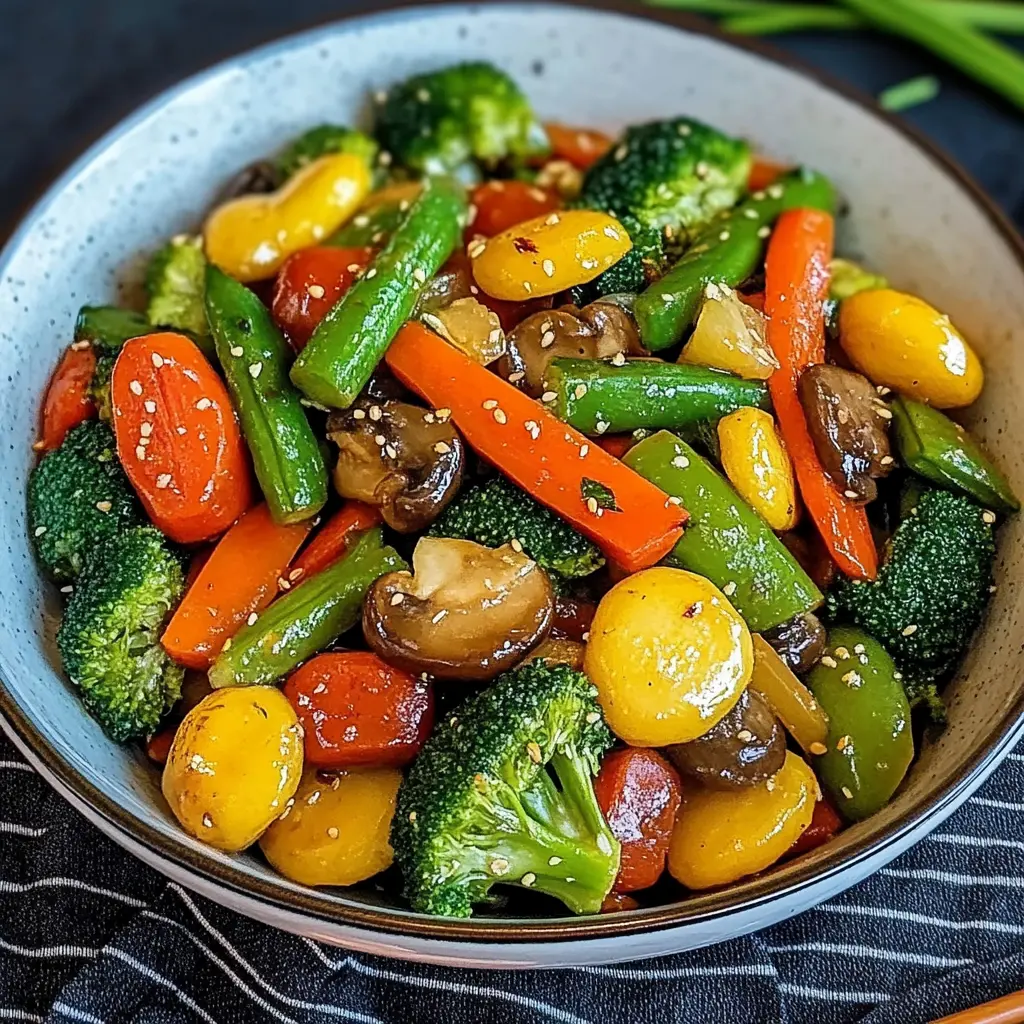
Garlic Butter Stir-Fried Vegetables: A Quick and Flavorful Side Dish
Few dishes deliver restaurant-quality flavor with such minimal effort as garlic butter stir-fried vegetables. This vibrant side dish transforms everyday vegetables into a savory masterpiece that pairs perfectly with any protein. Whether you’re meal prepping for the week or need a quick weeknight accompaniment, this recipe delivers exceptional taste without complicated techniques or hard-to-find ingredients.
Why Garlic Butter Stir-Fried Vegetables Are a Kitchen Essential
Stir-fried vegetables with garlic butter represent the perfect intersection of nutrition, convenience, and taste. This cooking method preserves vitamins and minerals while creating irresistible caramelized edges. The combination of aromatic garlic and rich butter elevates humble vegetables into something truly special.
Many home cooks struggle with making vegetables appealing. However, stir-frying solves this problem elegantly. The high heat creates texture contrast—crisp on the outside while tender inside. Moreover, this technique works year-round with seasonal produce.
This dish takes less than 20 minutes from start to finish. Consequently, it fits seamlessly into busy schedules. Additionally, garlic butter stir-fried vegetables complement countless main dishes, making them incredibly versatile.
Health Meets Flavor
Vegetables provide essential nutrients our bodies need daily. Nevertheless, many people find plain steamed vegetables uninspiring. Stir-frying with garlic butter transforms them into something crave-worthy. Furthermore, the cooking method requires minimal fat compared to deep-frying.
The garlic adds more than just flavor. It contains compounds that support immune function and cardiovascular health. Similarly, butter provides fat-soluble vitamins that help nutrient absorption. Therefore, this preparation method actually enhances the nutritional value of your vegetables.
Understanding the Key Ingredients
Garlic: The Star Aromatic
Fresh garlic forms the flavor foundation of this dish. Each clove contains sulfur compounds that become sweet and nutty when cooked. Choose firm, plump bulbs without soft spots or green shoots. Minced garlic works best for even distribution throughout the vegetables.
Garlic’s pungency mellows significantly during stir-frying. The high heat caramelizes its natural sugars, creating depth and complexity. However, timing matters—add garlic at the right moment to prevent burning.
Butter: Rich and Essential
Butter provides the luxurious coating that makes vegetables irresistible. Unsalted butter gives you better control over seasoning. The milk solids in butter contribute to browning and add subtle sweetness.
For best results, use high-quality butter. European-style butter contains higher fat content, creating silkier results. Additionally, room-temperature butter incorporates more easily into the dish.
Some cooks prefer clarified butter (ghee) for stir-frying. Clarified butter has a higher smoke point, reducing the risk of burning. Nevertheless, regular butter works perfectly when you manage the heat properly.
Supporting Ingredients
Salt and black pepper form the backbone of seasoning. Sea salt or kosher salt provides better flavor than table salt. Freshly ground black pepper adds subtle heat and complexity.
Optional additions enhance the basic recipe. A squeeze of fresh lemon juice brightens flavors. Red pepper flakes introduce gentle heat. Fresh herbs like parsley or basil add freshness and color.
Best Vegetables for Stir-Frying
High-Performance Vegetables
Certain vegetables excel in stir-fry preparations. Broccoli florets develop crispy edges while maintaining tender stems. Bell peppers add sweetness and vibrant color. Snap peas provide satisfying crunch and natural sweetness.
Carrots contribute earthy sweetness and beautiful orange hues. Slice them thinly on the diagonal for faster cooking. Mushrooms release umami compounds that deepen overall flavor. Baby corn adds textural interest and mild sweetness.
Zucchini and yellow squash cook quickly without becoming mushy. Cut them into uniform half-moons for even cooking. Green beans stay crisp-tender and pair wonderfully with garlic butter.
Vegetable Preparation Techniques
Uniform cutting ensures even cooking throughout your garlic butter stir-fried vegetables. Aim for similar-sized pieces so everything finishes simultaneously. Generally, bite-sized pieces work best for easy eating.
Consider cooking times when selecting vegetables. Harder vegetables like carrots need longer cooking than softer ones like zucchini. Therefore, add firmer vegetables first, followed by quicker-cooking options.
Some vegetables benefit from blanching before stir-frying. Broccoli and cauliflower become more tender without overcooking. However, this extra step isn’t mandatory for successful results.
Seasonal Considerations
Spring brings tender asparagus and sweet peas. Summer offers abundant zucchini and colorful bell peppers. Fall provides hearty options like Brussels sprouts and butternut squash. Winter features robust vegetables like kale and cauliflower.
Essential Equipment and Tools
The Right Pan Makes a Difference
A large skillet or wok works best for stir-frying vegetables. Choose heavy-bottomed pans that distribute heat evenly. Cast iron and carbon steel retain high temperatures effectively. Stainless steel also performs well with proper preheating.
Size matters when stir-frying. Overcrowding causes steaming instead of searing. Use a 12-inch skillet for 4-6 servings. Larger batches require a 14-inch pan or cooking in shifts.
Additional Tools
Sharp knives make vegetable preparation faster and safer. A chef’s knife handles most cutting tasks efficiently. Additionally, a paring knife helps with detailed work like mincing garlic.
Wooden spoons or silicone spatulas prevent scratching your cookware. Metal utensils work fine with cast iron or carbon steel. A splatter screen protects against hot butter spray.
Measuring spoons ensure consistent seasoning across batches. A kitchen timer prevents overcooking. Furthermore, prep bowls keep ingredients organized for quick assembly.
Step-by-Step Preparation Guide
Mise en Place
Professional chefs swear by mise en place—having everything ready before cooking begins. This practice proves especially important for quick-cooking methods like stir-frying. Once you start cooking, things move rapidly.
Wash and dry all vegetables thoroughly. Excess water creates steam instead of caramelization. Pat everything dry with clean kitchen towels. Subsequently, cut vegetables into uniform pieces.
Mince garlic finely for even distribution. Measure out butter and seasonings. Arrange everything within arm’s reach of your stove. This organization prevents scrambling during cooking.
Heat Management
Proper heat control separates mediocre from magnificent garlic butter stir-fried vegetables. Preheat your pan over medium-high heat for 2-3 minutes. Test readiness by flicking water droplets—they should sizzle and evaporate immediately.
Add a small amount of oil first to prevent butter from burning. Olive oil or vegetable oil works well. Heat the oil until it shimmers but doesn’t smoke. Then add your butter.
Monitor heat throughout cooking. Reduce temperature if butter starts browning too quickly. Conversely, increase heat if vegetables release too much liquid. Adjust as needed for optimal results.
Master Recipe: Garlic Butter Stir-Fried Vegetables
Ingredients
For the Vegetables:
-
2 cups broccoli florets
-
1 red bell pepper, cut into strips
-
1 yellow bell pepper, cut into strips
-
2 medium carrots, thinly sliced diagonally
-
1 cup snap peas, trimmed
-
8 oz mushrooms, sliced
-
1 medium zucchini, half-moon slices
For the Garlic Butter Sauce:
-
4 tablespoons unsalted butter
-
6 cloves garlic, minced
-
1 tablespoon olive oil
-
1 teaspoon salt (adjust to taste)
-
½ teaspoon black pepper
-
¼ teaspoon red pepper flakes (optional)
-
2 tablespoons fresh lemon juice
-
2 tablespoons fresh parsley, chopped
Instructions
Step 1: Prepare Your Ingredients
Wash all vegetables under cold running water. Pat them completely dry with kitchen towels. Cut vegetables into uniform, bite-sized pieces. Mince garlic finely and set aside separately.
Step 2: Heat the Pan
Place your large skillet over medium-high heat. Allow it to preheat for 2-3 minutes. Add olive oil and swirl to coat the bottom evenly.
Step 3: Start with Firm Vegetables
Add carrots first, as they require the longest cooking time. Stir-fry for 2 minutes without moving constantly. This allows caramelization to develop. Then add broccoli florets and continue cooking for another 2 minutes.
Step 4: Add Medium-Cooking Vegetables
Introduce bell peppers and mushrooms to the pan. Stir everything together well. Cook for 3-4 minutes, stirring occasionally. The vegetables should start developing brown edges.
Step 5: Include Quick-Cooking Vegetables
Add snap peas and zucchini to the mixture. Stir-fry for 2 minutes. These vegetables need minimal cooking to maintain their crisp texture.
Step 6: Create the Garlic Butter Sauce
Push vegetables to the sides of the pan, creating a well in the center. Add butter to this space. Once melted, add minced garlic. Stir the garlic in the butter for 30-45 seconds until fragrant. Be careful not to burn the garlic.
Step 7: Combine and Season
Toss vegetables with the garlic butter mixture. Ensure even coating. Add salt, black pepper, and red pepper flakes if using. Stir everything together thoroughly.
Step 8: Finish and Serve
Remove from heat immediately. Drizzle with fresh lemon juice. Toss to combine. Sprinkle with fresh parsley. Serve hot.
Yield and Timing
This recipe serves 4-6 people as a side dish. Total time from start to finish: 20 minutes. Preparation takes approximately 10 minutes. Cooking requires about 10 minutes.
Pro Tips for Perfect Results
Temperature Control Mastery
Maintain consistent high heat throughout cooking. Therefore, avoid overcrowding the pan, which lowers temperature. Cook in batches if necessary. Each vegetable piece needs direct contact with the hot surface.
Watch for the right visual cues. Vegetables should sizzle constantly. If they start releasing too much water, increase heat slightly. Conversely, reduce heat if butter begins smoking.
Timing Is Everything
Add vegetables in stages based on cooking time requirements. Hard vegetables like carrots go in first. Tender options like zucchini join last. This ensures everything finishes simultaneously at perfect doneness.
Don’t stir constantly. Let vegetables sit for 30-60 seconds between stirs. This contact time creates desirable caramelization. Excessive stirring prevents proper browning.
Garlic Guidelines
Add garlic near the end of cooking. It burns easily, turning bitter. Push vegetables aside temporarily when adding garlic. This prevents it from overcooking while coating everything evenly.
Fresh garlic delivers superior flavor compared to pre-minced versions. Mince it finely for even distribution throughout your garlic butter stir-fried vegetables. Larger pieces may burn while smaller ones remain raw.
Butter Techniques
Use unsalted butter for better seasoning control. Cut butter into tablespoon-sized pieces for easier melting. Add butter gradually rather than all at once.
Consider finishing with an extra pat of butter. This creates a glossy, restaurant-quality appearance. Swirl it through just before serving for maximum visual appeal.
Flavor Variations and Customizations
Asian-Inspired Version
Transform your garlic butter stir-fried vegetables with Asian flavors. Add 2 tablespoons soy sauce or tamari. Include 1 teaspoon sesame oil for nutty depth. Top with toasted sesame seeds. Add sliced green onions for freshness.
Ginger pairs beautifully with garlic in Asian preparations. Grate 1 tablespoon fresh ginger into the butter. The combination creates incredible aromatic complexity.
Italian-Style Variation
Incorporate Italian herbs for Mediterranean flair. Add 1 teaspoon dried oregano and ½ teaspoon dried basil. Include cherry tomatoes in the last 2 minutes of cooking. Finish with freshly grated Parmesan cheese and a drizzle of balsamic vinegar.
Spicy Southwest Version
Create southwestern flair with bold seasonings. Add 1 teaspoon cumin and ½ teaspoon smoked paprika. Include corn kernels and black beans. Finish with fresh cilantro and lime juice instead of lemon.
Herbed Butter Variation
Elevate your dish with compound butter. Mix softened butter with fresh herbs beforehand. Try combinations like thyme and rosemary or basil and oregano. The herbs infuse throughout cooking, creating layers of flavor.
Protein Additions
Transform this side dish into a complete meal. Add cooked chicken, shrimp, or tofu during the final minutes. These proteins absorb the garlic butter beautifully. This creates a satisfying one-pan dinner.
Nutritional Benefits
Vitamin and Mineral Content
Garlic butter stir-fried vegetables deliver impressive nutritional value. Broccoli provides vitamin C, vitamin K, and folate. Bell peppers contain antioxidants and vitamin A. Carrots offer beta-carotene for eye health.
The variety of colors ensures diverse phytonutrients. Red and yellow pigments indicate different beneficial compounds. Therefore, using multiple vegetable types maximizes nutritional benefits.
Fiber for Digestive Health
Vegetables provide dietary fiber essential for digestive function. Fiber promotes regular bowel movements and feeds beneficial gut bacteria. Most adults need 25-30 grams daily. One serving of this dish contributes significantly toward that goal.
Additionally, fiber helps maintain stable blood sugar levels. It slows carbohydrate absorption, preventing spikes and crashes. This makes garlic butter stir-fried vegetables diabetes-friendly.
Healthy Fats
Butter contains fat-soluble vitamins A, D, E, and K. These nutrients require fat for proper absorption. Therefore, adding butter actually helps your body utilize vegetable nutrients better.
The fat content also increases satiety. You’ll feel fuller longer after eating. This can help with portion control and weight management.
Garlic’s Health Properties
Garlic contains allicin, a compound with antimicrobial properties. Research suggests it may support immune function. Furthermore, garlic may help reduce blood pressure and cholesterol levels.
Serving Suggestions and Pairings
Main Dish Companions
Garlic butter stir-fried vegetables complement virtually any protein. Serve alongside grilled chicken breasts for a balanced plate. Pair with baked salmon for an elegant dinner. They work beautifully with pan-seared pork chops.
Vegetarian main courses benefit from this flavorful side too. Serve with baked tofu or tempeh. Pair with chickpea curry for contrasting textures. Add to grain bowls for complete nutrition.
Complete Meal Ideas
Create restaurant-quality dinners at home easily. Serve garlic butter stir-fried vegetables over fluffy rice. Add grilled steak strips on top for steakhouse vibes. Include crusty bread for sopping up the garlicky butter sauce.
Build Buddha bowls with these vegetables as the star. Start with quinoa or brown rice. Add your stir-fried vegetables. Top with chickpeas and tahini dressing. This creates a nutritious, satisfying meal.
Presentation Tips
Arrange vegetables thoughtfully on serving platters. Group similar colors together for visual impact. Alternatively, mix colors randomly for a confetti effect. Garnish with fresh herb sprigs for professional appearance.
Serve immediately while vegetables remain hot and crisp. The garlic butter sauce should glisten appealingly. Provide serving spoons that prevent crushing delicate pieces.
Storage and Meal Prep Tips
Refrigeration Guidelines
Store leftover garlic butter stir-fried vegetables in airtight containers. They keep well for 3-4 days refrigerated. Let them cool completely before sealing to prevent condensation.
Reheat gently to maintain texture. Use a skillet over medium heat rather than microwaving. Add a small pat of butter while reheating. This refreshes the flavors and prevents drying.
Freezing Considerations
Freezing works but affects texture somewhat. Blanch vegetables before stir-frying if planning to freeze. Cool completely and freeze in portion-sized containers. They keep for up to 3 months frozen.
Thaw overnight in the refrigerator before reheating. Some vegetables, like zucchini and mushrooms, become softer after freezing. Nevertheless, the flavor remains delicious.
Meal Prep Strategies
Prepare vegetables in advance for quick weeknight cooking. Wash, dry, and cut everything on your prep day. Store cut vegetables in separate containers with paper towels to absorb moisture.
Pre-mince garlic and store in a small container with a thin layer of oil. This prevents oxidation and browning. However, use within 2-3 days for best flavor.
Cook full batches for weekly meal prep. Portion into individual containers with your choice of protein and grain. This creates grab-and-go lunches that taste homemade. Check out our guide on [meal prep containers] for storage solutions.
Common Mistakes to Avoid
Overcrowding the Pan
This represents the most common stir-frying error. Too many vegetables lower the pan’s temperature. Subsequently, vegetables steam instead of searing. They become soggy rather than crispy.
Solution: Use a large enough pan or cook in batches. Maintain space between vegetable pieces. Each piece needs direct heat contact for proper caramelization.
Adding Garlic Too Early
Garlic burns quickly at high temperatures. Burnt garlic tastes bitter and unpleasant. This ruins the entire dish’s flavor profile.
Solution: Add garlic near the end of cooking. Create a well in the center of vegetables first. Cook garlic briefly in butter before tossing everything together.
Using Wet Vegetables
Excess moisture prevents browning. Water creates steam, preventing the Maillard reaction that develops flavor. Wet vegetables also splatter when added to hot butter.
Solution: Wash vegetables early to allow drying time. Pat everything thoroughly with kitchen towels. Shake off excess water completely before cooking.
Inconsistent Cutting
Unevenly sized pieces cook at different rates. Some pieces become mushy while others remain raw. This creates unsatisfying texture throughout the dish.
Solution: Take time cutting vegetables uniformly. Use a ruler if necessary initially. Practice improves knife skills over time.
Over-Stirring
Constant stirring prevents proper browning. Vegetables need contact time with the hot pan surface. Moving them constantly creates steamed vegetables instead.
Solution: Stir every 30-60 seconds instead. Allow vegetables to develop golden edges. Listen for steady sizzling as confirmation of proper technique.
Frequently Asked Questions
Can I make garlic butter stir-fried vegetables ahead of time?
Yes, though texture suffers slightly upon reheating. Cook vegetables until just tender, slightly underdone. They’ll finish cooking during reheating. Store in airtight containers and reheat in a skillet for best results.
What’s the best way to reheat leftovers?
Reheat in a skillet over medium heat rather than microwaving. Add a small amount of butter or oil to refresh flavors. Stir frequently until heated through. This method preserves texture better than microwave reheating.
Can I use frozen vegetables instead of fresh?
Frozen vegetables work but require different technique. Thaw and drain them thoroughly first. Pat completely dry before cooking. Expect softer texture compared to fresh vegetables. Nevertheless, frozen options provide convenience and year-round availability.
How do I prevent garlic from burning?
Add garlic near the end of cooking time. Push vegetables to the pan’s edges, creating a well in the center. Add butter and garlic to this space. Stir garlic in butter for only 30-45 seconds before tossing with vegetables.
What can I substitute for butter?
Olive oil provides heart-healthy alternative. Coconut oil adds subtle tropical flavor. Ghee (clarified butter) offers higher smoke point. Vegan butter works for dairy-free diets. However, each option creates slightly different flavor profiles.
How do I know when vegetables are perfectly cooked?
Vegetables should be tender-crisp with slight browning on edges. They should pierce easily with a fork while maintaining structure. Colors should brighten rather than dull. Taste-test near the end of cooking for preferred doneness.
Can I add other seasonings to garlic butter stir-fried vegetables?
Absolutely! This recipe welcomes customization. Try adding soy sauce for umami depth. Include fresh ginger for aromatic complexity. Add herbs like thyme or rosemary. Experiment with spice blends to match your preferences.
Why did my vegetables turn out soggy?
Several factors cause soggy vegetables. Overcrowding the pan lowers temperature, creating steam. Using wet vegetables adds excess moisture. Cooking at too-low temperature prevents proper searing. Ensure proper technique for crispy results.
Conclusion
Garlic butter stir-fried vegetables deliver restaurant-quality results with minimal effort and time investment. This versatile side dish transforms everyday vegetables into something truly special through simple techniques and quality ingredients. The combination of aromatic garlic, rich butter, and perfectly cooked vegetables creates irresistible flavor that complements countless main courses.
Master this fundamental recipe and you’ll never struggle with boring vegetable sides again. The technique works with virtually any vegetable combination, making it endlessly adaptable to seasons, preferences, and what’s available in your kitchen. Moreover, the nutritional benefits ensure you’re nourishing your body while satisfying your taste buds.
Whether you’re cooking for family dinners, meal prepping for the week, or entertaining guests, garlic butter stir-fried vegetables consistently deliver impressive results. The quick cooking time fits seamlessly into busy schedules without sacrificing quality or flavor.
Print