
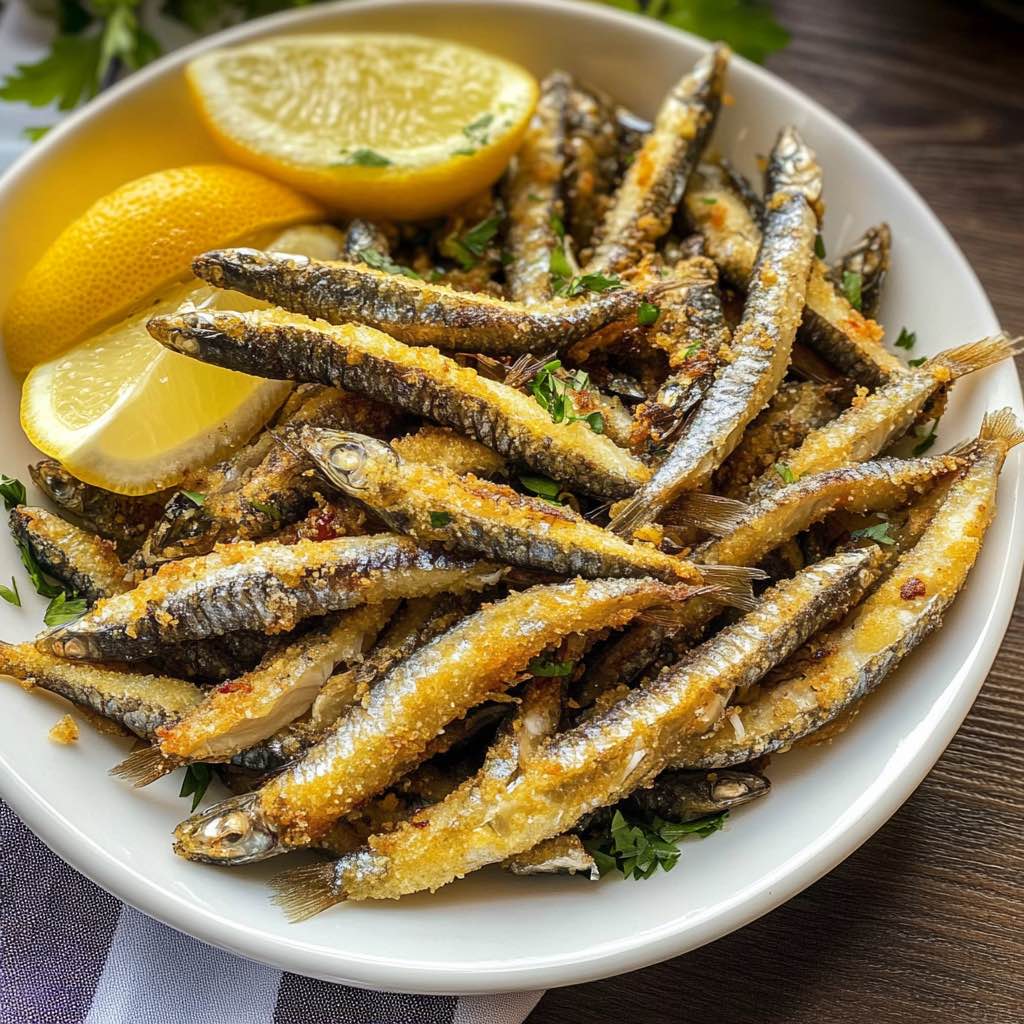
Hamsi Tava (Turkish Fried Anchovies): A Crispy Black Sea Delight
Turkish cuisine is one of the richest and most diverse in the world, and among its countless regional specialties, Hamsi Tava stands out as a simple yet iconic dish from the country’s northern coast. Known in English as Turkish Fried Anchovies, this dish is celebrated in households and seaside taverns along the Black Sea region, where anchovies—called hamsi in Turkish—play a central role in local gastronomy. Small, delicate, and bursting with flavor, these fish are transformed into bite-sized golden crisps through a light coating of flour or cornmeal and a quick pan-fry in shimmering oil.
In this article, we’ll dive into the cultural background of Hamsi Tava, its importance in Turkish culinary tradition, the step-by-step recipe, cooking tips, variations, and serving ideas. Whether you’re a curious home cook eager to explore Turkish food culture, or someone looking for a quick seafood recipe that delivers crispiness and flavor in every bite, this guide will cover everything you need.
What is Hamsi Tava?
Hamsi Tava, which translates directly to “Fried Anchovies in a Pan,” is one of the simplest and most beloved dishes in Turkish seafood cuisine. It takes fresh anchovies, dredges them lightly in flour or cornmeal, and fries them until crunchy and golden brown. Traditionally, the dish is served with wedges of lemon and sometimes with a sprinkle of fresh parsley.
The key element is the anchovy itself. Turkish anchovies, hailing especially from the Black Sea, are known for their clean, briny flavor and their small, tender size that makes them perfect for frying. While anchovies are often seen as a strong or overly salty fish in Western cuisines (as they are mostly encountered in cured or canned form), fresh anchovies are delicate, mild, and surprisingly versatile. Hamsi Tava highlights this freshness, proving that with minimal ingredients, you can achieve one of the most addictive fried fish dishes.
The Cultural Significance of Anchovies in Turkey
To understand Hamsi Tava, one needs to appreciate the cultural and economic importance of anchovies in the Black Sea region of Turkey. The words “Black Sea” and “hamsi” are almost inseparable in the Turkish imagination. Between November and February, anchovy season comes alive, and markets overflow with shimmering piles of freshly caught fish. This seasonal abundance is not only a source of local excitement but also part of the cultural identity of Black Sea communities.
Anchovies are eaten in countless ways in northern Turkey: fried (tava), stewed with vegetables (hamsili pilav or anchovy pilaf), baked into cornbread, or even turned into soups. There are even regional sayings and folk songs about hamsi, reflecting the fish’s central place in local culture. Some families joke that in Black Sea households, anchovies can be eaten in at least 40 different dishes.
The fried version—Hamsi Tava—is perhaps the most universally loved and accessible. Wherever you travel along the Black Sea coast, you’re likely to find locals frying up platters of anchovies at home or in casual seaside restaurants, offering them with nothing more than lemon wedges, bread, and maybe a glass of Turkish tea or rakı (the famous anise-flavored spirit).
Ingredients for Hamsi Tava (Turkish Fried Anchovies)
Here are the staple ingredients that go into a perfect Hamsi Tava recipe:
-
1 lb fresh anchovies (hamsi), cleaned and gutted
Anchovies must be extremely fresh for this dish. Their tiny size may seem insignificant, but their flavor when fresh is unparalleled. -
½ cup all-purpose flour (or cornmeal for extra crispiness)
Flour creates a light golden crust. Many cooks, however, swear by cornmeal or a flour-cornmeal mixture that gives the fish more crunch. -
½ cup cornmeal (optional, mix with flour)
Using cornmeal is especially popular in the Black Sea region, where corn-based dishes are part of local tradition. -
Salt, to taste
Fish should be lightly seasoned before coating, though it’s best not to over-salt—anchovies have a natural savoriness. -
Black pepper, to taste
Freshly cracked black pepper balances the flavors and adds a hint of sharpness. -
2–3 tbsp olive oil (or vegetable oil) for frying
The oil must be at medium-high heat to crisp the fish without burning them. Olive oil gives a distinct Mediterranean richness, while sunflower or vegetable oil is often used in Turkey. -
Lemon wedges, for serving
No plate of Hamsi Tava is complete without fresh lemon. A squeeze of juice brightens the flavor and cuts through the fried texture. -
Fresh parsley, chopped (optional, for garnish)
Parsley provides freshness and visual appeal.
Step-by-Step Instructions
Step 1: Prepare the Anchovies
-
Rinse the anchovies gently under cold water, removing any scales or impurities.
-
Pat them thoroughly dry with paper towels.
-
Season lightly with salt and pepper.
Step 2: Coat the Fish
-
In a shallow bowl, mix the flour and cornmeal.
-
Lightly dredge each anchovy in the mixture, shaking off excess coating.
Step 3: Fry the Anchovies
-
Heat the olive oil in a large skillet over medium-high heat.
-
Place the anchovies in the pan in batches, ensuring they are not overcrowded.
-
Fry for 1–2 minutes per side until golden brown and crispy.
Step 4: Drain and Serve
-
Remove each batch onto paper towels to soak up excess oil.
-
Garnish with chopped parsley and serve immediately with lemon wedges.
Tips for Perfectly Crispy Anchovies
-
Dry thoroughly: Patting the fish dry ensures the coating sticks.
-
Don’t overcrowd the pan: Too many fish at once lowers the oil temperature and results in soggy anchovies.
-
Use medium-high heat: This gives you quick frying, ensuring the anchovies remain tender inside while developing a crisp crust.
-
Serve hot: Hamsi Tava is best eaten immediately while still hot and crunchy.
Variations of Hamsi Tava
While the classic version of Hamsi Tava is straightforward, Turkish cooks often give it their own twist:
-
Cornmeal-only coating: In Trabzon and Rize, cornmeal is sometimes used exclusively for an extra crunchy texture.
-
Circular pan presentation: Some Black Sea families arrange anchovies head-to-tail in a circular pattern in the skillet, creating a beautiful flower-like presentation.
-
Garlic dip on the side: Although not traditional, some restaurants serve Hamsi Tava with garlic yogurt sauce to complement the crisp fish.
-
Baked anchovies: For a lighter version, anchovies can be lightly coated and baked instead of fried.
Serving Suggestions
Hamsi Tava is a dish that invites simple, complementary sides. It shines when paired with light and fresh dishes that balance its fried richness:
-
Crusty bread: Essential in Turkish dining, bread is used to soak up residual oil and balance the fish.
-
Seasonal salads: Especially çoban salatası (Shepherd’s Salad) with tomatoes, cucumbers, onions, parsley, and lemon dressing.
-
Pickled vegetables: Turkish pickles (turşu) add tang and crunch.
-
Rice or bulgur pilaf: Neutral starches that balance the boldness of fried fish.
-
Ayran or rakı: Ayran (a salty yogurt drink) pairs with fried foods, while rakı offers a traditional alcoholic pairing.
Nutrition Benefits of Anchovies
Anchovies may be small, but they pack a powerful nutritional punch:
-
High in omega-3 fatty acids, essential for heart health.
-
A rich source of protein in a small serving size.
-
Contain vitamins D, B12, and calcium, important for bone strength.
-
Lower in mercury compared to larger fish, making them safe for frequent consumption.
Hamsi Tava, while fried, offers a way to enjoy these benefits in moderation. Pairing with salads and lemon elevates its nutritional balance.
Hamsi Tava in the Global Kitchen
For those outside Turkey, finding fresh anchovies may be challenging. However, specialty seafood markets often sell them, and frozen anchovies are also suitable substitutes if handled properly. Internationally, similar dishes exist in Mediterranean and Asian cuisines:
-
In Italy, fried anchovies (acciughe fritte) are a beloved snack in coastal towns.
-
In Spain, boquerones fritos are enjoyed with tapas.
-
In Japan, anchovy-like small fish are deep-fried whole and served as bar food.
Trying Hamsi Tava connects Turkish dining with these broader culinary traditions, showing how small fish transcend borders as a beloved fried delicacy.
Frequently Asked Questions (FAQs)
1. Can I use frozen anchovies for Hamsi Tava?
Yes, but thaw thoroughly and pat dry to avoid excess moisture.
2. Is Hamsi Tava gluten-free?
Substitute cornmeal or gluten-free flour for a gluten-free version.
3. What oil works best for frying?
Olive oil gives authentic flavor, but sunflower or vegetable oils are more neutral and heat-stable.
4. Do I need to gut small anchovies?
In Turkey, anchovies are usually gutted, but very small ones can be fried whole, depending on preference.
5. Can Hamsi Tava be reheated?
It’s best fresh, but you can crisp them up briefly in a hot oven if needed.
Hamsi Tava, Turkish fried anchovies fresh anchovy fish
Description
Hamsi Tava (Turkish Fried Anchovies)
Ingredients:
-
1 lb fresh anchovies (hamsi), cleaned and gutted
-
½ cup all-purpose flour (or cornmeal for extra crispiness)
-
½ cup cornmeal (optional, mix with flour)
-
Salt, to taste
-
Black pepper, to taste
-
2–3 tbsp olive oil (or vegetable oil) for frying
-
Lemon wedges, for serving
-
Fresh parsley, chopped (optional, for garnish)
Instructions:
-
Prepare the Anchovies:
-
Rinse anchovies under cold water and pat dry with paper towels.
-
Season lightly with salt and pepper.
-
-
Coat the Fish:
-
Mix flour and cornmeal in a shallow bowl.
-
Dredge each anchovy lightly in the mixture, shaking off excess.
-
-
Fry:
-
Heat oil in a large skillet over medium-high heat.
-
Fry anchovies in batches for 1–2 minutes per side until golden and crispy. Avoid overcrowding the pan.
-
-
Drain & Serve:
-
Remove fried anchovies and place on paper towels to drain excess oil.
-
Garnish with chopped parsley and serve immediately with lemon wedges.
-