
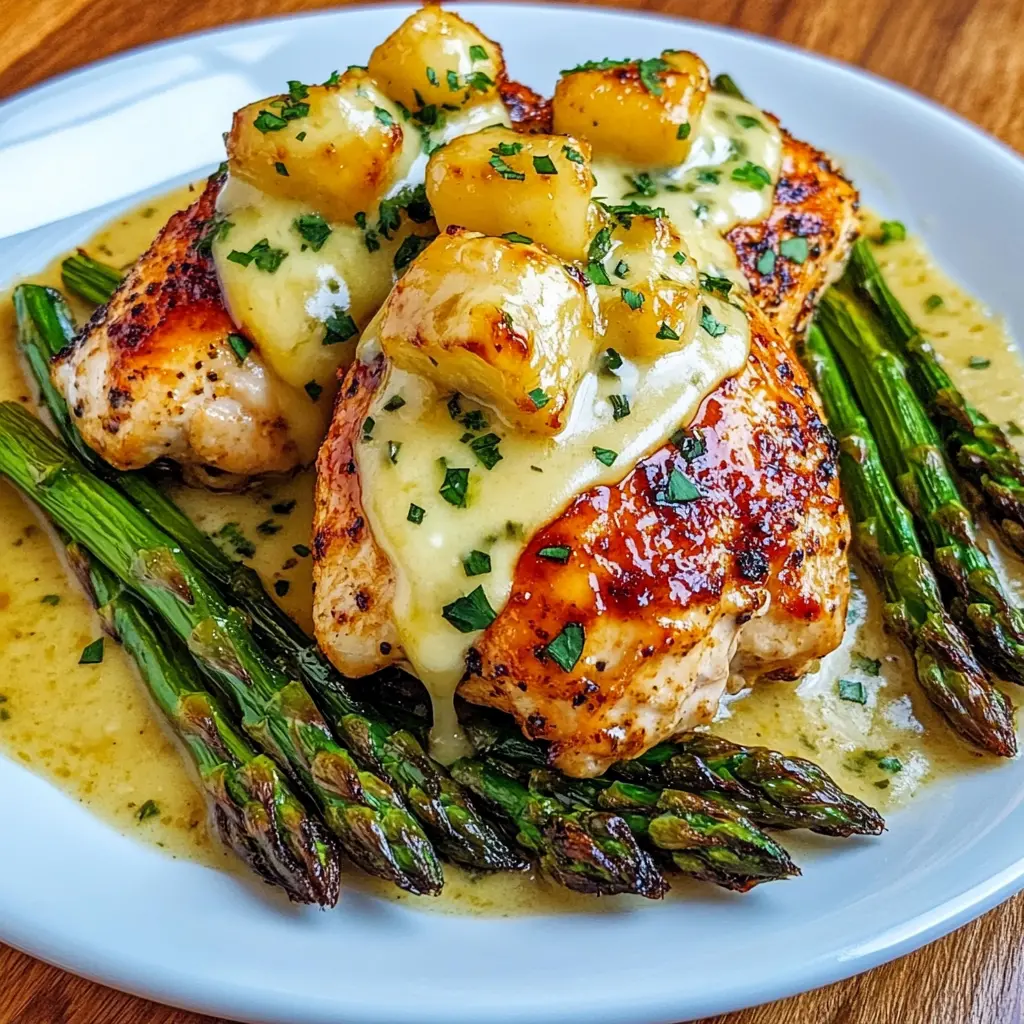
Honey Mustard Chicken with Roasted Asparagus and Cheese: A Complete Guide to This Easy, Flavorful Dinner
Looking for a restaurant-quality meal that comes together in under an hour? Honey Mustard Chicken with Roasted Asparagus and Cheese delivers incredible flavor with minimal effort. This one-pan wonder combines tender, juicy chicken breasts coated in a sweet and tangy honey mustard glaze, paired with perfectly roasted asparagus spears topped with melted cheese. Whether you’re cooking for your family on a busy weeknight or preparing a special dinner for guests, this dish checks all the boxes for taste, nutrition, and convenience.
Why Honey Mustard Chicken with Roasted Asparagus and Cheese Works
This recipe succeeds because it balances complementary flavors and textures. The honey mustard glaze brings sweetness and tang. Meanwhile, the roasted asparagus adds an earthy, slightly nutty taste. Finally, melted cheese provides richness and creaminess.
The cooking method matters too. Roasting everything on a single sheet pan allows the flavors to meld together. Additionally, this approach simplifies cleanup significantly. You’ll spend more time enjoying your meal and less time scrubbing dishes.
From a nutritional standpoint, this dish delivers protein, vegetables, and healthy fats in one plate. Chicken breast provides lean protein. Asparagus offers fiber, vitamins, and minerals. Therefore, you’re getting a well-rounded meal that satisfies without weighing you down.
Essential Ingredients Breakdown
For the Honey Mustard Chicken
Chicken breasts: Choose boneless, skinless breasts of similar size for even cooking. Each breast should weigh approximately 6-8 ounces.
Honey: Use pure honey rather than honey-flavored syrup. Raw honey offers the best flavor profile, though regular honey works perfectly fine.
Dijon mustard: This provides the characteristic tang. Dijon offers a smoother, more refined taste compared to yellow mustard.
Whole grain mustard: Adding this creates texture and visual appeal in your glaze. The mustard seeds add small bursts of flavor.
Olive oil: Extra virgin olive oil helps the glaze adhere to the chicken. It also prevents sticking during roasting.
Garlic powder: This adds savory depth without overpowering the honey mustard flavors.
Paprika: Sweet or smoked paprika works here. It contributes color and subtle warmth.
Salt and black pepper: These basic seasonings enhance all the other flavors.
For the Roasted Asparagus
Fresh asparagus: Look for firm, bright green spears with tight tips. Medium-thickness asparagus works best for roasting.
Cheese: Parmesan, Gruyère, or sharp cheddar all work beautifully. You can also combine multiple cheeses for complexity.
Olive oil: This helps the asparagus caramelize and prevents drying out.
Lemon zest: Fresh lemon zest brightens the vegetable’s flavor considerably.
Salt and pepper: Simple seasonings let the asparagus shine.
Check out our comprehensive guide on selecting and preparing fresh vegetables for optimal results.
Kitchen Tools You’ll Need
Gathering your equipment beforehand streamlines the cooking process. Here’s what you’ll need:
-
Large rimmed baking sheet
-
Parchment paper or aluminum foil
-
Medium mixing bowl
-
Whisk or fork
-
Meat thermometer
-
Sharp knife
-
Cutting board
-
Measuring cups and spoons
-
Grater (for cheese)
Having these tools ready ensures smooth preparation. Moreover, you won’t need to pause mid-recipe to search for equipment.
Step-by-Step Preparation Guide
Preparing Your Workspace
First, preheat your oven to 400°F (200°C). This temperature ensures both the chicken and asparagus cook properly. Next, line your baking sheet with parchment paper. This prevents sticking and makes cleanup effortless.
Making the Honey Mustard Glaze
Combine the following in your mixing bowl:
-
1/3 cup honey
-
3 tablespoons Dijon mustard
-
1 tablespoon whole grain mustard
-
2 tablespoons olive oil
-
1 teaspoon garlic powder
-
1/2 teaspoon paprika
-
1/2 teaspoon salt
-
1/4 teaspoon black pepper
Whisk these ingredients vigorously until completely smooth. The mixture should look glossy and uniform. Taste and adjust seasonings if needed.
Preparing the Chicken
Pat your chicken breasts completely dry with paper towels. This step is crucial. Dry chicken surfaces brown better and hold the glaze more effectively.
Season both sides of each breast lightly with salt and pepper. Then, place the chicken on one side of your prepared baking sheet.
Reserve about 2 tablespoons of the honey mustard glaze for later. Brush the remaining glaze generously over the chicken breasts. Make sure every surface gets coated evenly.
Preparing the Asparagus
Wash your asparagus thoroughly under cold water. Then, snap off the woody ends. They naturally break at the right spot when bent gently.
Place the asparagus on the other side of your baking sheet. Drizzle with 2 tablespoons of olive oil. Sprinkle with salt, pepper, and lemon zest. Toss everything together until the spears are evenly coated.
Arrange the asparagus in a single layer. Space the spears slightly apart for even roasting.
Roasting Process
Place your baking sheet in the preheated oven. Set a timer for 15 minutes initially.
After 15 minutes, check the chicken’s internal temperature. It should reach 165°F (74°C) at the thickest part. If not quite there, continue roasting and check every 5 minutes.
During the last 5 minutes of cooking, sprinkle your grated cheese over the asparagus. This timing allows the cheese to melt perfectly without burning.
Once the chicken reaches 165°F internally, remove the pan from the oven. Brush the chicken with the reserved honey mustard glaze. This final coating adds extra flavor and creates an attractive glossy finish.
Resting Period
Let the chicken rest for 5 minutes before slicing. This allows juices to redistribute throughout the meat. Consequently, you’ll get moist, tender chicken instead of dry, tough meat.
Pro Tips for Perfect Results
Chicken Preparation Tips
Pound for evenness: If your chicken breasts vary significantly in thickness, pound them to an even 3/4-inch thickness. This ensures uniform cooking.
Don’t overcrowd: Keep adequate space between chicken pieces. Overcrowding causes steaming instead of roasting.
Use a thermometer: Guessing doneness leads to overcooked, dry chicken. A meat thermometer eliminates guesswork entirely.
Let it rest: Never skip the resting period. It dramatically improves texture and juiciness.
Asparagus Tips
Choose the right thickness: Thin asparagus cooks too quickly and can become mushy. Thick spears may stay undercooked. Medium thickness works best.
Trim properly: Remove the woody ends completely. They’re fibrous and unpleasant to eat.
Don’t overdo the oil: Too much oil makes asparagus greasy. A light coating suffices.
Watch the cheese: Add cheese during the last few minutes only. Otherwise, it can burn or become rubbery.
Honey Mustard Glaze Tips
Balance sweetness: Taste your glaze before using it. If too sweet, add more mustard. If too tangy, add more honey.
Make it ahead: The glaze can be prepared up to 3 days in advance. Store it in an airtight container in the refrigerator.
Double the batch: This glaze works wonderfully on pork, salmon, or roasted vegetables. Make extra for future meals.
Thin if needed: If your glaze seems too thick, whisk in a teaspoon of water or lemon juice.
Nutritional Benefits
Protein Power from Chicken
Chicken breast provides approximately 31 grams of protein per 100-gram serving. This supports muscle maintenance and growth. Additionally, protein keeps you feeling full and satisfied.
Chicken offers essential amino acids your body cannot produce independently. These building blocks support numerous bodily functions. Furthermore, chicken breast is naturally low in fat when skinless.
Asparagus Advantages
Asparagus delivers impressive nutritional value with minimal calories. One cup contains only 27 calories but provides substantial nutrients.
Vitamin K: Asparagus excels here, providing over 100% of daily needs. Vitamin K supports bone health and blood clotting.
Folate: This B vitamin is crucial for cell growth and DNA formation. Pregnant women particularly benefit from adequate folate intake.
Fiber: The vegetable contains both soluble and insoluble fiber. This supports digestive health and promotes feelings of fullness.
Antioxidants: Asparagus contains glutathione, an antioxidant that supports cellular health. It also provides vitamin E and vitamin C.
Healthy Fats and Carbohydrates
The olive oil in this recipe provides heart-healthy monounsaturated fats. Research from the American Heart Association shows these fats support cardiovascular health.
Honey offers natural sugars with trace minerals and antioxidants. While still a sweetener, it provides more nutritional value than refined sugar.
The cheese adds calcium, protein, and vitamin B12. In moderation, it contributes to a balanced diet.
Serving Suggestions and Pairings
Complete Meal Ideas
With rice: Serve over fluffy jasmine rice or nutty brown rice. The rice soaks up the honey mustard sauce beautifully.
With quinoa: This protein-rich grain adds nutritional value. It also provides a pleasant, slightly nutty flavor.
With roasted potatoes: Baby potatoes roasted alongside the main dish create a satisfying, hearty meal.
With cauliflower mash: For a lower-carb option, creamy cauliflower mash works wonderfully.
Fresh Salad Combinations
A crisp salad balances the richness of the main dish. Try these combinations:
-
Mixed greens with cherry tomatoes and balsamic vinaigrette
-
Spinach salad with strawberries and poppy seed dressing
-
Arugula with shaved Parmesan and lemon dressing
-
Caesar salad with homemade croutons
Bread Options
Warm, crusty bread helps you enjoy every drop of that delicious honey mustard glaze. Consider:
-
Artisan sourdough
-
Garlic bread
-
Whole wheat rolls
-
Focaccia
Beverage Pairings
Iced tea: Unsweetened or lightly sweetened iced tea complements the flavors nicely. Lemon or peach varieties work particularly well.
Sparkling water: Add fresh lemon or lime for a refreshing, palate-cleansing option.
Lemonade: The tartness balances the honey’s sweetness perfectly.
Herbal tea: Chamomile or mint tea provides a soothing accompaniment.
Storage and Meal Prep Ideas
Proper Storage Methods
Refrigeration: Store leftovers in airtight containers within 2 hours of cooking. Properly stored, the dish keeps for 3-4 days in the refrigerator.
Freezing: While asparagus doesn’t freeze particularly well due to its high water content, the chicken freezes beautifully. Freeze chicken separately in freezer-safe containers for up to 3 months.
Reheating: Reheat in a 350°F oven until warmed through. This preserves texture better than microwaving. Alternatively, reheat gently in a covered skillet over medium-low heat.
Meal Prep Strategies
Prep components separately: Prepare the honey mustard glaze up to 3 days ahead. Wash and trim asparagus up to 2 days in advance.
Batch cooking: Double the recipe and freeze extra chicken for quick future meals.
Lunch prep: Portion chicken and asparagus into individual containers with rice or quinoa. You’ll have ready-made lunches for days.
Mix and match: Use leftover honey mustard chicken in salads, wraps, or grain bowls throughout the week.
Common Mistakes to Avoid
Overcooking the Chicken
This is the most frequent mistake. Chicken breast dries out quickly when overcooked. Always use a meat thermometer. Remove chicken from the oven the moment it reaches 165°F internally.
Skipping the Rest Period
Cutting into chicken immediately releases all the juices onto your cutting board. Be patient. Those 5 minutes make a tremendous difference in juiciness.
Using Cold Ingredients
Cold chicken straight from the refrigerator cooks unevenly. Let it sit at room temperature for 15-20 minutes before cooking. This promotes even cooking throughout.
Overcrowding the Pan
When ingredients are packed too tightly, they steam rather than roast. This prevents proper browning and caramelization. Use a large enough pan or cook in batches.
Not Adjusting Oven Temperature
Every oven runs slightly differently. If your chicken consistently overcooks or undercooks, adjust your temperature accordingly. An oven thermometer helps verify accuracy.
Ignoring Asparagus Thickness
Pencil-thin asparagus needs only 8-10 minutes. Thick spears may need 20-25 minutes. Adjust cooking time based on your asparagus size.
Adding Cheese Too Early
Cheese added at the beginning of roasting often burns or becomes rubbery. Wait until the final 5 minutes for perfect melted cheese.
Recipe Variations to Try
Different Proteins
Turkey cutlets: These cook quickly like chicken breast. Use the same honey mustard glaze.
Pork tenderloin: Slice into medallions and proceed with the recipe. Cooking time may vary slightly.
Salmon fillets: The honey mustard works beautifully with salmon. Reduce cooking time to 12-15 minutes.
Tofu: For a vegetarian option, use extra-firm tofu pressed and cubed. The glaze caramelizes wonderfully on tofu.
Vegetable Alternatives
Broccoli: Roasted broccoli florets work excellently. They hold up well to roasting and love the cheese topping.
Green beans: These provide a similar shape and texture to asparagus. Trim ends before roasting.
Brussels sprouts: Halved Brussels sprouts develop delicious caramelization. They pair perfectly with the honey mustard flavors.
Zucchini: Cut into thick rounds or half-moons. They roast beautifully alongside the chicken.
Cheese Options
Gruyère: This Swiss cheese melts beautifully and adds nutty, complex flavor.
Fontina: Creamy and mild, fontina creates an especially luscious topping.
Goat cheese: Crumbled goat cheese adds tangy creaminess.
Mozzarella: For a milder option, fresh mozzarella provides excellent meltability.
Glaze Modifications
Spicy honey mustard: Add 1/2 teaspoon cayenne pepper or red pepper flakes.
Herb-infused: Stir in fresh rosemary, thyme, or basil.
Citrus twist: Add orange zest and a tablespoon of orange juice.
Garlic lover’s version: Replace garlic powder with 3-4 cloves of minced fresh garlic.
Frequently Asked Questions
Can I make honey mustard chicken with roasted asparagus and cheese ahead of time?
You can prepare components in advance, but the dish tastes best freshly made. Prepare the glaze up to 3 days ahead. Trim asparagus up to 2 days in advance. However, cook everything the day you plan to serve it for optimal texture and flavor.
What’s the best way to keep chicken moist?
Several factors contribute to moist chicken. First, don’t overcook it. Use a meat thermometer and remove it at exactly 165°F. Second, let it rest before slicing. Third, start with room-temperature chicken rather than cold. Finally, the honey mustard glaze itself helps seal in moisture.
Can I use frozen asparagus?
Fresh asparagus is strongly recommended for this recipe. Frozen asparagus contains excess moisture and becomes mushy when roasted. If you must use frozen, thaw it completely and pat it very dry before proceeding.
How do I know when asparagus is done?
Properly roasted asparagus should be tender but still have slight bite. The tips should be lightly browned and slightly crispy. Pierce a spear with a fork—it should slide in easily but not feel mushy.
What if my honey mustard glaze is too thick?
Thin the glaze by whisking in water, lemon juice, or olive oil one teaspoon at a time. The glaze should be pourable but not watery. It should coat the back of a spoon lightly.
Can I use a different cut of chicken?
Bone-in, skin-on chicken thighs work wonderfully. However, they require longer cooking time—approximately 35-40 minutes. The dark meat stays moist and pairs beautifully with honey mustard flavors.
How do I prevent the asparagus from getting soggy?
Spread asparagus in a single layer with space between spears. Don’t use too much oil. Roast at the proper temperature—400°F ensures caramelization rather than steaming. Finally, serve immediately while still hot.
What’s the best cheese for this recipe?
Parmesan provides the most intense flavor and doesn’t make asparagus soggy. Gruyère offers excellent meltability and nutty taste. Sharp cheddar adds familiar comfort. Ultimately, use what you prefer or have on hand.
Conclusion
Honey Mustard Chicken with Roasted Asparagus and Cheese delivers restaurant-quality results with home-kitchen simplicity. The sweet and tangy glaze transforms ordinary chicken breasts into something special. Meanwhile, the roasted asparagus with melted cheese provides the perfect complement.
This recipe works for busy weeknights yet impresses dinner guests. The one-pan method means less cleanup and more time enjoying your meal. Furthermore, it provides balanced nutrition with protein, vegetables, and healthy fats all in one dish.
Remember the key points for success. Use a meat thermometer to prevent overcooking. Let your chicken rest before slicing. Add cheese during the final minutes only. These simple steps ensure perfect results every time.
The versatility of this dish makes it a valuable addition to your recipe collection. Swap proteins, vegetables, or cheeses based on what you have available. The honey mustard glaze works with countless combinations.
Print
Honey Mustard Chicken with Roasted Asparagus and Cheese
Description
Honey Mustard Chicken with Roasted Asparagus and Cheese
Ingredients:
-
4 boneless, skinless chicken breasts
-
2 tbsp olive oil or butter
-
3 tbsp Dijon mustard
-
2 tbsp honey
-
1 tbsp whole-grain mustard (optional for texture)
-
2 cloves garlic, minced
-
Salt and black pepper, to taste
-
1 lb asparagus, trimmed
-
1 cup shredded mozzarella or provolone cheese
-
¼ cup grated Parmesan cheese
-
1 tsp Italian seasoning or dried thyme
-
Fresh parsley or chives, chopped (for garnish)
Instructions:
-
Preheat oven: Set to 400°F (200°C). Line a large baking sheet or dish with parchment paper.
-
Prepare honey mustard sauce: In a small bowl, whisk together Dijon mustard, honey, whole-grain mustard (if using), garlic, salt, and pepper.
-
Coat chicken: Place chicken breasts on one side of the baking sheet. Brush generously with the honey mustard mixture. Drizzle a bit of olive oil over them.
-
Add asparagus: Arrange asparagus on the other side of the sheet. Drizzle with olive oil, season with salt, pepper, and Italian seasoning.
-
Roast: Bake for 20–25 minutes, until chicken is cooked through and asparagus is tender.
-
Add cheese: Sprinkle mozzarella and Parmesan over the chicken and asparagus. Return to the oven for 3–5 minutes, until cheese is melted and bubbly.
-
Serve: Garnish with fresh parsley or chives and serve warm with a drizzle of extra honey mustard sauce if desired.