
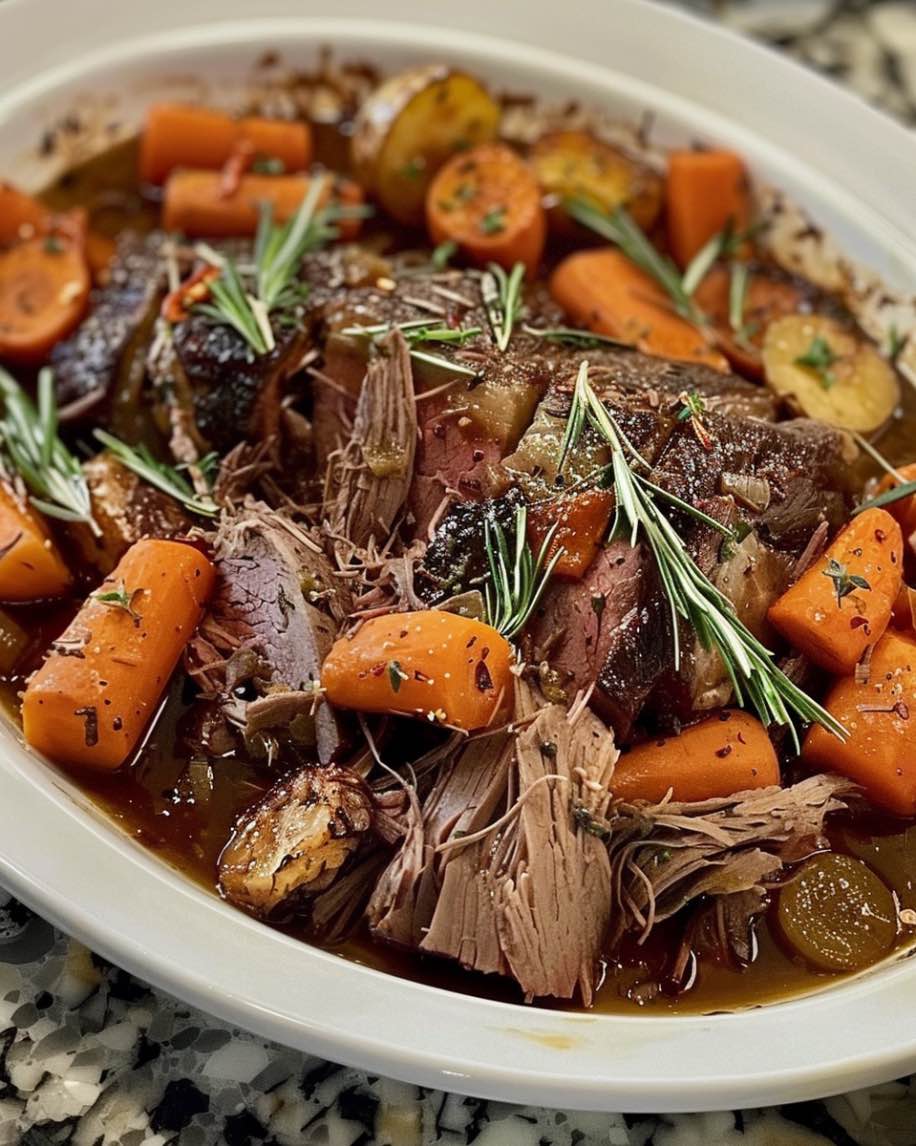
Italian Pot Roast (Stracotto): A Rich & Tender Slow-Cooked Masterpiece
Italian pot roast, known as Stracotto, is a beloved slow-cooked beef dish that transforms tough cuts of meat into melt-in-your-mouth perfection. This traditional Italian comfort food combines tender braised beef with aromatic vegetables, tomatoes, and rich broth to create a deeply flavorful meal. Moreover, this version maintains all the authentic taste while making it accessible for everyone. Whether you’re cooking for a special Sunday dinner or meal prepping for the week, Stracotto delivers restaurant-quality results right in your home kitchen.
What is Italian Pot Roast (Stracotto)?
Stracotto translates to “overcooked” or “cooked for a long time” in Italian. However, don’t let the name mislead you. This cooking method produces incredibly tender, flavorful beef that practically falls apart with your fork.
Traditional Italian pot roast differs from American versions in several ways. First, it incorporates classic Italian aromatics like garlic, rosemary, and tomatoes. Second, the cooking liquid relies on beef broth and tomato products rather than other liquids. Third, the vegetables become part of the sauce instead of remaining as separate side dishes.
Regional Variations
Different Italian regions prepare Stracotto with unique touches. Northern Italian versions often include root vegetables and herbs like bay leaves. Meanwhile, Southern preparations feature more tomatoes and Mediterranean seasonings. Tuscan Stracotto sometimes adds olives and capers. Regardless of regional differences, all versions share the same slow-cooking philosophy that creates unforgettable tenderness.
Essential Ingredients for Perfect Stracotto
Creating authentic Italian pot roast requires quality ingredients that work together harmoniously. Therefore, selecting the right components ensures your dish tastes exceptional.
Primary Ingredients
Beef Roast:
-
3-4 pounds of chuck roast, bottom round, or beef shoulder
-
Well-marbled for maximum flavor
-
Room temperature before cooking
Aromatic Vegetables:
-
2 large onions, roughly chopped
-
4 carrots, cut into chunks
-
4 celery stalks, roughly chopped
-
8 garlic cloves, smashed
Tomato Base:
-
28-ounce can crushed tomatoes
-
6-ounce can tomato paste
-
2 tablespoons tomato sauce
Liquid Components:
-
3 cups beef broth (low-sodium preferred)
-
1 cup vegetable broth
Herbs and Seasonings:
-
4 fresh rosemary sprigs
-
6 fresh thyme sprigs
-
3 bay leaves
-
2 teaspoons dried oregano
-
Salt and black pepper to taste
-
1 teaspoon red pepper flakes (optional)
Additional Elements:
-
3 tablespoons olive oil
-
2 tablespoons all-purpose flour
-
Fresh parsley for garnish
Quality Matters
Using fresh herbs dramatically improves flavor. Additionally, San Marzano tomatoes provide superior taste compared to regular varieties. Furthermore, homemade beef broth elevates the dish beyond what store-bought options achieve. However, high-quality store-bought ingredients still produce excellent results.
Choosing the Right Cut of Beef
Selecting appropriate beef cuts makes the difference between good and extraordinary Italian pot roast. Tough, well-marbled cuts become tender through long, slow cooking.
Best Cuts for Stracotto
Chuck Roast:
-
Most popular choice for pot roast
-
Contains excellent marbling
-
Becomes incredibly tender when braised
-
Remains moist throughout cooking
-
Budget-friendly option
Bottom Round:
-
Leaner than chuck
-
Requires careful monitoring
-
Still produces great results
-
Slightly firmer texture
Beef Shoulder:
-
Rich, beefy flavor
-
Good fat distribution
-
Excellent for shredding
-
Slightly harder to find
Brisket:
-
Alternative option
-
Requires longer cooking time
-
Creates distinctive texture
-
More expensive choice
What to Look For
Choose roasts with visible marbling throughout. Also, look for bright red color without brown spots. Additionally, ensure the meat feels firm to touch. Finally, avoid pre-trimmed roasts as some fat enhances flavor and moisture.
Check out our guide on [selecting quality beef cuts] for more detailed information.
Kitchen Tools You’ll Need
Having proper equipment simplifies the Stracotto cooking process. Therefore, gather these tools before starting.
Essential Equipment
Cooking Vessel (Choose One):
-
Dutch oven (6-8 quart capacity)
-
Heavy-bottomed pot with lid
-
Slow cooker (6-quart minimum)
-
Pressure cooker or Instant Pot
Preparation Tools:
-
Sharp chef’s knife
-
Cutting board
-
Meat thermometer
-
Tongs for turning meat
-
Wooden spoon for stirring
Serving Items:
-
Large serving platter
-
Ladle for sauce
-
Slotted spoon
-
Carving knife
Why These Tools Matter
A Dutch oven distributes heat evenly while retaining moisture. Moreover, its heavy lid prevents steam from escaping. Similarly, a quality meat thermometer ensures proper doneness. Furthermore, sturdy tongs prevent meat from falling apart when turning.
Step-by-Step Cooking Instructions
Follow these detailed instructions to create perfect Italian pot roast every time. Additionally, each step builds upon the previous one for optimal results.
Preparation Phase
Step 1: Season the Beef
Pat the roast completely dry with paper towels. Then, generously season all sides with salt and black pepper. Next, let it rest at room temperature for 30-45 minutes. This allows even cooking throughout.
Step 2: Prepare Vegetables
Chop onions, carrots, and celery into large chunks. Also, smash garlic cloves with the flat side of your knife. Additionally, tie herbs together with kitchen twine for easy removal later.
Cooking Process
Step 3: Sear the Meat
Heat olive oil in your Dutch oven over medium-high heat. Once shimmering, carefully add the beef roast. Sear each side for 4-5 minutes until deep golden brown develops. Furthermore, don’t move the meat while searing. Then, transfer to a plate and set aside.
Step 4: Build the Base
Reduce heat to medium and add chopped vegetables to the pot. Cook for 8-10 minutes, stirring occasionally until softened. Next, add garlic and cook for 1 minute until fragrant. Then, stir in tomato paste and cook for 2 minutes.
Step 5: Add Liquids
Pour in crushed tomatoes, beef broth, and vegetable broth. Also, add dried oregano, bay leaves, and herb bundle. Stir everything together, scraping up any browned bits from the bottom. These bits add tremendous flavor.
Step 6: Braise the Beef
Return the seared roast to the pot, nestling it into the liquid. The liquid should come about halfway up the meat. Bring everything to a gentle simmer. Then, cover with the lid and transfer to a 325°F preheated oven.
Step 7: Monitor Cooking
Cook for 3-4 hours, checking every hour. The meat should become fork-tender. Additionally, turn the roast every 60-90 minutes for even cooking. Moreover, add more broth if liquid reduces too much.
Step 8: Finish the Dish
Once tender, transfer the roast to a serving platter. Next, remove bay leaves and herb bundle from the sauce. Then, skim excess fat from the surface. Finally, adjust seasoning with salt and pepper.
Sauce Options
Chunky Sauce:
Leave vegetables as they are for rustic texture.
Smooth Sauce:
Use an immersion blender to puree everything together. Alternatively, blend in batches for silky consistency.
Thick Sauce:
Remove the meat and simmer sauce uncovered for 15-20 minutes. This concentrates flavors while reducing liquid.
Cooking Methods Compared
Different cooking methods produce slightly varied results. Therefore, choose based on your schedule and equipment.
Dutch Oven Method
Advantages:
-
Most traditional approach
-
Excellent heat distribution
-
Beautiful presentation when serving
-
Allows easy monitoring
Cooking Time: 3-4 hours at 325°F
Best For: Special occasions and Sunday dinners
Slow Cooker Method
Advantages:
-
Set-and-forget convenience
-
Uses less energy
-
Meat becomes extremely tender
-
Perfect for busy schedules
Cooking Time: 8-10 hours on low or 5-6 hours on high
Best For: Weeknight meals and meal prep
Pressure Cooker Method
Advantages:
-
Significantly faster cooking
-
Maintains moisture excellently
-
Energy-efficient option
-
Great for last-minute meals
Cooking Time: 60-75 minutes at high pressure plus natural release
Best For: Quick weeknight dinners
Stovetop Method
Advantages:
-
No oven needed
-
Easy to adjust temperature
-
Constant monitoring possible
-
Works in summer
Cooking Time: 3-4 hours on low simmer
Best For: Small kitchens or when oven is unavailable
Tips for Perfect Results
These expert tips ensure your Italian pot roast turns out perfectly every time. Moreover, small details make significant differences.
Before Cooking
Temperature Matters:
Always bring meat to room temperature before cooking. Cold meat seers poorly and cooks unevenly. Additionally, room-temperature meat develops better crust.
Proper Searing:
Don’t crowd the pan or move meat while searing. Furthermore, ensure oil reaches proper temperature before adding beef. Also, dry the meat thoroughly for optimal browning.
Vegetable Size:
Cut vegetables into large chunks so they don’t disintegrate during long cooking. Moreover, uniform sizes ensure even cooking.
During Cooking
Low and Slow:
Maintain gentle simmer throughout cooking. High heat toughens meat instead of tenderizing it. Therefore, check temperature regularly.
Liquid Level:
Keep liquid at halfway point throughout cooking. Add hot broth if needed. However, avoid adding cold liquid as this drops temperature.
Turning Schedule:
Turn roast every 60-90 minutes for even braising. Additionally, baste with cooking liquid each time you turn it.
After Cooking
Resting Period:
Let the roast rest for 15-20 minutes after removing from heat. This allows juices to redistribute throughout the meat. Furthermore, it makes slicing much easier.
Sauce Consistency:
Adjust thickness according to preference. Thin sauce works well over pasta. Meanwhile, thick sauce complements polenta perfectly.
Fat Removal:
Skim fat from surface before serving. Alternatively, refrigerate overnight and remove solidified fat the next day. This creates cleaner-tasting sauce.
Serving Suggestions
Italian pot roast pairs beautifully with numerous side dishes. Therefore, choose accompaniments that complement the rich, savory flavors.
Traditional Italian Sides
Polenta:
Creamy polenta absorbs the flavorful sauce perfectly. Moreover, its mild taste balances the robust beef. Serve it soft or let it set and grill slices.
Risotto:
Parmesan risotto creates elegant presentation. Additionally, mushroom risotto adds earthy notes that enhance the dish.
Pasta:
Wide noodles like pappardelle or tagliatelle work wonderfully. Also, the sauce clings to pasta beautifully. Furthermore, broken lasagna noodles make excellent choice.
Vegetable Accompaniments
Roasted Vegetables:
-
Brussels sprouts with garlic
-
Caramelized root vegetables
-
Roasted asparagus with lemon
-
Charred broccolini
Fresh Salads:
-
Arugula with lemon vinaigrette
-
Tomato and mozzarella caprese
-
Mixed greens with balsamic dressing
-
Fennel and orange salad
Bread Options
Crusty Bread:
Italian bread soaks up delicious sauce. Similarly, ciabatta provides perfect texture. Additionally, focaccia adds herby flavor.
Garlic Bread:
Classic pairing that never disappoints. Moreover, it’s crowd-pleasing option for gatherings.
Complete Meal Ideas
Casual Family Dinner:
Stracotto over creamy polenta with roasted green beans and crusty bread.
Elegant Dinner Party:
Sliced pot roast arranged over parmesan risotto with roasted asparagus and arugula salad.
Comfort Food Night:
Shredded beef over wide pasta noodles with garlic bread and Caesar salad.
Storage and Reheating Guide
Proper storage maintains quality and safety. Furthermore, Italian pot roast often tastes better the next day.
Refrigeration
Storage Method:
Cool completely before refrigerating. Then, transfer to airtight containers with sauce. Store meat and sauce together to prevent drying.
Duration:
Keeps for 3-4 days in refrigerator. Additionally, ensure temperature stays below 40°F.
Container Tips:
Use shallow containers for faster cooling. Moreover, glass containers prevent staining and odor absorption.
Freezing
Preparation:
Slice or shred meat before freezing. Then, portion into meal-sized amounts. Also, include plenty of sauce with each portion.
Freezer Life:
Maintains quality for 2-3 months when properly stored. However, consume within this timeframe for best taste.
Packaging:
Use freezer-safe containers or heavy-duty freezer bags. Remove as much air as possible. Additionally, label with date and contents.
Reheating Methods
Stovetop:
Best method for maintaining texture. Place meat and sauce in pot over medium-low heat. Stir occasionally until heated through. Add splash of broth if needed.
Oven:
Preheat to 325°F. Place in covered dish with sauce. Heat for 25-30 minutes until warmed completely.
Microwave:
Quick but potentially uneven heating. Use medium power and heat in 2-minute intervals. Stir between intervals for even warming.
Slow Cooker:
Perfect for parties. Set to low and heat for 2-3 hours. Keeps meat warm without drying out.
Common Mistakes to Avoid
Learning from common errors helps you achieve perfect results. Therefore, watch for these pitfalls.
Cooking Errors
Insufficient Searing:
Pale meat lacks depth of flavor. Consequently, always achieve deep brown color before braising. Additionally, high heat and dry surface are essential.
Too High Temperature:
Boiling liquid toughens meat instead of tenderizing it. Therefore, maintain gentle simmer throughout cooking. Moreover, check periodically to ensure proper heat level.
Overcrowding:
Adding too much meat or vegetables prevents proper browning. Furthermore, it creates steam instead of sear. Consequently, work in batches if necessary.
Preparation Mistakes
Skipping Seasoning:
Under-seasoned meat produces bland results. Additionally, seasoning penetrates during long cooking. Therefore, be generous with salt and pepper.
Wrong Cut Selection:
Lean cuts dry out during long cooking. Moreover, they lack flavor that marbling provides. Consequently, choose well-marbled options.
Cold Meat:
Refrigerator-cold beef seers poorly and cooks unevenly. Therefore, always allow 30-45 minutes for tempering.
Timing Issues
Rushing the Process:
Stracotto requires patience. Consequently, attempting to speed up cooking produces tough, chewy meat. Therefore, allow adequate time.
Inadequate Resting:
Cutting immediately causes juice loss. Moreover, meat becomes drier. Therefore, always rest for 15-20 minutes.
Improper Storage:
Leaving at room temperature too long promotes bacterial growth. Additionally, improper cooling affects quality. Therefore, follow food safety guidelines carefully.
Frequently Asked Questions
Can I make Italian pot roast (Stracotto) in advance?
Yes, Stracotto is excellent make-ahead dish. In fact, flavors deepen and improve overnight. Prepare completely, then cool and refrigerate. Reheat gently before serving. This makes it perfect for entertaining since most work happens beforehand.
How do I know when the pot roast is done?
The meat should be fork-tender and easily pull apart. Additionally, internal temperature should reach 190-205°F for optimal tenderness. Furthermore, a fork should slide in and out with minimal resistance. Check after 3 hours and continue cooking if needed.
Why is my pot roast tough?
Several factors cause toughness. First, insufficient cooking time leaves connective tissue intact. Second, too-high temperature toughens proteins. Third, lean cuts lack necessary fat. Finally, cutting against the grain matters when slicing. Address these issues for tender results.
What if my sauce is too thin?
Remove the meat and keep it warm. Then, simmer sauce uncovered for 15-20 minutes to reduce. Alternatively, mix 2 tablespoons cornstarch with cold water and stir into simmering sauce. Also, mashing some vegetables thickens naturally.
Can I use different vegetables?
Absolutely. Mushrooms add earthy flavor. Parsnips provide sweetness. Bell peppers contribute color and taste. However, maintain similar vegetable-to-liquid ratios. Moreover, add delicate vegetables during final cooking hour.
How do I prevent the meat from drying out?
Ensure adequate liquid throughout cooking. Additionally, avoid high temperatures that evaporate moisture quickly. Furthermore, turn meat regularly for even braising. Finally, don’t overcook beyond fork-tender stage.
Is it necessary to sear the meat first?
While not absolutely required, searing dramatically improves flavor through caramelization. Additionally, it creates fond that enriches sauce. Therefore, taking this extra step produces significantly better results.
Can I use a different type of meat?
Pork shoulder works wonderfully with similar cooking times. Lamb shoulder creates delicious variation. However, cooking times may vary. Moreover, each meat brings unique flavor profile to the dish.
Italian pot roast (Stracotto) represents ultimate comfort food that brings families together around the table. This slow-cooked masterpiece transforms simple ingredients into extraordinary meal through patience and proper technique. Moreover, the preparation makes it accessible for everyone to enjoy. Whether you’re preparing Sunday dinner or meal prepping for busy weeks ahead, Stracotto delivers consistent, delicious results. Remember, the key lies in choosing quality beef, maintaining gentle heat, and allowing sufficient cooking time. Additionally, don’t hesitate to make this dish your own by adjusting vegetables and herbs to your preferences.
Ready to create your own Italian pot roast masterpiece? Start with quality ingredients, follow these instructions carefully, and enjoy the incredible aromas that will fill your kitchen. Your family will request this comforting dish again and again!

Italian pot roast (Stracotto)
Description
Italian Pot Roast (Stracotto)
Ingredients
For the Roast:
-
3-4 pounds boneless beef chuck roast, tied
-
Salt and freshly ground black pepper to taste
-
3-4 tablespoons olive oil, divided
-
4 ounces pancetta or bacon, diced (optional)
For the Soffritto Base:
-
1 large onion, finely diced
-
2 large carrots, finely diced
-
2-3 stalks celery, finely diced
-
8-10 cloves garlic, some chopped, some sliced
For Braising:
-
3-4 cups beef broth
-
1 (28-ounce) can crushed tomatoes
-
3 tablespoons tomato paste
-
2 large bay leaves
-
1 tablespoon fresh rosemary, chopped (or 1 teaspoon dried)
-
1 tablespoon fresh thyme (or 1 teaspoon dried)
-
2 teaspoons Italian seasoning
-
1/2 teaspoon red pepper flakes (optional)
-
1 cinnamon stick (optional)
-
3-5 whole cloves (optional)
-
Fresh parsley for garnish
Instructions
Preparation:
-
Preheat oven to 350°F
-
Pat the chuck roast dry with paper towels and season liberally with salt and pepper on all sides
Searing:
-
Heat 2 tablespoons olive oil in a large Dutch oven over medium-high heat
-
Sear the beef on all sides until a brown crust forms, about 4-5 minutes per side
-
Transfer the browned meat to a plate and pour off excess fat
Building the Base:
-
Add remaining oil to the Dutch oven and reduce heat to medium
-
Add pancetta (if using) and cook until crispy
-
Add diced onion, carrots, and celery to create the soffritto base
-
Cook for 7-8 minutes until vegetables are tender and slightly golden
-
Add chopped garlic and cook for 10-15 seconds until fragrant
-
Stir in tomato paste and cook for 1-2 minutes
Braising:
-
Return the beef to the pot along with any accumulated juices
-
Add beef broth, crushed tomatoes, sliced garlic, bay leaves, rosemary, thyme, Italian seasoning, and optional spices
-
Bring to a gentle simmer over medium heat
-
Cover with aluminum foil, then the lid to minimize evaporation
-
Transfer to the oven and braise for 2½ to 3 hours until the meat is extremely tender and falls apart easily
Finishing:
-
Remove from oven and let rest for 10-15 minutes
-
Transfer the roast to a serving platter
-
Strain the braising liquid if desired, or serve as is
-
Garnish with fresh chopped parsley
This traditional Italian comfort food is best served over creamy polenta, pasta like pappardelle, or mashed potatoes. The slow braising process creates incredibly tender meat with a rich, flavorful sauce perfect for cold weather dining.
up