
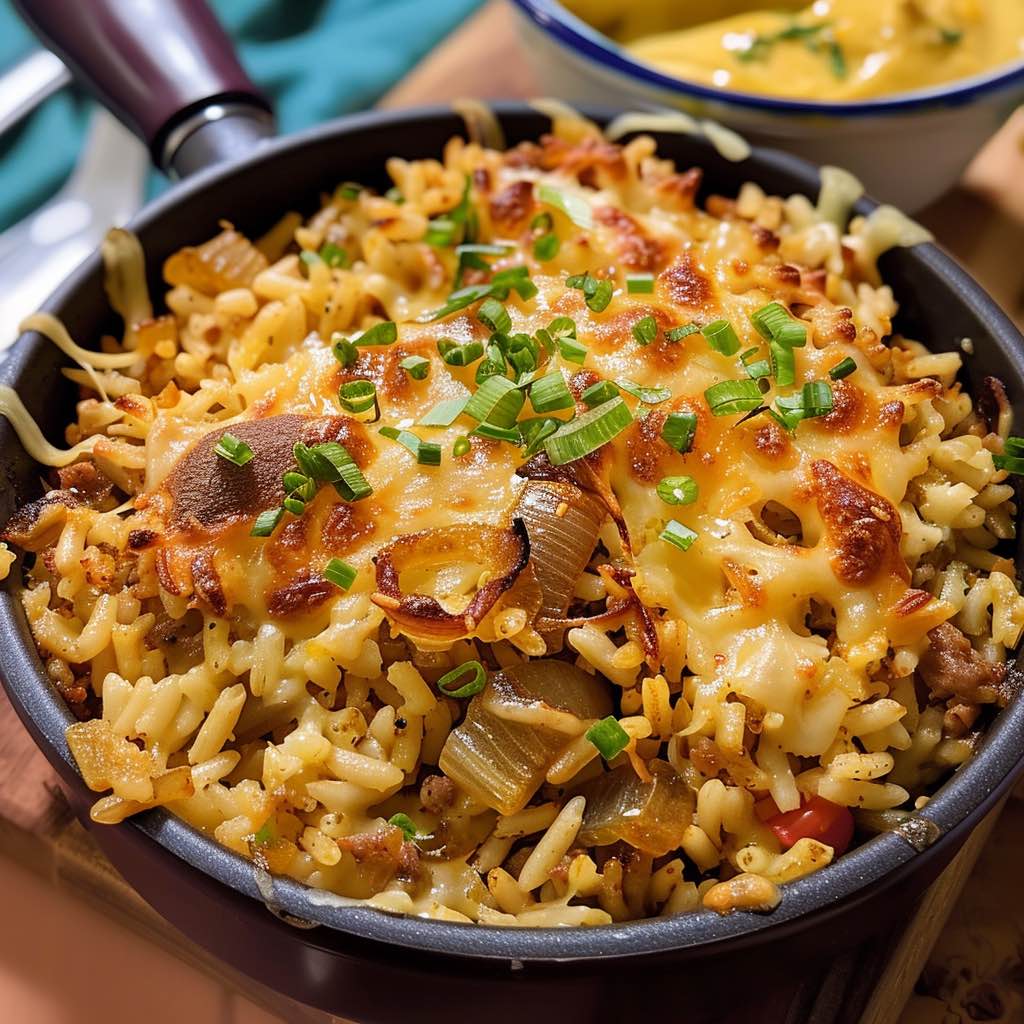
Savory French Onion Soup Rice: A Comforting One-Pot Wonder
Imagine the rich, caramelized flavors of classic French onion soup transformed into a hearty, satisfying rice dish. Savory French Onion Soup Rice combines tender grains with sweet, golden onions, aromatic herbs, and rich broth to create a side dish that steals the show. This recipe delivers restaurant-quality flavor without the fuss, making it perfect for busy weeknights or impressive dinner parties.
This version stays true to the beloved soup’s essence while offering the comforting texture of perfectly cooked rice. Whether you’re serving it alongside roasted chicken or enjoying it as a standalone meal, this dish proves that simple ingredients can create extraordinary results.
Understanding French Onion Soup Rice
What Makes This Dish Special
French onion soup rice takes inspiration from the iconic French bistro soup, transforming its signature flavors into a versatile grain dish. The magic lies in the caramelization process. When onions cook slowly, their natural sugars develop into deep, complex sweetness that forms the foundation of this recipe.
Unlike traditional soup, this rice version offers a heartier texture. Each grain absorbs the savory broth and onion flavors. The result is a side dish that stands proudly alongside main courses or works as a vegetarian centerpiece.
The History Behind the Flavors
French onion soup dates back to ancient Rome, but French cooks perfected the technique. They discovered that patience transforms humble onions into something extraordinary. This rice adaptation honors that tradition while making the dish more accessible for everyday cooking.
The caramelized onion technique requires time but demands little effort. As onions slowly cook, they release moisture and sugars. These sugars then caramelize, creating that distinctive golden-brown color and sweet-savory taste that defines the dish.
Why Rice Works Perfectly
Rice serves as an ideal canvas for French onion flavors. The grains soak up every drop of seasoned broth. Long-grain varieties like jasmine or basmati maintain their structure while absorbing maximum flavor. Short-grain options create a creamier, risotto-like consistency.
The starch in rice also helps thicken the dish naturally. As it cooks, rice releases some starch into the liquid. This creates a slightly creamy texture without adding dairy. The result feels indulgent yet remains surprisingly light.
Essential Ingredients for Maximum Flavor
The Onion Foundation
Yellow onions work best for this recipe. They contain the perfect balance of sulfur compounds and natural sugars. When caramelized, they develop rich, complex flavors that white or red onions cannot match.
You’ll need approximately three large yellow onions for a standard batch. This might seem like a lot, but onions reduce significantly during cooking. What starts as a mountain of sliced onions transforms into a concentrated flavor base.
Slice onions consistently for even caramelization. Aim for pieces about 1/4-inch thick. Thicker slices take longer to soften. Thinner ones risk burning before developing proper color.
Rice Selection Matters
Long-grain white rice provides the most traditional texture. It cooks up fluffy with distinct grains. Basmati rice adds a subtle nutty flavor and aromatic quality. Jasmine rice brings a slightly sticky texture and floral notes.
Brown rice works too, though it requires adjustments. The cooking time extends by 15-20 minutes. The nutritional benefits include more fiber and minerals. The taste becomes nuttier and earthier.
Measure rice carefully for consistent results. Use the standard ratio of one cup uncooked rice to two cups liquid. This produces perfectly cooked grains every time.
Broth Selection Strategy
Quality broth makes or breaks this dish. Beef broth traditionally pairs with French onion soup, delivering deep, savory notes. Vegetable broth creates a lighter, plant-based version. Chicken broth falls somewhere in between, offering balanced flavor.
Low-sodium options give you control over seasoning. You can adjust salt levels to your preference. Store-bought broths work perfectly fine. For enhanced flavor, consider making homemade stock from [our comprehensive guide on preparing rich, flavorful broths].
Some recipes suggest mixing broths for complexity. Try combining beef and vegetable broths in equal parts. This creates layers of flavor that keep each bite interesting.
Aromatics and Seasonings
Fresh thyme elevates the dish with earthy, slightly minty notes. Use about three to four fresh sprigs. Dried thyme works in a pinch, but use only one teaspoon since dried herbs pack more concentrated flavor.
Bay leaves add subtle depth. Two leaves suffice for most recipes. Remove them before serving, as they remain tough and inedible even after cooking.
Garlic amplifies the savory profile. Four to five cloves, minced finely, integrate seamlessly. Add garlic near the end of onion caramelization to prevent burning.
Black pepper provides gentle heat. Freshly ground pepper tastes more vibrant than pre-ground. Start with half a teaspoon and adjust to taste.
Butter and Oil Combination
Using both butter and olive oil prevents burning while building flavor. Butter contributes rich, nutty taste. Olive oil has a higher smoke point, protecting the butter from scorching.
Use two tablespoons of butter and one tablespoon of olive oil. This combination creates the ideal cooking environment for caramelizing onions. The butter browns slightly, adding another layer of flavor.
For dairy-free versions, substitute with plant-based butter. The results remain delicious, though slightly different in character.
Optional Cheese Topping
While not essential, cheese transforms this dish into something special. Gruyère cheese melts beautifully and adds nutty, slightly sweet notes. Swiss cheese offers similar qualities at lower cost.
Parmesan cheese provides sharp, salty contrast. Grate it fresh for best results. Pre-grated versions contain anti-caking agents that affect melting.
For best presentation, add cheese during the last five minutes of cooking. Cover the pot to help it melt evenly. Alternatively, broil the finished dish with cheese on top for a golden crust.
Kitchen Tools You’ll Need
Essential Cookware
A heavy-bottomed pot or Dutch oven works best. These distribute heat evenly, preventing hot spots that cause burning. A 4-quart capacity handles standard recipes comfortably.
Cast iron Dutch ovens excel at maintaining steady temperature. Stainless steel pots with thick bases also perform well. Avoid thin aluminum pots that create uneven heating.
Additional Tools
A sharp chef’s knife makes slicing onions easier. Sharp blades cut cleanly without crushing cells. This reduces the tear-inducing compounds released during cutting.
A wooden spoon helps stir without scratching cookware. The flat edge scrapes up caramelized bits from the pot bottom. These browned bits contribute essential flavor.
Measuring cups and spoons ensure accuracy. Baking requires precision, and rice cooking benefits from exact measurements. A liquid measuring cup with clear markings prevents errors.
Step-by-Step Cooking Instructions
Phase One: Caramelizing the Onions
Heat your pot over medium heat. Add butter and olive oil. Wait until the butter melts completely and begins foaming slightly. This indicates proper temperature for starting.
Add sliced onions to the pot. They should sizzle gently when they hit the fat. Stir to coat all onions evenly. Season with a pinch of salt.
Cook onions for 30-40 minutes, stirring every 5 minutes. This patience pays off tremendously. The onions gradually shrink and turn golden brown. If they start sticking, add a tablespoon of broth to deglaze.
Watch for even coloring. Some pieces cook faster than others. Stir more frequently as onions approach deep golden brown. The goal is rich color without any black, burnt pieces.
Phase Two: Building Flavor Layers
Once onions reach deep caramelization, add minced garlic. Stir constantly for one minute. Garlic burns easily, so keep it moving. The mixture should smell incredibly aromatic.
Add fresh thyme and bay leaves. Stir to release their essential oils. The heat activates these compounds, intensifying their flavors.
Season with black pepper and additional salt if needed. Remember that broth contains salt too. Start conservatively and adjust later.

Phase Three: Adding Rice and Liquid
Pour rice into the pot. Stir for 2-3 minutes, coating each grain with the onion mixture. This toasting step adds nutty flavor and helps rice maintain structure during cooking.
Add broth all at once. Stir to combine everything evenly. Increase heat to bring the mixture to a boil. This typically takes 3-5 minutes.
Phase Four: Simmering to Perfection
Once boiling, reduce heat to low. Cover the pot with a tight-fitting lid. Resist the temptation to peek. Lifting the lid releases steam and extends cooking time.
Set a timer for 18 minutes for white rice. Brown rice needs 45 minutes. The rice absorbs liquid gradually, becoming tender and fluffy.
After the timer sounds, turn off heat. Keep the lid on for 5 more minutes. This resting period allows rice to finish cooking in residual heat. The texture becomes more uniform throughout.
Phase Five: Finishing Touches
Remove the lid and fluff rice with a fork. This separates grains and releases excess steam. Remove and discard bay leaves.
Taste and adjust seasoning. Add more salt or pepper if needed. Fresh herbs like chopped parsley brighten the dish beautifully.
If adding cheese, sprinkle it over the hot rice now. Cover briefly to let it melt. Alternatively, transfer to a baking dish, top with cheese, and broil for 2-3 minutes until bubbly and golden.
Pro Tips for Perfect Results
Achieving Proper Caramelization
Never rush the onions. High heat creates burnt onions, not caramelized ones. Medium to medium-low heat works best. The process cannot be hurried without sacrificing flavor.
If onions start browning too quickly, reduce heat. Add a splash of broth to slow the process. The liquid helps onions release more sugars before browning.
Stir regularly but not constantly. Onions need contact with the hot pot bottom to caramelize. Constant stirring prevents this contact. Every 5 minutes strikes the right balance.
Rice Cooking Success
Use the correct water-to-rice ratio. Too much liquid creates mushy rice. Too little leaves hard, undercooked grains. The standard 2:1 ratio works for most long-grain varieties.
Don’t stir rice while it simmers. Stirring releases excess starch, creating gummy texture. Let rice cook undisturbed for best results.
Choose the right pot size. Rice needs room to expand. A pot that’s too small causes uneven cooking. A pot that’s too large allows too much liquid evaporation.
Maximizing Flavor Development
Layer seasonings throughout cooking. Salt added at different stages builds complexity. Early salting helps onions release moisture. Final seasoning brightens finished flavors.
Use quality ingredients. Fresh herbs taste dramatically better than dried ones. Good broth makes noticeable difference. These details elevate the entire dish.
Consider umami boosters. A teaspoon of tomato paste adds depth. Soy sauce or Worcestershire sauce contributes savory richness. Start with small amounts and adjust to taste.
Flavor Variations to Try
Mushroom Enhancement
Add sliced mushrooms during the caramelization phase. Cremini mushrooms provide earthy depth. Shiitake mushrooms contribute intense umami. Use about 8 ounces for standard recipes.
Cook mushrooms until they release moisture and brown slightly. This typically takes 10 minutes. The mushrooms add another layer of savory complexity.
Herb Alternatives
Try rosemary instead of thyme for a more assertive herbal note. Use just one sprig, as rosemary’s strong flavor dominates easily. Remove the woody stem before serving.
Sage offers earthy, slightly peppery taste. Four to five fresh leaves, torn, work perfectly. Add sage near the end to preserve its delicate flavor.
Grain Substitutions
Wild rice creates nutty, chewy texture. Mix it half-and-half with white rice for interesting contrast. Cooking time extends to about 45 minutes.
Farro provides hearty, slightly sweet grain. It requires more liquid and longer cooking. Use 2.5 cups broth per cup of farro. Cook for 30-35 minutes.
Quinoa works for gluten-free needs. It cooks faster than rice, requiring only 15 minutes. The texture becomes lighter and fluffier.
Protein Additions
Shredded rotisserie chicken turns this into a complete meal. Add two cups during the final 5 minutes of cooking. The chicken heats through without overcooking.
Crispy bacon provides smoky, salty contrast. Cook bacon separately, then crumble over finished rice. Reserve some bacon fat to replace part of the butter for extra flavor.
Beans add vegetarian protein. White beans complement the French onion flavors beautifully. Stir in one can, drained and rinsed, during the last 5 minutes.
Serving Suggestions and Pairings
As a Side Dish
This rice pairs beautifully with roasted meats. Herb-crusted pork tenderloin creates an elegant combination. The rice’s rich flavors complement the meat’s subtle seasoning.
Grilled steaks benefit from this accompaniment. The sweet onions balance the meat’s savory char. Add a simple green salad to complete the meal.
Roasted chicken becomes special with this side. The rice soaks up any pan drippings beautifully. This combination works for both weeknight dinners and Sunday suppers.
As a Main Course
Top the rice with a fried egg for easy vegetarian dinner. The runny yolk enriches the rice further. Add sautéed greens for nutritional balance.
Serve alongside a crisp salad for lighter meal. Mixed greens with vinaigrette provide refreshing contrast. The bright acidity cuts through the rice’s richness.
Pair with roasted vegetables for colorful presentation. Brussels sprouts, carrots, and green beans work wonderfully. The varied textures keep the plate interesting.
Presentation Ideas
Serve in individual ramekins for elegant plating. Pack warm rice into ramekins, then invert onto plates. This creates neat, professional-looking portions.
Garnish with fresh herbs for visual appeal. Chopped parsley, chives, or thyme sprigs add color. These fresh elements brighten both appearance and flavor.
Offer crusty bread alongside for texture contrast. The bread soaks up any extra sauce beautifully. It also adds satisfying crunch to the meal.
Storage and Reheating Guidelines
Proper Storage Methods
Cool rice to room temperature before refrigerating. Spread it on a baking sheet to speed cooling. Never leave rice at room temperature longer than two hours.
Transfer cooled rice to airtight containers. Glass containers work best, as they don’t absorb odors. Label containers with the date for easy tracking.
Refrigerate for up to four days. The rice maintains quality throughout this period. Beyond four days, texture and flavor degrade noticeably.
Freezing Instructions
Freeze rice in portion-sized containers for convenience. Individual servings thaw and reheat faster. This method reduces food waste significantly.
Remove as much air as possible before sealing. Air exposure causes freezer burn. Vacuum-sealed bags work exceptionally well.
Freeze for up to three months. Beyond this, ice crystals affect texture. The rice remains safe but loses optimal quality.
Reheating Techniques
Microwave method works quickly and effectively. Add one tablespoon of broth per cup of rice. Cover and heat in 1-minute intervals, stirring between each.
Stovetop reheating provides better texture control. Add rice and a splash of broth to a pan. Heat over medium-low, stirring occasionally, until steaming hot.
Never reheat rice more than once. Each reheating cycle increases bacterial risk. Only thaw and heat the amount you plan to eat.
Nutritional Benefits
Carbohydrate Energy
Rice provides complex carbohydrates that fuel your body. These carbs digest slowly, providing steady energy. This prevents the blood sugar spikes associated with simple sugars.
One serving of this dish contains approximately 200-250 calories. Most calories come from rice and healthy fats. The onions contribute minimal calories despite their bold flavor.
Onion Health Benefits
Onions contain quercetin, a powerful antioxidant. This compound supports heart health and reduces inflammation. Caramelizing onions preserves most of these beneficial compounds.
Onions provide vitamin C and B vitamins. These support immune function and energy metabolism. The long cooking time reduces vitamin C somewhat but preserves B vitamins well.
Customizing Nutritional Profile
Use brown rice for added fiber and minerals. Brown rice contains more magnesium, phosphorus, and selenium. These minerals support bone health and immune function.
Reduce butter for lower saturated fat. Use all olive oil instead of the butter-oil combination. The dish remains flavorful while becoming heart-healthier.
Add vegetables to boost nutrition. Stirring in frozen peas or fresh spinach increases vitamins and fiber. These additions barely affect the cooking process.
Troubleshooting Common Issues
Burnt Onions
If onions burn before caramelizing, heat was too high. Start over with lower temperature. Burnt onions taste bitter and ruin the entire dish.
Prevention involves patience and attention. Check onions every 5 minutes. Adjust heat immediately if they brown too quickly.
Mushy Rice
Overcooked rice becomes mushy and unappetizing. This usually results from too much liquid or excessive cooking time. Measure carefully and set accurate timers.
Stirring during cooking also creates mushiness. The agitation breaks rice grains and releases excessive starch. Keep the lid on and resist stirring.
Bland Flavor
Underseasoning causes bland results. Don’t fear salt and pepper. Rice needs generous seasoning to taste vibrant.
Low-quality broth also creates bland dishes. Invest in better broth or make homemade stock. The difference is immediately noticeable.
Dry, Crunchy Rice
Insufficient liquid leaves rice undercooked and dry. Double-check your measurements before cooking. Add more broth during cooking if needed.
Heat too high causes liquid to evaporate before rice cooks through. Reduce to low simmer after the initial boil. The gentle heat allows proper absorption.
Onions Not Caramelizing
Overcrowding the pot prevents proper caramelization. Onions steam instead of browning. Use a larger pot or cook onions in batches.
Insufficient fat causes sticking and uneven cooking. Don’t skimp on butter and oil. The fat conducts heat and prevents burning.
Frequently Asked Questions
Can I make savory French onion soup rice ahead of time?
Yes, this dish reheats beautifully, making it perfect for meal prep. Prepare the rice fully, then cool and refrigerate. Reheat portions as needed throughout the week. The flavors often deepen after a day, making leftovers especially delicious.
What’s the best rice for French onion soup rice?
Long-grain white rice like basmati or jasmine provides ideal texture. These varieties stay fluffy and separate. Brown rice works for healthier option but requires longer cooking time. Avoid short-grain rice unless you prefer creamier, stickier texture.
How do I prevent onions from burning during caramelization?
Use medium to medium-low heat and stir every 5 minutes. Add small splashes of broth if onions start sticking. Never rush this process. Proper caramelization takes 30-40 minutes but creates irreplaceable flavor.
Can I use red or white onions instead of yellow?
Yellow onions work best due to their sugar content and flavor balance. Red onions become bitter when caramelized extensively. White onions lack the sweetness that defines this dish. Stick with yellow onions for authentic results.
Is this dish suitable for vegetarians?
Absolutely, when made with vegetable broth. Skip the cheese or use vegetarian varieties. The dish remains incredibly flavorful while meeting vegetarian requirements. It works beautifully as a meatless main course.
How can I add more protein to this rice dish?
Add cooked chicken, beans, or tofu during the final minutes of cooking. These proteins heat through without overcooking. Alternatively, top finished rice with a fried egg or serve alongside grilled meats.
Why does my rice turn out sticky?
Excessive stirring releases starch, creating sticky texture. Avoid lifting the lid or stirring while rice simmers. Using the correct water-to-rice ratio also prevents stickiness. Rinse rice before cooking to remove surface starch.
Can I cook this in a rice cooker?
Yes, with modifications. Caramelize onions on the stovetop first. Transfer everything to the rice cooker and proceed with normal settings. The rice cooker handles the simmering phase perfectly.
Conclusion
Savory French onion soup rice transforms simple ingredients into extraordinary comfort food. The caramelized onions create deep, sweet-savory flavor that makes this dish irresistible. Whether serving it as a side or main course, this recipe delivers restaurant-quality results with minimal effort.
The key to success lies in patience during caramelization and precise measurements for cooking rice. These techniques ensure perfect texture and maximum flavor every time. The versatility of this dish means it fits countless meals and occasions.
Try this recipe tonight and discover how easily you can create bistro-worthy dishes at home. The aroma alone will have everyone gathering in the kitchen. Share your results and variations with friends and family.
Ready to explore more delicious rice dishes? Check out our collection of one-pot meals for additional weeknight dinner inspiration.

Savory French Onion Soup Rice
Description
Savory French Onion Soup Rice
Ingredients
For the Caramelized Onions:
-
3 tablespoons butter
-
2 tablespoons olive oil
-
4 large yellow onions, thinly sliced
-
3 cloves garlic, minced
-
1 teaspoon fresh thyme (or 1/2 teaspoon dried)
-
Salt and pepper to taste
For the Rice:
-
1 1/2 cups long-grain white rice
-
1 (10.5-ounce) can condensed French onion soup
-
2 cups beef broth
-
2 tablespoons garlic powder
-
1/2 teaspoon Worcestershire sauce
-
4 tablespoons butter, cut into pats
For Topping:
-
1 1/2 cups shredded Gruyère cheese
-
1/2 cup grated Parmesan cheese
-
Fresh sage or green onions for garnish
Instructions
Prepare the Caramelized Onions:
-
Heat butter and olive oil in a large skillet over medium heat
-
Add sliced onions and a pinch of salt, then reduce heat to low
-
Cook slowly for 45-55 minutes, stirring every 8-10 minutes, until onions are deep golden brown and caramelized
-
Add minced garlic and thyme during the last minute of cooking
-
Set aside 1/4 of the caramelized onions for garnish
Prepare the Rice:
-
Preheat oven to 350°F
-
In a Dutch oven or 9×9-inch baking dish, combine rice, French onion soup, beef broth, garlic powder, and Worcestershire sauce
-
Stir in the remaining caramelized onions and dot with butter pats
-
Cover tightly with foil and bake for 30 minutes
-
Remove from oven, stir once, then cover and bake for another 30 minutes
Final Assembly:
-
Remove rice from oven and stir in half of the Gruyère and all the Parmesan cheese
-
Top with remaining Gruyère cheese and reserved caramelized onions
-
Broil for 3-5 minutes until cheese is melted and golden brown
-
Garnish with fresh sage or green onions before serving
This savory rice dish captures all the rich, comforting flavors of classic French onion soup in a hearty side dish perfect for any meal. The slow-caramelized onions provide deep sweetness while the combination of cheeses creates a luxurious, creamy texture.