
A Taste of Rustic Italy: An Introduction
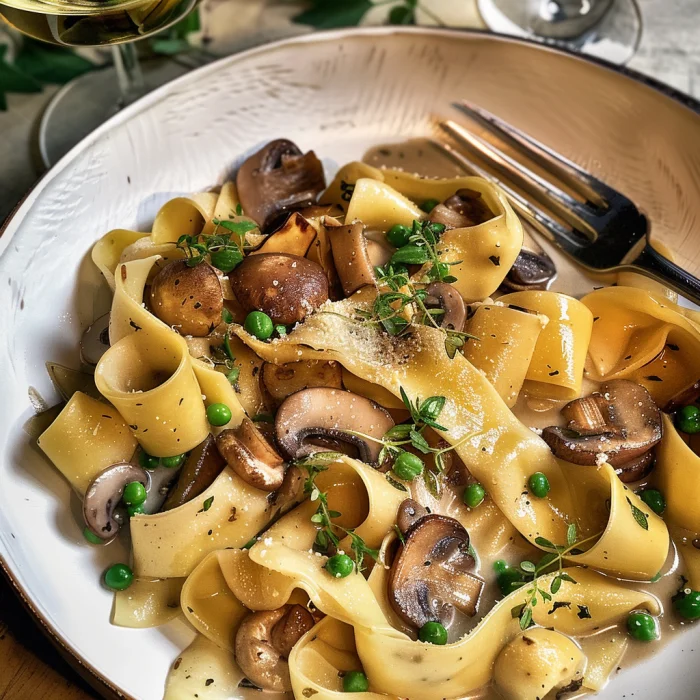
Imagine the scene: a flour-dusted wooden table, the warm, earthy scent of sautéed wild mushrooms filling the air, and a bowl of the most wonderfully irregular pasta you’ve ever seen, tossed with vibrant green pea tendrils. This isn’t just a meal; it’s a story on a plate. Maltagliati with Mushrooms and Pea Tendrils is a celebration of Italian cuisine at its most honest and soulful. This dish, hailing from the heart of cucina povera traditions, transforms simple, humble ingredients into a symphony of texture and flavor. Ultimately, this article will be your complete guide, walking you through the tale of the pasta, the selection of the finest components, the joyful process of homemade pasta creation, and finally, the definitive recipe to bring this rustic masterpiece to your own kitchen. So, get ready to roll up your sleeves—we’re about to dive into a truly delicious adventure.
The Story of Maltagliati
Maltagliati with Mushrooms and Pea Tendrils: A Rustic Masterpiece
Close your eyes for a second and picture the perfect forkful of pasta. Seriously, just imagine it! You’re not thinking about a perfectly uniform shape, are you? Instead, you’re likely dreaming of something utterly irresistible—chewy, robust noodles clinging to a deeply savory, umami-rich sauce, with pops of fresh, green goodness. Well, that daydream has a name: Maltagliati with Mushrooms and Pea Tendrils. This dish is a stunning tribute to the magic of rustic pasta, where so-called imperfections are actually the source of its incredible charm and character. Furthermore, it’s a beautiful harmony of earth and garden, making it a quintessential spring recipe that comforts you no matter the season.
What Exactly Are Maltagliati?
Alright, let’s get to the bottom of this funny-sounding name. Translating directly from Italian, “maltagliati” means “poorly cut” or, quite frankly, “badly cut.” Now, hold on—that’s not a criticism of your knife skills! On the contrary, this name is a proud badge of honor with its roots firmly planted in the resourceful world of cucina povera, or the “poor kitchen.”
In this tradition, absolutely nothing goes to waste. After all, when you’ve worked hard to make a beautiful sheet of pasta dough for ravioli or lasagne, you’re left with odd scraps and trimmings. Instead of tossing them out, thrifty Italian nonnas would gather these pieces, give them a rough cut, and cook them up for a simple, family meal. Consequently, the classic shape isn’t a uniform tube or a perfect strand; it’s an irregular, flat, diamond-ish triangle with uneven edges. These edges are actually the secret weapon! They’re fantastic at grabbing onto every last bit of sauce, whether it’s a hearty ragù or, in our case, a glorious mix of earthy mushrooms and delicate greens. So, you see, this “poorly cut” pasta is truly a symbol of culinary ingenuity and love. For those interested in the origins of these traditions, exploring the history of traditional Emilian pasta shapes offers a fascinating glimpse into Italy’s culinary heartland.
The Core Components
Deconstructing the Dish: Why This Combination Works
Honestly, the genius of this recipe lies in its flawless balance. It’s a trio of flavors and textures that just belong together. First, you have the deep, earthy flavors and meaty chew of the mushrooms, providing a powerful umami base. Next, the pea tendrils swoop in with their brilliant green color and a fresh, slightly sweet flavor that cuts through all that richness. Finally, the sturdy, hand-cut pasta acts as the perfect canvas, its nooks and crannies eagerly soaking up the simple yet incredible sauce. Together, they create a vegetarian pasta dish that is anything but boring—it’s complex, satisfying, and utterly delicious.
The Earthy Base: Choosing Your Mushrooms
Now, let’s talk fungus! The type of mushrooms you choose is your chance to really make this dish your own. You can’t really go wrong, but different choices lead to different outcomes.
-
The Everyday Mix: A combination of cremini (which are just mature button mushrooms) and shiitake is a fantastic, accessible option. Cremini offer a lovely earthiness, while shiitake bring a deeper, almost smoky flavor to the party.
-
The Wild Child Approach: Feeling fancy? By all means, grab some oyster or king trumpet mushrooms! They have beautiful, delicate textures and a more nuanced taste. For an extra punch of flavor, a small handful of rehydrated dried porcini mushrooms works absolute wonders. Their intense, woodsy aroma is simply unbeatable. Don’t forget to use the soaking liquid in your sauce! If you’re unsure, a great guide to cooking with different mushroom varieties can help you decide.
The Green Glory: Understanding Pea Tendrils
Okay, what on earth are pea tendrils? Simply put, they are the young leaves, stems, and delicate curly tendrils of the pea plant. They taste like a cross between fresh garden peas and spinach—sweet, vegetal, and incredibly tender.
You’ll most often find them at farmers’ markets or in the specialty produce section of a good grocery store. Can’t find them? Don’t panic! Pea shoots are a perfectly fine substitute; they’re just a bit more mature. In a real pinch, baby spinach will work, though it will wilt down more and has a milder flavor. Their role is crucial: they add a burst of fresh color and a light, green taste that lifts the entire dish off the plate.
Crafting The Pasta
The Art of Homemade Maltagliati Pasta
Look, I get it—making homemade pasta can seem intimidating. But here’s the secret: it’s actually incredibly simple and weirdly therapeutic. There’s something truly special about transforming just a few basic ingredients into something you can proudly call your own. For maltagliati, the process is part of the story; embracing the irregular shapes is where the fun begins!
Your Simple Pasta Dough Formula
You only need a handful of ingredients to create magic. This is a classic egg-based dough, which yields a rich, tender, and chewy pasta that stands up beautifully to our hearty sauce.
-
Ingredients:
-
2 cups (250g) “00” flour or all-purpose flour, plus more for dusting
-
3 large eggs, at room temperature
-
1/2 teaspoon fine sea salt
-
Semolina flour, for dusting (to prevent sticking)
-
-
The Method:
-
Mound & Well: First, place your flour on a clean work surface and make a large well in the center that looks like a volcano. Crack the eggs and pour the salt into this well.
-
Gentle Mixing: Using a fork, gently beat the eggs and salt, gradually pulling in flour from the inner walls of the well until a thick, pasty mixture forms.
-
Knead: Once it’s shaggy, use a bench scraper to incorporate the rest of the flour. Then, knead the dough with your hands for a solid 5-10 minutes. It will be tough at first, but persist! You’re looking for a smooth, elastic, and slightly firm ball.
-
Rest: Wrap the dough tightly in plastic wrap and let it rest at room temperature for at least 30 minutes. This is a non-negotiable step—it allows the gluten to relax, making the dough infinitely easier to roll out.
-
Rolling, Cutting, and Embracing Imperfection
This is the best part—there’s no pressure for perfection!
-
Divide: Cut your rested dough into four equal pieces. Keep the others covered while you work with one.
-
Roll: Using a rolling pin or a pasta machine, roll the dough out until it’s about 1/16-inch thick. If you’re using a machine, work through the settings until you reach the second-thinnest level.
-
Cut: Here’s the traditional method: lightly dust a rolled-out sheet of dough with flour, then loosely roll it into a cylinder. Using a sharp knife, cut the roll on a sharp angle into pieces about 1 to 2 inches wide. Unfurl them, and voilà! You have beautifully irregular maltagliati.
-
Dust: Generously dust your cut pasta with semolina flour to prevent sticking and lay them out on a sheet tray until you’re ready to cook.
The Complete Recipe
Maltagliati with Mushrooms and Pea Tendrils: The Definitive Recipe
Alright, the moment we’ve all been waiting for! This is where everything comes together. This recipeserves 4 as a main course and comes together surprisingly quickly once your components are prepped.
Gathering Your Ingredients
-
For the Pasta: Your homemade maltagliati (from above) or 1 lb (450g) store-bought pappardelle or fettuccine.
-
For the Sauce:
-
3 tablespoons extra-virgin olive oil
-
3 tablespoons unsalted butter, divided
-
1 shallot, finely minced
-
2 cloves garlic, minced
-
1 lb (450g) mixed mushrooms (cremini, shiitake, oyster), cleaned and sliced
-
2 sprigs fresh thyme
-
Salt and freshly ground black pepper
-
1/4 cup vegetable stock
-
1 large bunch pea tendrils (about 4 oz/115g), tough stems trimmed
-
1/2 cup freshly grated Parmesan cheese, plus more for serving
-
Zest of half a lemon
-
Toasted pine nuts, for garnish (optional)
-
Step-by-Step Cooking Instructions
-
Prep is Key: Before you start cooking, make sure everything is prepped—shallot and garlic minced, mushrooms sliced, cheese grated, and pea tendrils washed. This dish comes together fast!
-
Cook the Pasta: Bring a large pot of heavily salted water to a rolling boil. Add the maltagliati and cook for 2-4 minutes if fresh (or according to package directions if dried) until al dente. Crucially, reserve at least 1 cup of the starchy pasta water before draining. This liquid is gold for your sauce!
-
Build the Sauce: Meanwhile, heat the olive oil and 1 tablespoon of butter in a large skillet over medium heat. Add the shallot and cook until softened, about 3 minutes. Add the mushrooms and thyme, spreading them out in a single layer. Let them cook, without moving them too much, until they’re beautifully browned and crispy on one side, about 5-7 minutes. Season generously with salt and pepper.
-
Deglaze: Pour in the vegetable stock, scraping up any browned bits from the bottom of the pan. Let it simmer for a minute until the liquid reduces slightly.
-
The Final Assembly: Reduce the heat to low. Add the drained pasta directly to the skillet with the mushrooms. Toss everything together. Now, add a splash of that reserved pasta water and the remaining 2 tablespoons of cold butter. Toss vigorously—the water, butter, and starch will emulsify into a gorgeous, glossy sauce that clings to every noodle.
-
Wilting the Greens: Turn off the heat. Add the pea tendrils and the grated Parmesan cheese, and toss until the greens are just wilted and the cheese is melted into the sauce. If the sauce seems too thick, add another splash of pasta water. Stir in the lemon zest for a touch of brightness.
-
To Serve: Divide the pasta among warm bowls. Garnish with more Parmesan, a crack of black pepper, a drizzle of good olive oil, and a sprinkle of toasted pine nuts if you’re using them.
Pro Tips and Variations
Chef’s Secrets for the Perfect Plate
You’ve mastered the basics, so now let’s make you a pro! These little tweaks and tips will elevate your dish from great to absolutely restaurant-worthy.
Expert Tips for Success
-
Don’t Crowd the Pan: When cooking your mushrooms, give them space! If you pile them all into a small skillet, they’ll steam and become soggy. If necessary, cook them in two batches for the best sear and flavor.
-
Embrace the Pasta Water: That starchy, salty water is the key to a silky, professional-quality sauce that perfectly coats the pasta. It’s the magic ingredient—don’t forget it!
-
Finish Off the Heat: Adding the final butter, cheese, and greens off the heat prevents the cheese from becoming stringy and the greens from overcooking. This technique, called mantecatura in Italian, is essential for a creamy, cohesive sauce.
Delicious Variations to Try
This recipe is wonderfully adaptable. Here’s how to mix it up:
-
Creamy Dreamy: For a richer, more indulgent sauce, stir in a 1/4 cup of heavy cream or crème fraîche when you add the vegetable stock.
-
Herbaceous Twist: Finish the dish with a handful of fresh, chopped parsley or chives along with the pea tendrils for an extra layer of fresh flavor.
-
Different Greens: No pea tendrils? Asparagus tips, fresh peas, or even chopped kale would be delightful seasonal swaps.
What to Serve Alongside
This pasta is a star on its own, but a simple side can round out the meal. A light arugula salad with a lemon vinaigrette provides a peppery, acidic contrast that cuts through the richness of the pasta. Some crusty, warm bread is also non-negotiable for sopping up any remaining sauce left in the bowl!
FAQs
Frequently Asked Questions
Can I use store-bought pasta instead of homemade maltagliati?
Absolutely! While homemade is traditional, you can use any wide, flat pasta as a substitute. Pappardelle or fettuccine are excellent choices and will hold the chunky mushroom sauce well.
Where can I find pea tendrils?
Pea tendrils are most commonly found at farmers’ markets, Asian grocery stores, and well-stocked supermarkets (often in the specialty herb or microgreen section). If you can’t find them, pea shoots are the closest substitute, followed by baby spinach. You can always learn more about pea tendrils and their uses to help you spot them next time.
What is the best way to clean mushrooms?
Avoid soaking them in water, as they are like sponges. Instead, wipe them clean with a damp paper towel or use a soft brush to remove any dirt. If they are very dirty, you can rinse them quickly and pat them very dry immediately afterward.
Conclusion
Celebrating Simple, Soulful Cooking
In the end, Maltagliati with Mushrooms and Pea Tendrils is so much more than just a list of ingredients and steps. It’s a connection to a timeless culinary tradition that values resourcefulness and flavor above all else. It’s about the joyful, tactile process of creating something with your own hands and the incredible satisfaction of sharing it. So, don’t worry about making it look perfect. Embrace the rustic, irregular shapes, savor the deep earthy flavors, and enjoy every single bite of your homemade triumph. Buon appetito
Print
Maltagliati with Mushrooms and Pea Tendrils
Description
Maltagliati with Mushrooms and Pea Tendrils
Ingredients
-
12 oz (340 g) maltagliati pasta (or any irregularly cut pasta)
-
2 tbsp olive oil
-
2 cloves garlic, minced
-
1 small shallot, finely chopped
-
10 oz (280 g) mixed mushrooms (cremini, shiitake, or oyster), sliced
-
½ cup dry white wine (optional)
-
1 cup vegetable or chicken broth
-
2 cups fresh pea tendrils, roughly chopped
-
¼ cup grated Parmesan cheese (optional)
-
Salt and black pepper, to taste
-
1 tbsp unsalted butter (optional, for richness)
-
Lemon zest, for garnish
Instructions
1. Cook the pasta:
-
Bring a large pot of salted water to a boil. Cook maltagliati until al dente. Reserve ½ cup of pasta water, then drain.
2. Sauté the mushrooms:
-
Heat olive oil in a large skillet over medium heat.
-
Add garlic and shallot, sauté 1–2 minutes until fragrant.
-
Add mushrooms and cook 6–8 minutes until browned and tender. Season with salt and pepper.
3. Deglaze and make sauce:
-
Pour in white wine (if using) and simmer until reduced by half.
-
Add broth and cook 2–3 minutes. Stir in butter if using.
4. Combine pasta and pea tendrils:
-
Toss cooked pasta into the mushroom sauce.
-
Add pea tendrils and toss until just wilted. If needed, use reserved pasta water to loosen sauce.
-
Adjust seasoning with salt and pepper.
5. Serve:
-
Plate pasta and sprinkle with Parmesan and a little lemon zest for brightness.