
Introduction & The Cultural Heart of the Dish
Spanish Meatballs with Cherry Tomato Sauce (Albóndigas): Your Ultimate Guide to an Authentic Tapas Classic
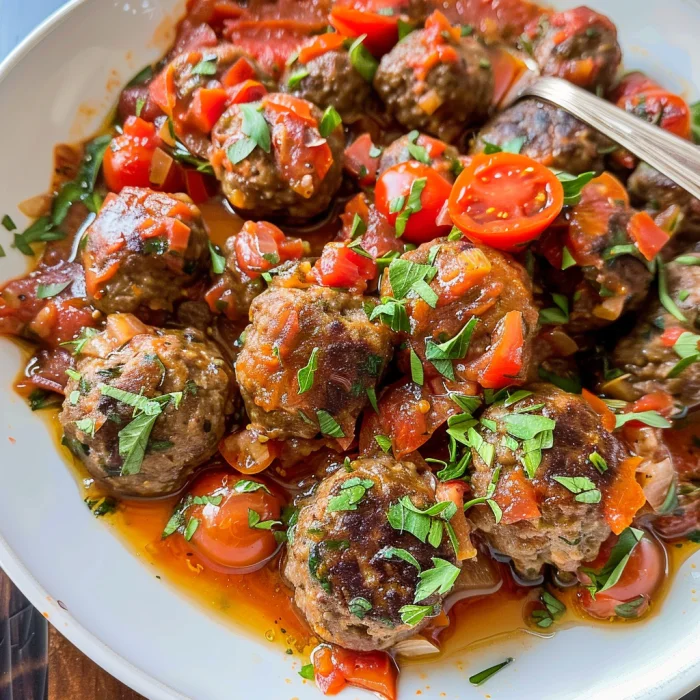
Picture this: a bustling, sun-drenched bar in Madrid, the air buzzing with conversation and the clinking of glasses. A small, earthenware dish is placed before you, brimming with tender, savory Spanish meatballs luxuriating in a vibrant, simmering cherry tomato sauce. This isn’t just any appetizer; this is albóndigas, a humble yet profound icon of Spain’s culinary soul. Frankly, they’re a world away from their distant cousins served over spaghetti.
This definitive guide is your passport to recreating that authentic Spanish magic right in your own kitchen. We’re not merely listing ingredients; we’re embarking on a flavorful journey into the heart of traditional Spanish cooking. We’ll unravel the secrets behind the perfect texture, the smoky depth of pimentón, and the brilliantly simple sauce that makes this dish unforgettable. So, grab your apron—let’s transform simple ingredients into an extraordinary experience.
More Than a Meal: A Journey into Spanish Tradition
To truly understand albóndigas, you must first appreciate their role in the tapestry of Spanish life. Consequently, these are not just a quick weeknight dinner (though they’re brilliant for that!); instead, they are the very essence of tapas culture. The concept of tapas is built on community, conversation, and sharing small, flavorful plates amongst friends.
Imagine a series of这些小盘子 (small plates) creating a communal feast, each one a new conversation starter. Albóndigas, often served with crusty bread for scooping up every last bit of that glorious sauce, are a cornerstone of this experience. Their warmth and richness are meant to be enjoyed slowly, alongside good company. Interestingly, the history of Spanish tapas culture is a fascinating tale of innovation and community, showing how food brings people together.
Beyond the bar, however, albóndigas are also a beloved staple of home cooking. Across Spain’s diverse regions, families have their own cherished variations—a pinch of a different spice, a unique herb from the garden, or a slightly different meat blend. Ultimately, this dish represents comfort, heritage, and the incredible power of simple, high-quality ingredients transformed into something utterly divine.
The Foundation: Ingredients & Equipment
Gathering Your Ingredients: A Symphony of Spanish Flavors
Alright, let’s get down to the nuts and bolts! The beauty of this authentic albóndigas recipe lies in its simplicity. Therefore, using the best-quality ingredients you can find isn’t just a suggestion; it’s the golden rule. Here’s your shopping list for this culinary masterpiece.
For the Meatballs (Albóndigas):
-
The Meat: The classic blend for Spanish meatballs is half ground pork and half ground beef. Why? Well, the pork adds fantastic fat and flavor, ensuring juicy results, while the beef provides a robust, hearty structure. Of course, you can use all beef, but the pork truly makes a difference.
-
The Aromatics: One small yellow onion and two cloves of garlic, minced as finely as possible. This ensures they disperse evenly throughout the mixture, delivering flavor in every single bite.
-
The Binder: You’ll need plain breadcrumbs (about a half cup) and a quarter cup of milk. This combination, called a panade, is the secret weapon against dry meatballs. For a gluten-free version, simply use your favorite GF breadcrumbs or even rolled oats.
-
The Soul: This is the star! You must have pimentón (smoked paprika). There’s sweet (dulce) and hot (picante); I recommend starting with dulce for that classic, smoky warmth. This spice is non-negotiable for that authentic Spanish paprika flavor. For the real deal, look for Protected Designation of Origin for Pimentón de La Vera.
-
The Freshness: A good handful of fresh flat-leaf parsley, chopped. It adds a necessary burst of freshness that cuts through the richness.
-
The Seasoning: Just good old sea salt and freshly ground black pepper.
For the Cherry Tomato Sauce:
-
Tomatoes: Two pints of fresh, ripe cherry tomatoes are ideal. They roast down into an incredibly sweet and vibrant sauce. However, you can substitute with one 28-ounce can of high-quality crushed tomatoes if needed.
-
Flavor Base: Another half onion and two more garlic cloves, finely chopped. This creates the sofrito, the foundational flavor layer of the sauce.
-
Liquid: Use a good chicken or beef stock. Additionally, a splash of dry sherry (the non-alcoholic kind works too) or dry white wine adds a fantastic depth of flavor, but you can use extra stock if you prefer.
-
Finishing Touches: More fresh parsley for garnish and a generous glug of extra virgin olive oil to finish.
Essential Kitchen Tools
You don’t need any fancy gadgets! Basically, just gather these standard items:
-
A large mixing bowl for your meatball mixture.
-
A large skillet or, even better, a Dutch oven. An oven-safe one is perfect if you choose to finish the dish in the oven.
-
A sharp knife and cutting board.
-
A wooden spoon and measuring spoons.
-
A baking sheet (if you opt to bake the meatballs).
The Craft: Step-by-Step Cooking Instructions
Crafting Perfect Albóndigas: A Step-by-Step Masterclass
Now for the fun part—let’s cook! Follow these steps closely, and you’ll be guaranteed a spectacular result.
Step 1: Preparing the Meatball Mixture
First, in a small bowl, combine the breadcrumbs and milk. Let this sit for about five minutes until the breadcrumbs have soaked up all the milk. This panade is your first insurance policy for supremely juicy meatballs. Meanwhile, in your large mixing bowl, combine the ground beef, ground pork, the very finely minced onion and garlic, the egg, chopped parsley, pimentón, salt, and pepper.
Next, add the soaked breadcrumb mixture to the meat. Here’s the crucial part: using your hands, gently mix everything together just until combined. Do not overmix! Overworking the meat will activate the proteins and lead to tough, dense meatballs. Honestly, a light touch is everything. For easier shaping, cover the bowl and pop it into the refrigerator for 20-30 minutes.
Step 2: Shaping and Cooking the Meatballs
Once chilled, use your hands or a small cookie scoop to form the mixture into uniform, golf ball-sized meatballs. This size is perfect for a tapas portion and ensures even cooking.
Now, you have a choice for cooking method:
-
Pan-Frying (Recommended for Flavor): Heat a tablespoon of olive oil in your large skillet or Dutch oven over medium heat. Working in batches to avoid crowding the pan, add the meatballs. Cook them, turning occasionally, until they are beautifully browned on all sides. This isn’t just for color; it’s about building flavor through the science behind the Maillard reaction, that magical process that creates a delicious crust. They don’t need to be cooked through yet—just seared. Remove them and set aside.
-
Baking (Healthier & Hands-Off): Preheat your oven to 400°F (200°C). Arrange the shaped meatballs on a parchment-lined baking sheet. Lightly drizzle them with olive oil and bake for about 15-20 minutes, or until browned, turning once halfway through.
Step 3: Building the Cherry Tomato Sauce
Using the same skillet (those browned bits are flavor gold!), add a little more oil if needed. Add the remaining chopped onion and cook until soft and translucent, about 5 minutes. Then, add the garlic and cook for another minute until fragrant.
If using, add a splash of sherry or stock to deglaze the pan, scraping up all those delicious browned bits with your wooden spoon. This step is packed with flavor. Add the entire pint of cherry tomatoes and the stock. Bring the sauce to a simmer, then reduce the heat. Let it cook for about 10-15 minutes, until the tomatoes have softened and started to burst. You can help them along by pressing them gently with the back of your spoon.
Step 4: Simmering to Perfection
Carefully return the seared meatballs to the skillet, nestling them into the sauce. Bring everything back to a gentle simmer, then reduce the heat to low. Cover the skillet partially and let it cook for another 15-20 minutes. This allows the meatballs to finish cooking through and, more importantly, lets their flavors meld wonderfully with the sauce. The sauce will thicken slightly and become incredibly rich.
Mastery: Tips, Variations, and Serving
Pro Tips for Authentic Spanish Albóndigas
Want to take your dish from great to extraordinary? Here are some insider secrets:
-
Uniformity is Key: That cookie scoop isn’t just for cookies! It’s the easiest way to get meatballs that are all the same size, ensuring they cook at exactly the same rate.
-
Taste as You Go: Before you form all the meatballs, cook a tiny piece of the mixture in the microwave or a small pan. Taste it for seasoning and adjust the salt or paprika in the remaining mixture accordingly.
-
The Rest is Best: If you can possibly wait, let the finished dish sit for 10-15 minutes off the heat before serving. This allows the meatballs to reabsorb some juices and the flavors to marry even more deeply.
Delicious Variations to Try
The basic recipe is perfection, but feel free to get creative!
-
Herbaceous Twist: Stir in a teaspoon of fresh oregano or thyme into the meat mixture along with the parsley.
-
Spicy Kick: For those who like heat, use half pimentón dulce and half pimentón picante (hot smoked paprika). You could even add a pinch of cayenne pepper.
-
Rich & Creamy: For a decadent finish, stir a few tablespoons of heavy cream or dairy-free alternative into the sauce right at the end of cooking.
How to Serve and Present Your Spanish Masterpiece
Presentation matters! Serve your albóndigas in a wide, shallow bowl or a traditional earthenware cazuela to showcase that beautiful sauce.
-
As a Tapas Appetizer: This is the classic way. Serve them straight from the skillet with a basket of crusty bread for dipping and a bowl of toothpicks for spearing.
-
As a Main Course: To turn this into a hearty family dinner, serve them over a bed of:
-
Fluffy Mashed Potatoes: The ultimate comfort food pairing.
-
Buttered Noodles or Rice: Perfect for soaking up every last drop of sauce.
-
Crusty Bread: Don’t underestimate the power of a good loaf!
-
-
Garnish Generously: Always finish with a final sprinkle of fresh chopped parsley and a luxurious drizzle of high-quality extra virgin olive oil right before serving.
Practicalities: Storage, Make-Ahead, and Dietary Info
Storage, Freezing, and Make-Ahead Instructions
The great news is that albóndigas are fantastic for making ahead of time!
-
Refrigeration: Let the dish cool completely after cooking. Then, transfer it to an airtight container. It will keep beautifully in the refrigerator for up to 3 days. In fact, the flavors often taste even better the next day!
-
Freezing: This dish freezes exceptionally well. Place cooled albóndigas and sauce in a freezer-safe container or heavy-duty zip-top bag. They can be frozen for up to 3 months. Thaw overnight in the refrigerator before reheating.
-
Reheating: Gently reheat on the stovetop over low heat, stirring occasionally, until heated through. If the sauce has thickened too much, add a small splash of water or stock to loosen it up.
Dietary Considerations and Adaptations
This recipe is wonderfully adaptable to various dietary needs.
-
Gluten-Free: As mentioned, simply use certified gluten-free breadcrumbs or rolled oats in the meatball mixture. Ensure your stock is also gluten-free.
-
Dairy-Free: Substitute the milk in the meatball mixture with an unsweetened non-dairy alternative like almond, oat, or soy milk.
-
Lower Fat: You can use a leaner blend of meats, such as 90% lean beef and lean ground turkey. For cooking, definitely choose the baking method instead of pan-frying.
Frequently Asked Questions (FAQs)
Frequently Asked Questions About Spanish Meatballs
What is the difference between Spanish meatballs and Italian meatballs?
This is a common question! While both are delicious, they are distinct. Spanish albóndigas are typically smaller, often use a pork/beef mix, and are defined by the use of smoked paprika (pimentón) which gives them a characteristic smoky flavor. The sauce is usually a lighter, wine or stock-based tomato sauce. Italian meatballs are often larger, use a blend of beef, pork, and veal, and feature herbs like basil and oregano. They are commonly served with a heavier, long-simmered marinara sauce and pasta.
Can I make Spanish meatballs ahead of time?
Absolutely! In fact, I highly encourage it. Let the cooked dish cool completely, then store it in the refrigerator for up to 3 days. Reheat gently on the stovetop, adding a splash of water or stock if the sauce has thickened too much. The flavors meld and improve, making them even more delicious.
What can I use if I don’t have cherry tomatoes?
No problem! You can substitute with an equal amount of canned crushed tomatoes, passata, or even diced ripe Roma tomatoes. The flavor profile will be slightly different—often a bit more robust and less sweet—but it will still be utterly delicious.
Is it necessary to pan-fry the meatballs before adding them to the sauce?
While you can technically poach them directly in the sauce, pan-frying is highly recommended. Searing them first creates a flavorful crust through the Maillard reaction, which adds significant depth and prevents the meatballs from becoming greasy. Baking is a great alternative that still provides good color and flavor without the added oil.
Print
Spanish Meatballs with Cherry Tomato Sauce
Description
Spanish Meatballs with Cherry Tomato Sauce
Ingredients
For the Meatballs:
-
1 lb (450 g) ground beef (or a mix of beef and pork)
-
1 small onion, finely chopped
-
2 cloves garlic, minced
-
½ cup breadcrumbs
-
¼ cup milk
-
1 large egg
-
1 tsp smoked paprika
-
½ tsp ground cumin
-
½ tsp dried oregano
-
Salt and black pepper, to taste
-
2 tbsp olive oil, for frying
For the Cherry Tomato Sauce:
-
2 tbsp olive oil
-
1 small onion, finely chopped
-
2 cloves garlic, minced
-
2 cups cherry tomatoes, halved
-
1 tsp smoked paprika
-
½ tsp sugar (optional, to balance acidity)
-
Salt and black pepper, to taste
-
2 tbsp fresh parsley or basil, chopped
-
¼ cup dry white wine (optional)
Instructions
1. Make the meatballs:
-
In a bowl, combine breadcrumbs and milk; let soak for 5 minutes.
-
Add ground meat, onion, garlic, egg, smoked paprika, cumin, oregano, salt, and pepper. Mix until just combined.
-
Form into 1–1 ½ inch meatballs.
2. Brown the meatballs:
-
Heat olive oil in a large skillet over medium heat.
-
Add meatballs and brown on all sides, about 5–7 minutes. Remove and set aside.
3. Make the sauce:
-
In the same skillet, heat olive oil. Add onion and garlic, sauté until soft.
-
Add cherry tomatoes, smoked paprika, wine (if using), and sugar. Simmer 5–7 minutes until tomatoes break down.
-
Season with salt and pepper.
4. Simmer the meatballs:
-
Return meatballs to the sauce. Simmer gently 10 minutes, spooning sauce over meatballs occasionally.
5. Serve:
-
Garnish with fresh parsley or basil. Serve with crusty bread, rice, or over pasta.