Mediterranean Lamb Meatballs with Tzatziki: A Complete Guide to This Greek-Inspired Delight
Introduction to Mediterranean Lamb Meatballs with Tzatziki
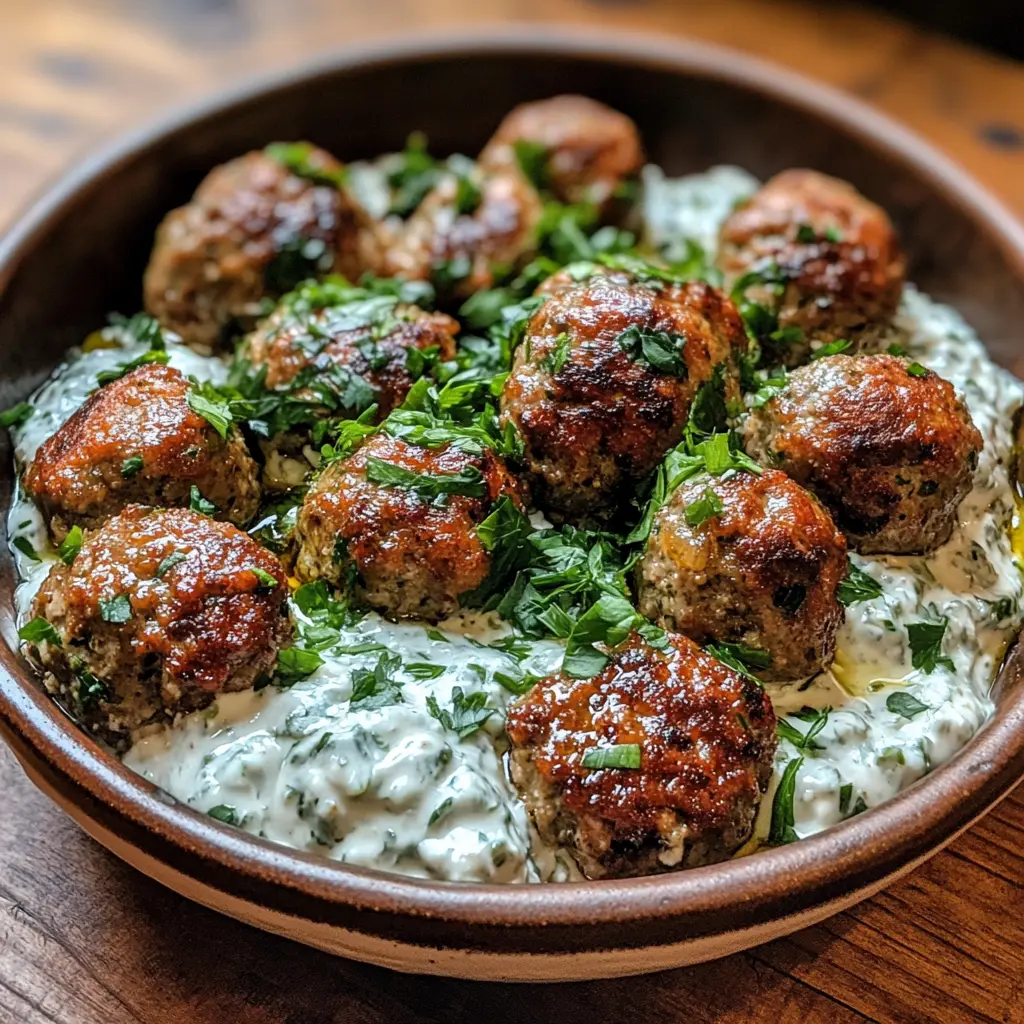
Mediterranean lamb meatballs with tzatziki represent one of the most beloved dishes in Greek and broader Mediterranean cuisine. These tender, flavor-packed meatballs combine aromatic herbs and warm spices with ground lamb to create a dish that transports your taste buds straight to the sun-drenched shores of the Mediterranean. When paired with cool, refreshing tzatziki sauce made from Greek yogurt, cucumber, and garlic, the result is a perfectly balanced meal that satisfies both comfort food cravings and health-conscious eating goals.
This dish offers incredible versatility, whether you serve it as an appetizer for gatherings, a main course with fresh vegetables, or part of a mezze platter. Moreover, Mediterranean lamb meatballs with tzatziki bring together protein-rich ingredients with anti-inflammatory herbs, making them both delicious and nutritious. The combination of warm, spiced meatballs with cold, tangy tzatziki creates a textural and flavor contrast that keeps diners coming back for more.
The beauty of this recipe lies in its simplicity and the quality of ingredients. Therefore, fresh herbs, quality ground lamb, and authentic Greek yogurt make all the difference in achieving restaurant-quality results at home.
What Makes Mediterranean Lamb Meatballs Special
Mediterranean lamb meatballs stand out from other meatball varieties due to their distinctive flavor profile and cooking techniques. Unlike Italian or Swedish meatballs, these Greek-inspired versions showcase the region’s signature herbs such as oregano, mint, and parsley. Additionally, warm spices like cumin, coriander, and paprika add depth and complexity that define Mediterranean cuisine.
The use of lamb itself sets these meatballs apart from more common beef or pork versions. Lamb provides a slightly gamey, rich flavor that pairs beautifully with Mediterranean seasonings. Furthermore, the meat’s natural fat content ensures moist, tender meatballs that don’t dry out during cooking.
Traditional Mediterranean preparation methods enhance the meatballs’ authentic character. Most recipes incorporate grated onion with its juices, which adds moisture and sweetness to the meat mixture. The addition of fresh lemon zest brightens the flavor profile and cuts through the richness of the lamb. These carefully balanced elements create meatballs that taste distinctly Mediterranean while remaining approachable for everyday cooking.
The Nutritional Benefits of Lamb
Choosing lamb for your Mediterranean meatballs provides significant nutritional advantages. Lamb delivers approximately 25 grams of high-quality protein per 3-ounce serving, making it an excellent choice for muscle growth and repair. This complete protein contains all nine essential amino acids necessary for immune function and overall growth.
The vitamin content in lamb is particularly impressive. It serves as an excellent source of vitamin B12, which supports red blood cell formation, energy production, and nervous system health. Lamb also contains substantial amounts of niacin (B3), riboflavin (B2), and pantothenic acid (B5), all contributing to energy metabolism and skin health.
Mineral-wise, lamb provides important nutrients including iron for physical activity and anemia prevention, zinc for immune system maintenance, phosphorus for bone health, and selenium for antioxidant protection. Pasture-raised lamb offers additional benefits with higher levels of omega-3 fatty acids and conjugated linoleic acid (CLA), which support cardiovascular health and may assist with fat loss. These nutritional qualities make Mediterranean lamb meatballs a protein powerhouse that nourishes your body while delighting your palate.
Essential Ingredients for Perfect Lamb Meatballs
Creating outstanding Mediterranean lamb meatballs requires attention to each ingredient’s quality and role. Ground lamb forms the foundation, and selecting meat with appropriate fat content ensures juicy, flavorful results. Look for lamb that contains around 15-20% fat for optimal moisture and taste.
Fresh herbs make an enormous difference in the final product. Mint, cilantro, and parsley bring brightness and authentic Mediterranean character to the meatballs. These herbs should be finely chopped and incorporated throughout the meat mixture. Additionally, dried oregano adds earthy, slightly bitter notes that complement the lamb beautifully.
The spice blend typically includes cumin, coriander, paprika, and sometimes cinnamon or pumpkin pie spice. These warm spices provide depth and complexity while offering digestive benefits and anti-inflammatory properties. Garlic is essential, adding pungent flavor that mellows during cooking.
Binding ingredients ensure the meatballs hold together properly. Panko breadcrumbs create a lighter texture than regular breadcrumbs, while an egg helps bind the mixture. Grated onion with its juices adds moisture and subtle sweetness. Finally, lemon zest brightens the overall flavor profile and adds a distinctly Mediterranean touch.
Understanding Tzatziki Sauce
Tzatziki sauce serves as the perfect cooling counterpoint to warm, spiced Mediterranean lamb meatballs. This traditional Greek sauce combines thick, creamy yogurt with grated cucumber, garlic, and herbs to create a refreshing dip that has been served in Mediterranean taverns for generations. The sauce’s simplicity belies its sophisticated flavor profile and versatility.
Authentic tzatziki requires Greek yogurt, which is strained yogurt with a thick, creamy consistency. Regular yogurt produces a runny sauce that lacks the proper texture and richness. The yogurt must be full-fat or reduced-fat Greek yogurt for best results.
Fresh garlic plays a starring role in tzatziki, and recipes often call for a generous amount to create bold flavor. However, the garlic intensity can be adjusted based on personal preference. Cucumber adds crunch and freshness, but proper preparation is crucial. The cucumber must be grated and thoroughly drained of excess moisture to prevent watery tzatziki.
Traditional herbs for tzatziki include fresh dill or mint, though both can be used together. Extra virgin olive oil enriches the sauce and helps the garlic blend smoothly with other ingredients. A small amount of vinegar or lemon juice provides acidity that balances the creamy yogurt. This combination creates a sauce that enhances Mediterranean lamb meatballs perfectly.
Mediterranean Herbs and Spices That Transform Your Meatballs
The herbs and spices used in Mediterranean cuisine do more than add flavor—they provide substantial health benefits. Oregano, native to the Mediterranean region, contains apigenin, which offers anti-inflammatory and antioxidant properties. This herb’s slightly bitter taste adds authentic Greek character to lamb meatballs while contributing medicinal value.
Mint and parsley, both staples in Mediterranean cooking, bring freshness and health advantages to the dish. Mint calms the digestive system, while parsley delivers antioxidants including vitamin C, vitamin A, and flavonoids that support heart health, digestion, and bone strength. These herbs aren’t merely garnishes—they’re integral to the flavor profile and nutritional value.
The warm spice blend transforms simple ground lamb into something extraordinary. Cumin, with its earthy, nutty flavor, supports digestion and immunity. Paprika provides sweet, smoky notes along with vitamin C and antioxidants that boost immune function. Coriander offers digestive support and potential cholesterol management benefits.
These Mediterranean herbs and spices are loaded with omega-3 fatty acids that help decrease inflammation in the body. Their antibacterial and anti-inflammatory qualities make them especially valuable for people with chronic inflammation conditions. By incorporating these ingredients into Mediterranean lamb meatballs, you create a dish that nourishes body and soul.
Step-by-Step Guide to Making Mediterranean Lamb Meatballs
Creating perfect Mediterranean lamb meatballs follows a straightforward process that yields impressive results. Start by preheating your oven to 400°F and lining a baking sheet with parchment paper. This temperature ensures proper cooking while developing a golden exterior.
Begin by preparing the meat mixture in a large mixing bowl. Combine ground lamb with grated onion and its juices, minced garlic, panko breadcrumbs, and a beaten egg. Add your fresh herbs—finely chopped mint, cilantro, and parsley—along with dried oregano. Incorporate the spice blend of cumin, coriander, paprika, and any additional spices like cinnamon or pumpkin pie spice.
Season the mixture with salt and pepper to taste, then use your hands to mix everything together until just combined. However, avoid overmixing, as this creates tough meatballs. The mixture should be thoroughly combined but not overworked.
Form the mixture into meatballs using 1-2 tablespoons of meat per ball, rolling them gently between your palms. Lightly oil your hands to prevent sticking. Place the formed meatballs on your prepared baking sheet, spacing them evenly. Transfer the sheet to the preheated oven and bake for 15-20 minutes until fully cooked through and golden brown. The internal temperature should reach 145°F for properly cooked lamb.
How to Prepare Authentic Tzatziki Sauce
Making authentic tzatziki sauce takes less than 10 minutes but requires attention to detail for the best results. Begin by preparing the cucumber, which is crucial for achieving the proper consistency. Use English cucumber or Persian cucumbers, partially peeling them in stripes to maintain some skin texture.
Grate the cucumber using the medium setting on a box grater. Add a pinch of salt to the grated cucumber and let it sit for 5 minutes. This draws out excess moisture that would otherwise make your tzatziki watery. Using a kitchen towel, squeeze the cucumber thoroughly to remove as much liquid as possible, repeating this process 2-3 times.
In a large mixing bowl, prepare the garlic mixture first. Combine minced or finely grated garlic cloves with salt, white vinegar or lemon juice, and extra virgin olive oil. Some recipes recommend blending the oil and garlic together first to help the garlic incorporate more smoothly. Mix these ingredients well before adding other components.
Add the strained cucumber to the garlic mixture, then fold in Greek yogurt. Incorporate chopped fresh dill or mint if desired, along with a pinch of white or black pepper. Stir everything together until well combined, then taste and adjust seasoning as needed. Store the tzatziki in the refrigerator and always serve it cold for the most refreshing contrast with warm meatballs.
Cooking Methods for Lamb Meatballs
While baking is the most common method for Mediterranean lamb meatballs, several cooking techniques produce excellent results. Oven-baking at 400°F creates evenly cooked meatballs with minimal hands-on time. This method allows you to prepare a large batch simultaneously and produces consistent results.
Broiling offers another oven-based approach that creates a beautifully browned exterior. Position the oven rack about 7 inches from the heat source and broil the meatballs, flipping halfway through, for 10-12 minutes. This high-heat method develops a delicious crust while keeping the interior moist and tender.
Pan-frying provides quick cooking with excellent browning. Heat olive oil in a large skillet over medium heat, then brown the meatballs for a few minutes on each side. This technique works particularly well for smaller batches and allows you to monitor each meatball closely.
Grilling adds a smoky dimension to Mediterranean lamb meatballs that complements their spices beautifully. Preheat your grill to medium-high heat and lightly oil your hands before forming the meatballs. Consider skewering the meatballs with pieces of red onion between them for easy handling and additional flavor. Drizzle with olive oil and turn regularly until cooked through. Regardless of cooking method, the meatballs should reach an internal temperature of 145°F for food safety.
Tips for Perfect Meatballs Every Time
Achieving consistently excellent Mediterranean lamb meatballs requires understanding a few key techniques. First and foremost, avoid overmixing the meat mixture. Overworking the meat develops tough proteins that result in dense, dry meatballs. Mix ingredients until just combined, using your hands gently to incorporate everything evenly.
Maintaining proper moisture in the meatball mixture is essential. The grated onion with its juices serves this purpose, so don’t drain it before adding to the meat. Additionally, the ratio of breadcrumbs to meat matters—too many breadcrumbs create a heavy texture, while too few may cause the meatballs to fall apart.
Size consistency ensures even cooking. Use a cookie scoop or measure out 1-2 tablespoons of mixture per meatball to maintain uniform portions. Roll the meatballs with wet or lightly oiled hands to prevent sticking. The meatballs should be compact but not compressed too firmly.
Temperature control during cooking prevents dry meatballs. Don’t use excessively high heat, which dries out the exterior before the interior cooks through. Allow the meatballs to rest for a few minutes after cooking to let juices redistribute throughout the meat. Finally, always use fresh herbs rather than dried versions for the brightest flavor and most authentic Mediterranean character.
Serving Suggestions and Pairings
Mediterranean lamb meatballs with tzatziki shine in numerous serving presentations that highlight their versatility. The classic approach involves placing warm meatballs on a platter with a generous bowl of cold tzatziki sauce alongside for dipping. Garnish the tzatziki with fresh herbs, a drizzle of olive oil, and serve with warm pita bread for an authentic Mediterranean experience.
For a complete meal, create Mediterranean-style dinner bowls. Start with a base of fluffy rice, quinoa, or couscous, then arrange the lamb meatballs on top. Add fresh vegetables like cucumber, tomatoes, red onion, and mixed greens. Drizzle tzatziki sauce over everything and include lemon wedges for squeezing.
The meatballs work beautifully in mezze platters for entertaining. Surround them with other Mediterranean favorites such as hummus, baba ganoush, olives, feta cheese, sliced vegetables, and pita chips. This presentation allows guests to mix and match flavors while creating their own combinations.
Transform the meatballs into gyro-style wraps or sandwiches. Fill warm pita bread with several meatballs, shredded lettuce, sliced tomatoes, red onion, and a generous amount of tzatziki. Alternatively, serve the meatballs over a Greek salad for a protein-packed, low-carb option that maintains all the Mediterranean flavors. The possibilities for presentation are limited only by your imagination.
Storage and Meal Prep Ideas
Mediterranean lamb meatballs with tzatziki make excellent meal prep options thanks to their storage-friendly nature. Cooked meatballs can be refrigerated in an airtight container for up to 4 days, making them perfect for weekly meal planning. Cool the meatballs completely before storing to prevent condensation and soggy texture.
For longer storage, freeze the meatballs either before or after cooking. To freeze uncooked meatballs, arrange them on a baking sheet lined with parchment paper and freeze until solid. Transfer the frozen meatballs to freezer bags or containers, where they’ll keep for up to 3 months. This method prevents the meatballs from sticking together and allows you to remove only the amount you need.
Cooked meatballs freeze equally well using the same technique. When ready to use frozen cooked meatballs, thaw them overnight in the refrigerator and reheat in a 350°F oven until warmed through. Alternatively, reheat directly from frozen, adding a few extra minutes to the cooking time.
Tzatziki sauce stores separately in the refrigerator for 3-4 days in an airtight container. Always keep it refrigerated and serve cold for food safety and best flavor. The sauce may release some liquid after storage—simply stir it back together before serving. However, tzatziki doesn’t freeze well due to the cucumber’s high water content, so prepare it fresh or within a few days of serving for optimal results.
Variations and Customizations
Mediterranean lamb meatballs with tzatziki offer endless opportunities for creative variations. For a spicier version, add crushed red pepper flakes or a pinch of cayenne to the meat mixture. Alternatively, incorporate harissa paste for North African flair that maintains Mediterranean character.
Herb variations can dramatically change the flavor profile while staying within Mediterranean traditions. Substitute fresh basil for mint to lean toward Italian influences. Use only parsley and oregano for a more Greek-focused version. Fresh rosemary, finely minced, adds a piney, aromatic quality that pairs beautifully with lamb.
The tzatziki sauce welcomes customization as well. Create a mint and coriander version by swapping dill for these herbs. Add paprika or smoked chipotle chili for a spicy tzatziki that provides extra kick. For those with dietary restrictions, coconut yogurt can replace Greek yogurt to make dairy-free tzatziki.
Ground meat substitutions work for those who prefer alternatives to lamb. Use ground turkey or chicken for a leaner option, though you may need to add extra olive oil to prevent dryness. Ground beef provides a more familiar flavor profile while maintaining the Mediterranean seasoning. Mix lamb with beef for a balanced approach that introduces lamb’s unique taste gradually. Each variation maintains the dish’s essential character while accommodating different preferences and dietary needs.
Common Mistakes to Avoid
Several common mistakes can undermine otherwise excellent Mediterranean lamb meatballs. The most frequent error is overworking the meat mixture, which develops tough proteins and creates dense, chewy meatballs instead of tender ones. Mix ingredients until just combined and handle the mixture gently throughout the process.
Failing to properly drain grated cucumber ruins tzatziki sauce consistency. Many cooks skip or rush the draining process, resulting in watery sauce that separates and lacks the proper thick, creamy texture. Take time to thoroughly squeeze moisture from the cucumber using a kitchen towel, repeating several times for best results.
Using regular yogurt instead of Greek yogurt for tzatziki creates a runny dip that doesn’t cling to meatballs properly. Greek yogurt’s strained nature and thick consistency are essential for authentic tzatziki texture. If you only have regular yogurt, strain it through cheesecloth for several hours to remove excess whey.
Temperature control mistakes during cooking lead to dry or undercooked meatballs. Using heat that’s too high burns the exterior before the interior cooks through. Conversely, insufficient heat prevents proper browning and extends cooking time unnecessarily. Additionally, not checking internal temperature leaves guesswork in food safety—lamb meatballs should reach 145°F. Finally, neglecting to let meatballs rest after cooking causes juices to run out when cut, resulting in drier texture.
FAQs About Mediterranean Lamb Meatballs with Tzatziki
Can I make Mediterranean lamb meatballs ahead of time?
Yes, Mediterranean lamb meatballs are excellent for advance preparation. Form uncooked meatballs up to 24 hours ahead and refrigerate them covered until ready to cook. Alternatively, fully cook the meatballs and refrigerate for up to 4 days or freeze for up to 3 months. Reheat cooked meatballs in a 350°F oven until warmed through while preparing fresh tzatziki for serving.
What makes tzatziki sauce different from regular yogurt dips?
Tzatziki sauce differs from other yogurt dips through its specific combination of ingredients and preparation method. The sauce requires Greek yogurt for proper thickness, thoroughly drained grated cucumber to prevent wateriness, generous garlic for bold flavor, and fresh herbs like dill or mint. Additionally, extra virgin olive oil and vinegar or lemon juice provide richness and acidity that distinguish tzatziki from simpler yogurt-based dips.
Can I use a different type of meat for these meatballs?
While lamb provides authentic Mediterranean flavor, you can substitute other ground meats. Ground beef offers a more familiar taste, while ground turkey or chicken creates leaner meatballs. Consider mixing lamb with beef to gradually introduce lamb’s distinctive flavor. When using leaner meats, add extra olive oil to the mixture to maintain moisture since these proteins contain less natural fat than lamb.
How do I prevent my meatballs from falling apart during cooking?
Prevent meatball breakage by ensuring proper binding ingredients and techniques. Include both egg and breadcrumbs in the mixture, as these hold the meatballs together. Don’t skip the grated onion, which adds moisture that helps binding. Mix ingredients just until combined—overmixing creates tough meatballs while undermixing causes them to crumble. Finally, refrigerate formed meatballs for 30 minutes before cooking to help them firm up and hold their shape better.
What’s the best way to reheat leftover Mediterranean lamb meatballs?
Reheat leftover meatballs in a 350°F oven for 10-15 minutes until warmed through, which maintains their texture better than microwave reheating. Place meatballs in an oven-safe dish and cover with foil to prevent drying. Alternatively, gently reheat them in a skillet with a small amount of olive oil over medium heat. For frozen meatballs, thaw overnight in the refrigerator before reheating, or add several extra minutes to the reheating time if cooking from frozen.
Conclusion
Mediterranean lamb meatballs with tzatziki deliver an exceptional combination of bold flavors, impressive nutrition, and remarkable versatility. These herb-packed, spice-infused meatballs paired with cool, refreshing tzatziki sauce create the perfect balance of warm and cold, rich and light, complex and refreshing. The dish provides high-quality protein, essential vitamins and minerals, and anti-inflammatory herbs that nourish your body while satisfying your taste buds.
Whether you’re preparing Mediterranean lamb meatballs for a casual weeknight dinner, elegant entertaining, or meal prep for the week ahead, this recipe adapts beautifully to your needs. The straightforward preparation process, combined with flexible serving options and storage-friendly nature, makes this dish accessible for cooks of all skill levels.
Ready to bring authentic Mediterranean flavors to your table? Gather your fresh herbs, quality lamb, and Greek yogurt, then create this crowd-pleasing dish that transports you straight to the Mediterranean coast with every delicious bite.
Print