
Mediterranean Stuffed Balsamic Pork Loin: A Complete Guide to This Flavor-Packed Dish
What Makes This Dish Special
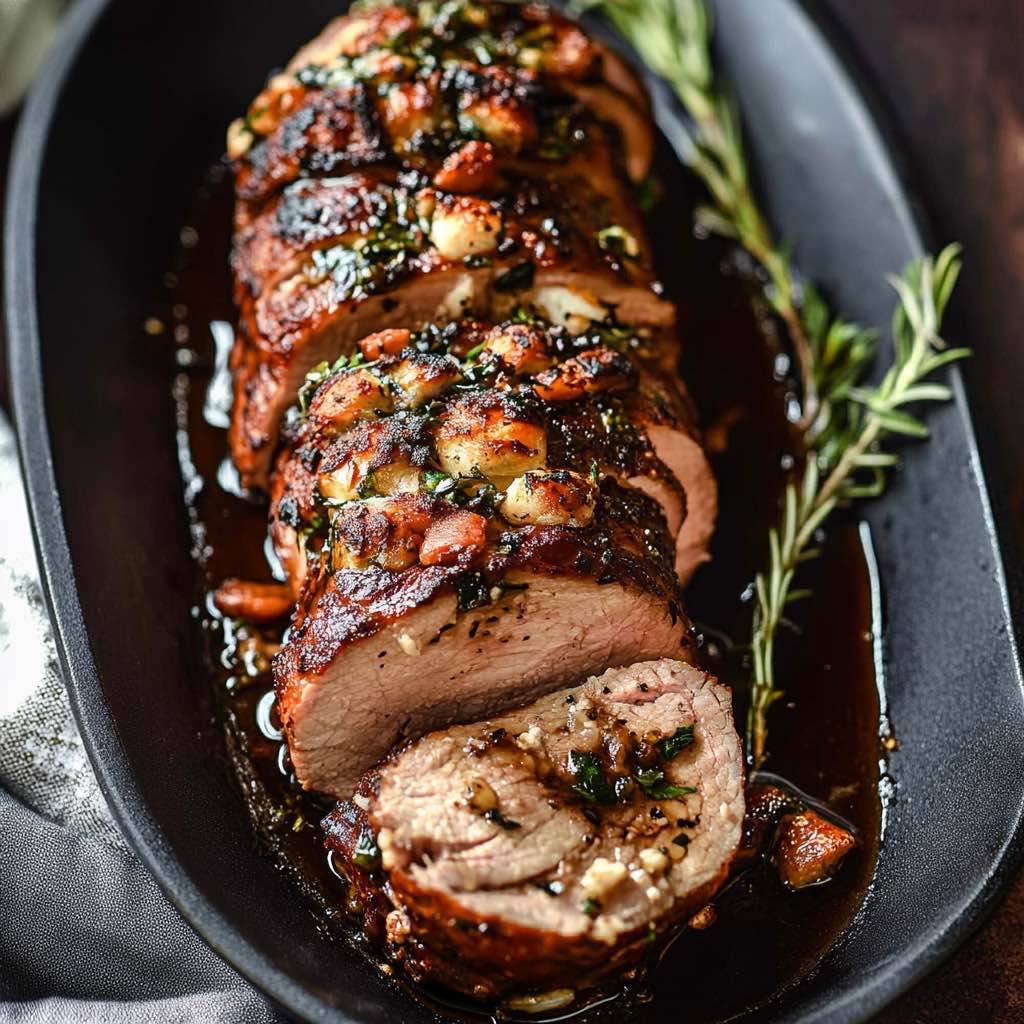
Mediterranean Stuffed Balsamic Pork Loin transforms a simple cut of meat into an elegant centerpiece. This dish features tender pork loin butterflied and filled with vibrant Mediterranean ingredients like spinach, feta cheese, and sundried tomatoes. The balsamic glaze adds a tangy-sweet finish that caramelizes beautifully during roasting.
The combination creates layers of flavor and texture. Each slice reveals a colorful spiral of filling inside juicy pork. Moreover, this recipe looks impressive but requires minimal effort, making it perfect for both weeknight dinners and special occasions.
The Mediterranean approach emphasizes fresh, wholesome ingredients. Consequently, this dish delivers bold taste without heavy sauces or complicated techniques. The balsamic glaze penetrates the meat, keeping it moist while creating a glossy exterior.
Key Ingredients Breakdown
The Pork Loin
Pork loin serves as the protein foundation of this dish. This lean cut contains approximately 27 grams of protein per 100 grams. Additionally, pork loin provides essential B vitamins, particularly thiamin, which supports energy metabolism.
Choose a pork loin weighing 1.5 to 2 pounds for best results. The meat should be uniformly shaped for even cooking. Furthermore, select fresh pork with a pinkish-red color and minimal visible fat.
Mediterranean Filling Components
The filling brings Mediterranean flavors to life. Fresh spinach provides vitamins and minerals while adding vibrant color. Feta cheese contributes tangy creaminess and protein. Sundried tomatoes offer concentrated umami flavor and natural sweetness.
Additional aromatics enhance the filling. Garlic adds depth and antibacterial properties. Fresh herbs like oregano, basil, and mint bring authentic Mediterranean character. These ingredients work together to create a balanced, flavorful stuffing.
Balsamic Glaze Essentials
The balsamic glaze transforms the dish. Balsamic vinegar provides tangy sweetness that caramelizes during cooking. Olive oil adds richness and helps the glaze adhere to the meat.
Supporting ingredients round out the glaze. Dijon mustard provides sharpness and helps emulsify the mixture. Honey or brown sugar balances the acidity. Fresh rosemary and lemon zest add aromatic complexity.
Health Benefits You’ll Love
Protein Powerhouse
This dish delivers substantial protein for muscle maintenance and repair. A 3.5-ounce serving provides over half the daily protein requirement. Protein also promotes satiety, helping you feel full longer.
Pork contains all essential amino acids your body needs. It also provides taurine, which supports cardiovascular function and immune health. Moreover, the protein quality in pork ranks among the highest available.
Rich in Essential Nutrients
Pork loin excels as a source of B vitamins. It provides 82% of the daily value for thiamin in just one serving. Vitamin B12 supports brain health and red blood cell formation. Additionally, pork supplies vitamin B6 and niacin for energy metabolism.
The mineral content impresses as well. Selenium acts as a powerful antioxidant. Iron supports oxygen transport throughout the body. Zinc boosts immune function and wound healing.
Mediterranean Diet Advantages
The Mediterranean approach emphasizes nutrient-dense ingredients. Spinach contains vitamins A, C, and iron. Tomatoes provide lycopene, a potent antioxidant with anti-cancer properties. Olive oil delivers healthy monounsaturated fats that support heart health.
This eating pattern reduces chronic disease risk. Studies show Mediterranean diets support cardiovascular health and healthy aging. The combination of lean protein, vegetables, and healthy fats creates nutritional balance.
Step-by-Step Cooking Instructions
Preparing the Filling
Start by sautéing the aromatics. Heat 2 tablespoons of olive oil in a large skillet over medium heat. Add minced garlic and cook for 30 seconds until fragrant. Then, add fresh baby spinach and wilt completely, about 3-4 minutes.
Remove excess moisture from the spinach. Transfer the cooked greens to paper towels and squeeze thoroughly. This step prevents a soggy filling that could make the pork watery. Next, combine the spinach with crumbled feta, chopped sundried tomatoes, and fresh herbs in a bowl.
Butterflying the Pork Loin
Place the pork loin on a clean cutting board. Using a sharp knife, slice lengthwise through the center. Leave about half an inch intact on one side so the meat opens like a book.
If the meat seems thick, gently pound it with a mallet. This creates an even thickness for uniform cooking. The flattened loin should measure about 3/4 inch thick throughout.
Stuffing and Rolling
Spread the filling mixture evenly across the butterflied pork. Leave a one-inch border on all sides. This prevents the filling from spilling out during rolling.
Carefully roll the pork from one long edge to the other. Roll tightly but not so tight that filling squeezes out. Secure the roll with kitchen twine at 2-inch intervals. Alternatively, use toothpicks if twine isn’t available.
Creating the Balsamic Glaze
Whisk together the glaze ingredients in a small bowl. Combine 1/3 cup balsamic vinegar, 3 tablespoons olive oil, 1 tablespoon Dijon mustard, 2 tablespoons chopped fresh rosemary, 3 cloves minced garlic, and 1 teaspoon lemon zest. Season with salt and black pepper to taste.
For a sweeter glaze, add 1-2 tablespoons of honey. This balances the acidity and helps caramelize the exterior. Mix thoroughly until all ingredients combine smoothly.
Roasting to Perfection
Preheat your oven to 425°F (220°C). Place the stuffed pork loin in a roasting pan or baking dish. Brush the balsamic glaze generously over the entire surface.
Roast for 15 minutes at the initial high temperature. This sears the exterior and locks in juices. Then, reduce the oven temperature to 375°F (190°C). Continue roasting for 20-30 minutes until the internal temperature reaches 145°F (63°C).
Check the temperature with a meat thermometer inserted into the thickest part. Avoid touching the filling when measuring. Once done, remove from the oven and let rest for 10 minutes before slicing.
Expert Tips for Perfect Results
Moisture Management
Always squeeze excess liquid from cooked spinach. This simple step prevents a watery filling that compromises texture. Use paper towels or a clean kitchen cloth to remove as much moisture as possible.
Don’t skip the resting period after cooking. Resting allows juices to redistribute throughout the meat. Cutting too early causes moisture loss and dry slices.
Temperature Precision
Invest in a reliable meat thermometer. The USDA recommends cooking pork to 145°F (63°C) followed by a 3-minute rest. This temperature ensures food safety while maintaining juiciness.
Avoid overcooking, which leads to dry, tough meat. Pork loin cooks quickly due to its lean nature. Remove from heat when the thermometer reads 140°F, as the temperature will rise during resting.
Filling Security
If filling leaks during cooking, don’t worry. A small amount of spillage is normal and won’t affect the final dish. However, proper tying technique minimizes this issue.
For stubborn rolls, use both twine and toothpicks. Space ties evenly along the length of the roll. This creates uniform slices and prevents unraveling.
Glaze Enhancement
Reserve some glaze for basting during cooking. Brush the pork halfway through roasting for extra flavor. The repeated applications create a deeper, more caramelized crust.
For thicker glaze, simmer leftover mixture in a small saucepan. Reduce by half for a syrupy consistency perfect for drizzling over sliced pork. This concentrated sauce adds visual appeal and intense flavor.
Delicious Variations to Try
Cheese Alternatives
Swap feta for other Mediterranean cheeses. Goat cheese provides tangy creaminess similar to feta. Mozzarella offers mild flavor and excellent melting properties. Fresh ricotta creates a lighter, fluffier filling.
For sharper taste, try aged Parmesan. This hard cheese adds nutty complexity and holds up well to heat. Mix multiple cheeses for layered flavor profiles.
Vegetable Variations
Experiment with different greens. Swiss chard brings earthy flavor and colorful stems. Arugula adds peppery bite and wilts quickly. Kale provides heartier texture and more nutrients.
Include additional vegetables for more substance. Roasted red peppers contribute sweetness and color. Sautéed mushrooms add umami depth. Caramelized onions bring natural sweetness.
Herb Combinations
Adjust herbs to match personal preferences. Fresh basil offers sweet, aromatic notes. Oregano provides classic Mediterranean flavor. Thyme adds subtle earthiness.
Create a custom Mediterranean spice blend. Combine dried oregano, thyme, garlic powder, black pepper, coriander, cumin, and paprika. This mixture works as both a rub and filling seasoning.
Glaze Modifications
Try different vinegar bases. Red grape juice concentrate mimics balsamic’s sweetness without the acidity. Apple cider vinegar provides milder tang with fruity undertones.
Add different aromatics to the glaze. Fresh thyme complements balsamic beautifully. Sage brings savory warmth perfect for fall cooking. Fennel seeds contribute subtle licorice notes.
Best Side Dishes and Pairings
Vegetable Accompaniments
Roasted vegetables make ideal companions. Garlic green beans provide crisp texture and bright flavor. Roasted carrots and parsnips add natural sweetness. Brussels sprouts offer nutty taste and satisfying bite.
Consider Mediterranean-inspired vegetable dishes. Ratatouille showcases seasonal produce. Grilled zucchini and eggplant echo the filling’s flavors. Roasted bell peppers add colorful appeal.
Starch Options
Potatoes complement pork exceptionally well. Lemon rosemary potatoes mirror the dish’s herb profile. Creamy mashed potatoes provide comforting richness. Roasted fingerlings offer crispy exteriors and fluffy interiors.
Grains work beautifully too. Fluffy couscous absorbs the balsamic glaze perfectly. Wild rice pilaf adds nutty complexity. Quinoa provides protein-rich, gluten-free option.
Fresh Salads
Balance the richness with crisp salads. An autumn salad with mixed greens, apples, and nuts provides textural contrast. Simple arugula salad with lemon dressing refreshes the palate. Classic Greek salad reinforces the Mediterranean theme.
Include cranberry pear sauce for seasonal variation. The fruit-based sauce cuts through the pork’s richness. Its sweet-tart profile complements the balsamic glaze.
Storage and Meal Prep Guide
Proper Storage Methods
Allow leftover pork to cool completely before storing. This prevents condensation that promotes bacterial growth. Store in airtight containers in the refrigerator for up to 4 days.
Keep the glaze separate if possible. This prevents the meat from becoming soggy. Store leftover glaze in a sealed container for up to one week.
Freezing Instructions
Freeze cooked pork for longer storage. Wrap tightly in plastic wrap, then aluminum foil. Label with the date and use within 2-3 months for best quality.
Slice before freezing for easier portioning. Individual slices thaw faster than whole roasts. Place parchment paper between slices to prevent sticking.
Reheating Tips
Reheat gently to maintain moisture. Place slices in a baking dish with a splash of broth. Cover with foil and warm at 325°F (165°C) for 15-20 minutes.
Microwave individual portions carefully. Use 50% power and heat in 30-second intervals. Add a damp paper towel over the pork to prevent drying.
Meal Prep Strategies
Prepare components ahead for easy assembly. Make the filling 1-2 days in advance. Mix the glaze and refrigerate until needed. Both components develop deeper flavor when allowed to sit.
Butterfly and stuff the pork the night before cooking. Wrap tightly and refrigerate overnight. This allows flavors to meld and saves time on busy days.
Frequently Asked Questions
Can I use pork tenderloin instead of pork loin?
Yes, pork tenderloin works well for this recipe. However, tenderloin cooks faster due to its smaller size. Reduce cooking time to 15-20 minutes at 450°F (230°C). The tenderloin’s narrow shape makes butterflying easier but holds less filling.
What if my pork loin tears while butterflying?
Don’t panic if the meat tears slightly. Overlap the torn edges and tie securely with twine. The filling and glaze help seal gaps during cooking. Pounding the meat gently before stuffing also prevents tearing.
How do I know when the Mediterranean Stuffed Balsamic Pork Loin is done?
Use a meat thermometer for accuracy. Insert into the thickest part of the meat, avoiding the filling. The temperature should reach 145°F (63°C) for safe consumption. Allow a 3-minute rest before slicing.
Can I make this dish without dairy?
Absolutely! Omit the cheese or use dairy-free alternatives. Nutritional yeast adds savory flavor without dairy. Sun-dried tomato tapenade intensifies the filling even without cheese.
What’s the best way to slice the stuffed pork?
Let the pork rest for 10 minutes after cooking. Use a sharp knife and cut perpendicular to the roll. Aim for 1/2-inch thick slices to showcase the spiral pattern. Remove twine before serving.
Can I prepare this ahead for entertaining?
Yes, this dish works perfectly for advance preparation. Stuff and tie the pork up to 24 hours ahead. Keep refrigerated until 30 minutes before roasting. The make-ahead nature makes entertaining stress-free.
Final Thoughts
Mediterranean Stuffed Balsamic Pork Loin delivers restaurant-quality results at home. This recipe combines tender, protein-rich pork with vibrant Mediterranean flavors. The balsamic glaze creates a beautiful caramelized exterior while keeping the meat juicy.
The dish offers impressive nutritional benefits. Pork provides essential vitamins and minerals including thiamin, B12, and selenium. Mediterranean ingredients like spinach, tomatoes, and olive oil contribute antioxidants and healthy fats.
Whether you’re planning a special dinner or seeking weeknight inspiration, this recipe fits the bill. The technique appears complicated but breaks down into simple steps. Moreover, the versatility allows endless variations to suit different tastes.
Print
Mediterranean Stuffed Balsamic Pork Loin
Description
Mediterranean Stuffed Balsamic Pork Loin
Ingredients (Serves 4–6)
For the Pork Loin:
-
2–3 lb (900 g–1.4 kg) boneless pork loin
-
Salt and freshly ground black pepper, to taste
-
1 tbsp olive oil
For the Mediterranean Stuffing:
-
½ cup sun-dried tomatoes, chopped
-
½ cup Kalamata olives, pitted and chopped
-
½ cup crumbled feta cheese
-
1 cup fresh spinach, chopped
-
2 garlic cloves, minced
-
1 tsp dried oregano
-
1 tsp dried thyme
-
Salt and pepper, to taste
For the Balsamic Glaze:
-
½ cup balsamic vinegar
-
2 tbsp honey
-
1 tbsp Dijon mustard (optional)
Instructions
1. Prepare the Pork Loin
-
Preheat oven to 375°F (190°C).
-
Butterfly the pork loin: slice lengthwise almost through, then open like a book.
-
Pound lightly with a meat mallet for even thickness.
-
Season the inside with salt and pepper.
2. Make the Mediterranean Stuffing
-
In a bowl, combine sun-dried tomatoes, olives, feta, spinach, garlic, oregano, thyme, salt, and pepper.
-
Spread the stuffing evenly over the butterflied pork loin.
3. Roll and Tie
-
Roll the pork loin tightly to encase the stuffing.
-
Secure with kitchen twine at 1–2 inch intervals.
-
Rub the outside with olive oil, salt, and pepper.
4. Roast the Pork
-
Place the pork loin on a roasting rack in a baking pan.
-
Roast for 50–60 minutes, or until internal temperature reaches 145°F (63°C).
-
Tent with foil and rest for 10 minutes before slicing.
5. Make the Balsamic Glaze
-
In a small saucepan, combine balsamic vinegar and honey.
-
Simmer over medium heat for 5–7 minutes, until slightly thickened.
-
Stir in Dijon mustard if using.
6. Serve
-
Slice the stuffed pork loin into thick medallions.
-
Drizzle with balsamic glaze and garnish with fresh herbs (like parsley or thyme).