
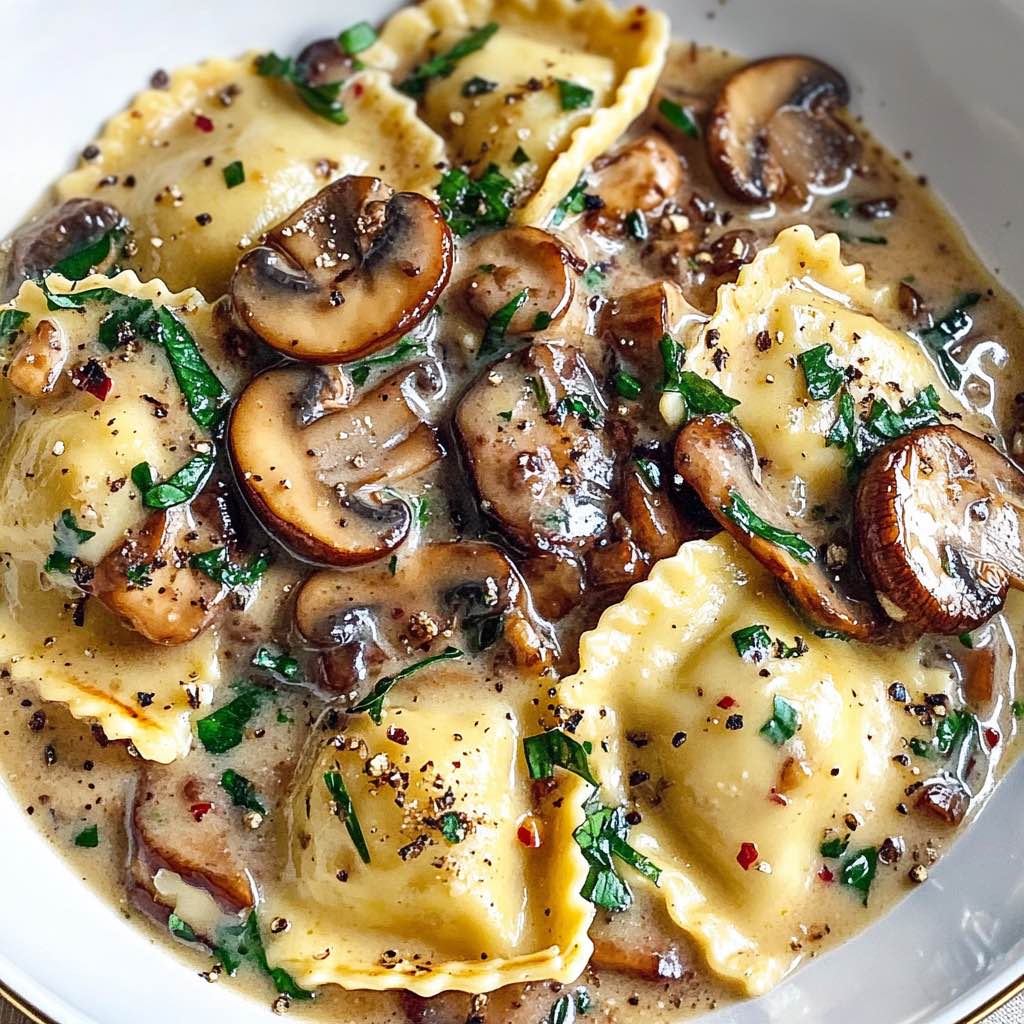
Mushroom Ravioli with Cream Sauce: A Complete Guide to This Comforting Italian Classic
Introduction
Mushroom ravioli with cream sauce represents one of Italian cuisine’s most elegant comfort foods. This dish combines tender handmade pasta pockets filled with earthy mushrooms and creamy cheese, all enveloped in a luxurious cream sauce. Furthermore, making this restaurant-quality meal at home is more achievable than most people think.
Whether you’re planning a special dinner or simply craving authentic Italian flavors, this guide provides everything needed to succeed. Additionally, this recipe offers flexibility for both beginners and experienced cooks alike.
What Makes Mushroom Ravioli Special
Traditional ravioli consists of egg pasta dough filled with various ingredients like cheese, meat, or vegetables. However, mushroom ravioli stands out due to its rich, earthy flavor profile. The combination creates a savory, satisfying experience that appeals to vegetarians and meat-eaters equally.
Moreover, the texture contrast between delicate pasta and hearty filling makes each bite memorable. The cream sauce adds another layer of indulgence to this already spectacular dish.
Restaurant Quality at Home
Creating mushroom ravioli with cream sauce at home allows for customization impossible in restaurants. Consequently, you control ingredient quality, filling ratios, and sauce consistency. This approach ensures fresher ingredients and better flavors overall.
Essential Ingredients
For the Pasta Dough
The foundation starts with high-quality pasta dough ingredients. Traditional recipes call for 00 flour, which creates exceptionally smooth pasta. Alternatively, all-purpose flour works well for most home cooks.
Additionally, fresh eggs provide structure and rich flavor to the dough. Room temperature eggs incorporate more easily into flour mixtures. Therefore, removing eggs from refrigeration thirty minutes before starting helps considerably.
For the Mushroom Filling
The filling requires several key components for optimal flavor. Fresh mushrooms form the base of this savory mixture. Meanwhile, ricotta cheese adds creaminess and helps bind everything together.
Parmesan cheese contributes nutty, salty notes that complement mushroom earthiness perfectly. Furthermore, fresh garlic and herbs like thyme or parsley enhance the overall taste profile.
For the Cream Sauce
Heavy cream serves as the sauce foundation. Additionally, butter provides richness and helps create proper consistency. Garlic adds aromatic depth to the sauce.
Finally, Parmesan cheese thickens the sauce while adding savory complexity. Salt and pepper round out the seasoning requirements.
Types of Mushrooms
Cremini Mushrooms
Cremini mushrooms, also called baby bellas, offer robust flavor at affordable prices. These brown mushrooms contain more taste than standard white button varieties. Therefore, they work excellently as the filling base.
Porcini Mushrooms
Porcini mushrooms provide intense, earthy flavors prized in Italian cooking. Dried porcini work especially well when reconstituted in warm water. Moreover, the soaking liquid adds extra mushroom flavor to fillings.
Mixed Mushroom Combinations
Combining multiple mushroom types creates complex flavor profiles. For instance, mixing cremini with porcini balances affordability and intensity. Additionally, oyster or shiitake mushrooms add unique textural elements.
Making the Pasta Dough
Basic Dough Preparation
Start by measuring flour accurately for consistent results. Create a well in the center of the flour mound. Then, crack eggs into this well carefully.
Next, use a fork to gradually incorporate flour into eggs. Continue mixing until a shaggy dough forms. Subsequently, knead the dough for approximately ten minutes.
Kneading Techniques
Proper kneading develops gluten, which gives pasta its characteristic texture. Push the dough away with your palms, then fold it back. Rotate the dough a quarter turn and repeat this process.
The dough should feel smooth and elastic when properly kneaded. Additionally, it should spring back when poked gently. If the dough feels sticky, add small amounts of flour gradually.
Resting Period
Allow the dough to rest for at least thirty minutes. Wrap it tightly in plastic wrap to prevent drying. This resting period lets gluten relax, making rolling easier.
Preparing the Mushroom Filling
Cleaning and Chopping Mushrooms
Clean mushrooms using a damp cloth or soft brush. Avoid soaking mushrooms since they absorb water quickly. Then, chop mushrooms into small, uniform pieces.
Sautéing Process
Heat butter in a large skillet over medium-high heat. Add chopped mushrooms and cook without stirring initially. This technique allows mushrooms to brown rather than steam.
Furthermore, season with salt to help release moisture. Continue cooking until mushrooms turn golden and tender. The process typically takes eight to ten minutes.
Adding Aromatics
Add minced garlic to the mushroom mixture near the end. Cook for approximately one minute until fragrant. Garlic burns easily, so avoid adding it too early.
Fresh herbs like thyme or parsley enhance the filling beautifully. Stir these in just before removing from heat. Moreover, allow the mixture to cool slightly before adding cheese.
Incorporating Cheese
Mix ricotta cheese into the cooled mushroom mixture thoroughly. According to the Mushroom Council, mushrooms provide fiber while ricotta offers high-quality protein. Add grated Parmesan for extra savory depth.
Season the filling with salt and pepper to taste. The filling should taste slightly overseasoned since pasta dough adds no flavor. Therefore, check seasoning carefully before filling ravioli.
Assembling the Ravioli
Rolling the Dough
Divide rested dough into four equal portions. Keep unused portions covered to prevent drying. Roll each portion through a pasta machine, starting at the widest setting.
Gradually decrease settings until dough reaches desired thinness. The pasta should appear slightly translucent when held up. Additionally, dust with flour if the dough becomes sticky.
Filling Techniques
Lay one pasta sheet on a lightly floured surface. Place small spoonfuls of filling at regular intervals. Leave adequate space between mounds for sealing.
Brush water or beaten egg around each filling mound. This moisture helps seal the ravioli edges properly. Then, carefully lay a second pasta sheet over the filling.
Sealing and Cutting
Press firmly around each filling mound to remove air pockets. Air pockets can cause ravioli to burst during cooking. Use your fingers or a small tool to seal thoroughly.
Cut ravioli using a pastry wheel, cookie cutter, or knife. Ensure edges remain sealed after cutting. Place finished ravioli on a semolina-dusted tray.
Creating the Cream Sauce
Base Preparation
Melt butter in a large skillet over medium heat. Add whole or minced garlic cloves for aromatic flavor. Cook until garlic becomes fragrant but not browned.
Adding Mushrooms
Slice additional mushrooms for the sauce. Add them to the butter and garlic mixture. Sauté until mushrooms become tender and golden.
This step adds extra mushroom flavor throughout the dish. Moreover, it creates appealing visual contrast in the final presentation.
Cream Integration
Pour heavy cream into the mushroom mixture slowly. Stir continuously to prevent scorching. According to BBC Good Food, gentle simmering creates the smoothest texture.
Bring the mixture to a gentle simmer. Avoid boiling, which can cause cream to separate. Reduce heat and continue simmering until sauce thickens slightly.
Cheese Addition
Stir grated Parmesan into the simmering sauce. Add cheese gradually while stirring constantly. This technique prevents clumping and ensures smooth incorporation.
The sauce should coat a spoon when properly thickened. Additionally, season with salt and pepper to taste. Remember that Parmesan adds saltiness, so adjust accordingly.
Cooking Instructions
Boiling Water Preparation
Fill a large pot with four inches of water. This amount suffices for ravioli unlike other pasta shapes. Bring water to a rolling boil over high heat.
Salt the water generously for properly seasoned pasta. Many chefs recommend water should taste like seawater. This step remains crucial for flavorful results.
Cooking the Ravioli
Gently lower ravioli into boiling water. Avoid overcrowding, which causes sticking and uneven cooking. Cook in batches if necessary.
Fresh ravioli typically cooks in three to four minutes. The ravioli will float to the surface when done. However, test one piece to ensure proper doneness.
Finishing in Sauce
Remove cooked ravioli using a slotted spoon or spider strainer. Transfer directly to the cream sauce. This method preserves delicate pasta better than draining.
Reserve some pasta cooking water before draining. The starchy water helps adjust sauce consistency if needed. Gently fold ravioli into sauce to coat evenly.
Serving Suggestions
Plating Techniques
Arrange ravioli carefully on warmed plates. Spoon extra sauce over each serving. Additionally, garnish with freshly grated Parmesan cheese.
Fresh herbs like parsley or thyme add color and freshness. Moreover, cracked black pepper provides visual appeal and flavor. Serve immediately while hot for best texture.
Accompaniments
A simple green salad complements this rich dish perfectly. Light vinaigrette dressing balances the cream sauce’s richness. Furthermore, crusty bread helps capture every drop of sauce.
Nutritional Benefits
Mushroom Nutrition
Mushrooms provide numerous health benefits despite low calorie counts. They contain B vitamins, including riboflavin and niacin. Additionally, mushrooms offer antioxidants that support overall health.
UV-exposed mushrooms provide significant vitamin D amounts. This nutrient supports bone health and immune function. Furthermore, mushrooms contain selenium, an important mineral.
Ricotta Benefits
Ricotta cheese delivers high-quality protein essential for muscle maintenance. A half-cup serving provides fourteen grams of protein. Moreover, ricotta supplies calcium crucial for bone health.
According to Dr. Axe, ricotta contains selenium and phosphorus. These minerals support various body functions. Additionally, ricotta provides vitamin A and zinc.
Balanced Meal Considerations
Mushroom ravioli with cream sauce offers balanced macronutrients when portioned appropriately. The dish contains carbohydrates from pasta, protein from cheese, and fats from cream. However, cream sauce adds significant calories to consider.
Pairing with vegetables increases fiber and micronutrient content. Therefore, adding a salad creates a more nutritionally complete meal.
Storage and Leftovers
Refrigerating Cooked Ravioli
Store leftover ravioli in airtight containers within two hours of cooking. Cooked pasta lasts three to five days in the refrigerator. Additionally, toss with a small amount of olive oil to prevent sticking.
Store sauce separately from ravioli when possible. This approach maintains better texture during reheating. Label containers with preparation dates for food safety.
Freezing Uncooked Ravioli
Freeze uncooked ravioli for convenient future meals. Arrange ravioli on a parchment-lined baking sheet. Freeze until solid, then transfer to freezer bags.
Frozen ravioli keeps for approximately three months. Cook directly from frozen without thawing. Simply add one to two extra minutes to cooking time.
Reheating Tips
Reheat refrigerated ravioli gently to avoid breaking delicate pasta. Microwave works for quick reheating, though stovetop methods preserve texture better. Add a splash of broth or cream when reheating to restore moisture.
Heat until ravioli reaches 165°F internal temperature for food safety. Stir gently during reheating to ensure even warming.
Common Mistakes to Avoid
Pasta Dough Issues
Overmixing pasta dough creates tough, chewy texture. Mix only until ingredients combine, then knead appropriately. Additionally, insufficient resting time makes rolling difficult.
Too-thick pasta overwhelms delicate filling flavors. Roll pasta thin enough to see your hand through it. However, extremely thin pasta tears easily during filling.
Filling Problems
Using wet mushroom filling causes ravioli to become soggy. Cook mushrooms until most moisture evaporates. Furthermore, cool filling completely before assembling ravioli.
Overfilling ravioli leads to bursting during cooking. Use approximately one teaspoon of filling per ravioli. Less filling actually tastes better than too much.
Sauce Mistakes
According to food safety experts at Food Republic, using cold cream is a common error. Room temperature cream integrates more smoothly into sauces. Therefore, remove cream from refrigeration before starting.
Boiling cream sauce causes separation and grainy texture. Maintain gentle simmer throughout cooking process. Additionally, avoid adding cheese to boiling liquid.
Frequently Asked Questions
Can I make mushroom ravioli with cream sauce ahead of time?
Yes, you can prepare components in advance for convenience. Make uncooked ravioli up to one day ahead and refrigerate. Alternatively, freeze ravioli for longer storage periods.
However, prepare cream sauce just before serving for best quality. Reheated cream sauces sometimes separate or become grainy. Therefore, sauce preparation takes minimal time when serving.
What mushroom varieties work best?
Cremini mushrooms provide excellent flavor at reasonable prices. Porcini mushrooms offer intense earthiness when budget allows. Moreover, combining multiple mushroom types creates complex flavors.
Shiitake, oyster, and portobello mushrooms all work wonderfully. Experiment with available varieties to discover personal preferences. Additionally, mixing dried and fresh mushrooms adds depth.
How do I prevent ravioli from sticking together?
Dust ravioli generously with semolina flour during preparation. This coarse flour prevents sticking better than all-purpose varieties. Additionally, avoid stacking ravioli directly on top of each other.
When cooking, stir gently immediately after adding ravioli to water. This movement prevents pieces from settling and sticking together. Furthermore, adequate water volume helps ravioli move freely.
Can I use store-bought ravioli?
Absolutely, store-bought ravioli works perfectly for this cream sauce. Choose high-quality mushroom or cheese ravioli from the refrigerated section. This approach saves considerable time while maintaining delicious results.
Follow package directions for cooking times. Then, proceed with cream sauce preparation as directed. The homemade sauce elevates even store-bought pasta significantly.
How can I make the sauce thicker or thinner?
Reduce sauce longer for thicker consistency. Additionally, extra Parmesan cheese naturally thickens cream sauces. Conversely, add reserved pasta water to thin overly thick sauces.
The starchy pasta water helps maintain proper sauce texture. Add liquid gradually while stirring constantly. Remember, sauce thickens slightly as it cools.
Conclusion
Mushroom ravioli with cream sauce delivers restaurant-quality results at home with proper techniques. This comprehensive guide provides everything needed to create this impressive Italian dish. From handmade pasta to perfectly seasoned filling and luxurious cream sauce, each component contributes to exceptional results.
The combination of earthy mushrooms, creamy cheese, and rich sauce creates unforgettable flavors. Furthermore, mastering this recipe opens doors to countless pasta variations. Whether serving family or entertaining guests, mushroom ravioli with cream sauce consistently impresses.
Start with this foundational recipe, then experiment with different mushroom combinations. Additionally, try various herbs and cheeses to personalize the dish. Practice improves technique, making each batch better than the last.
Print
Mushroom Ravioli with Cream Sauce
Description
Mushroom Ravioli with Cream Sauce
Ingredients (Serves 4)
For the Ravioli:
-
1 package (about 9–12 oz) mushroom ravioli (store-bought or homemade)
-
Salt, for boiling water
For the Cream Sauce:
-
2 tbsp butter
-
2 garlic cloves, minced
-
1 small shallot, finely chopped (optional)
-
1 cup heavy cream
-
½ cup grated Parmesan cheese
-
½ cup sliced mushrooms (optional, for extra texture)
-
½ tsp dried thyme or Italian seasoning
-
Salt and freshly ground black pepper, to taste
-
1 tbsp chopped fresh parsley, for garnish
Instructions
1. Cook the Ravioli
-
Bring a large pot of salted water to a boil.
-
Cook ravioli according to package instructions (usually 3–5 minutes) until tender.
-
Drain and set aside, reserving a small cup of pasta water.
2. Make the Cream Sauce
-
In a large skillet, melt butter over medium heat.
-
Sauté garlic, shallot, and sliced mushrooms for 2–3 minutes until fragrant and mushrooms are tender.
-
Pour in heavy cream and stir until it begins to simmer.
-
Stir in Parmesan cheese and thyme, cooking 2–3 minutes until sauce thickens slightly.
-
Season with salt and pepper to taste.
-
If sauce is too thick, add a splash of reserved pasta water to reach desired consistency.
3. Combine and Serve
-
Gently toss cooked ravioli in the cream sauce until well coated.
-
Plate the ravioli and garnish with fresh parsley and extra Parmesan.