
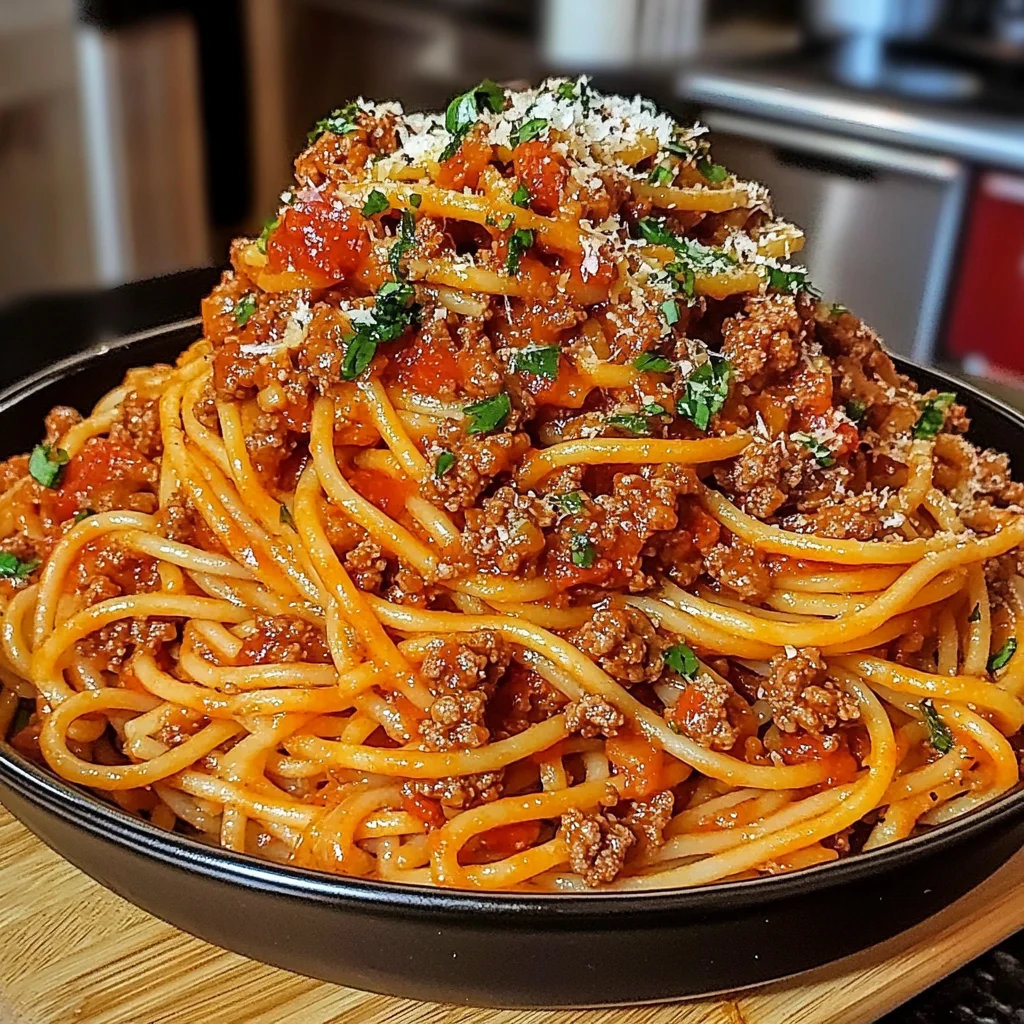
Old School Spaghetti with Just Ground Beef: A Classic Comfort Food Recipe
There’s something magical about Old School Spaghetti with Just Ground Beef—a simple, hearty dish that has graced dinner tables for generations. This timeless recipe combines tender pasta with a rich, meaty sauce made from just a handful of ingredients. Whether you’re cooking for a busy weeknight or seeking comfort food that reminds you of childhood, this classic spaghetti delivers every time.
This guide walks you through everything you need to know about making authentic old school spaghetti with ground beef. You’ll discover the traditional cooking methods, ingredient tips, and variations that keep this dish relevant today.
Why Old School Spaghetti Never Goes Out of Style
Old school spaghetti with just ground beef represents American home cooking at its finest. This dish became a staple in households across the country during the mid-20th century. Families loved it because it was affordable, filling, and required minimal cooking skills.
The History Behind the Recipe
This classic emerged during a time when Italian-American cuisine was becoming mainstream. Immigrant families adapted traditional Italian recipes using readily available American ingredients. Ground beef replaced more expensive cuts of meat. Canned tomatoes became the sauce base. The result was a budget-friendly meal that still delivered on flavor.
Moreover, this dish perfectly suited the post-war era’s emphasis on convenient cooking. Busy home cooks could prepare it in under an hour. The ingredients were shelf-stable or easy to find. Additionally, kids loved the familiar flavors without any fuss.
Why It Remains Popular Today
Several factors explain why old school spaghetti with ground beef continues to thrive:
-
Affordability: Ground beef and pasta remain budget-friendly staples
-
Simplicity: The recipe requires basic cooking techniques
-
Nostalgia: Many associate this dish with childhood memories
-
Versatility: You can easily customize it to personal preferences
-
Make-ahead friendly: The sauce often tastes better the next day
Furthermore, this recipe introduces beginner cooks to fundamental kitchen skills. You’ll learn how to brown meat, build flavors, and cook pasta properly.
Essential Ingredients for Classic Ground Beef Spaghetti
The beauty of old school spaghetti lies in its simplicity. Traditional recipes call for just a few key ingredients. Quality matters here because each component plays an important role.
The Core Ingredients
Ground Beef (1.5 to 2 pounds)
Choose 80/20 or 85/15 ground beef for the best flavor. The fat content keeps the meat moist and adds richness to the sauce. Leaner beef works too, but you may need to add a touch of olive oil.
Spaghetti Pasta (1 pound)
Traditional recipes always use regular spaghetti. However, you can substitute with angel hair, linguine, or bucatini. Look for pasta made from durum wheat semolina for authentic texture.
Canned Tomatoes (28-ounce can)
Whole peeled tomatoes or crushed tomatoes both work well. San Marzano tomatoes offer superior sweetness and lower acidity. However, any quality canned tomato delivers good results.
Tomato Paste (6-ounce can)
This concentrated ingredient adds depth and body to the sauce. It thickens the consistency while intensifying the tomato flavor.
Onion (1 large)
Yellow onions are the traditional choice. They provide sweetness and aromatic depth when sautéed properly.
Garlic (4-6 cloves)
Fresh garlic is essential for authentic flavor. Minced garlic from a jar works in a pinch, but fresh tastes notably better.
Seasonings and Aromatics
The right seasonings transform simple ingredients into something special. Old school recipes typically include:
-
Dried oregano (1-2 tablespoons)
-
Dried basil (1-2 teaspoons)
-
Salt (to taste)
-
Black pepper (to taste)
-
Sugar (1-2 teaspoons, optional)
-
Red pepper flakes (optional, for heat)
-
Bay leaves (1-2, optional)
Additionally, many cooks add a pinch of sugar to balance the tomatoes’ acidity. This small addition makes a noticeable difference in flavor.
Optional Enhancements
While purists stick to basics, these additions respect the old school tradition:
-
Olive oil for sautéing
-
Beef broth for extra depth
-
Worcestershire sauce for umami
-
Fresh parsley for garnish
-
Grated Parmesan cheese for serving
According to the USDA FoodData Central, ground beef provides essential protein and nutrients that make this dish satisfying and nourishing.
Step-by-Step Cooking Instructions
Making old school spaghetti with just ground beef follows a straightforward process. Follow these steps for consistently delicious results.
Preparing Your Ingredients
Start by gathering and prepping everything before you begin cooking. This approach, called mise en place, makes the process smoother.
-
Dice the onion into small, uniform pieces
-
Mince the garlic cloves finely
-
Measure out your dried seasonings
-
Open and drain the canned tomatoes if using whole ones
-
Set out a large pot for pasta and a deep skillet for sauce
Preparation takes about 10 minutes but saves time during cooking.
Browning the Ground Beef
This step creates the foundation of flavor. Therefore, take your time to do it properly.
Heat a large skillet or Dutch oven over medium-high heat. Add the ground beef and break it into smaller pieces with a wooden spoon. Cook for 8-10 minutes, stirring occasionally.
The meat should develop a deep brown color. This browning, called the Maillard reaction, creates complex flavors. Avoid stirring too frequently, which prevents proper browning.
Once browned, drain excess fat if desired. However, leaving some fat enhances flavor and texture. Season the meat with salt and pepper at this stage.
Building the Sauce Base
Now you’ll layer flavors to create the signature sauce. Push the browned meat to the sides of the pan. Add diced onions to the center and cook for 5 minutes until softened.
Next, add minced garlic and cook for 1 minute until fragrant. Be careful not to burn the garlic, as it turns bitter quickly.
Stir in tomato paste and cook for 2-3 minutes. This step caramelizes the paste and removes the raw tomato flavor. The paste should darken slightly and become aromatic.
Adding Tomatoes and Seasonings
Pour in your canned tomatoes. If using whole tomatoes, crush them by hand or with a potato masher directly in the pot. This creates a chunky, rustic texture.
Add the following seasonings:
-
Dried oregano
-
Dried basil
-
Salt and pepper
-
Optional sugar
-
Bay leaves if using
Stir everything together thoroughly. Bring the sauce to a gentle simmer, then reduce heat to low. Let it simmer uncovered for 30-45 minutes.
Consequently, the flavors meld together and the sauce thickens naturally. Stir occasionally to prevent sticking. Taste and adjust seasonings as needed.
Cooking the Pasta
About 15 minutes before the sauce finishes, start your pasta water. Fill a large pot with water and bring it to a rolling boil. Add salt generously—the water should taste like the sea.
Add spaghetti and cook according to package directions for al dente texture. This typically takes 8-10 minutes. Stir occasionally to prevent clumping.
Before draining, reserve 1 cup of pasta cooking water. This starchy water helps the sauce coat the pasta beautifully.
Drain the pasta but don’t rinse it. Rinsing removes the surface starch that helps sauce adhere.
Combining Pasta and Sauce
You have two options for serving. Traditional old school style means placing pasta on plates and ladling sauce over top. Alternatively, toss the pasta directly in the sauce for better coating.
For tossed pasta, add the drained spaghetti to the sauce pan. Gently toss everything together over low heat for 1-2 minutes. Add reserved pasta water if the sauce seems too thick.
The pasta should be well-coated but not swimming in sauce. Serve immediately while hot.
Traditional Seasoning Techniques
Old school cooks knew that proper seasoning makes the difference between bland and brilliant. These time-tested techniques elevate your spaghetti.
Layering Salt Throughout Cooking
Season at multiple stages rather than just at the end. Add salt when browning meat, when sweating onions, and when simmering sauce. This builds depth.
Additionally, heavily salt your pasta water. This seasons the pasta from within rather than just coating the surface.
Balancing Acidity with Sweetness
Tomatoes vary in acidity depending on variety and growing conditions. Therefore, taste your sauce before the final simmer.
If it tastes too sharp or acidic, add 1-2 teaspoons of sugar. This balances the acidity without making the sauce sweet. Alternatively, a finely grated carrot achieves similar results naturally.
Developing Herb Flavors
Dried herbs need time to release their flavors. Add them early in the cooking process. Conversely, fresh herbs should go in at the end to preserve their bright flavor.
For old school spaghetti, dried oregano and basil are traditional. Italian seasoning blends work too, though individual herbs offer more control.
The Secret Ingredient
Many grandmothers swore by a tiny pinch of baking soda to neutralize tomato acidity. Use this sparingly—just 1/4 teaspoon per large pot. Too much creates an unpleasant taste.
According to The National Center for Home Food Preservation, understanding tomato acidity helps create better sauces and preserves.
Common Mistakes to Avoid
Even simple recipes have pitfalls. Avoid these common errors for better results every time.
Overcrowding the Pan
When browning meat, give it space to develop color. Overcrowded pans steam the meat instead of browning it. This results in gray, bland meat rather than flavorful, caramelized beef.
Use a large skillet or brown the meat in batches if necessary.
Not Cooking Long Enough
Old school spaghetti sauce needs time for flavors to develop. Rushing the simmer produces a harsh, raw-tasting sauce. Aim for at least 30 minutes of gentle simmering.
Conversely, sauce that simmers too vigorously can become bitter and separated. Keep it at a gentle bubble.
Using Poor Quality Tomatoes
Since tomatoes are the sauce’s foundation, quality matters significantly. Avoid cheap canned tomatoes that taste metallic or overly acidic.
San Marzano tomatoes are worth the extra cost. However, any reputable brand of whole or crushed tomatoes works well.
Breaking the Pasta
Never break spaghetti before cooking it. This goes against traditional Italian cooking principles. Instead, gently push the pasta into boiling water as it softens.
Within seconds, the pasta becomes pliable enough to submerge fully without breaking.
Rinsing Cooked Pasta
This washes away the surface starch that helps sauce cling to the pasta. Only rinse pasta if you’re making a cold pasta salad.
For hot dishes, drain thoroughly but never rinse.
Serving Suggestions and Side Dishes
Old school spaghetti with just ground beef shines as a complete meal. However, traditional accompaniments enhance the experience.
Classic Garlic Bread
Crusty Italian bread slathered with garlic butter and toasted until golden remains the quintessential side. The bread soaks up extra sauce beautifully.
To make traditional garlic bread, combine softened butter with minced garlic, dried parsley, and salt. Spread on sliced Italian bread and broil until crispy.
Simple Green Salad
A crisp salad with Italian dressing provides refreshing contrast to the rich pasta. Use romaine lettuce, cucumber, tomatoes, and red onion.
Traditional Italian dressing includes olive oil, red vinegar, garlic, oregano, and Dijon mustard. Shake everything together in a jar for quick preparation.
Steamed Vegetables
Green beans, broccoli, or zucchini add color and nutrition. Steam them until tender-crisp and season with olive oil, salt, and pepper.
These vegetables balance the meal without overwhelming the main dish.
Grated Cheese
Old school spaghetti traditionally gets topped with Parmesan or Romano cheese. Buy a wedge and grate it fresh for superior flavor and texture.
Pre-grated cheese contains anti-caking agents that prevent smooth melting. Fresh-grated cheese melts beautifully into the hot pasta.
Setting the Table
Traditional family-style service means placing the pasta in a large serving bowl at the table’s center. Each person serves themselves, creating a casual, welcoming atmosphere.
Provide extra sauce on the side for those who prefer more. Keep grated cheese and red pepper flakes available for customization.
Storage and Reheating Tips
Old school spaghetti with just ground beef stores exceptionally well. Many cooks argue it tastes even better the next day.
Refrigerating Leftovers
Allow the sauce to cool to room temperature before refrigerating. Store sauce and pasta separately if possible. This prevents the pasta from absorbing too much sauce and becoming mushy.
Place cooled sauce in an airtight container. It keeps for 3-4 days in the refrigerator. Store cooked pasta separately in its own container with a light coating of olive oil.
If you’ve already combined pasta and sauce, store them together. They’ll keep for 3 days but the pasta will soften further.
Freezing for Later
The meat sauce freezes beautifully for up to 3 months. Cool it completely, then transfer to freezer-safe containers or heavy-duty freezer bags.
Leave 1 inch of headspace for expansion during freezing. Label containers with the date and contents.
Never freeze cooked pasta. It becomes mushy and unpleasant upon thawing. Instead, freeze only the sauce and cook fresh pasta when ready to serve.
Reheating Methods
Stovetop Method (Best)
Place sauce in a saucepan over medium-low heat. Stir occasionally until heated through. Add a splash of water or broth if the sauce seems too thick.
For combined pasta and sauce, reheat gently in a covered pan with a few tablespoons of water. Stir frequently to prevent sticking.
Microwave Method
Place portions in microwave-safe bowls. Cover with a damp paper towel to prevent drying. Heat in 1-minute intervals, stirring between each, until hot throughout.
Oven Method
Transfer pasta and sauce to an oven-safe dish. Cover with foil and bake at 350°F for 20-25 minutes until heated through.
Nutritional Information
Understanding the nutritional content helps you incorporate old school spaghetti into a balanced diet. This analysis is for a standard serving (approximately 2 cups of pasta with sauce).
Per Serving Breakdown
-
Calories: 450-550
-
Protein: 25-30 grams
-
Carbohydrates: 55-65 grams
-
Fat: 12-18 grams
-
Fiber: 4-6 grams
-
Sodium: 600-800 milligrams (varies with added salt)
The actual values depend on specific ingredients and portion sizes. Using leaner ground beef reduces fat and calories. Whole wheat pasta increases fiber content.
Health Considerations
Ground beef provides essential nutrients including protein, iron, zinc, and B vitamins. The pasta offers complex carbohydrates for sustained energy.
Tomatoes are rich in lycopene, an antioxidant linked to various health benefits. Cooking tomatoes actually increases lycopene availability.
However, this dish is relatively high in calories and sodium. Balance your meal by including vegetables and watching portion sizes.
Making It Healthier
Several modifications can improve the nutritional profile:
-
Use 93/7 lean ground beef to reduce fat
-
Switch to whole wheat or chickpea pasta for more fiber and protein
-
Add finely diced vegetables like carrots, celery, and bell peppers to the sauce
-
Reduce salt and season with herbs instead
-
Use low-sodium canned tomatoes
These changes maintain the dish’s essential character while boosting nutrition.
Recipe Variations and Modern Twists
While the classic version is perfect as-is, creative variations keep old school spaghetti interesting. These modifications respect the original while adding new dimensions.
Vegetable-Enhanced Version
Sneak extra nutrition into the sauce by adding finely diced vegetables. Carrots, celery, bell peppers, and mushrooms blend seamlessly.
Dice them small and sauté with the onions. They’ll break down during the long simmer, adding natural sweetness and nutrients. Kids often don’t notice the added vegetables.
Spicy Variation
Transform the mild classic into a spicy delight. Add red pepper flakes when browning the meat. Include diced jalapeños with the onions.
For more heat, finish with a few dashes of hot sauce. The spiciness complements the tomatoes’ sweetness beautifully.
Herb-Forward Version
Fresh herbs elevate the classic sauce. Add fresh basil leaves during the last 5 minutes of simmering. Tear them by hand rather than chopping to prevent browning.
Fresh oregano, thyme, or Italian parsley also work wonderfully. Reserve some for garnishing individual plates.
One-Pot Variation
For easier cleanup, cook everything in one pot. Brown the meat, build the sauce, then add uncooked pasta directly to the simmering sauce.
Add extra liquid (water or broth) to compensate for pasta absorption. The pasta cooks right in the sauce, absorbing maximum flavor. Stir frequently to prevent sticking.
Slow Cooker Method
Brown the meat and sauté the aromatics as directed. Transfer everything to a slow cooker with remaining ingredients.
Cook on low for 6-8 hours or high for 3-4 hours. This method produces incredibly rich, developed flavors. Cook pasta separately just before serving.
Ground Turkey or Chicken Substitute
Replace beef with ground turkey or chicken for a leaner option. The cooking method remains identical.
However, poultry is naturally drier than beef. Add 1-2 tablespoons of olive oil when browning to compensate. The flavor will be milder but still delicious.
Frequently Asked Questions
What makes old school spaghetti different from modern versions?
Old school spaghetti with just ground beef focuses on simplicity and basic ingredients. It doesn’t include complex vegetables, multiple meat types, or fancy finishing techniques. The straightforward approach lets the beef and tomato flavors shine.
Can I make this recipe ahead of time?
Absolutely. The sauce actually improves when made ahead. Prepare it 1-2 days in advance and refrigerate. The flavors meld and deepen during storage. Cook fresh pasta just before serving for best texture.
Why does my sauce taste bland?
Bland sauce usually results from insufficient seasoning or inadequate cooking time. Taste and adjust salt throughout cooking. Let the sauce simmer for at least 30 minutes. Additionally, browning the meat properly creates foundational flavor through caramelization.
How do I thicken watery sauce?
Several methods thicken thin sauce. Continue simmering uncovered to evaporate excess liquid. Alternatively, add an extra tablespoon or two of tomato paste. Some cooks make a cornstarch slurry, though this isn’t traditional. Finally, reducing the sauce naturally creates the best flavor and consistency.
Can I use fresh tomatoes instead of canned?
Fresh tomatoes work but require more preparation. You’ll need about 3 pounds of ripe tomatoes. Blanch, peel, and crush them before adding to the sauce. However, canned tomatoes are actually preferable because they’re picked and processed at peak ripeness.
What’s the best way to reheat leftover spaghetti?
Reheat sauce separately from pasta when possible. Warm sauce on the stovetop over medium-low heat, stirring occasionally. If they’re combined, add a splash of water and reheat gently. The microwave works too—heat in 1-minute intervals, stirring between each.
Should I drain the fat after browning ground beef?
This depends on the beef’s fat content and personal preference. For 80/20 ground beef, draining removes excess grease that can make the sauce oily. However, keep some fat for flavor. For leaner beef (90/10 or higher), draining isn’t necessary.
Can I freeze cooked pasta with sauce?
While you can freeze combined pasta and sauce, the pasta texture suffers upon thawing. It becomes mushy and loses its al dente bite. Freeze only the sauce for best results. Cook fresh pasta when you’re ready to enjoy the meal again.
Conclusion
Old school spaghetti with just ground beef remains a beloved comfort food for excellent reasons. This straightforward recipe delivers satisfying flavors from humble ingredients. The combination of tender pasta, rich meat sauce, and aromatic seasonings creates a meal that transcends generations.
Moreover, the simplicity makes it accessible to cooks of all skill levels. You don’t need fancy techniques or expensive ingredients. Just follow the basic steps, season properly, and allow time for flavors to develop.
This classic dish proves that sometimes the most basic recipes are the most memorable. Whether you’re recreating childhood memories or starting new traditions, old school spaghetti with ground beef delivers every time.
Ready to make this timeless recipe your own? Gather your ingredients and start cooking tonight. Your family will thank you for bringing this delicious tradition to the dinner table.
Old School Spaghetti with Just Ground Beef
Description
Old School Spaghetti with Just Ground Beef
Ingredients:
-
1 lb ground beef
-
12 oz spaghetti
-
1 small onion, finely diced
-
3 cloves garlic, minced
-
1 can (24 oz) tomato sauce or spaghetti sauce
-
1 tablespoon tomato paste (optional for richer flavor)
-
1 teaspoon Italian seasoning
-
1/2 teaspoon sugar (optional, balances acidity)
-
1/2 teaspoon salt
-
1/2 teaspoon black pepper
-
1/4 teaspoon red pepper flakes (optional)
-
Grated Parmesan, for serving
-
Fresh parsley, for garnish
Instructions:
-
Cook spaghetti according to package directions. Drain and set aside.
-
In a large skillet, cook ground beef and onion over medium heat until browned. Drain excess fat.
-
Add garlic and cook 1 minute until fragrant.
-
Stir in tomato sauce, tomato paste, Italian seasoning, sugar, salt, pepper, and red pepper flakes.
-
Simmer 10–15 minutes so the flavors come together.
-
Toss in the cooked spaghetti or serve sauce spooned on top.
-
Finish with Parmesan and a sprinkle of parsley for that perfect comfort-food shine.