
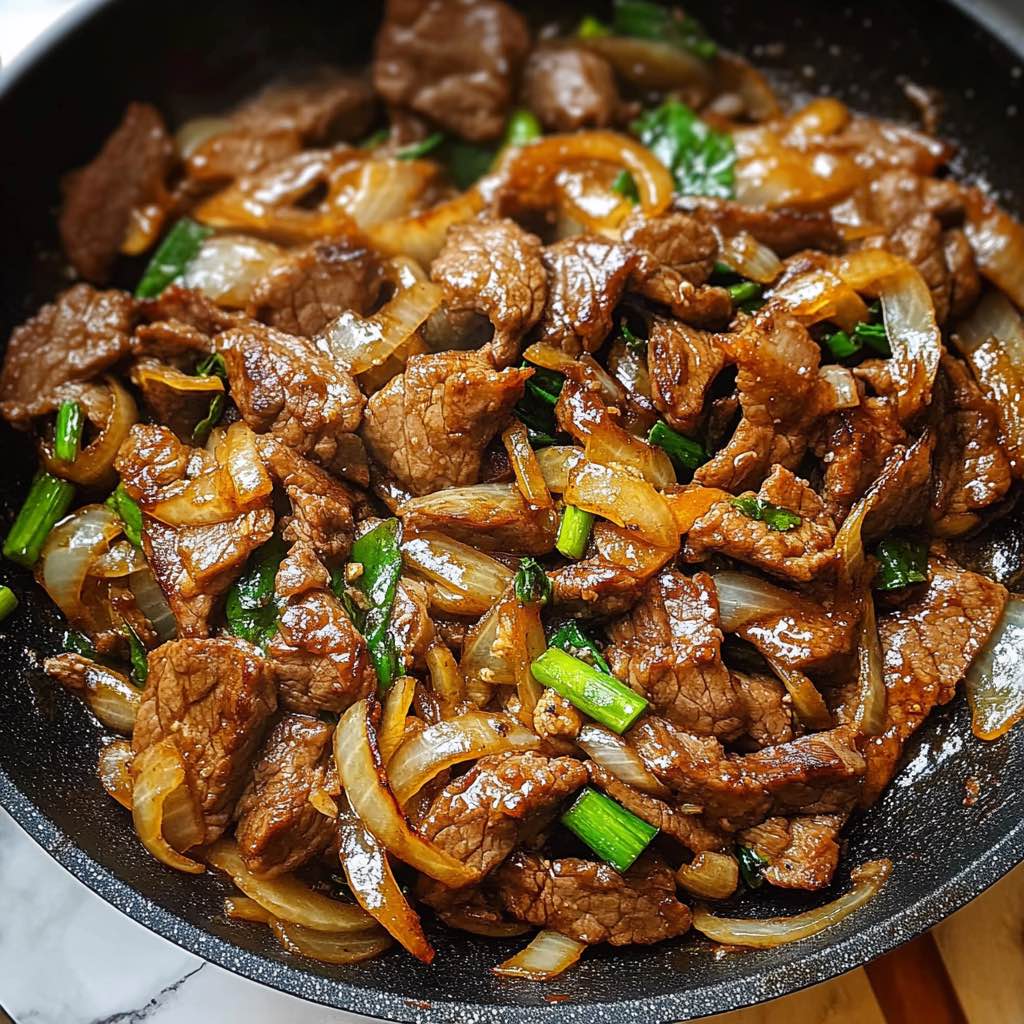
The Ultimate Guide to Onion Steak Stir Fry: A Flavorful Weeknight Dinner Solution
Are you craving a satisfying, restaurant-quality meal that takes less than 30 minutes to prepare? Therefore, onion steak stir fry is your answer to busy weeknight dinners. This beloved dish combines tender beef strips with caramelized onions in a savory sauce. Moreover, it delivers maximum flavor with minimal effort.
However, creating the perfect onion steak stir fry requires understanding key techniques. In addition, choosing the right ingredients makes all the difference. Furthermore, this comprehensive guide will transform your home cooking skills. For example, you’ll learn professional tips that elevate this simple dish to restaurant standards.
Table of Contents
What Makes Onion Steak Stir Fry Special
Onion steak stir fry stands out among quick dinner options for several reasons. First, it combines protein and vegetables in one satisfying dish. Additionally, the high-heat cooking method creates incredible flavors through caramelization.
The magic happens when onions transform during cooking. Therefore, they develop natural sweetness that perfectly complements savory beef. Furthermore, the quick cooking time preserves the steak’s tenderness while creating complex flavors.
The Science Behind Perfect Stir Frying
Stir frying originated in Chinese cuisine over 2,000 years ago. However, the technique has evolved globally with regional variations. Moreover, the high-heat method creates what chefs call the “wok hei” or breath of the wok.
This cooking style achieves several important goals simultaneously. For instance, it sears proteins quickly to lock in juices. In addition, vegetables maintain their crisp texture and vibrant colors. Furthermore, ingredients blend harmoniously without becoming mushy.
Essential Ingredients for Perfect Results
Creating exceptional onion steak stir fry starts with quality ingredients. Therefore, each component plays a crucial role in the final dish. Moreover, understanding ingredient functions helps you make smart substitutions when needed.
Primary Ingredients
The foundation of any great onion steak stir fry includes these essentials:
-
Beef steak (1-2 pounds): Choose tender cuts like sirloin or flank steak
-
Yellow onions (2-3 large): Sweet varieties work exceptionally well
-
Cooking oil (2-3 tablespoons): High smoke point oils are crucial
-
Soy sauce (3-4 tablespoons): Forms the base of most stir fry sauces
-
Garlic (3-4 cloves): Fresh garlic provides aromatic depth
Supporting Ingredients for Enhanced Flavor
However, additional ingredients can elevate your onion steak stir fry significantly:
-
Fresh ginger (1-inch piece): Adds warmth and complexity
-
Bell peppers (1-2 medium): Contribute color and crunch
-
Green onions (3-4 stalks): Provide mild onion flavor and visual appeal
-
Sesame oil (1 teaspoon): Adds nutty finishing notes
Pantry Staples for Sauce Building
Furthermore, these pantry ingredients create restaurant-quality sauces:
-
Oyster sauce: Adds umami depth and glossy finish
-
Rice wine or dry sherry: Deglazes the pan effectively
-
Cornstarch: Thickens sauces and creates velvety coating
-
Brown sugar: Balances salty elements with subtle sweetness
Choosing the Right Cut of Beef
Selecting the proper beef cut is critical for tender onion steak stir fry. Therefore, understanding different cuts helps you make informed decisions. Moreover, proper preparation techniques vary by cut selection.
Best Cuts for Stir Frying
Sirloin steak ranks among the top choices for stir frying. However, it requires careful slicing against the grain. In addition, its moderate price point makes it accessible for regular cooking.
Flank steak offers excellent flavor and affordability. Furthermore, its long muscle fibers become tender when sliced thinly. For example, cutting against the grain is absolutely essential with this cut.
Strip steak provides premium tenderness with rich beef flavor. Moreover, it requires minimal preparation beyond proper slicing. Therefore, it’s perfect for special occasions or when you want guaranteed results.
Cuts to Avoid for Stir Frying
However, some cuts don’t work well in quick-cooking applications. For instance, chuck roast needs long, slow cooking to become tender. Additionally, round steak can become tough when cooked quickly at high heat.
Ribeye steak, while delicious, contains too much fat for stir frying. Therefore, the excess fat can cause dangerous splattering. Furthermore, the high fat content doesn’t complement the quick-cooking method.
Preparation Tips for Different Cuts
Regardless of your chosen cut, proper preparation ensures success. First, partially freeze the steak for 30 minutes before slicing. This technique makes cutting uniform strips much easier.
Additionally, always slice against the grain for maximum tenderness. Moreover, aim for strips about ¼-inch thick and 2-3 inches long. Furthermore, consistent sizing ensures even cooking throughout the dish.
Preparation Techniques and Tips
Successful onion steak stir fry depends heavily on proper preparation. Therefore, organizing ingredients before cooking prevents overcooking disasters. Moreover, having everything ready allows you to focus on technique during cooking.
The Mise en Place Method
Professional chefs rely on mise en place, meaning “everything in its place.” However, this concept is especially crucial for stir frying. Furthermore, the quick cooking process leaves no time for mid-cooking preparation.
Start by slicing all ingredients into uniform sizes. Additionally, prepare your sauce mixture in advance. Moreover, arrange everything within easy reach of your cooking surface.
Beef Preparation Techniques
Marinating enhances both flavor and tenderness in steak strips. Therefore, even 15-20 minutes of marination makes a noticeable difference. However, longer marinating periods create even better results.
A simple marinade includes soy sauce, oil, and cornstarch. Furthermore, the cornstarch creates a protective coating during cooking. For example, this technique is called “velveting” in Chinese cuisine.
Proper slicing technique cannot be overstated in importance. Moreover, sharp knives make this process safer and more efficient. Additionally, consistent knife skills improve with regular practice.
Onion Selection and Preparation
Yellow onions provide the best balance of sweetness and flavor. However, sweet onions like Vidalia work excellently too. Furthermore, red onions add color but have stronger flavor profiles.
Cut onions into uniform wedges or strips for even cooking. Additionally, similar sizing ensures all pieces finish cooking simultaneously. Moreover, removing the root end completely prevents pieces from falling apart.
Step-by-Step Cooking Instructions
Creating perfect onion steak stir fry requires following proper sequence and timing. Therefore, understanding each step prevents common mistakes. Moreover, mastering the technique builds confidence for future cooking adventures.
Stage 1: Setting Up for Success
Heat management forms the foundation of successful stir frying. Therefore, preheat your wok or large skillet over high heat. However, medium-high heat works if your stovetop runs particularly hot.
Add oil when the pan reaches proper temperature. Furthermore, the oil should shimmer but not smoke excessively. For example, a drop of water should sizzle and evaporate immediately.
Cooking in batches prevents overcrowding, which causes steaming instead of searing. Additionally, overcrowded pans lower the temperature dramatically. Moreover, working in smaller batches ensures proper browning.
Stage 2: Cooking the Steak
Add marinated steak strips to the hot oil carefully. However, don’t stir immediately to allow proper searing. Furthermore, let the meat cook undisturbed for 60-90 seconds initially.
Stir frequently once searing begins, using a spatula or wooden spoon. Additionally, toss ingredients continuously to prevent sticking. Moreover, this constant motion ensures even cooking throughout.
Cook steak strips until just done, about 2-3 minutes total. Therefore, remove them immediately to prevent overcooking. Furthermore, slightly underdone steak will finish cooking when returned to the pan.
Stage 3: Building Flavors with Onions
Add sliced onions to the same pan without cleaning. However, you may need additional oil if the pan seems dry. Furthermore, the fond (browned bits) from the steak adds incredible flavor.
Caramelize the onions by cooking them until golden brown and softened. Therefore, this process takes 4-5 minutes with occasional stirring. Moreover, proper caramelization develops natural sweetness that defines this dish.
Don’t rush the onion cooking process, as patience rewards you with better flavors. Additionally, properly cooked onions should be tender but not mushy. Furthermore, they should retain some structure for textural contrast.
Stage 4: Combining and Finishing
Return the cooked steak to the pan with caramelized onions. However, add any accumulated juices as well for extra flavor. Furthermore, this step brings all flavors together harmoniously.
Add your prepared sauce and stir everything together quickly. Additionally, the sauce should coat ingredients evenly without pooling. Moreover, cook just until the sauce thickens slightly, about 1-2 minutes.
Taste and adjust seasoning as needed before serving. Therefore, this final step ensures perfect flavor balance. Furthermore, adding fresh herbs or green onions provides bright finishing notes.
Sauce Variations and Flavor Profiles
The sauce transforms basic stir-fried ingredients into complex, satisfying dishes. Therefore, understanding different sauce styles expands your cooking repertoire. Moreover, experimenting with variations keeps weeknight dinners interesting.
Classic Asian-Inspired Sauces
Traditional soy-based sauce forms the foundation for most onion steak stir fry recipes. However, balance is key to avoiding overly salty results. Furthermore, combining different soy sauce types creates complexity.
Mix together:
-
3 tablespoons soy sauce
-
1 tablespoon oyster sauce
-
1 teaspoon sesame oil
-
1 teaspoon cornstarch
-
2 tablespoons water or broth
Teriyaki variation adds sweetness that pairs beautifully with caramelized onions. Additionally, this style appeals to families with varying taste preferences. Moreover, the glossy finish looks restaurant-professional.
International Fusion Options
Mediterranean-inspired onion steak stir fry incorporates herbs like oregano and thyme. However, substitute balsamic vinegar for some of the soy sauce. Furthermore, add sun-dried tomatoes for authentic Mediterranean flavors.
Mexican-style variations include cumin, chili powder, and lime juice. Therefore, these bold spices transform the dish completely. Moreover, serving over rice with avocado creates a complete meal.
Building Your Own Signature Sauce
Understanding sauce ratios helps you create personalized variations. Therefore, start with the 3:1:1 ratio of soy sauce to acid to oil. However, adjust according to your taste preferences.
Umami boosters like mushroom sauce, fish sauce, or miso paste add depth. Additionally, these ingredients provide savory complexity without additional salt. Moreover, small amounts create significant flavor impact.
Common Mistakes to Avoid
Learning from common pitfalls saves time and prevents disappointing results. Therefore, understanding these mistakes helps you achieve consistent success. Moreover, recognizing problems early allows for quick corrections.
Temperature and Timing Issues
Cooking over insufficient heat prevents proper searing and caramelization. However, this mistake results in steamed rather than stir-fried ingredients. Furthermore, low heat creates tough, chewy textures in the beef.
Overcooking the steak turns tender cuts tough and unpalatable. Therefore, remember that beef continues cooking even after removal from heat. Additionally, slightly underdone steak finishes perfectly when returned to the pan.
Rushing the onion caramelization prevents the natural sugars from developing properly. Moreover, patience during this step rewards you with incredible sweetness. Furthermore, properly caramelized onions add restaurant-quality flavor.
Ingredient and Preparation Mistakes
Using dull knives makes ingredient preparation dangerous and inefficient. However, sharp knives create cleaner cuts and safer handling. Additionally, proper knife maintenance improves your overall cooking experience.
Inconsistent sizing results in uneven cooking throughout the dish. Therefore, taking time during preparation pays dividends during cooking. Moreover, uniform pieces look more professional and appetizing.
Overcrowding the pan prevents proper browning and creates steamed textures. Furthermore, working in batches takes slightly longer but produces superior results. Additionally, patience during cooking improves the final dish quality.
Sauce and Seasoning Problems
Over-salting happens easily when combining multiple salty ingredients. Therefore, taste frequently and adjust gradually during cooking. However, adding salt gradually prevents irreversible mistakes.
Thin, watery sauces fail to coat ingredients properly or provide satisfying flavors. Moreover, cornstarch slurries thicken sauces effectively when needed. Furthermore, reducing sauces over heat concentrates flavors naturally.
Nutritional Benefits and Health Considerations
Onion steak stir fry provides excellent nutritional value when prepared thoughtfully. Therefore, understanding its health benefits encourages regular preparation. Moreover, simple modifications can enhance its nutritional profile further.
Protein and Essential Nutrients
High-quality protein from beef supports muscle maintenance and growth. However, choosing lean cuts reduces saturated fat content significantly. Furthermore, proper portion sizes balance protein needs with overall caloric intake.
A typical serving provides approximately 25-30 grams of complete protein. Additionally, beef contains essential amino acids your body cannot produce independently. Moreover, iron from red meat supports healthy blood cell formation.
B-vitamins in beef, especially B12, support nervous system function. Therefore, this dish contributes significantly to daily B-vitamin requirements. Furthermore, these nutrients play crucial roles in energy metabolism.
Vegetable Contributions
Onions provide important antioxidants and anti-inflammatory compounds. However, cooking methods affect nutrient retention differently. Furthermore, light cooking preserves more beneficial compounds than overcooking.
Sulfur compounds in onions support cardiovascular health and immune function. Additionally, these same compounds create the characteristic flavors we enjoy. Moreover, regular onion consumption provides ongoing health benefits.
Healthy Preparation Modifications
Reducing oil content decreases overall caloric density without sacrificing flavor. Therefore, using non-stick cookware allows for less oil usage. However, some oil remains necessary for proper heat transfer.
Adding more vegetables increases fiber content and micronutrient density. Furthermore, bell peppers, broccoli, or snap peas work excellently. Moreover, colorful vegetables make the dish more visually appealing.
Choosing brown rice over white rice increases fiber and B-vitamin content. Additionally, quinoa provides complete protein and interesting texture. Therefore, whole grain selections enhance the dish’s nutritional profile.
Serving Suggestions and Side Dishes
Proper presentation and complementary sides elevate onion steak stir fry from simple to spectacular. Therefore, thoughtful plating and accompaniments create memorable dining experiences. Moreover, variety in serving options prevents mealtime monotony.
Traditional Rice Combinations
Steamed jasmine rice provides the classic foundation for serving stir fry. However, proper rice preparation requires attention to water ratios and timing. Furthermore, fluffy, separate grains absorb sauce flavors beautifully.
Fried rice creates a more substantial, complete meal experience. Additionally, day-old rice works better than fresh for fried rice preparation. Moreover, adding vegetables to the rice increases nutritional value.
Brown rice varieties offer nutty flavors and increased fiber content. Therefore, these healthier options pair well with rich stir fry sauces. However, brown rice requires longer cooking times than white varieties.
Alternative Base Options
Asian noodles like lo mein or rice noodles create satisfying alternatives to rice. Furthermore, fresh noodles require brief cooking times that complement quick stir fry preparation. Additionally, noodles absorb sauce flavors effectively.
Cauliflower rice provides low-carbohydrate options for health-conscious diners. Moreover, this substitution reduces overall caloric content significantly. Therefore, it works well for ketogenic or paleo dietary approaches.
Complementary Side Dishes
Simple cucumber salad provides cooling contrast to rich, savory stir fry. However, light vinegar dressing prevents competing with main dish flavors. Furthermore, fresh vegetables add textural variety to the meal.
Steamed dumplings create an authentic Asian meal experience. Additionally, store-bought frozen options make this addition convenient. Moreover, different dumpling fillings provide flavor variety.
Storage and Meal Prep Tips
Proper storage techniques extend the life of your onion steak stir fry significantly. Therefore, understanding food safety principles prevents waste and illness. Moreover, meal prep strategies save time during busy weekdays.
Immediate Storage Guidelines
Cool quickly after cooking to prevent bacterial growth in the danger zone. However, don’t leave food at room temperature longer than two hours. Furthermore, rapid cooling preserves both safety and food quality.
Separate components when possible for optimal storage results. Therefore, store rice separately from the stir fry mixture. Additionally, this separation prevents mushy textures during reheating.
Use appropriate containers that seal properly and prevent air exposure. Moreover, glass containers often work better than plastic for reheating. Furthermore, proper containers prevent flavor transfer and odor absorption.
Meal Prep Strategies
Prepare ingredients in advance to streamline weeknight cooking. However, store cut vegetables and marinated meat separately. Furthermore, some vegetables maintain quality better when cut fresh.
Batch cooking allows you to prepare multiple servings efficiently. Additionally, portioned containers make serving sizes easier to control. Moreover, having ready meals reduces the temptation for takeout orders.
Freezing considerations work better for some components than others. Therefore, cooked rice freezes excellently but vegetables may become mushy. However, properly frozen stir fry maintains quality for 2-3 months.
Reheating Best Practices
Stovetop reheating often produces better results than microwave heating. However, add small amounts of water or broth to prevent sticking. Furthermore, gentle heating preserves textures better than high heat.
Individual portion heating ensures even warming throughout the dish. Additionally, this method prevents repeatedly heating and cooling large quantities. Moreover, single servings heat more quickly and efficiently.
Frequently Asked Questions
What cut of beef works best for onion steak stir fry?
Sirloin, flank steak, and strip steak work excellently for stir frying. However, the key is slicing against the grain for maximum tenderness. Furthermore, partially freezing the meat makes slicing much easier and more uniform.
Can I make onion steak stir fry ahead of time?
Yes, however, the texture will change slightly upon reheating. Therefore, slightly undercook the vegetables initially to account for reheating. Moreover, store components separately when possible for best results.
How do I prevent my stir fry from becoming watery?
Cook over high heat and avoid overcrowding the pan. Additionally, pat ingredients dry before cooking to remove excess moisture. Furthermore, add sauce gradually and cook until it thickens properly.
What type of onions work best in this dish?
Yellow onions provide the ideal balance of sweetness and flavor. However, sweet onions like Vidalia create excellent results too. Moreover, red onions work but have a stronger, more pungent flavor profile.
Can I substitute the beef with other proteins?
Absolutely! Chicken, pork, or even firm tofu work well with similar techniques. However, adjust cooking times based on the protein choice. Furthermore, different proteins may require modified marinades for optimal results.
How do I achieve restaurant-style “wok hei” flavor at home?
Use the highest heat your stove allows and work in small batches. Additionally, avoid stirring too frequently at first to allow proper searing. Moreover, a well-seasoned wok or cast iron pan helps develop complex flavors.
Conclusion
Mastering onion steak stir fry opens doors to countless weeknight dinner possibilities. Therefore, this versatile dish adapts to various ingredients and flavor preferences easily. Moreover, the quick cooking method fits perfectly into busy modern lifestyles.
Remember that practice improves technique and builds confidence in the kitchen. However, don’t be afraid to experiment with different ingredients and flavors. Furthermore, each attempt teaches valuable lessons that improve future cooking adventures.
The combination of tender beef, caramelized onions, and savory sauce creates comfort food that satisfies completely. Additionally, the nutritional benefits make this dish a smart choice for regular meal rotation. Therefore, add onion steak stir fry to your recipe repertoire today.
Onion Steak Stir Fry
Description
Ingredients
-
1 lb (450g) flank steak, thinly sliced
-
1 medium onion, sliced
-
4 scallions, chopped
-
4 cloves garlic, grated or minced
-
1-inch knob of ginger, peeled and grated
-
1 tablespoon vegetable oil (or any neutral oil)
-
1 tablespoon low-sodium soy sauce
-
1 tablespoon cornstarch
-
2 teaspoons rice vinegar (or Shaoxing wine)
-
2 teaspoons sesame oil
-
1/2 teaspoon black pepper
-
Salt to taste
-
Optional: chili flakes and cilantro for garnish
Instructions
-
Slice & Marinate Beef
-
Thinly slice the steak against the grain.
-
In a bowl, mix steak slices with cornstarch, black pepper, low-sodium soy sauce, sesame oil, and rice vinegar (or Shaoxing wine). Let marinate for about 15-20 minutes.
-
-
Prepare the Sauce
-
In a small bowl, combine soy sauce, rice vinegar, sesame oil, and a splash of water. Mix well and set aside.
-
-
Stir Fry Beef
-
Heat vegetable oil in a large skillet or wok over medium-high heat.
-
Add steak slices in a single layer and brown both sides for 2-3 minutes until nearly cooked through. Remove beef and set aside.
-
-
Stir Fry Vegetables
-
Lower the heat to medium. Add onions to the skillet and stir fry until slightly caramelized and softened, about 2-4 minutes.
-
Add garlic, ginger, and scallions and cook for 1 more minute.
-
-
Combine & Finish
-
Return beef to the pan. Pour in the prepared sauce and stir fry everything together for another minute or until sauce thickens and coats the steak and vegetables.
-
-
Serve
-
Top with chili flakes and cilantro if using. Enjoy hot over rice or alongside your favorite vegetables.
-