The Ultimate Guide to Spicy New Orleans Shrimp: A Taste of Louisiana’s Culinary Soul
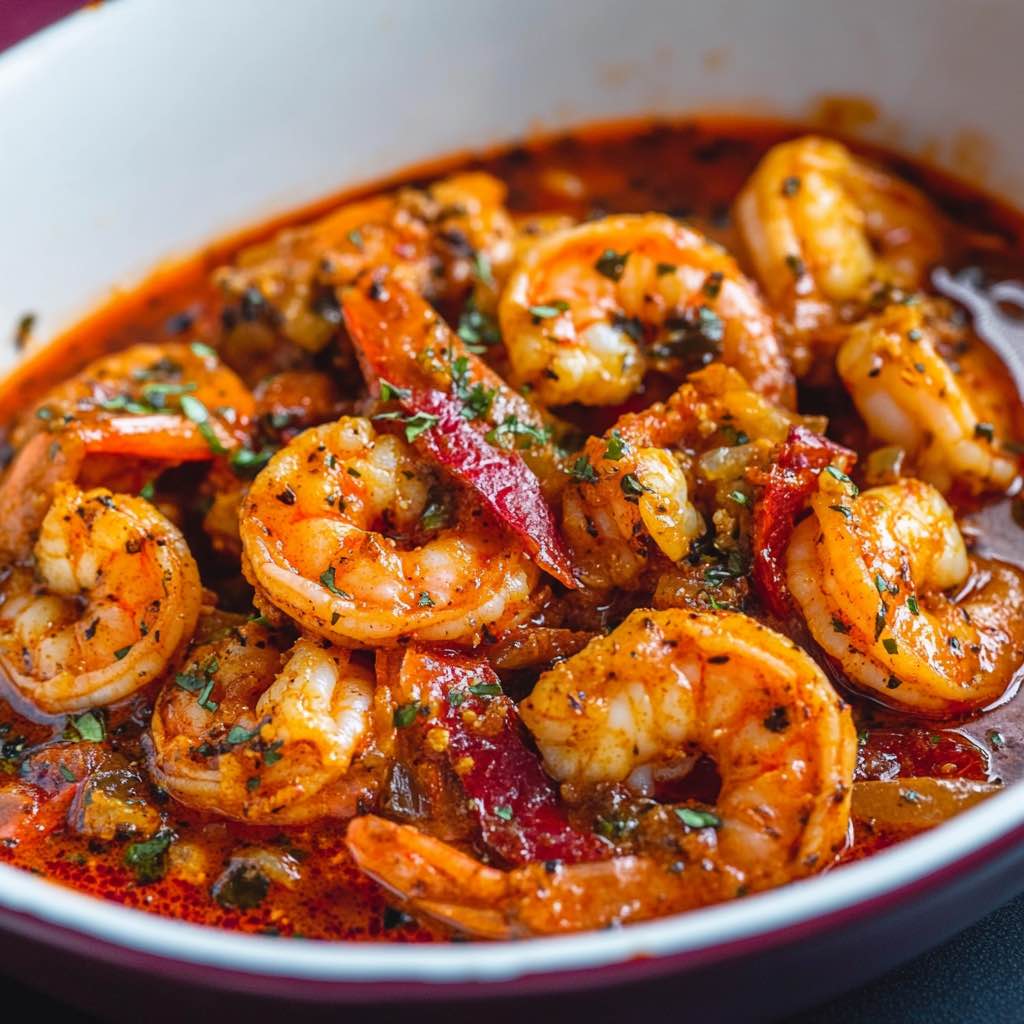
Spicy New Orleans shrimp represents the vibrant heart of Creole and Cajun cuisine, delivering bold flavors that have made Louisiana cooking famous worldwide. This iconic dish combines plump, succulent shrimp with a complex blend of aromatic spices, creating an explosion of taste that captures the essence of the Big Easy in every bite.
New Orleans shrimp dishes have been perfecting their craft for centuries, drawing from French, Spanish, African, and Native American culinary traditions. The result is a cooking style that celebrates bold flavors, fresh seafood from the Gulf Coast, and the art of spice blending that makes Louisiana cuisine so distinctive and beloved.
The Rich History of New Orleans Shrimp Cuisine
The tradition of spicy shrimp preparations in New Orleans dates back to the early 18th century when French and Spanish colonists first settled in Louisiana. These European settlers encountered abundant Gulf shrimp and learned preservation and seasoning techniques from African slaves and Native American tribes. This cultural melting pot created the foundation for what we now recognize as authentic New Orleans cuisine.
The famous spice blends that define New Orleans cooking evolved from practical necessity. Before refrigeration, strong spices served both to preserve seafood and mask any off-flavors that might develop in the humid Louisiana climate. Over time, these spice combinations became integral to the region’s culinary identity, with each family developing their own secret blends passed down through generations.
Commercial shrimp fishing in Louisiana began in earnest during the late 1800s, making fresh shrimp more accessible to home cooks and restaurant chefs alike. The abundance of this local ingredient, combined with the established spice traditions, led to the development of countless shrimp preparations that remain popular today.
Essential Ingredients for Authentic Spicy New Orleans Shrimp
The Shrimp Selection
Choosing the right shrimp forms the foundation of any great New Orleans shrimp dish. Gulf shrimp, particularly those harvested from Louisiana waters, offer the ideal combination of sweetness, firm texture, and natural brininess that complements bold Creole seasonings. Large or extra-large shrimp work best for this preparation, typically ranging from 16-20 count per pound or 21-25 count per pound.
Fresh shrimp should have a mild ocean scent, firm flesh, and translucent appearance. If using frozen shrimp, ensure they are properly thawed and patted completely dry before cooking. The natural moisture content of shrimp can dilute seasonings and prevent proper browning, so removing excess water is crucial for achieving the best results.
The Spice Blend Foundation
Authentic New Orleans spice blends typically include paprika, cayenne pepper, garlic powder, onion powder, oregano, thyme, black pepper, and white pepper. Each spice serves a specific purpose in building the complex flavor profile that defines this cuisine. Paprika provides color and mild pepper flavor, while cayenne delivers the characteristic heat. Garlic and onion powders add savory depth, while herbs contribute aromatic complexity.
The proportion of each spice can be adjusted according to personal heat tolerance and flavor preferences. Traditional New Orleans cooks often include a small amount of sugar to balance the heat and enhance the natural sweetness of the shrimp. Some recipes also incorporate bay leaves, celery seed, or mustard powder for additional complexity.
Supporting Ingredients
High-quality butter serves as both a cooking medium and flavor enhancer in most New Orleans shrimp preparations. The butter should be unsalted to allow better control over the dish’s final seasoning. Fresh garlic, finely minced, provides aromatic intensity that powdered garlic cannot match.
Fresh lemon juice brightens the overall flavor profile and helps balance the richness of the butter and the heat of the spices. Some preparations include white wine or seafood stock to create a light sauce that coats the shrimp without overwhelming their natural flavor.
Step-by-Step Recipe for Perfect Spicy New Orleans Shrimp
Ingredients List
-
2 pounds large shrimp, peeled and deveined
-
6 tablespoons unsalted butter
-
4 cloves fresh garlic, minced
-
2 tablespoons paprika
-
1 tablespoon cayenne pepper
-
1 teaspoon garlic powder
-
1 teaspoon onion powder
-
1 teaspoon dried oregano
-
1 teaspoon dried thyme
-
1 teaspoon black pepper
-
1/2 teaspoon white pepper
-
1 teaspoon salt
-
1/2 teaspoon sugar
-
2 tablespoons fresh lemon juice
-
1/4 cup dry white wine
-
2 green onions, chopped
-
2 tablespoons fresh parsley, chopped
Preparation Steps
Begin by ensuring all shrimp are properly cleaned, peeled, and deveined. Pat them completely dry with paper towels and set aside in a large bowl. Combine all dry spices in a small bowl, mixing thoroughly to create an even blend. This spice mixture can be prepared in advance and stored in an airtight container for future use.
Heat a large skillet or sauté pan over medium-high heat. The pan should be large enough to accommodate all the shrimp in a single layer without overcrowding. Overcrowding leads to steaming rather than proper searing, which affects both texture and flavor development.
Add half the butter to the heated pan and allow it to melt completely. When the butter begins to foam slightly, add the minced garlic and cook for 30 seconds until fragrant. Be careful not to brown the garlic, as burned garlic will impart a bitter flavor to the dish.
Cooking the Shrimp
Add the shrimp to the pan in a single layer, working in batches if necessary. Cook for 1-2 minutes without moving them, allowing proper browning to develop. This initial searing creates the Maillard reaction that develops complex flavors and appealing color.
Sprinkle half of the spice mixture over the shrimp and flip them to the other side. Cook for another 1-2 minutes, then add the remaining spice mixture. The total cooking time for shrimp should not exceed 4-5 minutes, as overcooking results in tough, rubbery texture.
Add the remaining butter to the pan along with the white wine and lemon juice. Swirl the pan to combine all ingredients and create a light sauce. The liquid should reduce slightly and coat the shrimp with a glossy finish.
Remove the pan from heat and immediately garnish with chopped green onions and fresh parsley. The residual heat will wilt the herbs slightly while preserving their bright color and fresh flavor.
Advanced Cooking Techniques and Professional Tips
Temperature Control
Maintaining proper cooking temperature is crucial for achieving restaurant-quality results. The pan should be hot enough to create immediate sizzling when the shrimp are added, but not so hot that the spices burn before the shrimp cook through. Medium-high heat typically provides the ideal balance for most home stovetops.
If the pan becomes too hot during cooking, reduce the heat temporarily or remove it from the burner briefly. Burned spices create bitter flavors that cannot be corrected, so temperature control takes precedence over speed.
Timing and Texture
Shrimp cook very quickly, and the window between perfectly cooked and overcooked is narrow. Watch for visual cues rather than relying solely on cooking times. Properly cooked shrimp will be pink and opaque throughout, with a slight curve to their shape. Overcooked shrimp become C-shaped and develop a tough, chewy texture.
The spice coating should form a flavorful crust on the shrimp without becoming burnt or overly dark. If the spices begin to smoke excessively, reduce the heat and add a small amount of additional butter to prevent burning.
Sauce Development
The brief deglazing with wine and lemon juice serves multiple purposes beyond flavor enhancement. The liquid helps dissolve any browned bits from the pan bottom, incorporating them into the sauce for added depth. The acidity from both the wine and lemon juice helps balance the richness of the butter and the heat from the spices.
Some chefs prefer to add a small amount of seafood stock or clam juice instead of wine, which enhances the oceanic flavors without introducing alcohol. The choice depends on personal preference and the intended serving context.
Popular Variations and Regional Adaptations
Barbecue Shrimp Style
One popular variation incorporates elements of New Orleans barbecue shrimp, which despite its name involves no grilling. This preparation increases the butter content significantly and often includes Worcestershire sauce, creating a richer, more sauce-heavy dish perfect for dipping French bread.
The cooking technique remains similar, but the final product has more sauce and is typically served with crusty bread for soaking up the flavorful liquid. Some versions include beer instead of wine, adding a different dimension to the flavor profile.
Creole vs. Cajun Interpretations
Creole versions of spicy New Orleans shrimp often include tomatoes, either fresh or in sauce form, reflecting the Spanish and Italian influences in Creole cooking. These preparations might incorporate bell peppers and onions, creating a more complex vegetable base.
Cajun interpretations typically focus more intensely on the spice blend itself, often using more cayenne pepper and black pepper for increased heat. The cooking method tends to be more straightforward, emphasizing the natural flavors of the shrimp and spices without additional ingredients.
Modern Fusion Approaches
Contemporary chefs have created numerous fusion variations that maintain the essential character of New Orleans spicy shrimp while incorporating influences from other cuisines. Asian-inspired versions might include ginger, soy sauce, or sesame oil, while Mediterranean adaptations could feature olive oil, fresh herbs, and white wine.
These modern interpretations demonstrate the versatility of the basic technique while respecting the fundamental principles that make New Orleans shrimp dishes so appealing.
Serving Suggestions and Accompaniments
Traditional Pairings
Classic accompaniments for spicy New Orleans shrimp include steamed white rice, which helps absorb the flavorful sauce and provides a neutral base that allows the shrimp’s seasoning to shine. Dirty rice, a Louisiana specialty made with rice, ground meat, and vegetables, offers a more substantial pairing that complements the shrimp’s bold flavors.
French bread or crusty New Orleans po’ boy bread serves as an ideal vehicle for soaking up any remaining sauce. The bread’s crispy exterior and soft interior provide textural contrast while helping capture every drop of the seasoned butter.
Contemporary Presentations
Modern presentations might include serving the spicy shrimp over creamy stone-ground grits, creating a dish that bridges traditional Southern and Louisiana cuisines. The grits’ mild corn flavor and smooth texture provide an excellent foundation for the boldly seasoned shrimp.
Pasta presentations have become increasingly popular, with the spicy shrimp served over linguine or angel hair pasta. The pasta absorbs the seasoned butter sauce while providing a satisfying, complete meal that appeals to diverse palates.
Vegetable Accompaniments
Simple steamed or grilled vegetables complement the rich, spicy shrimp without competing for attention. Asparagus, green beans, or sugar snap peas provide color and nutritional balance while maintaining the focus on the main dish.
Salad courses work particularly well, especially those featuring crisp greens, fresh tomatoes, and light vinaigrette dressings that help cleanse the palate between bites of the intensely flavored shrimp.
Nutritional Benefits and Health Considerations
Protein and Nutrient Content
Shrimp provide excellent nutritional value, offering high-quality protein with relatively few calories. A typical serving of this preparation provides approximately 25-30 grams of protein while remaining relatively low in saturated fat. Shrimp also contain significant amounts of selenium, vitamin B12, and omega-3 fatty acids.
The spices used in New Orleans preparations offer additional health benefits. Cayenne pepper contains capsaicin, which may help boost metabolism and provide anti-inflammatory effects. Garlic has been associated with cardiovascular benefits and immune system support.
Dietary Adaptations
For those following low-sodium diets, the salt content can be reduced or eliminated entirely, relying on the other spices and natural shrimp flavors for taste. The dish naturally fits into low-carbohydrate eating plans when served without rice or bread accompaniments.
Dairy-free versions can substitute olive oil or avocado oil for butter, though this changes the flavor profile somewhat. The cooking technique remains the same, but the final dish will have a different richness and mouthfeel.
Storage and Reheating Guidelines
Proper Storage Techniques
Leftover spicy New Orleans shrimp should be refrigerated within two hours of cooking and consumed within 2-3 days for optimal quality and safety. Store the shrimp in airtight containers, preferably with any remaining sauce to help maintain moisture and flavor.
Freezing is not recommended for this preparation, as previously cooked shrimp tend to become tough and lose their appealing texture when frozen and reheated. The spice coating may also become soggy during the freezing and thawing process.
Reheating Methods
When reheating, use gentle methods to avoid overcooking the shrimp further. A low-temperature oven or careful reheating in a skillet over low heat works best. Add a small amount of butter or white wine to refresh the sauce and prevent the shrimp from drying out.
Microwave reheating should be done carefully, using short intervals and stirring frequently to ensure even heating without creating hot spots that could overcook portions of the shrimp.
Troubleshooting Common Issues
Preventing Overcooking
The most common problem with shrimp preparations is overcooking, which results in tough, rubbery texture. Watch carefully for the color change from translucent to opaque pink, and remove from heat immediately when this occurs. Remember that shrimp continue cooking briefly from residual heat even after removing from the stovetop.
If shrimp seem to be cooking too quickly, reduce the heat or remove the pan from the burner temporarily. It’s better to cook more slowly and achieve perfect texture than to rush and end up with overcooked seafood.
Spice Balance Issues
If the dish turns out too spicy, adding a small amount of butter, cream, or even honey can help melllow the heat without diluting the other flavors significantly. Conversely, if more heat is desired, a small amount of hot sauce or additional cayenne pepper can be stirred in after cooking.
Bitter flavors usually indicate that spices or garlic have burned during cooking. This cannot be easily corrected, so prevention through proper temperature control is essential.
Frequently Asked Questions
How do I know when the shrimp are perfectly cooked?
Properly cooked shrimp will be pink and opaque throughout, with no translucent areas remaining. They should feel firm but not tough when pressed gently. The entire cooking process typically takes 3-4 minutes total, depending on the size of the shrimp. Overcooked shrimp will curl into tight C-shapes and develop a rubbery texture that cannot be corrected.
Can I make the spice blend ahead of time?
Yes, the spice blend can be prepared several days or even weeks in advance and stored in an airtight container at room temperature. Pre-mixing the spices allows the flavors to meld and ensures consistent seasoning. Some cooks prefer to make larger batches of their favorite spice blend to have on hand for multiple preparations.
What’s the best way to devein shrimp quickly?
Use a sharp paring knife to make a shallow cut along the back curve of each shrimp, then rinse under cold water to remove the dark vein. For faster processing, consider purchasing shrimp that are already peeled and deveined, though they may be slightly more expensive. Some cooks prefer to leave the tails on for presentation purposes, while others remove them entirely for easier eating.
Can I use frozen shrimp for this recipe?
Frozen shrimp work well for this preparation, but they must be completely thawed and thoroughly dried before cooking. Excess moisture from frozen shrimp can dilute the spice coating and prevent proper browning. Thaw shrimp overnight in the refrigerator or use the cold water method for faster thawing, then pat completely dry with paper towels.
How can I adjust the heat level to suit different preferences?
The cayenne pepper provides most of the heat in this dish, so adjust the amount according to your tolerance. Start with half the recommended amount for mild heat, or increase up to 2 tablespoons for very spicy results. You can also add hot sauce at the end of cooking for additional heat without altering the spice coating.
What should I do if my spices start burning during cooking?
If spices begin to smoke or smell burnt, immediately reduce the heat and add a small amount of butter to the pan. Stir gently to prevent further burning. If the spices have already burned significantly, it’s better to start over, as burnt spices create bitter flavors that cannot be corrected and will ruin the entire dish.
Can I prepare this dish for a large crowd?
Yes, but cook the shrimp in smaller batches to avoid overcrowding the pan. Overcrowding leads to steaming rather than proper searing, affecting both texture and flavor. Keep finished batches warm in a low oven while cooking the remaining shrimp, then combine everything in a large serving dish with any accumulated juices.
How long will leftover spicy shrimp keep in the refrigerator?
Properly stored leftover shrimp will keep for 2-3 days in the refrigerator. Store in airtight containers and reheat gently to avoid overcooking. The texture and flavor are best when consumed within the first day after cooking, as reheated shrimp can become tougher over time.
Can I substitute other proteins for the shrimp?
While shrimp are traditional, this spice blend and cooking technique work well with other seafood such as scallops or firm fish fillets. Chicken breast or thighs can also be used, though cooking times will need to be adjusted accordingly. The key is choosing proteins that will cook quickly and benefit from the bold spice coating.
What’s the difference between Creole and Cajun seasoning for this dish?
Creole seasonings typically include more herbs and sometimes tomato-based ingredients, reflecting the more cosmopolitan influences of New Orleans city cooking. Cajun seasonings tend to be spicier and more straightforward, focusing on heat and basic aromatics. Both work well for this preparation, and the choice often comes down to personal preference and availability.
Conclusion
Spicy New Orleans shrimp represents more than just a delicious seafood dish – it embodies the rich cultural heritage and culinary innovation that defines Louisiana cooking. This preparation showcases how simple ingredients can be transformed into something extraordinary through the careful application of traditional techniques and time-honored spice blends.
The beauty of this dish lies in its accessibility and versatility. Home cooks can easily master the basic technique while having the freedom to adjust seasonings and accompaniments according to personal preferences. Whether served as an elegant dinner party centerpiece or a casual weeknight meal, spicy New Orleans shrimp delivers restaurant-quality results that celebrate the bold, unapologetic flavors that make Louisiana cuisine so beloved worldwide.
The key to success lies in understanding the fundamental principles: selecting quality shrimp, balancing the spice blend thoughtfully, controlling cooking temperatures carefully, and respecting the brief cooking time required for perfect texture. With these basics mastered, countless variations and personal adaptations become possible while maintaining the essential character that makes this dish authentically New Orleans.
As you develop your own relationship with this classic preparation, remember that cooking is both art and tradition. Each time you prepare spicy New Orleans shrimp, you’re participating in a culinary legacy that spans centuries and connects you to the vibrant food culture of one of America’s most distinctive culinary regions. The dish serves as a delicious reminder that the best cooking combines respect for tradition with the freedom to make each preparation uniquely your own.
Spicy New Orleans Shrimp
Description
Ingredients
-
1 1/2 pounds large shrimp, peeled and deveined, tails on or off
-
4 tablespoons unsalted butter, cold and cubed
-
2 tablespoons olive oil
-
1/4 cup Worcestershire sauce
-
1/4 cup beer or seafood stock (optional but classic)
-
3–4 cloves garlic, minced
-
1 teaspoon Cajun or Creole seasoning
-
1 teaspoon paprika
-
1/2 teaspoon cayenne pepper or to taste
-
1 teaspoon cracked black pepper
-
1–2 teaspoons hot sauce (Crystal or Tabasco)
-
Juice of 1/2 lemon, plus slices for serving
-
1 bay leaf and a sprig of rosemary or thyme (optional)
-
Chopped parsley and sliced scallions, for garnish
Instructions
-
Build the sauce
-
In a large skillet over medium-high, combine Worcestershire, beer or stock, garlic, bay leaf, rosemary, Cajun seasoning, paprika, cayenne, black pepper, and hot sauce; bring to a simmer 2–3 minutes.
-
Cook shrimp
-
Add shrimp and lemon slices; toss to coat. Reduce to medium, cover, and cook until just pink and opaque, 3–5 minutes depending on size.
-
Finish with butter
-
Remove lid, add lemon juice, then turn off heat. Add cold butter cubes and swirl until emulsified and glossy. Season with salt and additional lemon to taste.
-
Serve
-
Garnish with parsley and scallions. Serve immediately with crusty French bread to sop up the spicy butter sauce.