
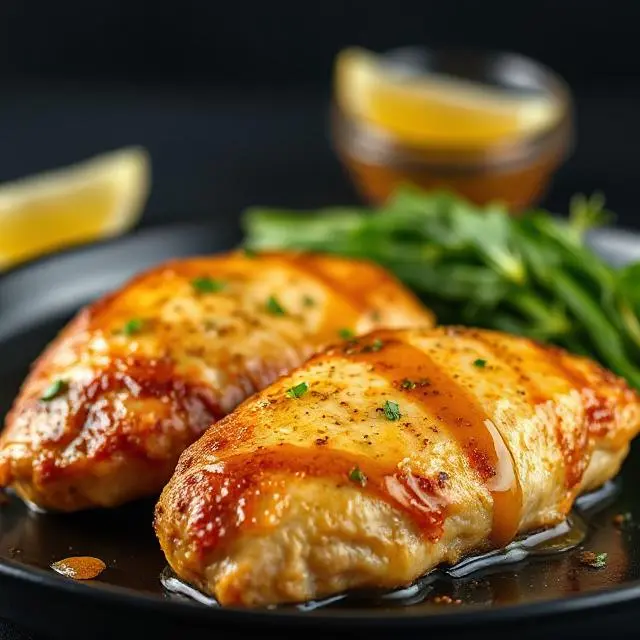
Oven-Baked Honey Dijon Chicken Breasts: A Simple Yet Flavorful Weeknight Dinner
If you’re searching for a foolproof way to create juicy, flavorful chicken that’s ready in under an hour, these oven-baked honey Dijon chicken breasts deliver every time. This recipe combines the sweet richness of honey with the tangy bite of Dijon mustard, creating a glaze that caramelizes beautifully in the oven. Whether you’re meal prepping for the week or preparing a family dinner, this dish offers restaurant-quality results with minimal effort and everyday ingredients.
Why This Recipe Works
The Perfect Balance of Flavors
Honey Dijon chicken breasts succeed because they balance three fundamental taste profiles. The honey provides natural sweetness that caramelizes during baking. Dijon mustard adds tangy depth and slight heat. Garlic and herbs round out the flavor profile with savory notes.
This combination creates a glaze that penetrates the chicken while forming a golden crust. The result is moist meat with a flavorful exterior that keeps every bite interesting.
Foolproof Cooking Method
Baking chicken breasts in the oven offers consistent results. Unlike stovetop methods that require constant attention, oven-baking allows even heat distribution. The controlled environment prevents burning while ensuring thorough cooking.
The honey Dijon glaze acts as a protective coating. This barrier helps retain moisture during the cooking process. Additionally, the sugars in honey create a beautiful golden-brown finish that looks as good as it tastes.
Versatile and Customizable
This recipe adapts to various dietary needs and preferences. You can easily modify the sweetness level or adjust the mustard intensity. The basic technique remains the same regardless of minor ingredient changes.
Furthermore, these chicken breasts pair well with countless side dishes. They work equally well for casual weeknight dinners and special occasions. The elegant presentation makes them suitable for entertaining guests.
Essential Ingredients Breakdown
Main Protein
Boneless, Skinless Chicken Breasts (4 pieces, 6-8 oz each): Choose breasts of similar size for even cooking. Look for organic or free-range options when possible. The meat should be pink with no gray spots or strong odors.
Glaze Components
Honey (⅓ cup): Raw honey offers the best flavor complexity. Clover honey works well for milder sweetness. Wildflower honey adds more robust notes. Avoid artificial honey blends.
Dijon Mustard (¼ cup): Traditional Dijon provides the classic tangy flavor. Whole-grain Dijon adds texture and visual interest. Stone-ground varieties offer more pronounced mustard seeds.
Olive Oil (2 tablespoons): Extra virgin olive oil contributes fruity notes. It helps emulsify the glaze ingredients. The oil also prevents the glaze from becoming too thick.
Flavor Enhancers
Garlic (4 cloves, minced): Fresh garlic delivers pungent, aromatic flavor. Garlic powder can substitute in emergencies, but fresh is superior. The garlic mellows during baking, becoming sweet and nutty.
Lemon Juice (2 tablespoons): Fresh-squeezed lemon juice brightens the glaze. The acidity balances the honey’s sweetness. It also helps tenderize the chicken slightly.
Soy Sauce (1 tablespoon): Low-sodium soy sauce adds umami depth. It enhances the savory elements. Tamari or coconut aminos work for gluten-free diets.
Seasonings
Dried Thyme (1 teaspoon): This herb complements chicken beautifully. Fresh thyme can replace dried using three times the amount. Rosemary offers an alternative flavor profile.
Salt and Black Pepper (to taste): Season generously for best results. Kosher salt provides better control than table salt. Freshly ground black pepper offers more complex flavor than pre-ground.
Kitchen Tools You’ll Need
Essential Equipment
A 9×13-inch baking dish provides adequate space for four chicken breasts. Glass or ceramic dishes distribute heat evenly. Metal pans work but may cause faster browning.
An instant-read meat thermometer ensures perfectly cooked chicken. Digital thermometers offer quick, accurate readings. This tool prevents both undercooking and overcooking.
Preparation Tools
A medium mixing bowl combines glaze ingredients effectively. Stainless steel or glass bowls work best. Avoid reactive materials like aluminum with acidic ingredients.
A whisk blends the glaze smoothly. It incorporates air, creating a lighter texture. A fork can substitute if necessary.
Measuring cups and spoons ensure recipe accuracy. Liquid and dry measuring tools serve different purposes. Precise measurements produce consistent results.
Optional but Helpful
Meat mallets help create uniform chicken thickness. Pounding breasts to even thickness promotes uniform cooking. Place chicken between plastic wrap before pounding.
Basting brushes apply glaze evenly during cooking. Silicone brushes clean easily and withstand high heat. Natural bristle brushes require more careful cleaning.
Step-by-Step Cooking Instructions
Preparation Phase
Start by preheating your oven to 375°F (190°C). This temperature cooks chicken thoroughly without drying it out. Position the rack in the center of the oven.
Pat chicken breasts dry with paper towels. Removing surface moisture helps seasonings adhere better. Dry chicken also browns more effectively.
If chicken breasts are significantly different sizes, pound them to uniform thickness. Place each breast between plastic wrap. Use a meat mallet to gently flatten thicker portions.
Creating the Glaze
Combine honey, Dijon mustard, and olive oil in a medium bowl. Whisk these ingredients until thoroughly mixed. The mixture should look smooth and uniform.
Add minced garlic, lemon juice, and soy sauce. Continue whisking to incorporate all elements. The glaze will have a slightly loose consistency.
Stir in dried thyme, salt, and black pepper. Taste the glaze and adjust seasonings as needed. Remember that flavors concentrate during baking.
Assembling the Dish
Lightly grease your baking dish with cooking spray or olive oil. This prevents sticking and makes cleanup easier. Spread the oil evenly across the bottom.
Arrange chicken breasts in the dish with space between each piece. Overcrowding leads to steaming rather than baking. Proper spacing ensures even browning.
Pour the honey Dijon glaze over the chicken breasts. Use a spoon or brush to coat each piece completely. Reserve about two tablespoons of glaze for basting.
Baking Process
Place the dish in the preheated oven. Set a timer for 15 minutes for the first basting. This ensures even glaze distribution.
After 15 minutes, remove the dish carefully using oven mitts. Spoon pan juices or reserved glaze over the chicken. Return immediately to the oven.
Continue baking for an additional 10-15 minutes. The total cooking time depends on breast thickness. Monitor closely to prevent overcooking.
Checking for Doneness
Insert an instant-read thermometer into the thickest part of a breast. The internal temperature should reach 165°F (74°C). This temperature ensures food safety while maintaining juiciness.
The chicken should show no pink in the center when cut. Juices should run clear, not pink or red. The exterior will appear golden brown with caramelized edges.
If chicken hasn’t reached 165°F, continue baking in 5-minute intervals. Check temperature after each interval. Different oven types may require timing adjustments.
Resting Period
Remove the dish from the oven once chicken reaches proper temperature. Let chicken rest for 5-10 minutes before serving. This resting period allows juices to redistribute.
Cover the dish loosely with aluminum foil during resting. The foil retains heat without trapping too much steam. Avoid sealing tightly, which creates condensation.
The internal temperature may rise slightly during resting. This carryover cooking is normal and expected. The final texture will be more tender and juicy.
Temperature and Timing Guidelines
Understanding Chicken Breast Sizes
Small breasts (4-6 ounces) typically require 20-25 minutes total cooking time. Medium breasts (6-8 ounces) need 25-30 minutes. Large breasts (8-10 ounces) may take 30-35 minutes.
Thickness matters more than weight for cooking time. Breasts over 1.5 inches thick take significantly longer. Pounding to uniform thickness creates predictable results.
Oven Temperature Variations
Baking at 375°F produces the best balance of cooking speed and moisture retention. Higher temperatures risk drying out the exterior. Lower temperatures extend cooking time considerably.
Some ovens run hot or cool. Use an oven thermometer to verify accuracy. Adjust your oven temperature accordingly for consistent results.
Convection ovens cook faster than conventional ovens. Reduce temperature by 25°F when using convection. Check chicken 5 minutes earlier than standard timing.
Food Safety Standards
According to the USDA Food Safety and Inspection Service, chicken must reach an internal temperature of 165°F. This temperature kills harmful bacteria like Salmonella. Never rely on cooking time alone.
The thermometer should touch the thickest part of the meat. Avoid touching bone, which gives false readings. Take readings from multiple breasts if sizes vary.
Serving Suggestions and Pairings
Side Dish Combinations
Roasted Vegetables: Toss Brussels sprouts, carrots, and bell peppers with olive oil. Season with salt and pepper, then roast alongside the chicken. The vegetables absorb the honey Dijon drippings beautifully.
Rice Pilaf: Fluffy rice pilaf makes an excellent base for the glazed chicken. The mild flavor complements the sweet and tangy sauce. Consider adding herbs like parsley or dill.
Mashed Potatoes: Creamy mashed potatoes balance the glaze’s tanginess. The smooth texture contrasts nicely with the chicken. Add roasted garlic for extra depth.
Green Salad: A crisp green salad with vinaigrette provides refreshing contrast. Mixed greens, cucumbers, and cherry tomatoes work well. The lightness balances the richer main dish.
Quinoa: Protein-rich quinoa offers a nutritious pairing. Its nutty flavor complements the honey Dijon glaze. Try mixing in roasted vegetables for added interest.
Presentation Tips
Slice chicken breasts diagonally for elegant presentation. Arrange slices in a fan pattern on the plate. Drizzle extra pan sauce over the top.
Garnish with fresh herbs like parsley or thyme. A lemon wedge adds color and allows guests to add brightness. Microgreens provide a professional finishing touch.
Serve directly from the baking dish for family-style dining. The casual approach suits weeknight meals perfectly. Keep the dish warm on a trivet at the table.
Sauce Enhancement
If pan sauce seems thin, transfer it to a small saucepan. Simmer over medium heat until slightly reduced. The sauce will thicken and intensify in flavor.
For a creamier sauce, whisk in a tablespoon of cold butter. This creates a glossy, restaurant-quality finish. Add butter off heat, whisking constantly.
Check out our guide on [perfect side dishes for chicken] for more pairing ideas.
Storage and Meal Prep Tips
Refrigeration Guidelines
Store leftover chicken in an airtight container within two hours of cooking. Properly stored chicken lasts 3-4 days in the refrigerator. Label containers with the cooking date.
Keep sauce separate if possible for best texture upon reheating. The chicken stays crispier this way. Combine sauce and chicken when reheating.
Slice leftover chicken for easier meal prep usage. Pre-sliced chicken works perfectly in salads and sandwiches. Store slices in single-serving portions.
Freezing Instructions
Freeze cooked honey Dijon chicken for up to 3 months. Wrap individual portions tightly in plastic wrap. Place wrapped portions in freezer bags for extra protection.
Remove as much air as possible from freezer bags. Air exposure causes freezer burn. Label bags with contents and date.
Freeze sauce separately in ice cube trays. Once frozen, transfer cubes to freezer bags. This allows you to use small amounts as needed.
Reheating Methods
Oven Method: Preheat oven to 350°F. Place chicken in a baking dish with a splash of chicken broth. Cover with foil and heat for 15-20 minutes.
Microwave Method: Place chicken on a microwave-safe plate. Cover with a damp paper towel to retain moisture. Heat on medium power in 30-second intervals.
Stovetop Method: Slice chicken and warm in a skillet over medium heat. Add a bit of chicken broth or water to prevent drying. Heat until warmed through, about 5 minutes.
Meal Prep Applications
Prepare multiple batches of honey Dijon chicken on Sunday. Portion into meal prep containers with chosen sides. You’ll have ready-made lunches for the entire week.
Use leftover chicken in various dishes throughout the week. Dice for salads, slice for sandwiches, or shred for wraps. The versatility prevents meal fatigue.
Double the glaze recipe and store extra in the refrigerator. Use it as a marinade for future chicken dishes. The glaze keeps for up to one week.
Common Mistakes to Avoid
Overcooking the Chicken
Overcooked chicken becomes dry and tough. This happens when internal temperature exceeds 165°F significantly. Always use a meat thermometer rather than estimating.
Leaving chicken in the oven “just to be safe” causes problems. The carryover cooking during resting adds extra heat. Remove chicken at exactly 165°F.
Different-sized breasts cook at different rates. Remove smaller pieces as they finish cooking. Larger pieces can continue baking.
Inadequate Seasoning
Underseasoning is a common mistake with chicken breasts. The mild meat needs generous seasoning to shine. Don’t be afraid to season boldly.
Taste the glaze before applying it to chicken. Adjust salt, pepper, or lemon juice as needed. The glaze should taste slightly strong on its own.
Consider seasoning the chicken directly before adding glaze. A light sprinkling of salt and pepper adds extra flavor. This creates layers of seasoning.
Poor Glaze Consistency
Too-thick glaze won’t coat chicken evenly. Add water or lemon juice to thin it. The consistency should resemble maple syrup.
Too-thin glaze runs off the chicken immediately. Simmer the glaze briefly to reduce it. Alternatively, add an extra tablespoon of honey.
Not mixing glaze thoroughly leaves pockets of concentrated ingredients. Whisk vigorously until completely smooth. All components should be fully integrated.
Improper Baking Dish Size
A too-small dish causes chicken pieces to overlap. Overlapping prevents proper browning and even cooking. Choose a dish where chicken sits in a single layer.
A too-large dish spreads the glaze too thin. The sauce may burn in exposed areas. Match the dish size to the amount of chicken.
Using a too-deep dish traps steam around the chicken. This creates steaming rather than baking. Shallow dishes promote better browning.
Recipe Variations and Substitutions
Spicy Honey Dijon Version
Add 1-2 teaspoons of red pepper flakes to the glaze. Alternatively, mix in hot sauce for adjustable heat. Start with less and increase to taste.
Cayenne pepper provides a different type of heat. Use ¼ teaspoon for mild spice. Increase to ½ teaspoon for bolder flavor.
Fresh jalapeños add heat and texture. Remove seeds for milder spice. Dice finely and stir into the glaze.
Herb-Forward Adaptation
Fresh herbs elevate this dish significantly. Add 2 tablespoons of chopped fresh thyme, rosemary, or sage. Mix herbs directly into the glaze.
Create an herb crust by mixing breadcrumbs with dried herbs. Press this mixture onto the glazed chicken. The crust adds textural contrast.
Herbes de Provence offers a French-inspired twist. Use 2 teaspoons in place of plain thyme. The lavender notes complement honey beautifully.
Dietary Modifications
Low-Sodium Version: Use low-sodium soy sauce or coconut aminos. Reduce or eliminate added salt. The Dijon mustard contains some sodium naturally.
Sugar-Free Alternative: Replace honey with sugar-free maple syrup. Monk fruit-sweetened syrups work well too. The texture remains similar with these substitutions.
Dairy-Free: This recipe is naturally dairy-free. Ensure your Dijon mustard contains no dairy additives. Most brands are dairy-free by default.
Gluten-Free: Use tamari or coconut aminos instead of soy sauce. Verify that your Dijon mustard is gluten-free. Most pure mustards contain no gluten.
Protein Alternatives
Bone-in, skin-on chicken thighs work beautifully with this glaze. Increase cooking time to 35-40 minutes. The dark meat stays incredibly moist.
Pork chops adapt well to honey Dijon treatment. Use 1-inch thick chops and bake for 25-30 minutes. Check for an internal temperature of 145°F.
Salmon fillets offer a seafood variation. Reduce baking time to 12-15 minutes. The glaze caramelizes beautifully on fish.
Turkey cutlets provide a leaner option. They cook quickly, requiring only 15-20 minutes. Watch carefully to prevent overcooking.
Nutritional Information
Per Serving Analysis
One serving equals one chicken breast with approximately 2 tablespoons of glaze. Each serving contains approximately 280-320 calories. The exact count varies based on chicken breast size.
Protein content ranges from 35-42 grams per serving. This makes it an excellent choice for high-protein diets. The lean chicken breast provides quality protein.
Carbohydrate content is approximately 18-22 grams per serving. Most carbs come from honey in the glaze. The recipe contains minimal added sugars beyond honey.
Fat content stays relatively low at 6-8 grams per serving. Skinless chicken breasts are naturally lean. The olive oil contributes healthy monounsaturated fats.
Vitamin and Mineral Content
Chicken breasts provide significant amounts of B vitamins. Niacin supports energy metabolism and cell health. Vitamin B6 aids in protein metabolism.
Selenium content in chicken supports thyroid function. One serving provides about 40% of daily selenium needs. This mineral acts as an antioxidant.
Phosphorus in chicken helps maintain strong bones and teeth. Each serving offers approximately 25% of daily requirements. This mineral works alongside calcium.
The garlic in the recipe provides allicin compounds. These compounds support cardiovascular health. Garlic also offers anti-inflammatory properties.
Healthier Preparation Options
Reduce honey to ¼ cup for lower sugar content. The glaze will still taste sweet and delicious. This modification saves about 40 calories per serving.
Use cooking spray instead of greasing the pan with olive oil. This small change reduces overall fat content. The chicken won’t stick if you use quality spray.
Serve with vegetable-based sides instead of starches. This increases fiber and nutrient density. Roasted vegetables pair perfectly with the chicken.
Frequently Asked Questions
Can I make honey Dijon chicken breasts ahead of time?
You can prepare the glaze up to 3 days in advance. Store it in an airtight container in the refrigerator. You can also marinate raw chicken in the glaze overnight for deeper flavor penetration.
Why is my chicken dry even though I followed the recipe?
Overcooking is the most common cause of dry chicken breasts. Ensure you’re using a meat thermometer and removing chicken at exactly 165°F. Also, letting the chicken rest before cutting helps retain juices.
Can I use chicken tenders or thighs instead?
Absolutely! Chicken tenders cook much faster, requiring only 15-20 minutes. Boneless thighs take about the same time as breasts but stay moister. Bone-in thighs need 35-40 minutes.
What can I substitute for Dijon mustard?
Yellow mustard works in a pinch, though the flavor will be milder. Whole-grain mustard adds texture and similar tang. Spicy brown mustard creates a bolder flavor profile.
How do I prevent the honey from burning?
The 375°F temperature prevents burning when used correctly. If your oven runs hot, reduce to 350°F. Basting during cooking also helps distribute the glaze evenly.
Is this recipe suitable for meal prep?
Yes, this recipe is excellent for meal prep. The chicken stays flavorful and moist when properly stored. Reheat gently to maintain texture and taste.
Can I cook this in a slow cooker instead?
You can adapt this recipe for slow cooking. Place chicken and glaze in the slow cooker. Cook on low for 3-4 hours or high for 2-3 hours.
What’s the best way to ensure even cooking?
Pound chicken breasts to uniform thickness before cooking. This ensures all pieces finish simultaneously. Using similar-sized breasts also helps.
Conclusion
These oven-baked honey Dijon chicken breasts deliver on every promise: simplicity, flavor, and versatility. The combination of sweet honey and tangy Dijon creates a glaze that transforms ordinary chicken into something special. With proper technique and attention to temperature, you’ll achieve juicy, flavorful results every single time.
The recipe adapts easily to various dietary needs and preferences. Whether you’re cooking for a family dinner or preparing meals for the week ahead, this dish serves multiple purposes. The straightforward method makes it accessible for beginners while satisfying enough for experienced home cooks.
Start with quality ingredients and follow the temperature guidelines precisely. Your efforts will be rewarded with restaurant-quality chicken that costs a fraction of dining out. The honey Dijon chicken breasts prove that weeknight cooking doesn’t have to be boring or complicated.
Ready to create this delicious dish tonight? Gather your ingredients, preheat your oven, and prepare to enjoy one of the easiest yet most impressive chicken recipes you’ll ever make. Your family will be asking for this honey Dijon chicken again and again.
Oven-Baked Honey Dijon Chicken Breasts
Description
Oven-Baked Honey Dijon Chicken Breasts
Ingredients:
-
4 boneless, skinless chicken breasts
-
3 tablespoons Dijon mustard
-
2 tablespoons whole grain mustard (optional, for texture)
-
¼ cup honey
-
2 tablespoons olive oil
-
2 garlic cloves, minced
-
1 tablespoon apple cider vinegar (or lemon juice)
-
Salt and black pepper, to taste
-
Fresh parsley, for garnish (optional)
Instructions:
-
Preheat the oven:
Preheat your oven to 400°F (200°C). Lightly grease a baking dish or line it with foil for easy cleanup. -
Prepare the honey Dijon glaze:
In a small bowl, whisk together Dijon mustard, whole grain mustard (if using), honey, olive oil, minced garlic, and apple cider vinegar until smooth. Season with a pinch of salt and pepper. -
Coat the chicken:
Place the chicken breasts in the baking dish. Pour the honey Dijon mixture over them, turning each piece to coat thoroughly. -
Bake the chicken:
Bake uncovered for 25–30 minutes, or until the internal temperature reaches 165°F (74°C).
Tip: Halfway through baking, spoon some of the sauce over the chicken to keep it moist and flavorful. -
Caramelize (optional):
For a golden, slightly sticky finish, broil the chicken on high for 2–3 minutes at the end. -
Serve:
Drizzle the remaining sauce from the pan over the chicken, sprinkle with fresh parsley, and serve hot.