
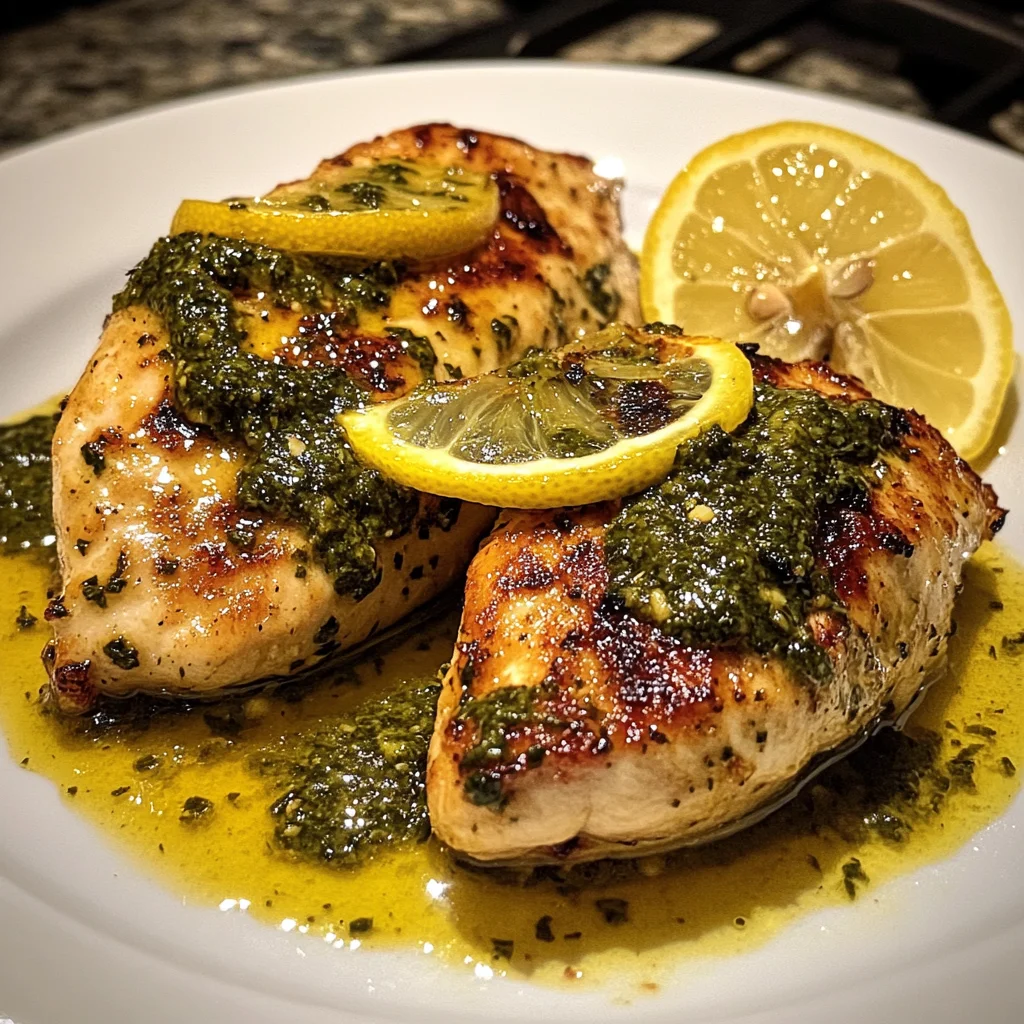
Pesto Lemon Butter Chicken Breasts: A Fresh, Flavorful Weeknight Dinner
Introduction
Pesto Lemon Butter Chicken Breasts deliver a restaurant-quality meal straight from your kitchen with minimal effort. This vibrant dish combines the herby richness of basil pesto with the bright tang of fresh lemon and the silky smoothness of butter, creating layers of flavor that transform simple chicken breasts into something extraordinary. Whether you’re preparing a quick weeknight dinner or meal prepping for the week ahead, this recipe offers versatility and incredible taste that will satisfy everyone at your table.
The beauty of Pesto Lemon Butter Chicken Breasts lies in its simplicity. With just a handful of quality ingredients and about 30 minutes of your time, you’ll create a dish that looks impressive and tastes even better. The combination of pesto and lemon creates a perfect balance of savory and citrusy notes that complement the tender chicken beautifully.
Why You’ll Love This Recipe
This recipe stands out for several compelling reasons. First, it’s incredibly quick to prepare, making it ideal for busy schedules when you need dinner on the table fast. The ingredients are straightforward and readily available at most grocery stores, eliminating the need for specialty shopping trips.
The flavor profile is complex yet balanced. Basil pesto brings earthy, garlicky notes with hints of nuttiness from pine nuts and parmesan cheese. Fresh lemon juice adds brightness that cuts through the richness, while butter creates a luscious sauce that coats each piece of chicken perfectly. Additionally, this dish is highly versatile and pairs beautifully with numerous side dishes, from roasted vegetables to creamy risotto.
The recipe also works wonderfully for meal prep. You can prepare multiple servings at once and store them properly for convenient lunches or dinners throughout the week. This makes it an excellent choice for anyone looking to eat healthier while saving time and effort in the kitchen.
Essential Ingredients
For the Chicken
The foundation of this dish starts with quality boneless, skinless chicken breasts. Choose breasts that are similar in size and thickness to ensure even cooking. You’ll need approximately four large chicken breasts, which typically serve four to six people depending on portion sizes.
Olive oil is essential for coating the chicken before seasoning. It helps the seasonings adhere while promoting browning during cooking. Salt and freshly ground black pepper are fundamental seasonings that enhance the natural flavors of the chicken without overpowering the pesto and lemon elements.
For the Pesto
You can use either homemade or high-quality store-bought basil pesto for this recipe. Homemade pesto typically contains fresh basil leaves, pine nuts, garlic cloves, extra-virgin olive oil, and freshly grated parmesan cheese. If making your own, you’ll need about three cups of packed fresh basil, one-third cup of pine nuts, two garlic cloves, half a cup of olive oil, and half a cup of parmesan.
Store-bought pesto works perfectly well when time is limited. Look for varieties with minimal preservatives and high-quality ingredients listed on the label. Either way, you’ll need approximately one cup of pesto for coating four chicken breasts thoroughly.
For the Lemon Butter Sauce
Fresh lemon juice is absolutely critical for this recipe. Avoid bottled lemon juice, which lacks the bright, fresh flavor that makes this dish special. You’ll need the juice and zest of one to two fresh lemons, depending on your preference for citrus intensity.
Unsalted butter allows you to control the sodium content of your dish. You’ll need about three to four tablespoons of cold butter, which will be incorporated into the sauce to create a rich, silky texture. Some recipes also include chicken broth to extend the sauce and add depth of flavor.
Kitchen Tools You’ll Need
Having the right equipment makes preparation smoother and more enjoyable. You’ll need a large baking dish, approximately 11 x 8 inches, to accommodate four chicken breasts with adequate space between them. A meat thermometer is absolutely essential for ensuring your chicken reaches the proper internal temperature for food safety and optimal texture.
Additional helpful tools include a sharp chef’s knife for any trimming, kitchen tongs for flipping and handling the chicken, and a silicone spatula for spreading pesto evenly. If making homemade pesto, you’ll need a food processor or blender to combine the ingredients smoothly. A small saucepan will be necessary if you’re preparing a lemon butter sauce separately rather than baking everything together.
For storage and meal prep, invest in high-quality airtight containers, preferably glass or BPA-free plastic. These containers will keep your cooked chicken fresh in the refrigerator and prevent freezer burn if you choose to freeze portions for later use.
Step-by-Step Instructions
Preparing the Chicken
Begin by preheating your oven to 400 degrees Fahrenheit. While the oven heats, prepare your baking dish by spraying it with non-stick cooking spray or lightly coating it with olive oil. This prevents sticking and makes cleanup easier afterward.
Pat the chicken breasts dry with paper towels. This step is important because moisture on the surface prevents proper browning and can make the chicken steam rather than roast. Place the chicken breasts in your prepared baking dish, ensuring they have some space between them for even heat circulation.
Drizzle the chicken with olive oil, then season both sides generously with salt and freshly ground black pepper. Turn the chicken a few times to ensure the oil and seasonings coat all surfaces evenly.
Applying the Pesto
Spoon the prepared pesto sauce over the top of each chicken breast. Use approximately one-quarter cup of pesto per breast, though you can adjust this based on your preference. With a silicone spatula or the back of a spoon, spread the pesto evenly across the surface of each piece, ensuring complete coverage.
For maximum flavor penetration, flip each chicken breast one or two times using kitchen tongs. This technique ensures the pesto coats the entire surface rather than just sitting on top. The pesto will create a flavorful crust as it bakes, sealing in moisture while adding incredible taste.
Baking the Chicken
Place the baking dish in your preheated oven and bake for 25 to 30 minutes. The exact cooking time depends on the thickness of your chicken breasts. Thinner pieces may be done in 20 minutes, while very thick breasts might need up to 35 minutes.
Check for doneness using a meat thermometer inserted into the thickest part of the largest breast. The FDA recommends an internal temperature of 165 degrees Fahrenheit for food safety. However, many chefs prefer removing chicken breasts at 150 to 155 degrees Fahrenheit and allowing them to rest, during which the temperature will continue rising while the meat stays more tender.
Adding the Lemon Butter Finish
Once the chicken reaches the proper temperature, remove it from the oven. While the chicken rests, prepare your lemon butter sauce in a small saucepan over low heat. Melt the butter slowly, being careful not to let it brown, then stir in fresh lemon juice and zest.
Alternatively, you can squeeze fresh lemon juice directly over the baked chicken and dot the surface with small pieces of cold butter, allowing the residual heat to melt them. Either method creates a bright, buttery finish that enhances the pesto beautifully. Let the chicken rest for five minutes before slicing to allow the juices to redistribute throughout the meat.
Cooking Tips for Perfect Results
Ensuring Even Cooking
Chicken breasts often have uneven thickness, with one end much thicker than the other. To promote even cooking, pound the chicken to an even thickness using a meat mallet before seasoning. Place each breast between two pieces of plastic wrap or parchment paper and gently pound until the thickness is uniform throughout, approximately three-quarters of an inch thick.
Another technique is to butterfly very thick chicken breasts. Using a sharp knife, slice horizontally through the thickest part of the breast, stopping just before cutting all the way through. Open the breast like a book, creating a more uniform thickness that cooks evenly.
Preventing Dry Chicken
Overcooking is the primary cause of dry chicken breasts. Always use a meat thermometer rather than relying on visual cues alone. Remove the chicken from the oven when it reaches 155 to 160 degrees Fahrenheit, as the temperature will continue rising during the resting period.
The resting period itself is crucial for juicy results. When chicken cooks, the proteins contract and push moisture toward the center. Resting allows those proteins to relax and reabsorb the juices throughout the meat rather than losing them when you cut into the chicken immediately.
Adding a small amount of liquid to your baking dish can also help maintain moisture. Try adding two to three tablespoons of chicken broth or water to the bottom of the pan before baking. This creates steam in the oven that keeps the environment moist while the chicken cooks.
Maximizing Flavor
For deeper flavor, marinate the chicken in a portion of the pesto for 30 minutes to two hours before cooking. This allows the garlic, herbs, and oil to penetrate the meat more thoroughly. Store the marinating chicken in the refrigerator, covered, during this time.
Fresh lemon juice makes a tremendous difference compared to bottled varieties. The volatile compounds that give lemon its bright, fresh flavor diminish quickly after juicing, so prepare lemon juice just before using it whenever possible. Additionally, incorporating lemon zest adds aromatic oils that intensify the citrus flavor without adding extra acidity.
Nutritional Benefits
Lean Protein from Chicken
Chicken breast is an excellent source of lean protein, providing approximately 31 grams of protein per 100 grams of cooked meat with minimal fat. This high protein content supports muscle growth, tissue repair, and overall body function while keeping calorie counts reasonable for those watching their intake.
Because chicken breast is naturally low in saturated fat, it’s considered heart-healthy when prepared without excessive added fats. The protein in chicken also helps promote satiety, keeping you feeling full longer and potentially supporting weight management goals.
Nutritional Value of Pesto
Basil pesto contains several nutritionally beneficial ingredients. Fresh basil provides antioxidants and vitamins, including vitamin K, vitamin A, and vitamin C. These nutrients support immune function, promote healthy skin, and protect cells from oxidative damage.
The olive oil in pesto contributes heart-healthy monounsaturated fats that can help reduce inflammation and support cardiovascular health. Pine nuts add additional healthy fats along with minerals like iron, magnesium, and zinc. Parmesan cheese contributes calcium and protein, supporting bone health.
However, pesto is calorie-dense due to its oil and nut content. A typical serving contains significant calories and fat, so portion control is important for those monitoring their intake. Despite this, the fats in pesto are primarily healthy unsaturated fats rather than saturated fats, making it a nutritious addition when consumed in reasonable amounts.
Benefits of Lemon
Fresh lemon juice is rich in vitamin C, a powerful antioxidant that supports immune function and collagen production. The citric acid in lemon can also enhance the absorption of iron from plant-based ingredients in the meal, making nutrients more bioavailable.
Lemon adds bright flavor without adding significant calories or sodium, making it an excellent choice for those seeking to enhance taste while keeping meals light. The acidity also helps balance the richness of butter and pesto, creating a more complex, satisfying flavor profile.
Serving Suggestions
Complementary Side Dishes
Pesto Lemon Butter Chicken Breasts pair beautifully with a wide variety of side dishes. Roasted vegetables are a popular choice, with options like asparagus, cherry tomatoes, and broccoli offering freshness and nutrition. The slight char from roasting complements the herby pesto flavors perfectly.
For a heartier meal, consider serving the chicken alongside creamy Parmesan risotto or jasmine rice. These starchy sides absorb the delicious pesto and lemon butter sauce, ensuring none of the flavor goes to waste. Mashed potatoes also work wonderfully, providing comfort and substance.
A fresh green salad with a light vinaigrette offers a refreshing contrast to the rich chicken. Greek salad with cucumbers, tomatoes, olives, and feta cheese creates a Mediterranean-inspired meal that feels cohesive and satisfying. For additional vegetables, consider sautéed green beans or steamed broccoli with a squeeze of fresh lemon.
Pasta and Grain Options
Transform your Pesto Lemon Butter Chicken Breasts into a complete one-dish meal by serving it over pasta. Penne, linguine, or bow tie pasta all work beautifully, tossed in any sauce that drips from the chicken during cooking. You can also add a splash of cream to create a luscious pesto cream sauce that coats the pasta beautifully.
Lemon orzo salad provides a light, zesty accompaniment that enhances the citrus notes in the dish. Toss cooked orzo with fresh lemon juice, chopped vegetables like bell peppers and cucumbers, and a light olive oil dressing. This side works equally well warm or cold, making it perfect for various seasons.
Quinoa offers a nutritious, protein-rich grain option that pairs well with the Mediterranean flavors. Consider making sun-dried tomato quinoa for an extra layer of flavor that complements the basil pesto wonderfully. The nutty taste of quinoa balances the richness of the butter and pesto nicely.
Bread and Appetizers
Garlic bread is a classic accompaniment that’s always crowd-pleasing. The garlic echoes the flavors in the pesto, creating a harmonious combination. Use any leftover pesto as a spread on the bread before toasting for an extra flavor boost.
For a lighter option, serve the chicken with a simple baguette or crusty Italian bread for soaking up the lemon butter sauce. The bread requires no special preparation beyond slicing and perhaps a light brush of olive oil before warming in the oven.
Storage and Meal Prep
Refrigerator Storage
Properly stored Pesto Lemon Butter Chicken Breasts will keep in the refrigerator for three to four days. Once the chicken has cooled to room temperature, transfer it to airtight containers, preferably glass or BPA-free plastic. Store some of the cooking liquid or lemon butter sauce with the chicken to help keep it moist during storage.
Label your containers with the date you prepared the chicken so you can track freshness easily. When storing multiple portions, consider dividing the chicken into individual serving sizes for convenient grab-and-go meals throughout the week.
To reheat refrigerated chicken, use the microwave on medium power for one to two minutes, or warm it in the oven at 325 degrees Fahrenheit for about 10 minutes. The air fryer also works wonderfully for reheating, requiring just one to two minutes at 350 degrees to restore moisture without drying out the chicken.
Freezer Storage
For longer storage, freeze cooked Pesto Lemon Butter Chicken Breasts for up to three months. The best approach is to portion the chicken into individual or family-sized servings before freezing. This allows you to thaw only what you need rather than the entire batch.
Use freezer-safe bags or airtight containers for freezing. If using bags, press out as much air as possible before sealing to prevent freezer burn. Laying the bags flat in the freezer saves space and allows for more efficient storage.
To thaw frozen chicken safely, transfer it to the refrigerator six hours before you plan to use it, or leave it overnight for complete thawing. Avoid thawing at room temperature, as this can promote bacterial growth. Reheat thawed chicken using the same methods as refrigerated chicken.
Meal Prep Strategies
This recipe is excellent for meal prepping because the flavors actually improve after a day in the refrigerator as the pesto and lemon meld with the chicken. Prepare a large batch at the beginning of the week and use it in various ways throughout the week to prevent menu fatigue.
One strategy is to prepare the chicken plain or lightly seasoned, then add fresh pesto and lemon butter just before serving. This keeps the chicken more versatile for different meals. You might use some in a salad one day, serve it over pasta another day, and create grain bowls with it on a third day.
Assemble complete meal prep containers with chicken, your chosen grain or starch, and roasted vegetables. These containers make weekday lunches or dinners effortless, requiring only a quick reheat before eating.
Variations and Substitutions
Protein Alternatives
While chicken breasts are the classic choice, this recipe adapts beautifully to other proteins. Boneless, skinless chicken thighs offer more flavor and stay juicier due to their higher fat content. They require similar cooking times but should reach an internal temperature of 165 to 175 degrees Fahrenheit for optimal texture.
For a seafood variation, substitute salmon fillets or firm white fish like halibut or cod. These proteins pair exceptionally well with both pesto and lemon butter. Reduce the cooking time significantly, as fish cooks much faster than chicken, typically requiring just 12 to 15 minutes at 400 degrees Fahrenheit.
Pork chops or turkey cutlets also work wonderfully with this flavor combination. Adjust cooking times based on thickness and always verify doneness with a meat thermometer to ensure food safety while maintaining juicy results.
Pesto Variations
Traditional basil pesto is delicious, but experimenting with different pesto varieties can create exciting new flavor profiles. Spinach pesto offers a milder flavor with similar nutritional benefits. Sun-dried tomato pesto adds a sweet-tart dimension that pairs beautifully with chicken.
Arugula pesto provides a peppery bite that creates a more sophisticated flavor profile. For a nut-free version, make pesto using pumpkin seeds or sunflower seeds instead of pine nuts, which works wonderfully for those with tree nut allergies while maintaining the signature texture.
Dairy-free pesto is easily achieved by omitting the parmesan cheese or replacing it with nutritional yeast, which provides a similar savory, slightly cheesy flavor without dairy products.
Sauce Modifications
The lemon butter sauce can be customized to suit your preferences. Add minced garlic or shallots to the butter for extra depth. Fresh herbs like parsley, thyme, or dill complement the lemon beautifully and add visual appeal with their bright green color.
For a lighter version, reduce the amount of butter and increase the lemon juice and chicken broth. This creates a brothy, citrusy sauce that’s lower in calories but still packed with flavor. Alternatively, add a splash of cream to create a richer, more indulgent sauce reminiscent of a piccata.
Capers are a traditional addition to lemon butter sauces, providing briny pops of flavor that cut through the richness. Red pepper flakes add a subtle heat that balances the buttery richness nicely.
Troubleshooting Common Issues
Chicken Is Dry
If your chicken turns out dry, the most likely cause is overcooking. Chicken breasts have very little fat, so they dry out quickly when cooked beyond 165 degrees Fahrenheit. Invest in a reliable instant-read thermometer and check the temperature frequently as the chicken approaches doneness.
Another potential issue is using chicken breasts that are too thick. Very thick breasts require longer cooking times, giving the thinner portions time to overcook while the thick center reaches temperature. Always pound chicken to even thickness or butterfly thick breasts before cooking.
Not allowing the chicken to rest before cutting also contributes to dry results. Resting gives the proteins time to relax and reabsorb moisture throughout the meat. Be patient and let the chicken sit undisturbed for five full minutes after removing it from the oven.
Pesto Is Too Oily
If the pesto separates and appears overly oily during baking, it may have been stored improperly or the oil-to-solid ratio was off when making homemade pesto. Before using store-bought pesto, stir it thoroughly in the jar to reincorporate any oil that has separated during storage.
When making homemade pesto, add the oil gradually while processing the other ingredients rather than adding it all at once. This creates a better emulsion that’s less likely to separate during cooking. If your pesto does separate during baking, simply stir it back together before serving.
Sauce Is Too Thin
If your lemon butter sauce turns out too thin and watery, it likely needed more reduction before adding the butter. Make sure to cook the lemon juice and any added broth until reduced by at least half before incorporating the butter.
The butter itself also acts as a thickening agent when added properly. Use cold butter straight from the refrigerator and add it gradually, swirling or whisking constantly until each addition is fully incorporated before adding more. This creates an emulsion that naturally thickens the sauce.
For additional thickening, you can add a small amount of cold butter cubed into pieces. The more butter you add, the thicker and richer your sauce becomes. Alternatively, a small slurry of cornstarch and cold water whisked in at the end can thicken the sauce without adding more fat.
Frequently Asked Questions
How do I know when the chicken is fully cooked?
The most reliable method is using an instant-read meat thermometer inserted into the thickest part of the chicken breast. The FDA recommends an internal temperature of 165 degrees Fahrenheit for food safety. Many chefs prefer pulling chicken breasts at 155 to 160 degrees and allowing them to rest, during which carryover cooking will bring the temperature to 165 degrees while keeping the meat more tender. The chicken should no longer be pink in the center and the juices should run clear.
Can I make Pesto Lemon Butter Chicken Breasts ahead of time?
Yes, this dish is excellent for make-ahead preparation. You can cook the chicken completely, allow it to cool, and store it in the refrigerator for three to four days before serving. The flavors actually deepen and improve after a day in the refrigerator. Reheat gently in the microwave, oven, or air fryer before serving. Alternatively, you can prepare the chicken up to the point of baking, cover it tightly, and refrigerate for up to 24 hours before cooking.
What’s the best way to reheat leftover chicken?
The best reheating method depends on your available time and equipment. For quick reheating, use the microwave on medium power for one to two minutes, checking frequently to avoid overcooking. The air fryer produces excellent results, requiring just one to two minutes at 350 degrees Fahrenheit to restore moisture and texture. For oven reheating, warm at 325 degrees Fahrenheit for about 10 minutes, covered with foil to prevent drying out.
Can I use frozen chicken breasts?
While you can use frozen chicken breasts, they must be fully thawed before cooking for even results and food safety. Thaw chicken in the refrigerator overnight, which typically takes 12 to 24 hours depending on the size of the breasts. Never thaw chicken at room temperature, as this promotes bacterial growth in the outer portions while the center remains frozen.
What can I serve with Pesto Lemon Butter Chicken Breasts?
This versatile dish pairs well with numerous sides. Popular options include roasted vegetables like asparagus, cherry tomatoes, or broccoli, creamy sides like mashed potatoes or Parmesan risotto, pasta tossed in the pan sauce, fresh green salads, garlic bread, and grain-based sides like quinoa or lemon orzo salad. Choose sides that complement the herby, citrusy flavors of the chicken.
How long does cooked chicken last in the refrigerator?
According to the USDA, cooked chicken will last three to four days when stored properly in the refrigerator. Store the chicken in airtight containers with some of the cooking liquid to help maintain moisture. Always refrigerate leftovers within two hours of cooking to prevent bacterial growth.
Can I freeze this dish?
Yes, Pesto Lemon Butter Chicken Breasts freeze well for up to three months. Allow the chicken to cool completely, then portion it into freezer-safe containers or bags, removing as much air as possible to prevent freezer burn. Thaw frozen chicken in the refrigerator for six hours or overnight before reheating. The texture remains good after freezing, though the sauce may separate slightly and need stirring after reheating.
Conclusion
Pesto Lemon Butter Chicken Breasts combine simplicity with sophistication, delivering restaurant-quality results with minimal effort and time investment. The harmonious blend of aromatic basil pesto, bright fresh lemon, and rich butter creates layers of flavor that transform ordinary chicken breasts into an extraordinary meal suitable for both weeknight dinners and special occasions.
The versatility of this recipe makes it invaluable for home cooks. Whether you’re cooking for a family dinner, preparing meals for the week ahead, or looking for a dish that pairs well with countless sides, this recipe delivers on all fronts. The nutritional benefits of lean protein, heart-healthy fats, and antioxidant-rich herbs make it as wholesome as it is delicious.
By following the detailed instructions and tips provided, you’ll achieve perfectly cooked, juicy chicken with a flavorful crust every single time. The balance of savory pesto and tangy lemon creates a taste experience that keeps people coming back for more, while the straightforward preparation method ensures success even for novice cooks.
Print
Pesto Lemon Butter Chicken Breasts
Description
Pesto Lemon Butter Chicken Breasts
Ingredients:
-
4 boneless, skinless chicken breasts
-
2 tbsp olive oil
-
Salt and pepper, to taste
-
3 tbsp butter
-
3 garlic cloves, minced
-
½ cup chicken broth
-
2 tbsp lemon juice
-
¼ cup basil pesto
-
¼ cup heavy cream (optional, for extra creaminess)
-
Lemon slices and fresh basil, for garnish
Instructions:
-
Season chicken breasts with salt and pepper.
-
Heat olive oil in a large skillet over medium-high heat. Sear chicken for 5–6 minutes per side until golden and cooked through. Remove and set aside.
-
In the same skillet, melt butter and sauté garlic for 1 minute. Stir in chicken broth, lemon juice, and pesto.
-
Simmer for 2–3 minutes, then whisk in heavy cream if using.
-
Return chicken to the skillet and spoon sauce over the top. Simmer for 3–4 minutes until warmed through.
-
Garnish with lemon slices and fresh basil before serving.